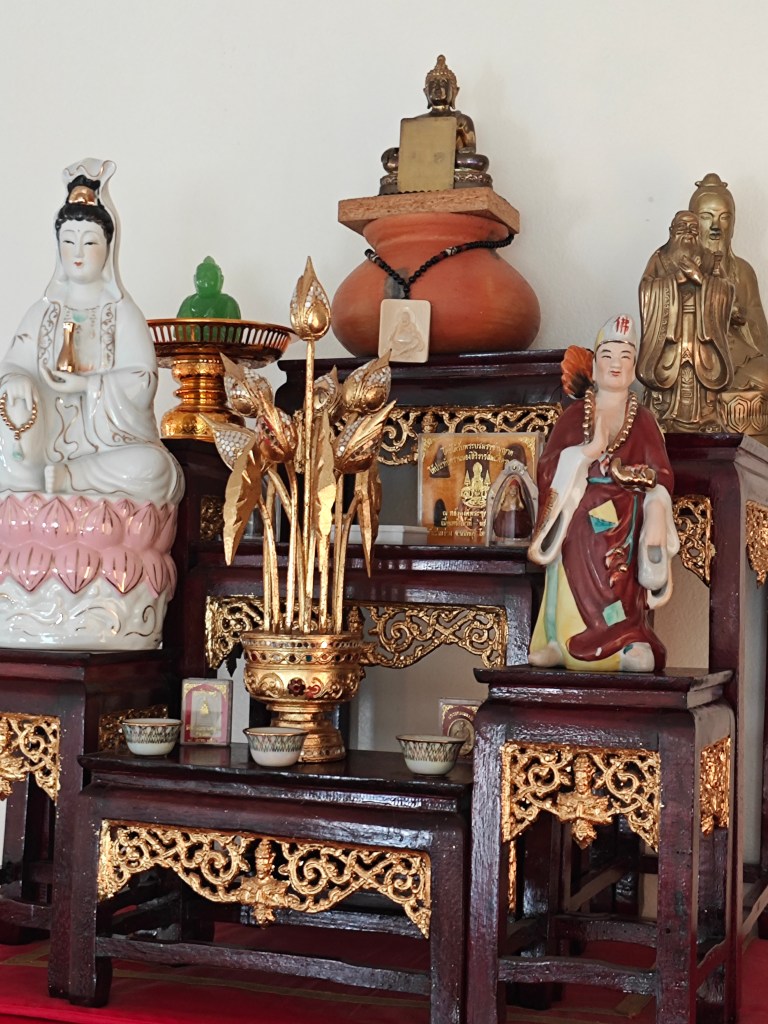
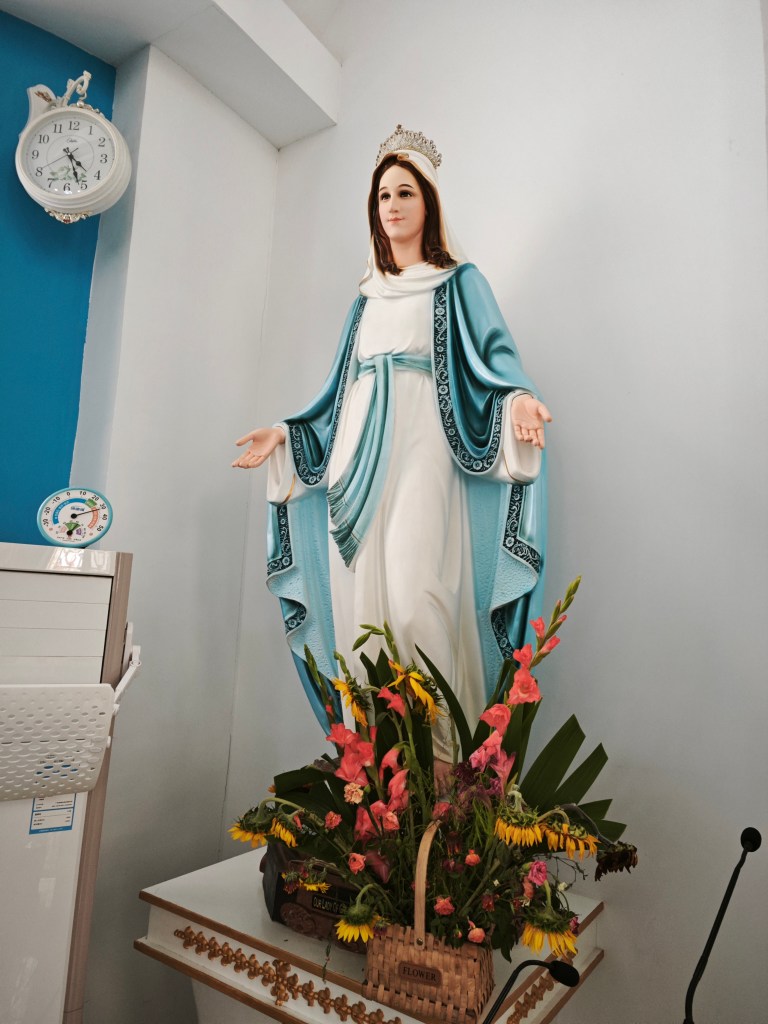
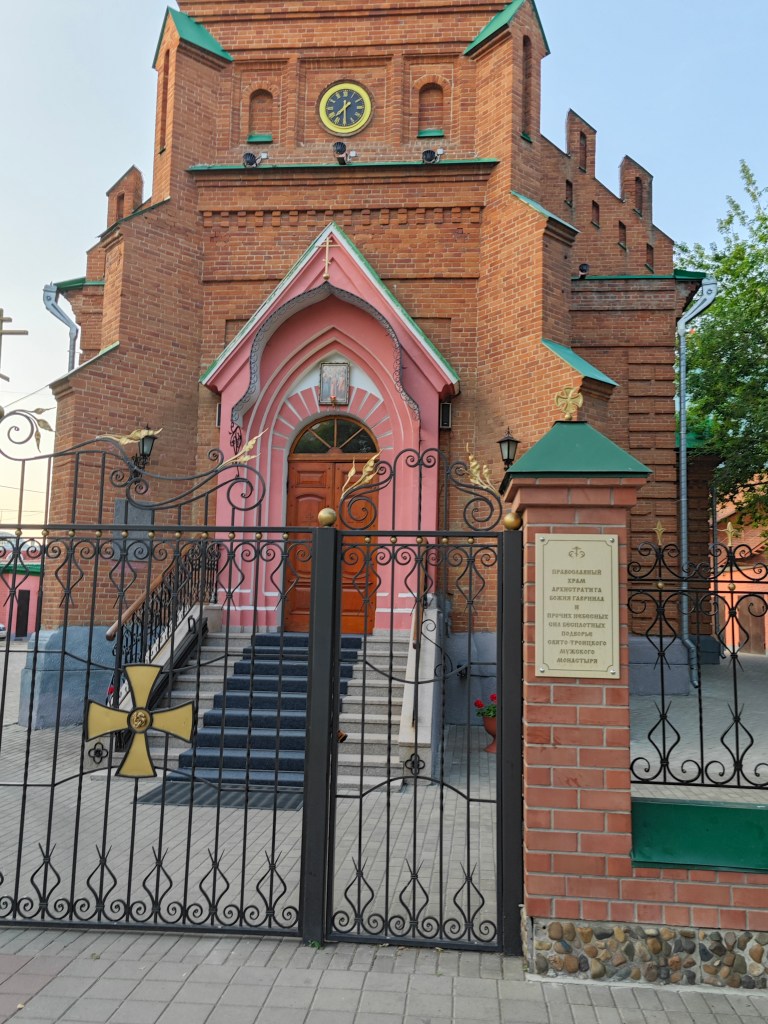
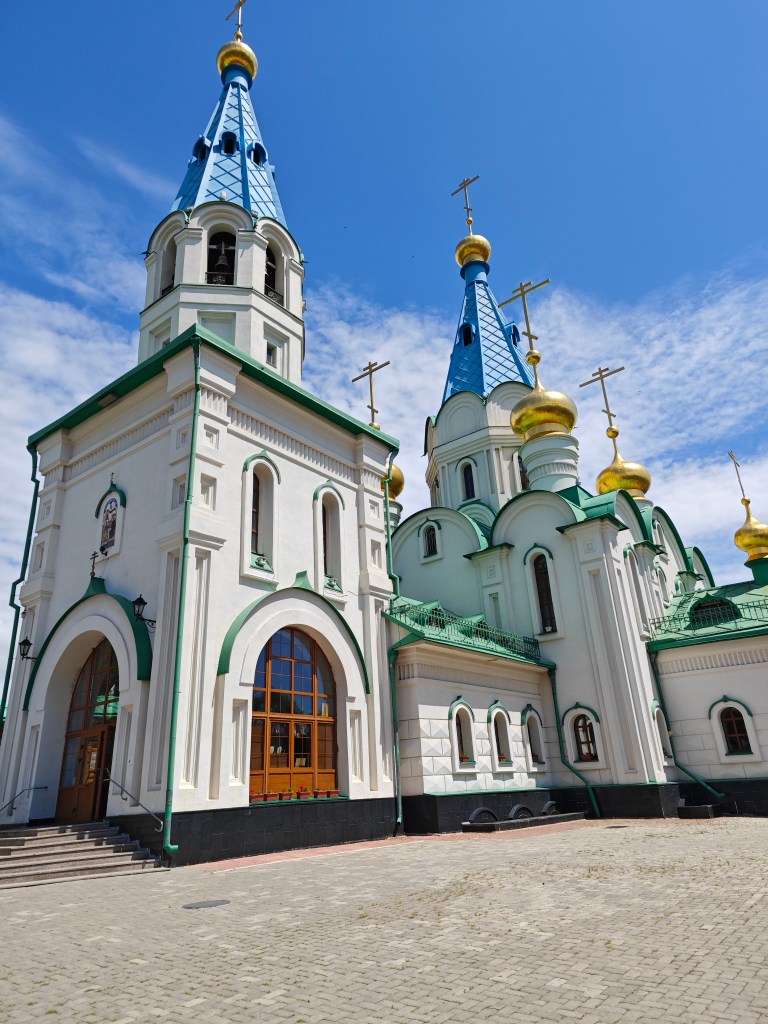
From Blagoveshchensk (Amur State in Russia) in the north to Guiyang Miao ethnic minority territory in the south, from Chengdu in the west to Handan, Hebei in the east, the flourishing existence of various faiths and beliefs is remarkable and inspirational. The name Blagoveshchensk comes from the Russian word Благовещение (Blagovéshcheniye), which means “Annunciation” — the Christian celebration of the angel announcing to Mary that she would give birth to Jesus. So the city’s name essentially means “Annunciation City” or “City of Good News.福音市” We also received a donation of a Maitreya Buddha relic from a faithful believer for placement on the shrine of our sanctuary.


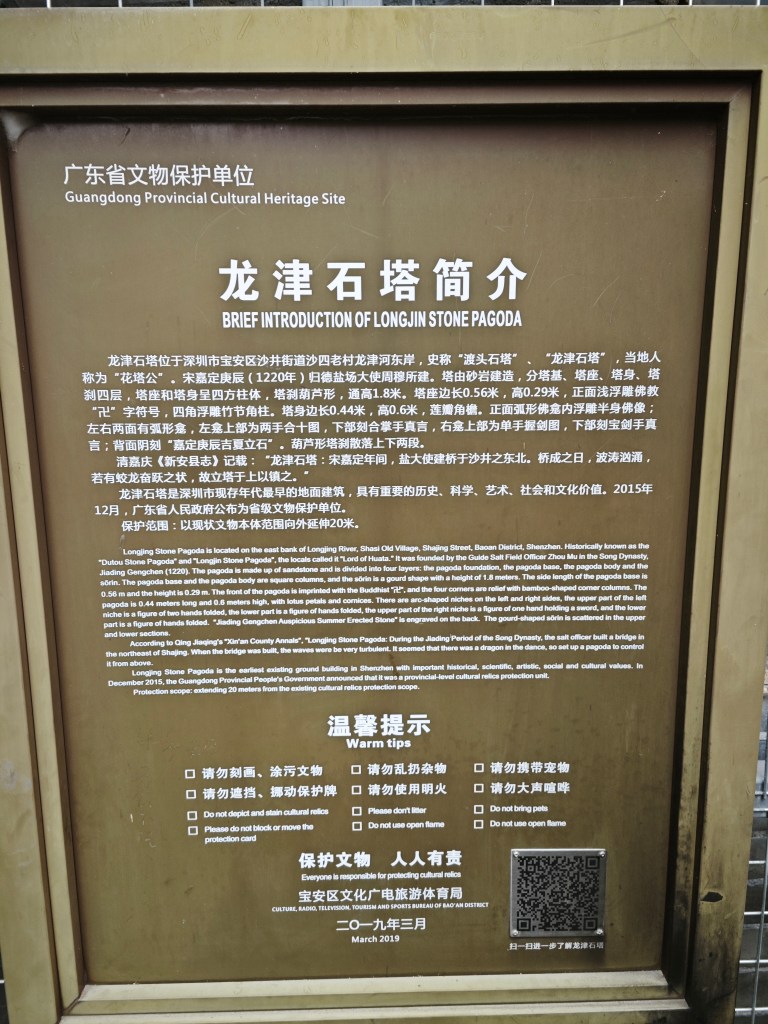






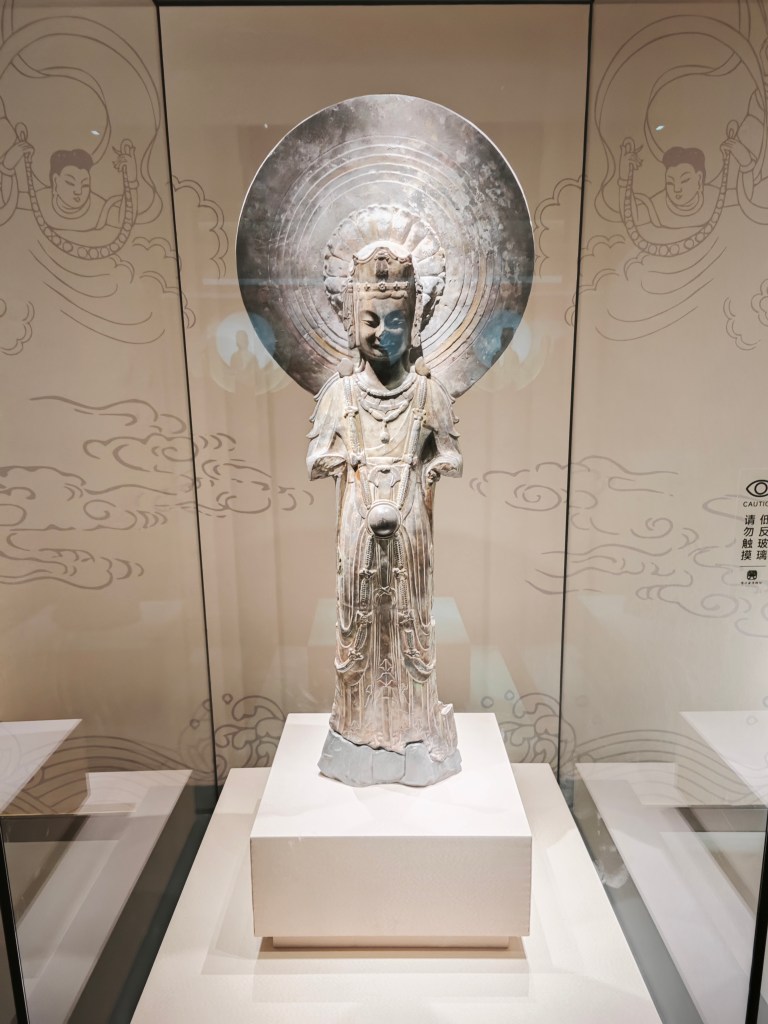


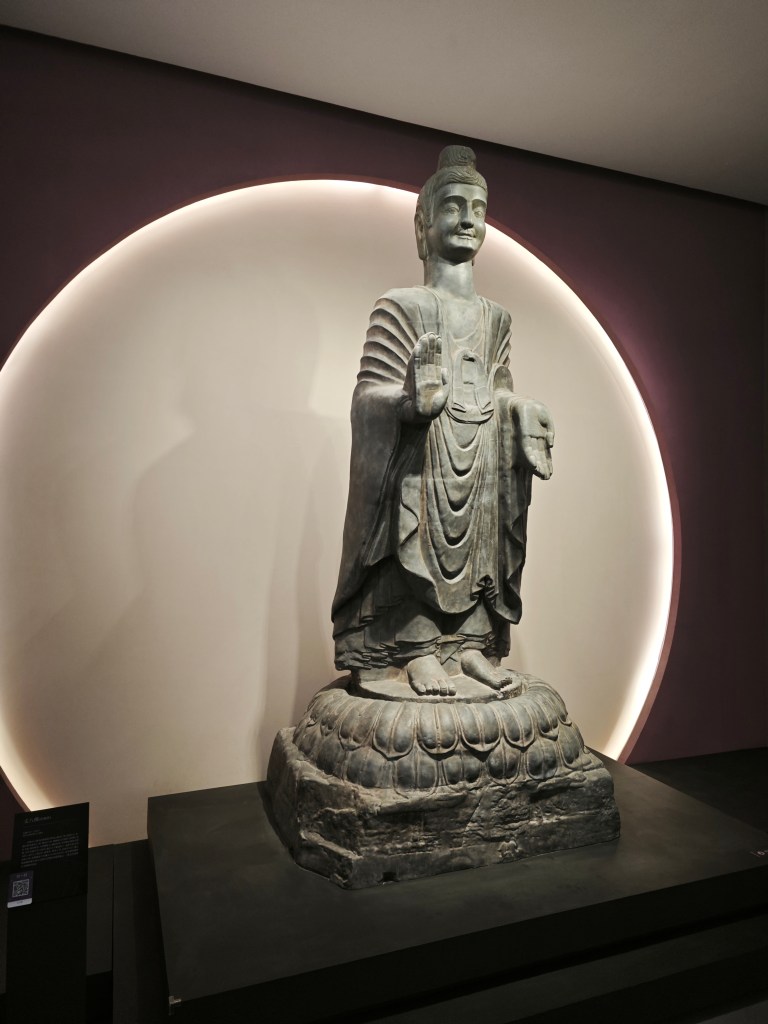

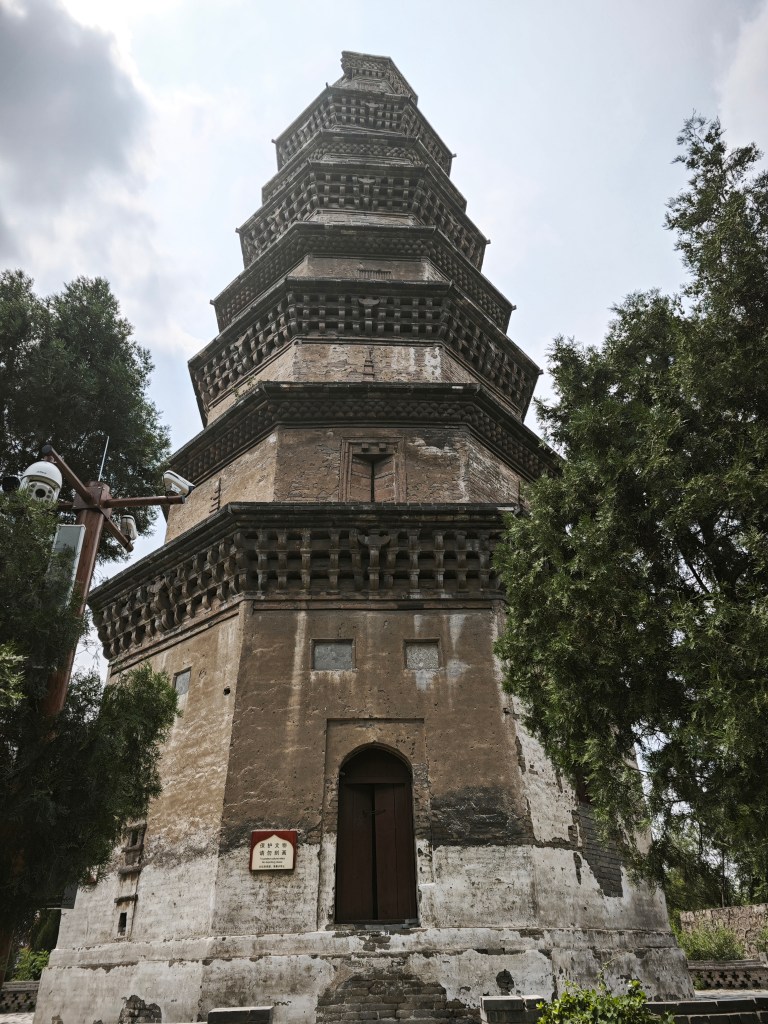
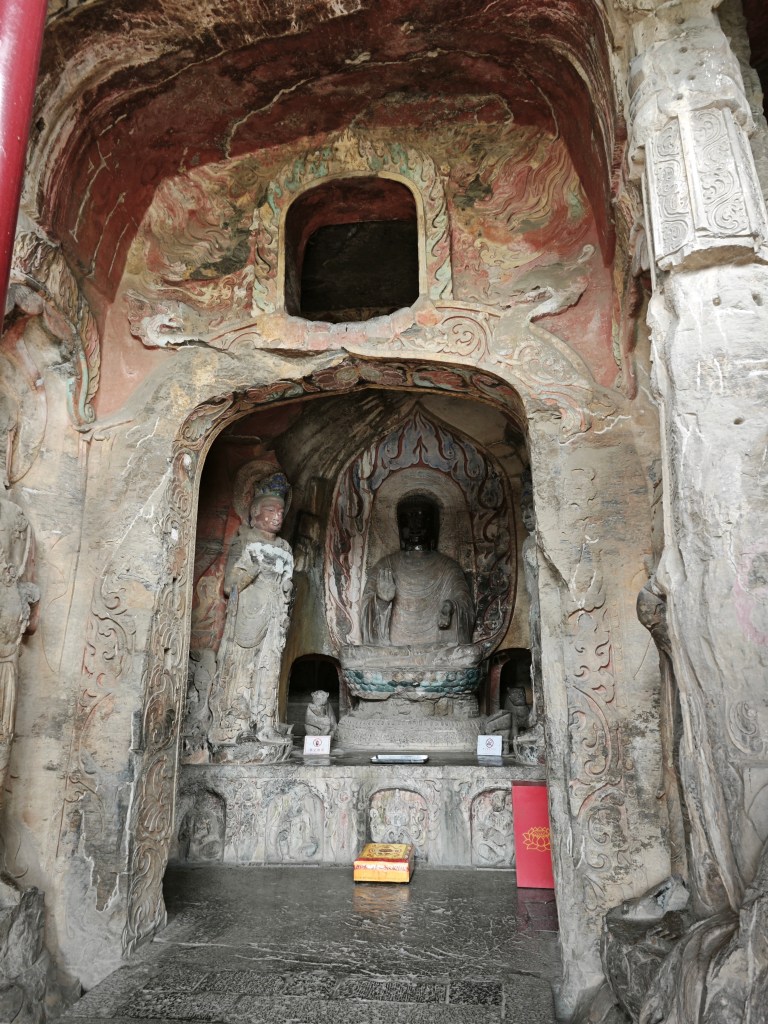
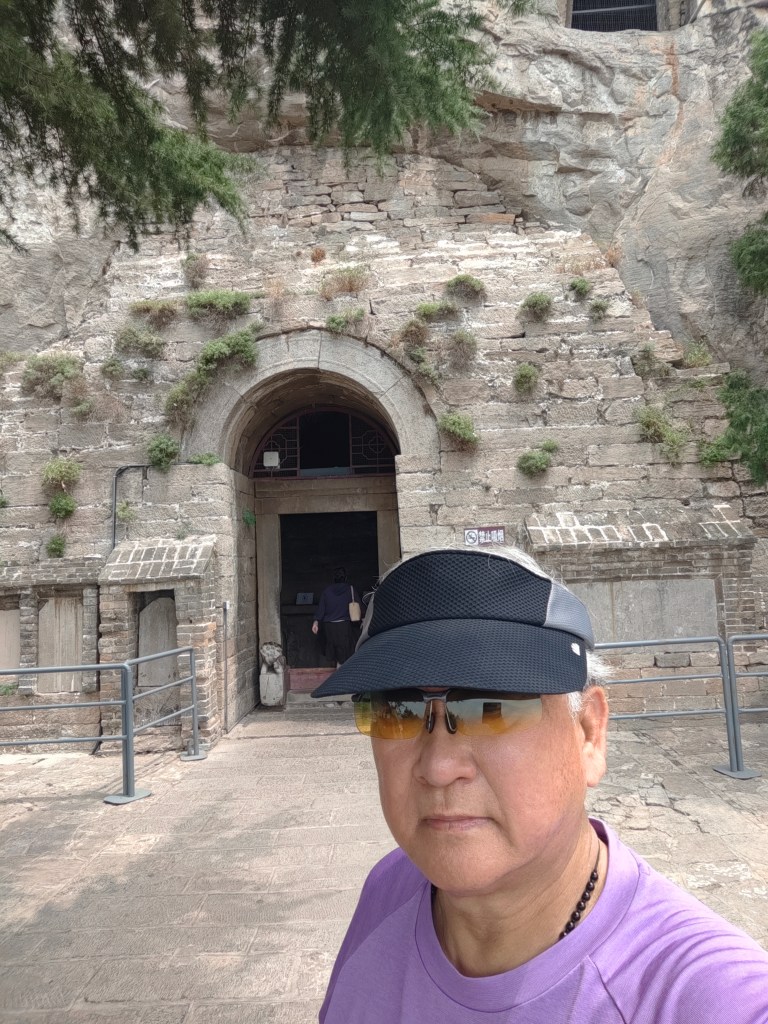
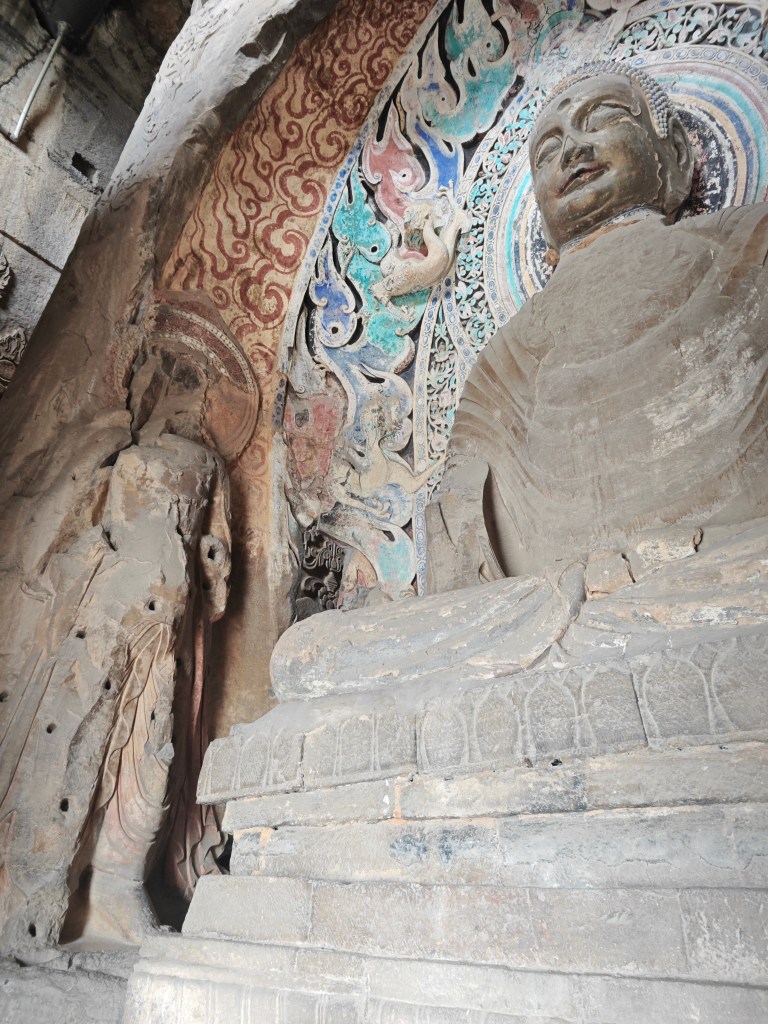
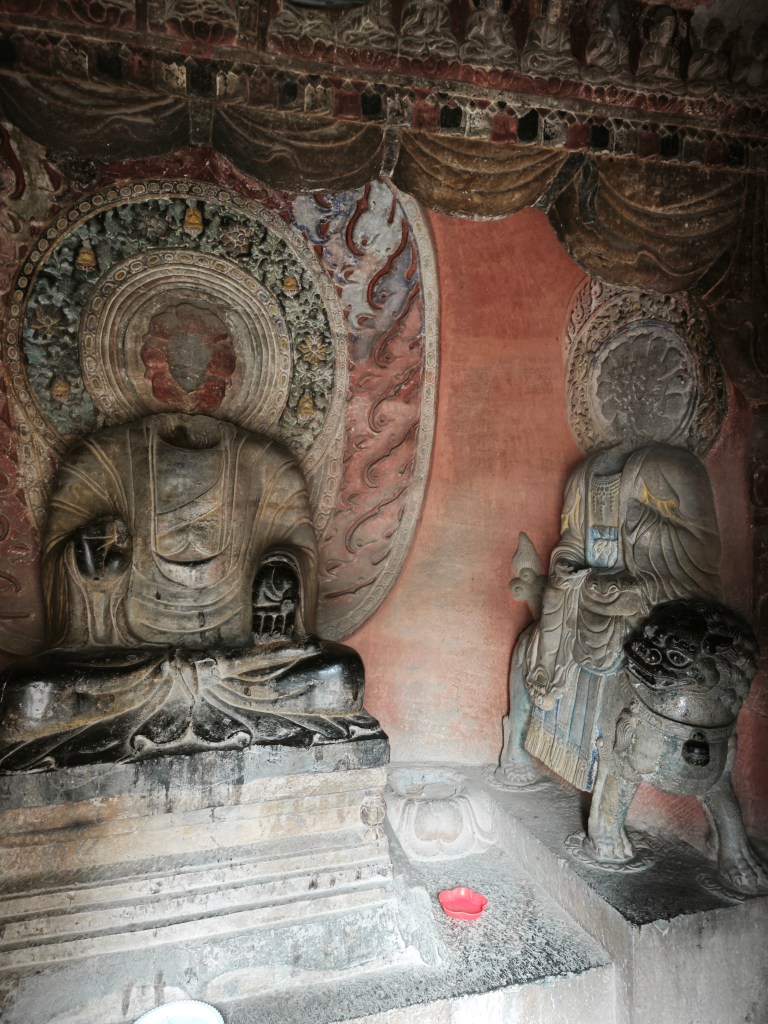
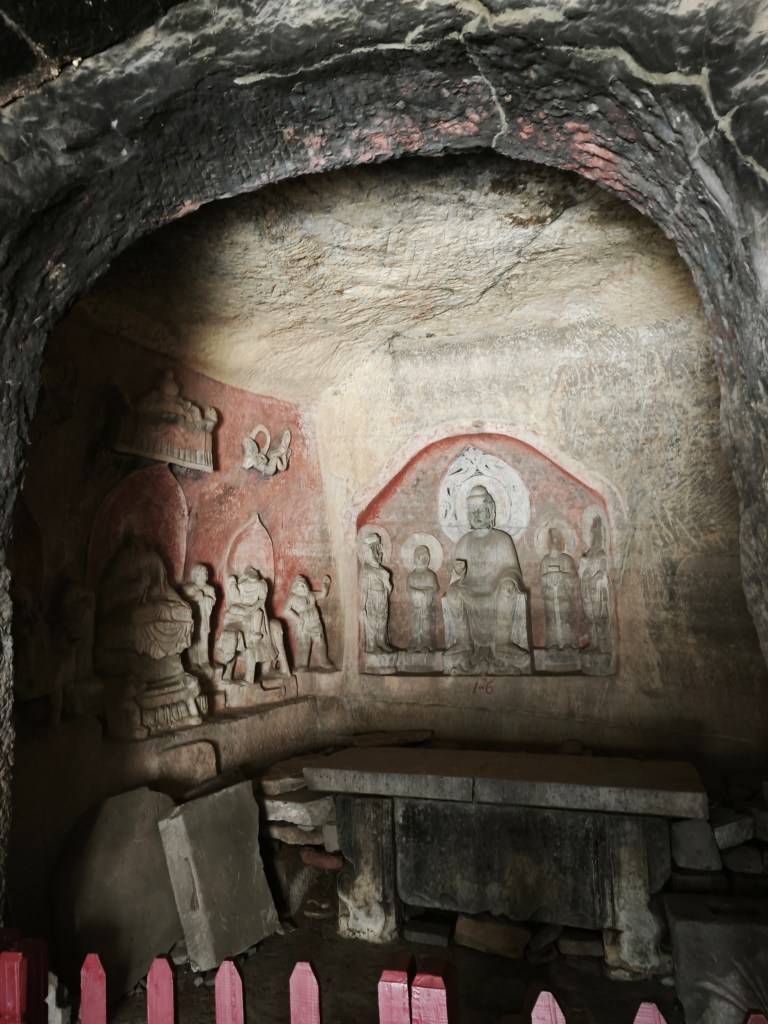


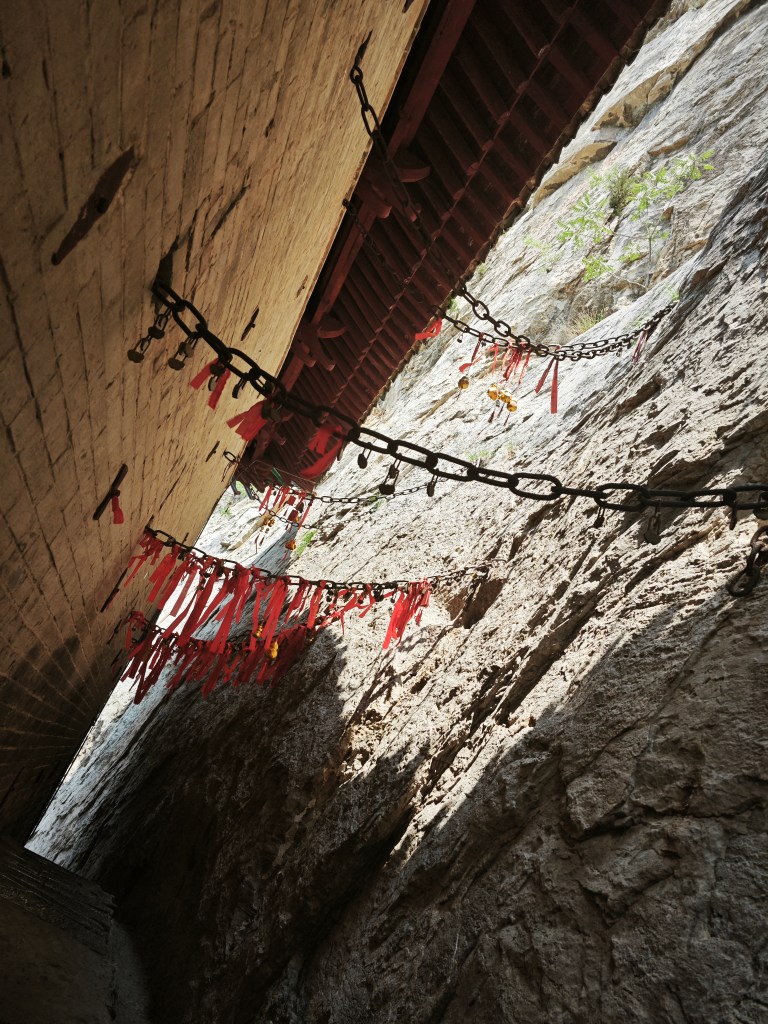
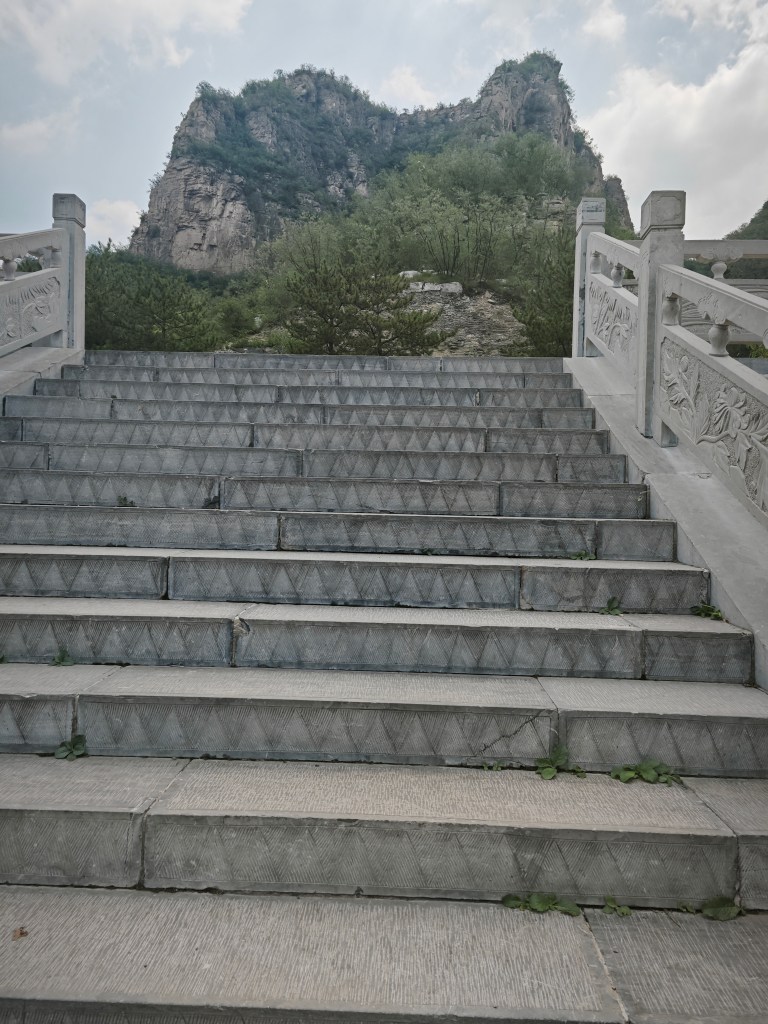
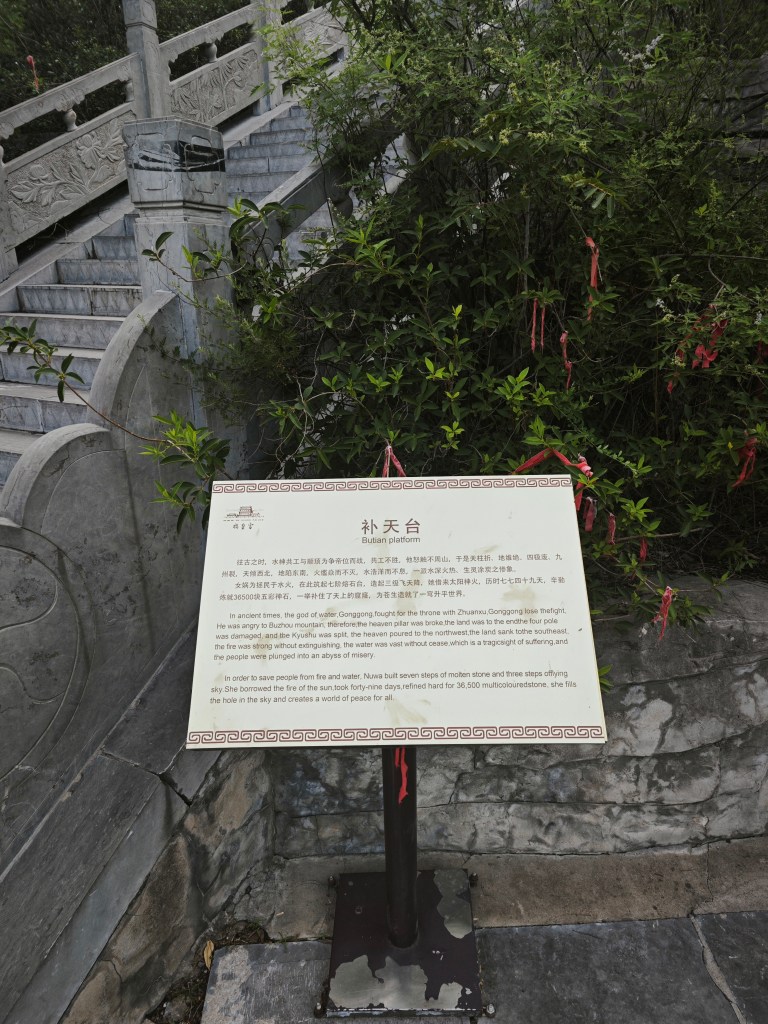
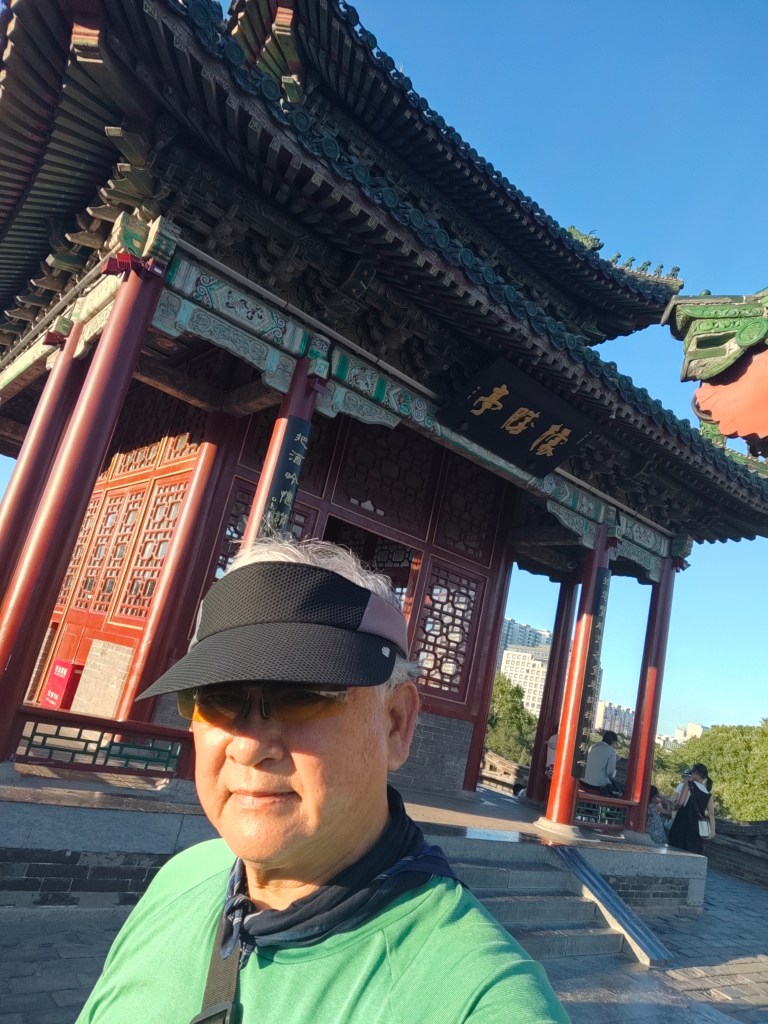





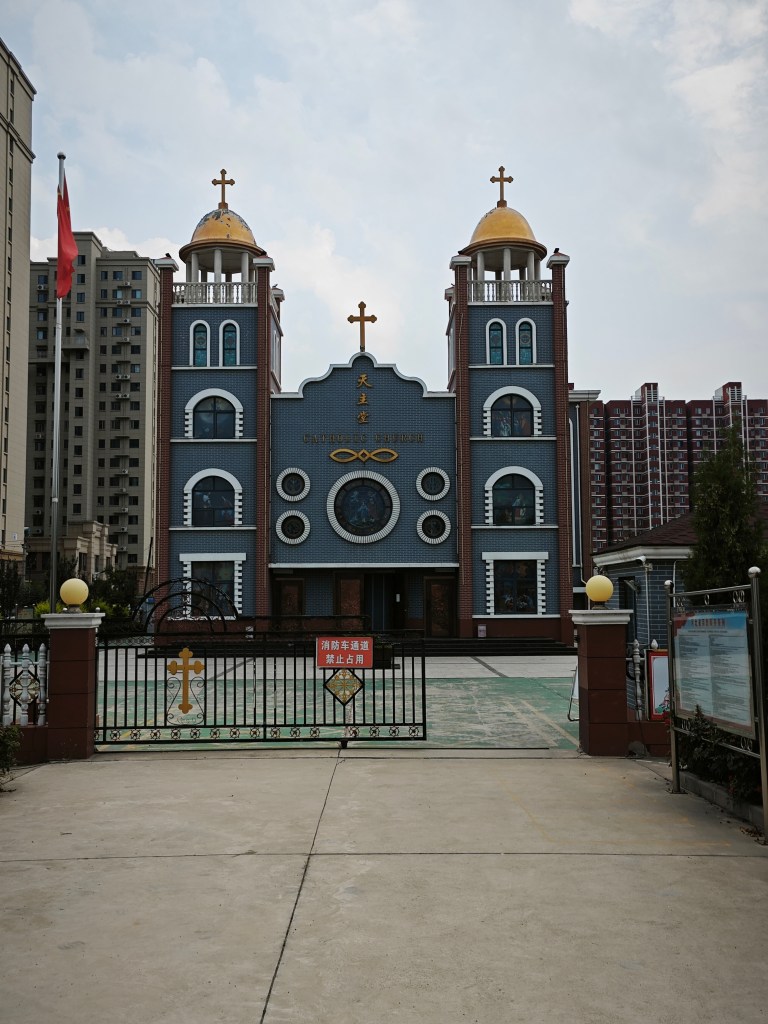
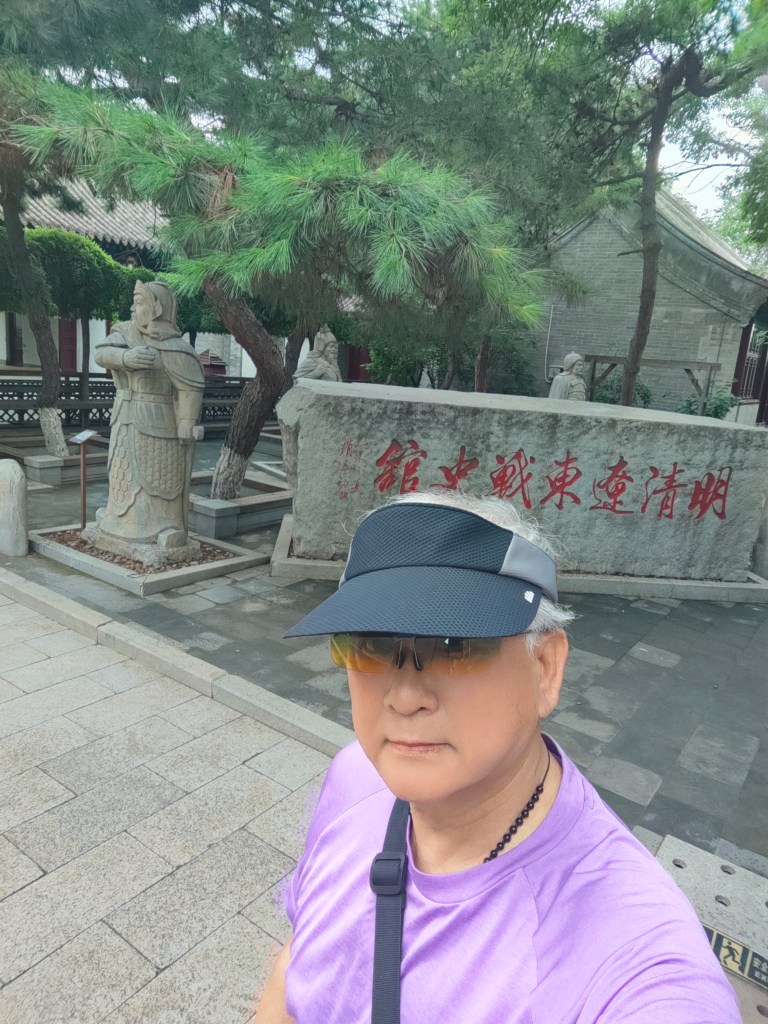
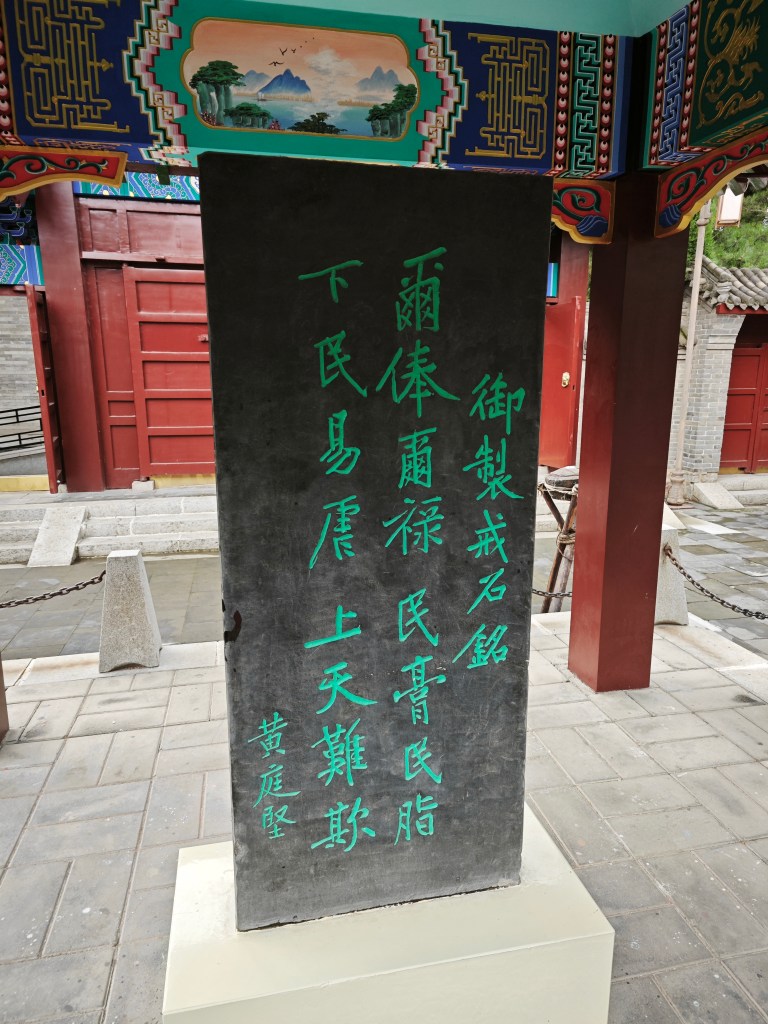

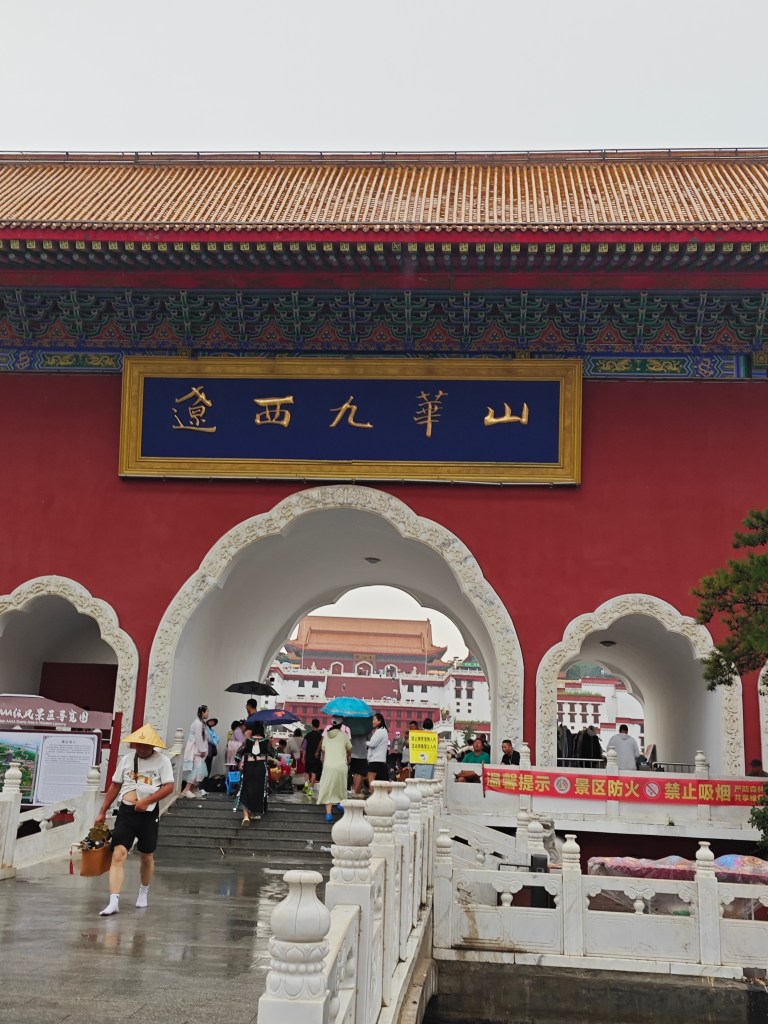





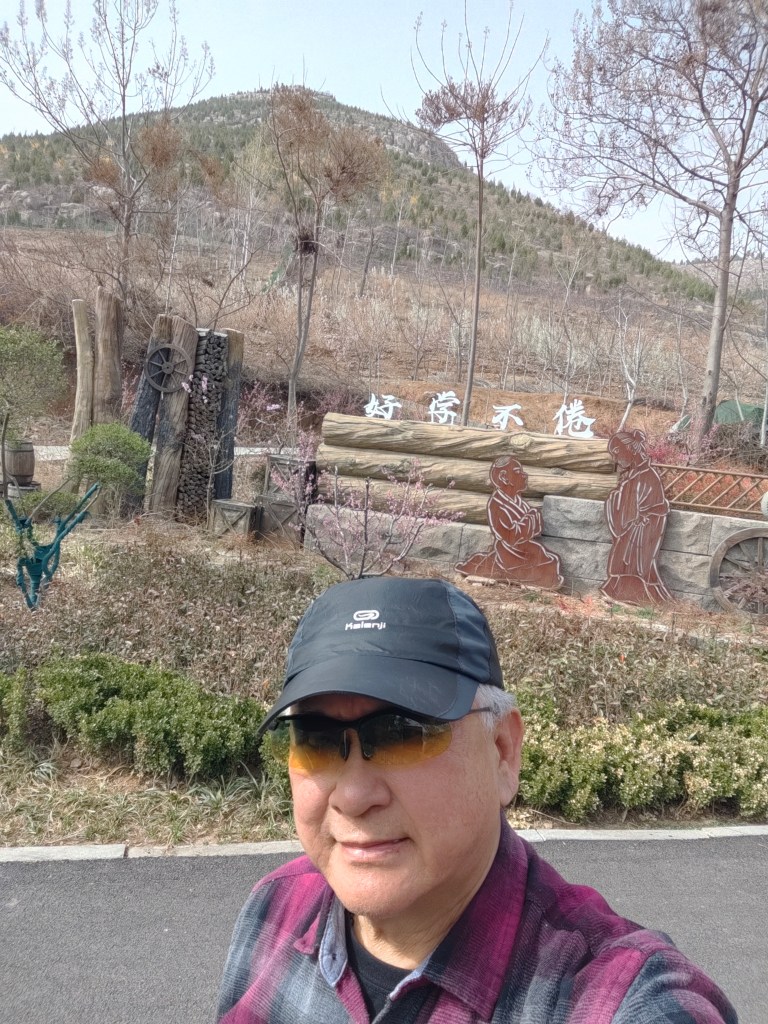
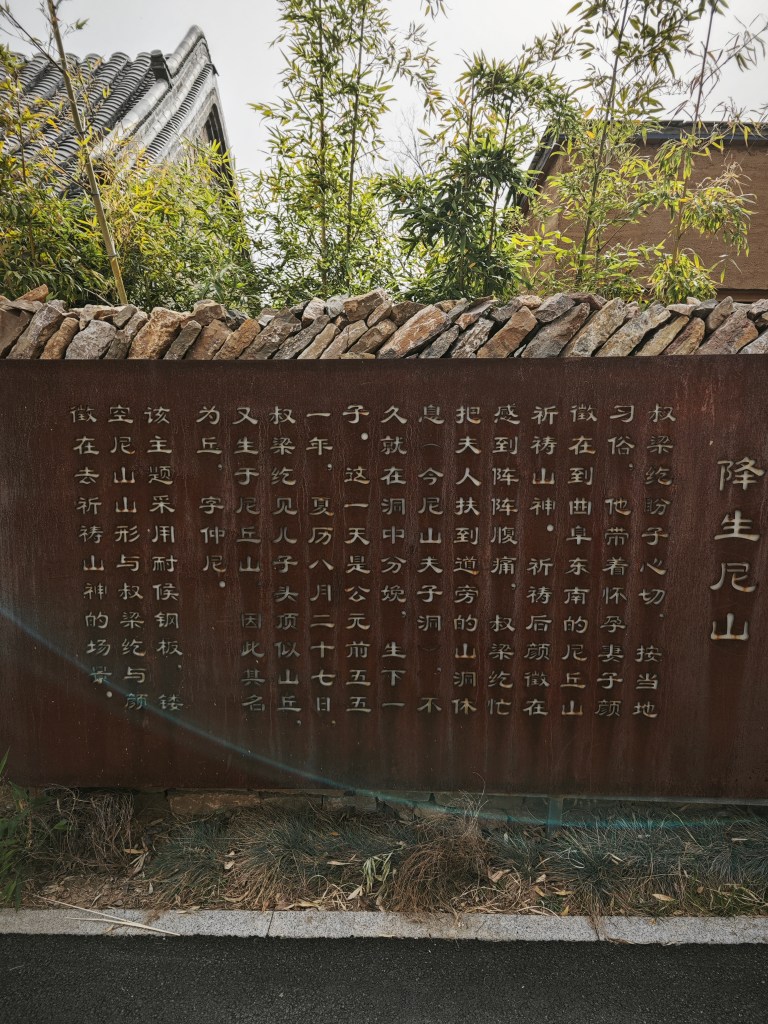
A visit to Nishan尼山, the birthplace of Confucius, reveals the cave on the hillside where he was born according to local custom 2,500 years ago. This is how he came to be named Kong Qiu孔丘 (hill) and given the courtesy name Zhong Ni仲尼.


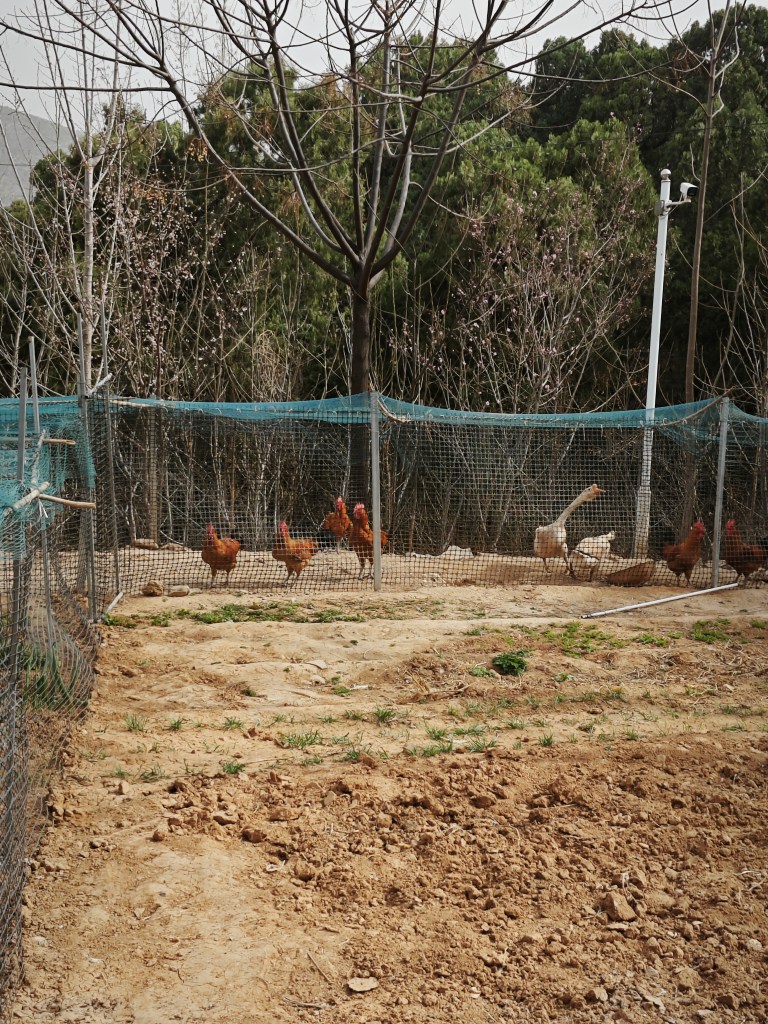
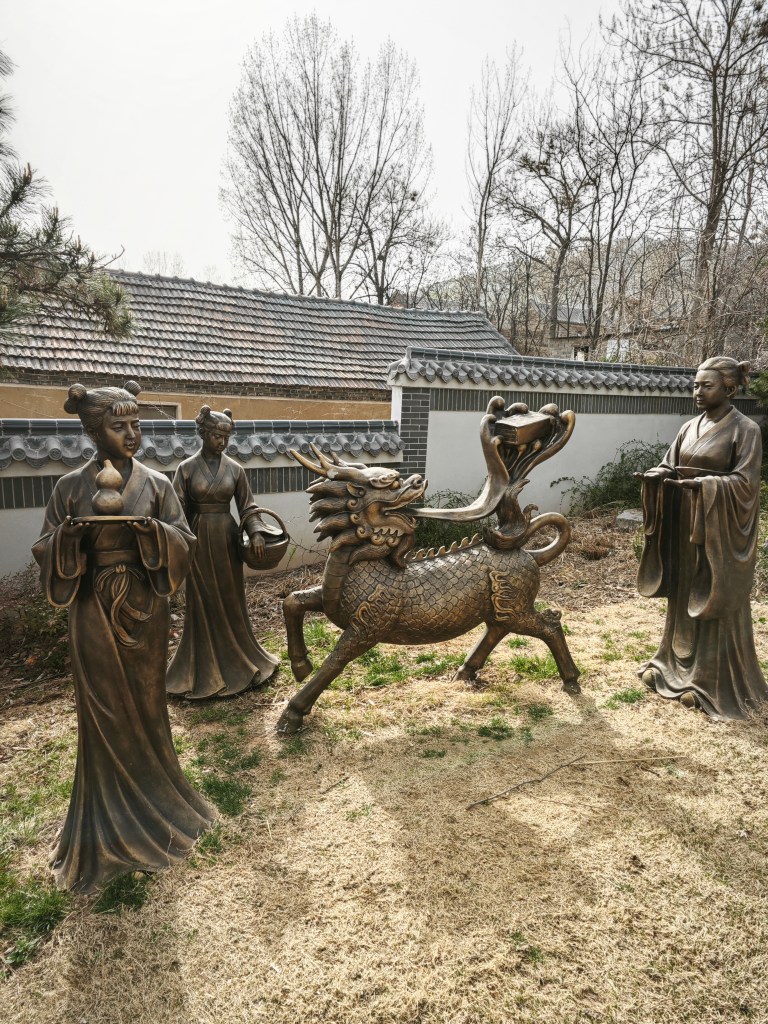
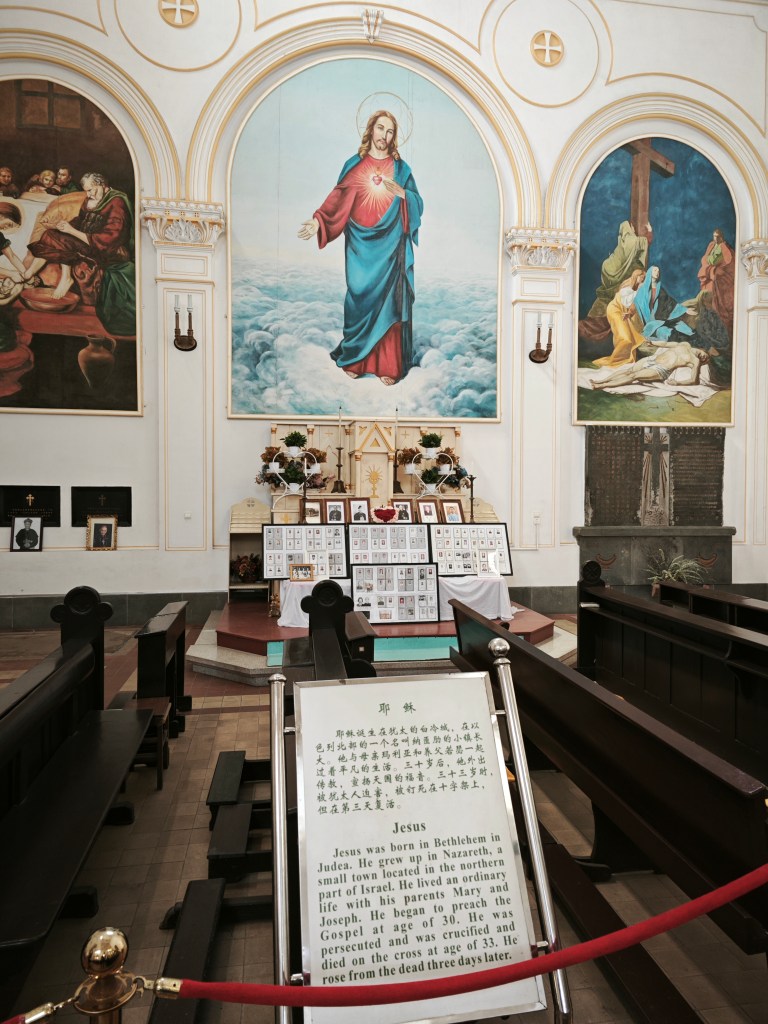
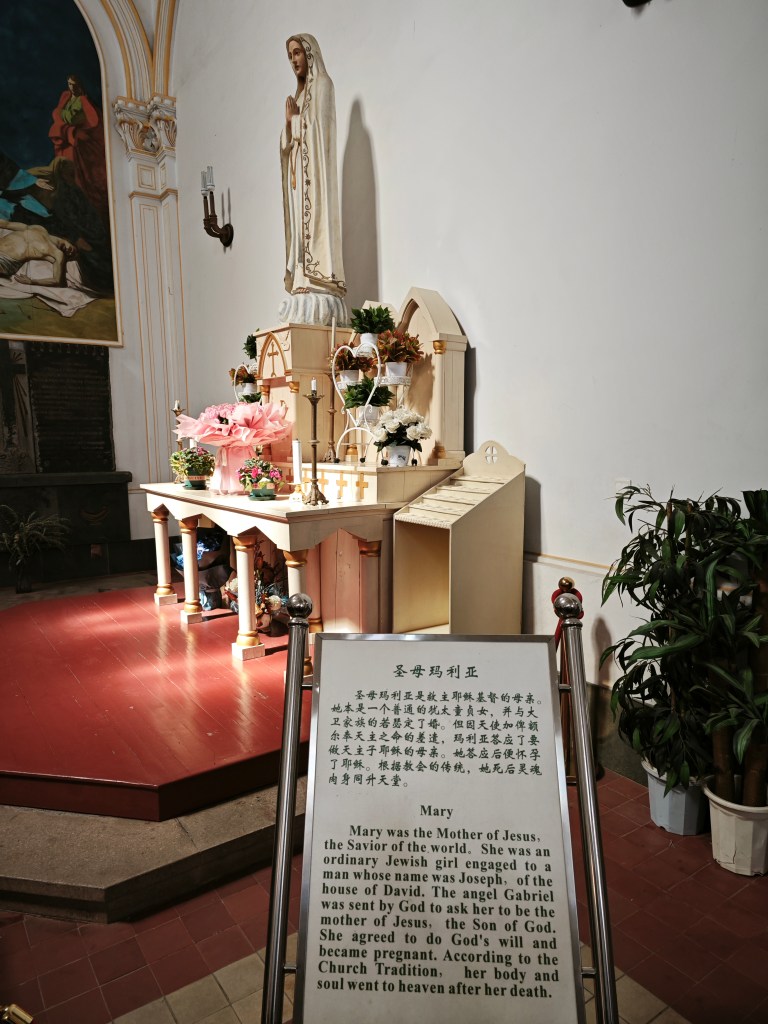
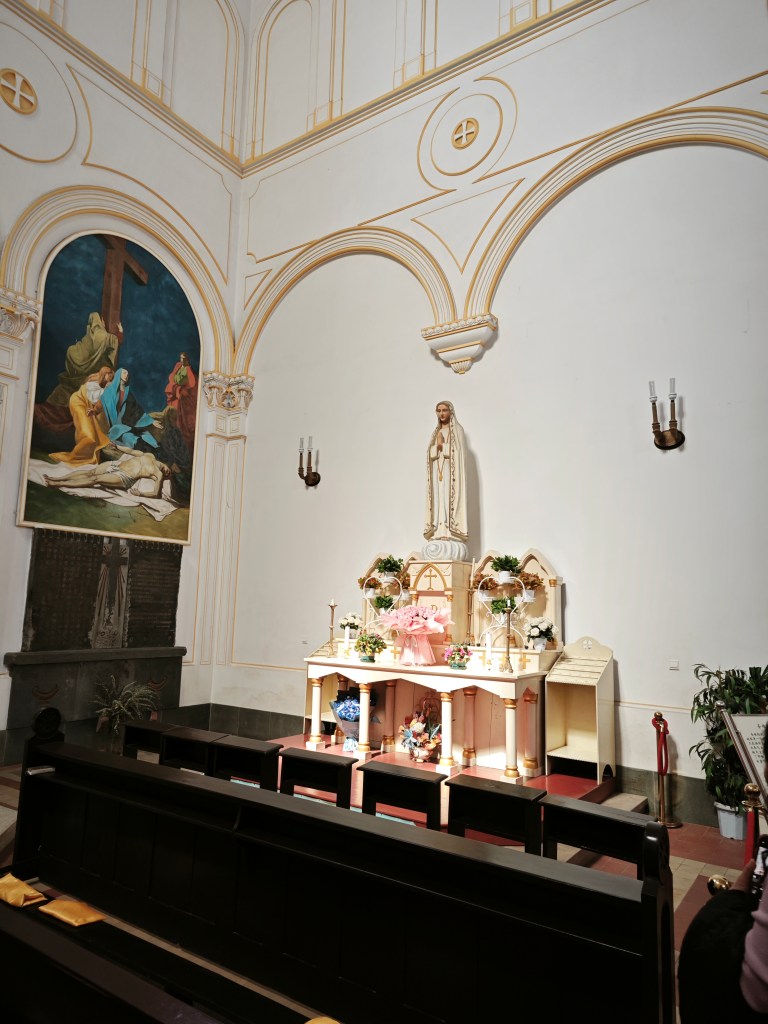
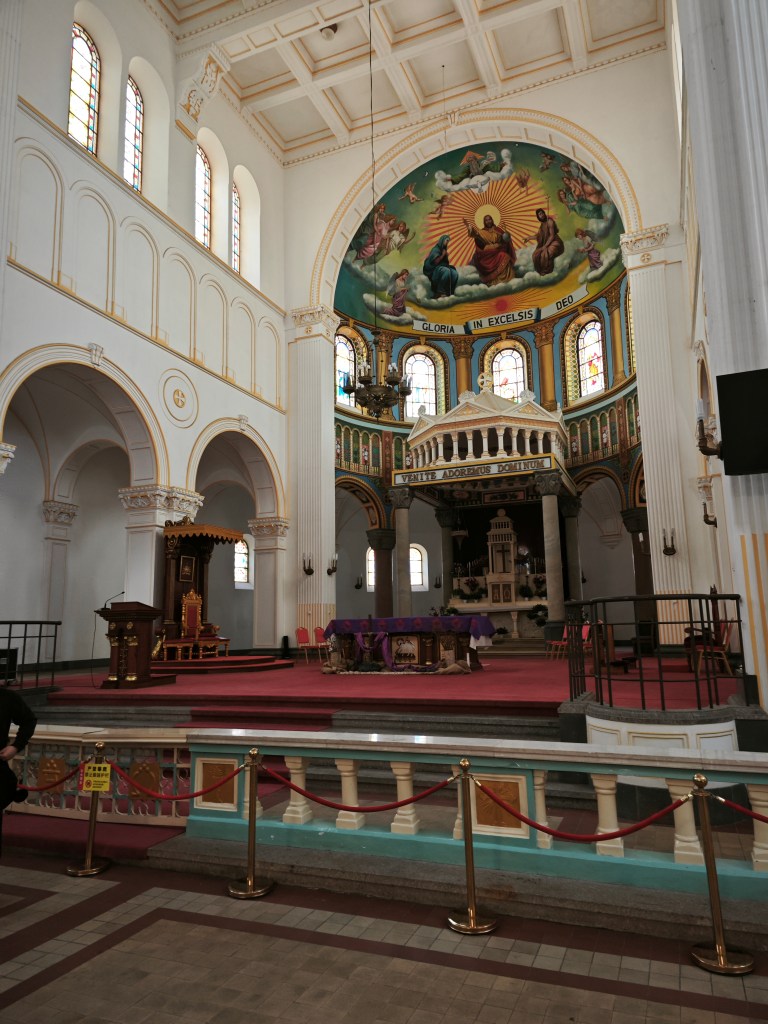
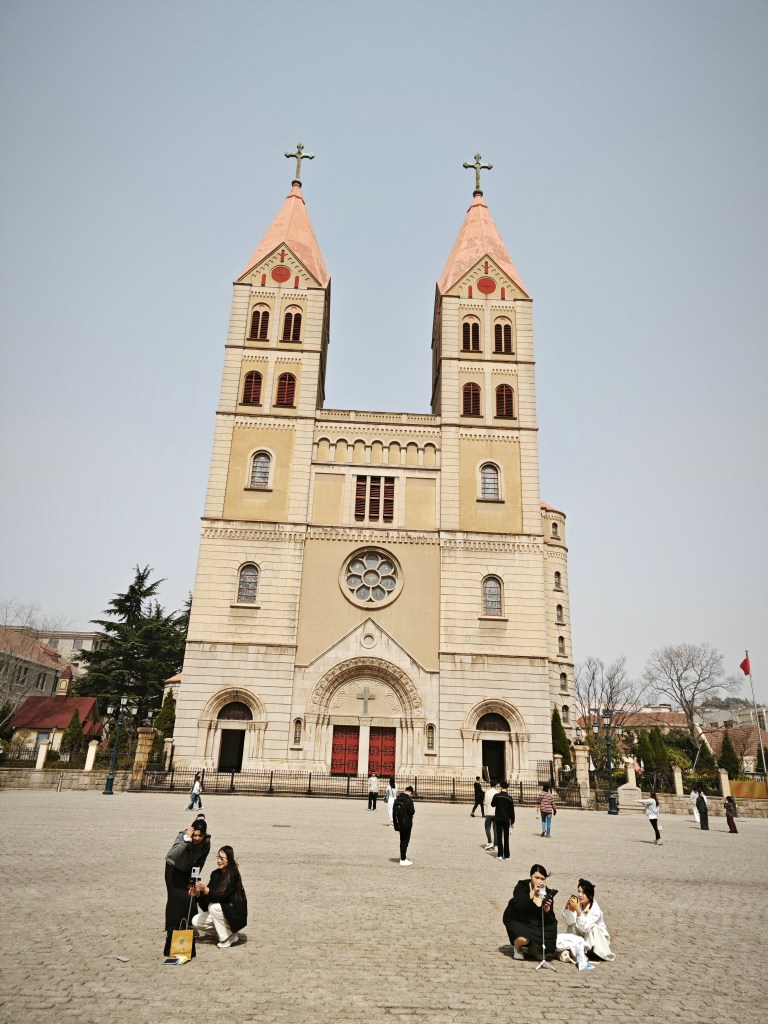
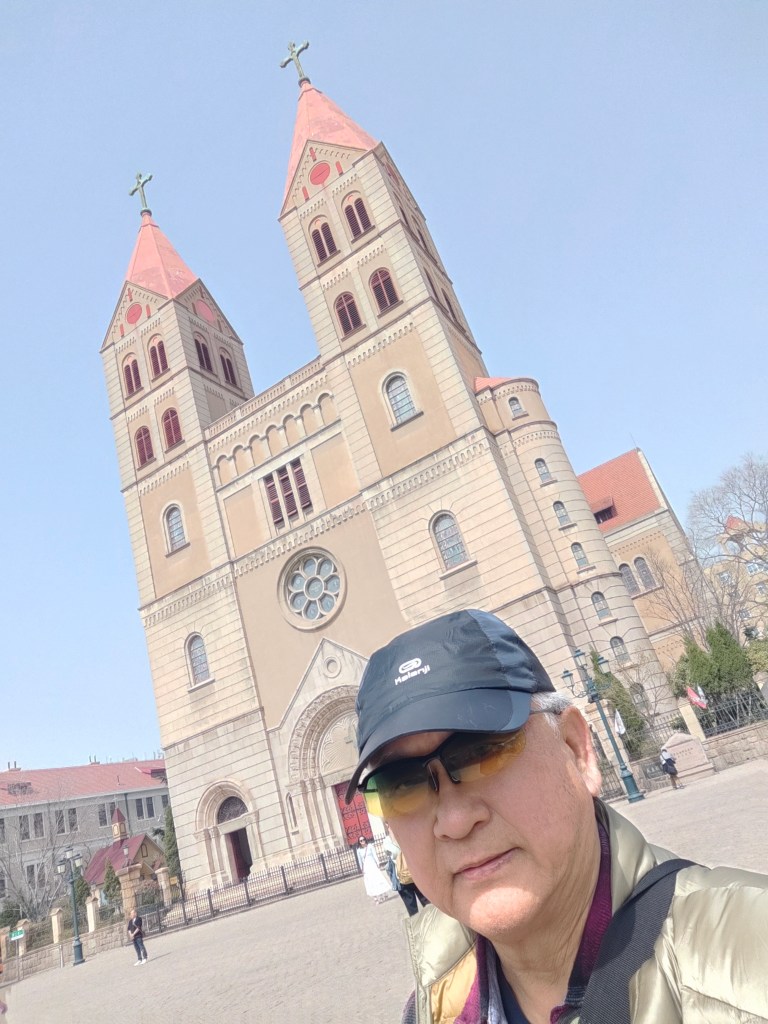
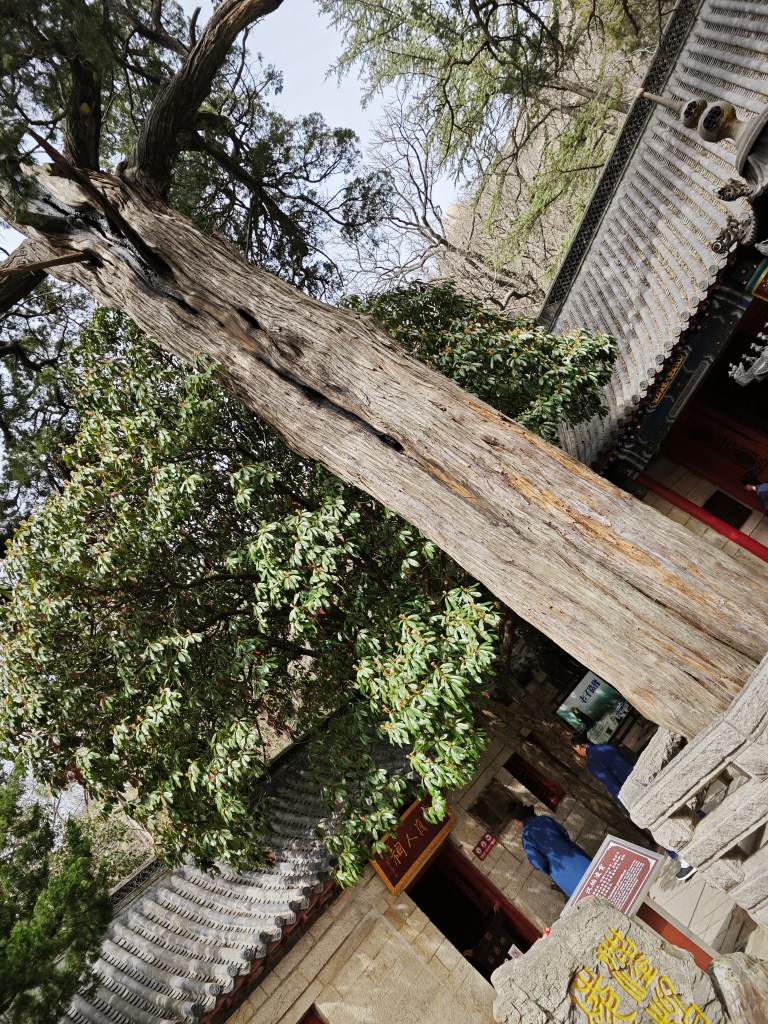
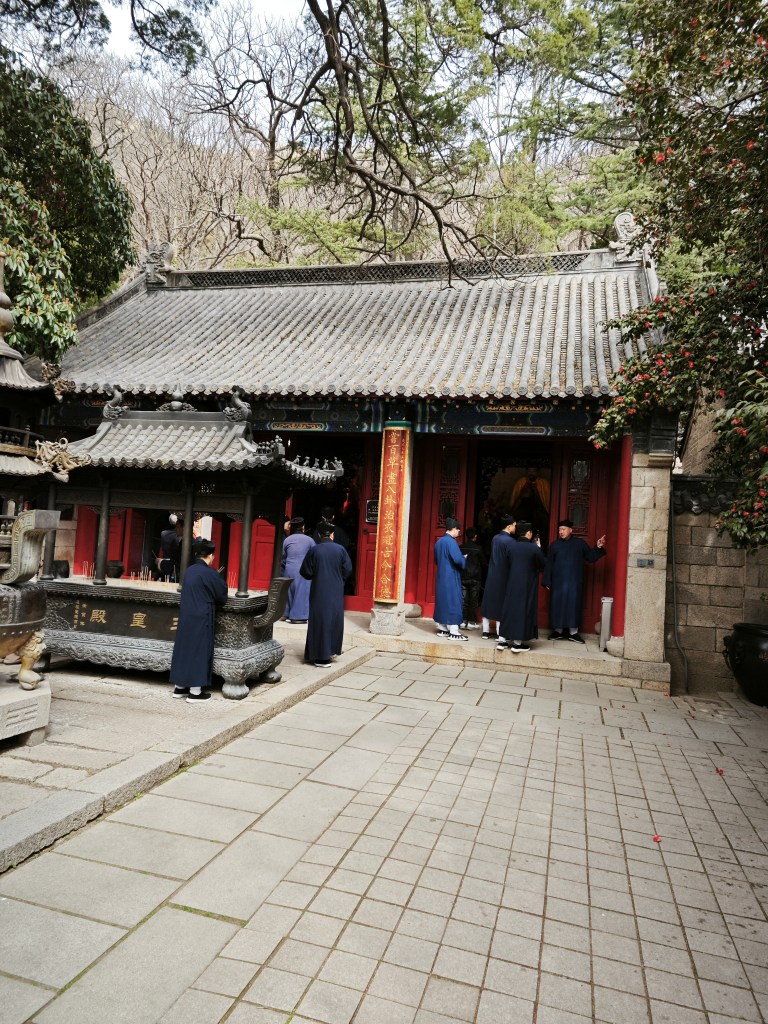
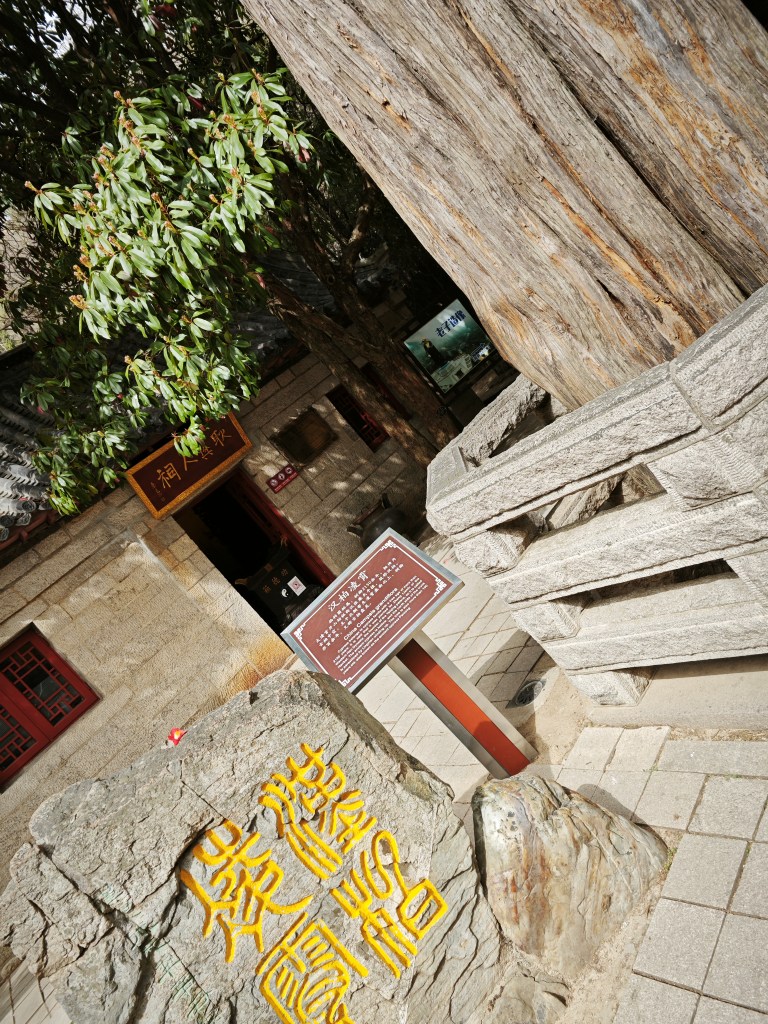
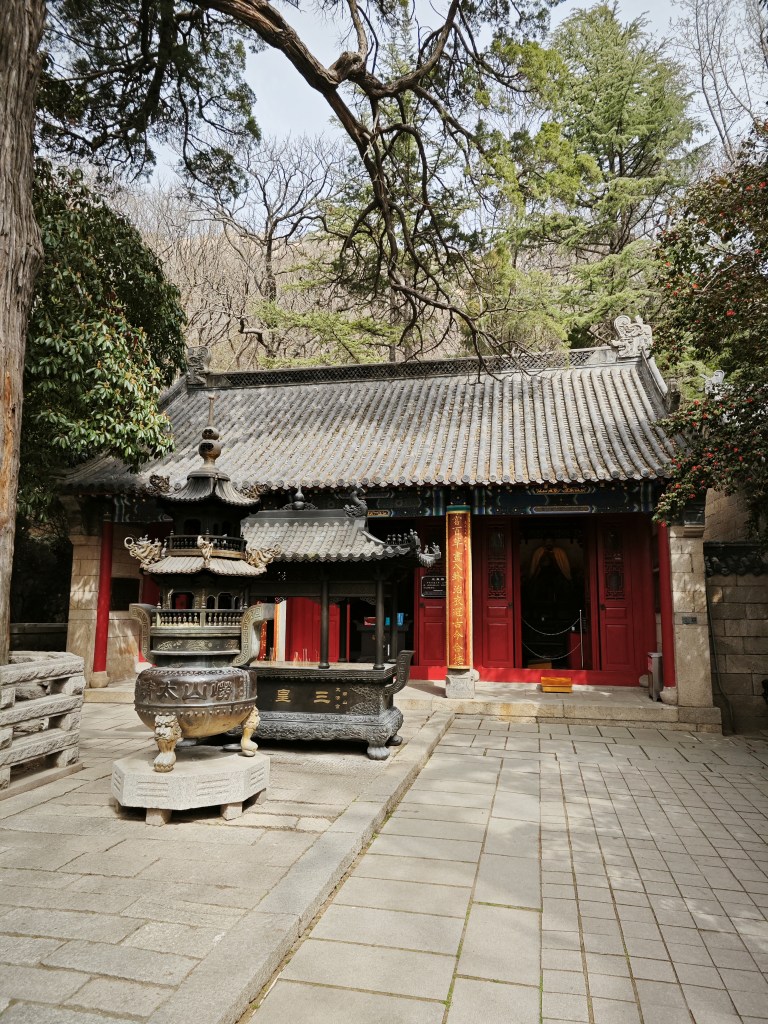
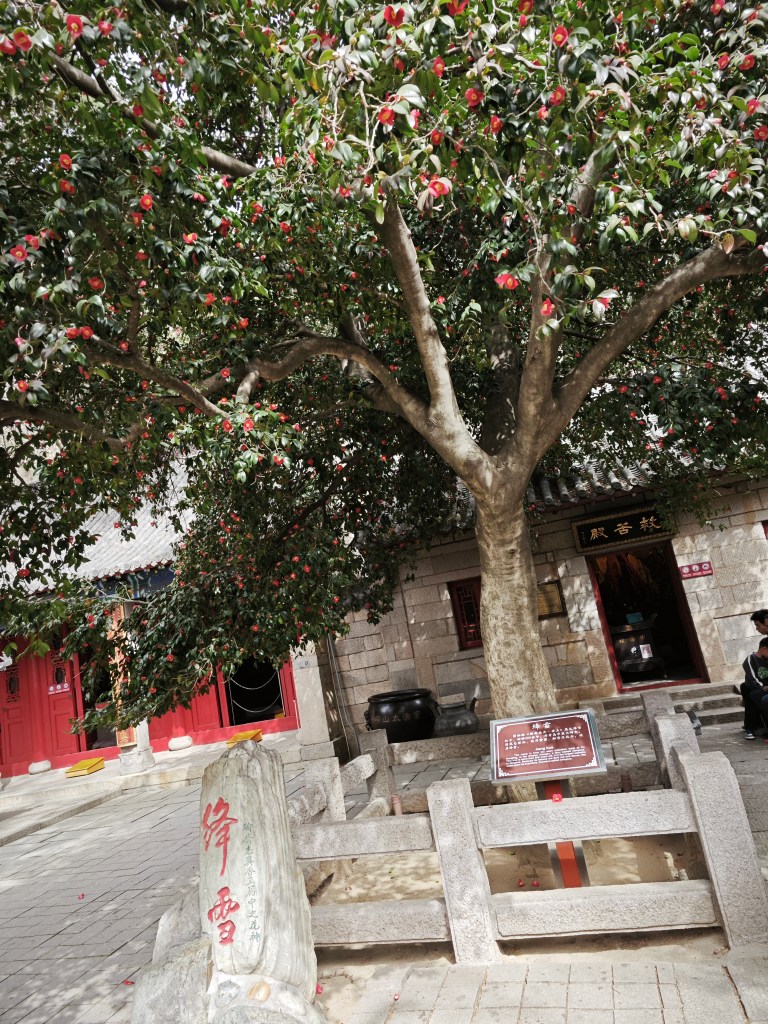
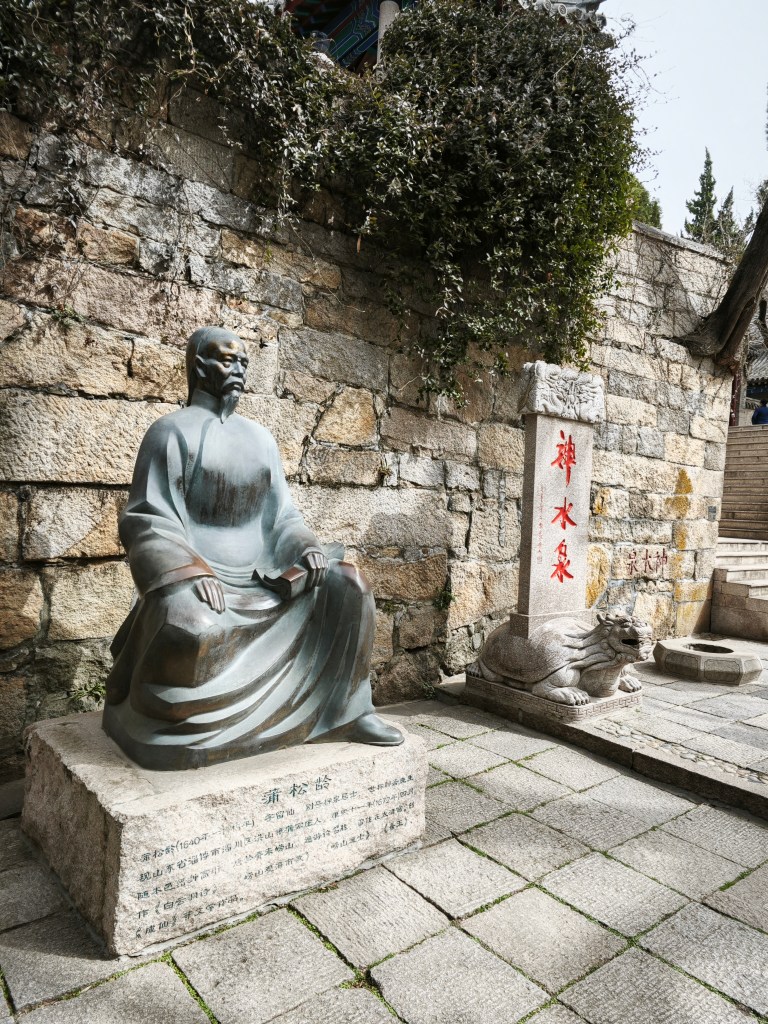
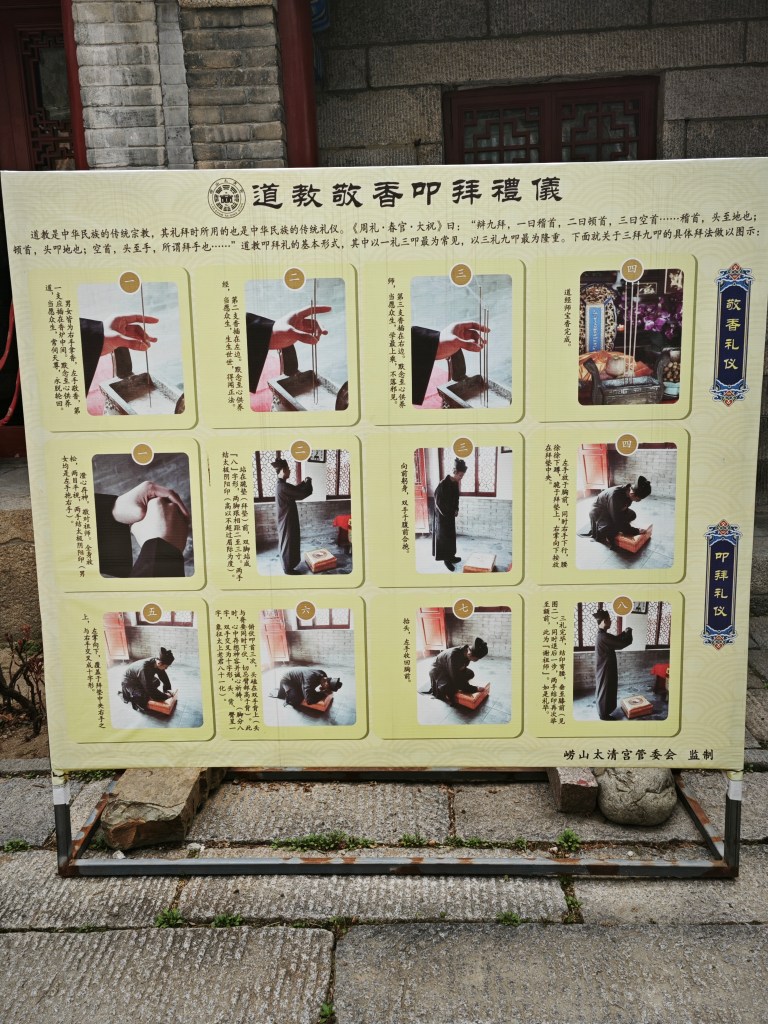
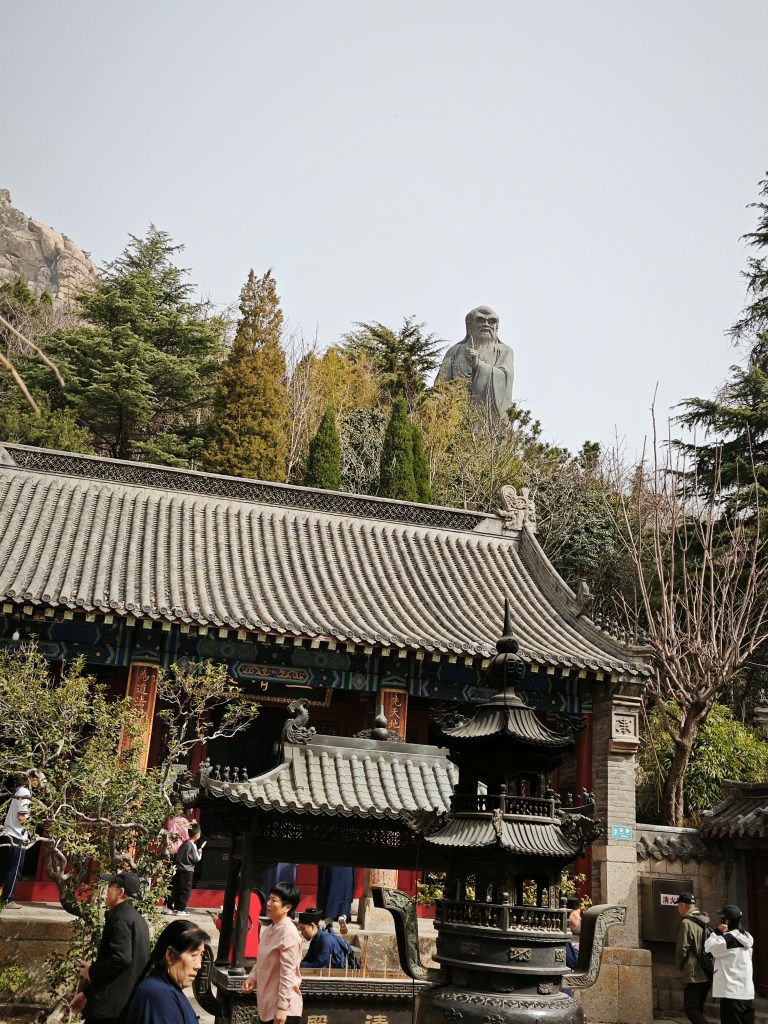
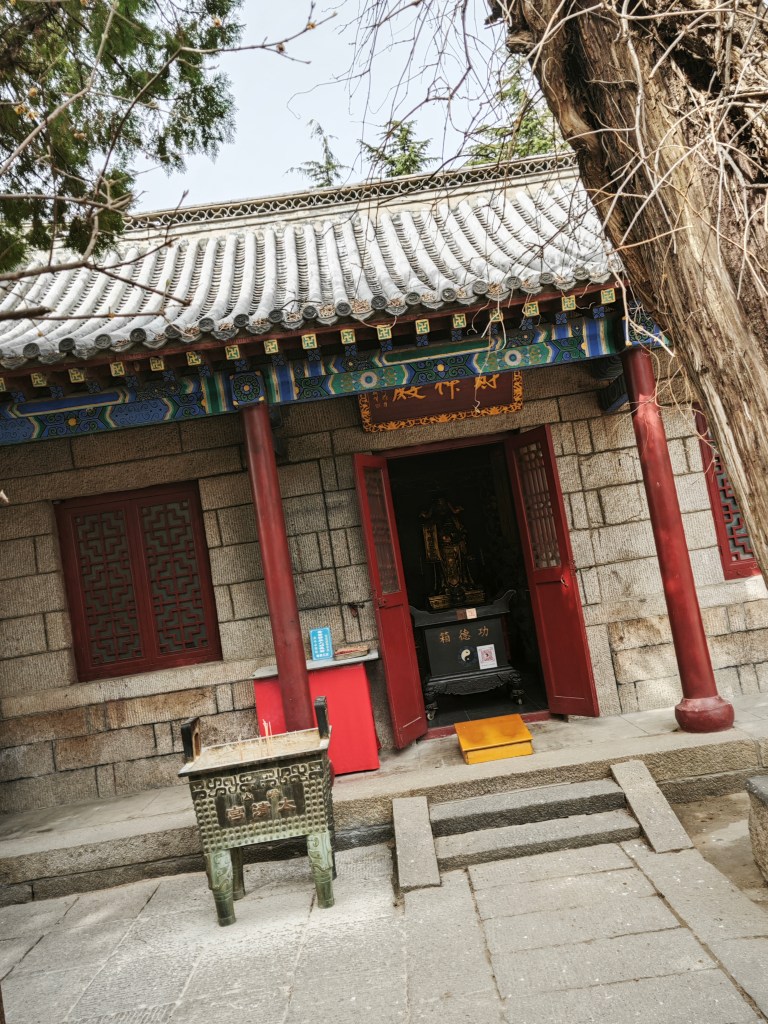
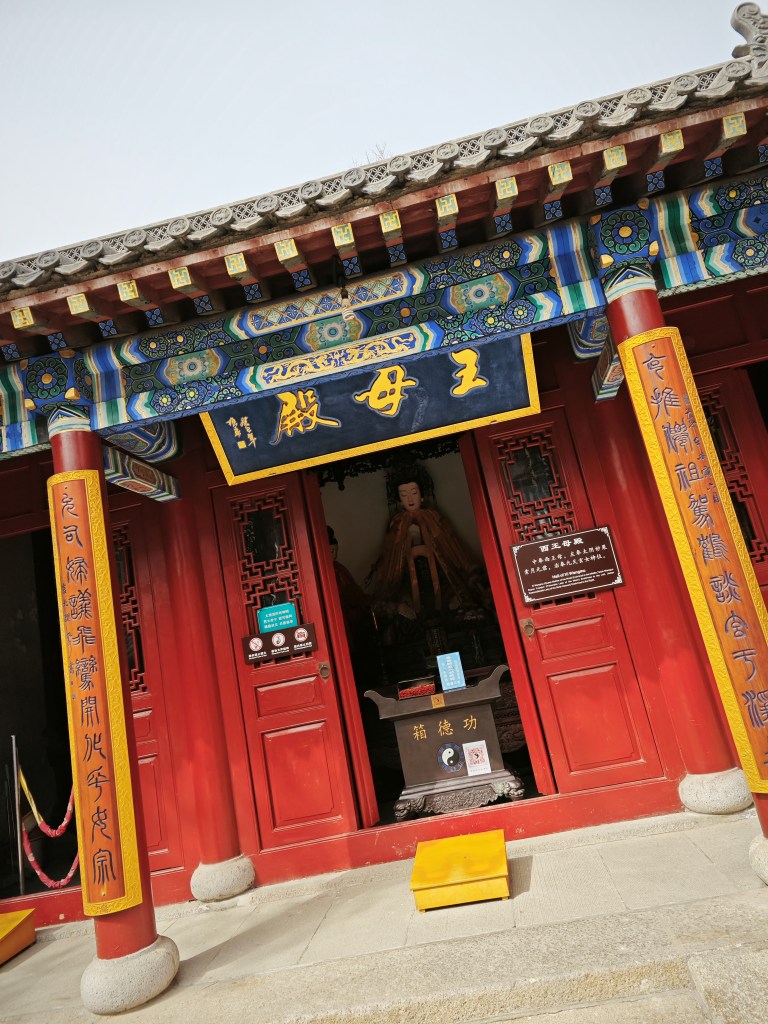
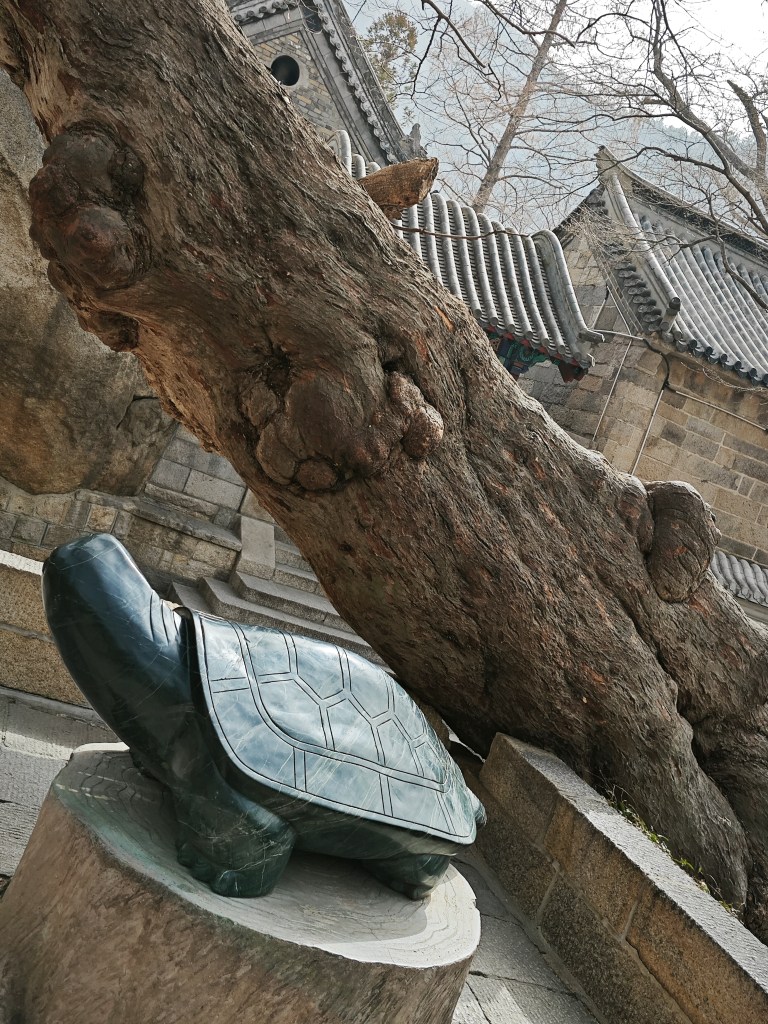
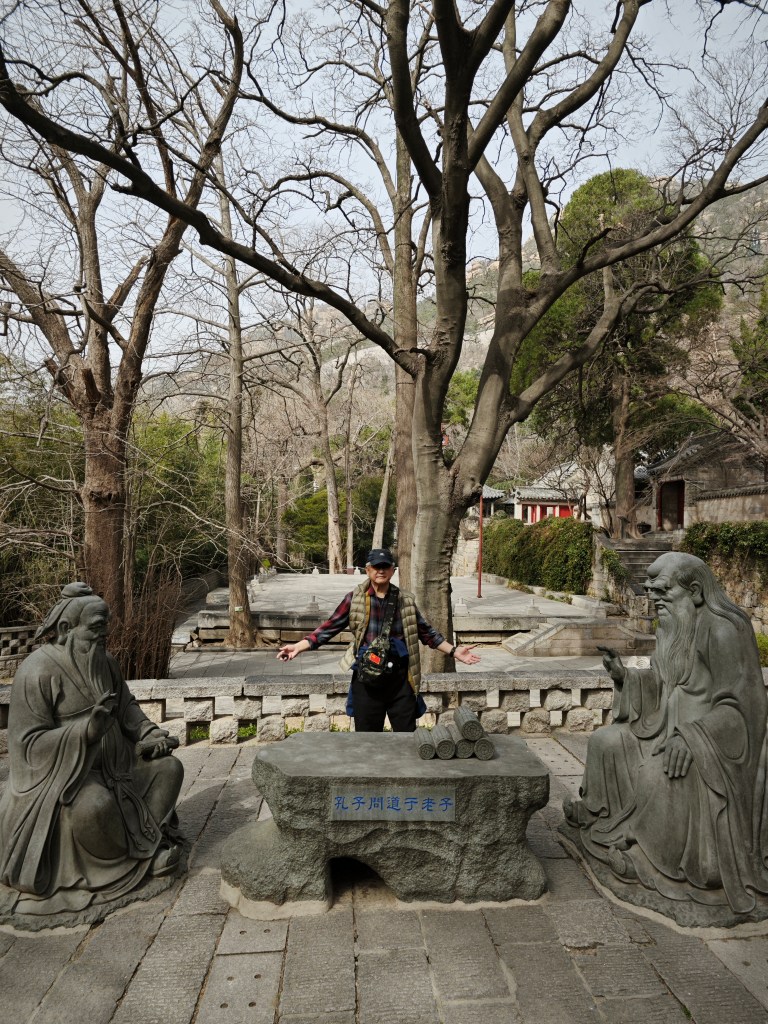
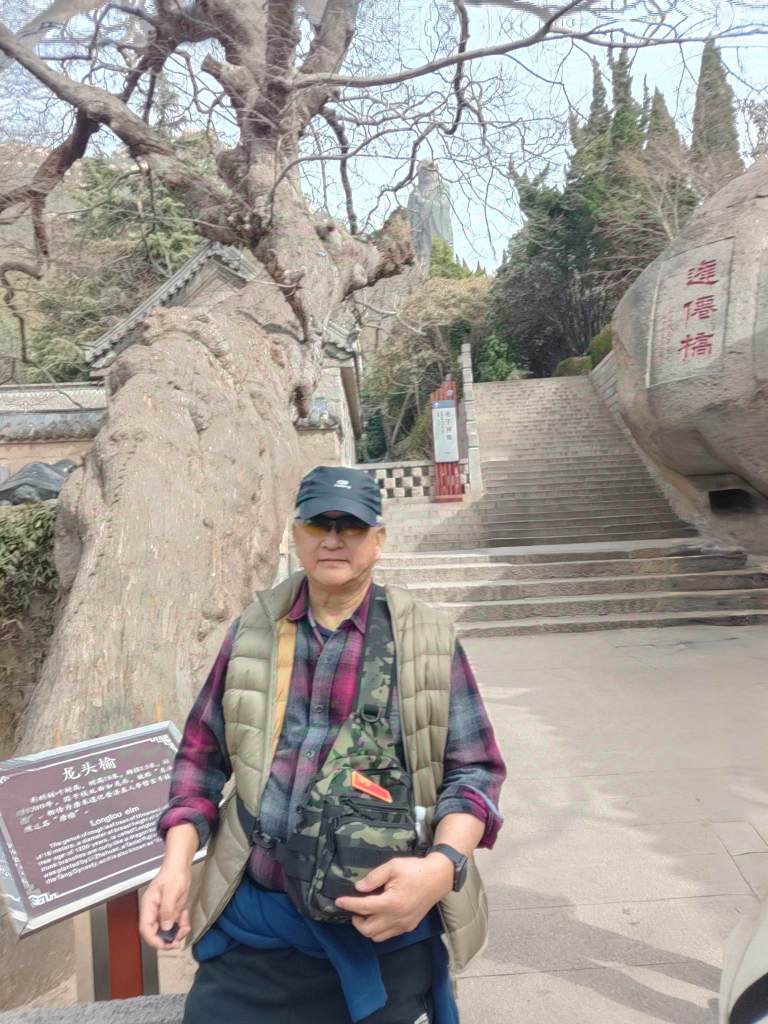
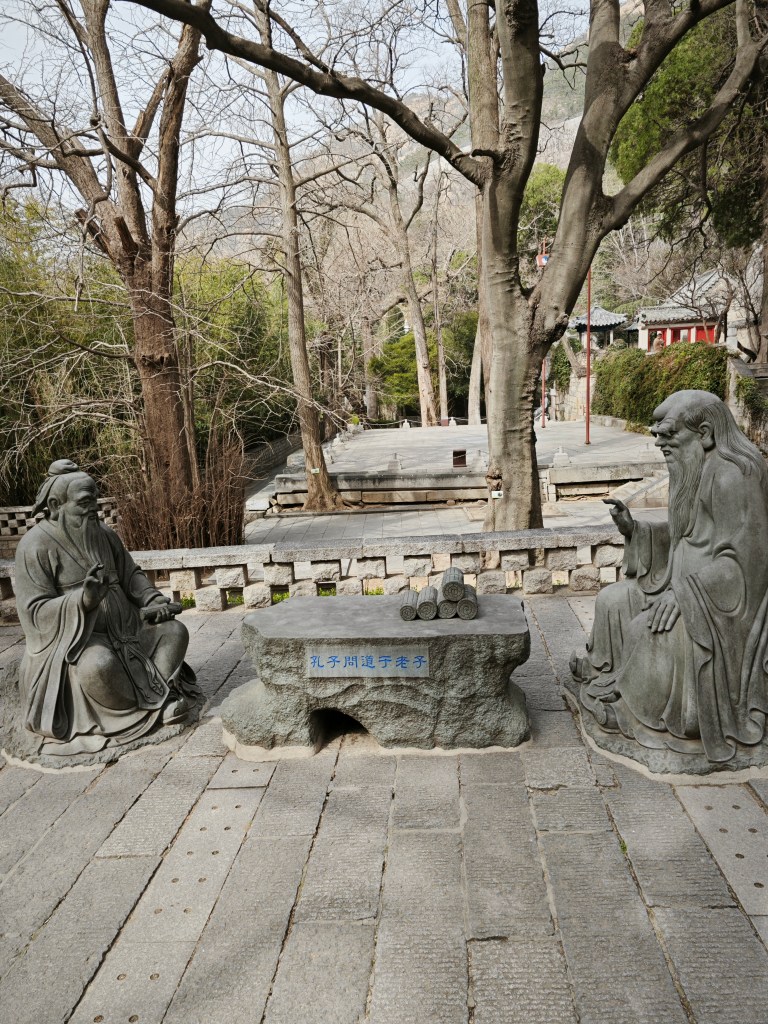
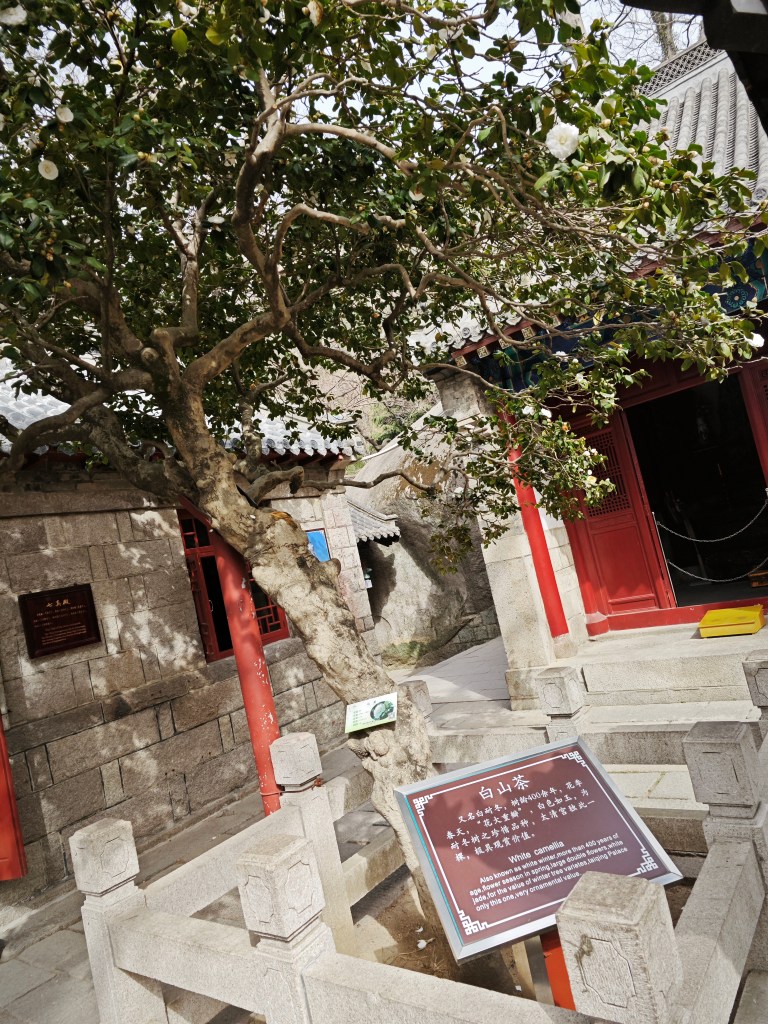
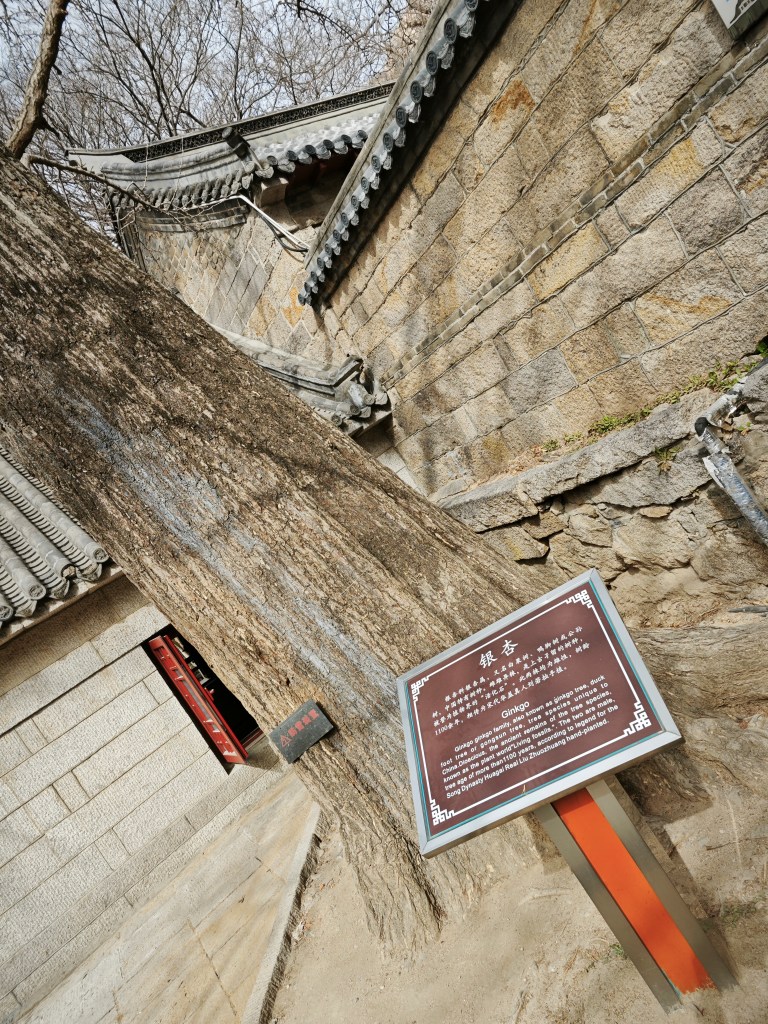
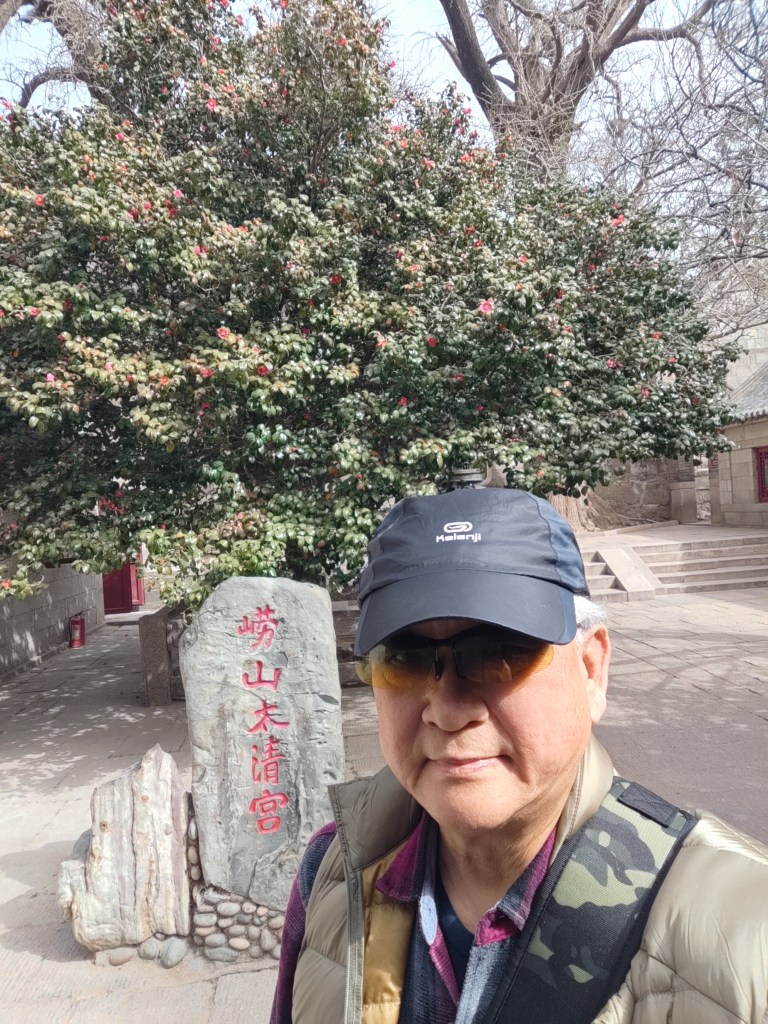
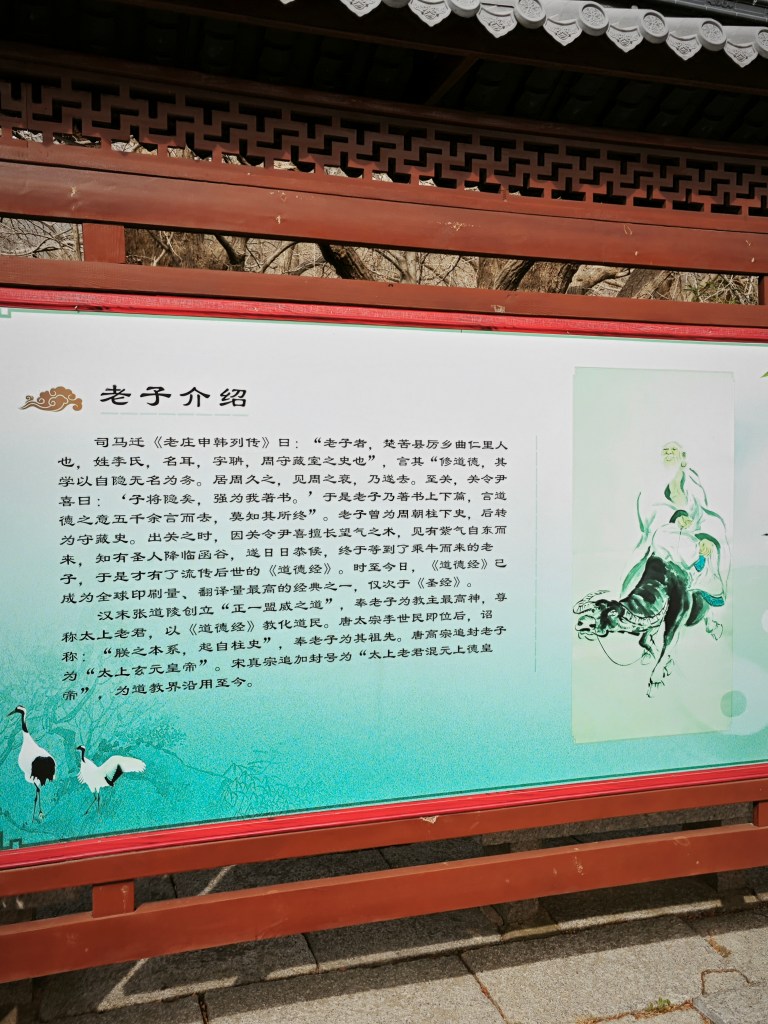
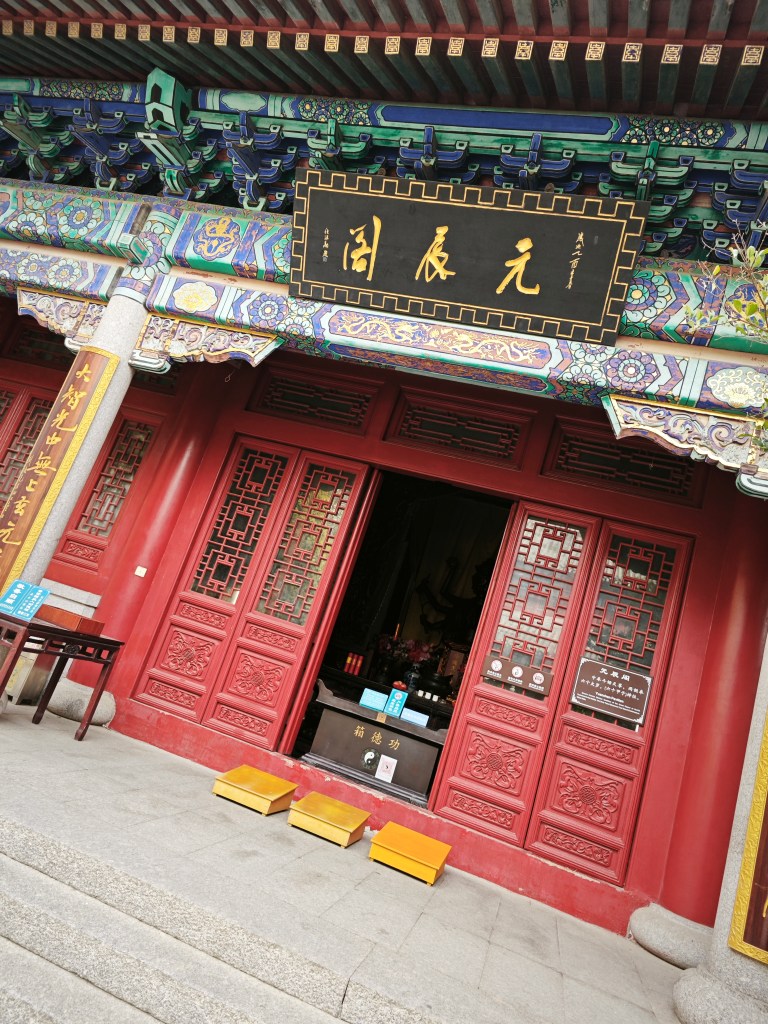
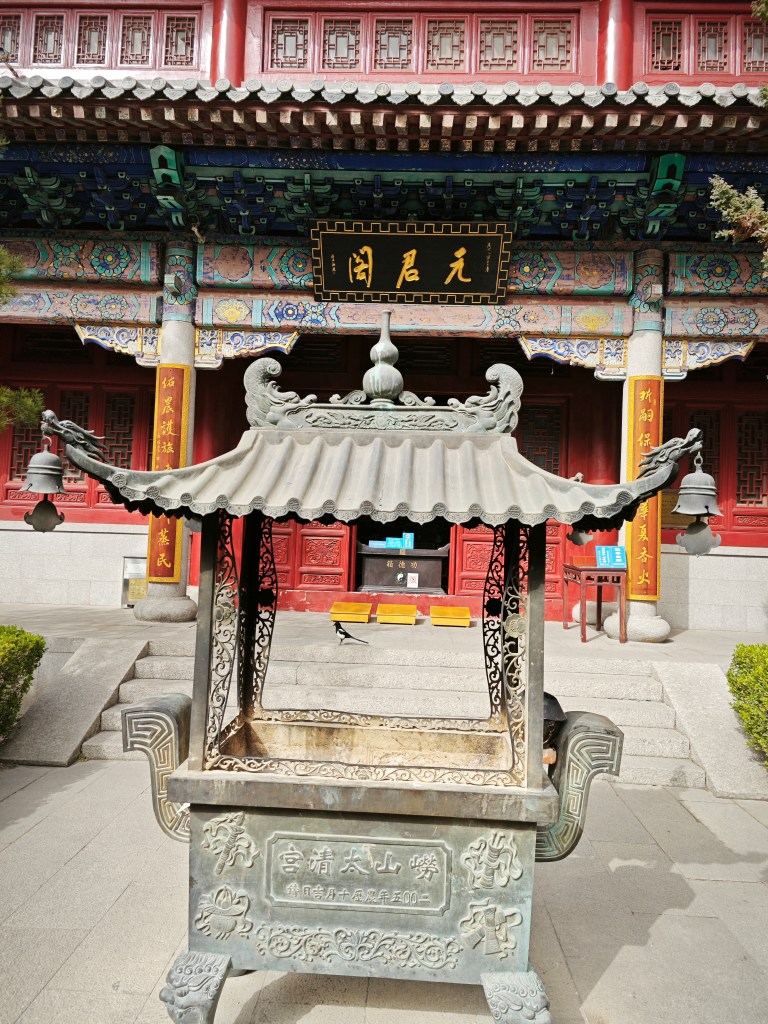
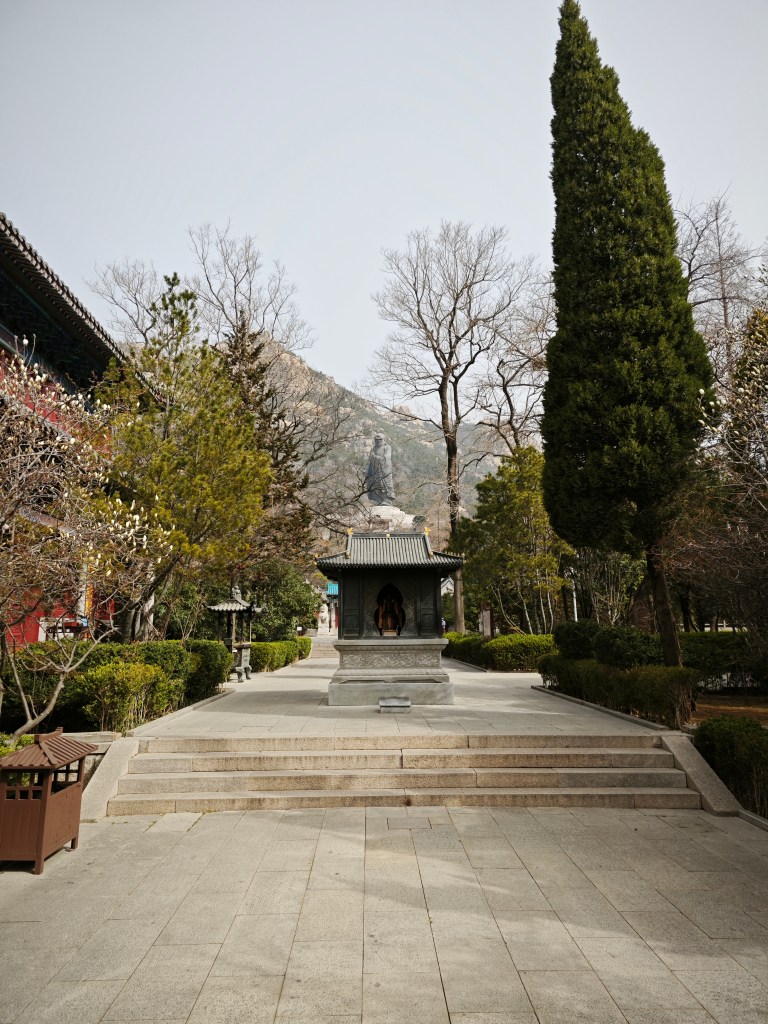
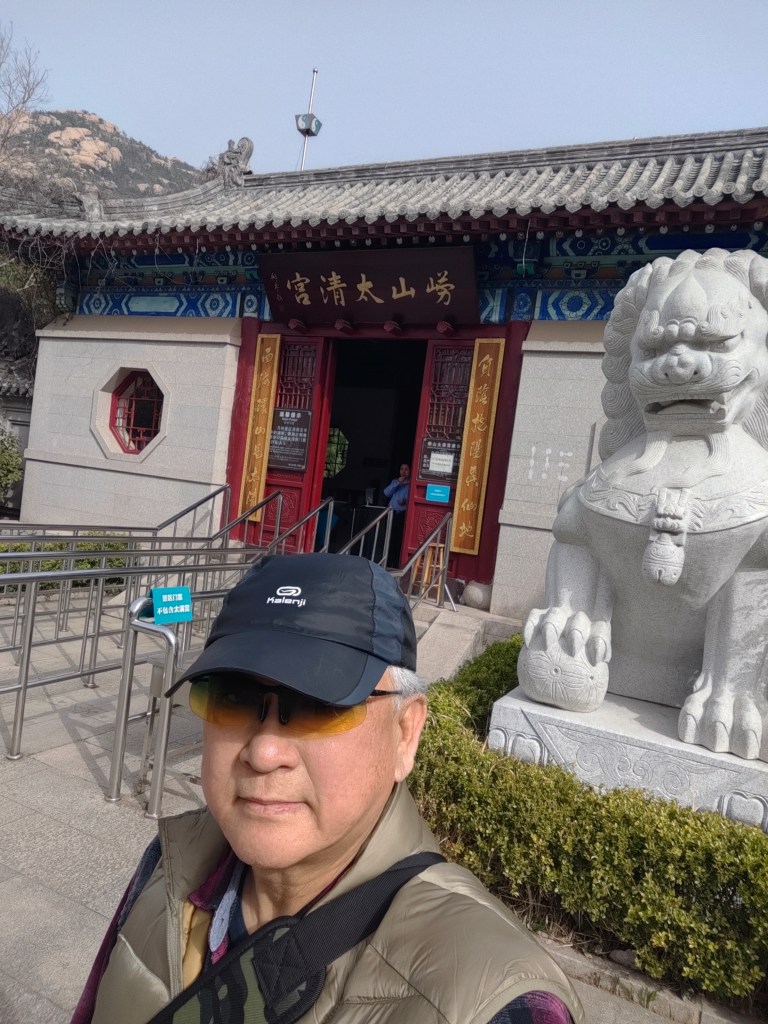
Explored Taoism and Catholism historical sites in Qingdao, Shangdong province.

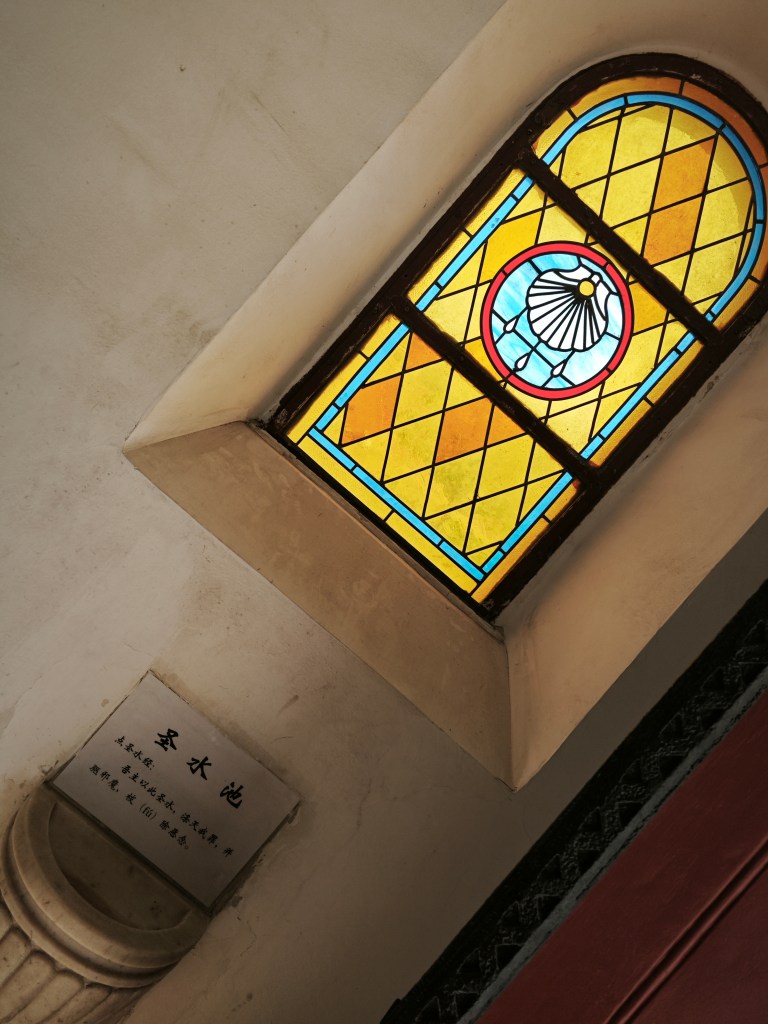
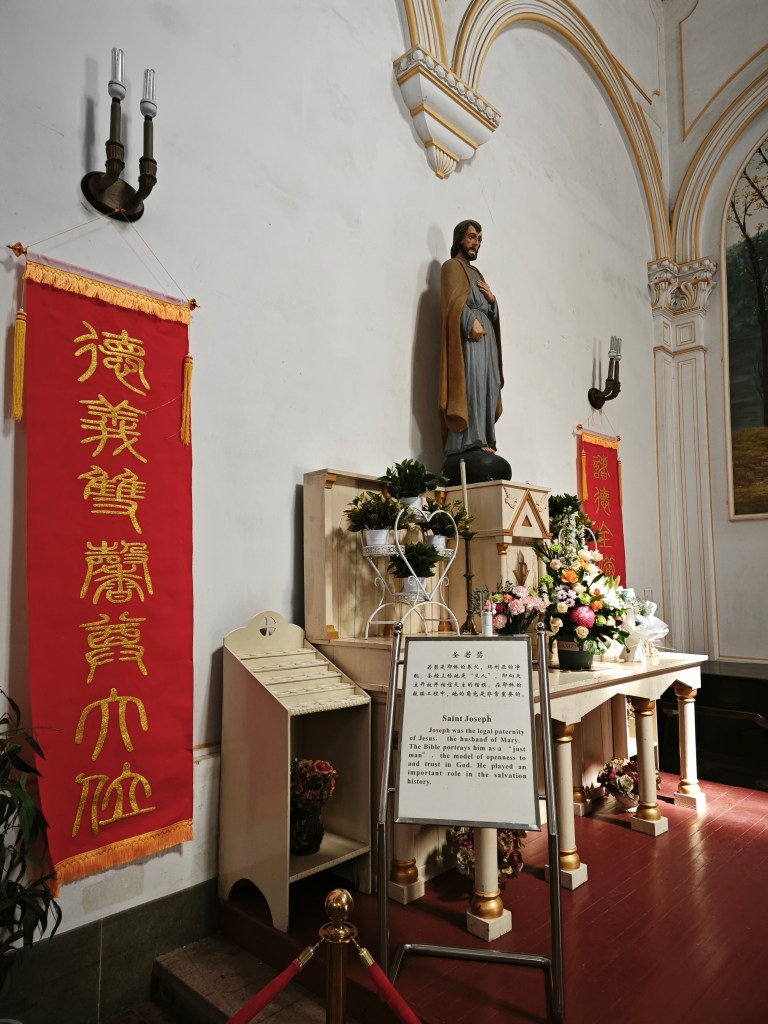











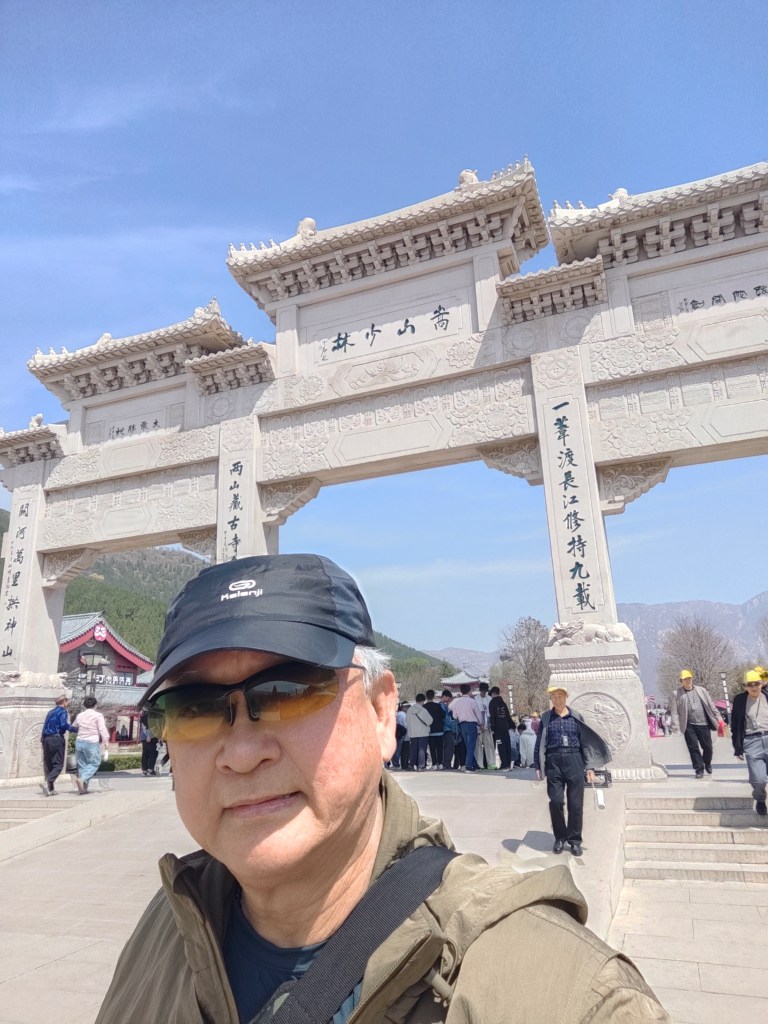
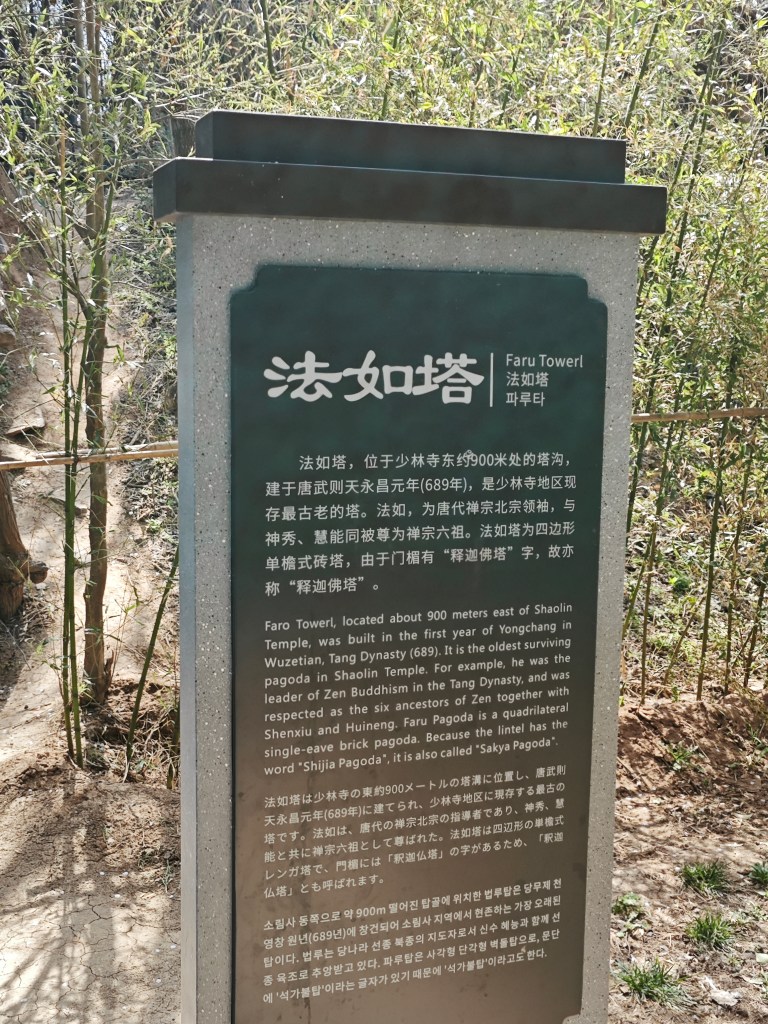
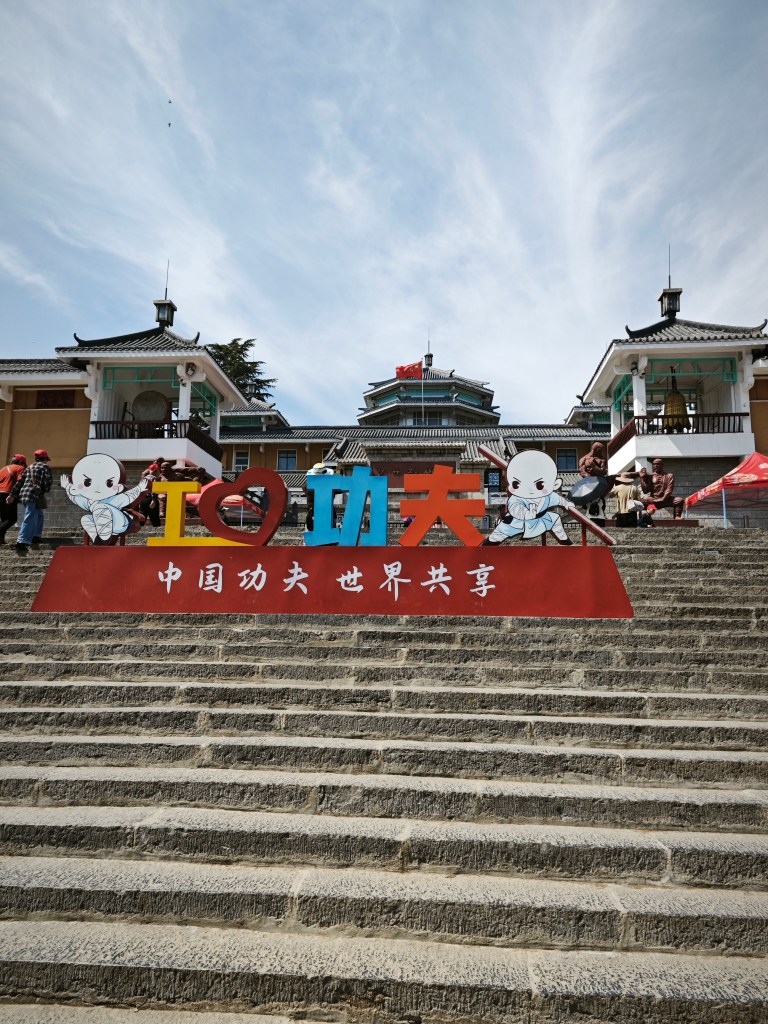
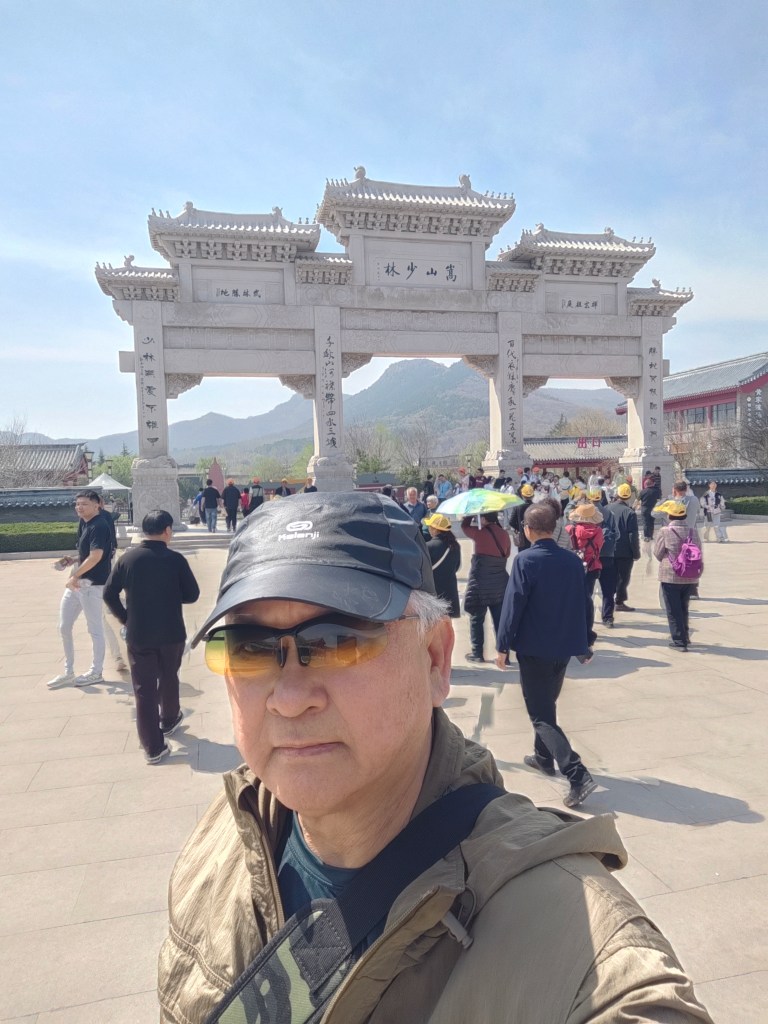
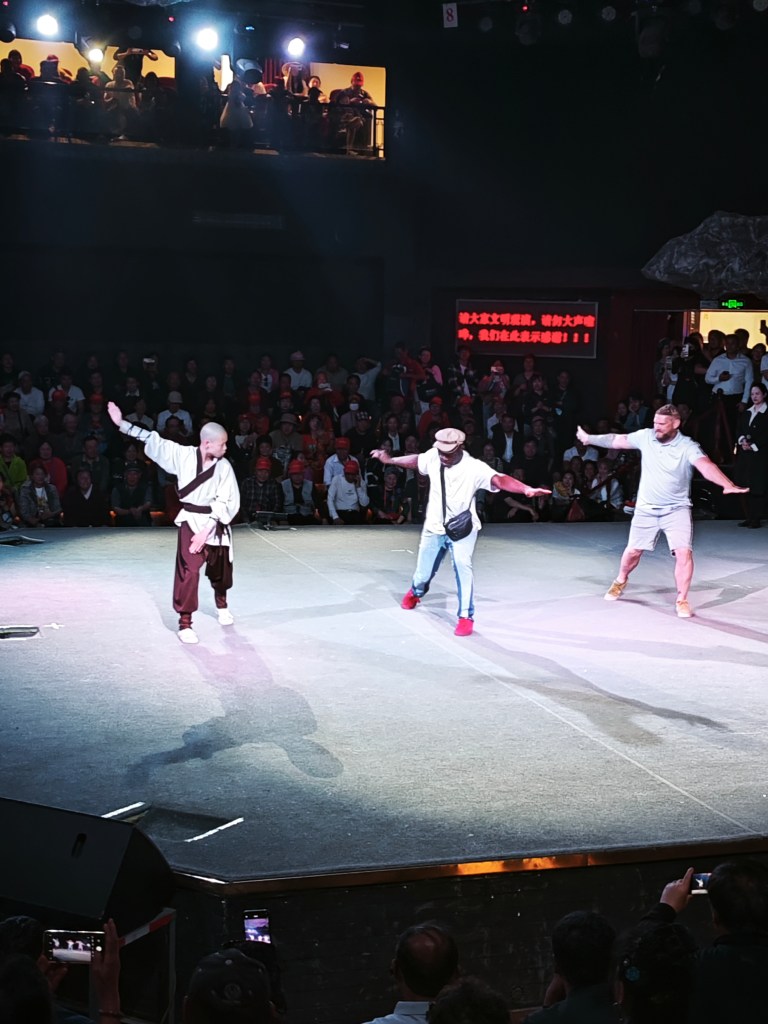
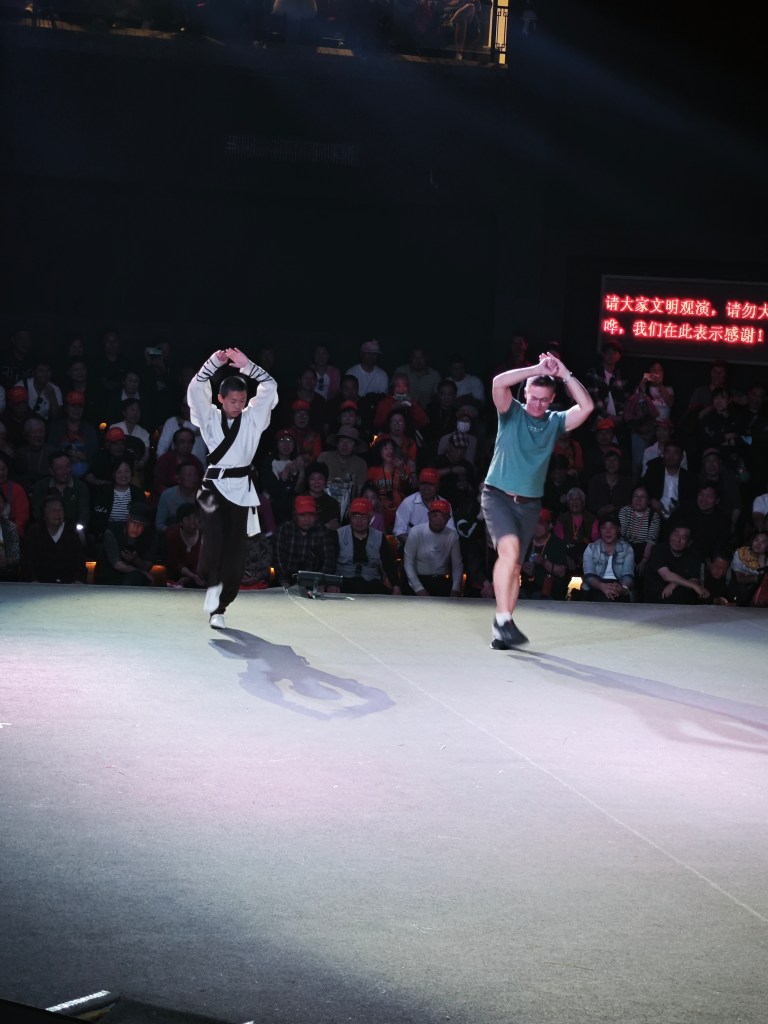
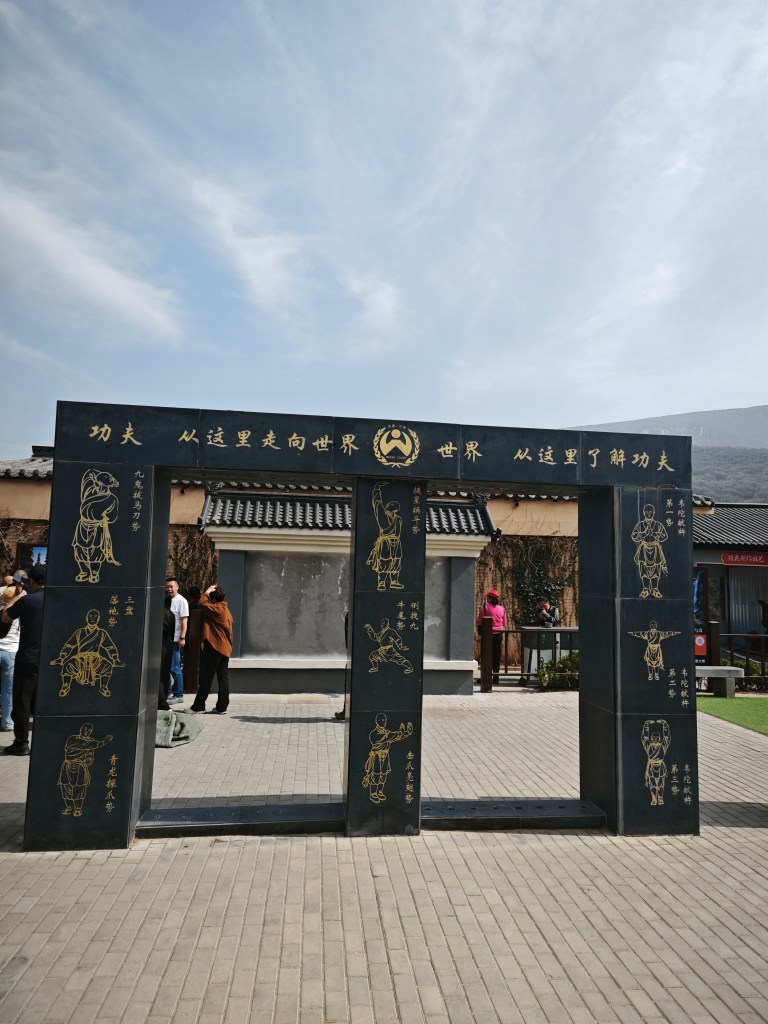
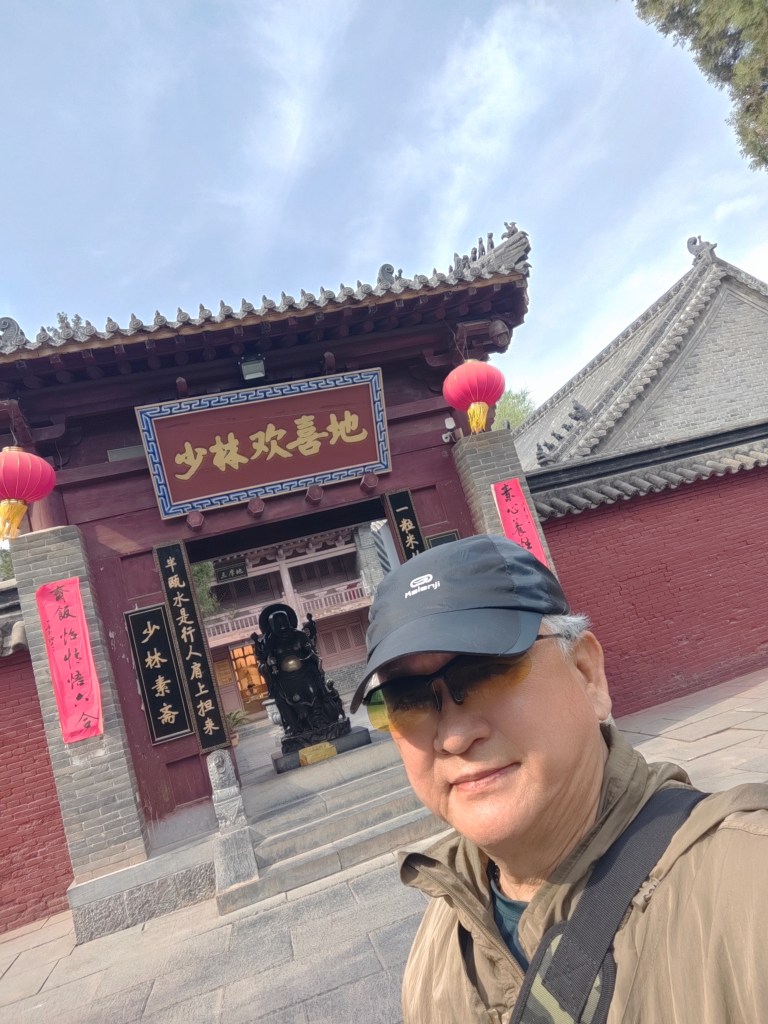
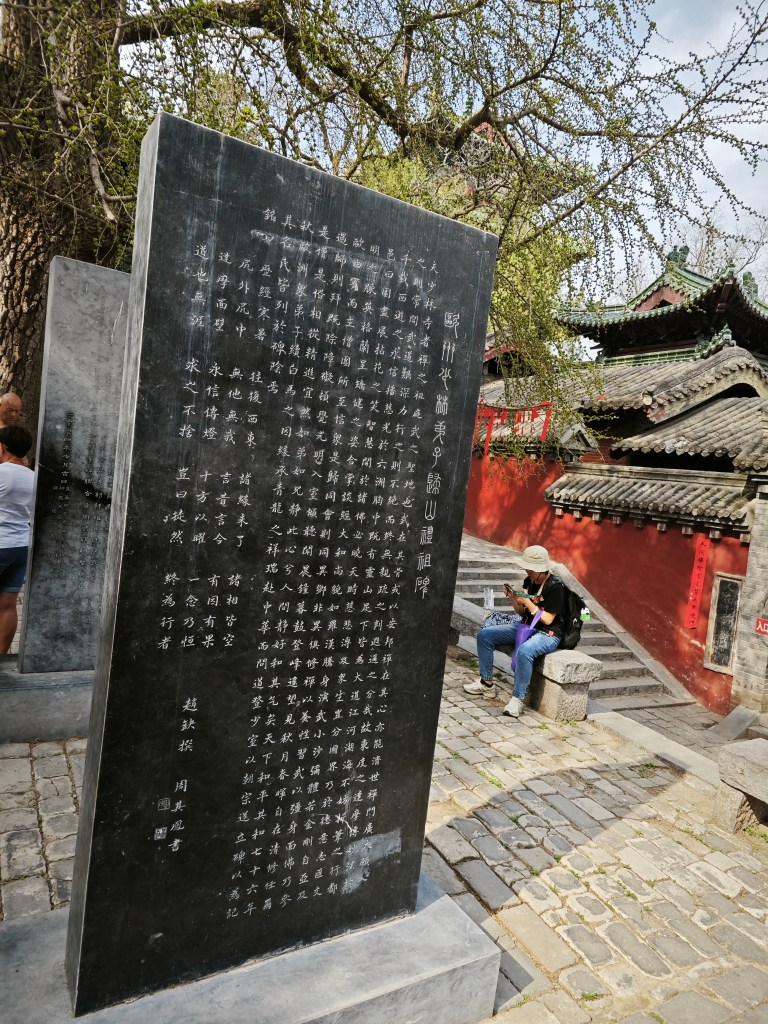
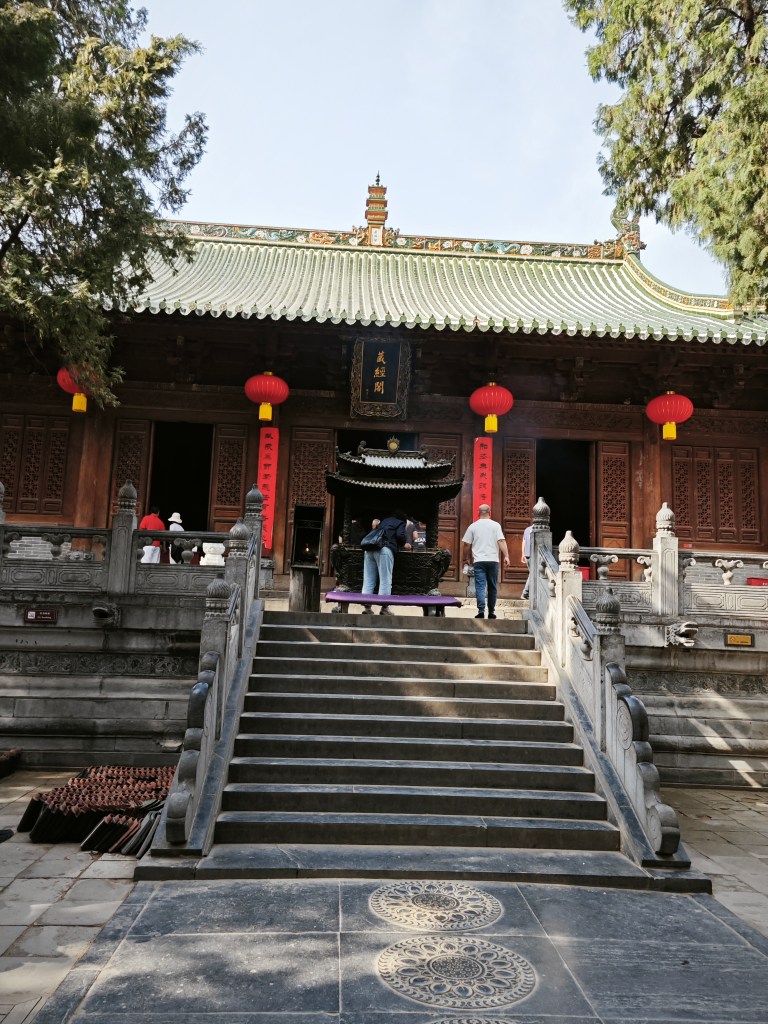
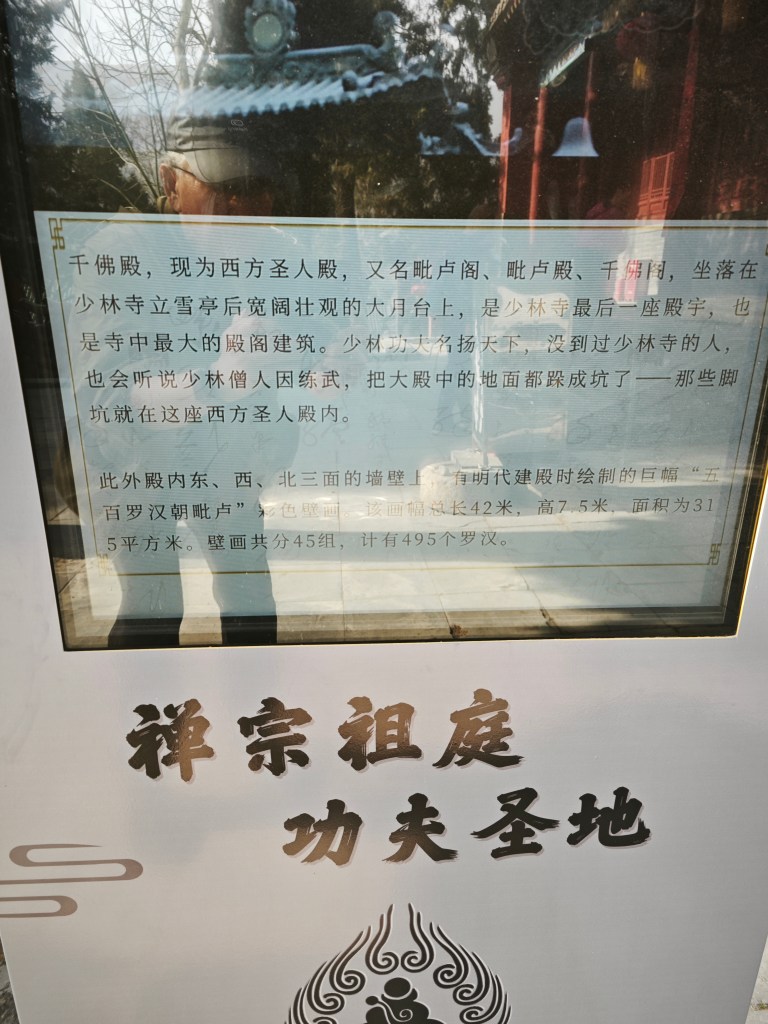
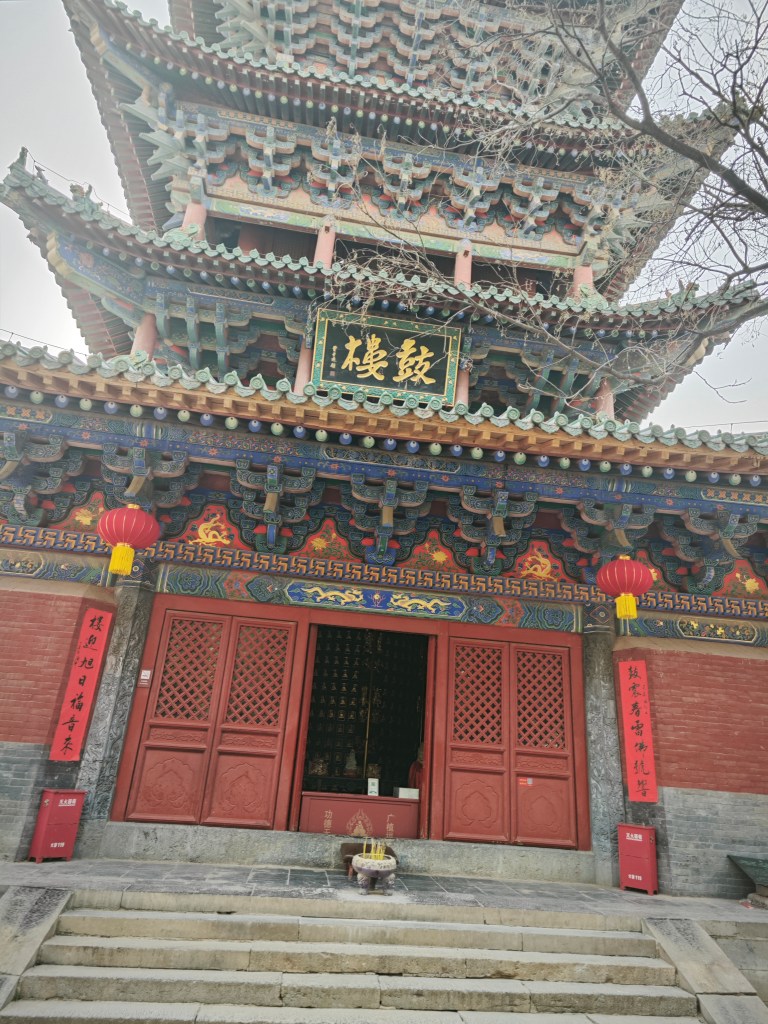
Visited Shaolingshi少林寺 in Songshan, Henan province, which is a famous Buddhist temple that has been known for more than 1000 years as a center of martial arts. Shaolin kung fu 少林功夫 has attracted many not just Chinese but also international students to come and learn.




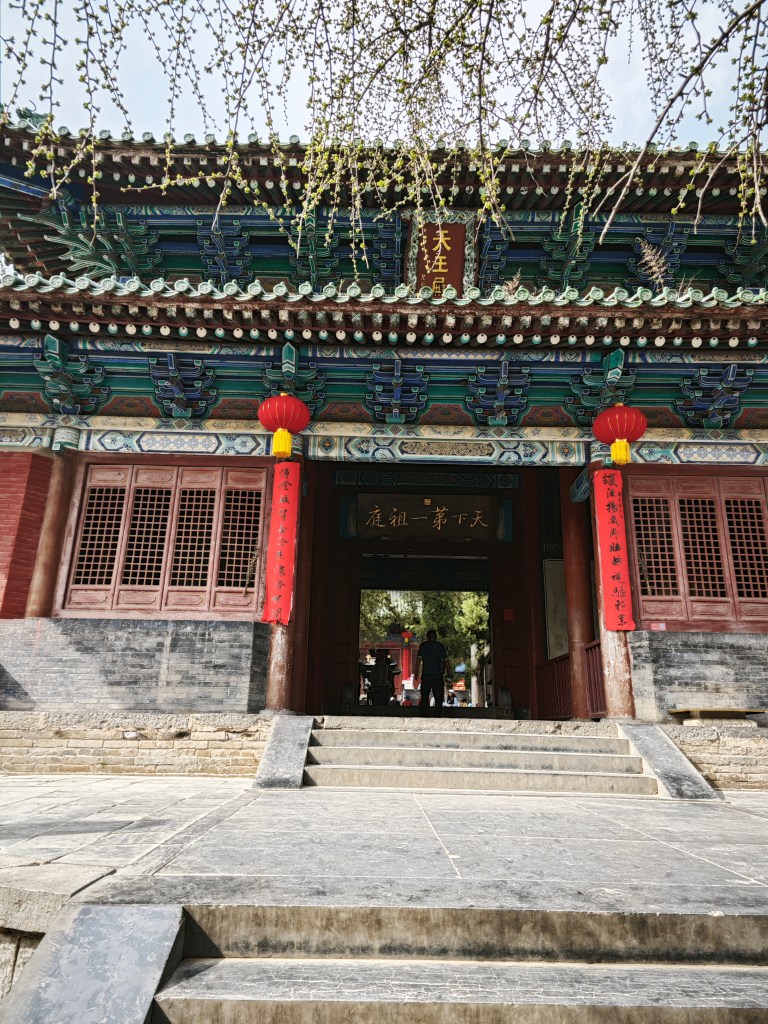

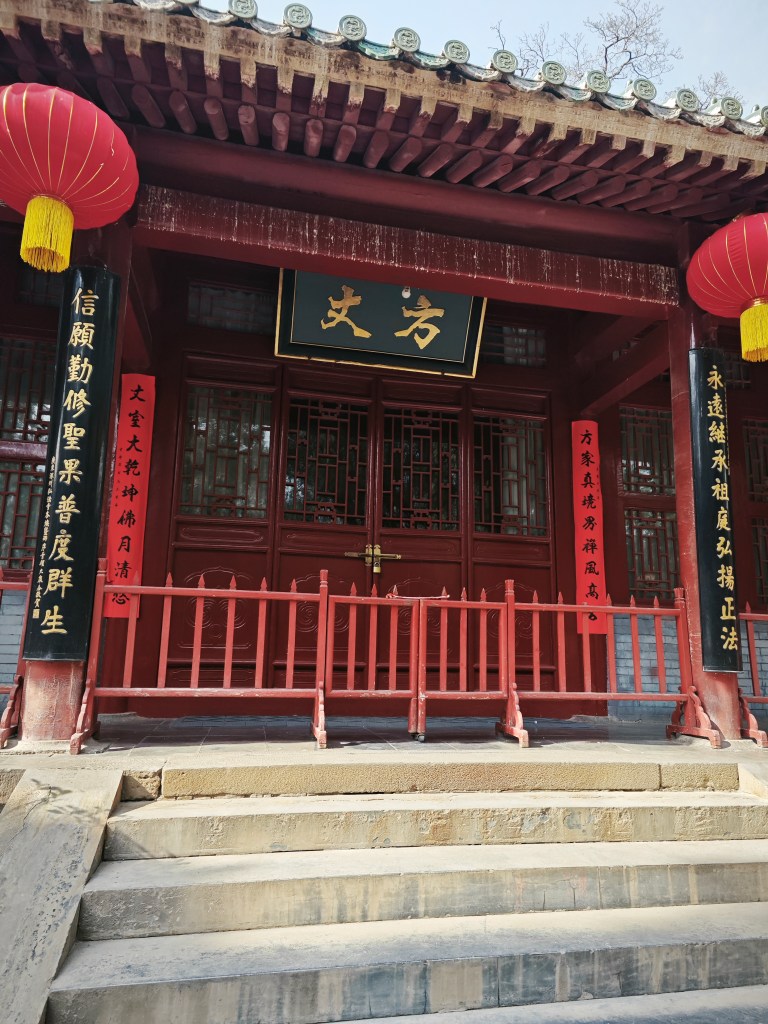

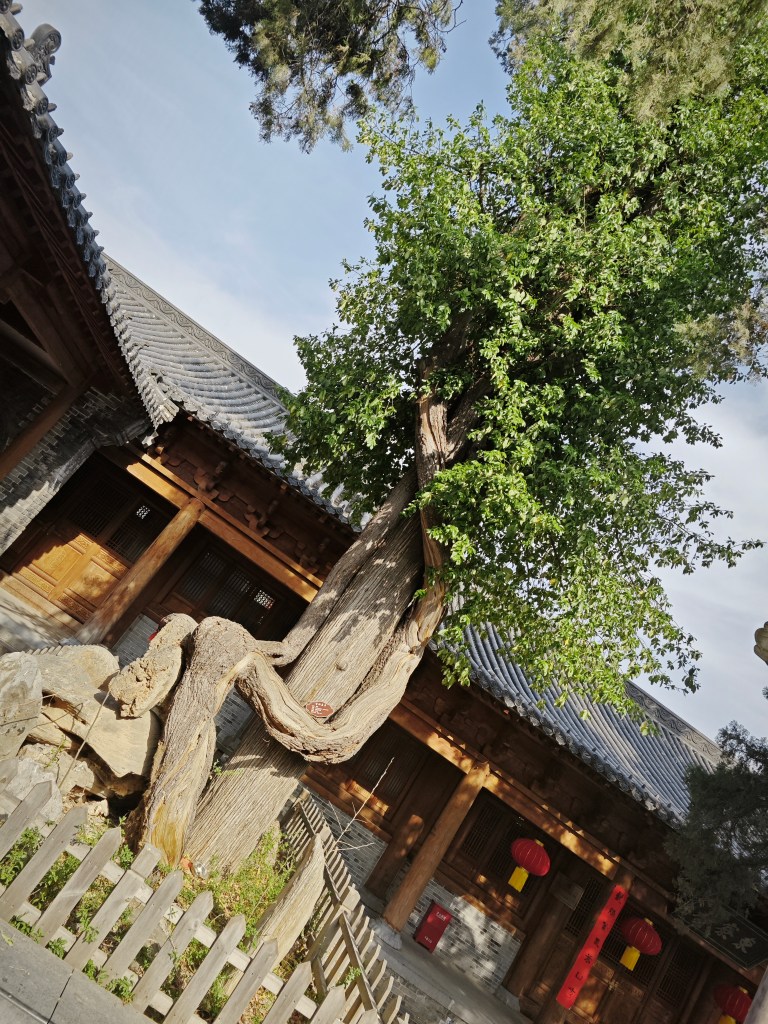
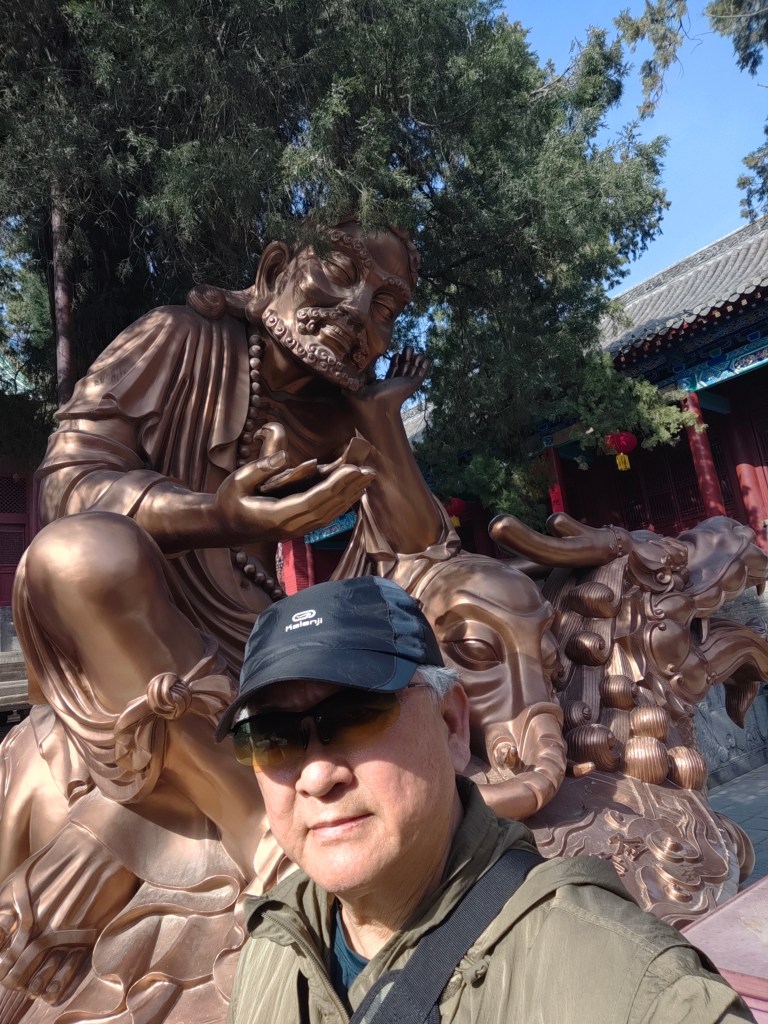
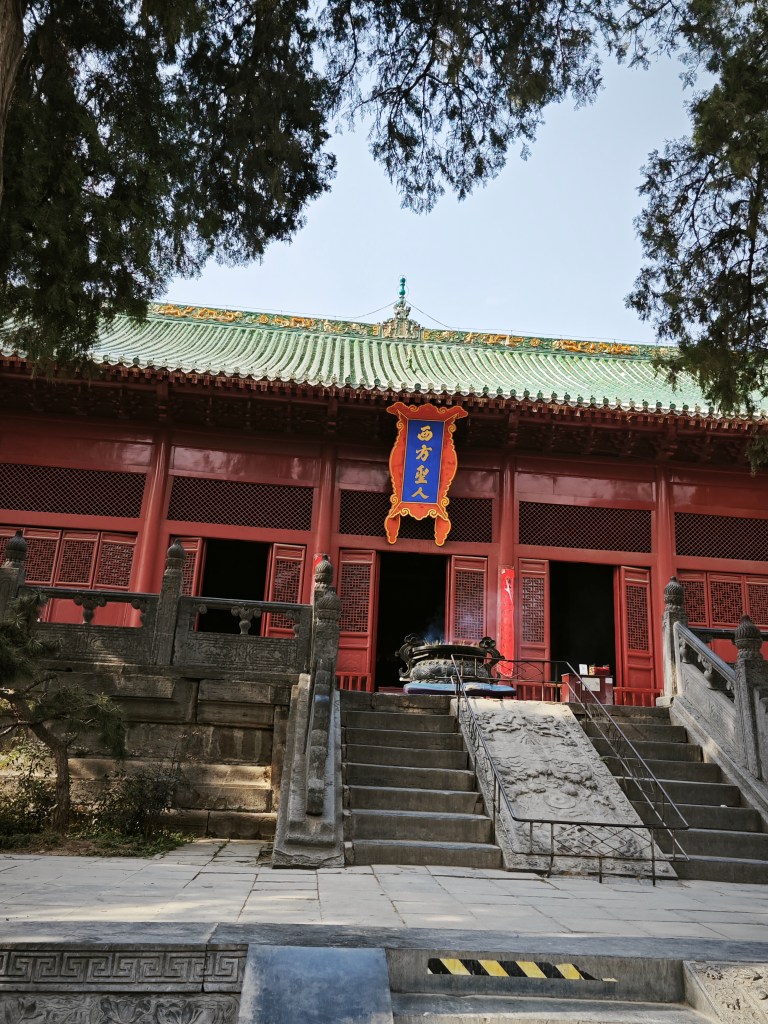
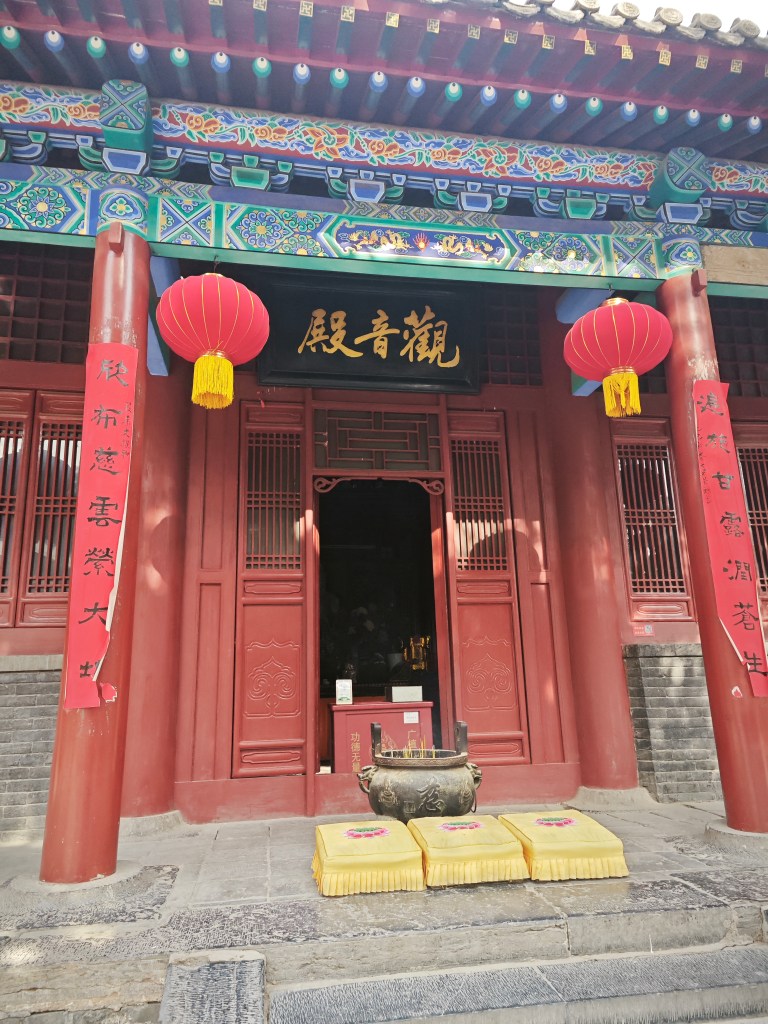


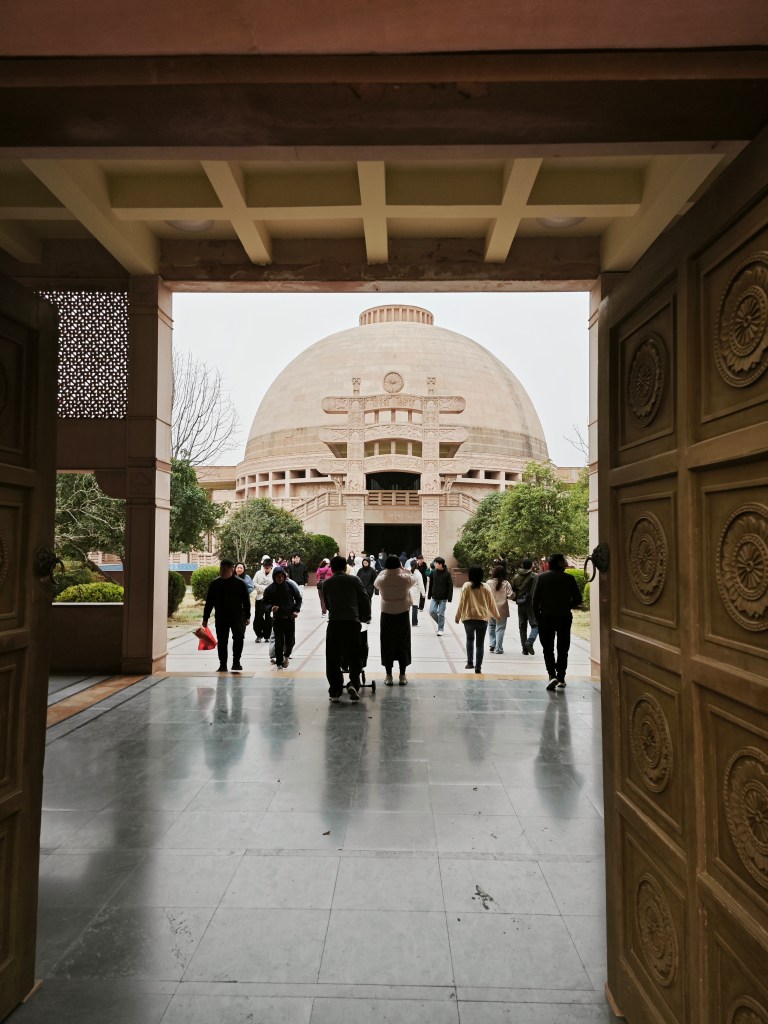
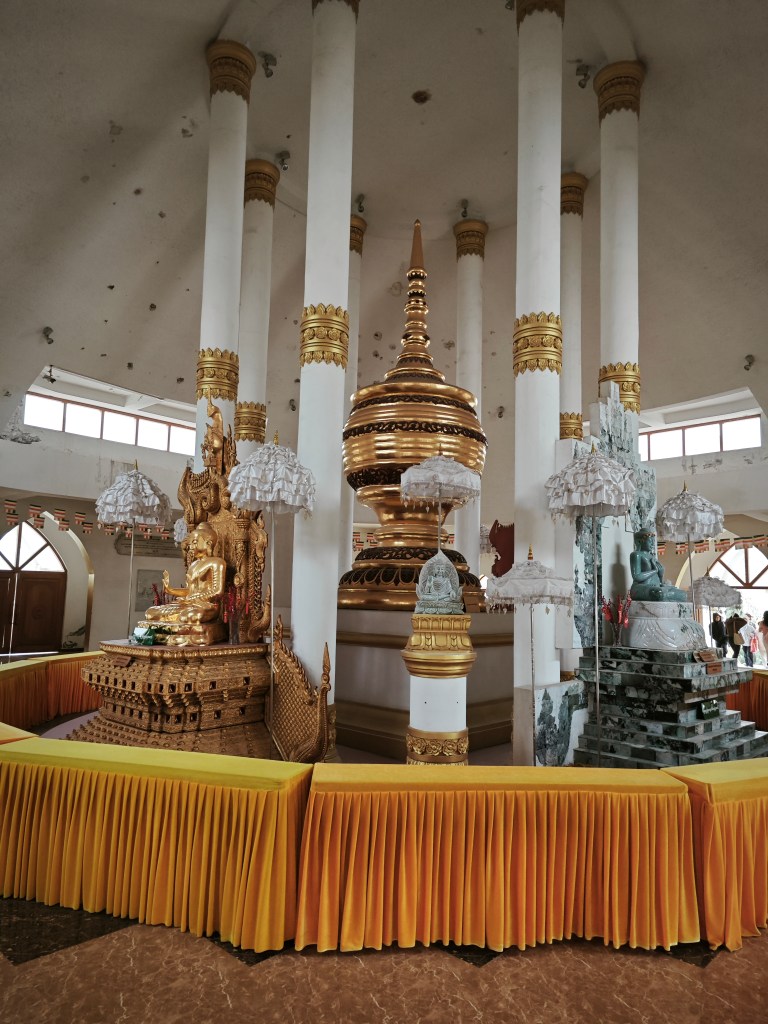
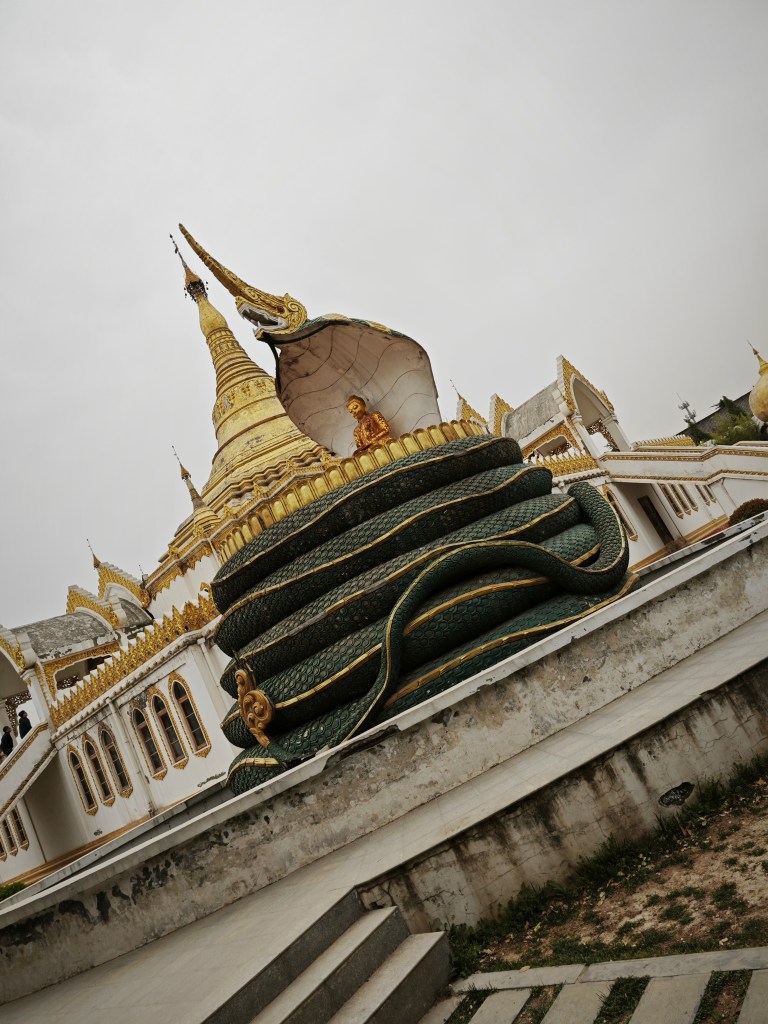
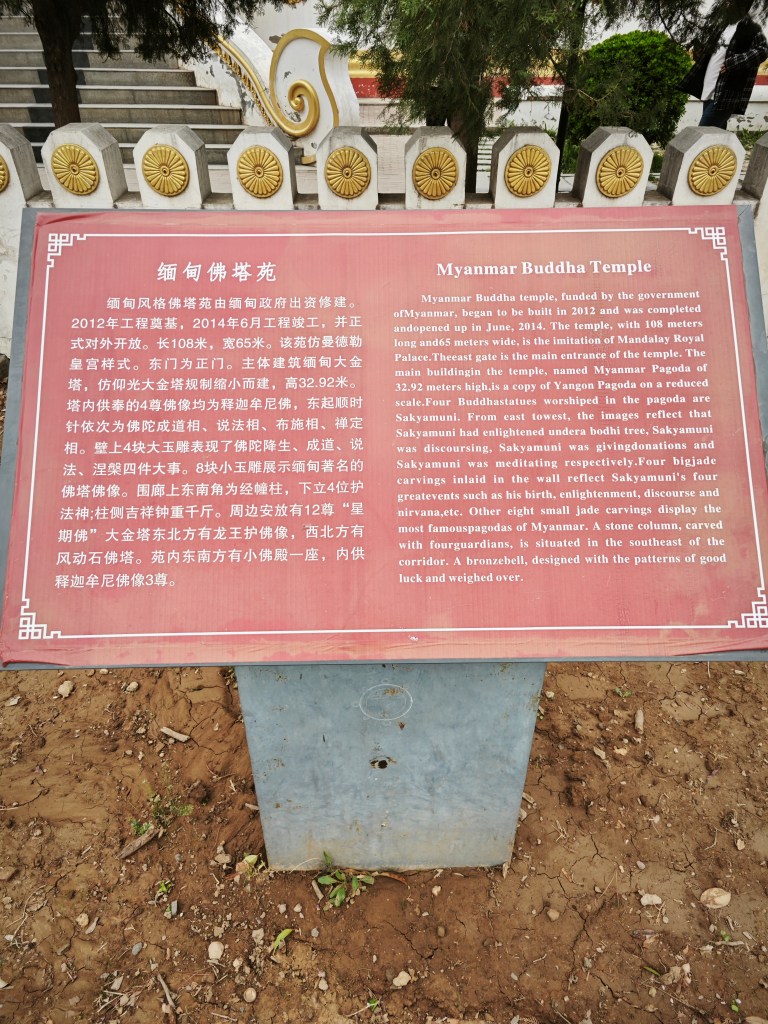
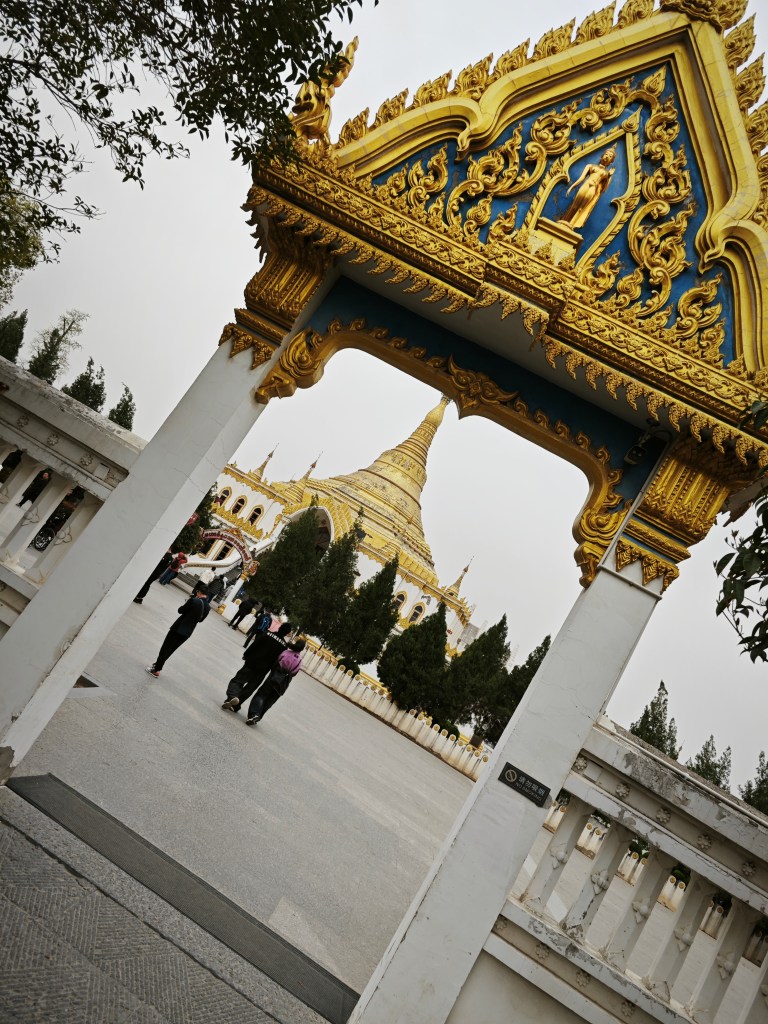
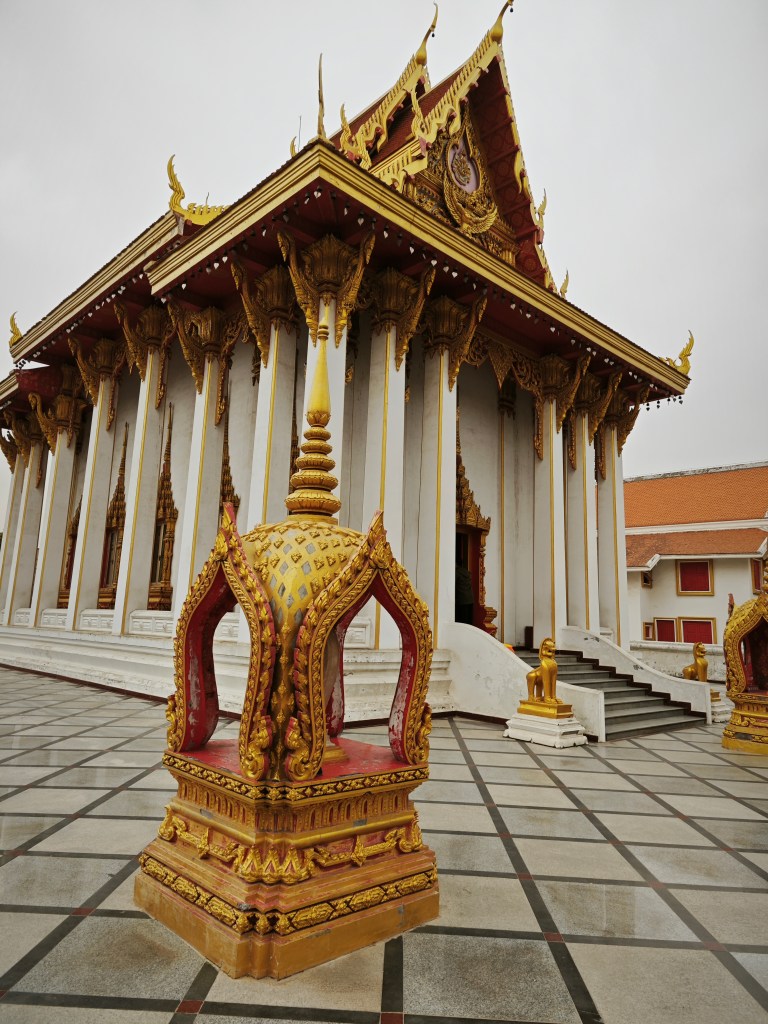
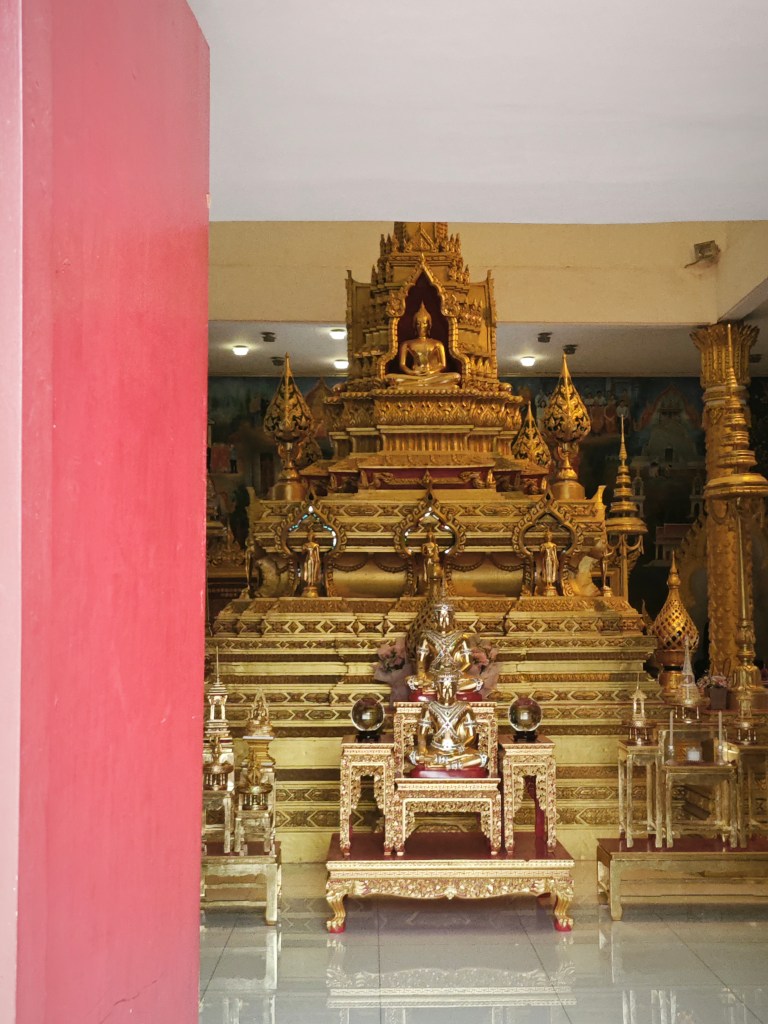
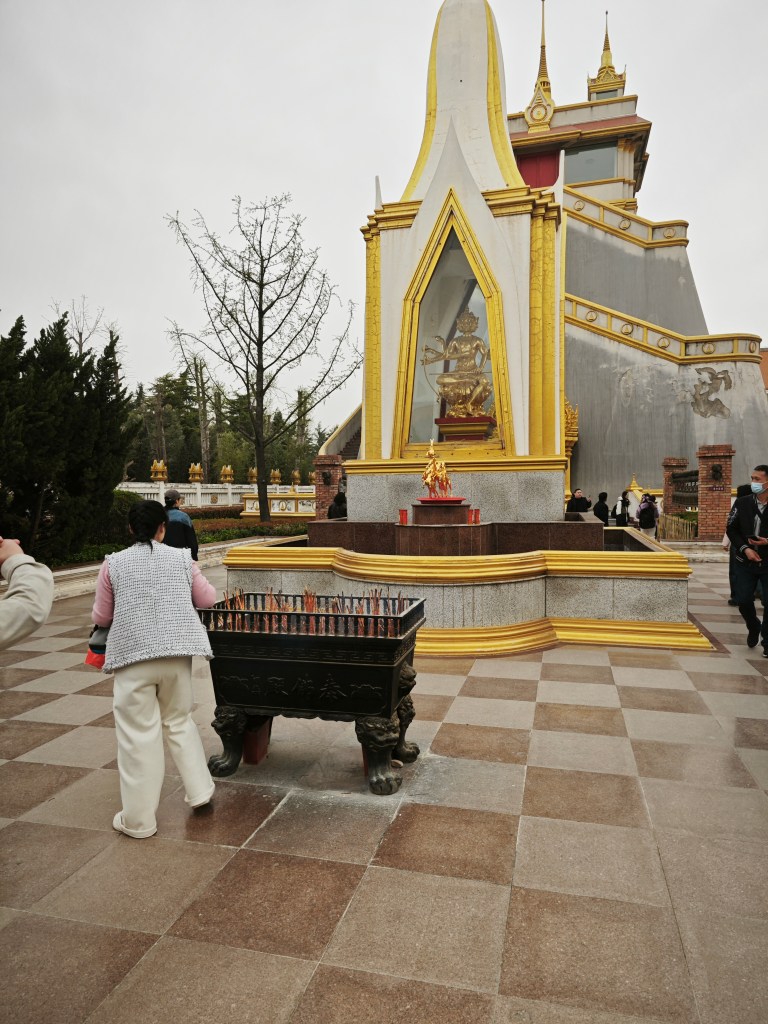
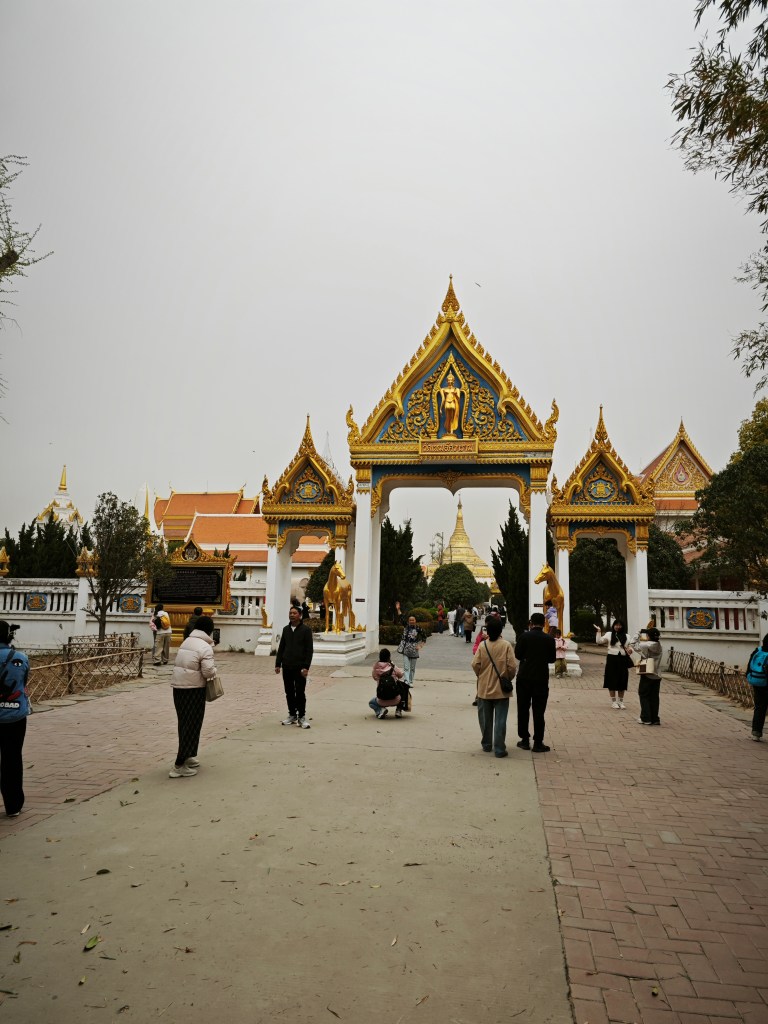
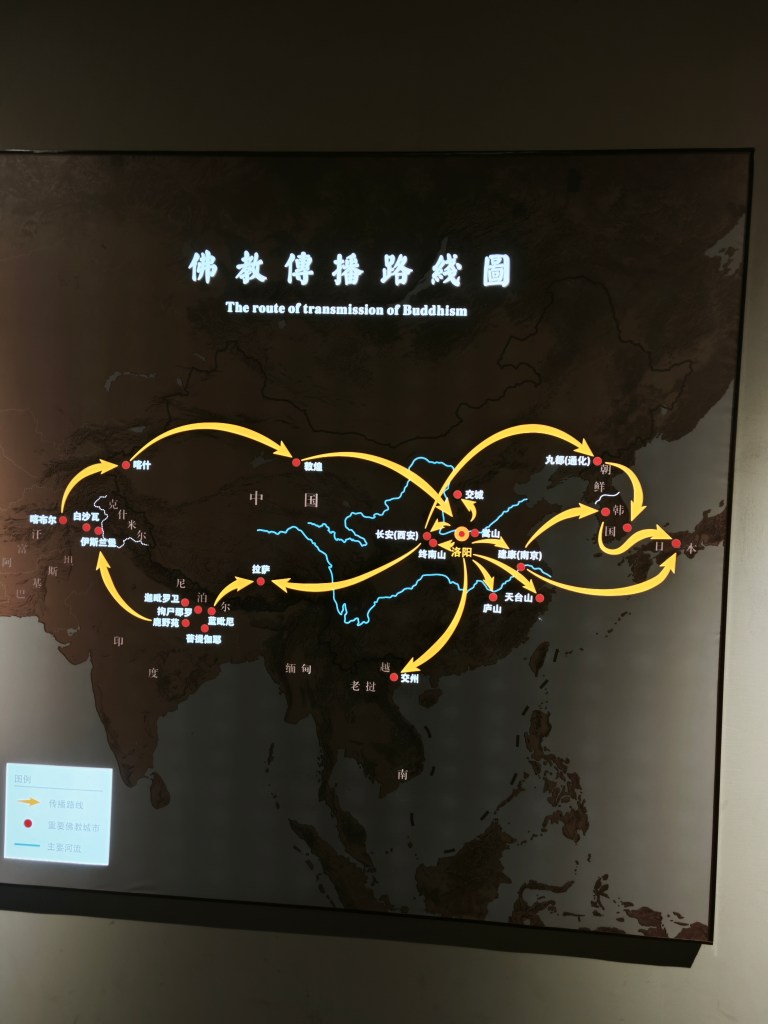
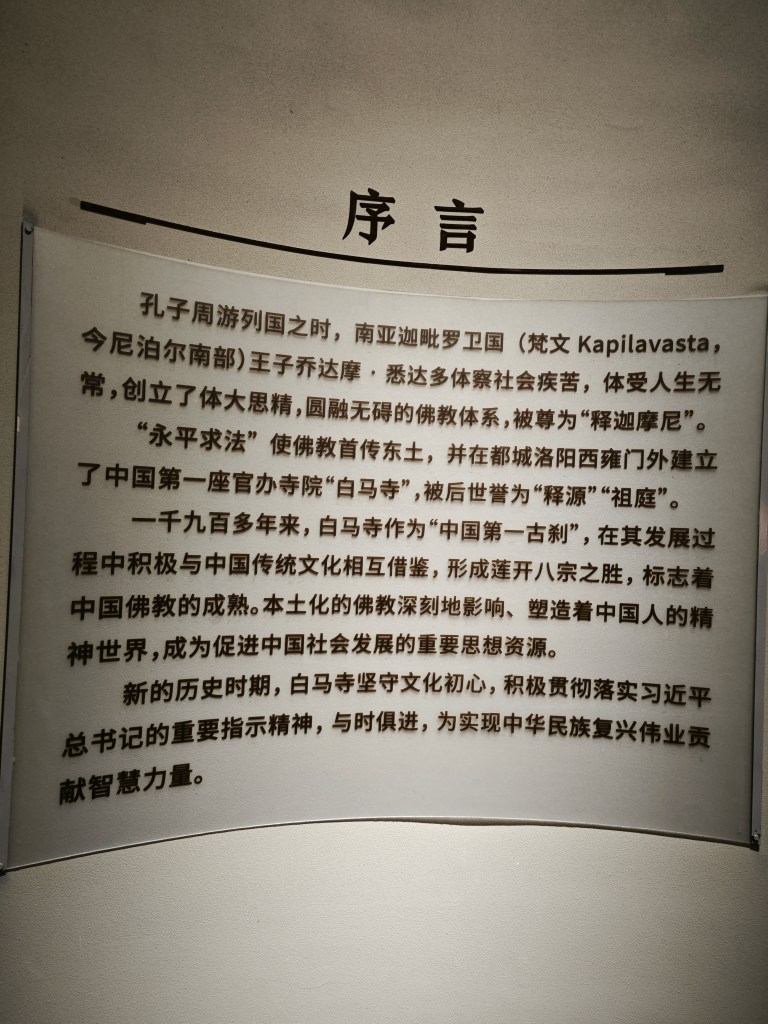
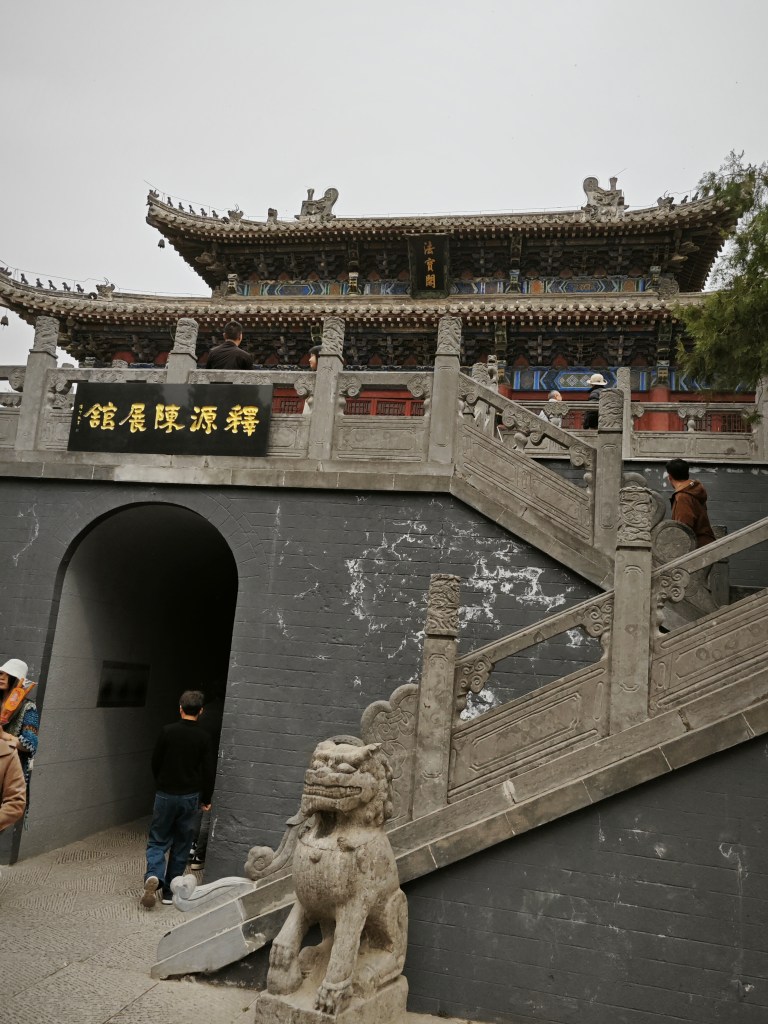
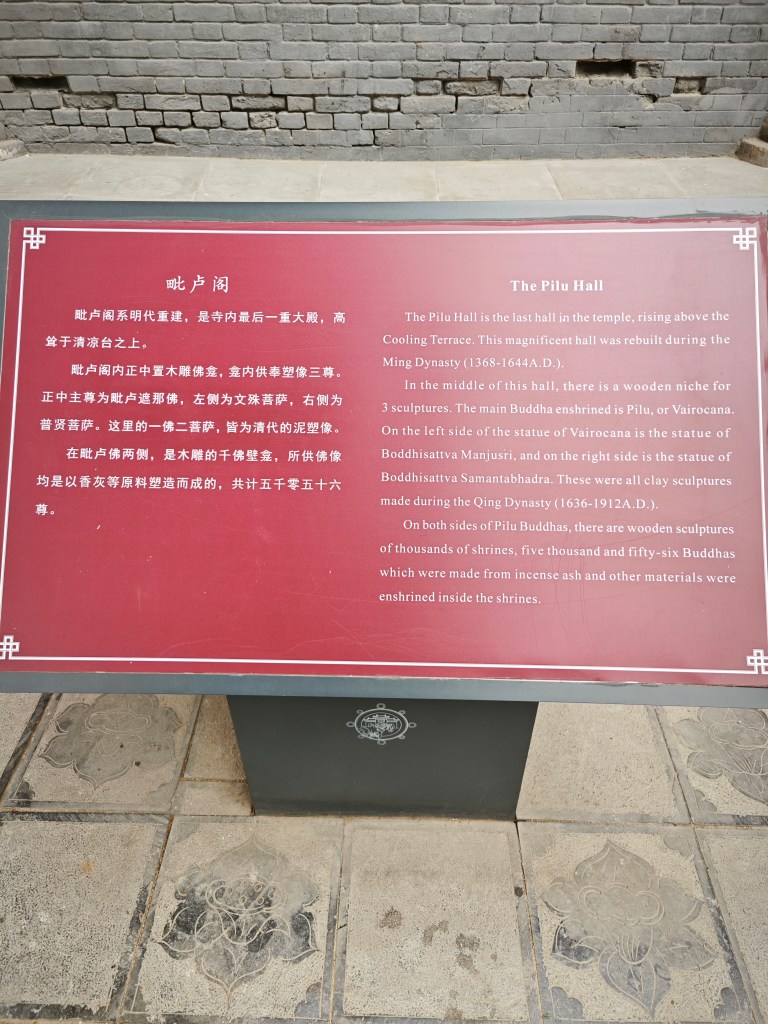
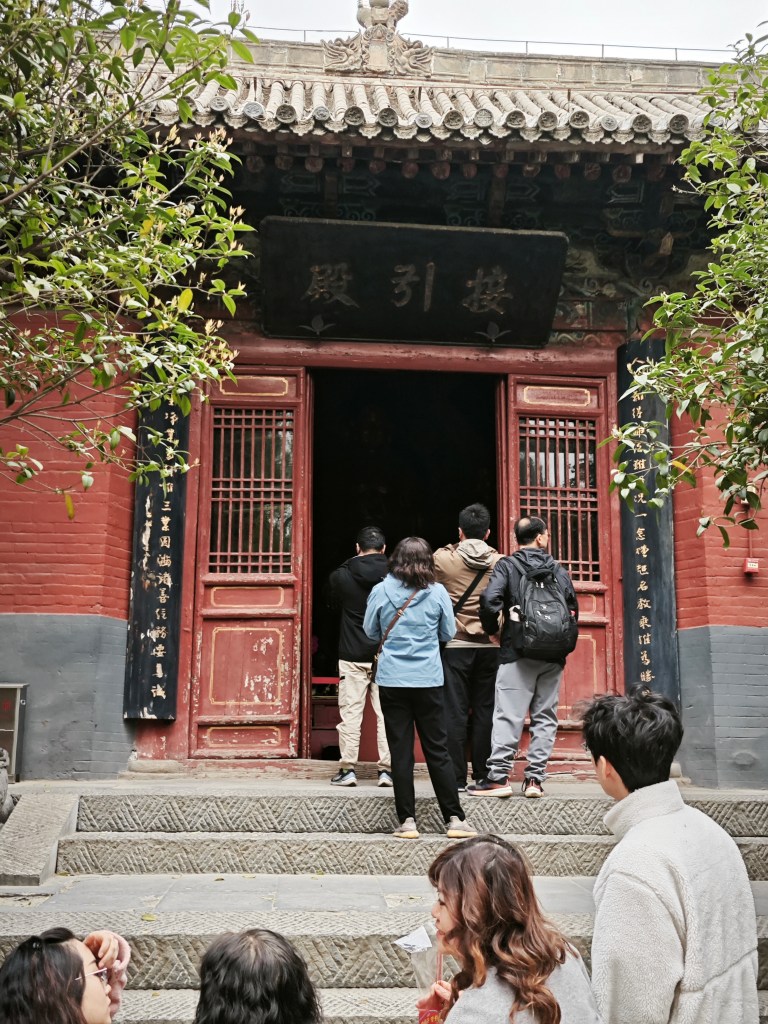
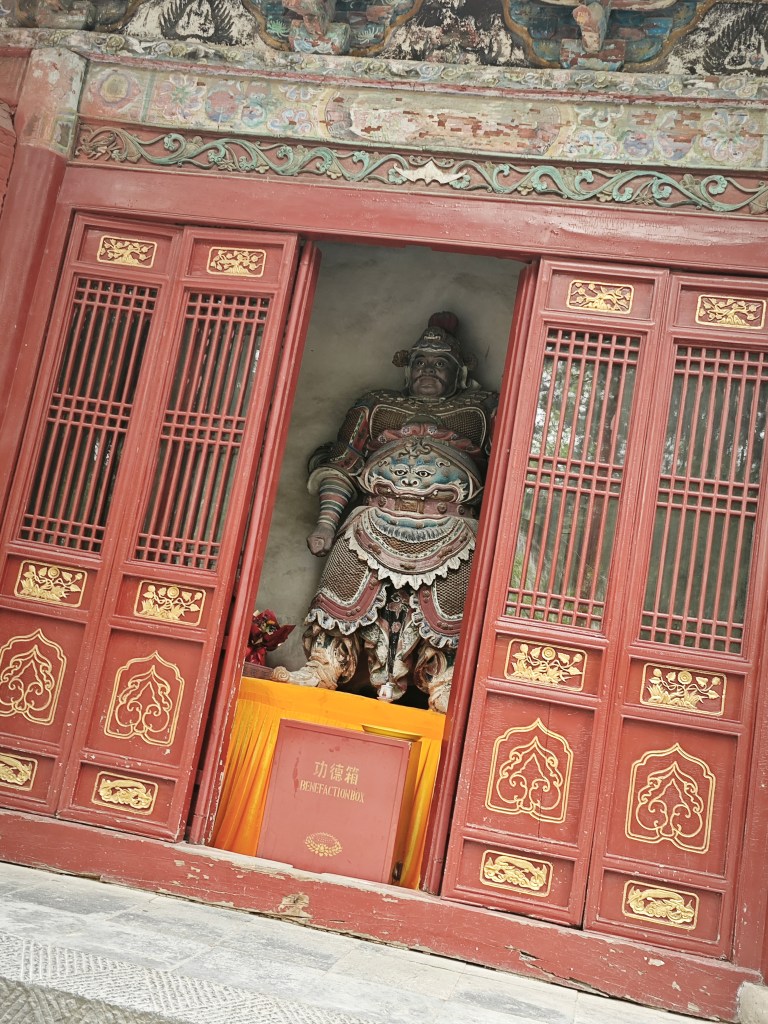
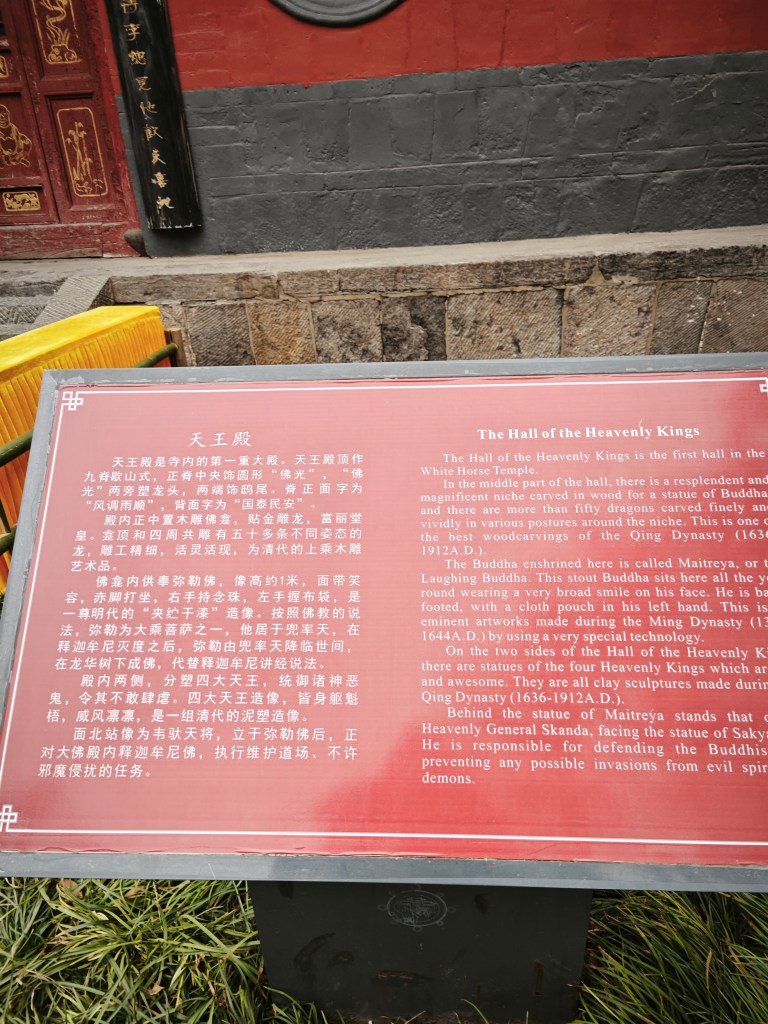
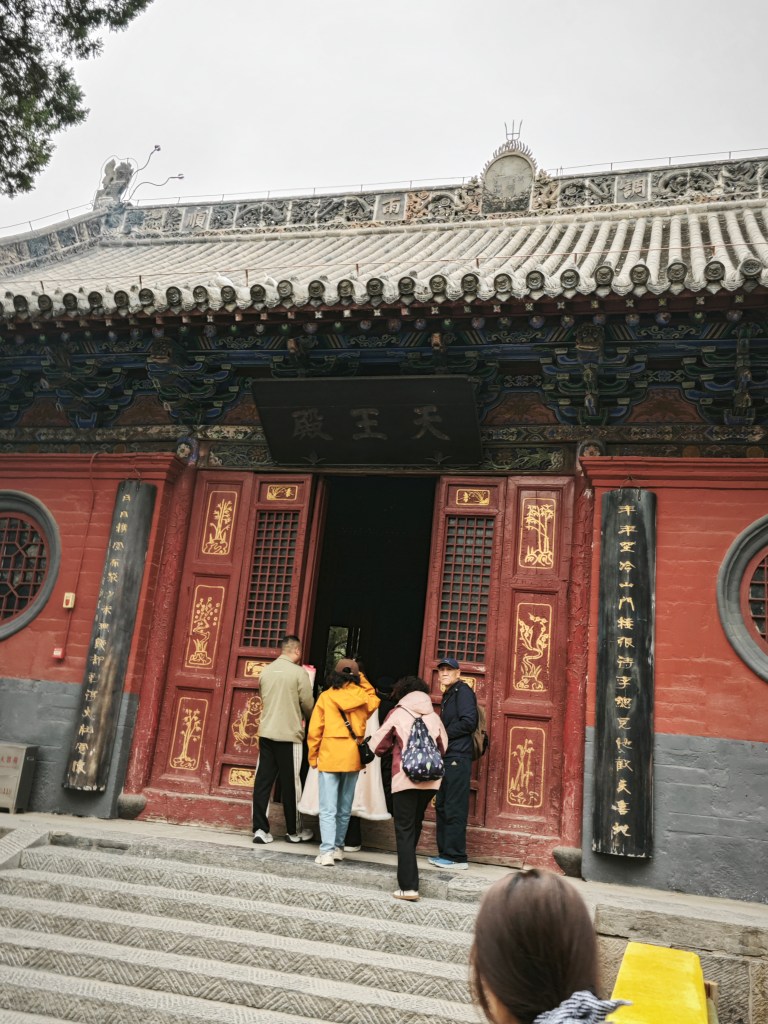
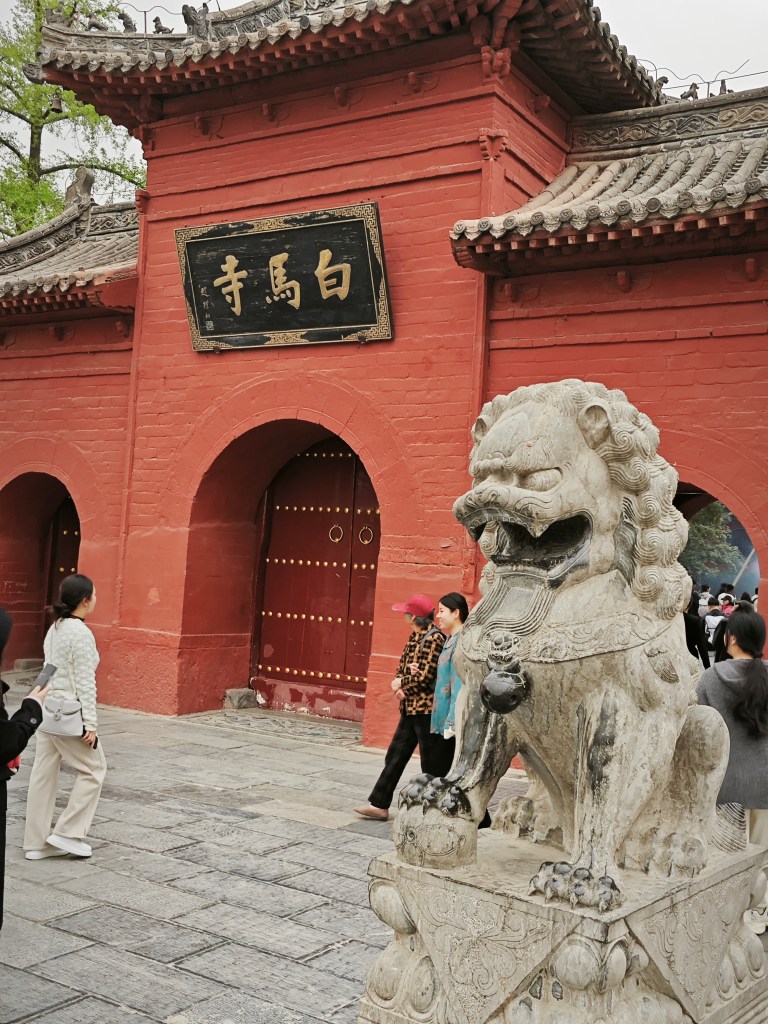
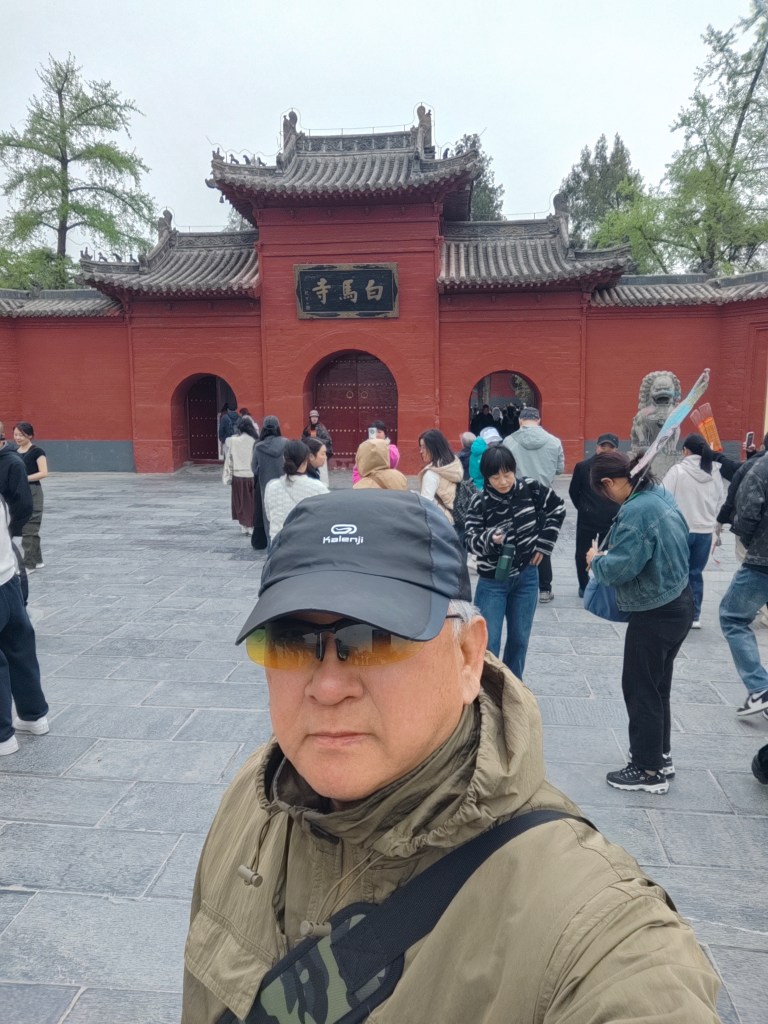
A wonderful experience of visiting White Horse Temple白马寺 in Luoyang, Henan province, which was the founding place of Buddhism in China almost 2000 years ago in the Han Dynasty to resemble the ancient Buddhist temples in India. It was also the originating place for Buddhism in Korea, Japan, and Southeast Asia. A new compound was developed in collaboration with the governments of Thailand, India, and Myanmar since 1992 to include Buddhist temples in their unique styles.








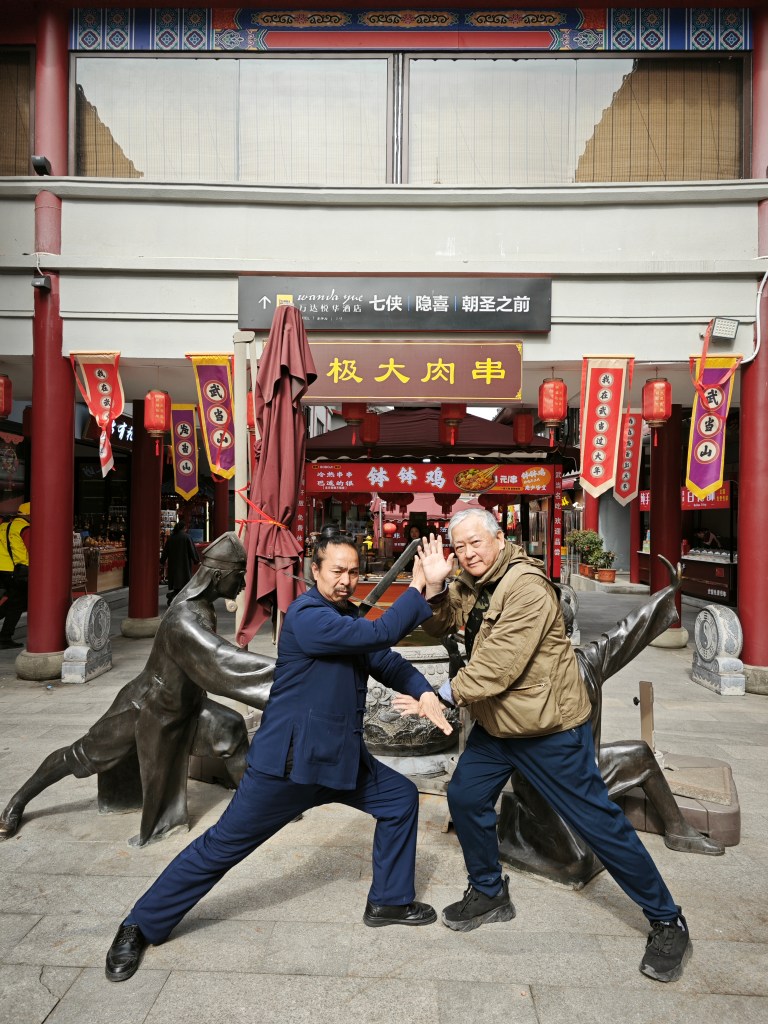
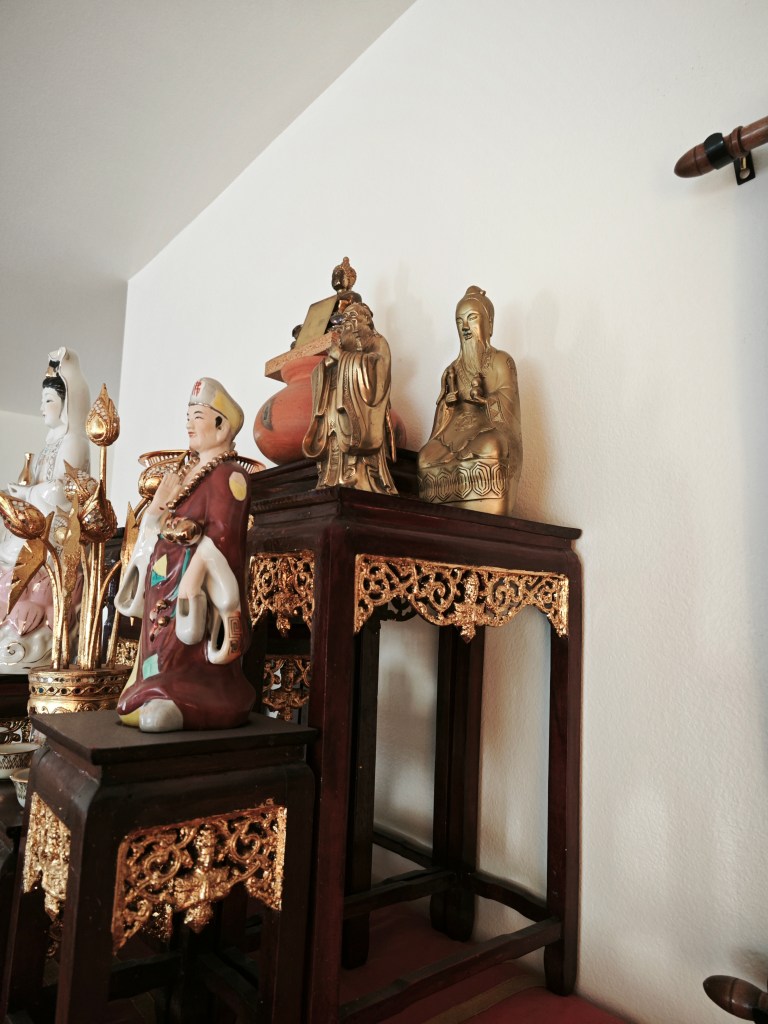
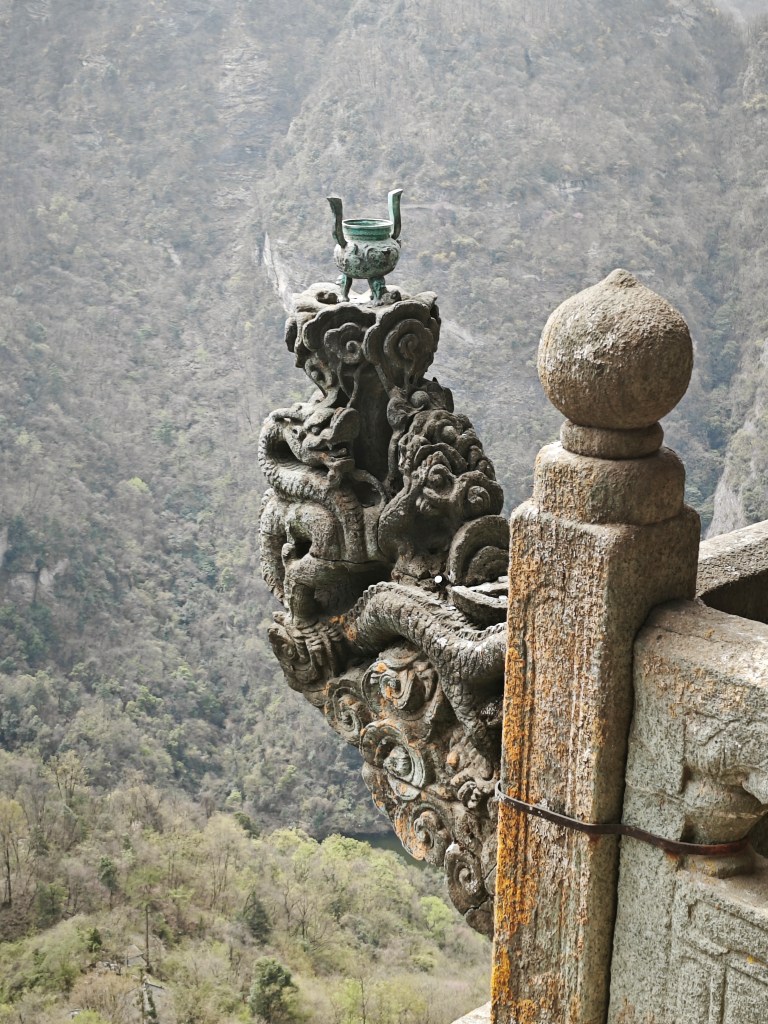
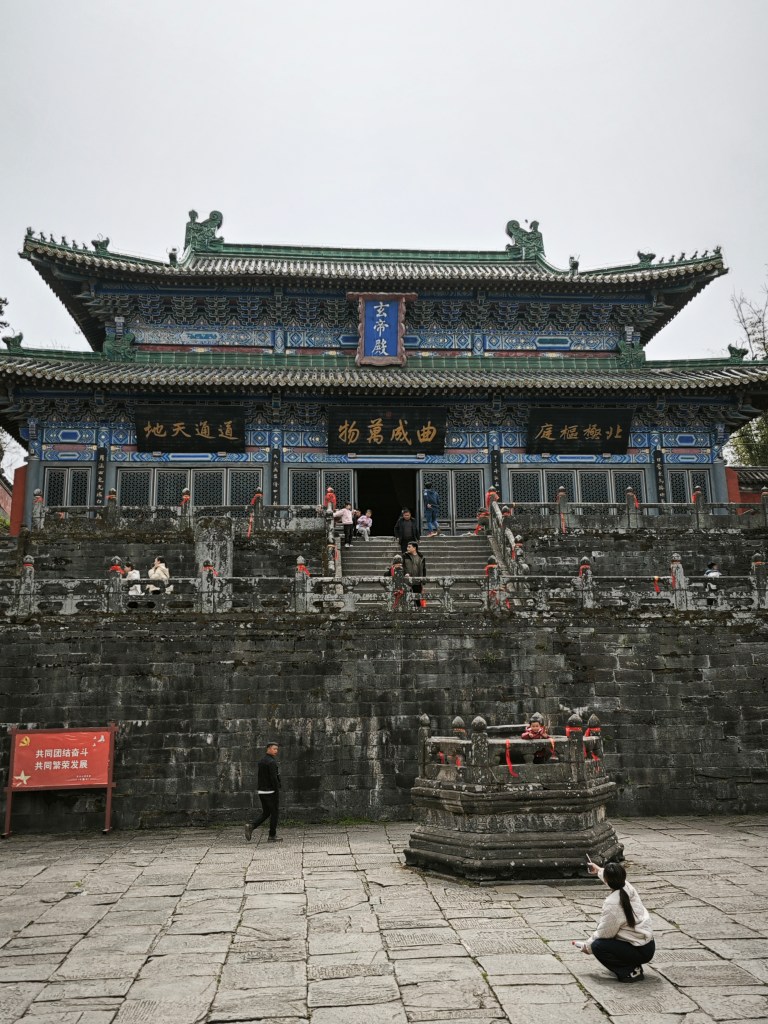
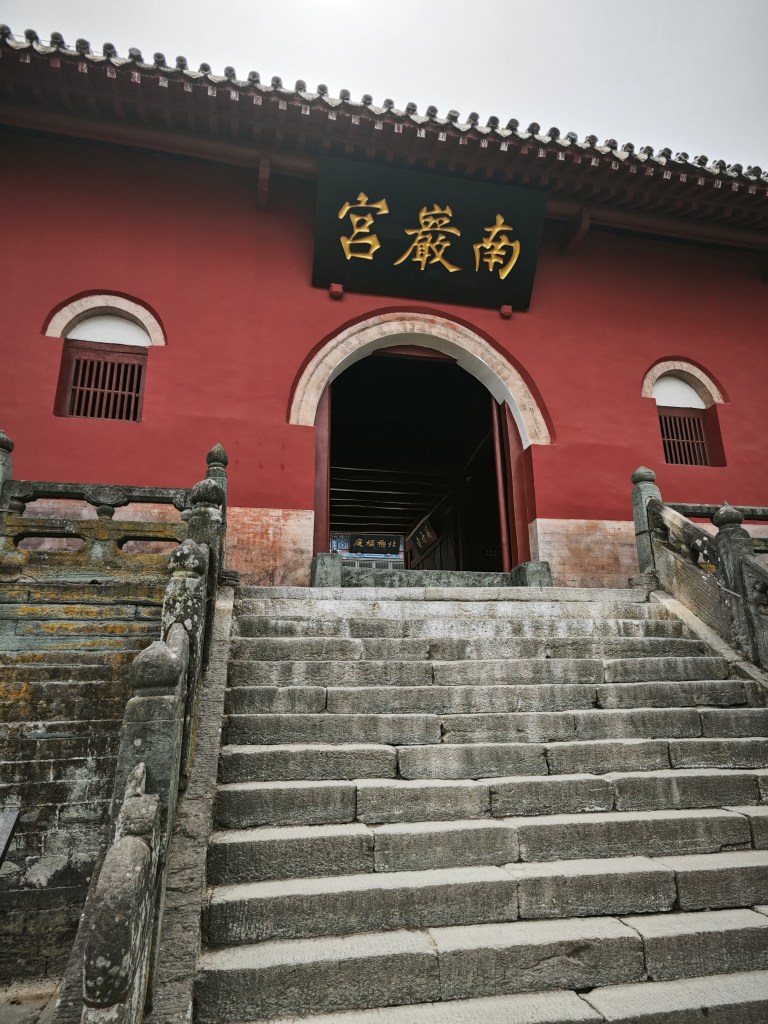
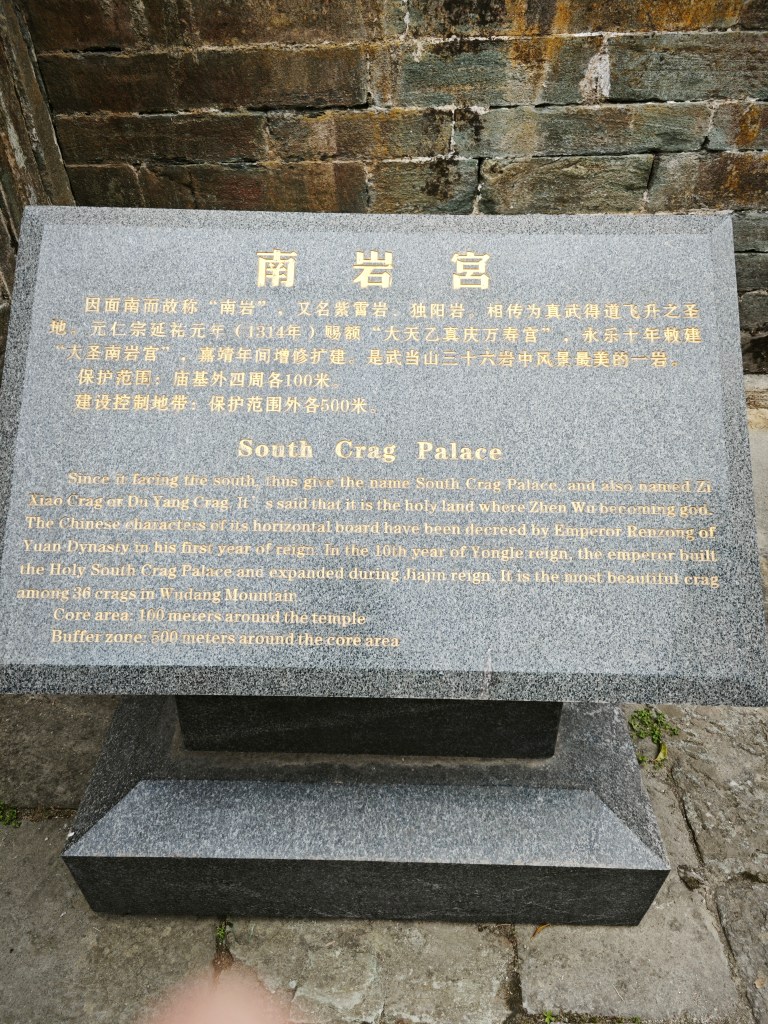
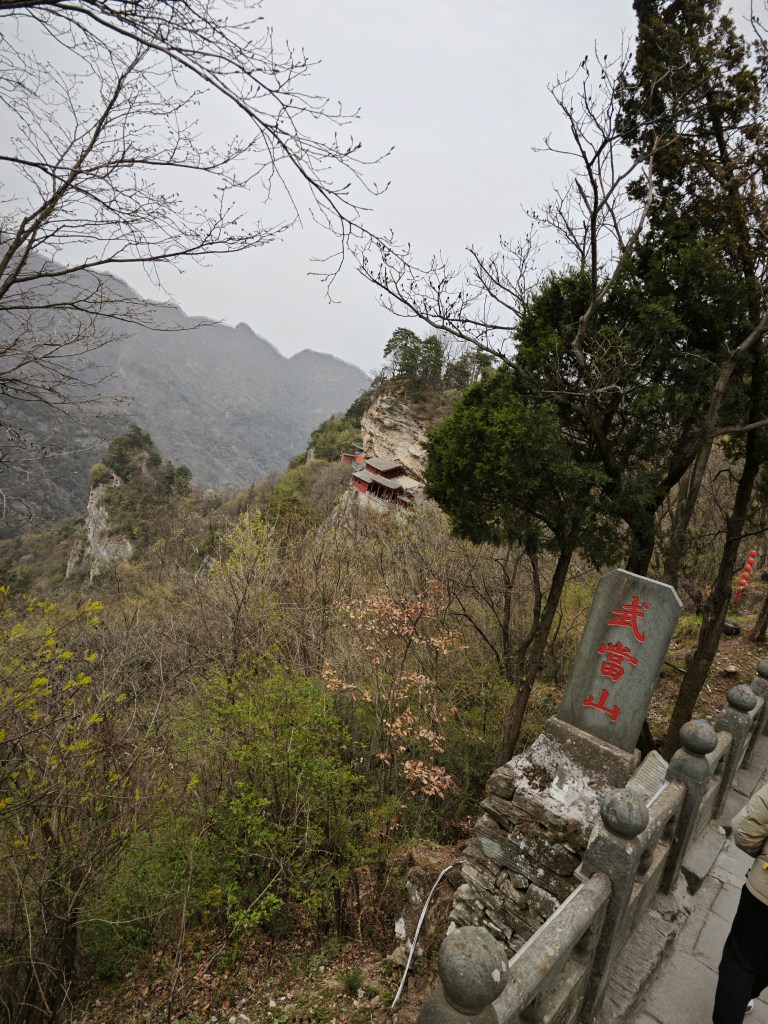
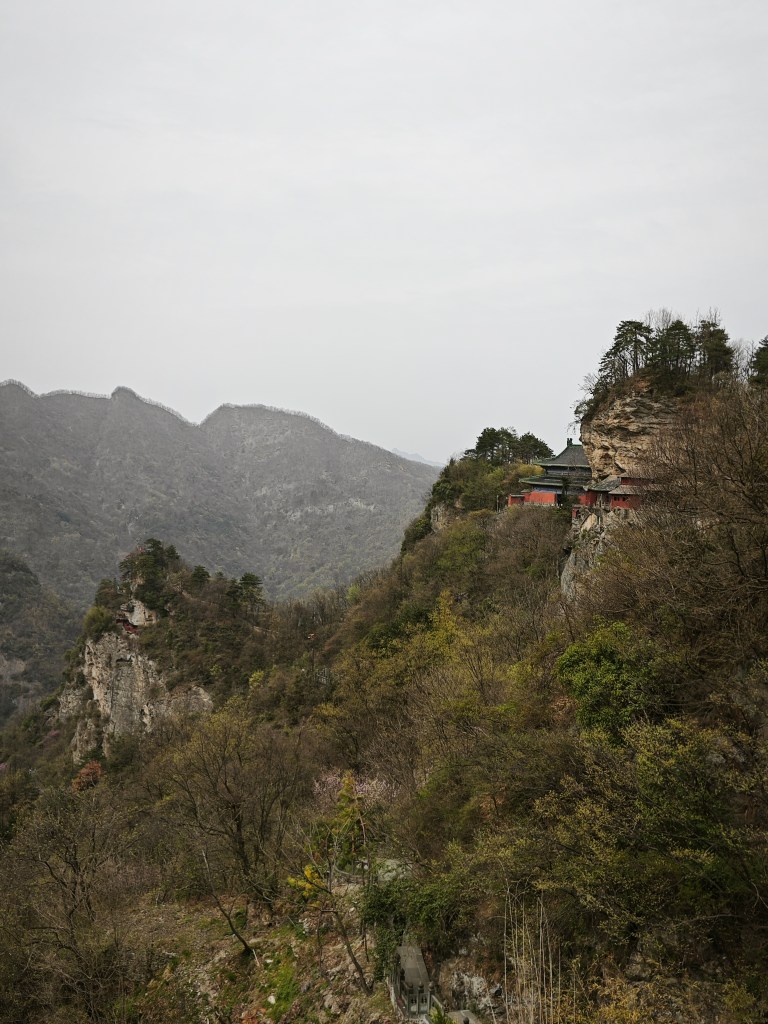
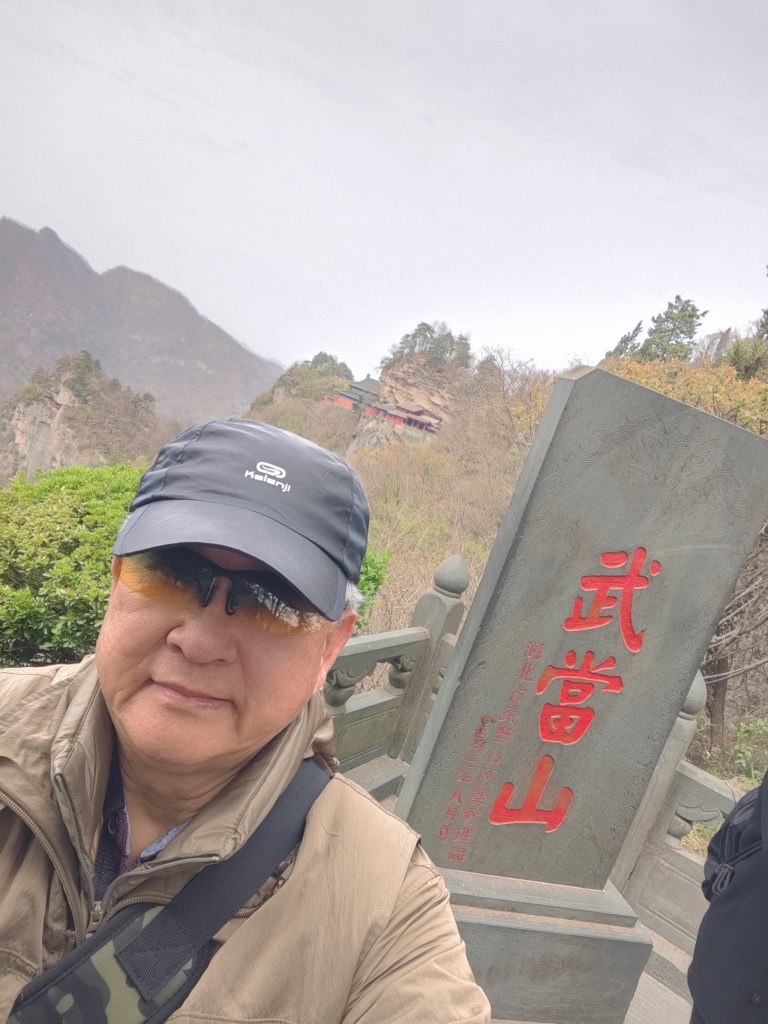
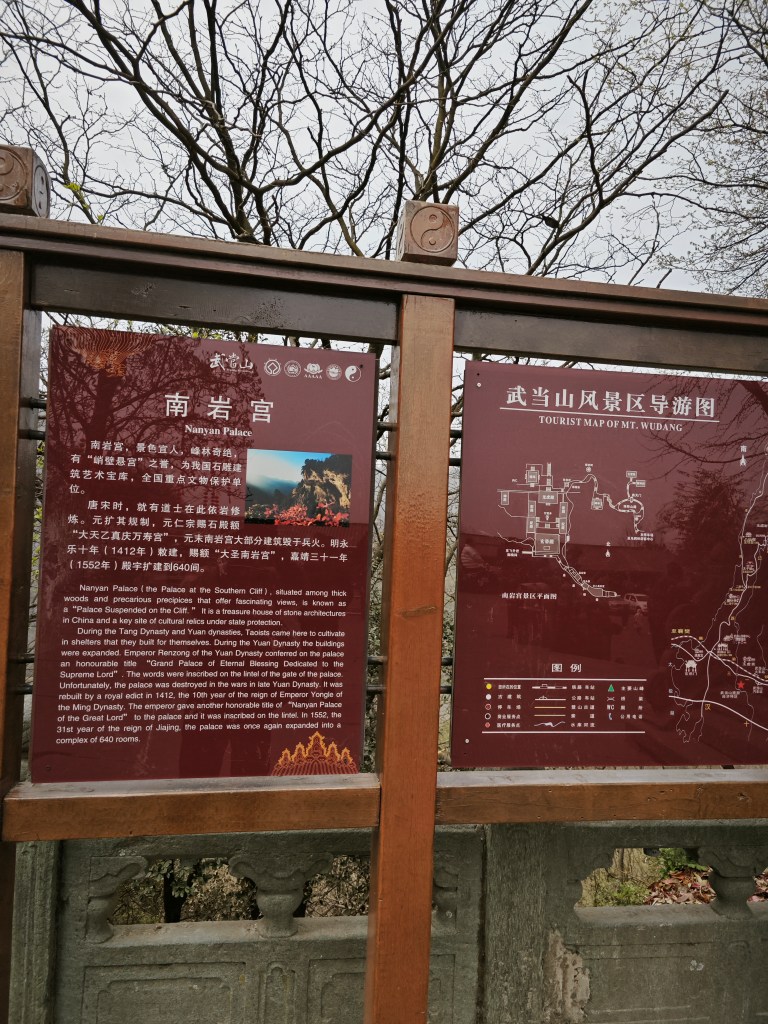
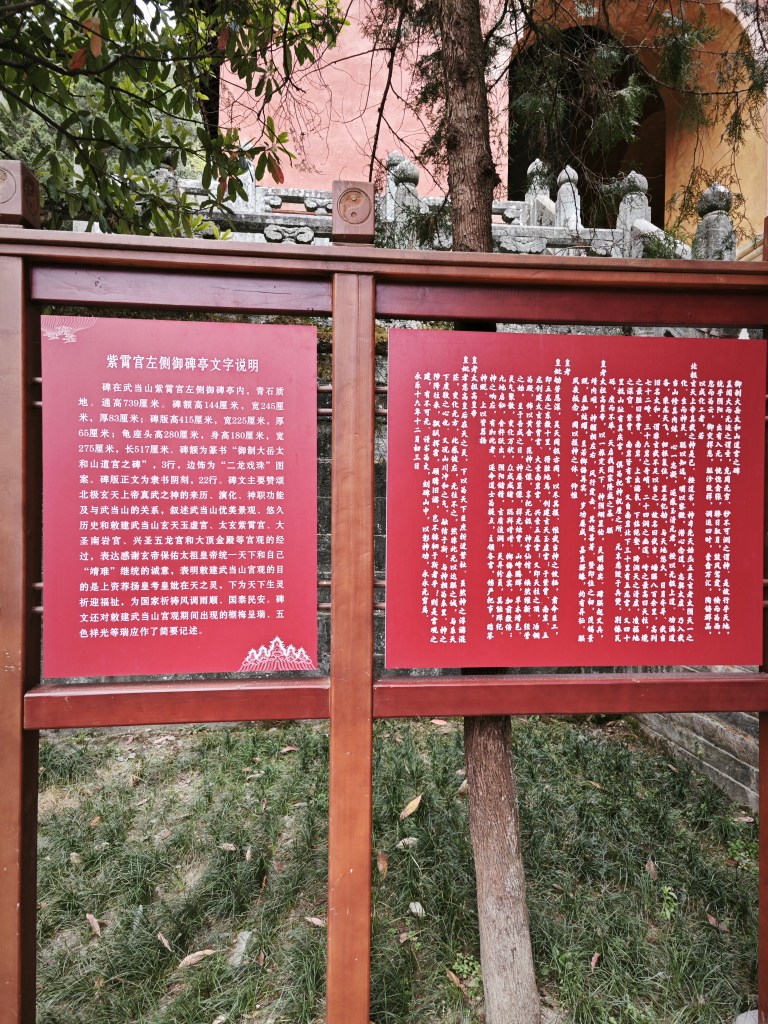
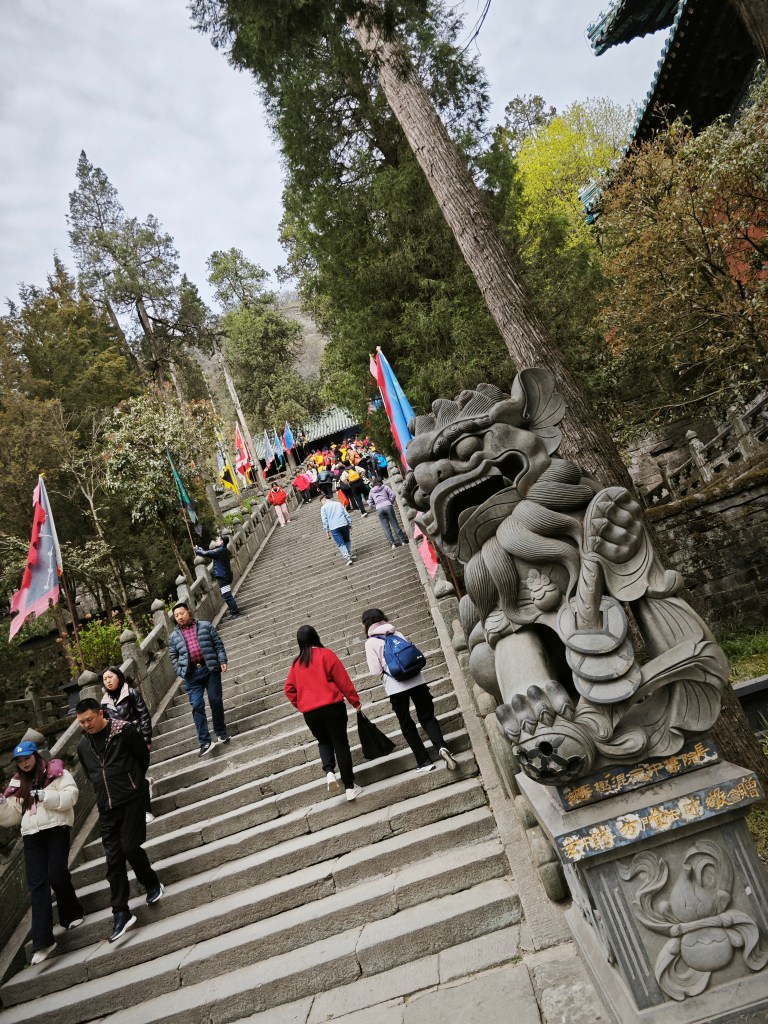
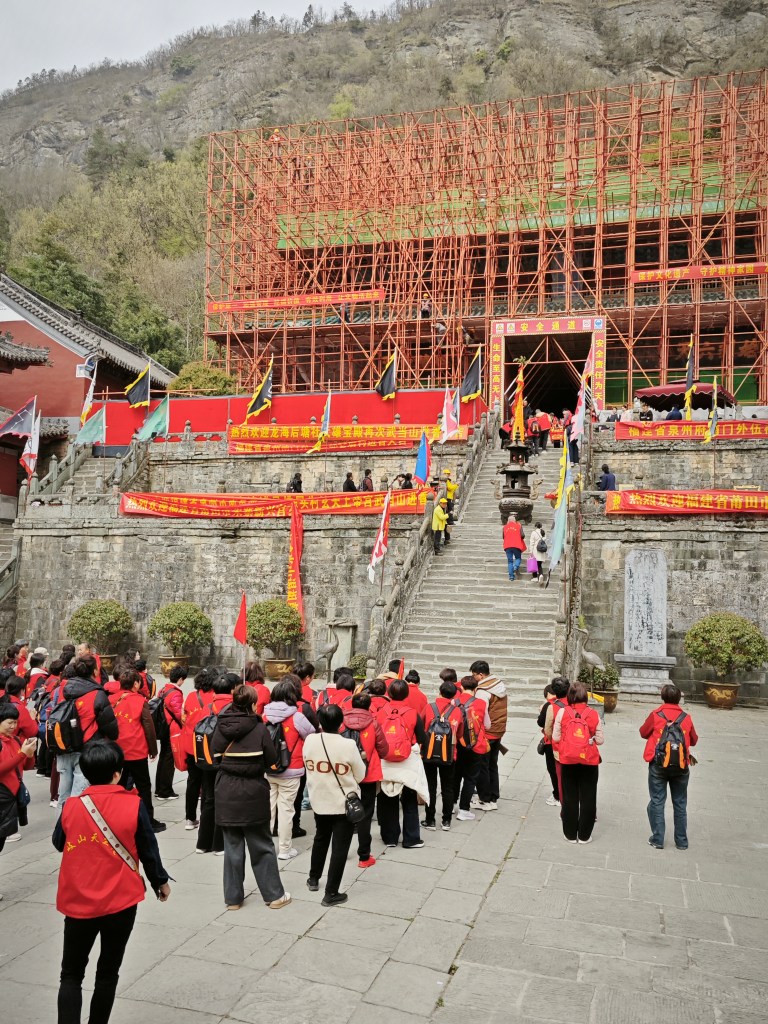
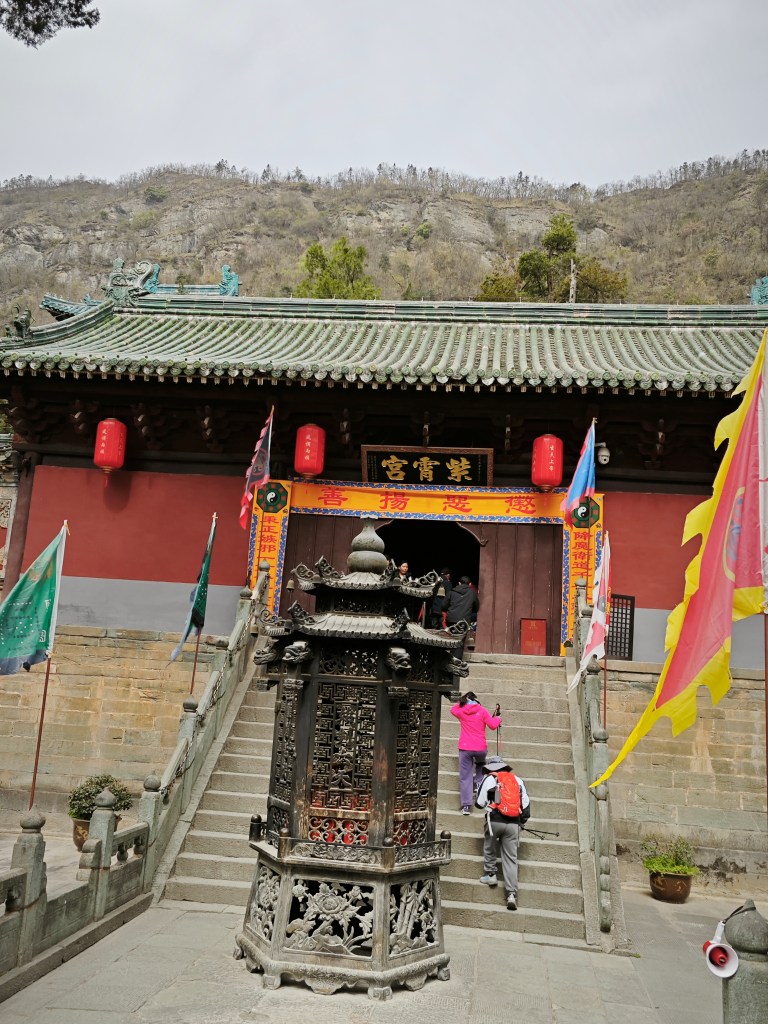
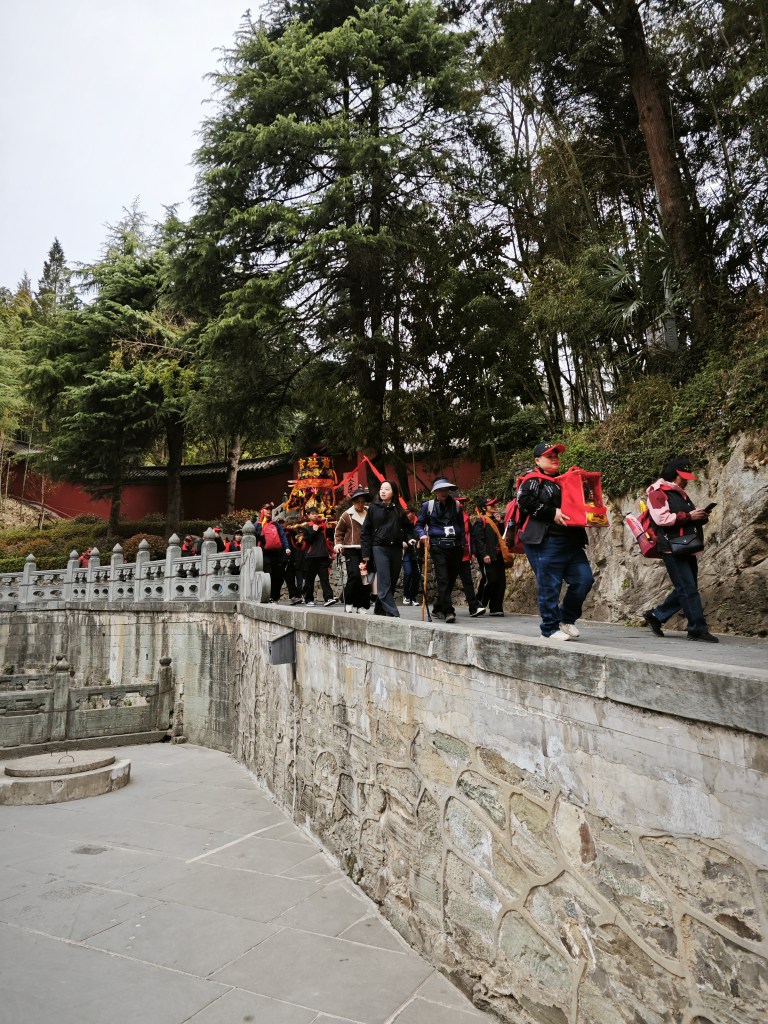
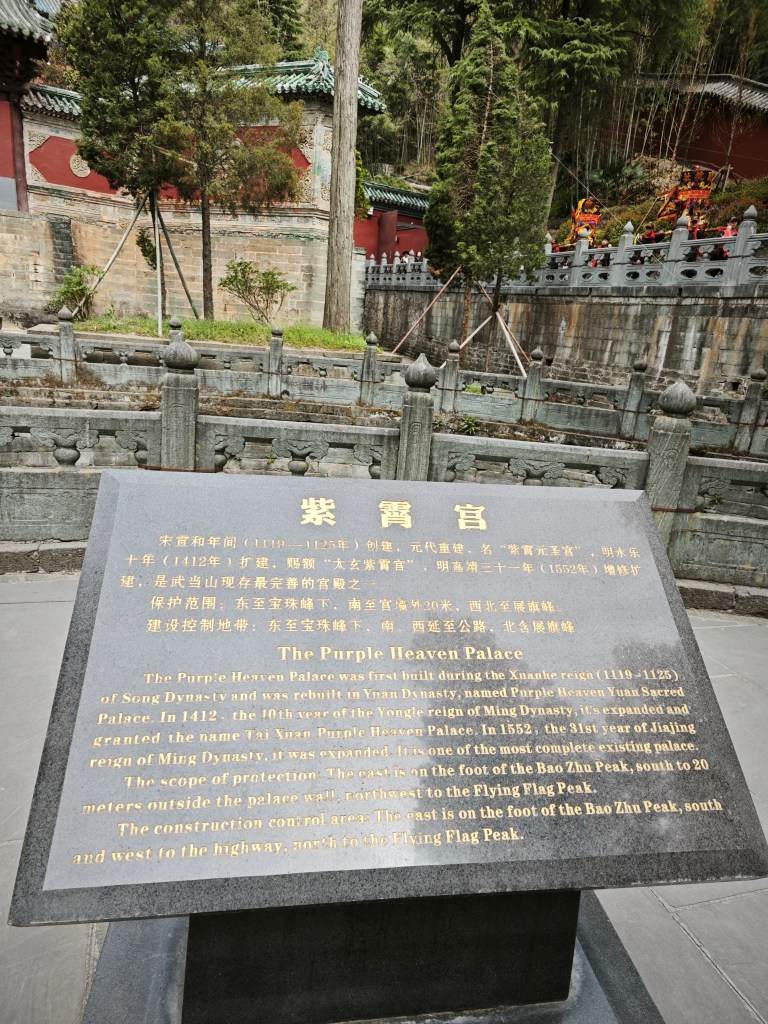
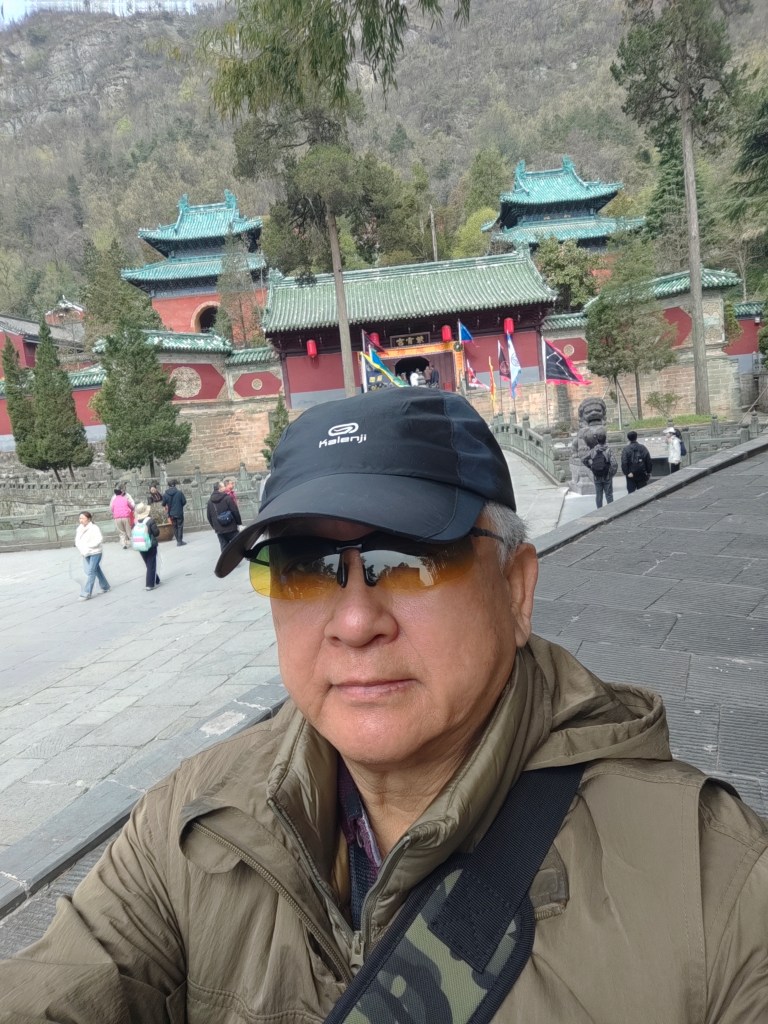
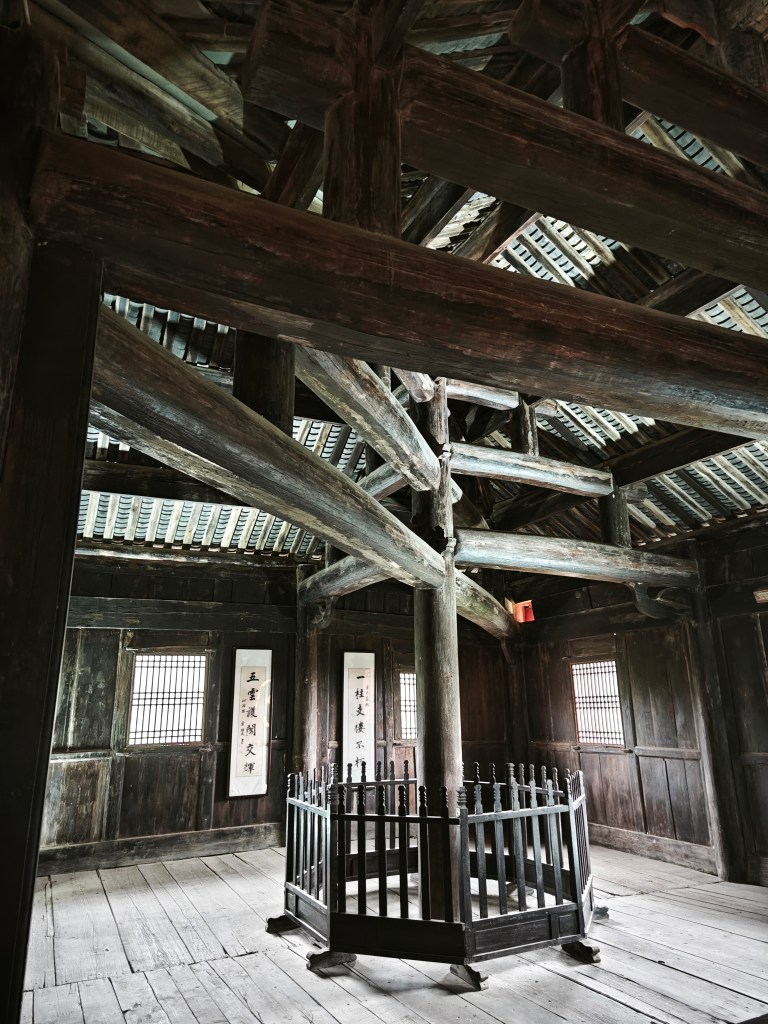
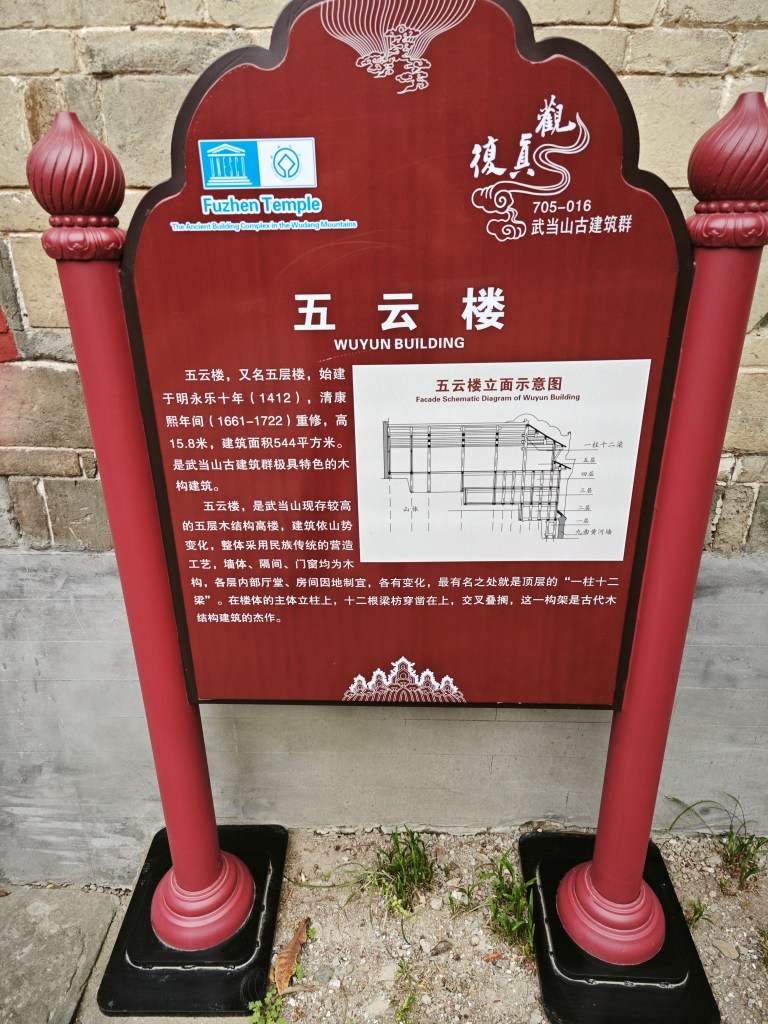
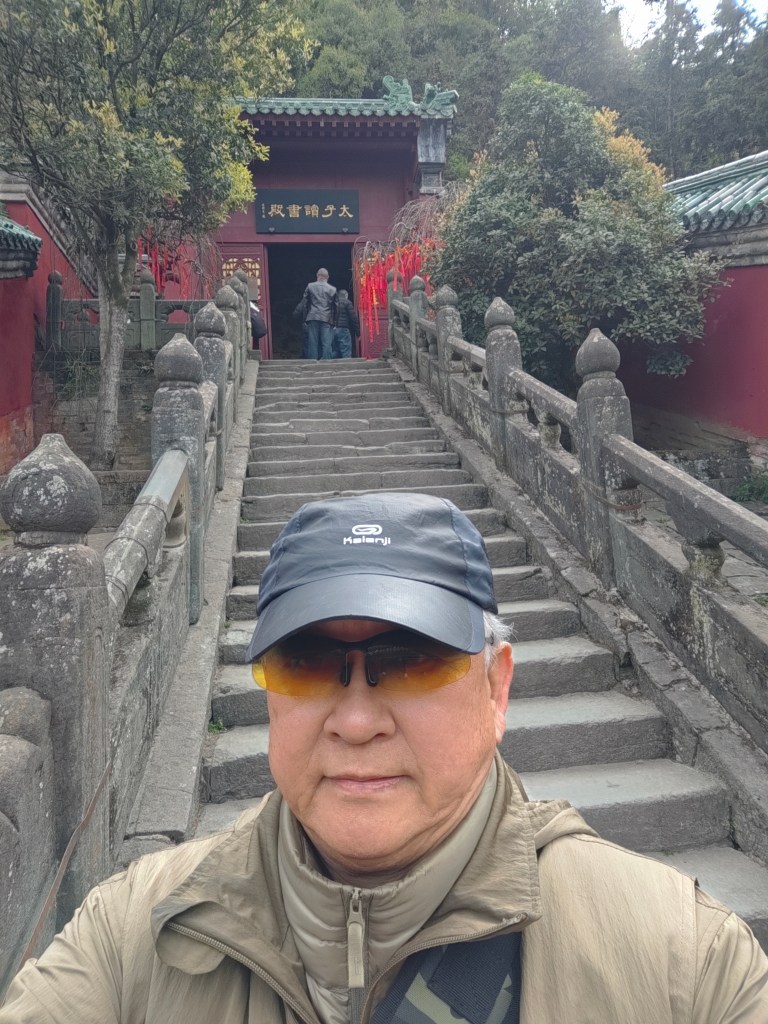
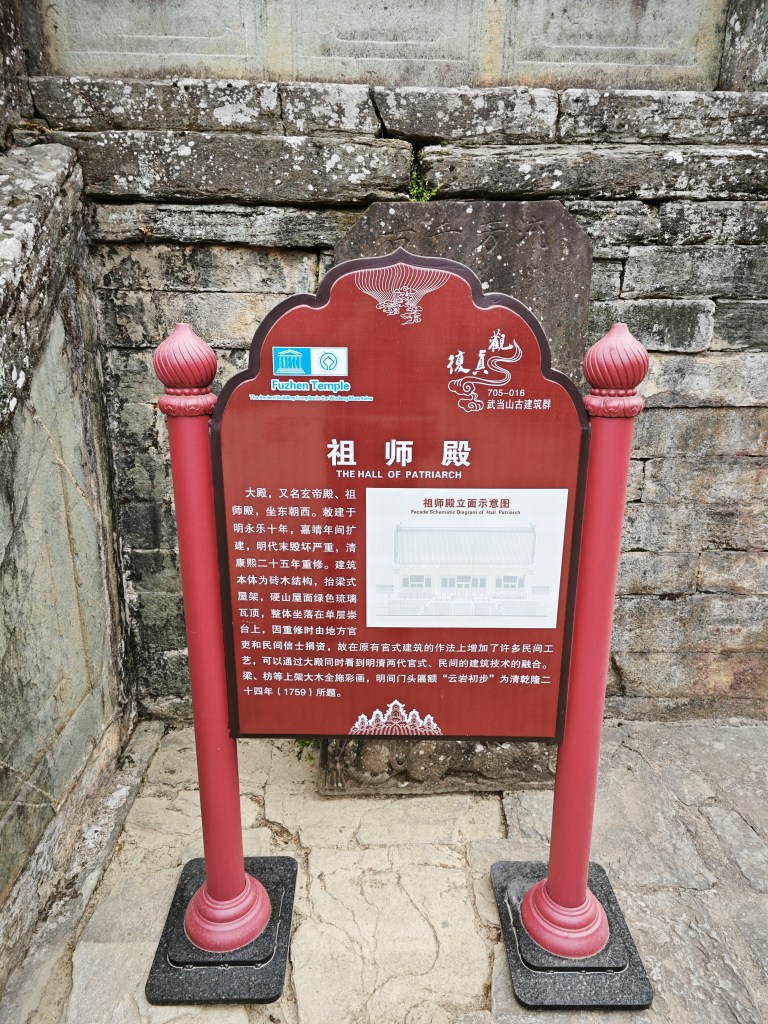
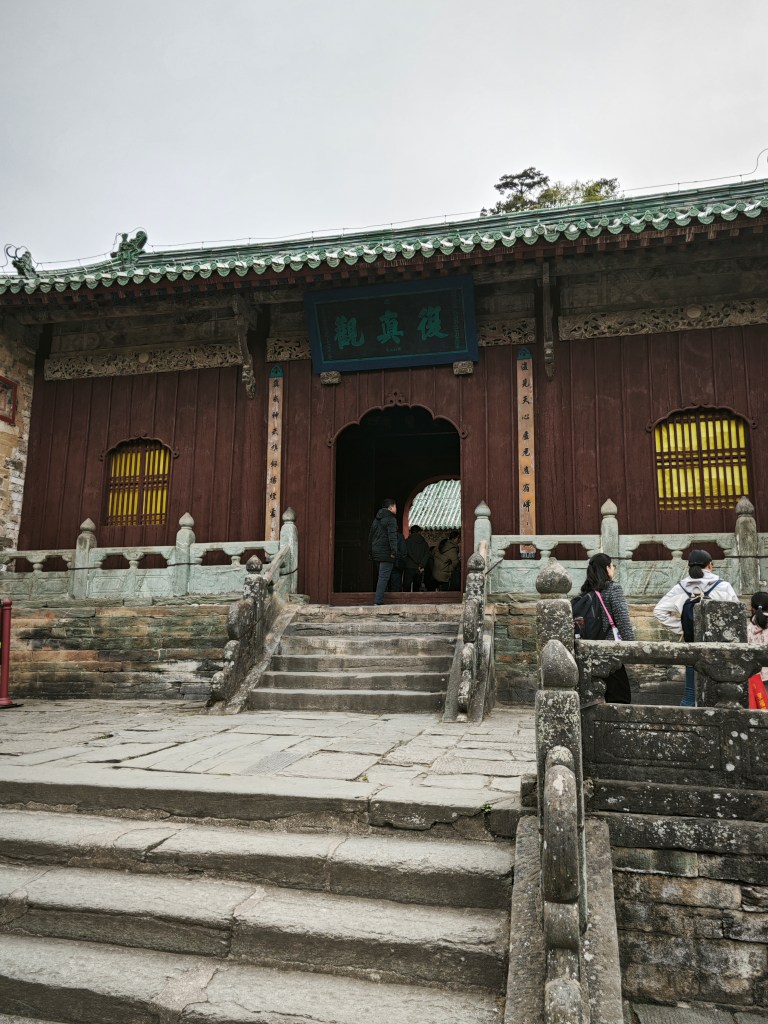
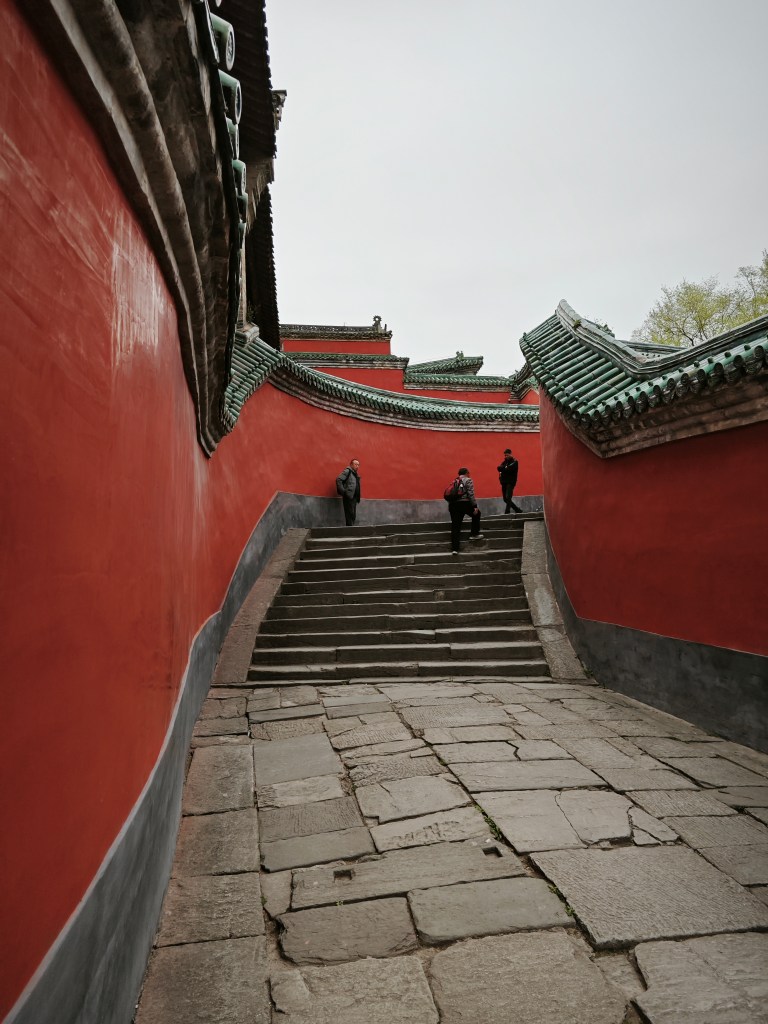
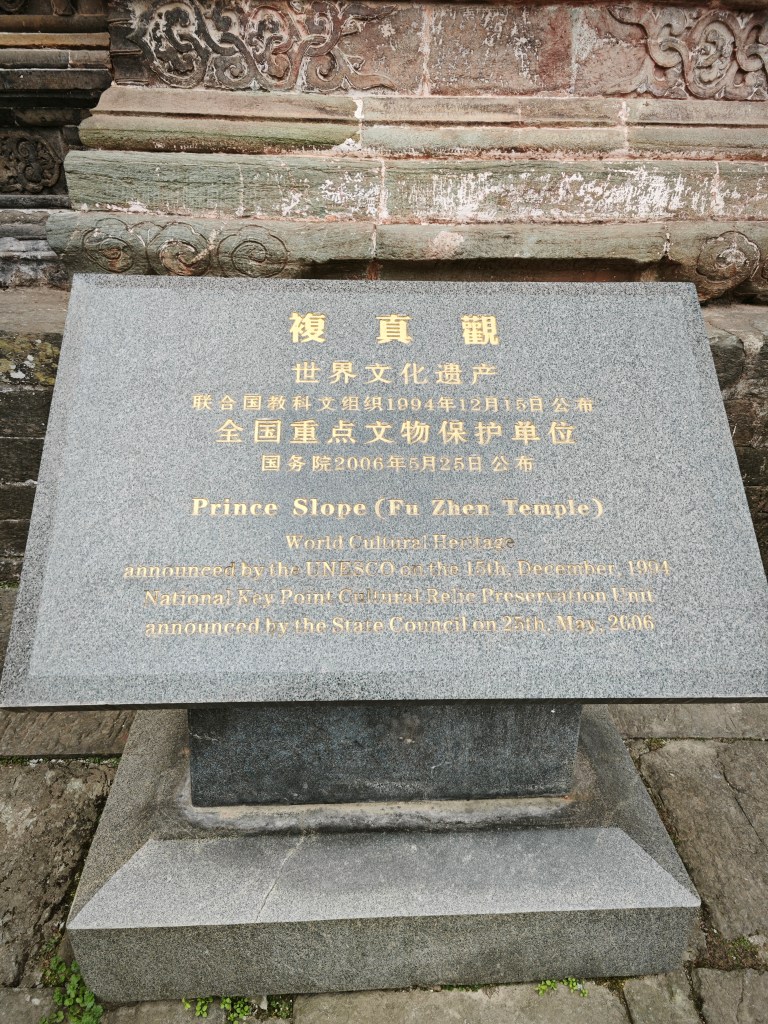
Another amazing experience in exploring Mt Wudang 武当山, which is one of the four most important Taoist mountains in China and has attracted Taoist monks and believers for more than 2200 years. The northern god Zhengwu the Great was elevated to deity here after spending 42 years as a Taoist monk, according to Taoist mythology. I was lucky to meet a Taoist monk, Master Zhang, who is a well-known teacher of Taiji shadow boxing, and we exchanged views on harmony among all religious faiths. Master Zhang also performed a special ritual for me to invite an old relic statue of Laozi 老子, the founder of Taoism and author of Dao De Jing 道德经, or The Classic of The Virtue of The Tao, for the sanctuary of OHM in California.









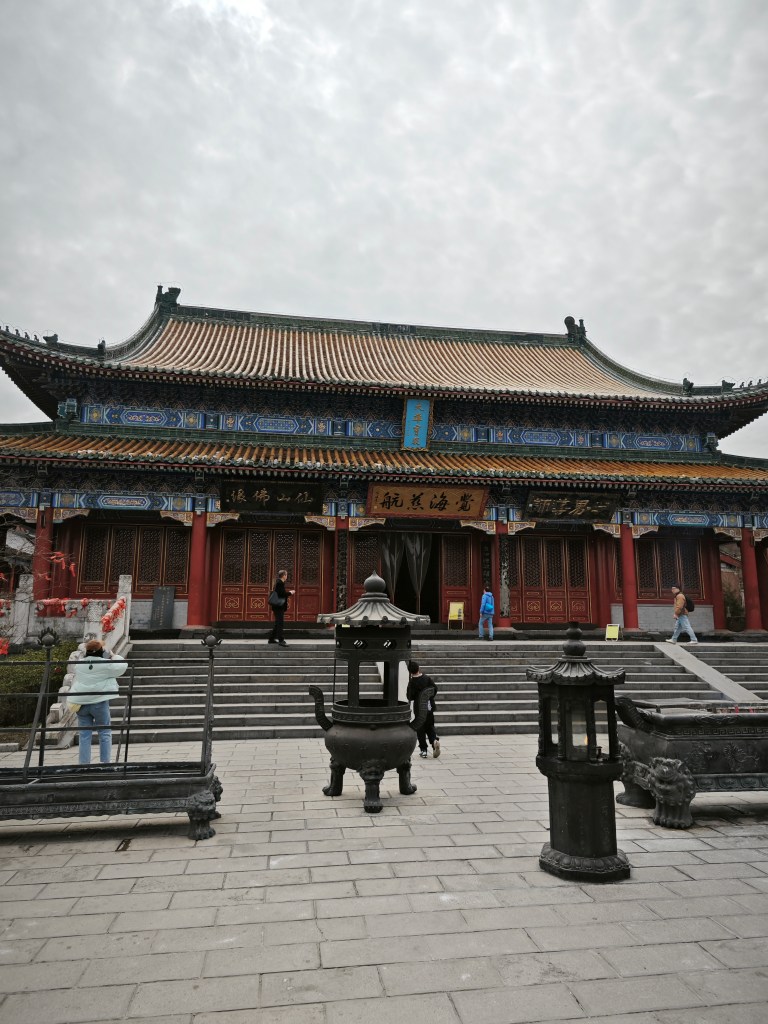
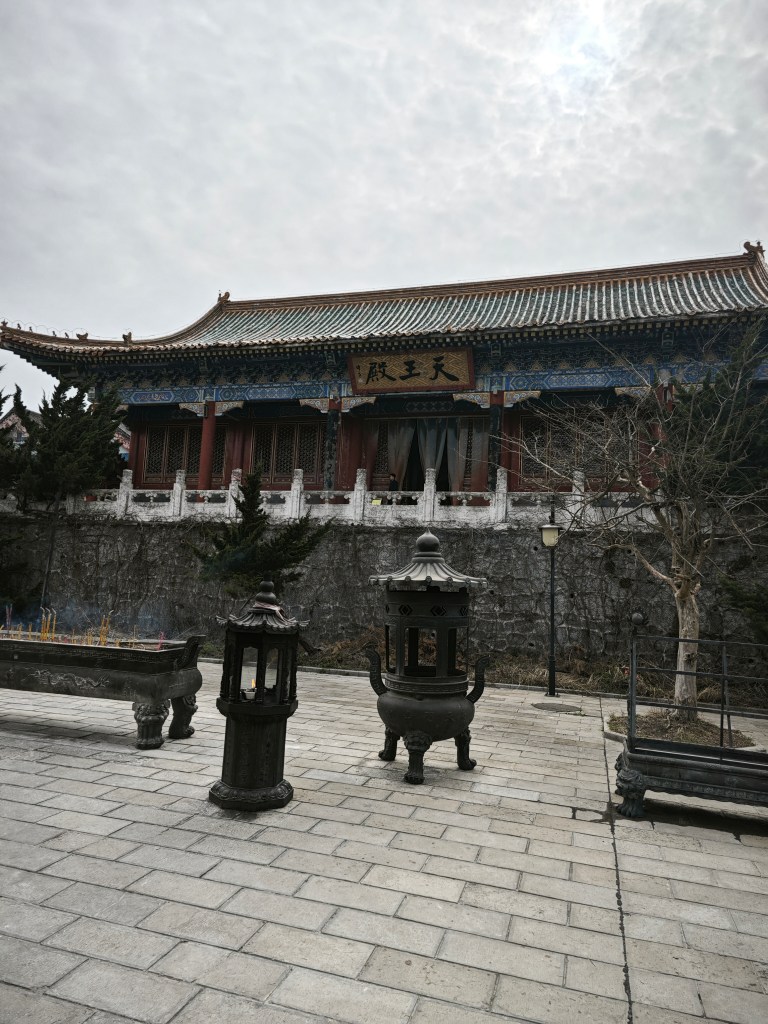
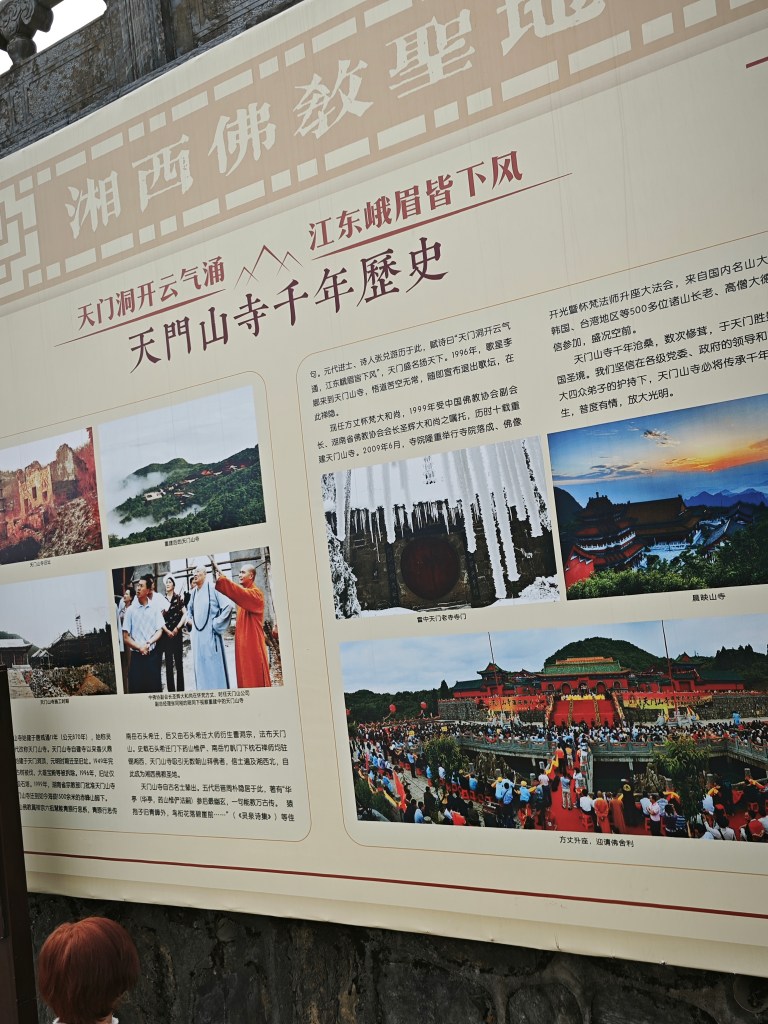
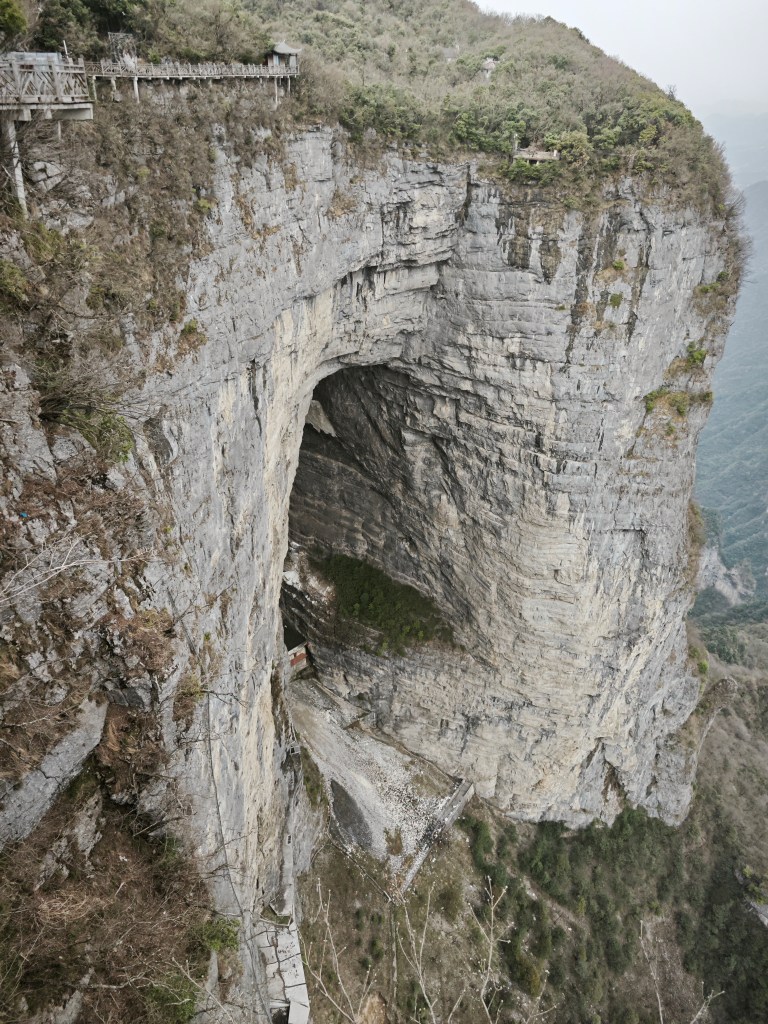
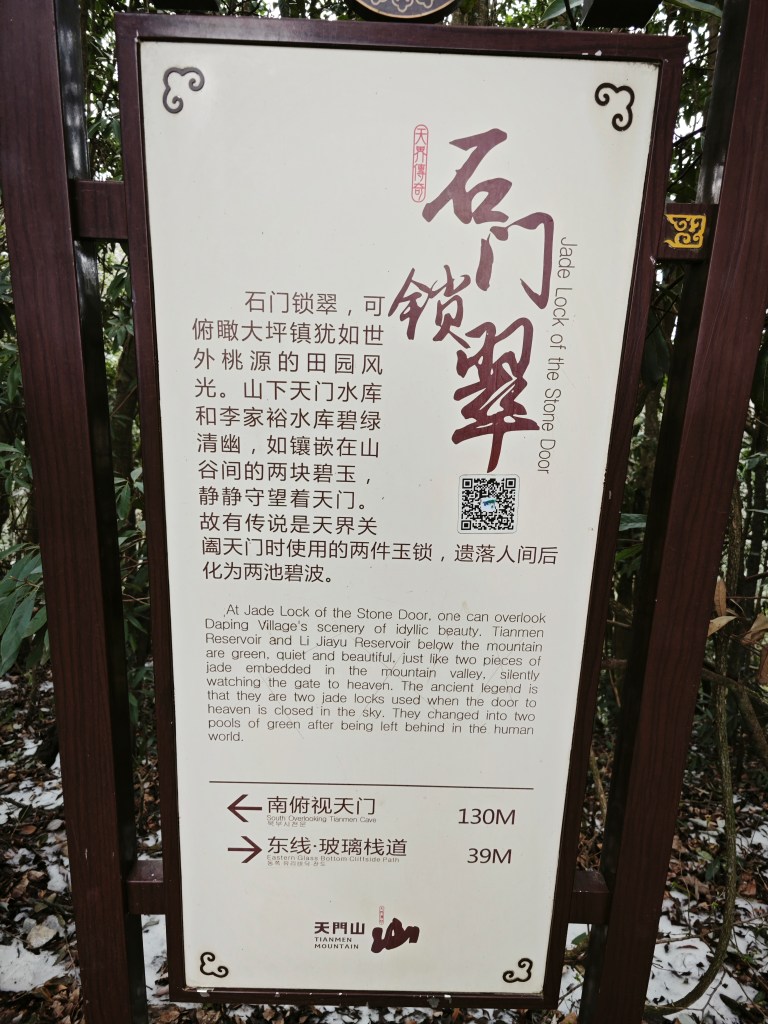
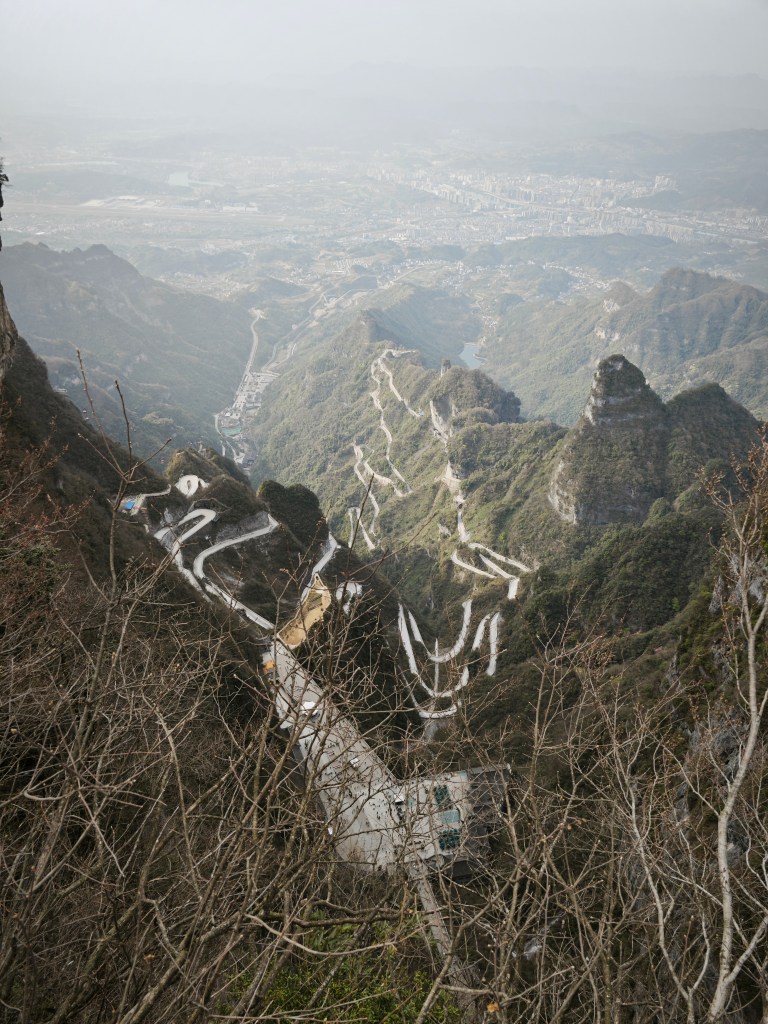
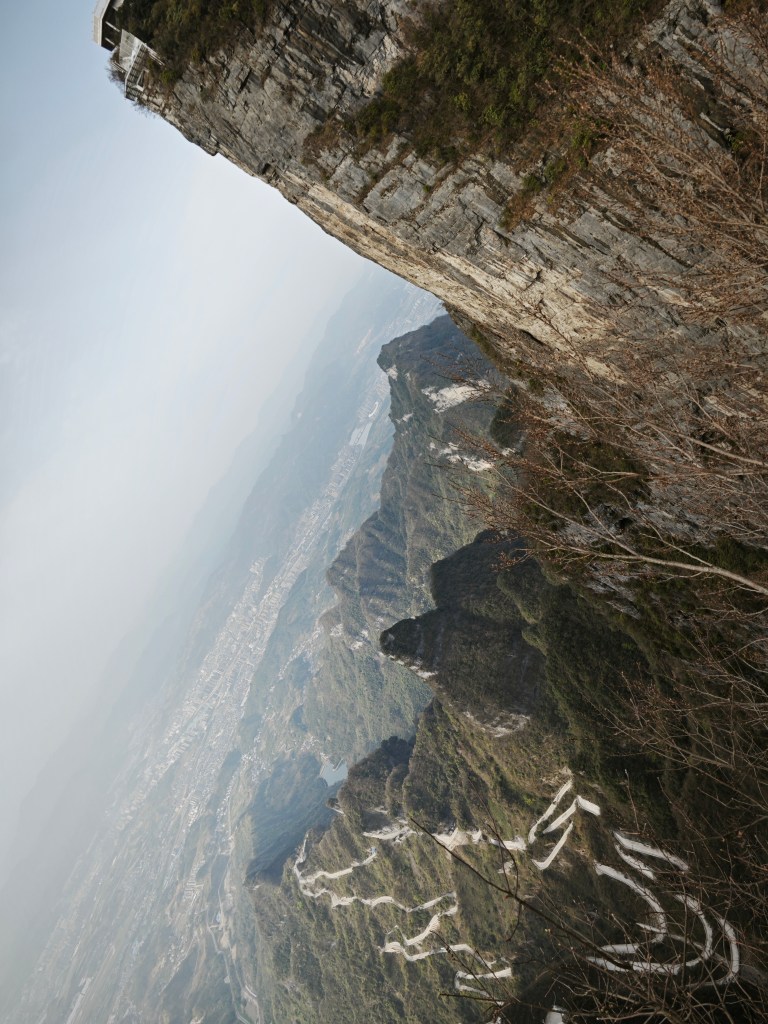
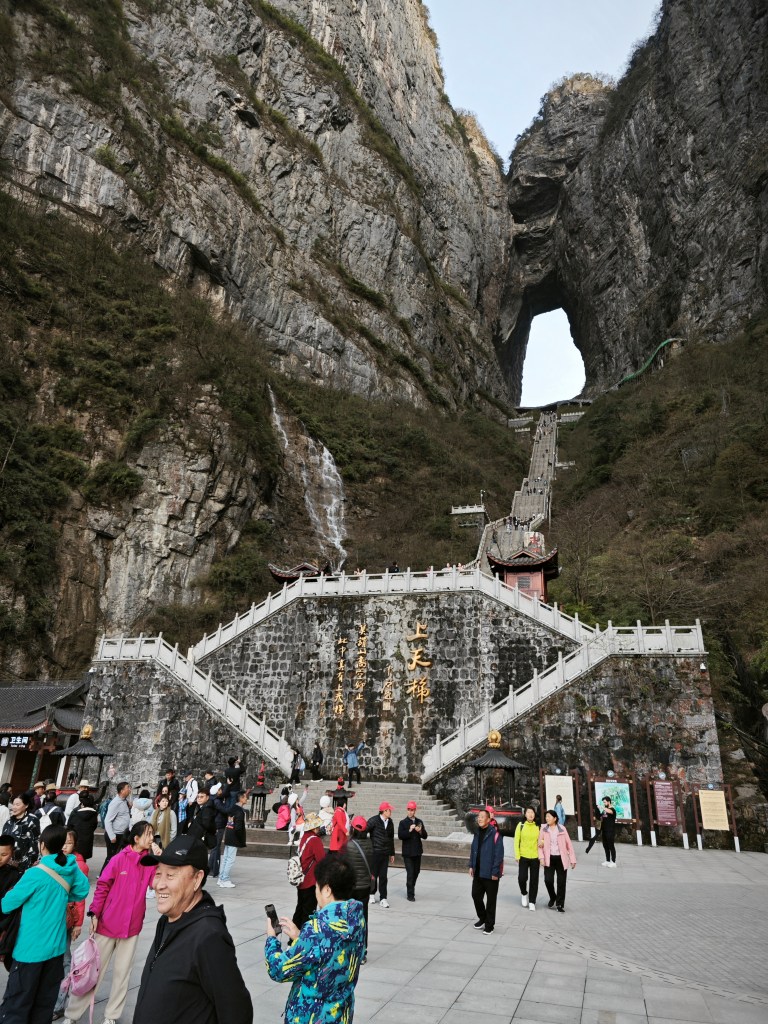
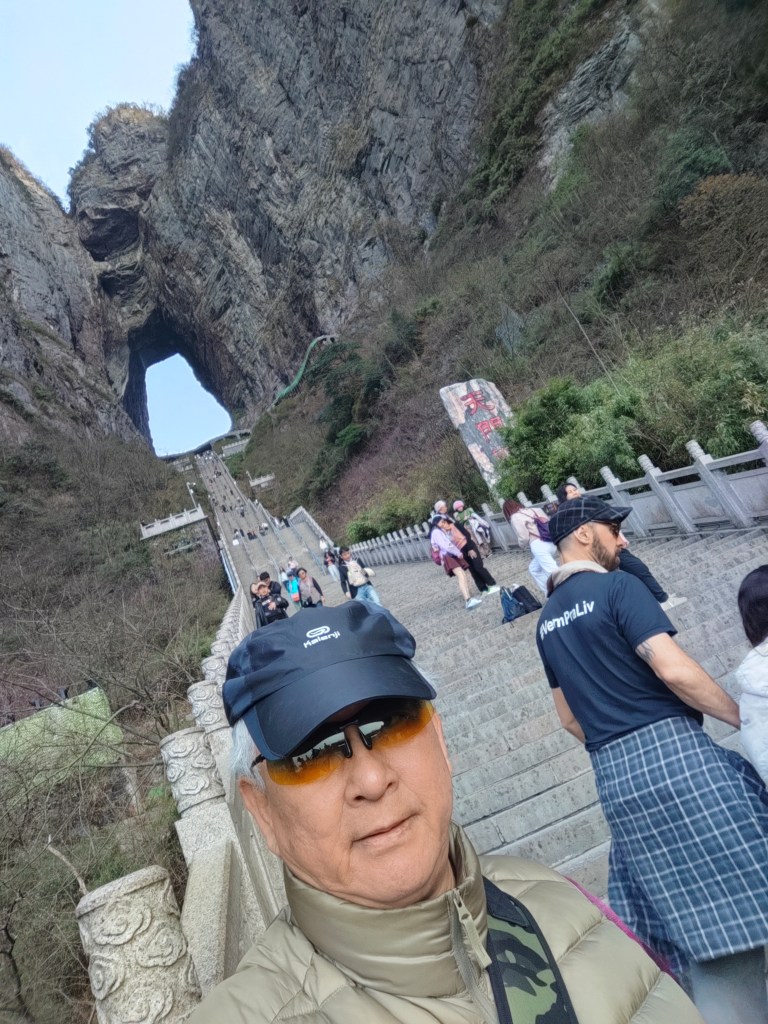
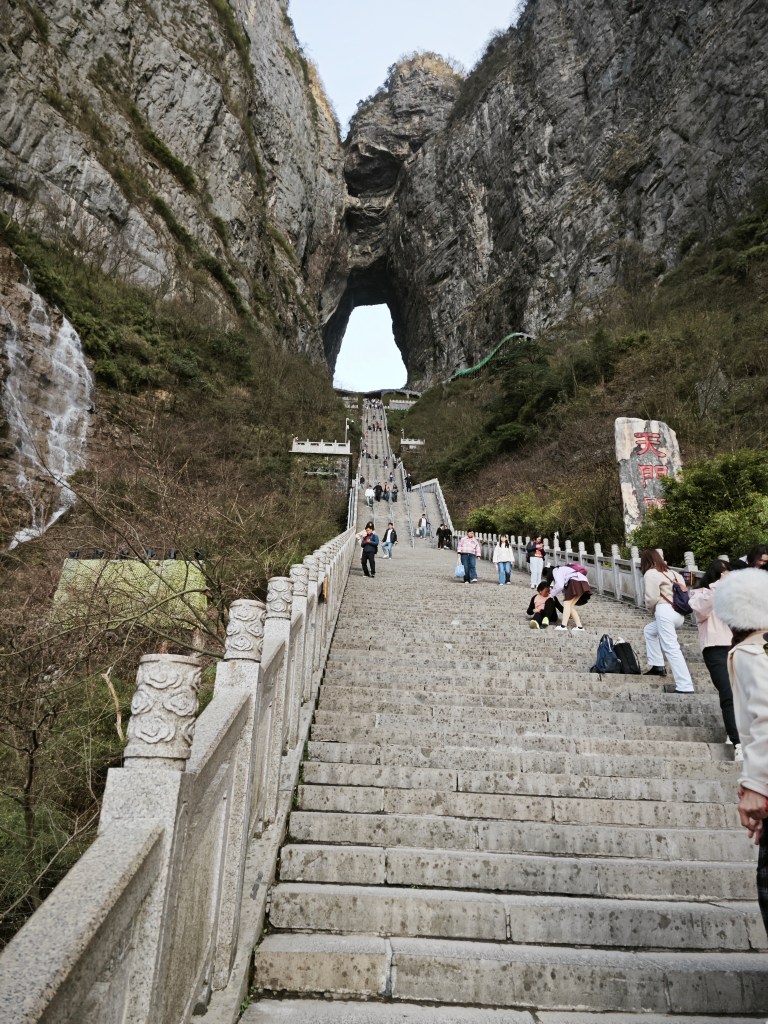
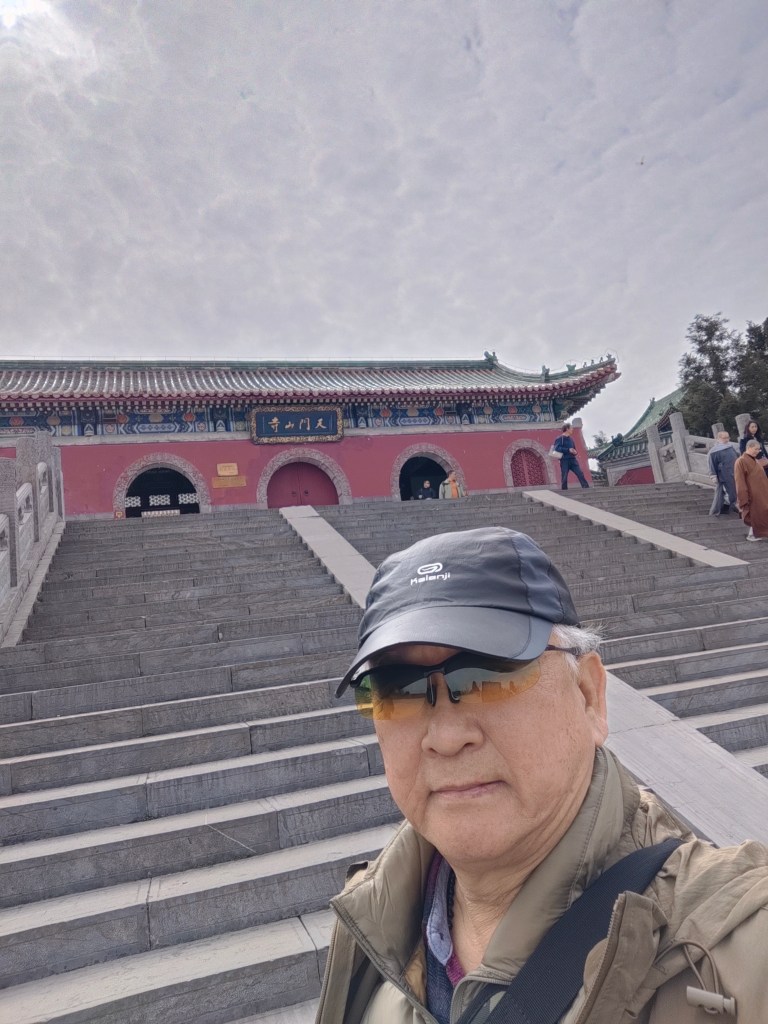
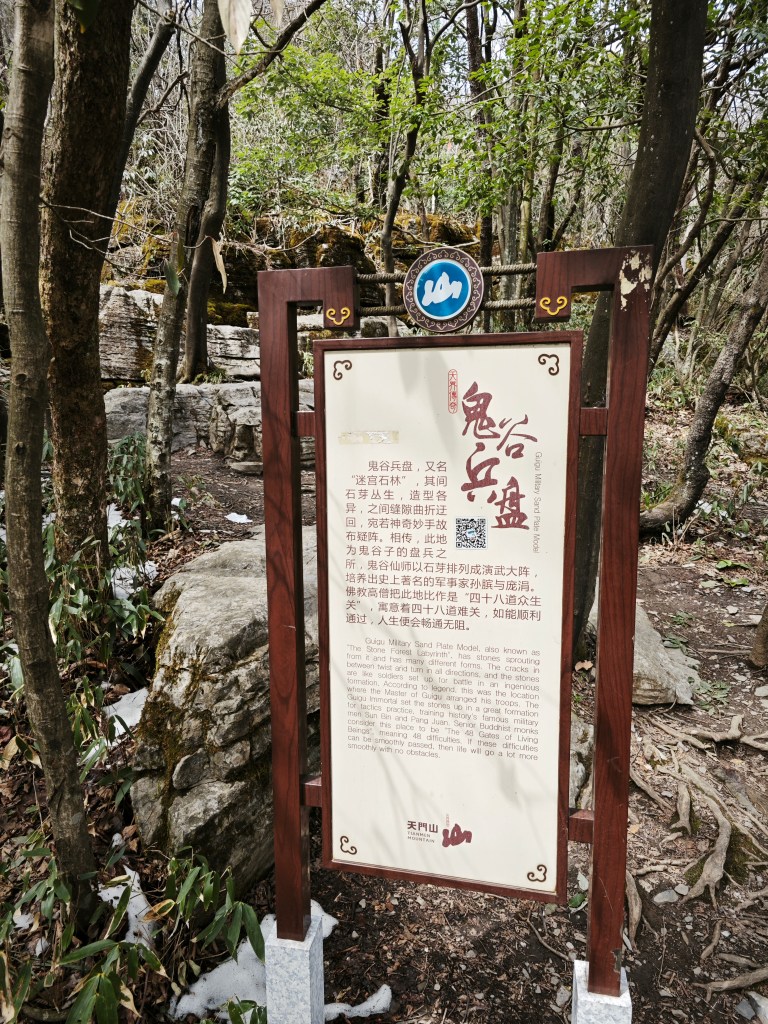
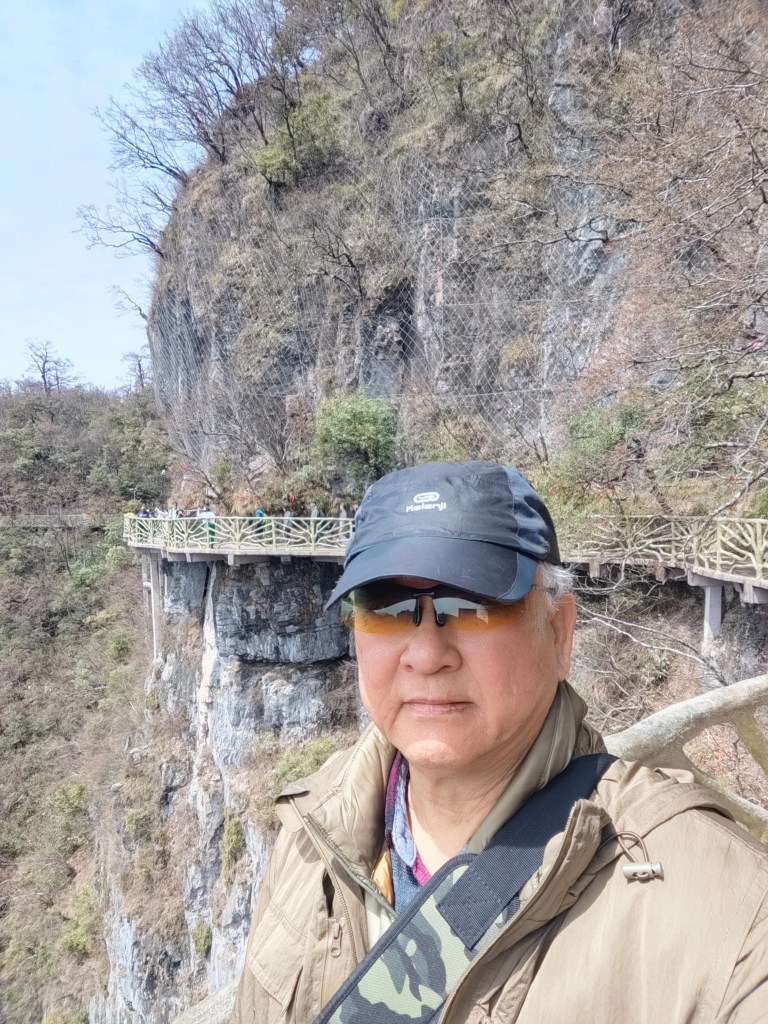
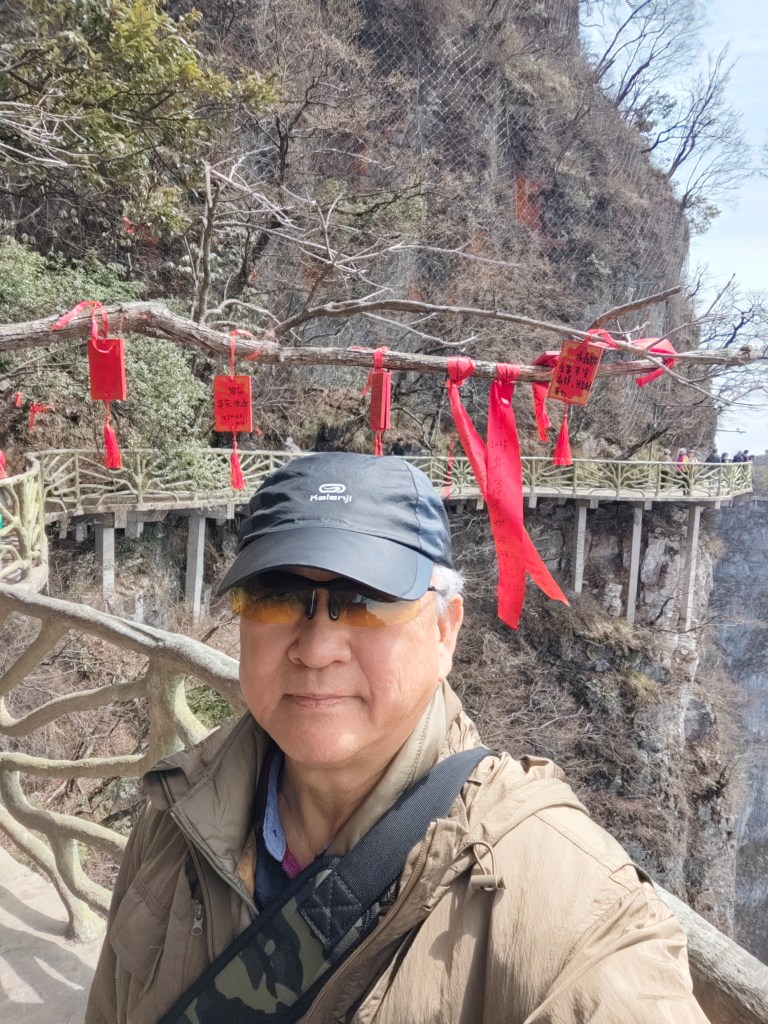
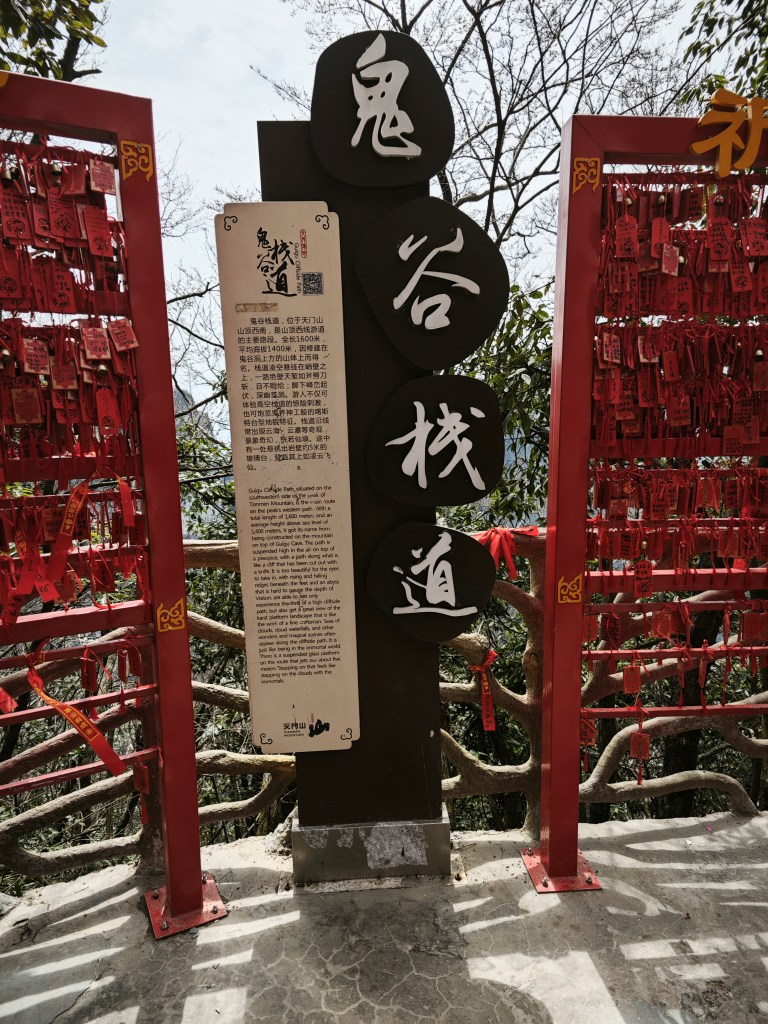
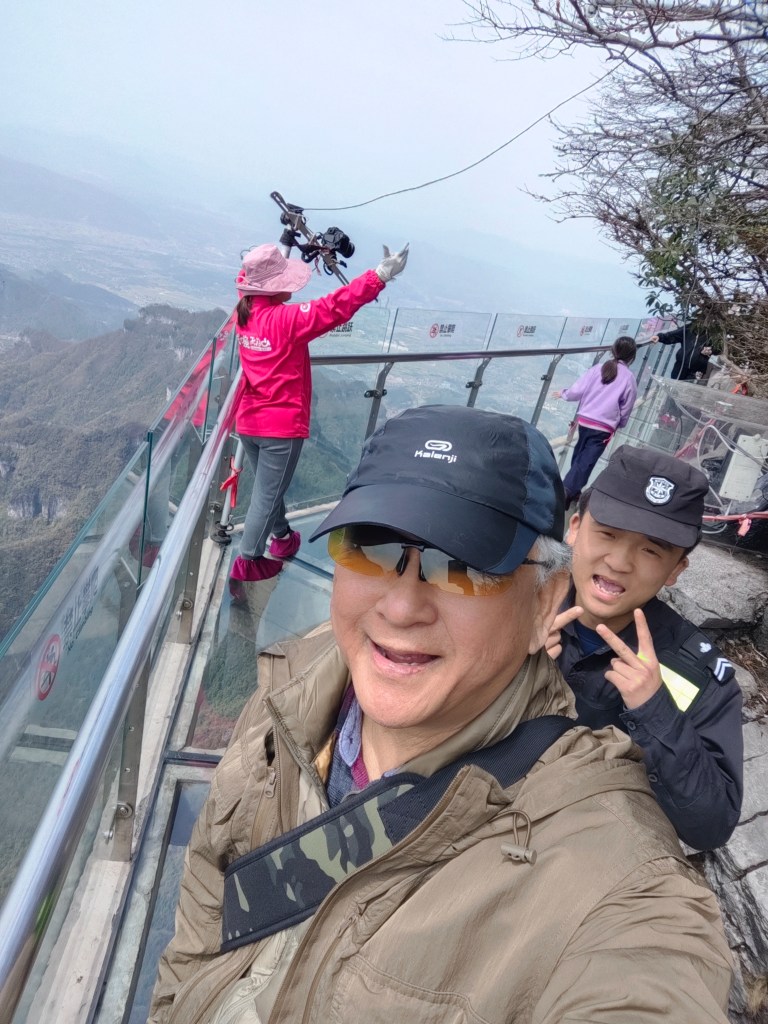
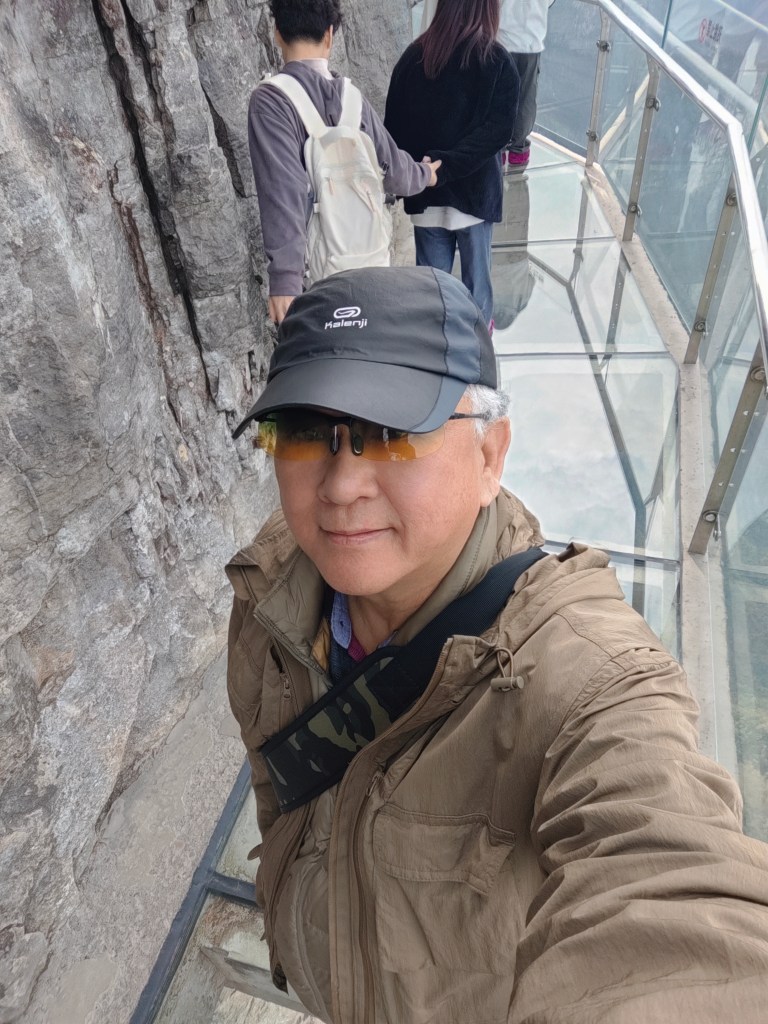
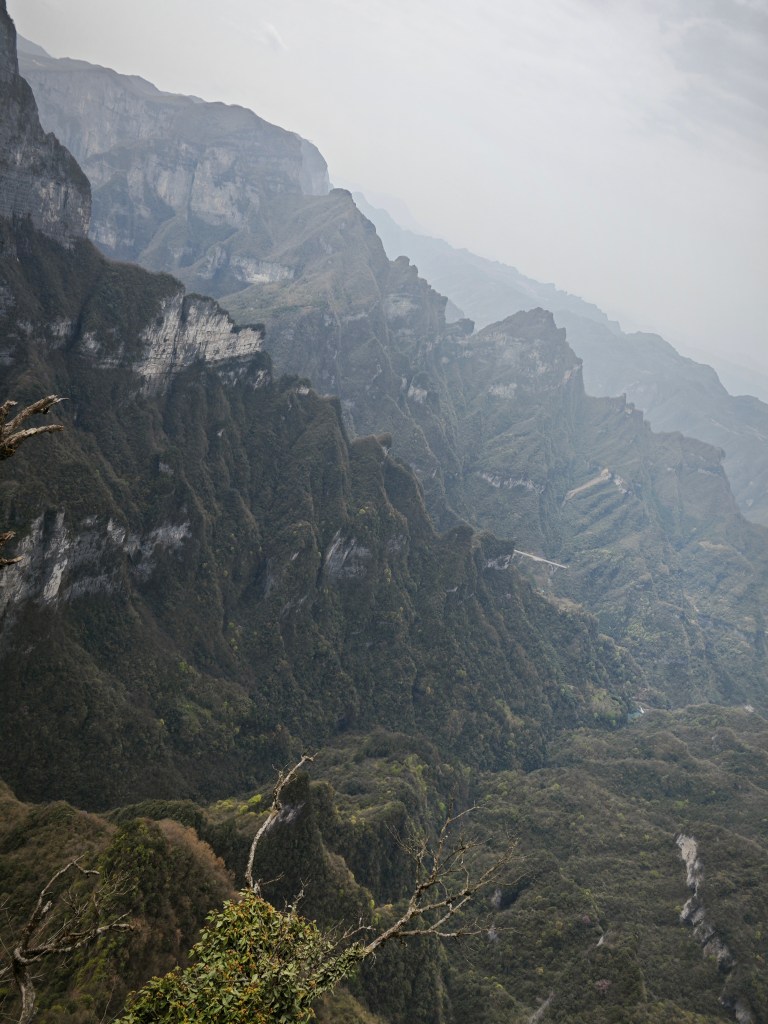
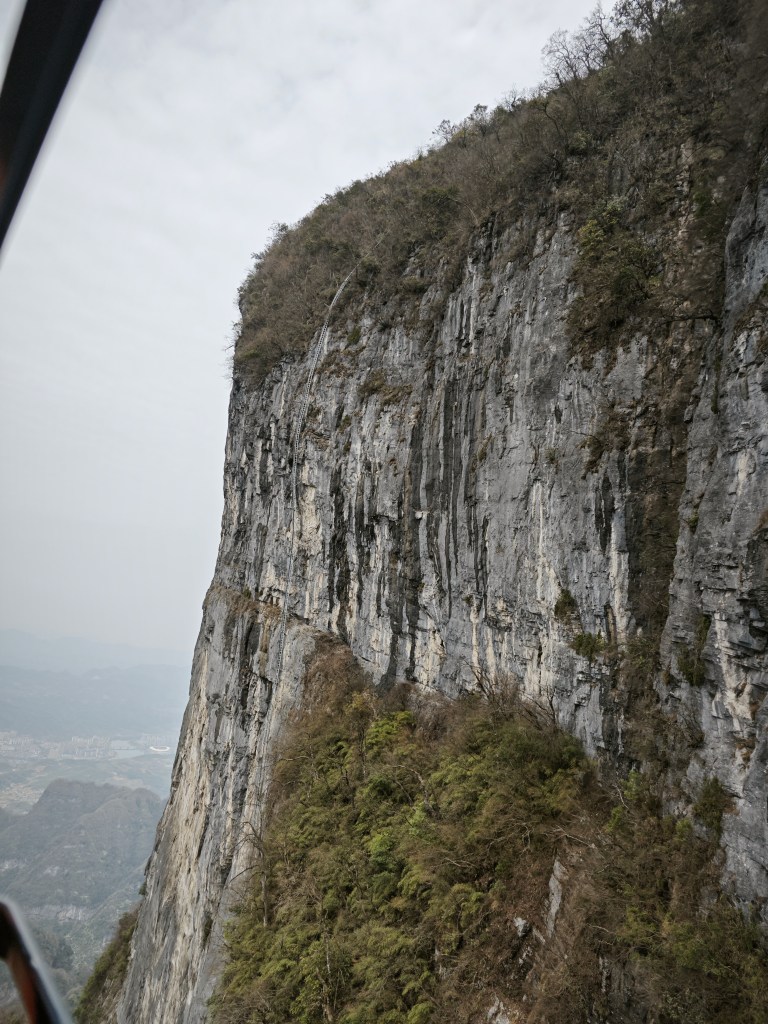
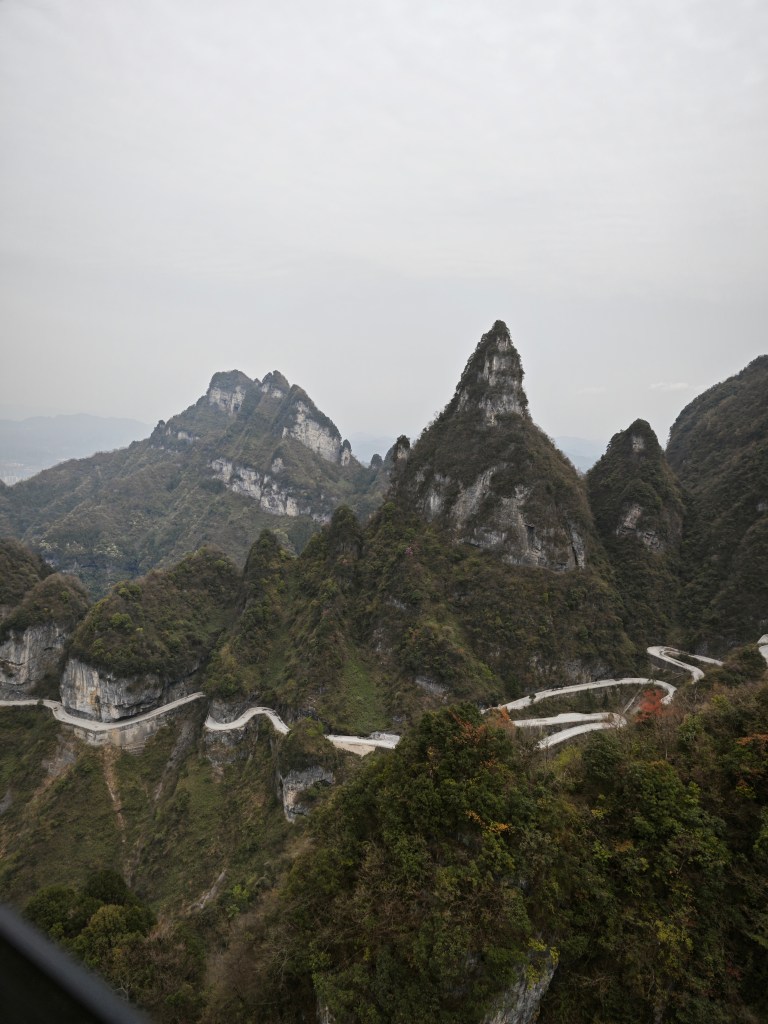
Also explored Tianmenshan Temple天门山寺, which was established 1000 years ago and is one of the few places that exhibits a sarira舍利子 of Shakyamuni Buddha释迦摩尼佛. My main purpose for visiting Tianmenshan in Hubei province was to see the absolutely breathtaking view of this World Natural Heritage site and the monstrous infrastructure in place, including the world’s longest (~1 kilometer) escalator running inside the mountain, moving tourists from the top to the bottom. I would definitely recommend Tianmenshan as a must-see place in China.











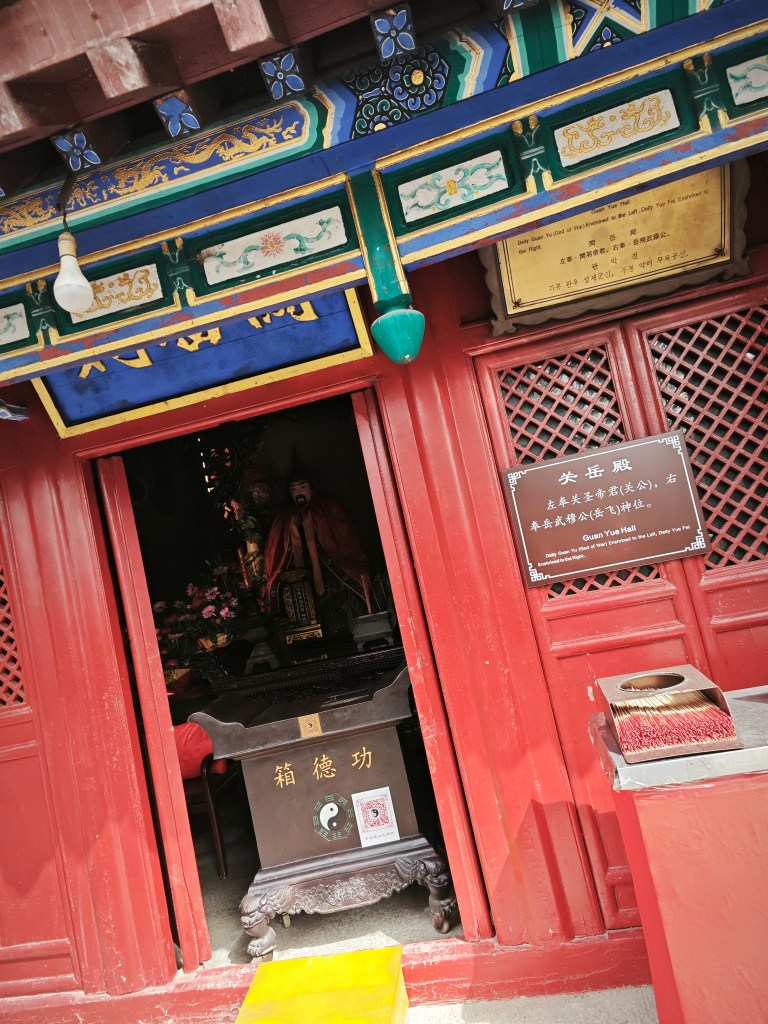
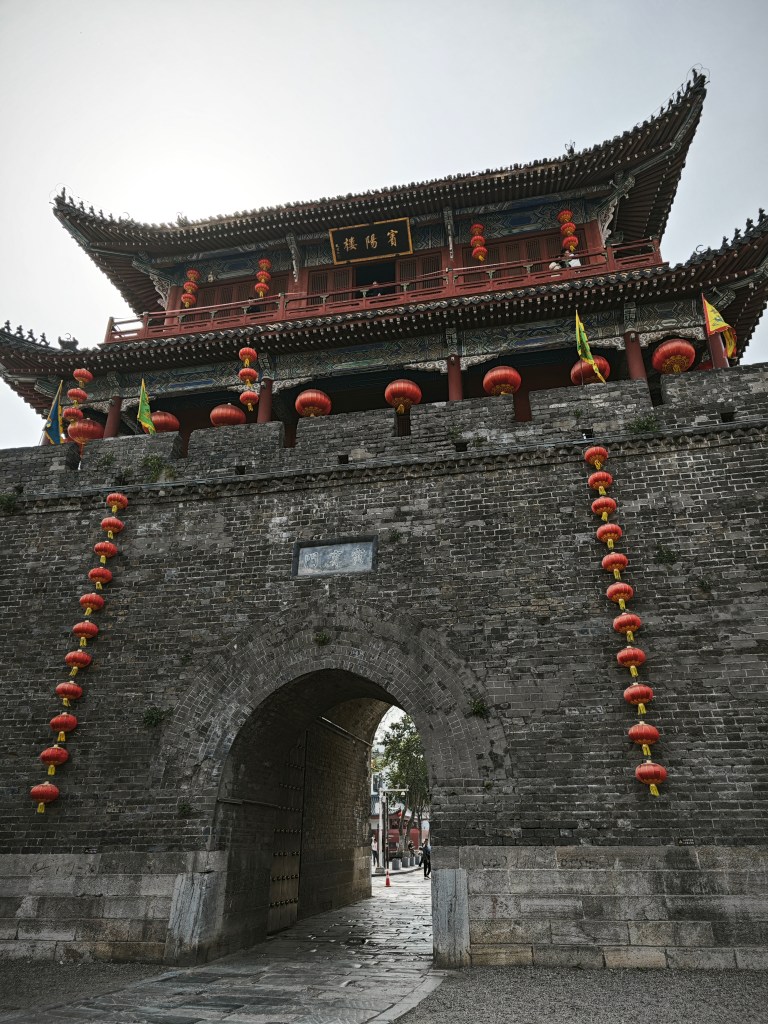
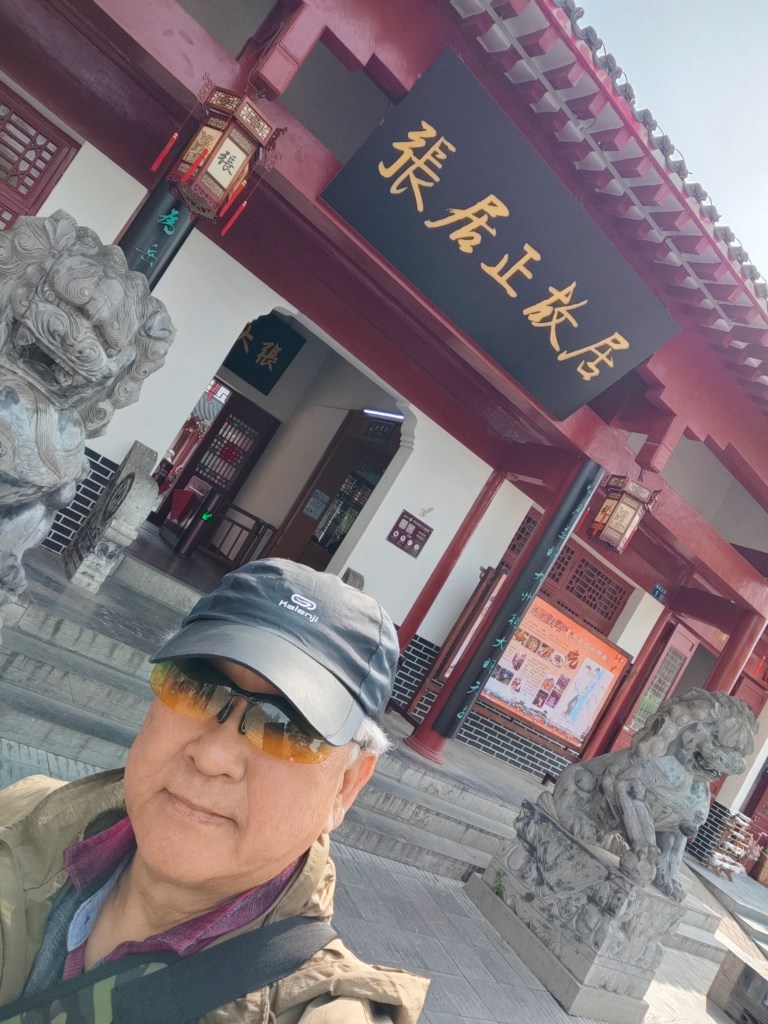
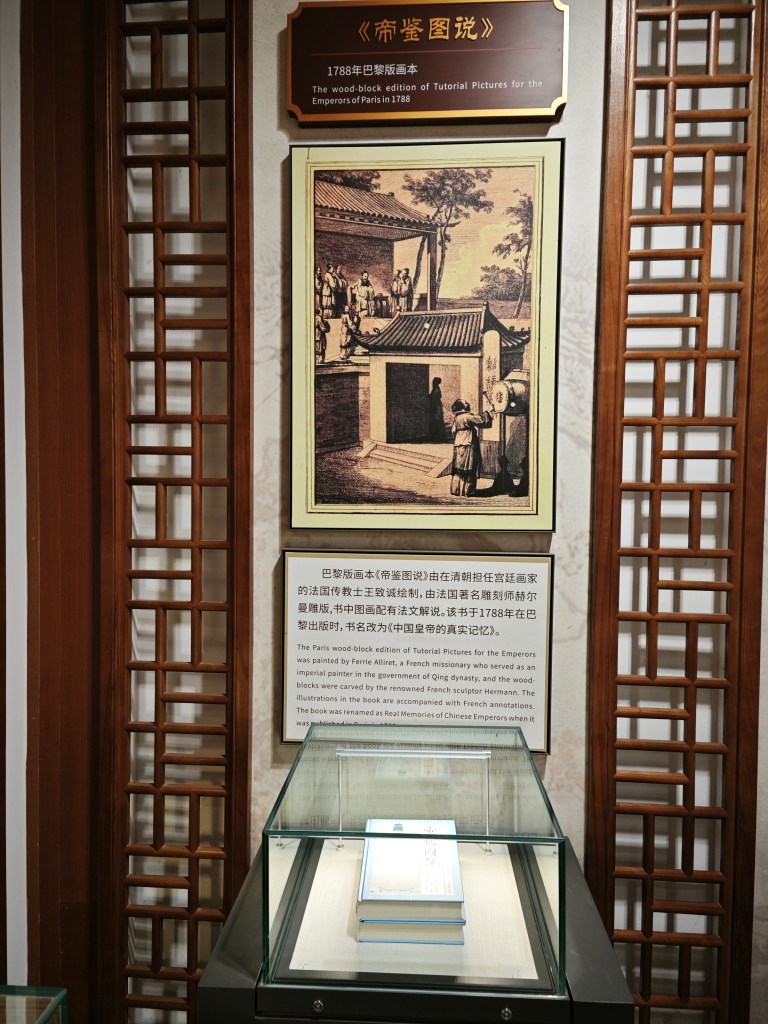
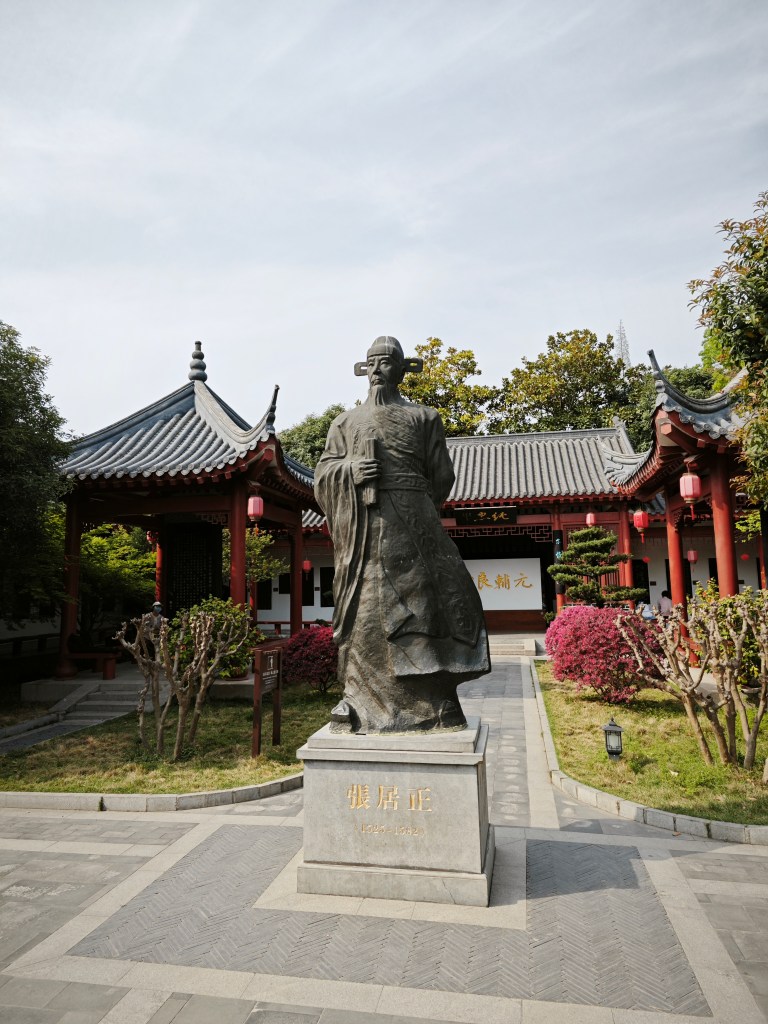
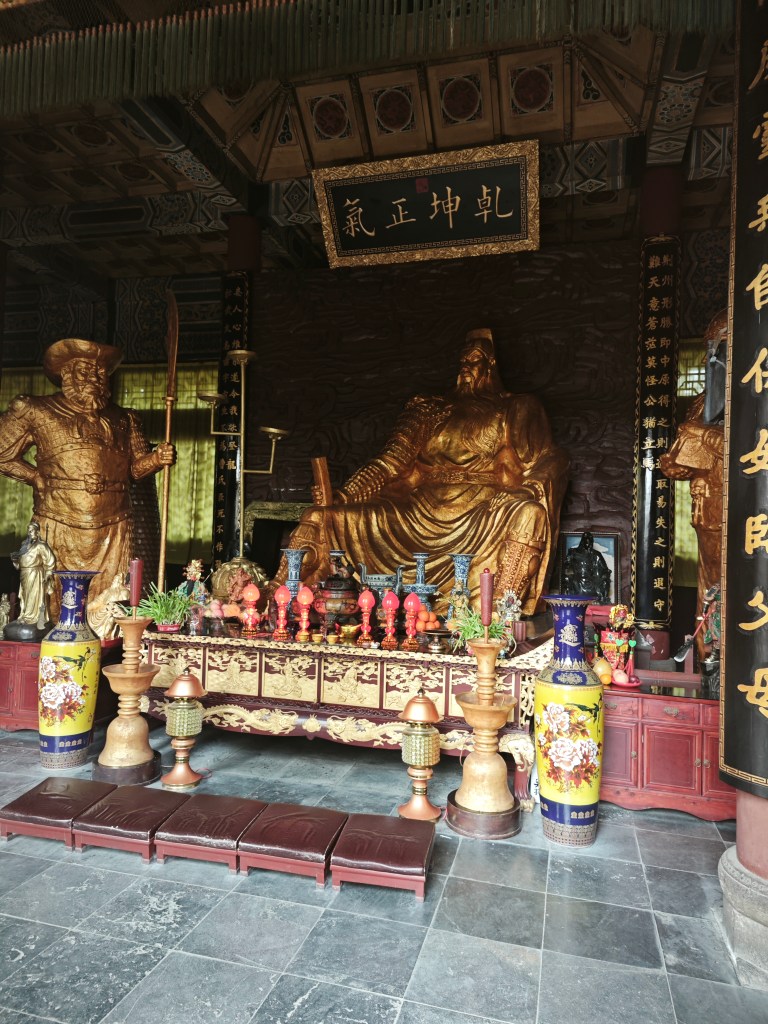
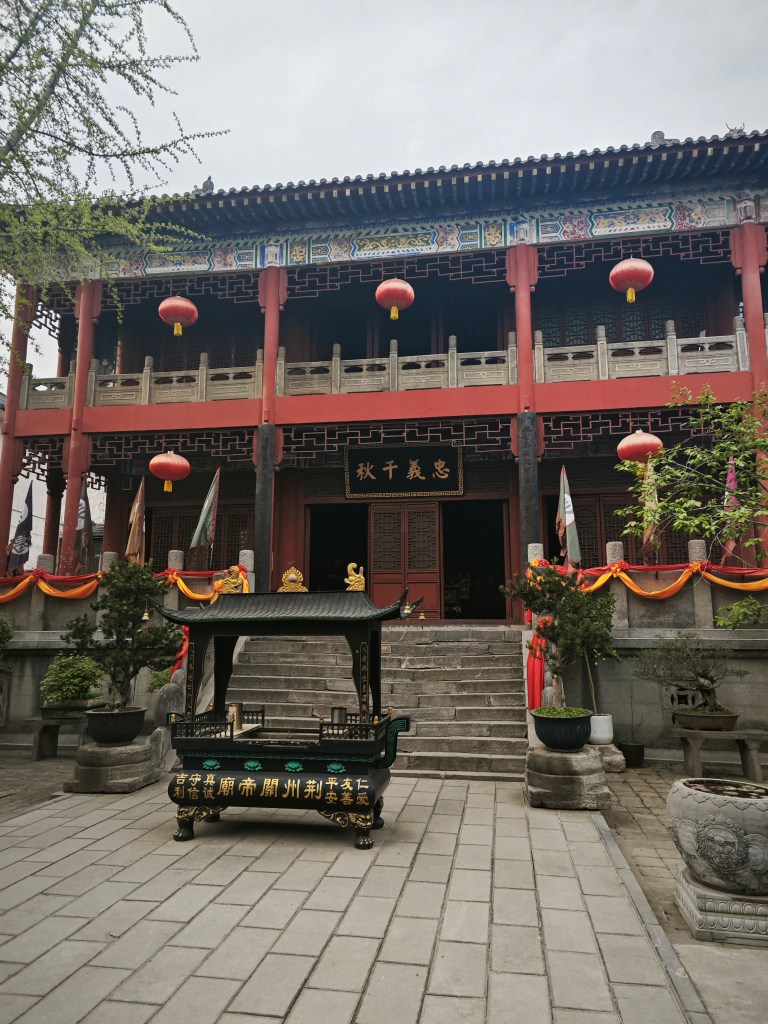
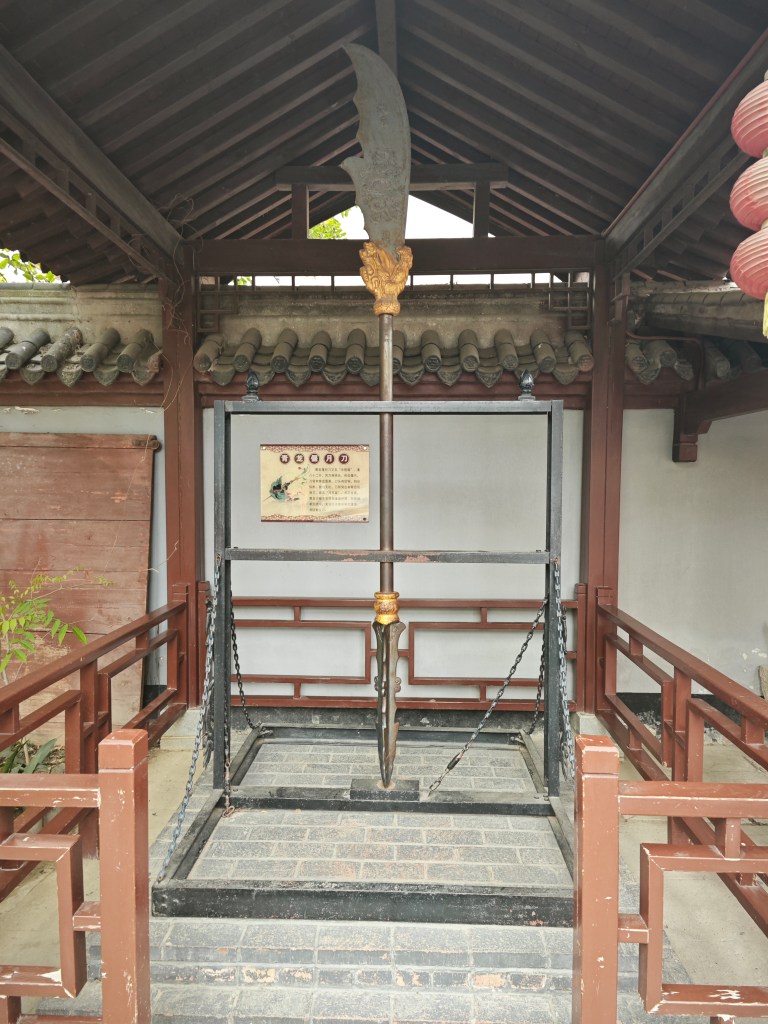
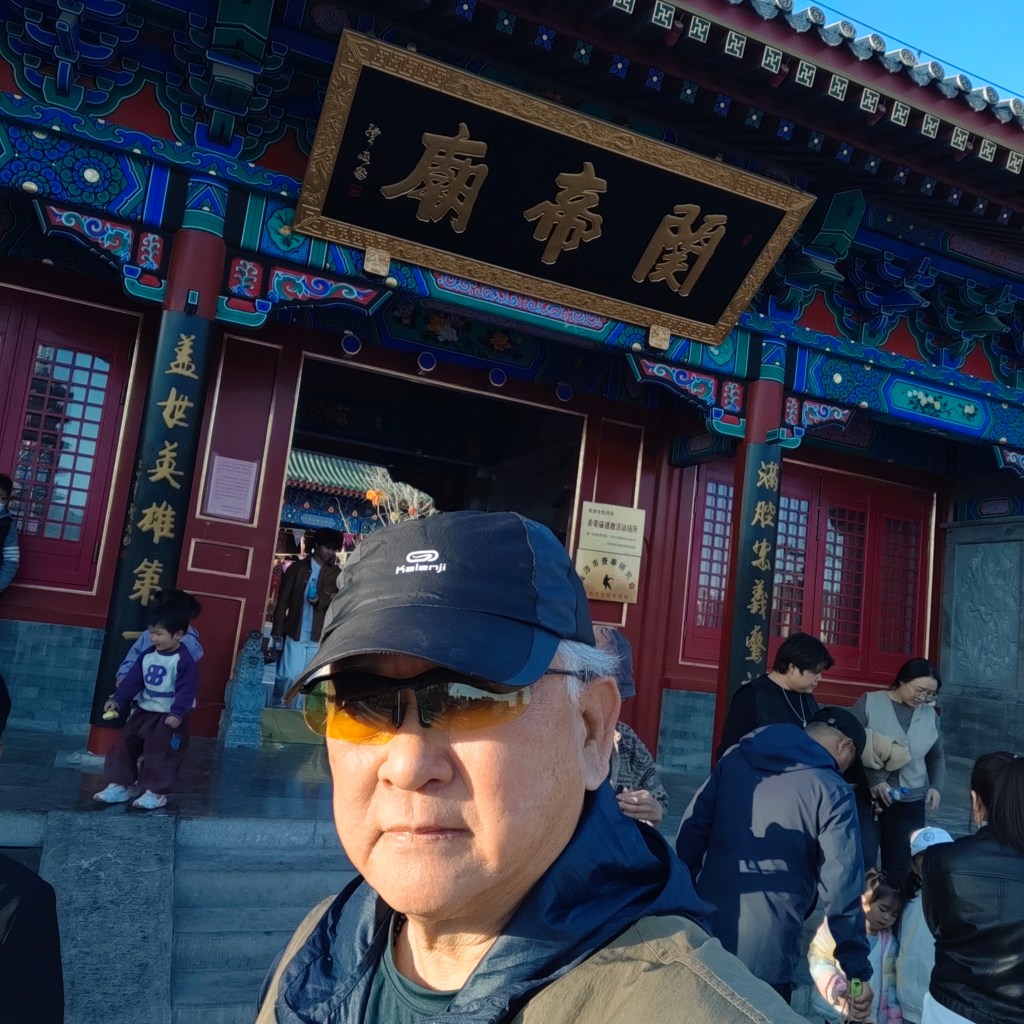
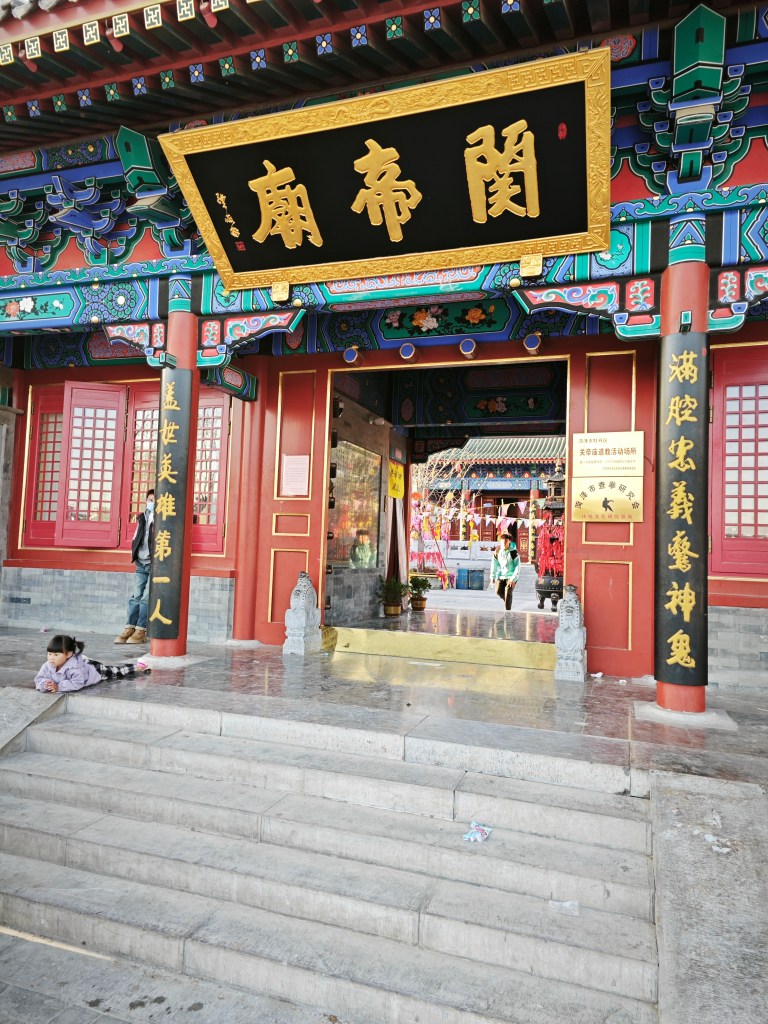
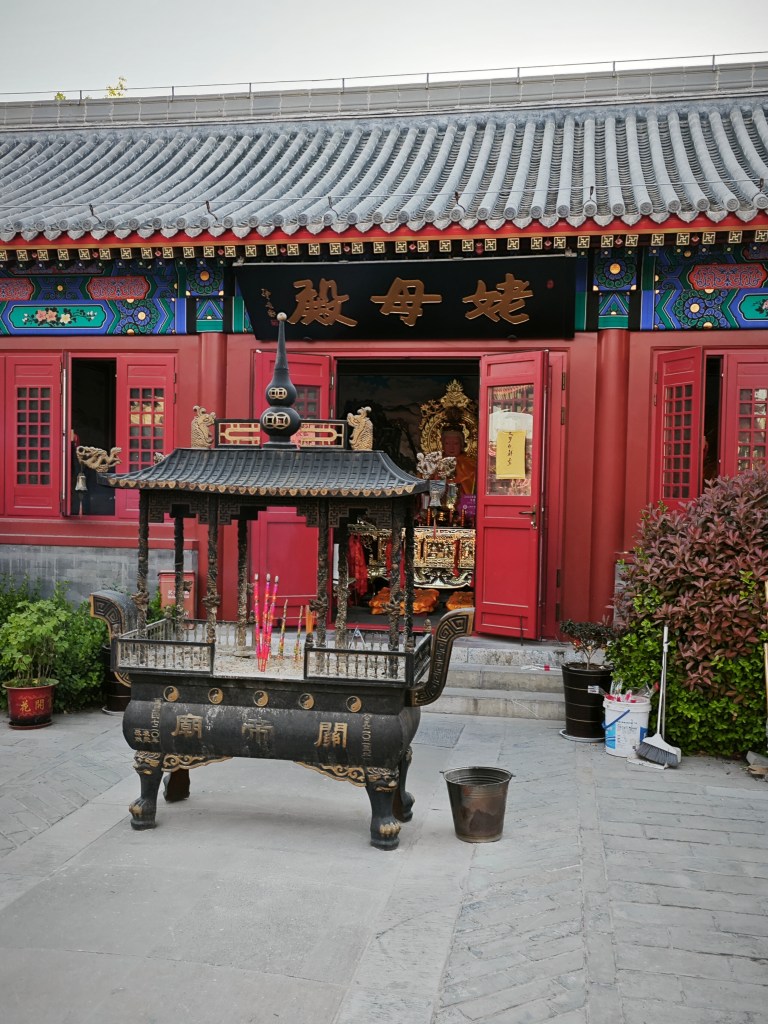
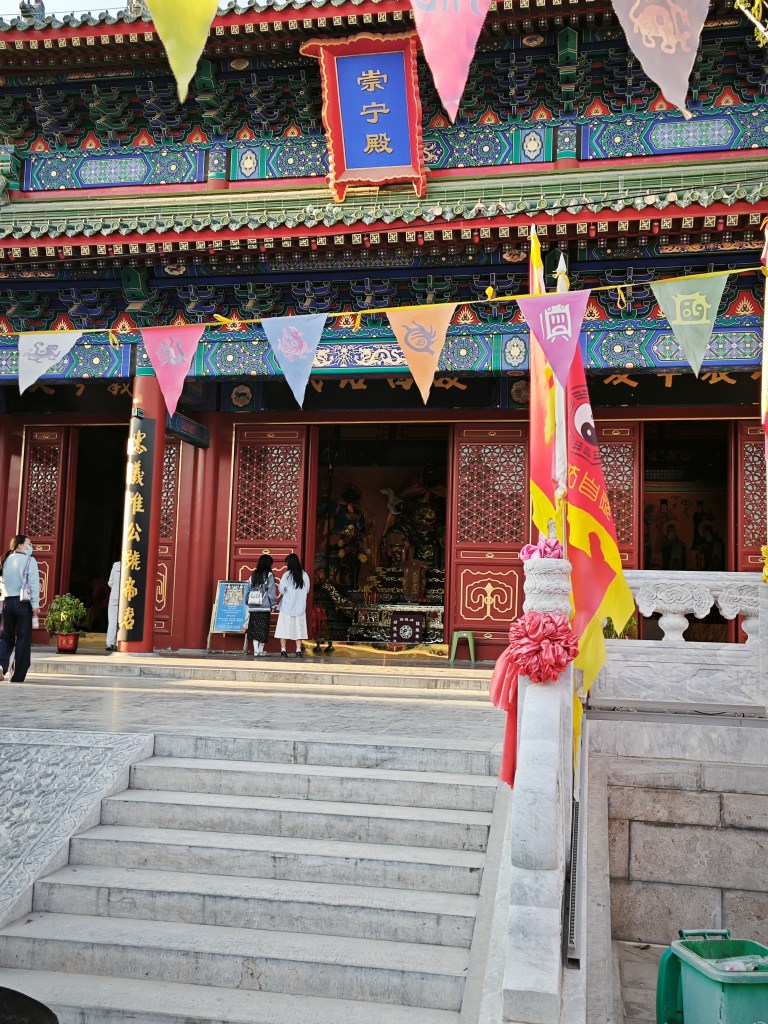
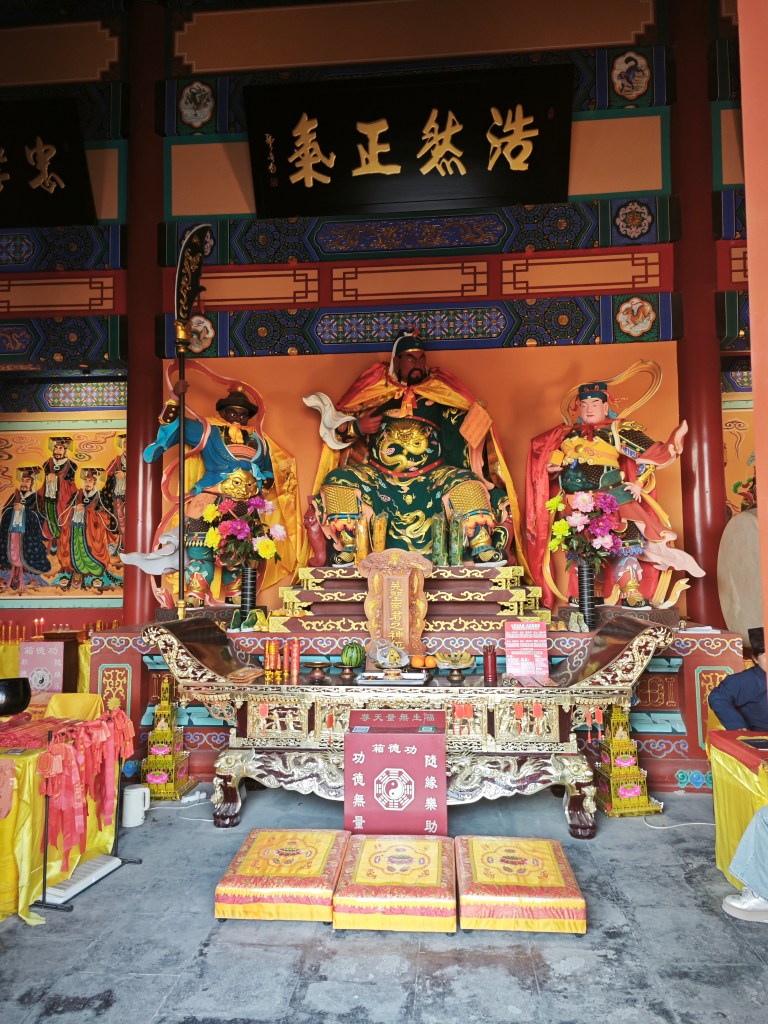
A stop designed by the AI tool Deepseek at Jingzhou 荆州 in Hubei province turned out to be great. It was the capital of Chu State 楚国 during the Warring States Period 战国时代 2500 years ago and was a well-known city depicted in the Romance of the Three Kingdoms 三国演义 due to the sacrifice of the top Shu Han general 蜀汉大将军 Guan Yu 关羽, who stationed here almost 2000 years ago. Guan Yu has been worshipped in China since then as a deity of righteousness, Saint of War 武圣, and God of Fortune 财神. Another famous local person was Zhang Juzheng 张居正, who taught the young emperor Wanli of the Ming Dynasty 明朝万历皇帝 the proper ways of ruling his subjects and also served as his Prime Minister.




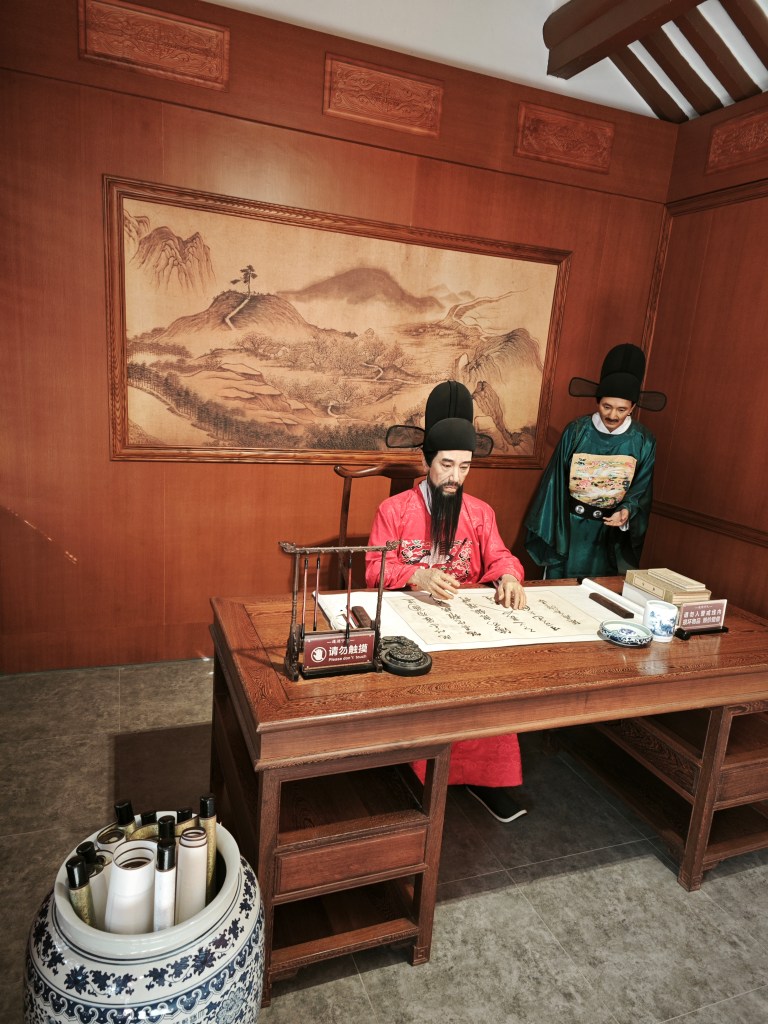

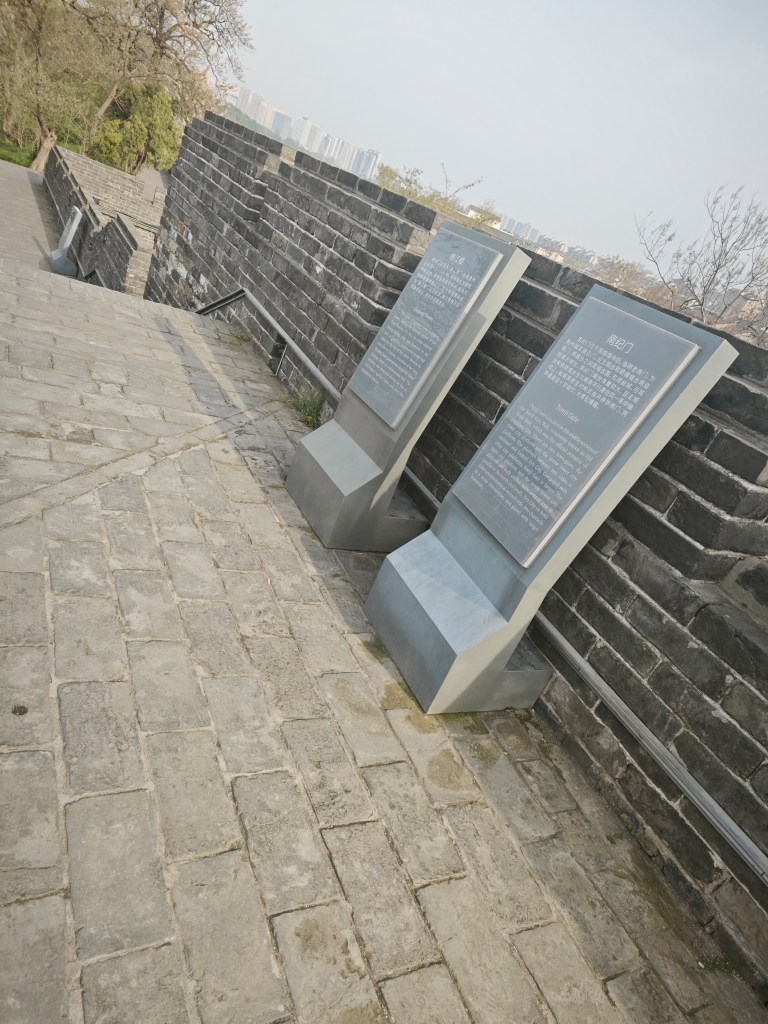



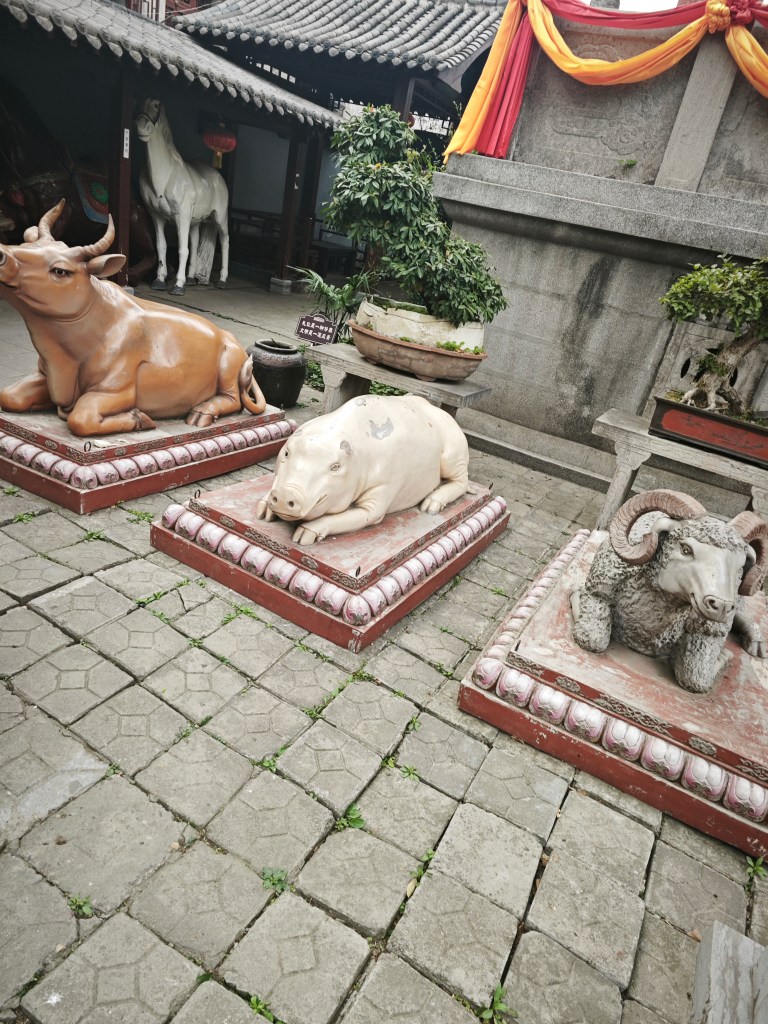

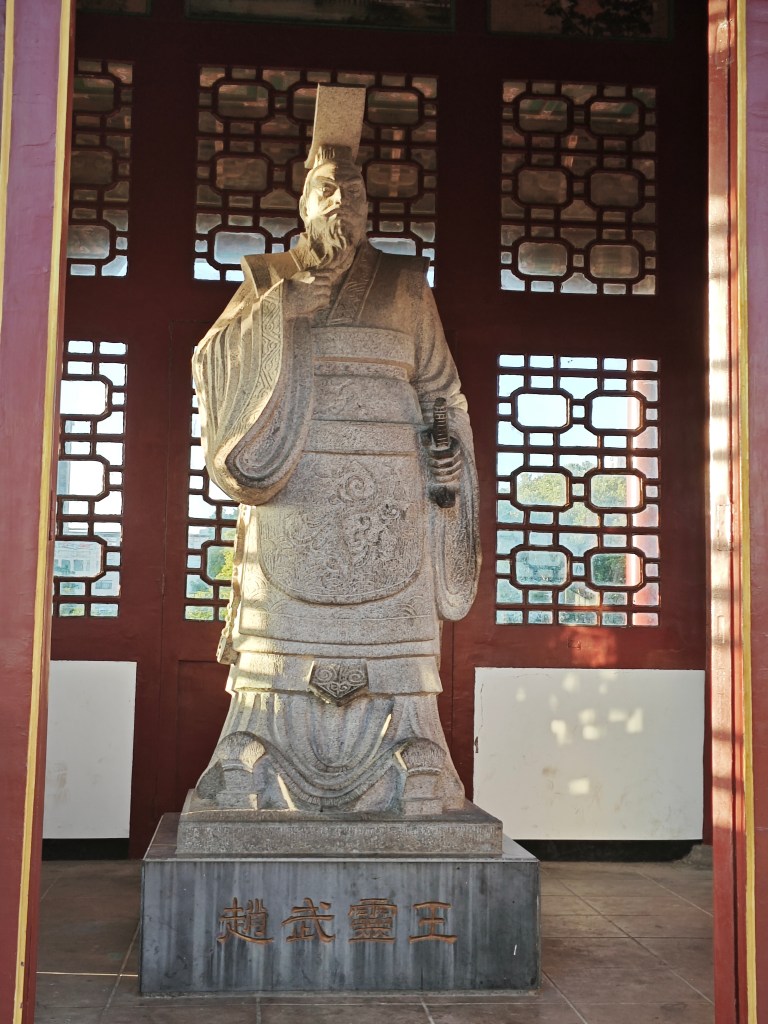
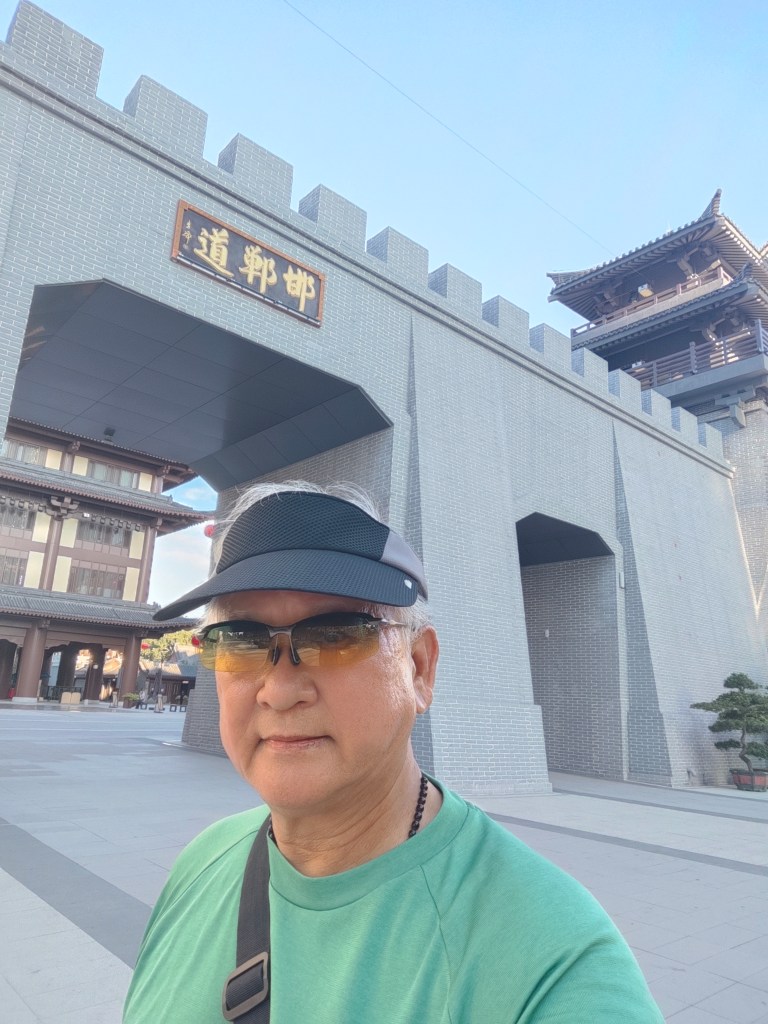
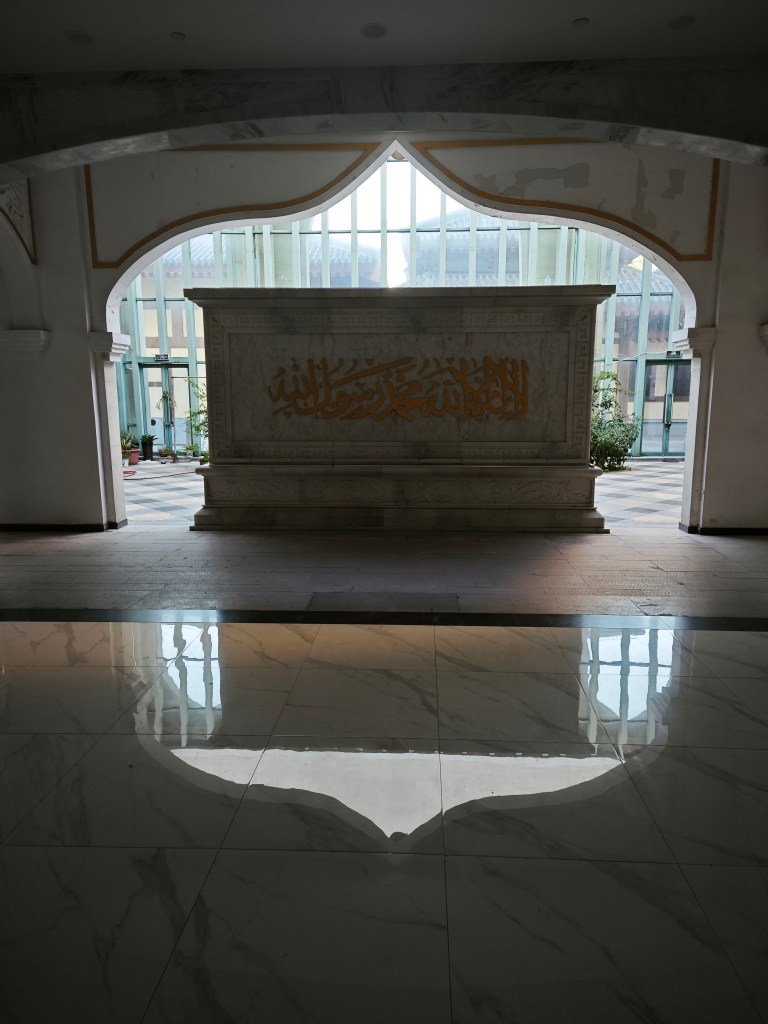
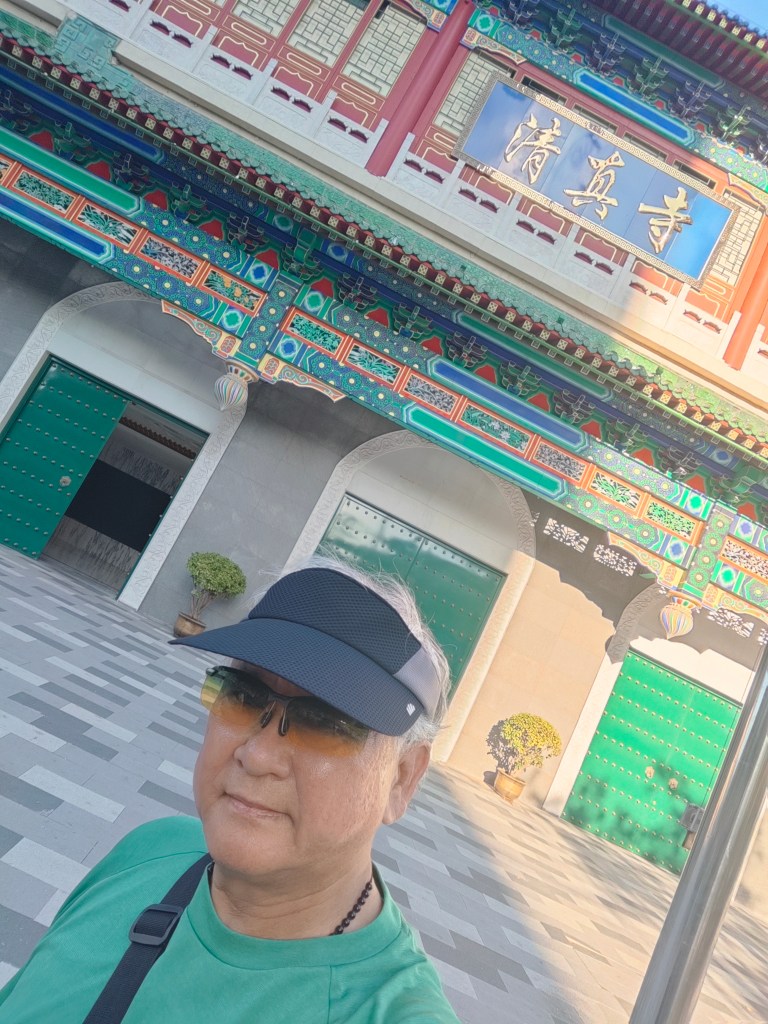
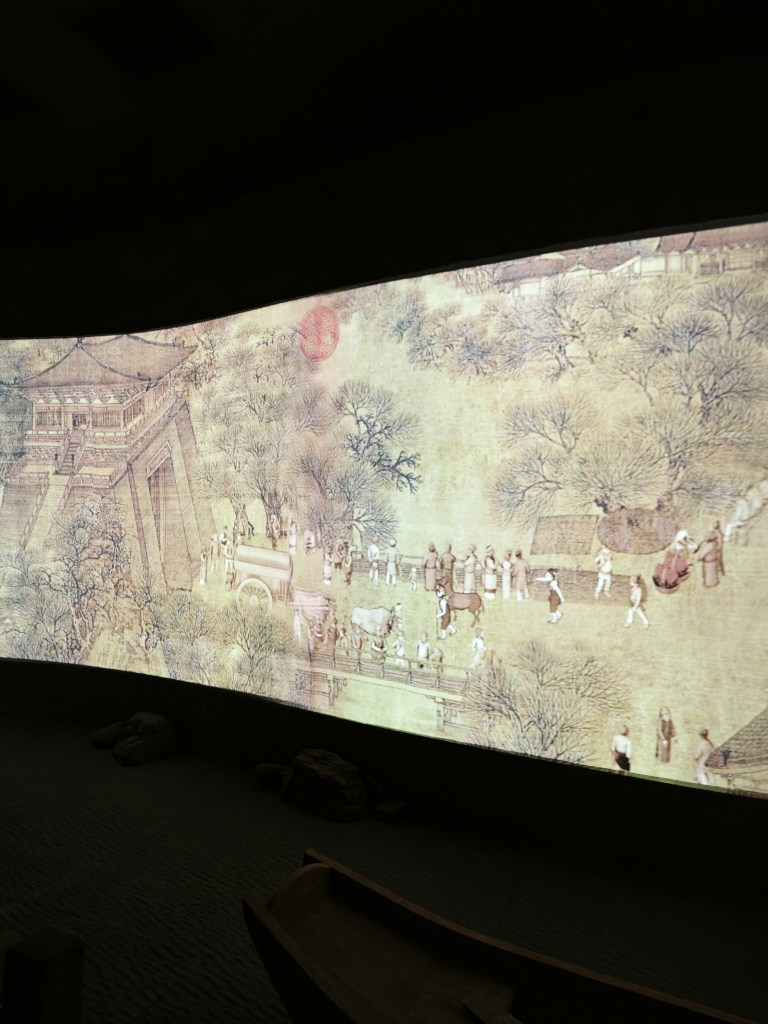
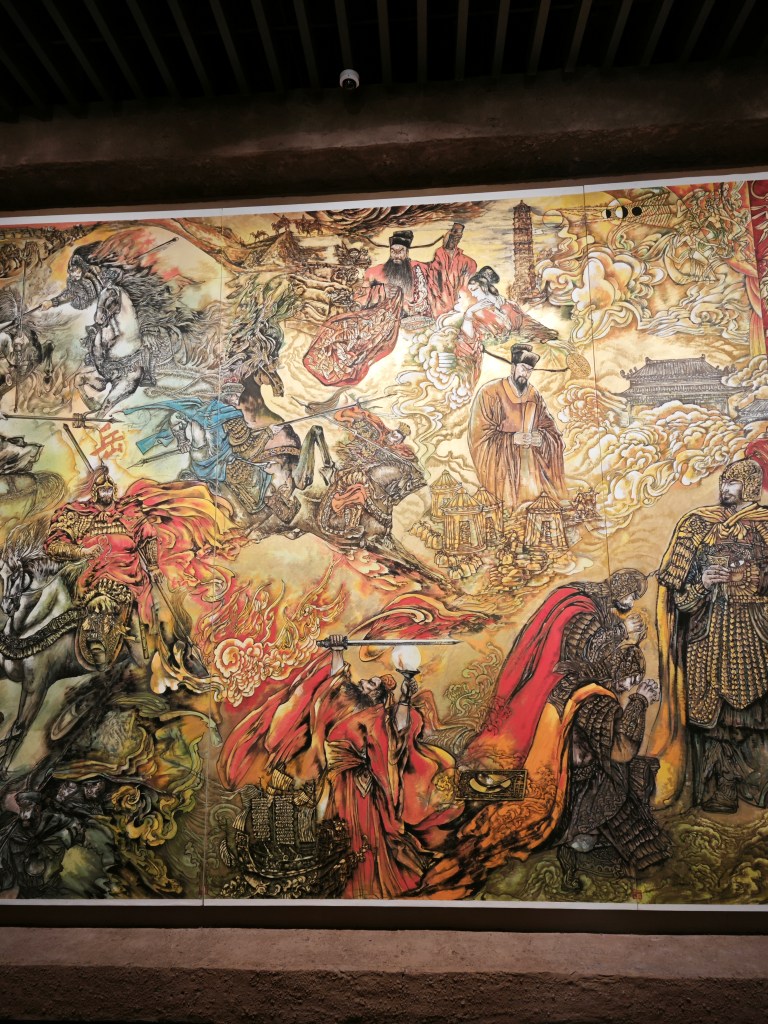
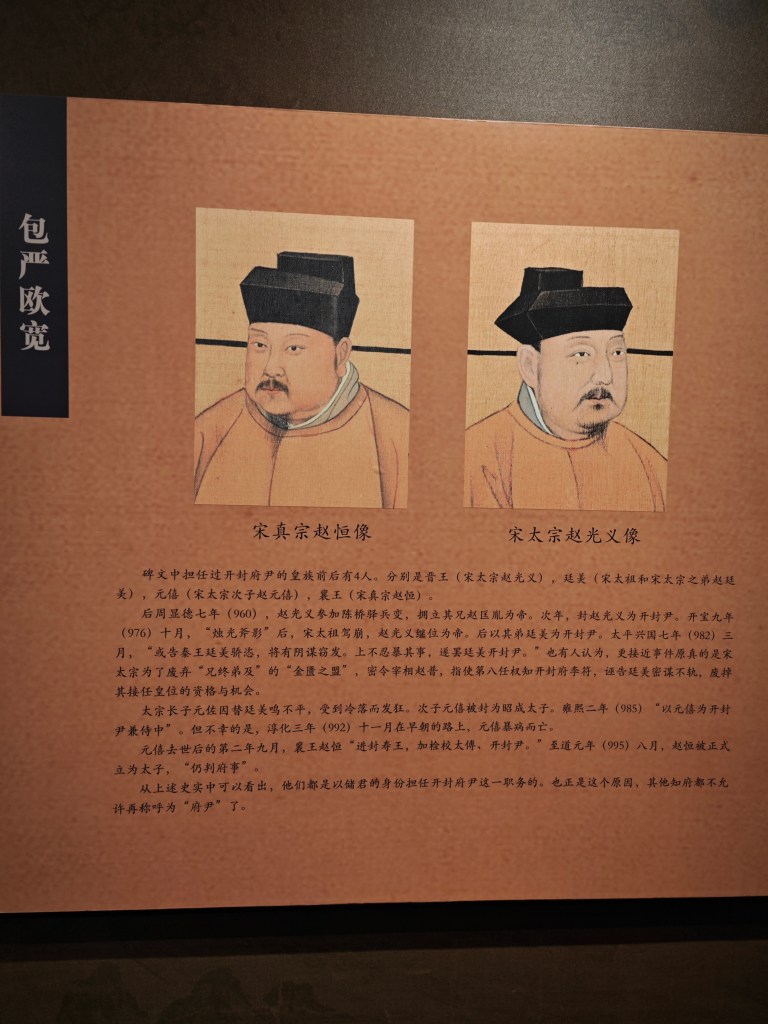
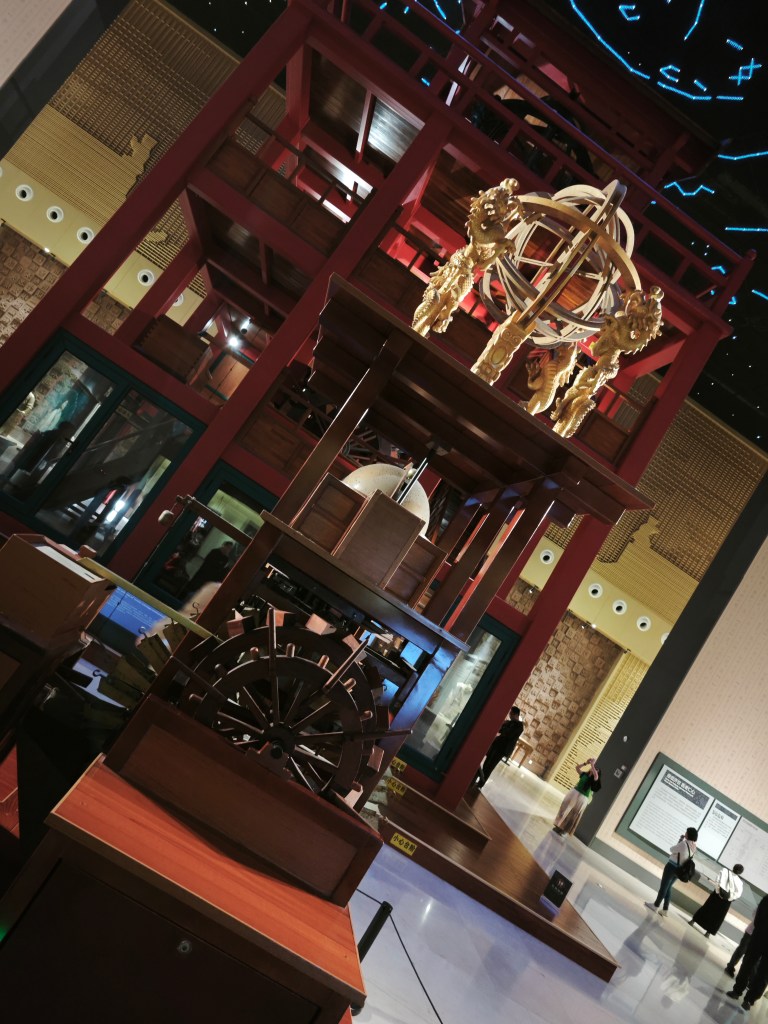
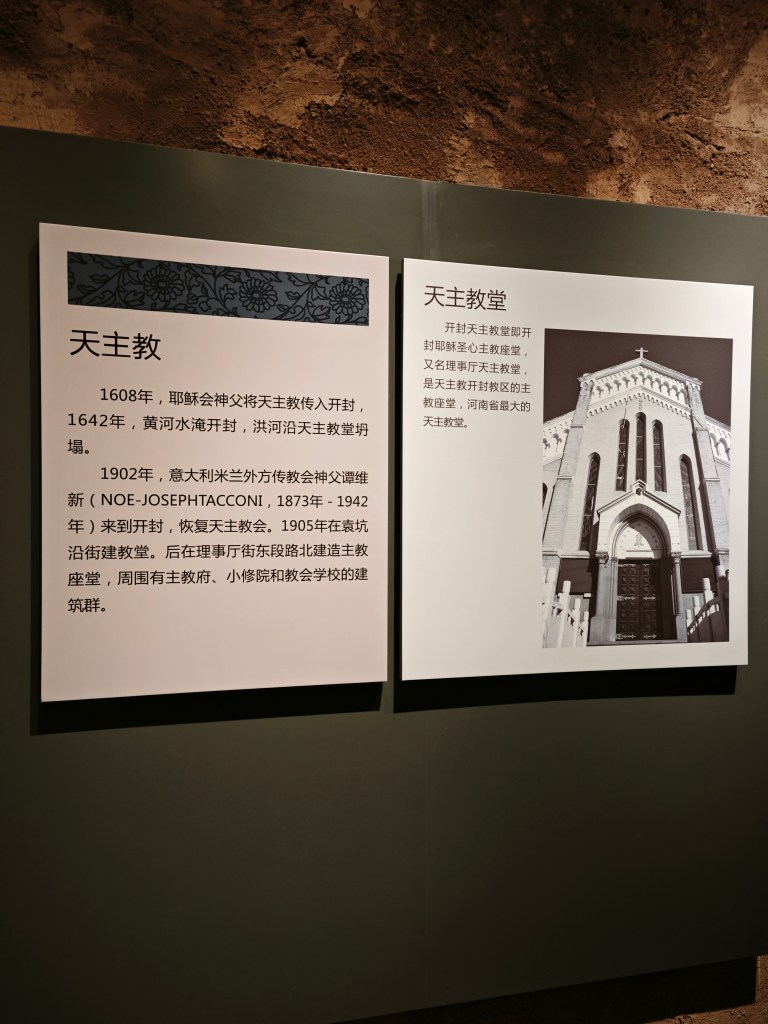
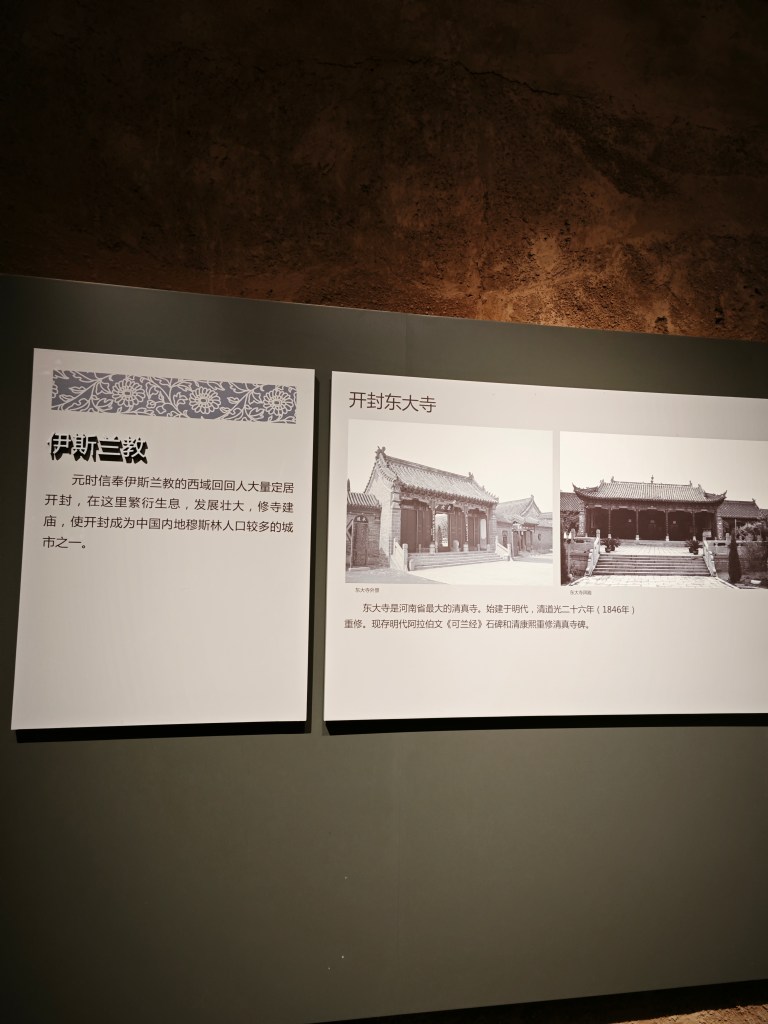
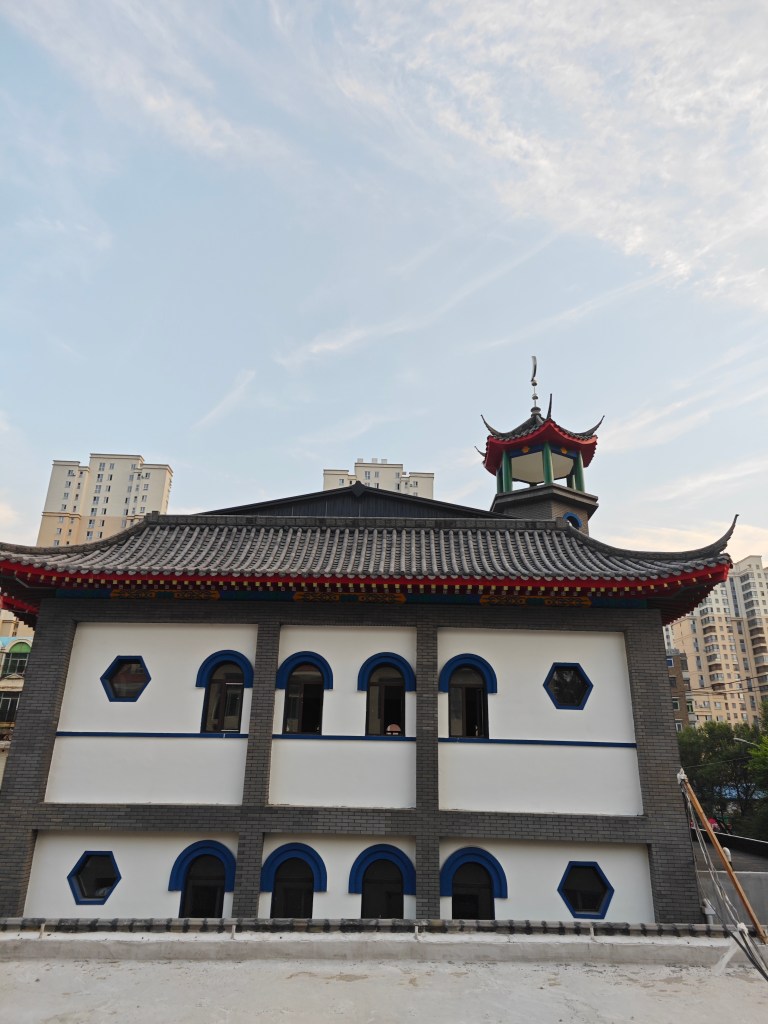
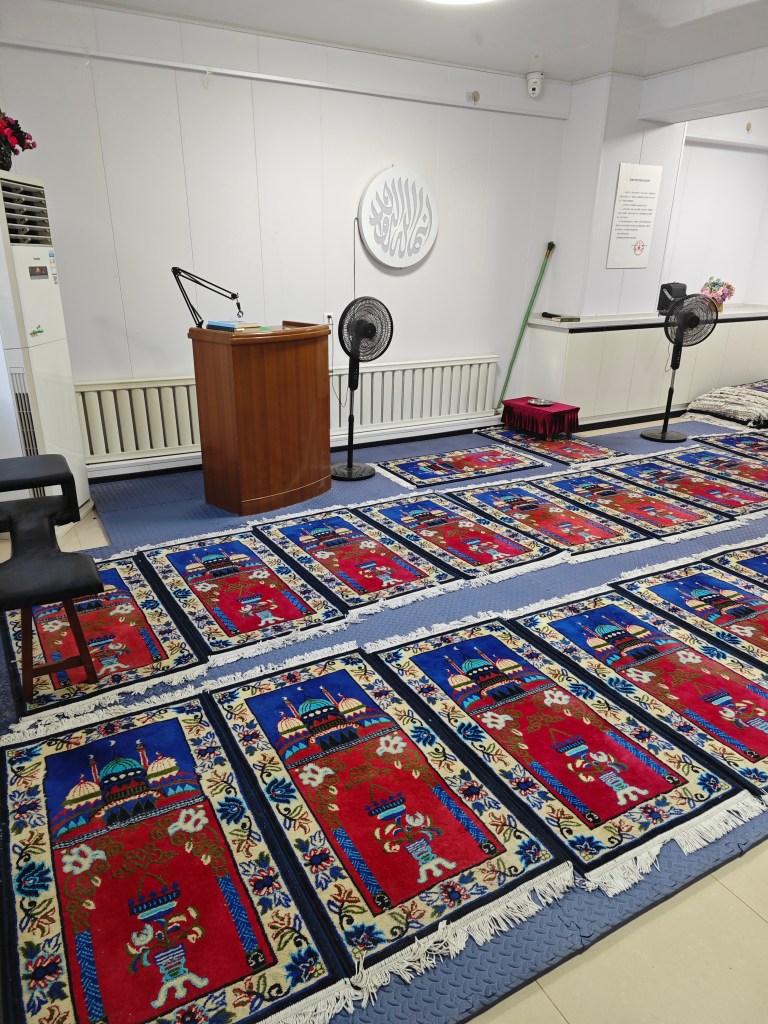
Kaifeng开封 in Henan province was not only the capital city of the Northern Song Dynasty a thousand years ago, but also the political and cultural center since the Xia period夏代 4000 years ago. The scroll painting of Along the River During the Qingming Festival清明上河图 that depicts the lives of ordinary people in the Song Dynasty during the ancestor memorial day of Qingming is perhaps the most famous Chinese painting ever. The story of the Song Dynasty general Yue Fei岳飞 who successfully defended against the invasion from the tribal Jing 金 people but was wrongfully executed by the jealous and corrupt Prime Minister秦桧 has made Yue Fei a national hero after his death. It is a meaningful visit to Kaifeng on this Qingming Day in China to learn its history and to see so many people wearing Song costumes in the park that bears the same name as this famous scroll. It is also good to know there are Muslim mosques and Catholic churches in Kaifeng, showing the tolerance of different religious faiths in this city’s history.


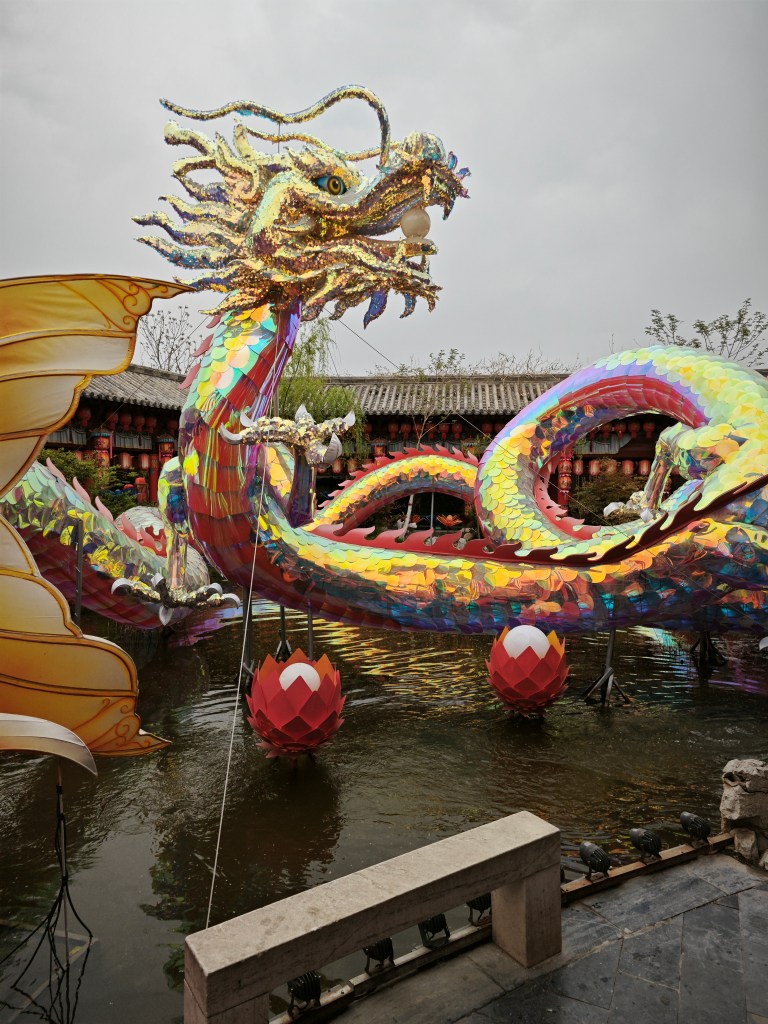
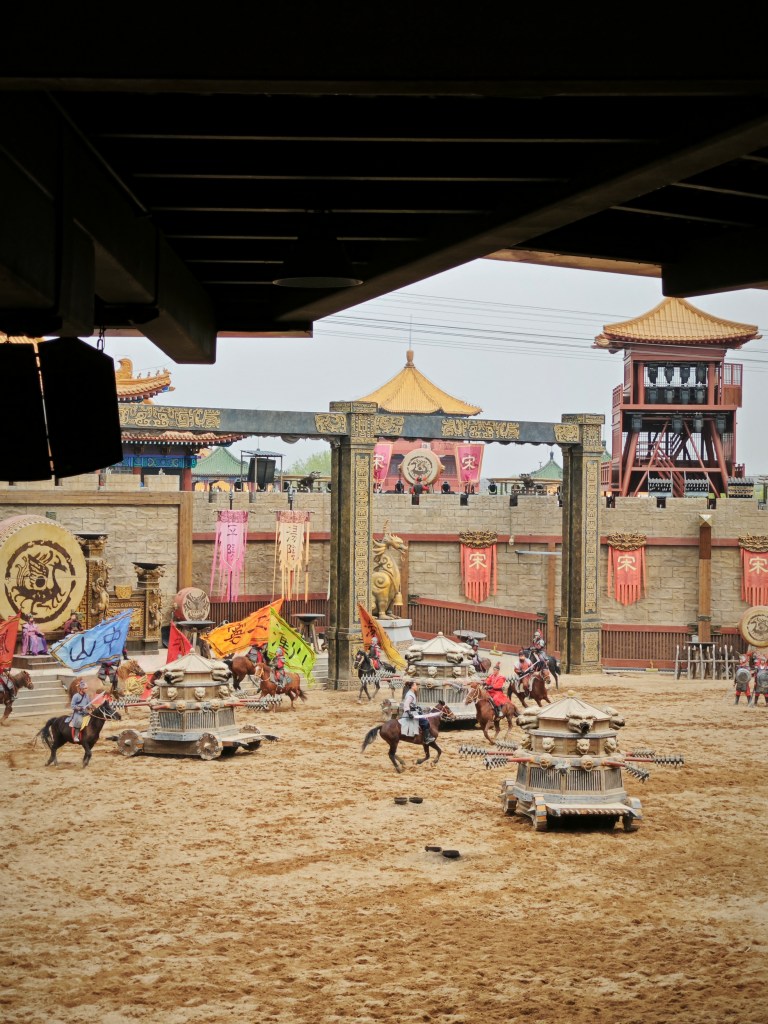
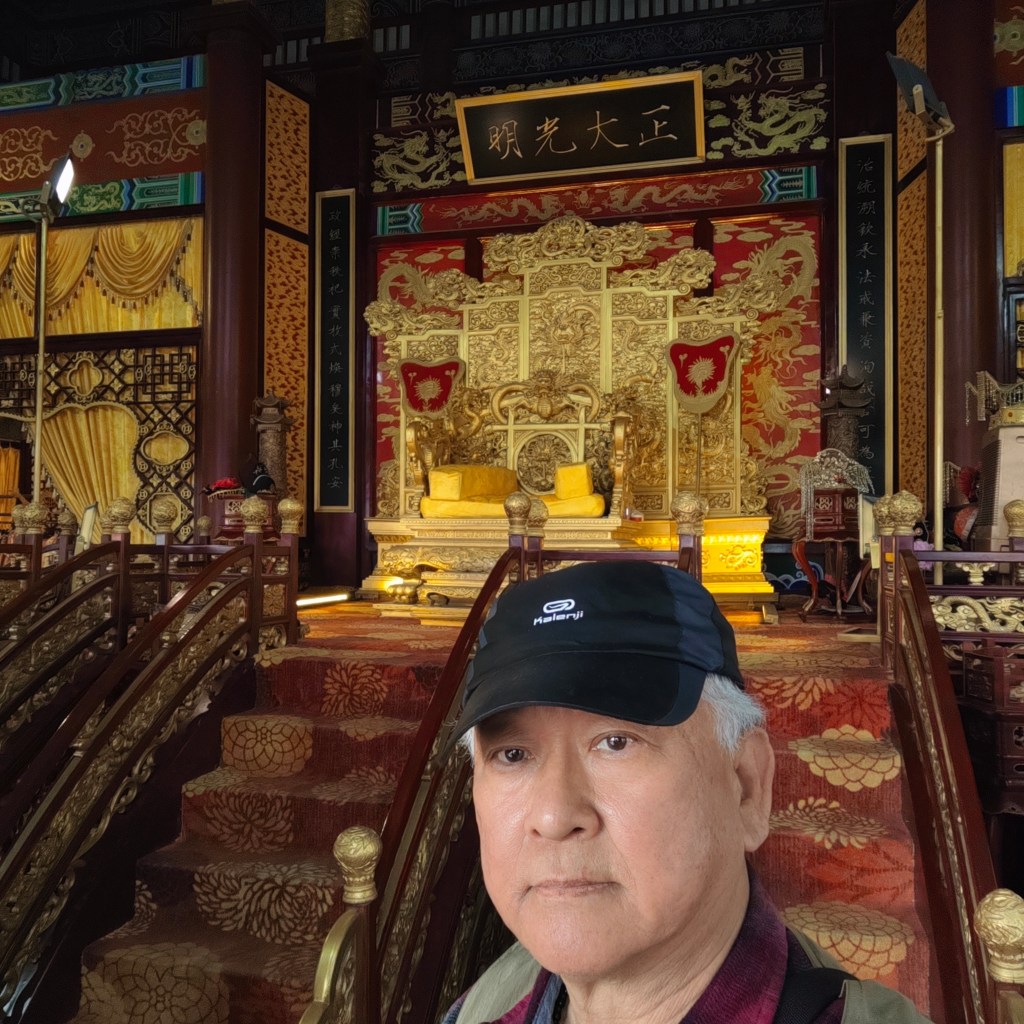
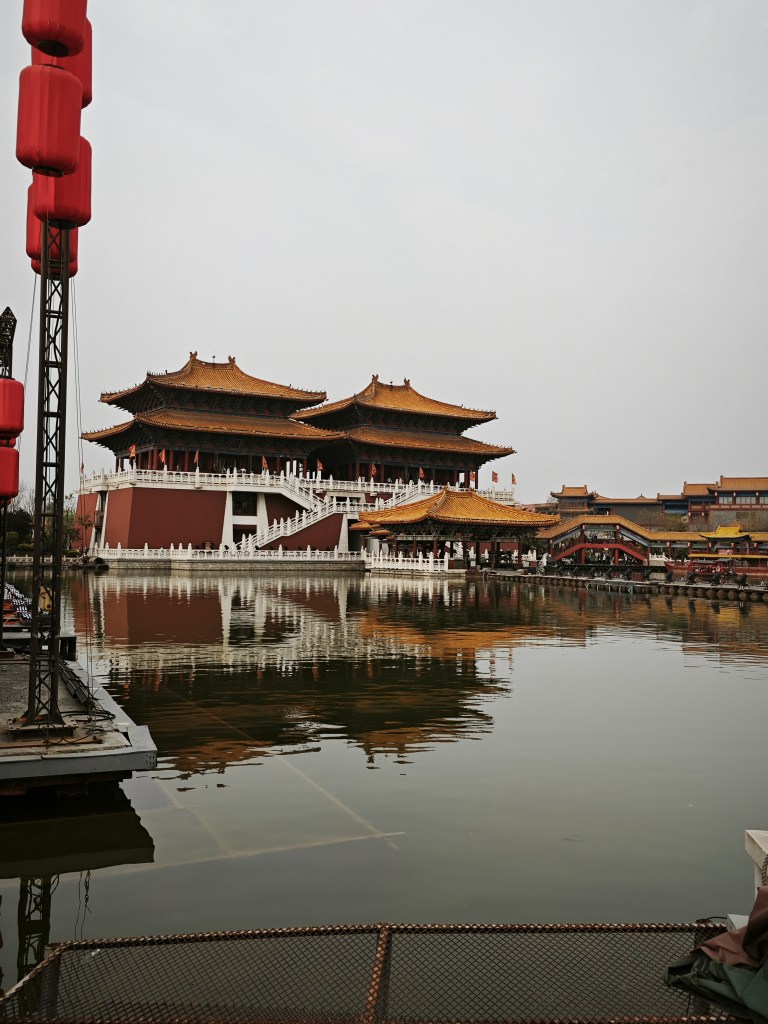


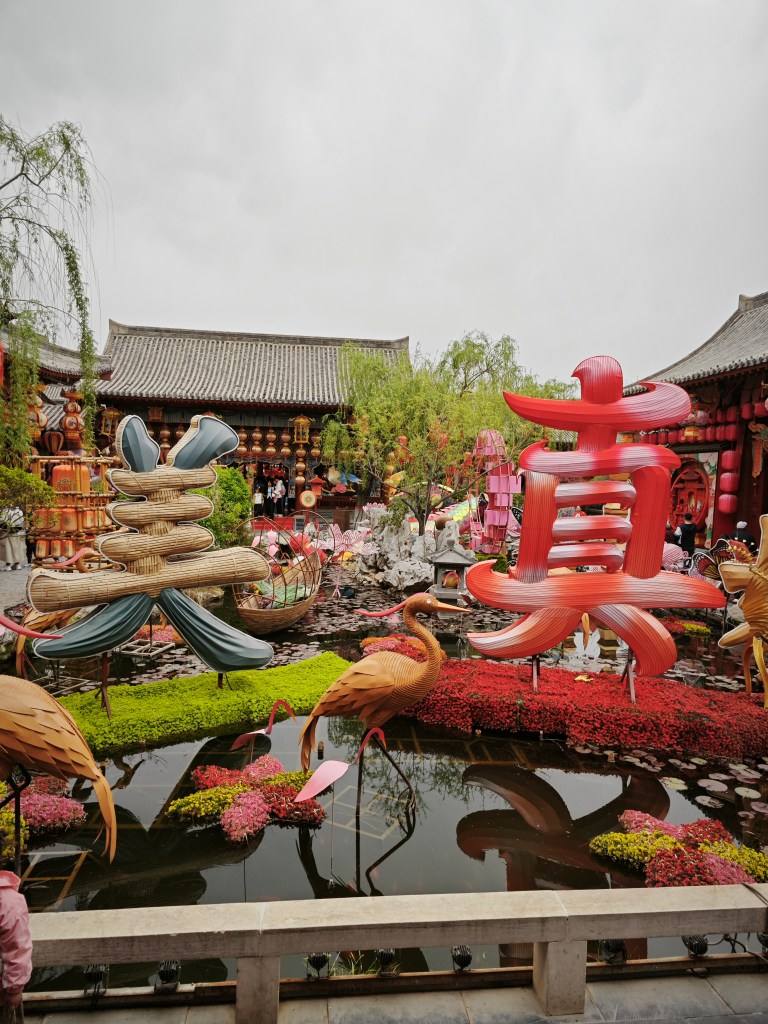
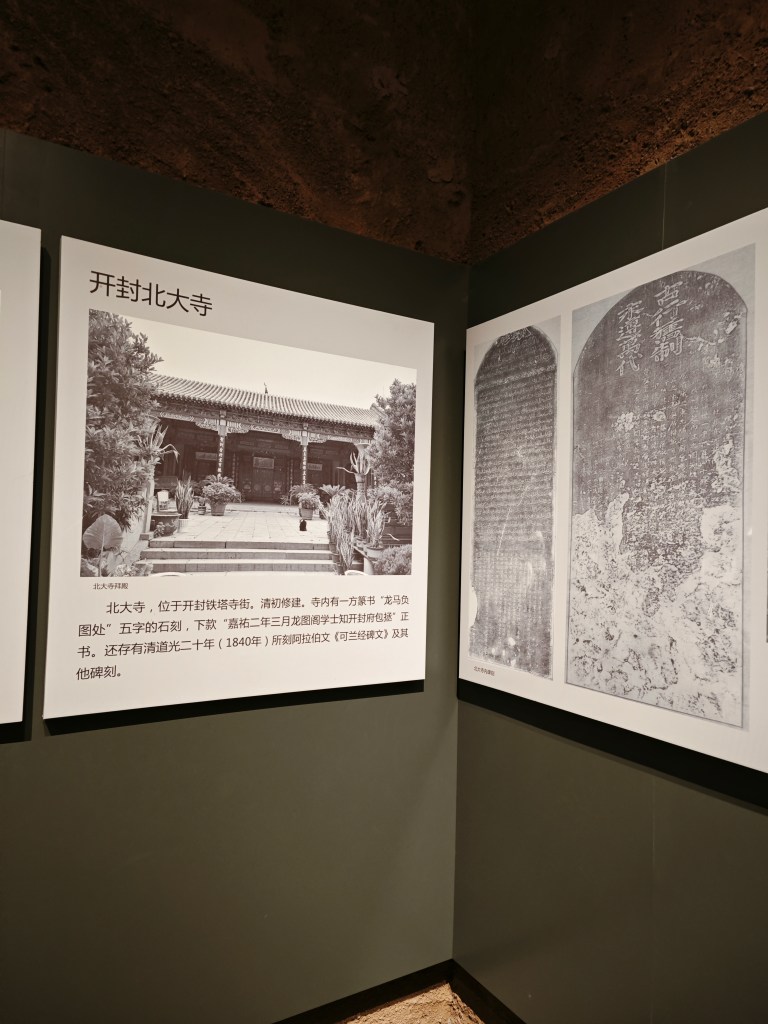
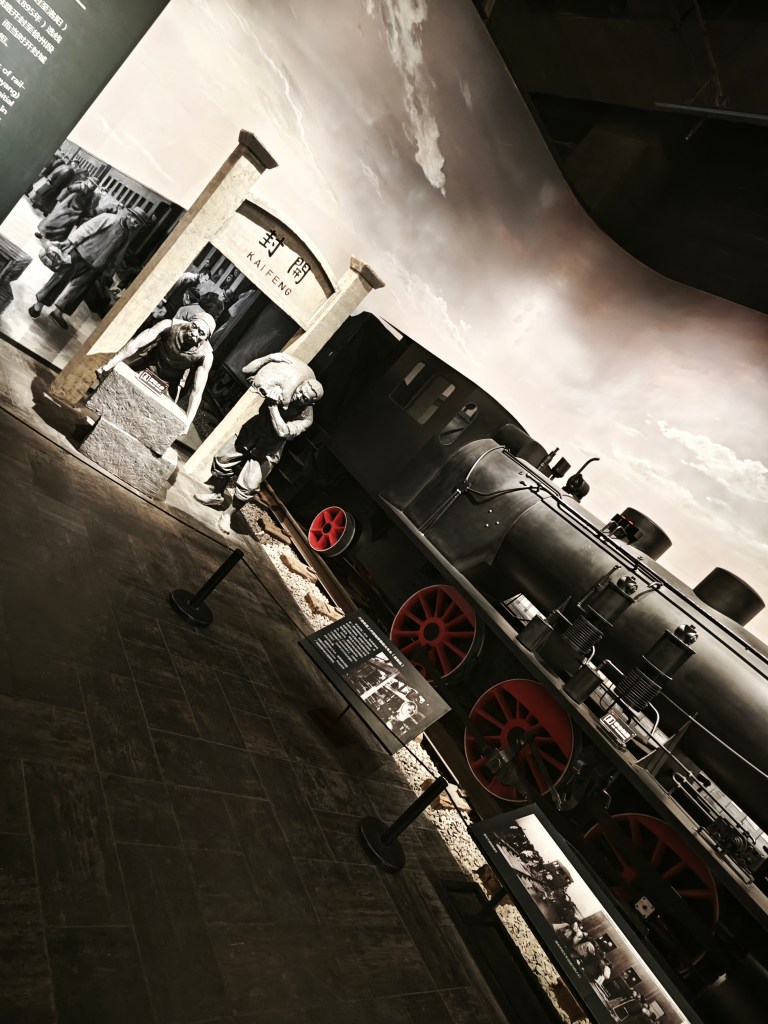
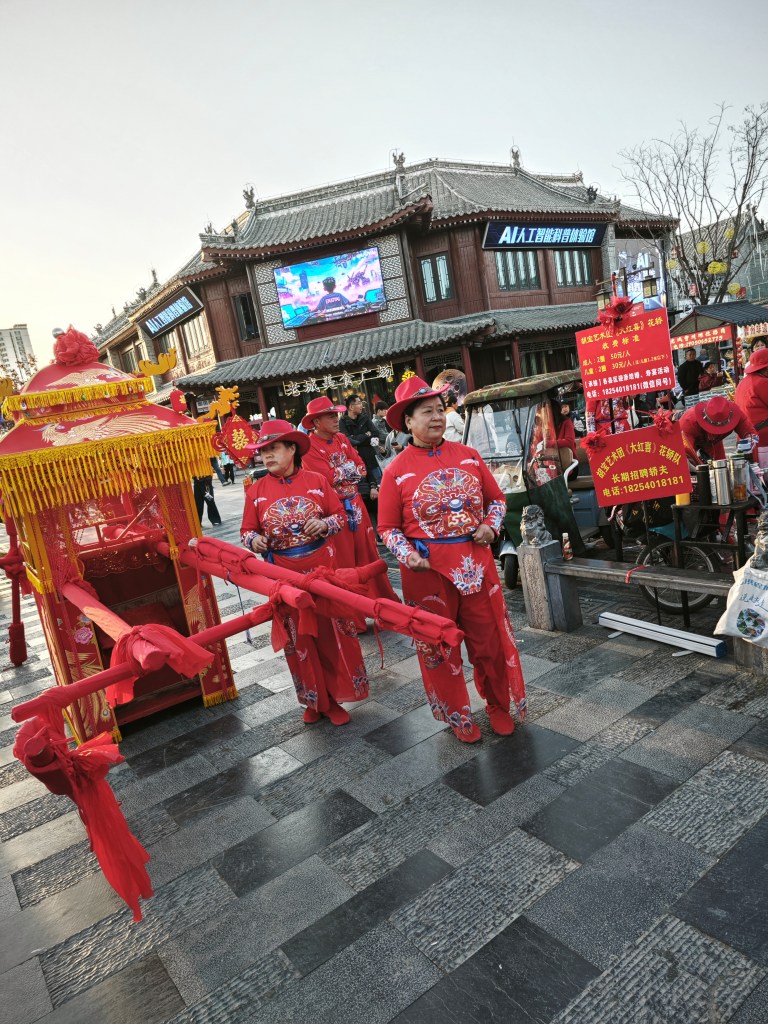
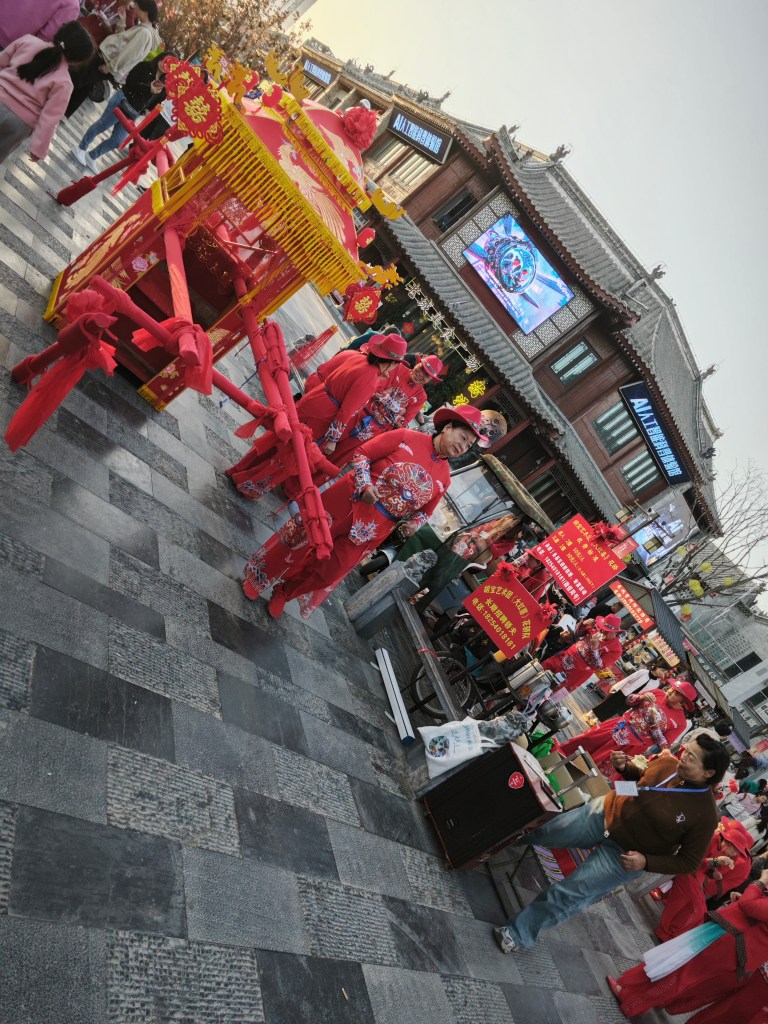
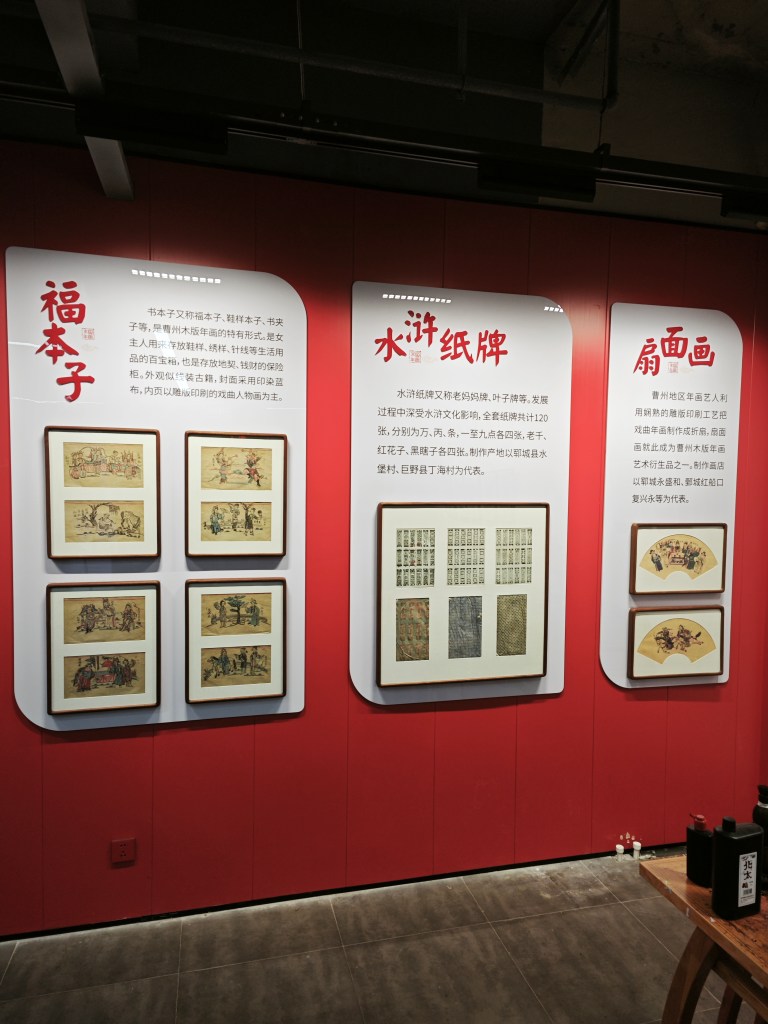
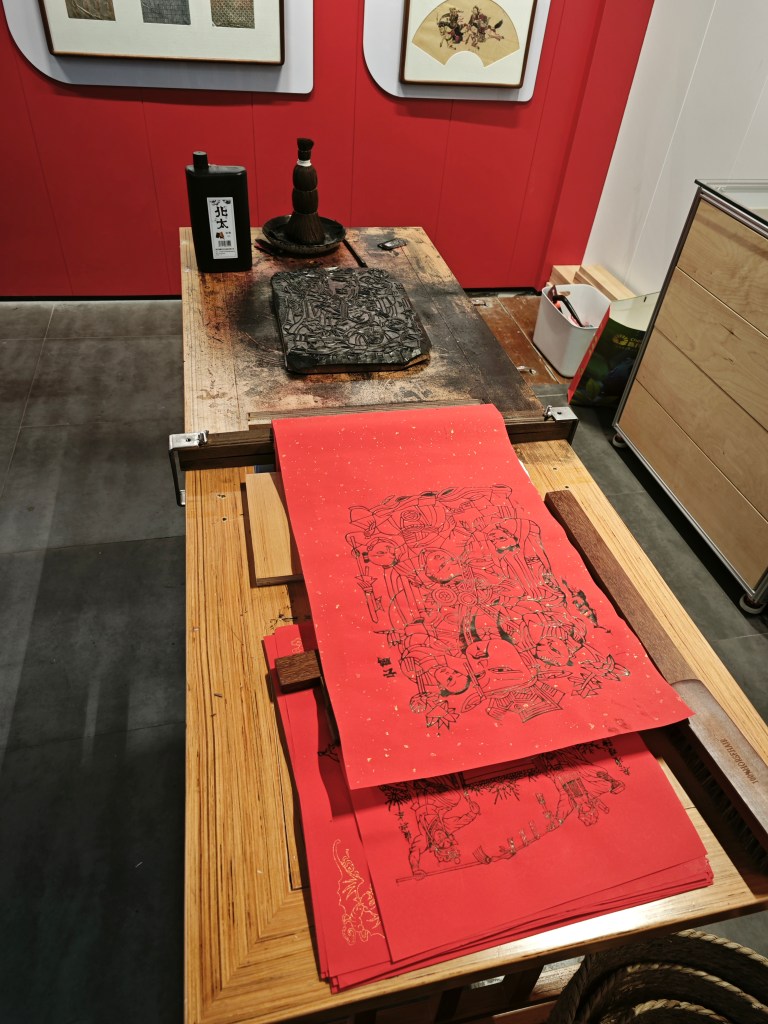
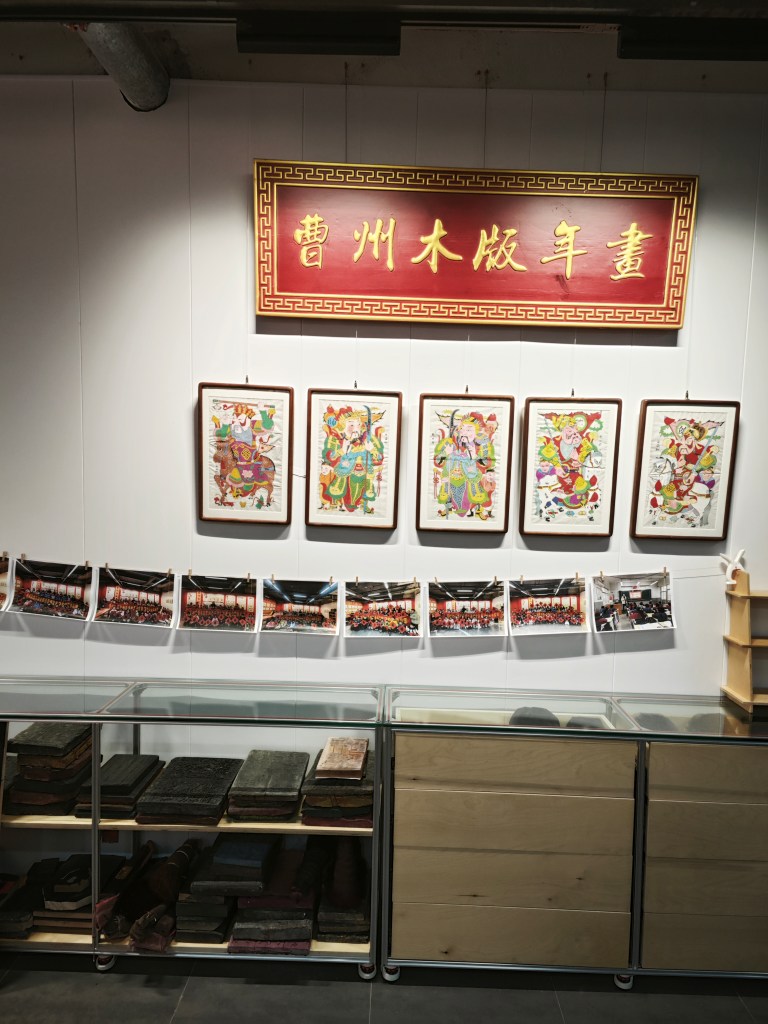
Another stop added by Deepseek was Heze菏泽 in Shandong province, which has an ancient name, Caozhou曹州, with a history that is said to be connected to the mythological times of Fuxi伏羲 and Chiyou蚩尤. The ancient city of Caozhou has been redeveloped into a tourist attraction with a Taoist temple for the Fortune God Guanyu and many specialty eateries, shops, and vendors that showcase intangible cultural heritage skills, including woodcut lithography木刻版画.





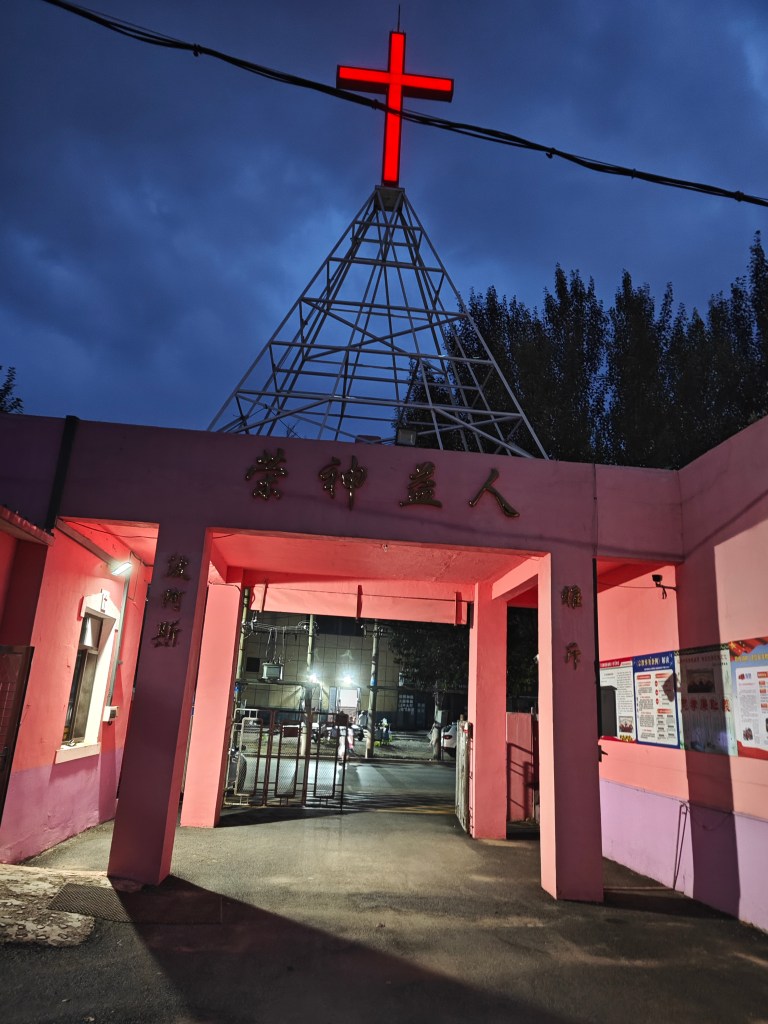
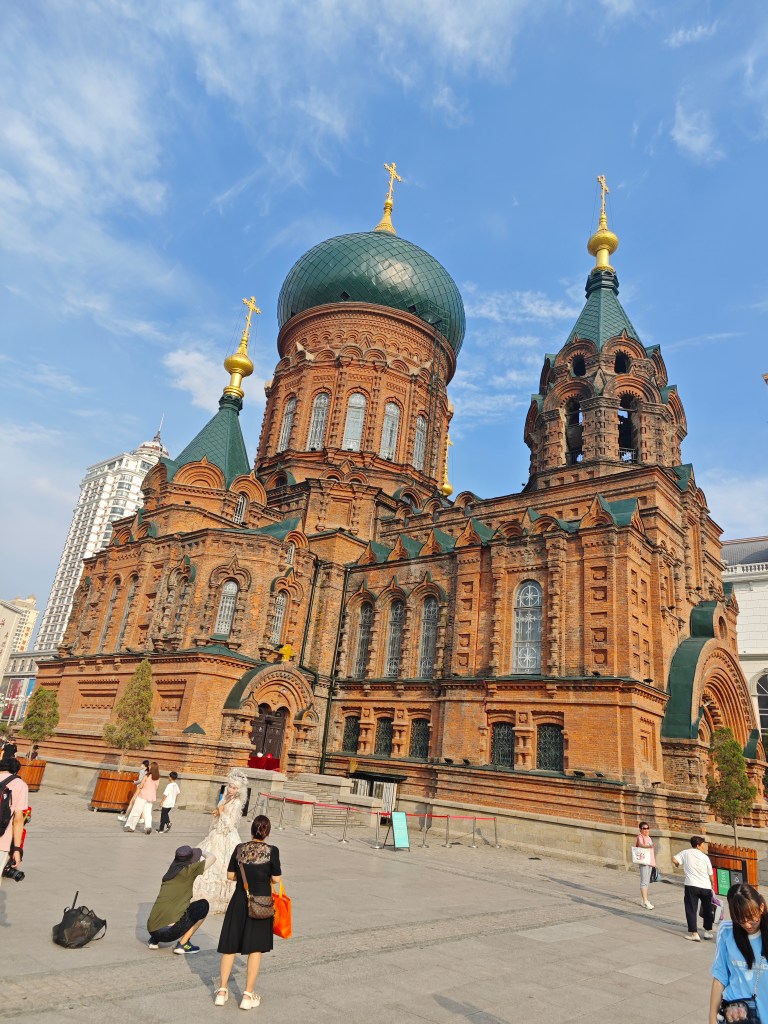
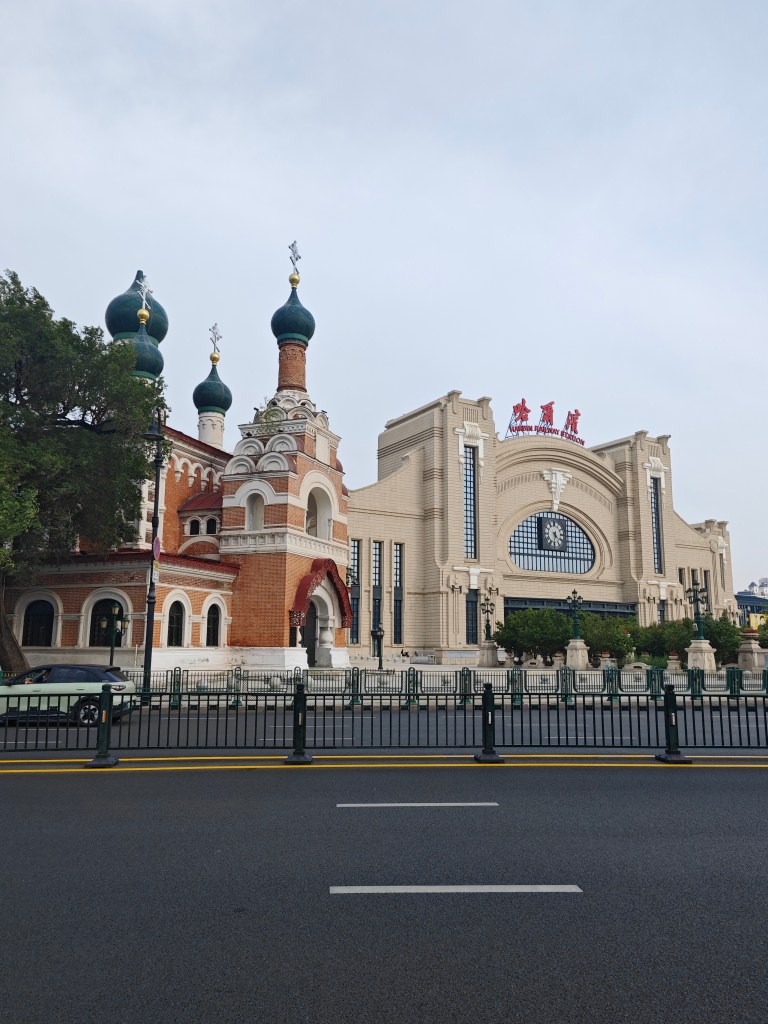
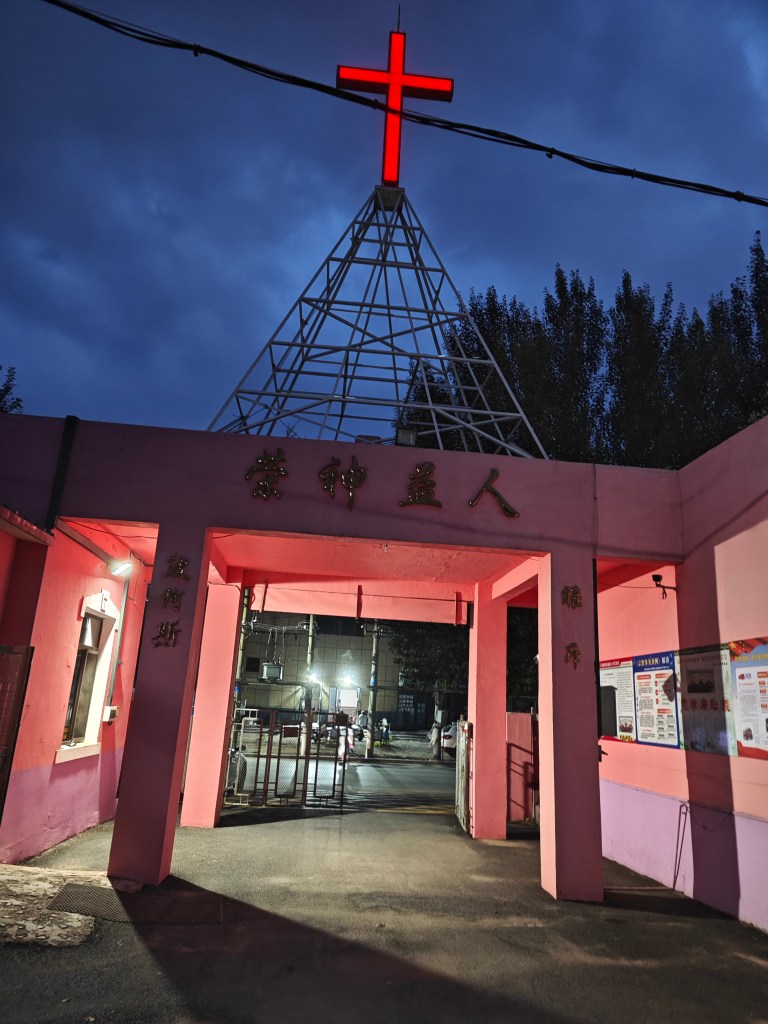
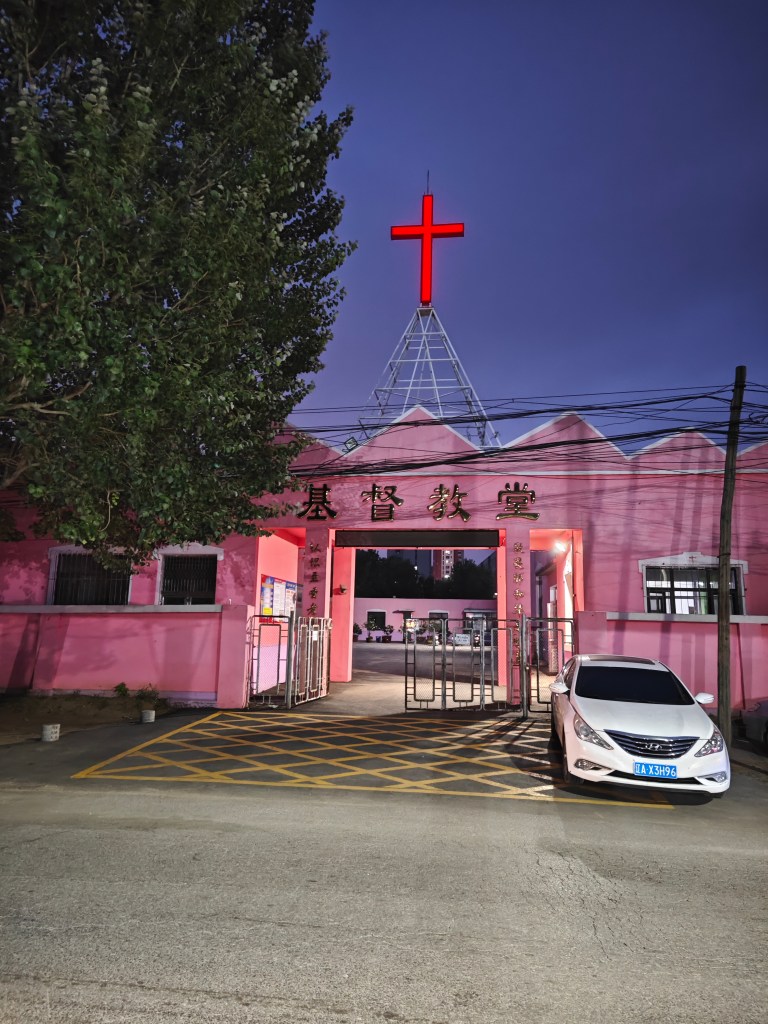
Orthodox and Protestant Christian churches in Harbin, Heilongjiang province – Both Orthodox churches are now historical heritage sites and are no longer providing religious services. The Protestant Christian church is still functional and is a rare find. I only found another Protestant church in Qingdao, Shandong province, which is a German colonial-era church, likely an Episcopal church, which is grander with Catholicism connections. This Protestant Christian church in Harbin is likely a non-denominational church for ordinary Christians.
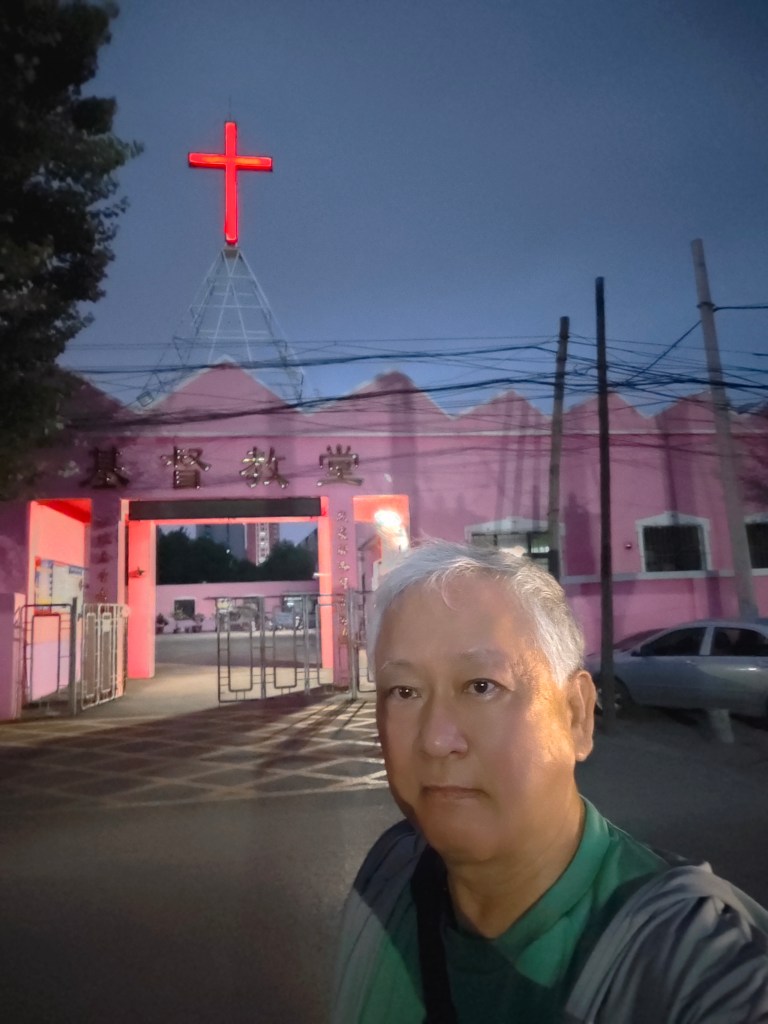
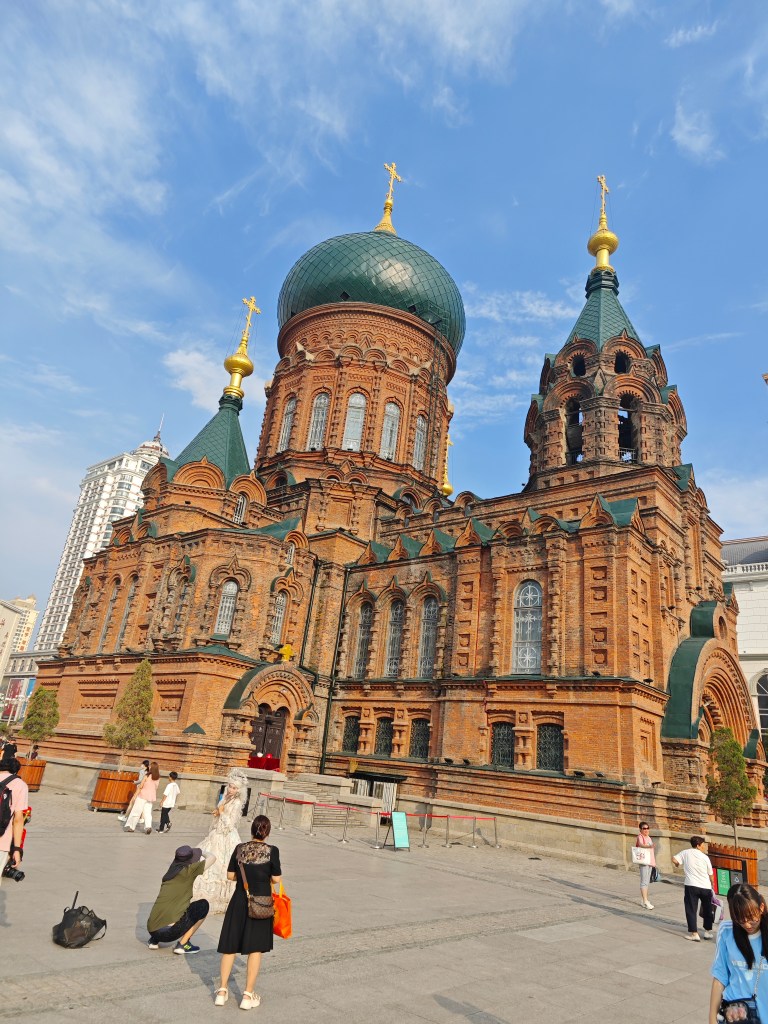

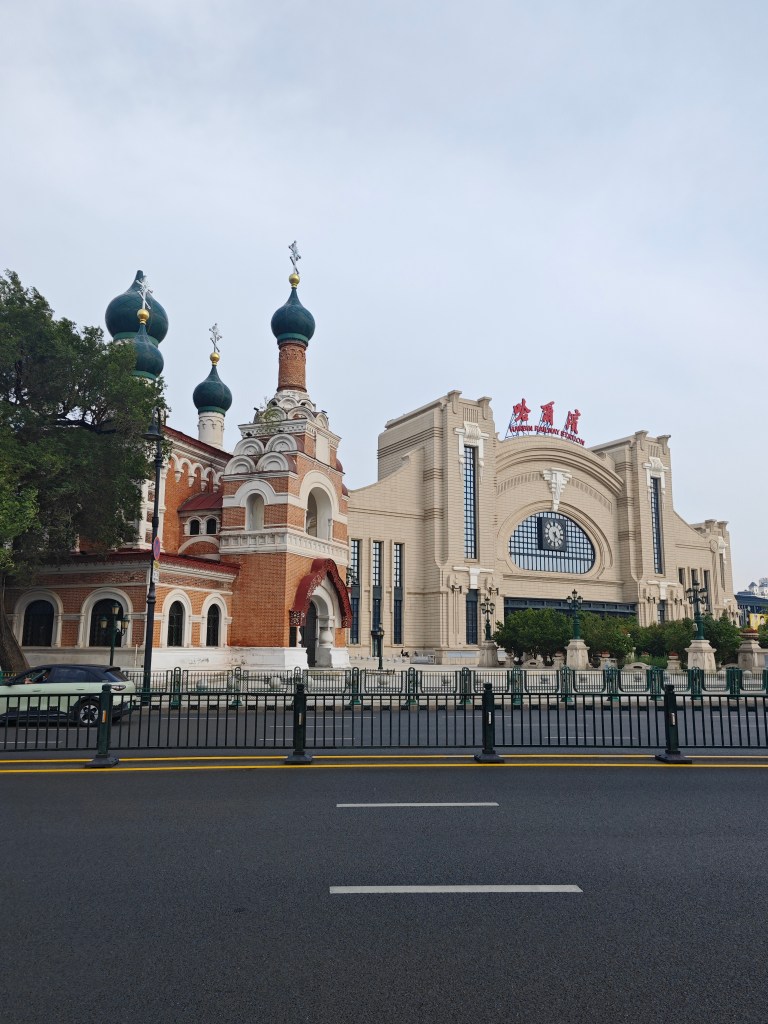
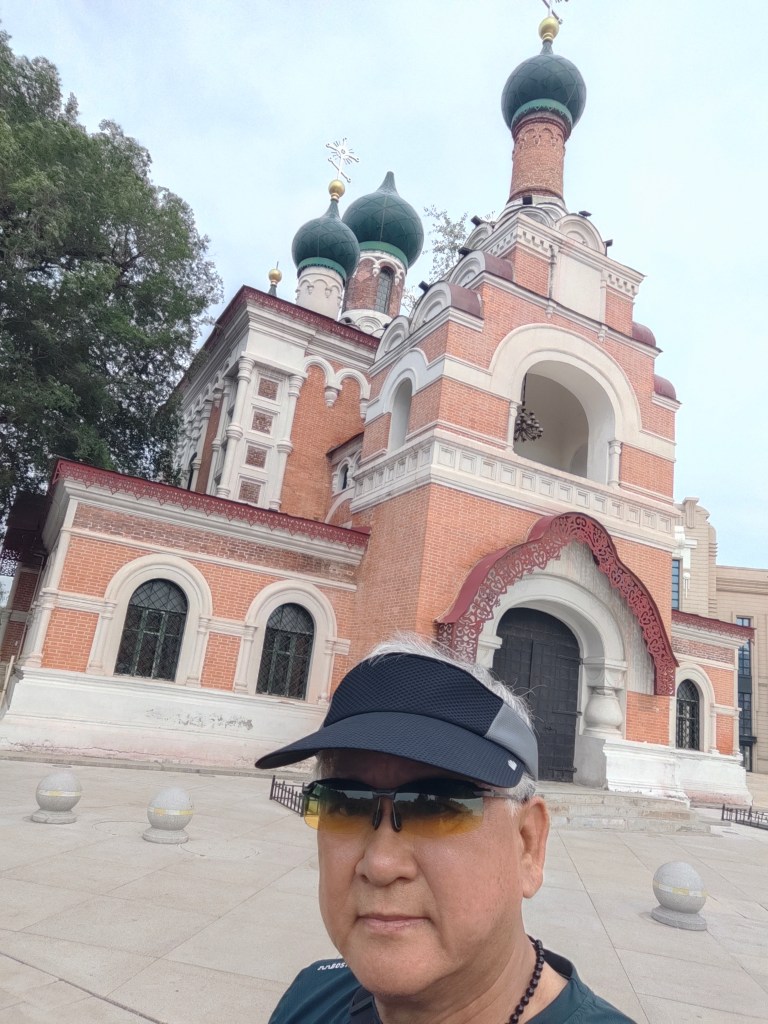
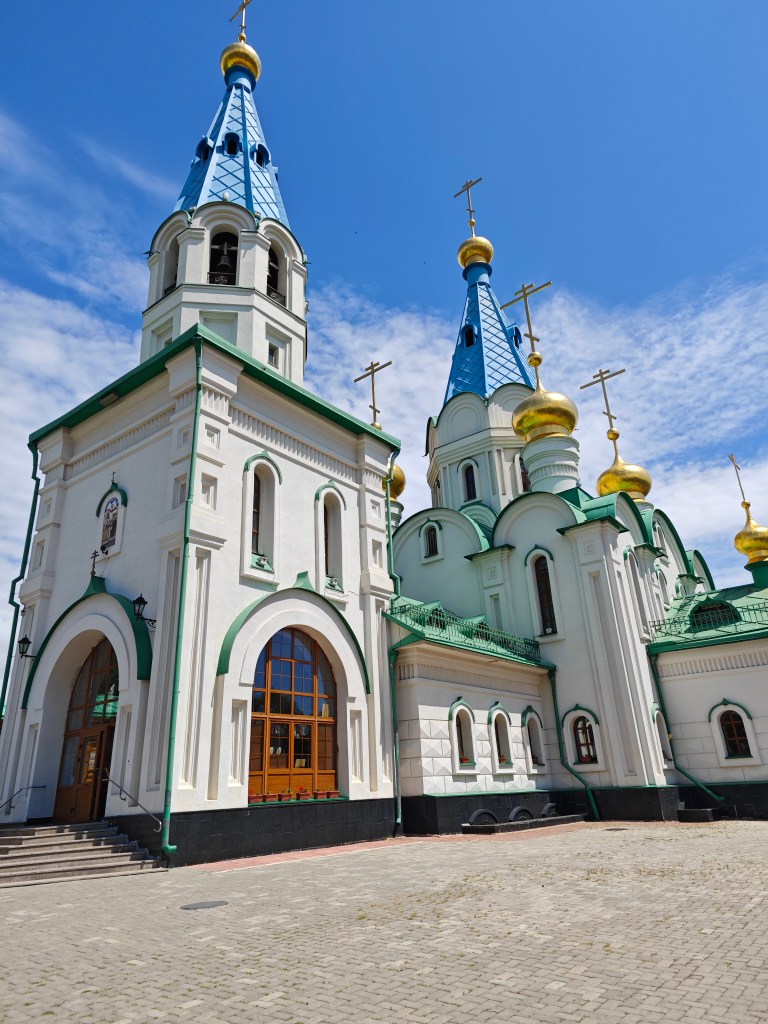
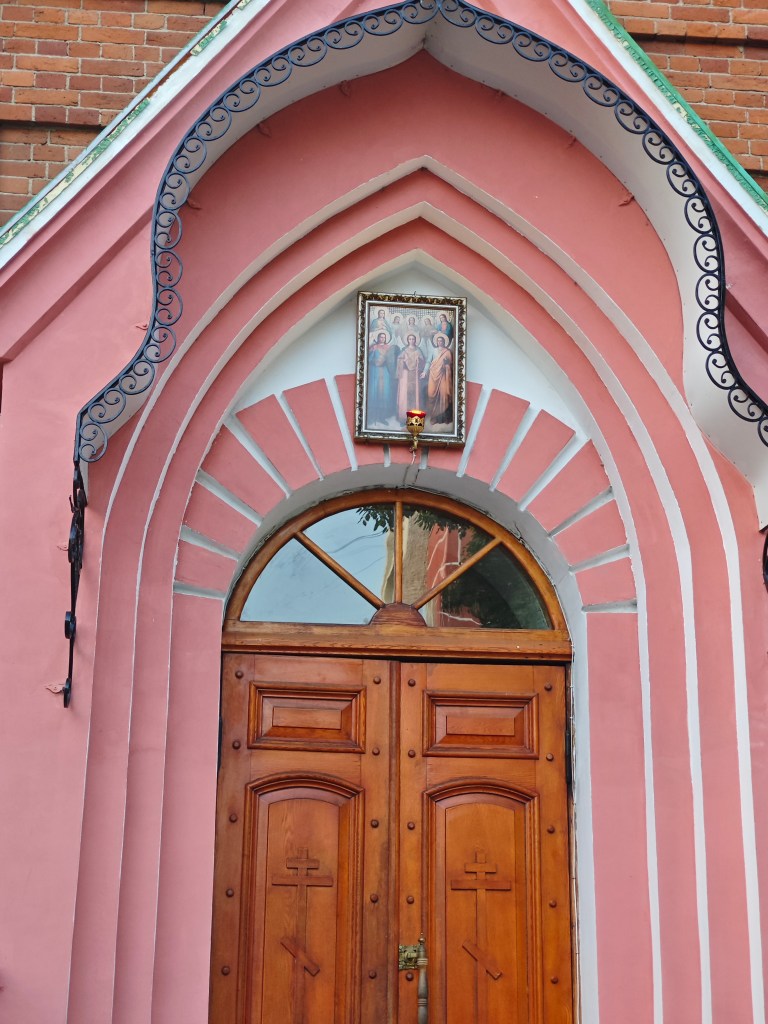
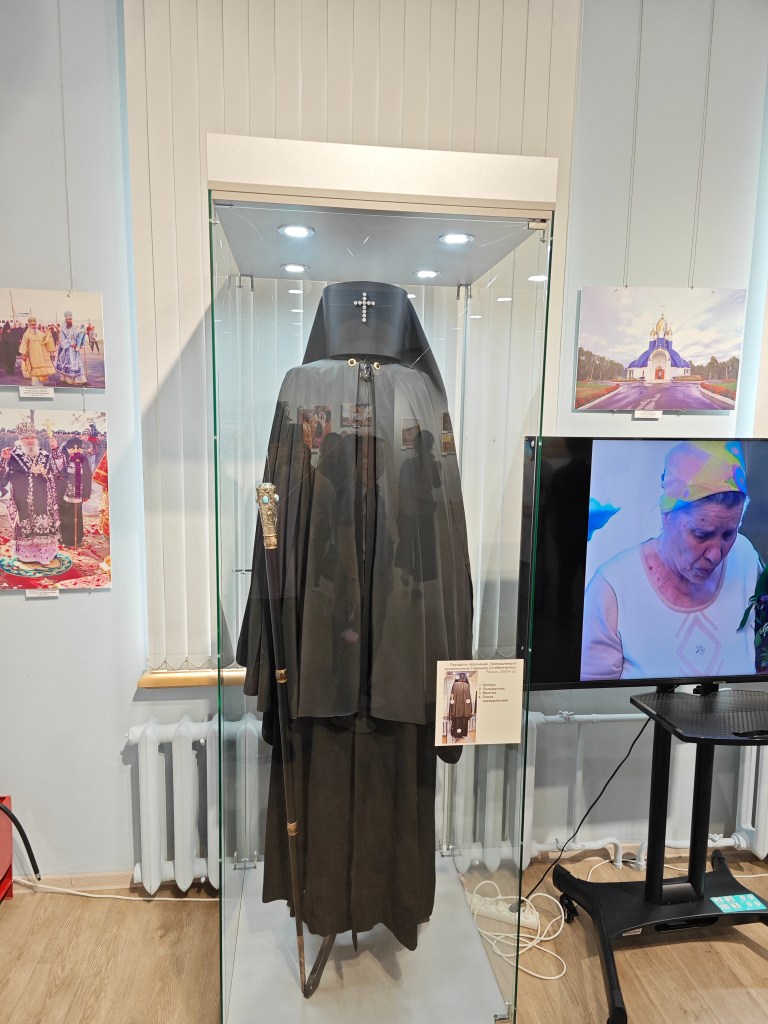
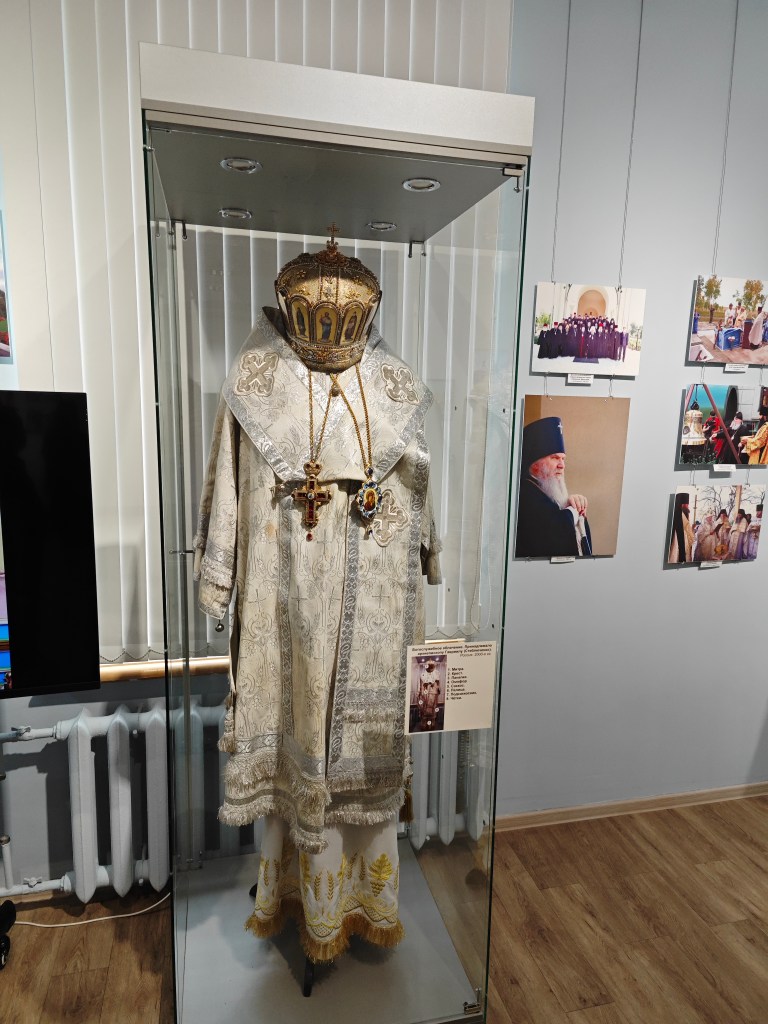
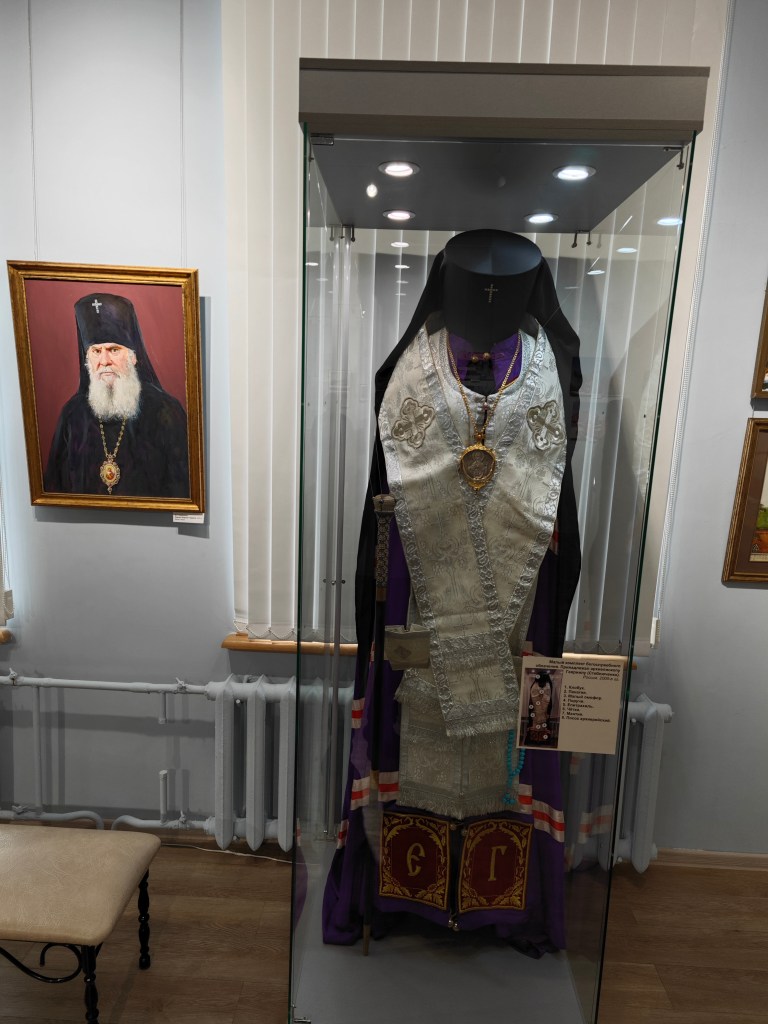
Orthodox churches in Blagoveshchensk, the capital city of Amur State, Russia, are located across the Amur River 黑龙江 from the Chinese city of Heihe 黑河市, which was known as Aihui 瑷珲 during the Qing Dynasty. Blagoveshchensk was formerly called Hailanpao 海蓝泡 in the Qing Dynasty and was forced to be taken over by the Russian Tsar army under the Aihui Treaty 瑷珲条约 and has been Russianized since. The large Orthodox church is the oldest Orthodox church in Eastern Russia and is still functional.





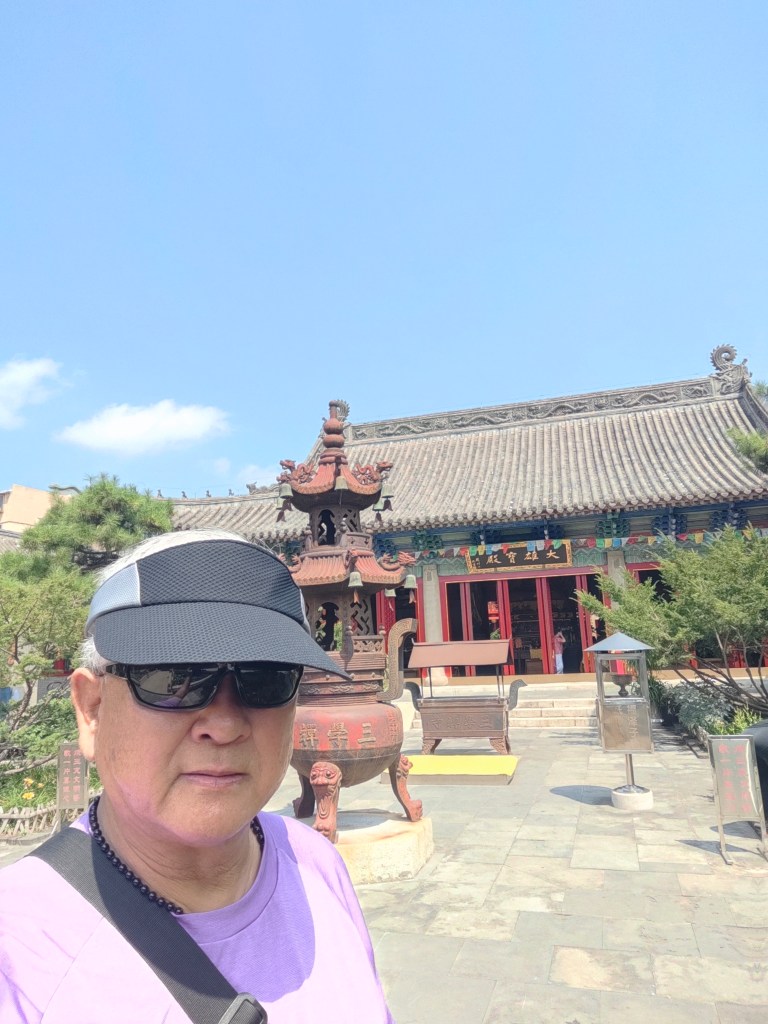
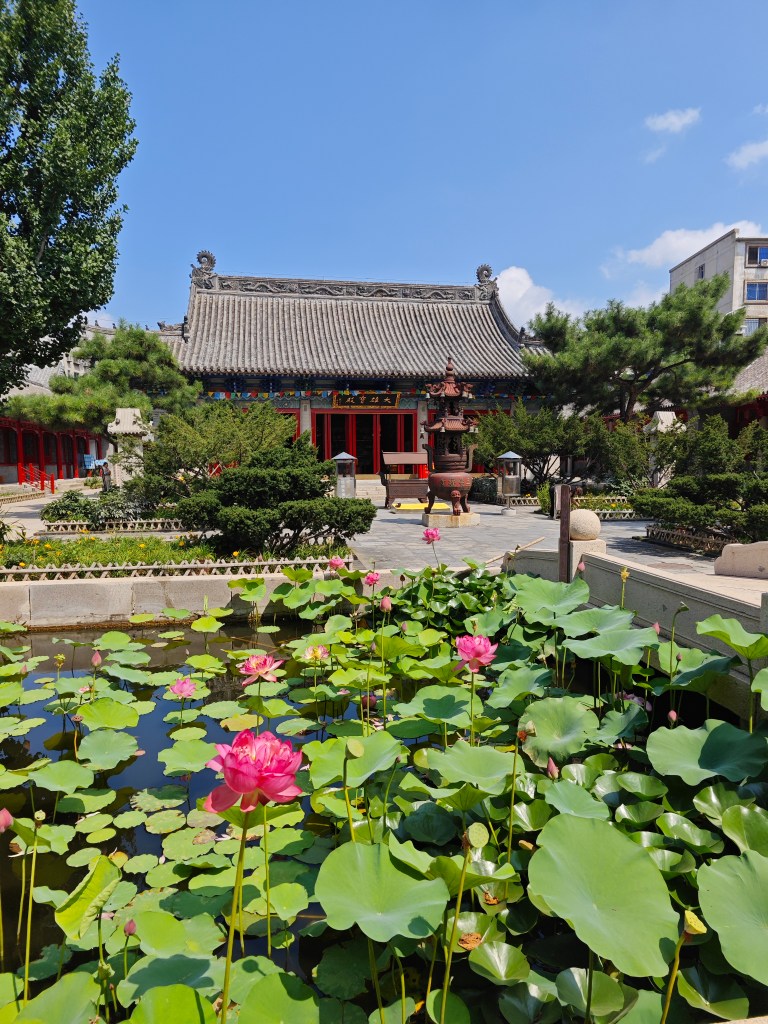
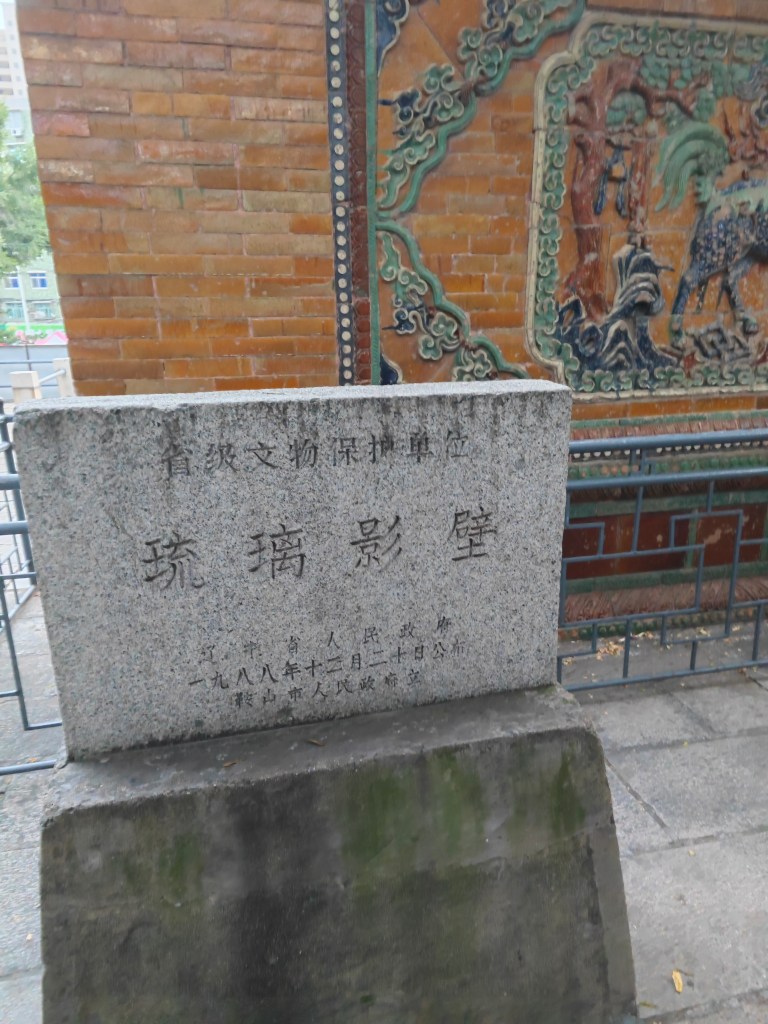
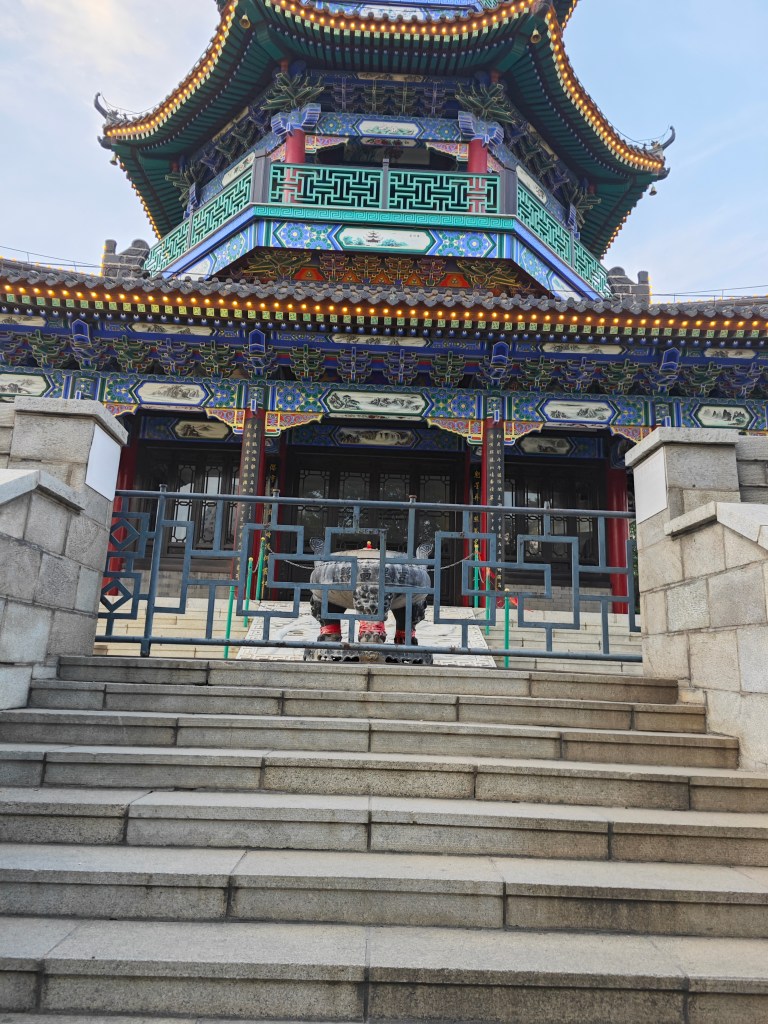
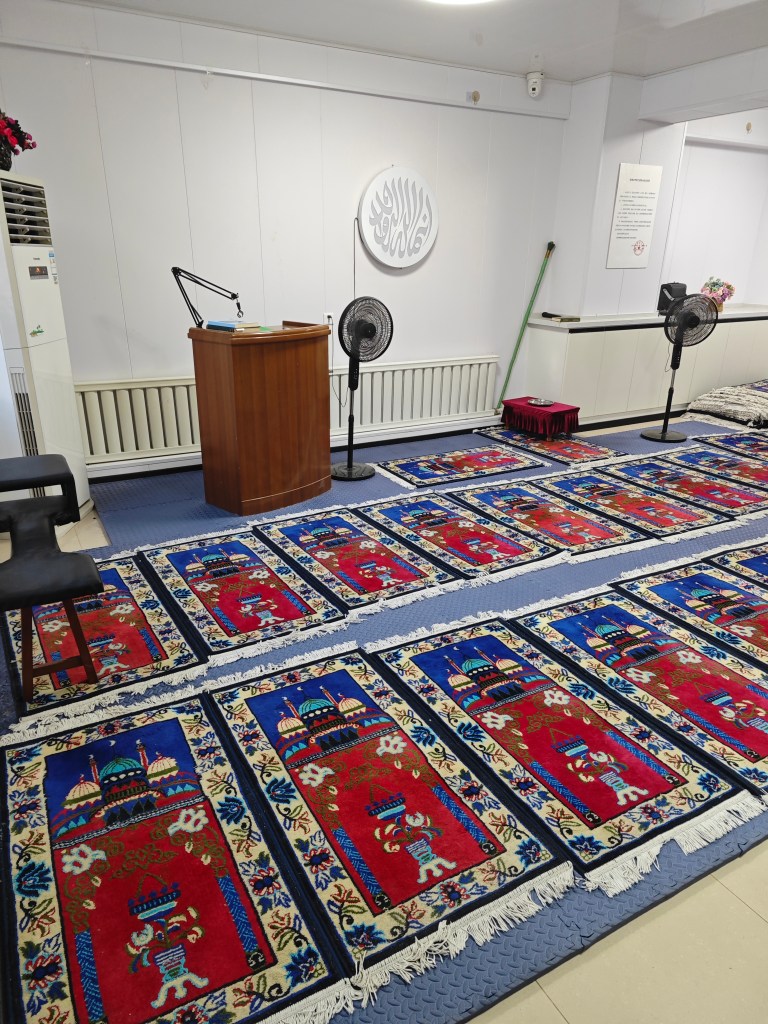
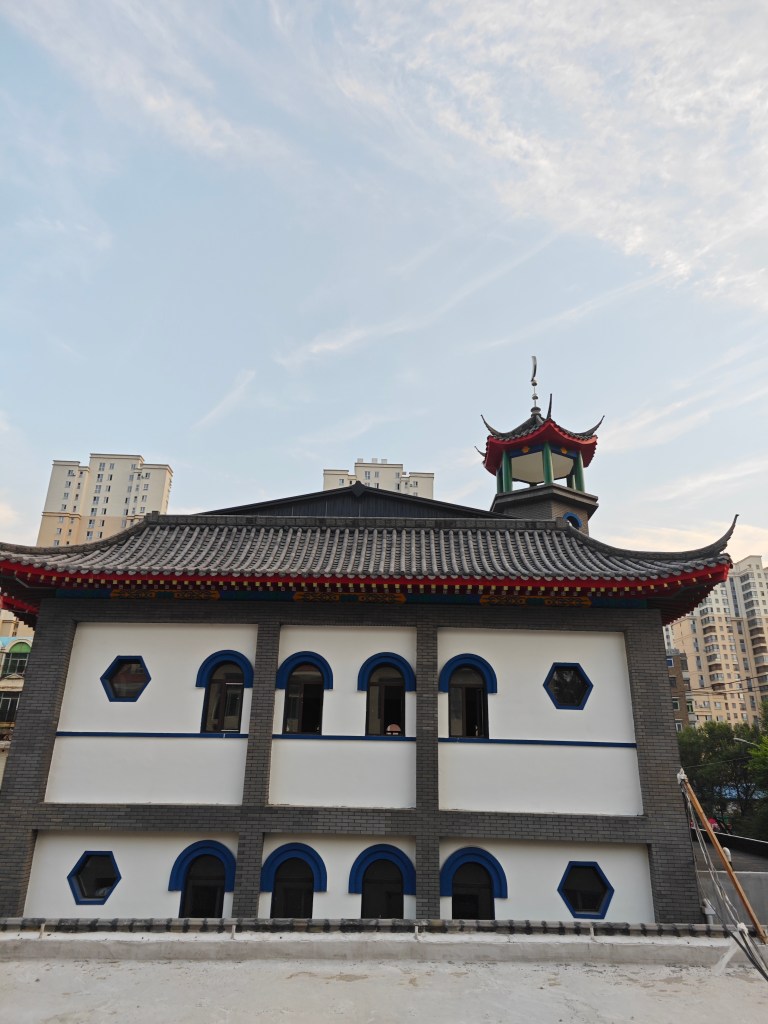
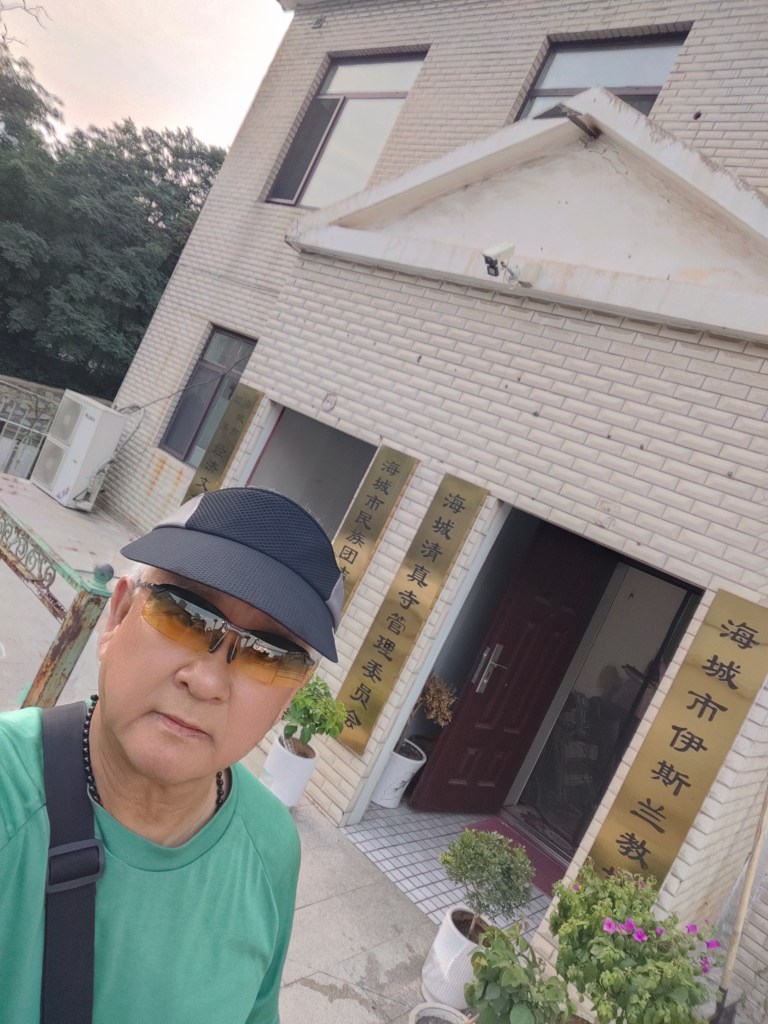
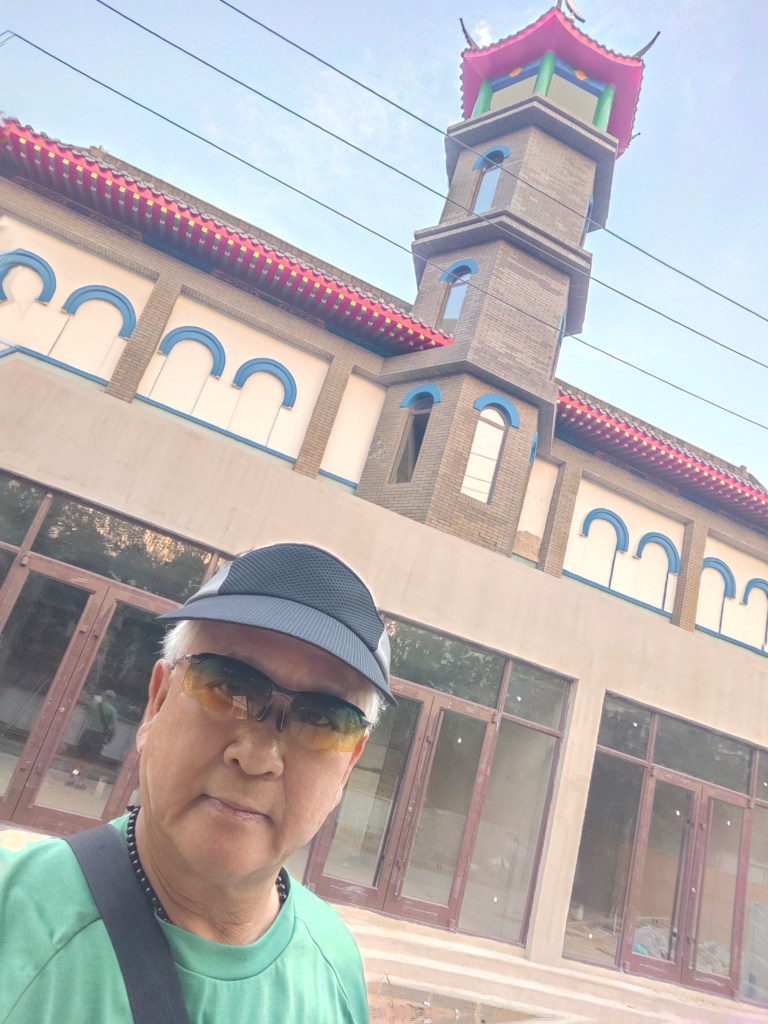
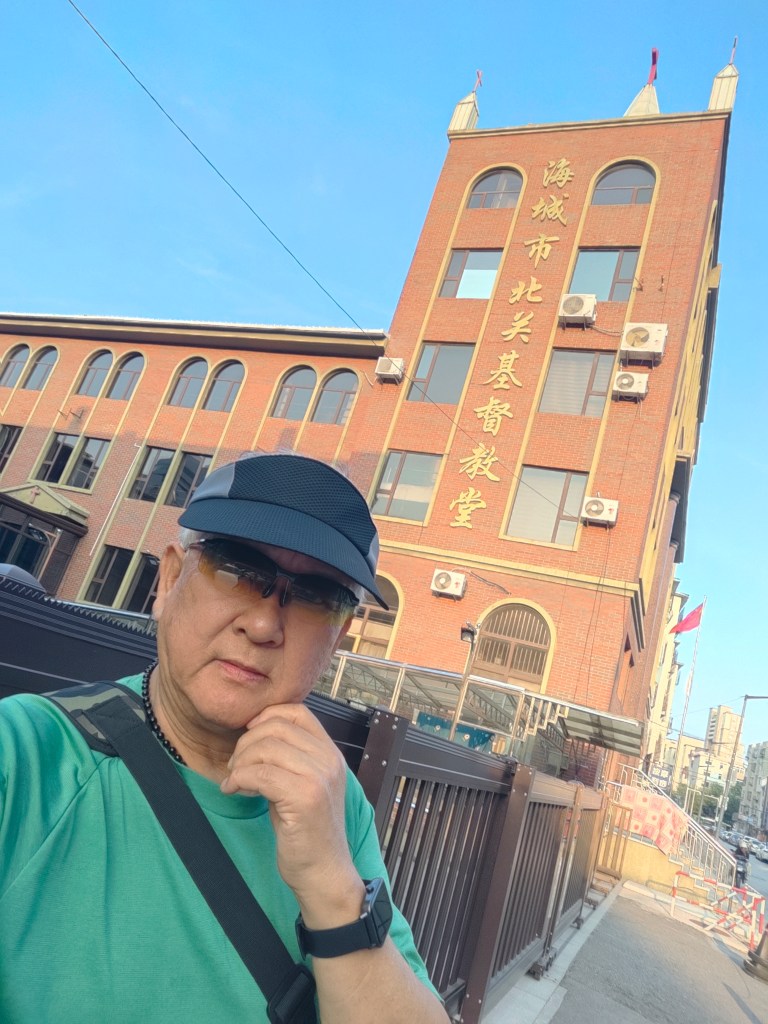
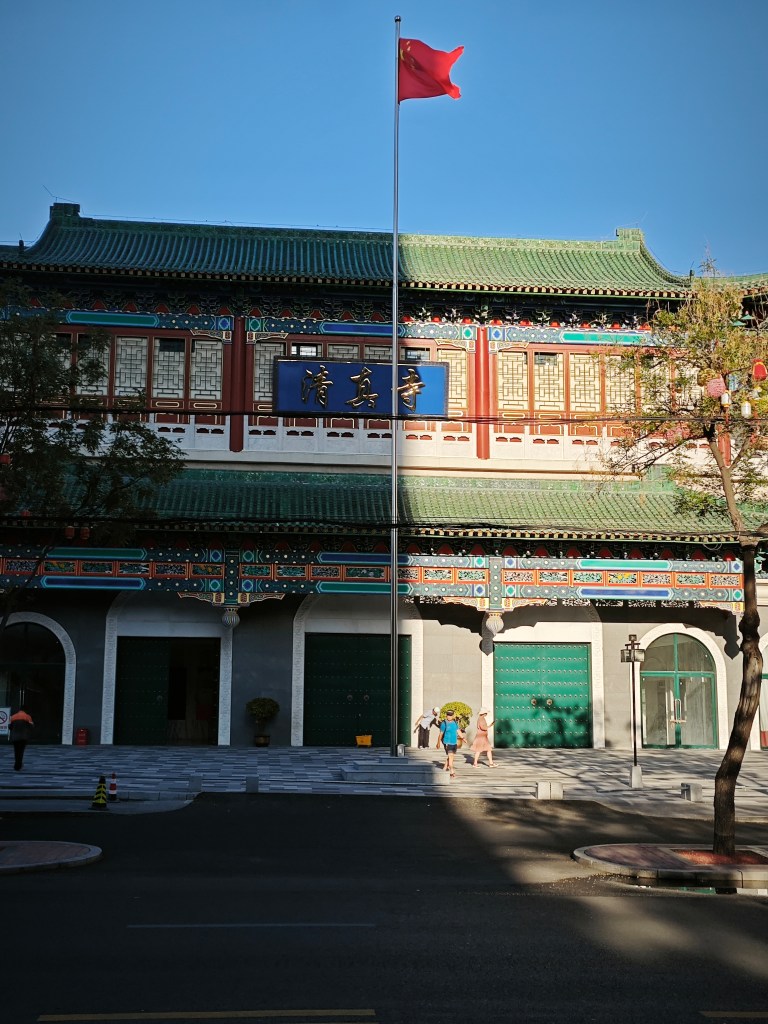
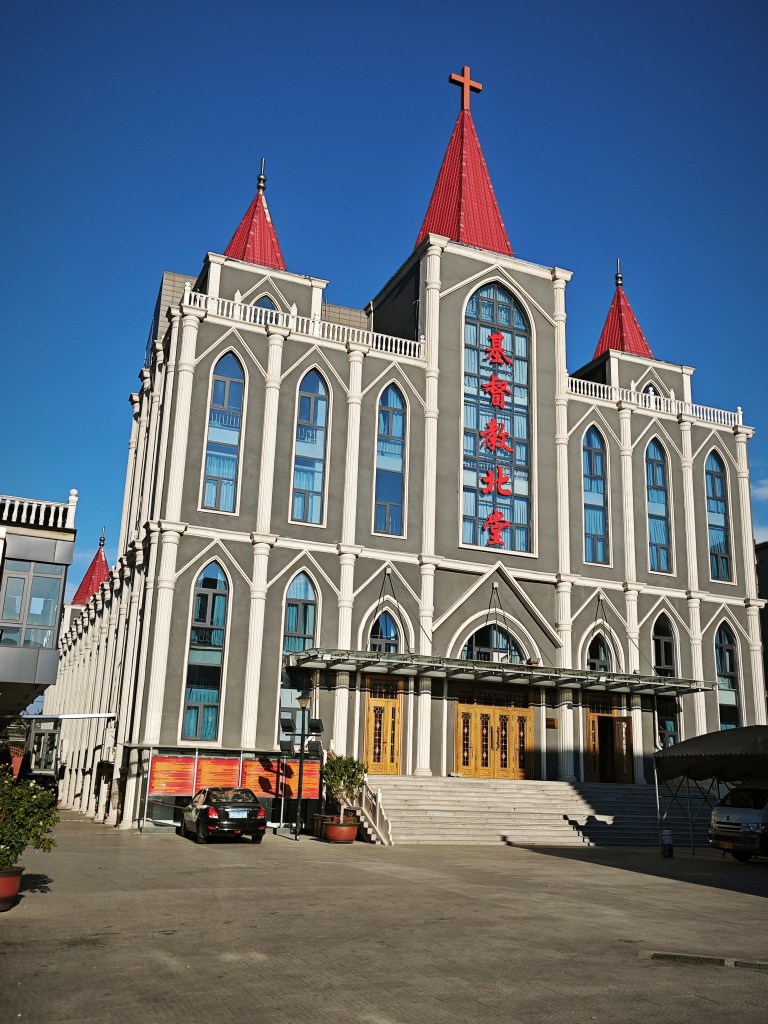
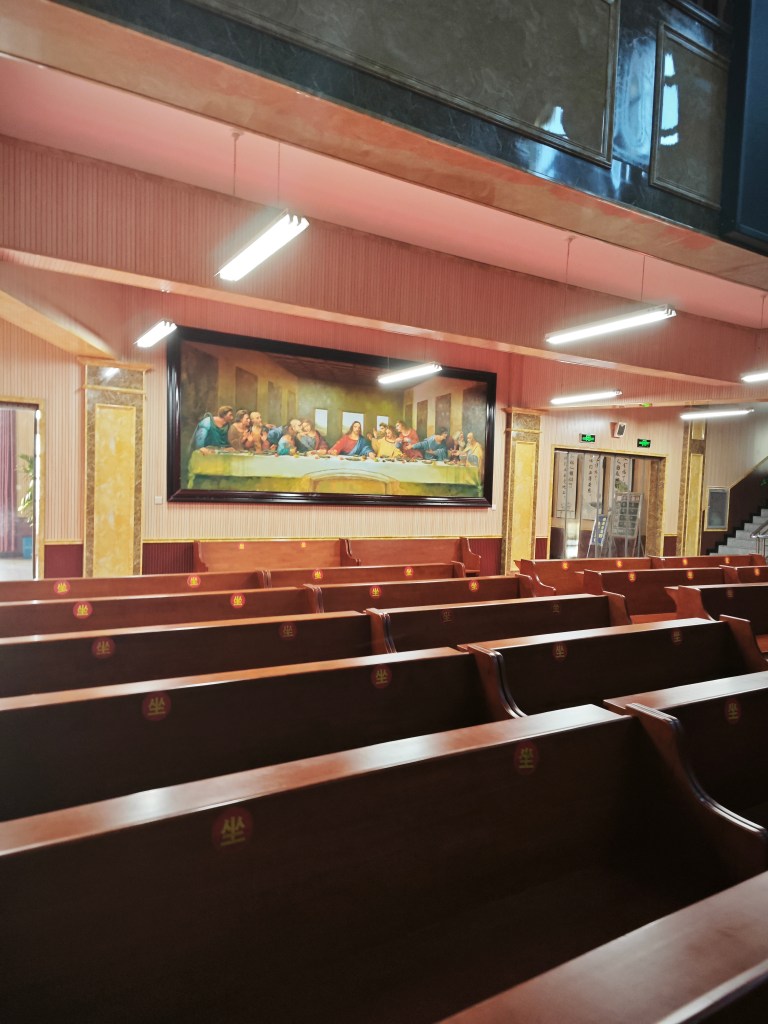
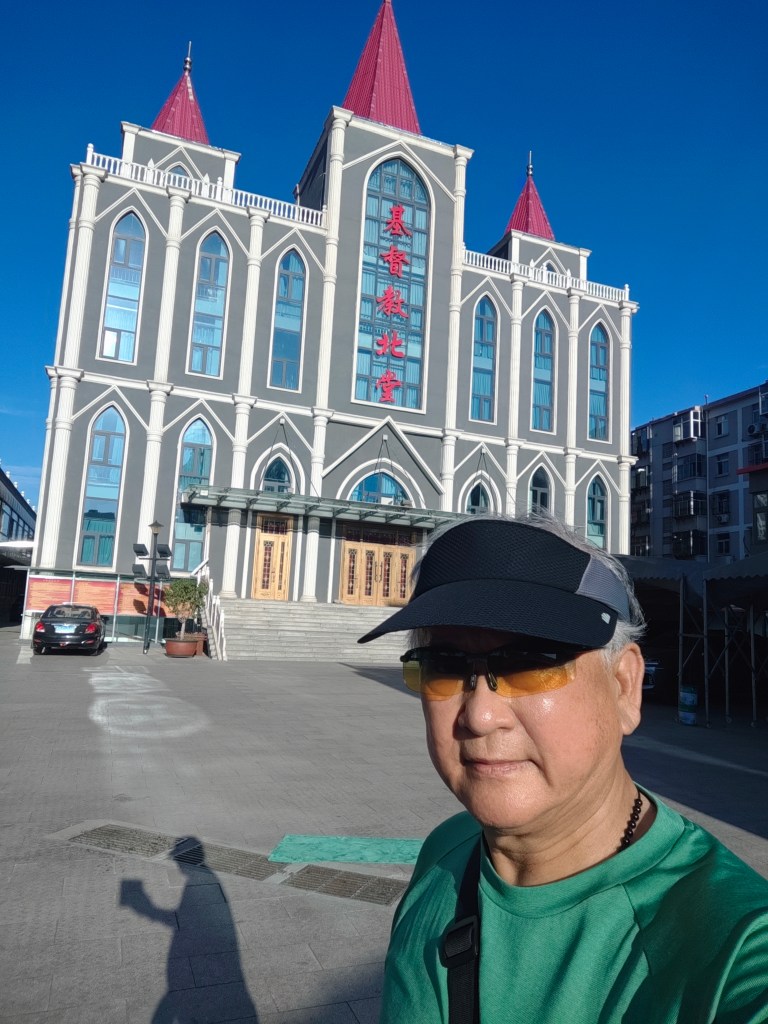
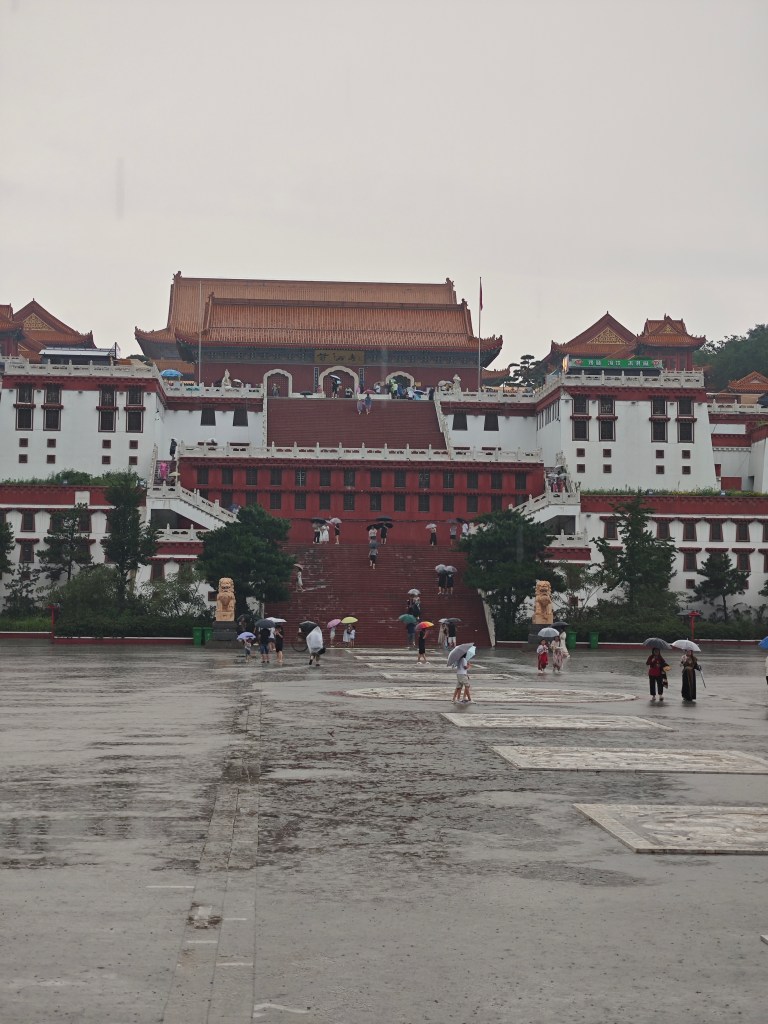
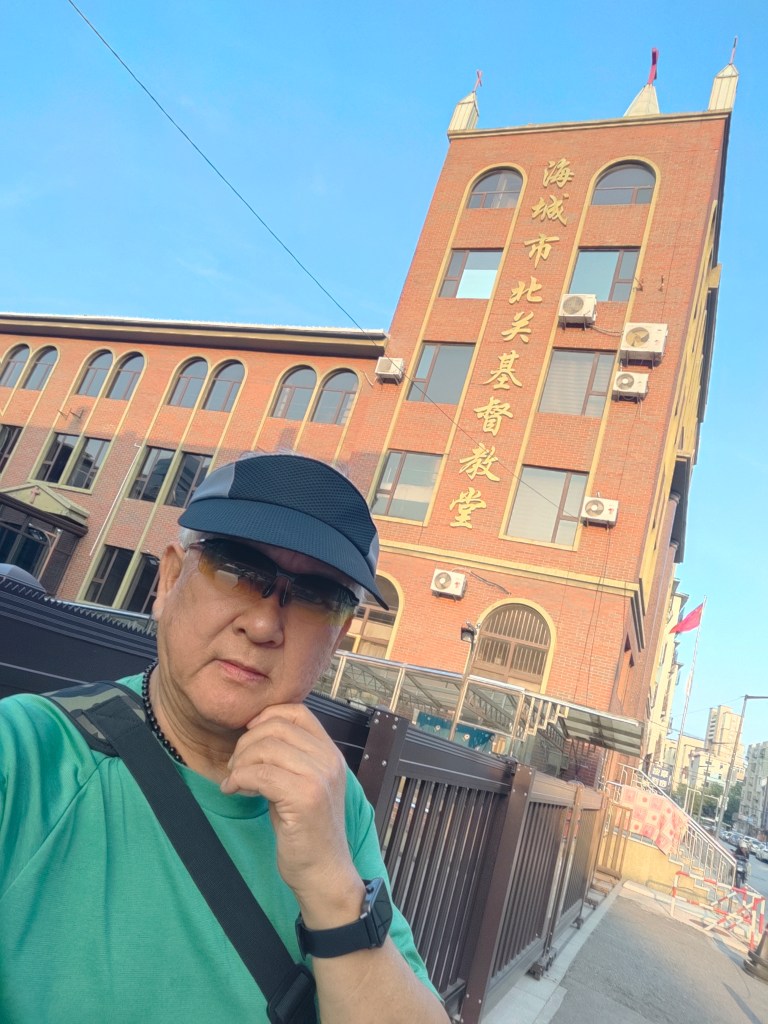
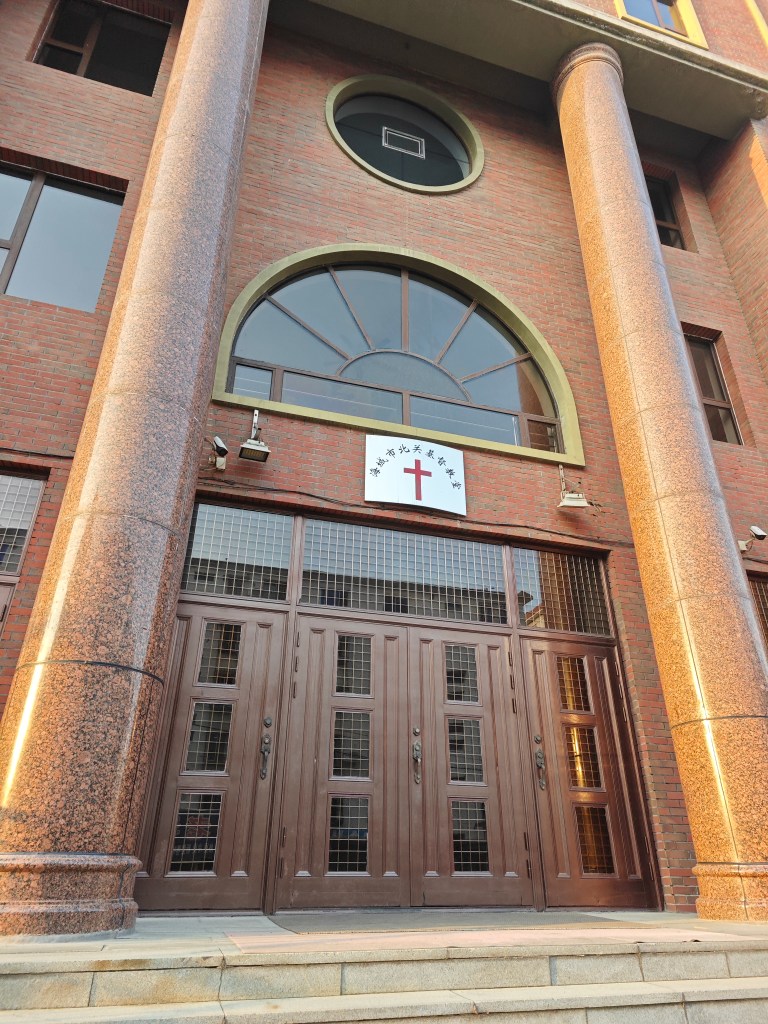
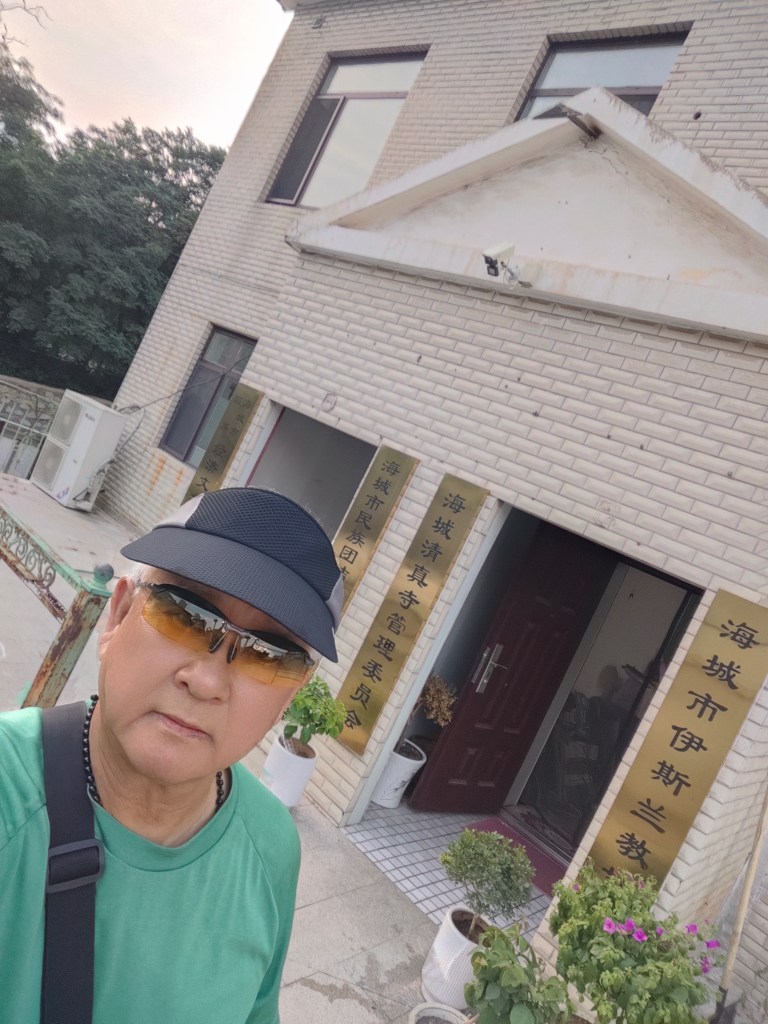
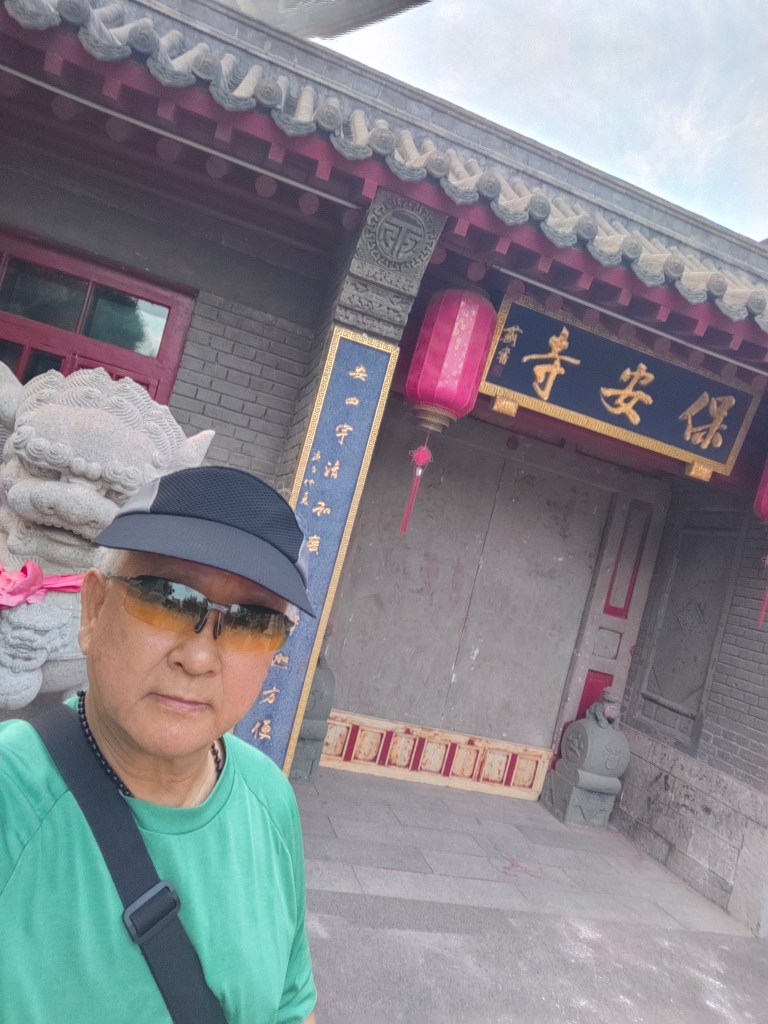
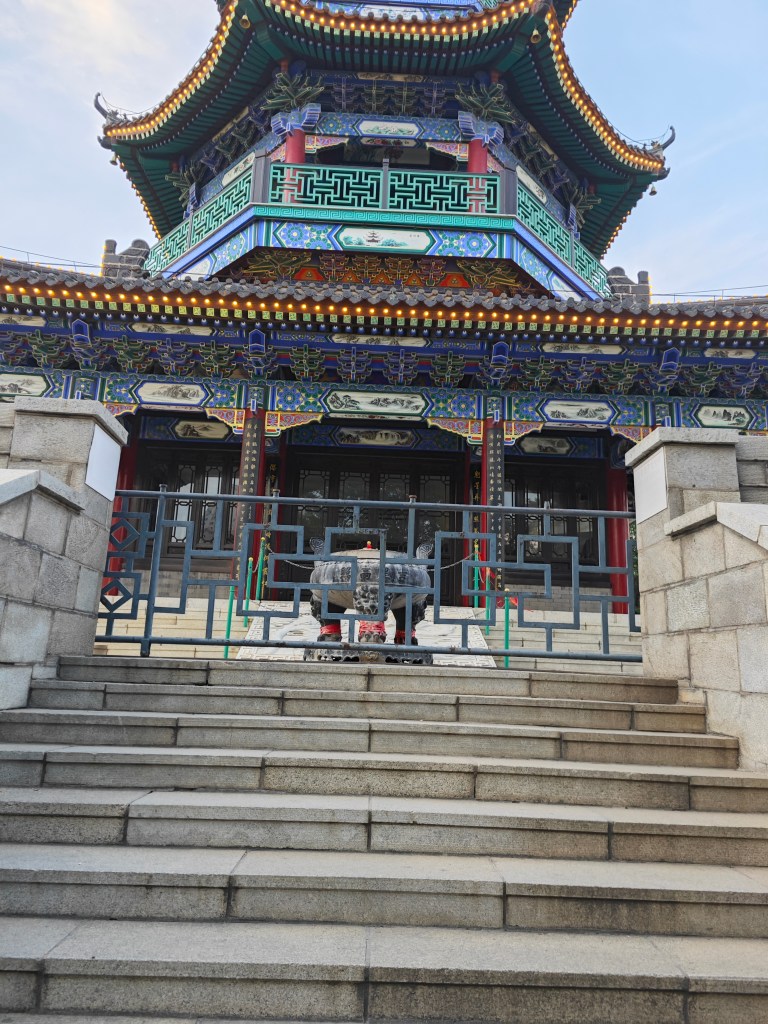
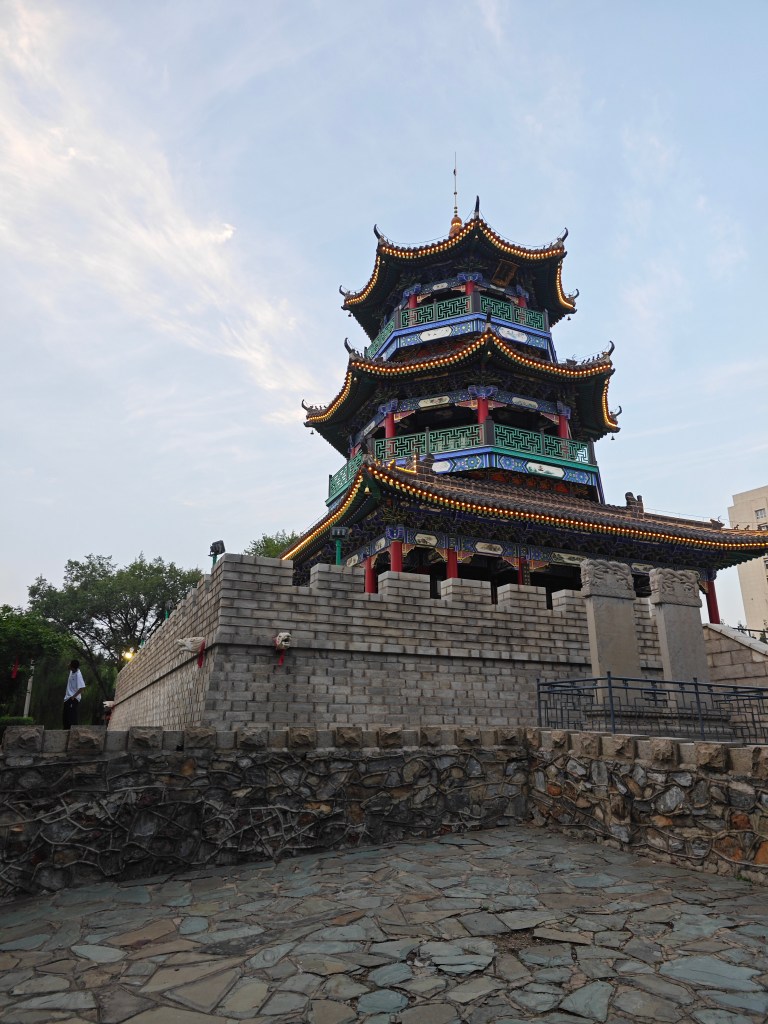
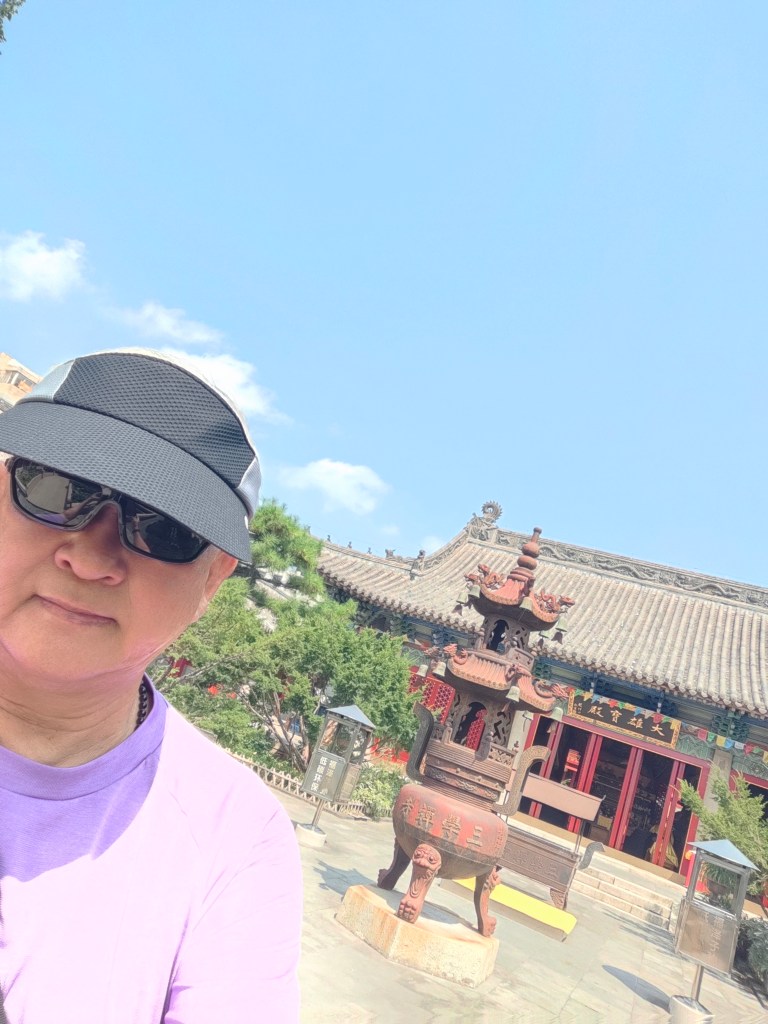
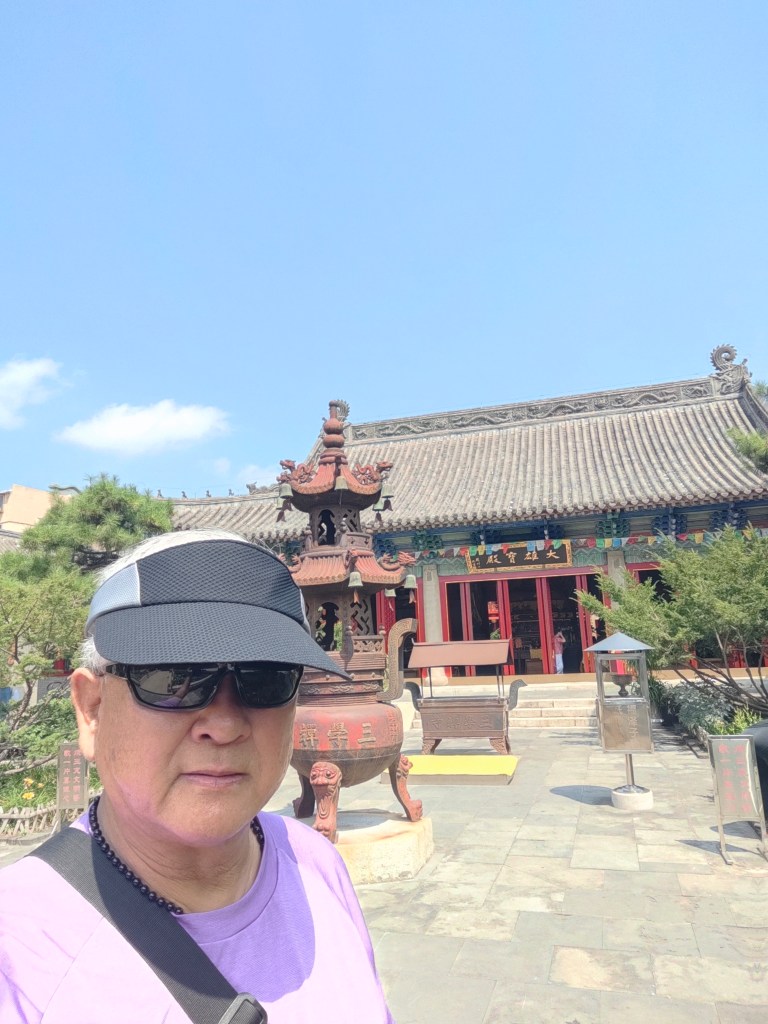
Haicheng海城 in Liaoning province is also a multi-faith small city with peaceful coexistence of Buddhism, Christianity, and Muslim temples and churches. I visited a large Buddhist nunnery in the center of the city that was quite unique…




 OHM
OHM 