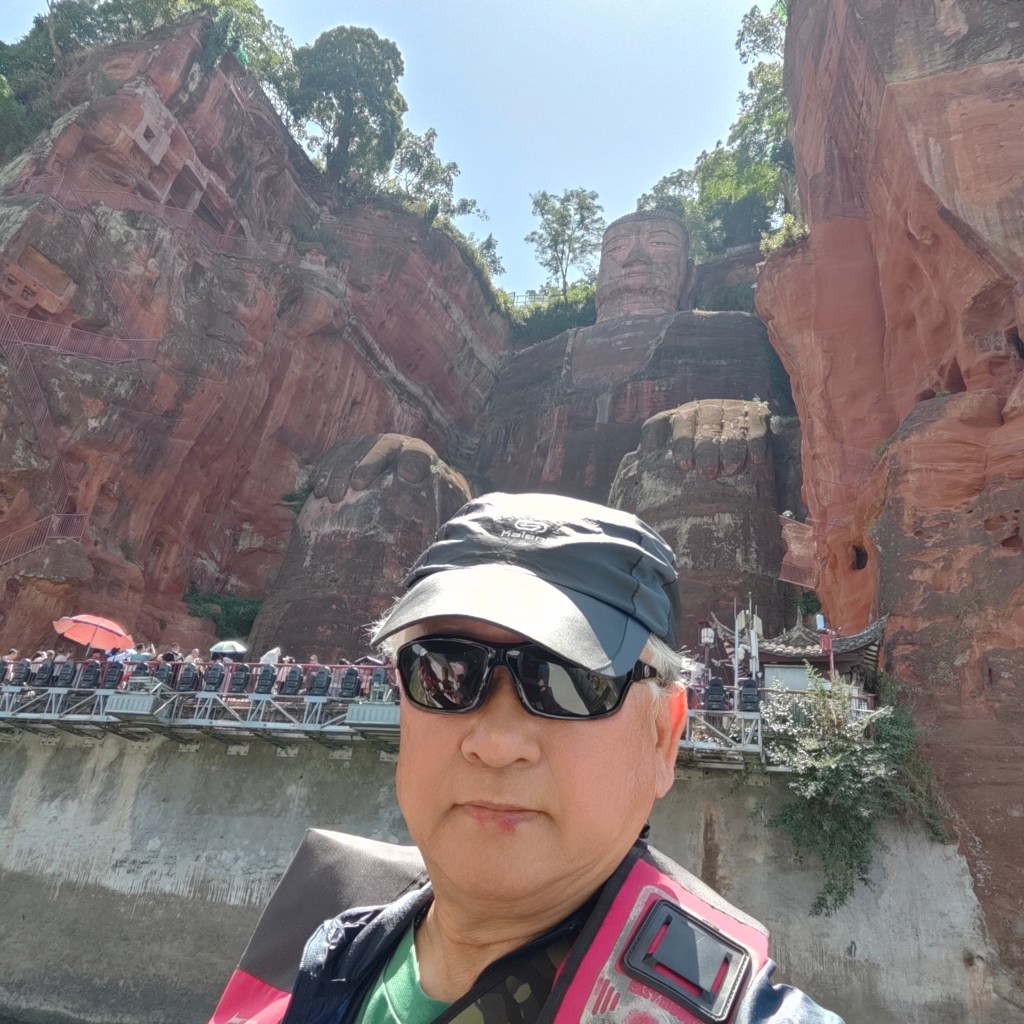
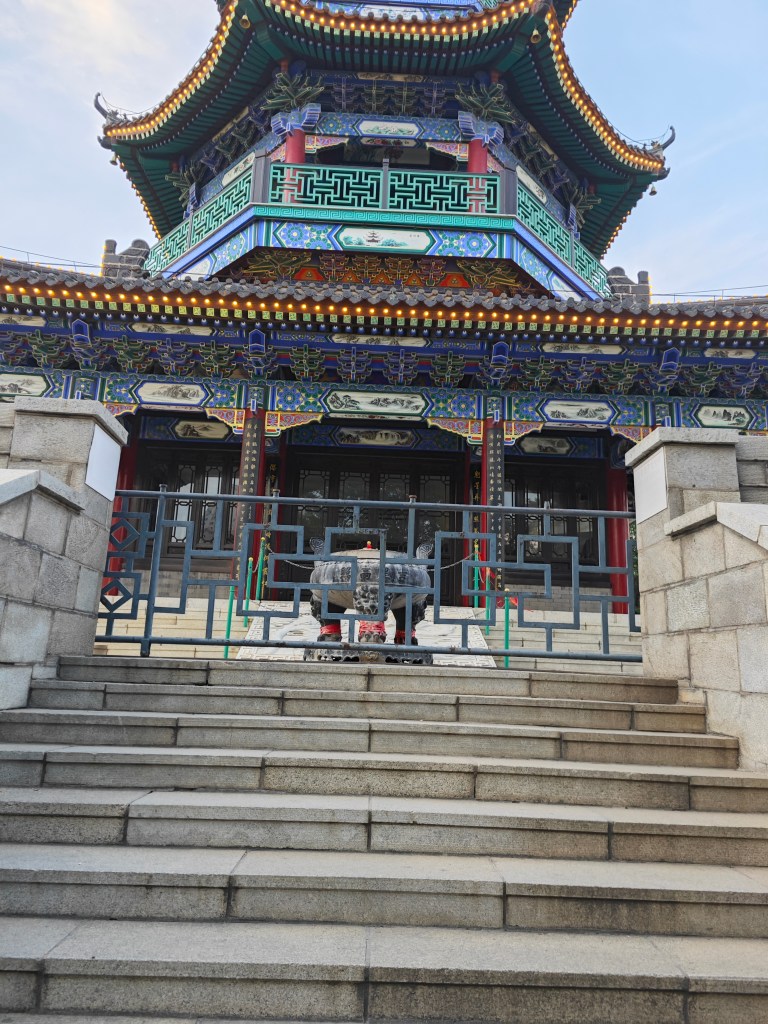
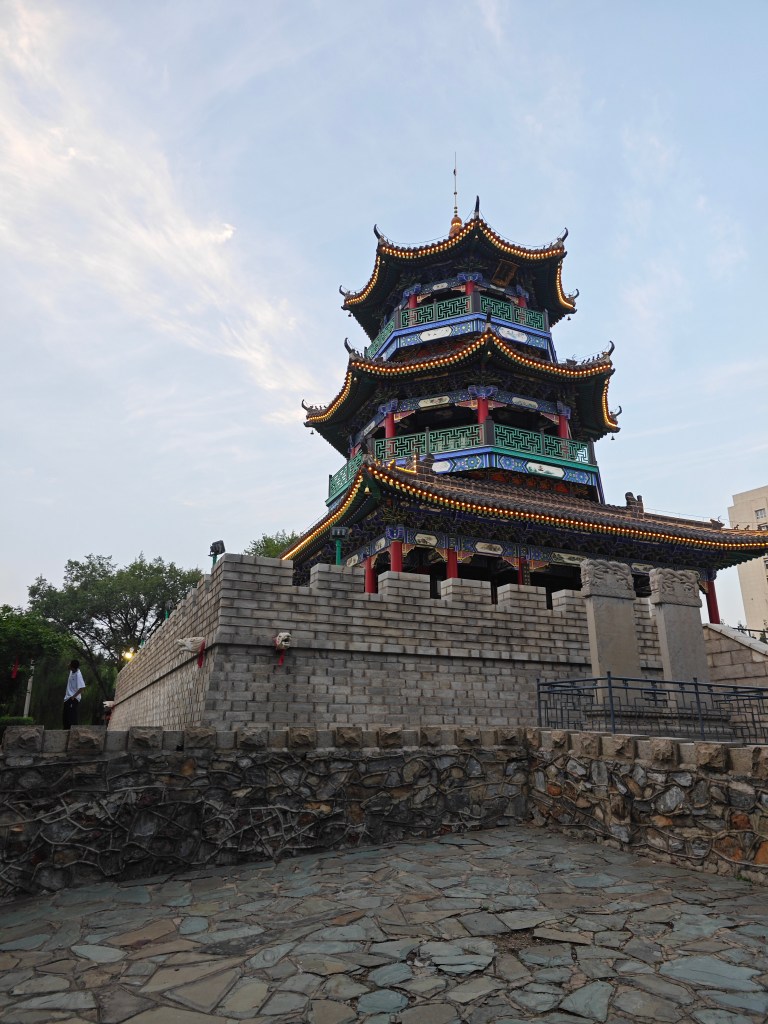
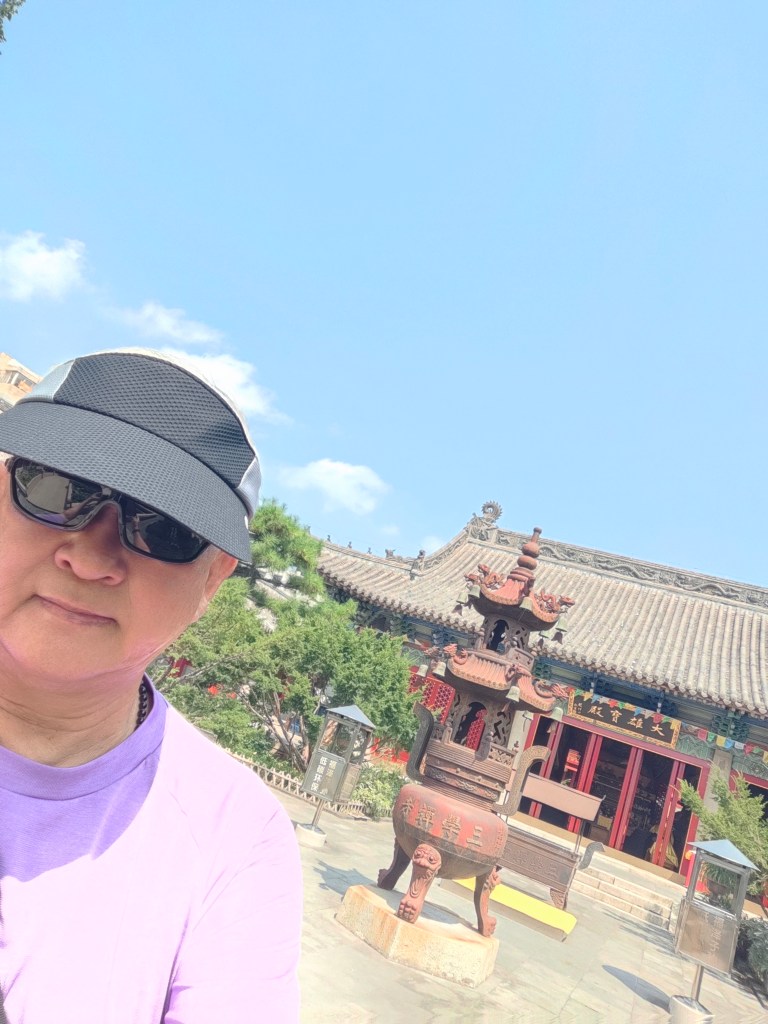
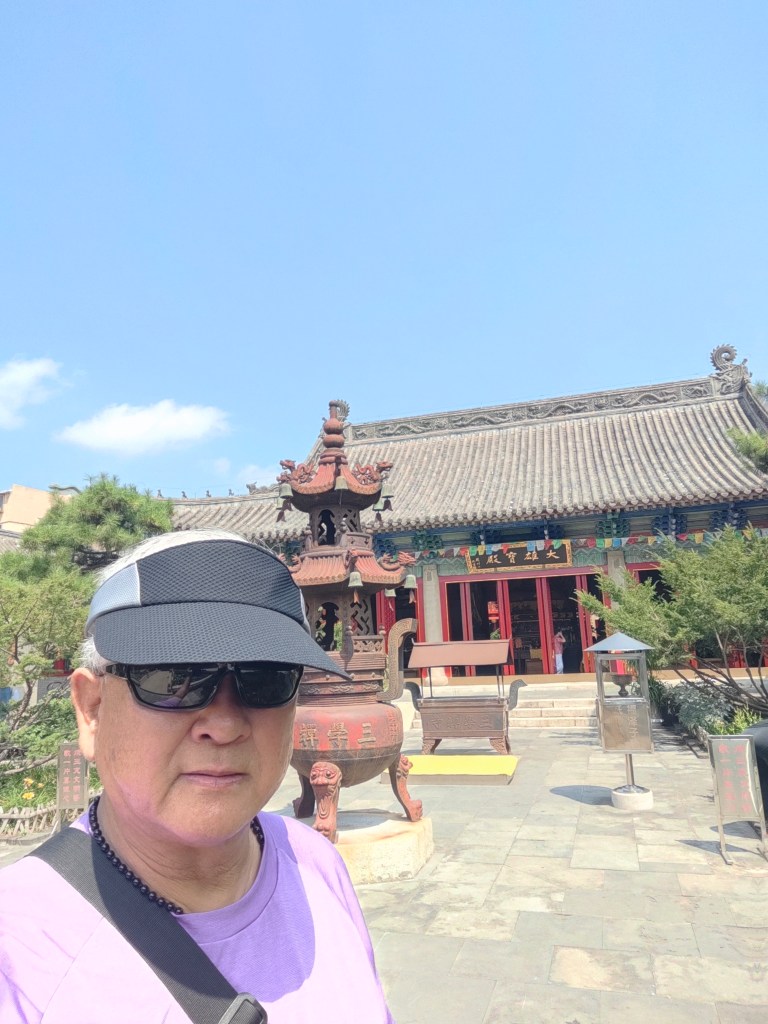
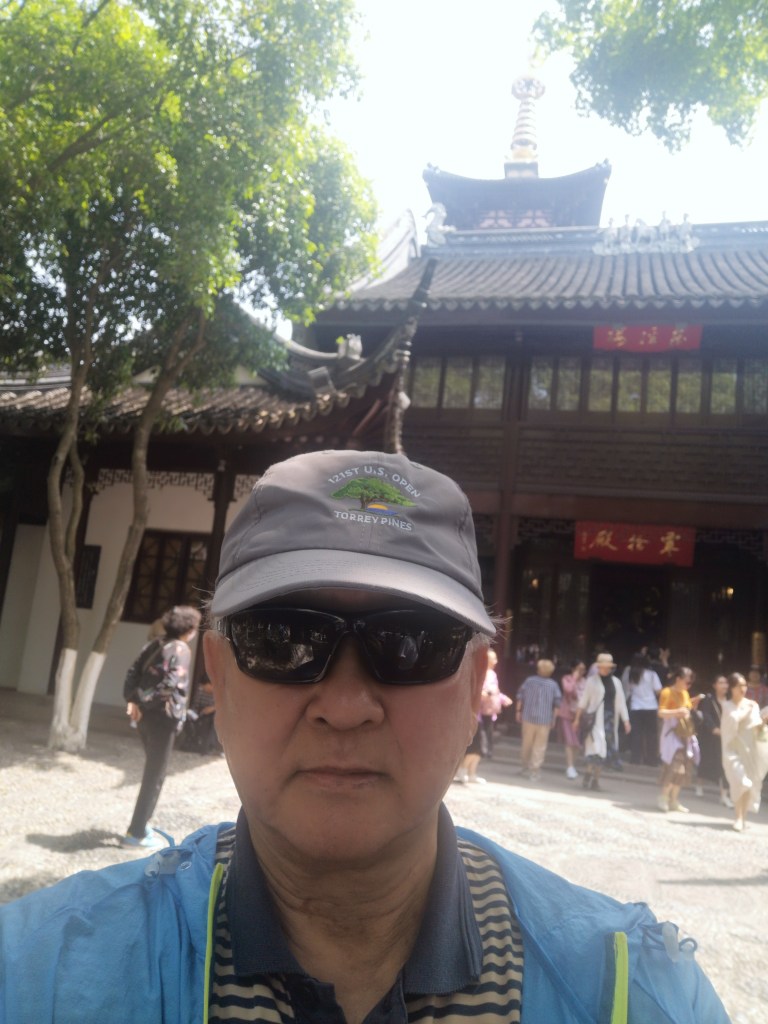
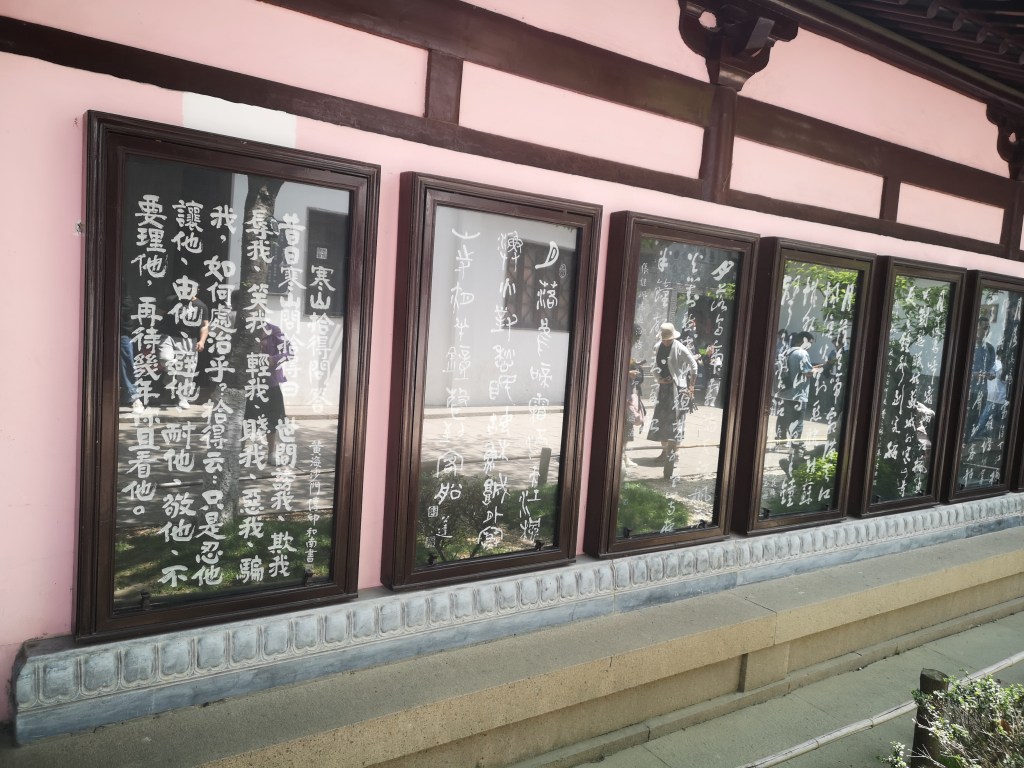
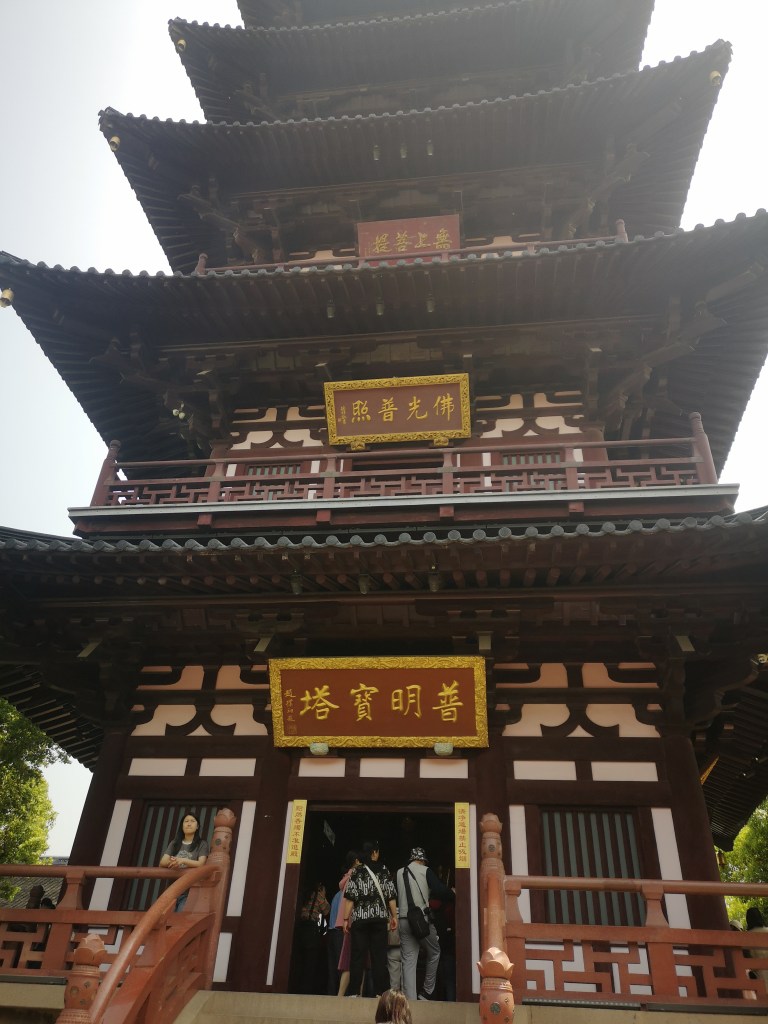
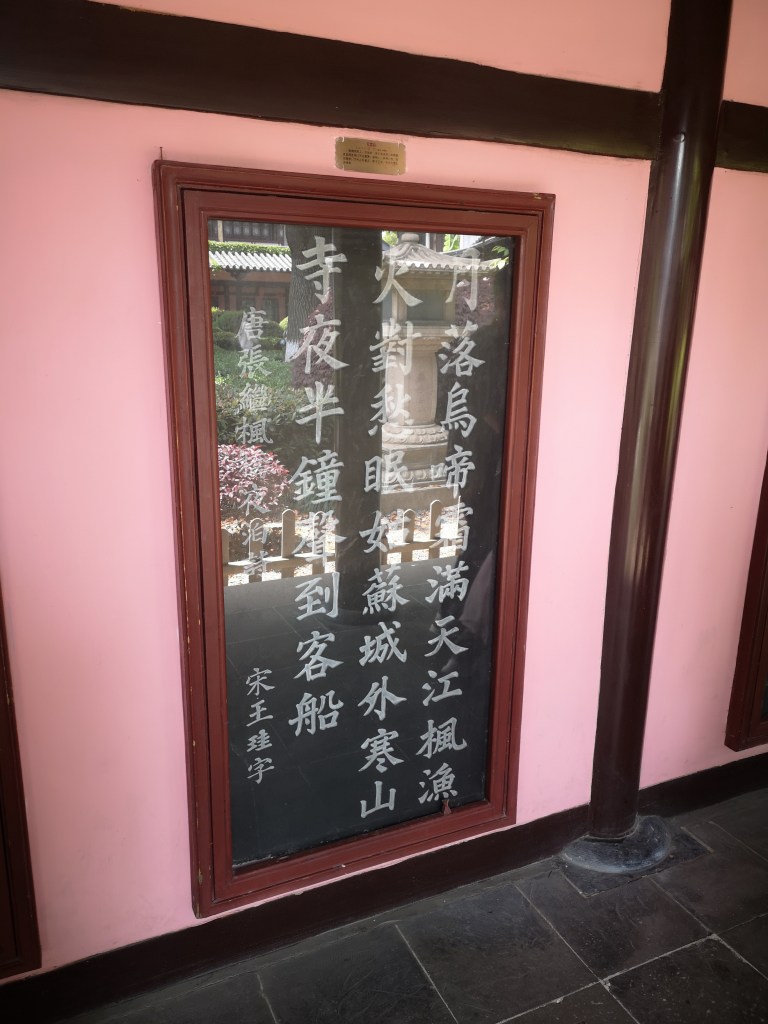
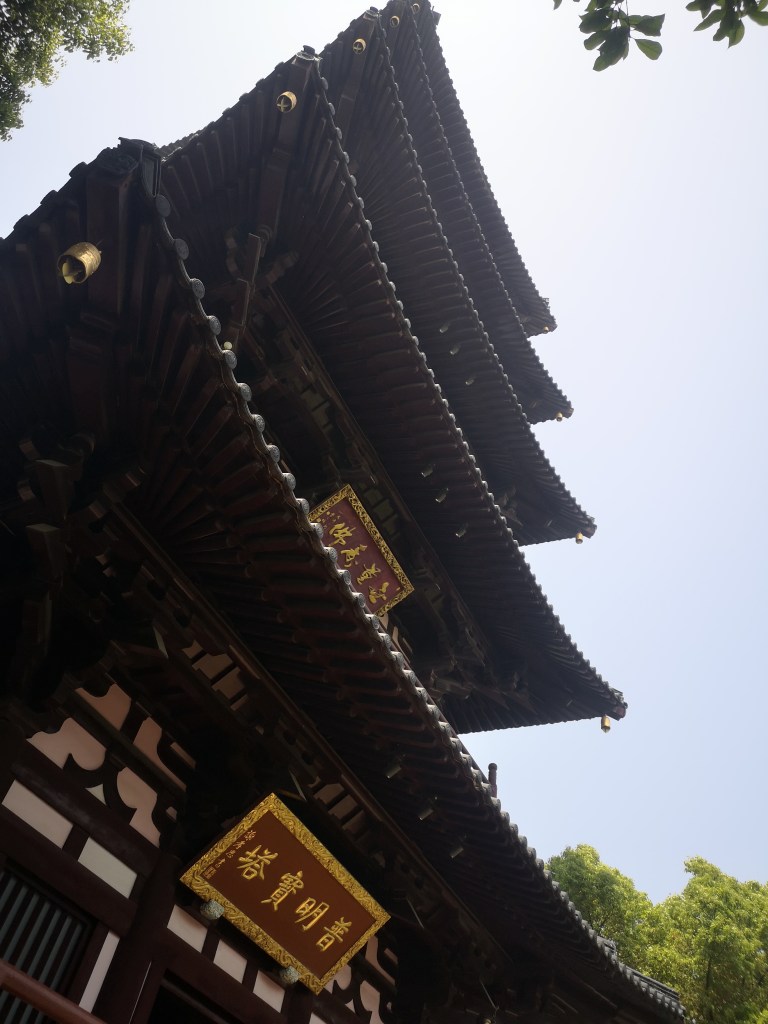
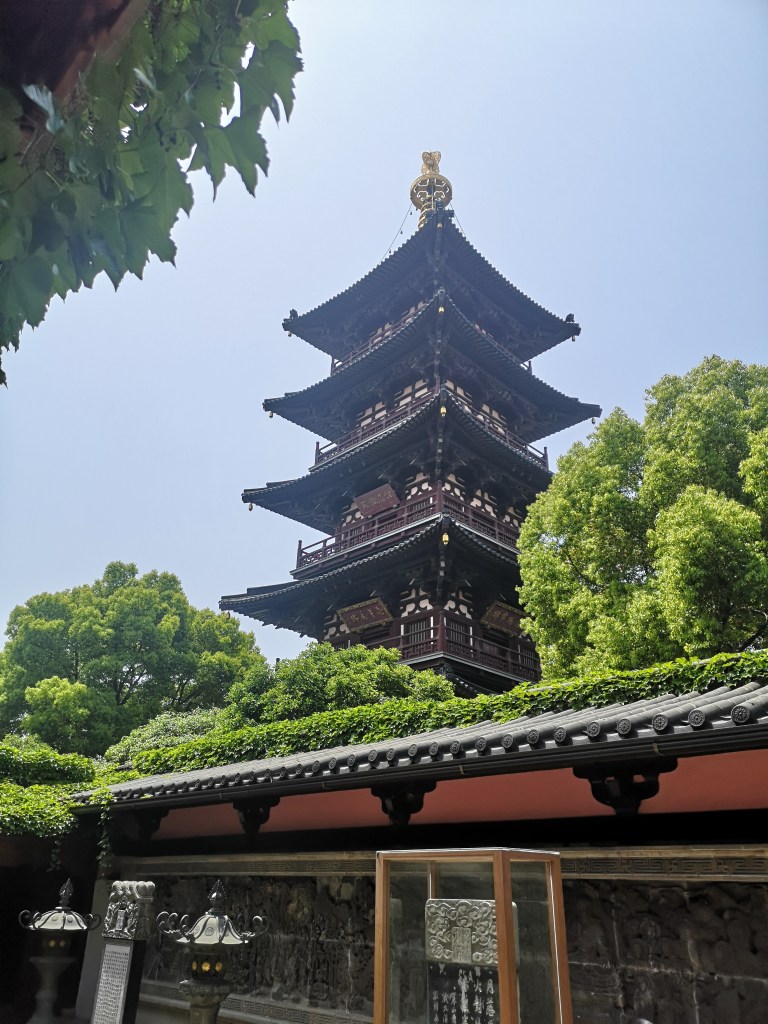
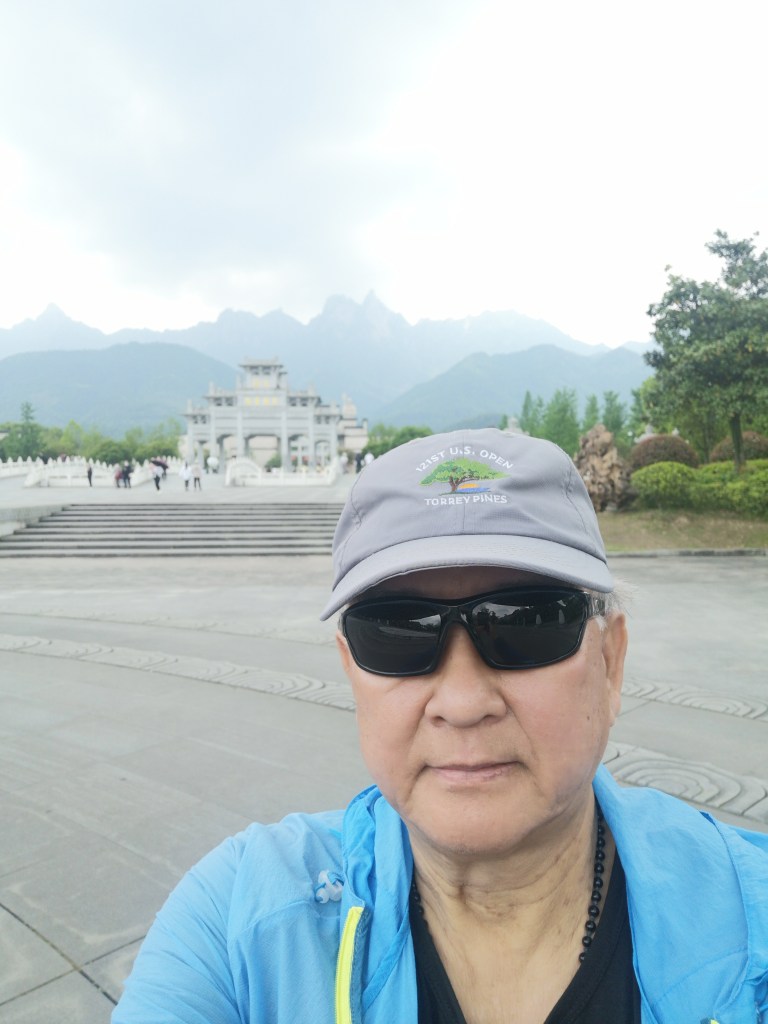
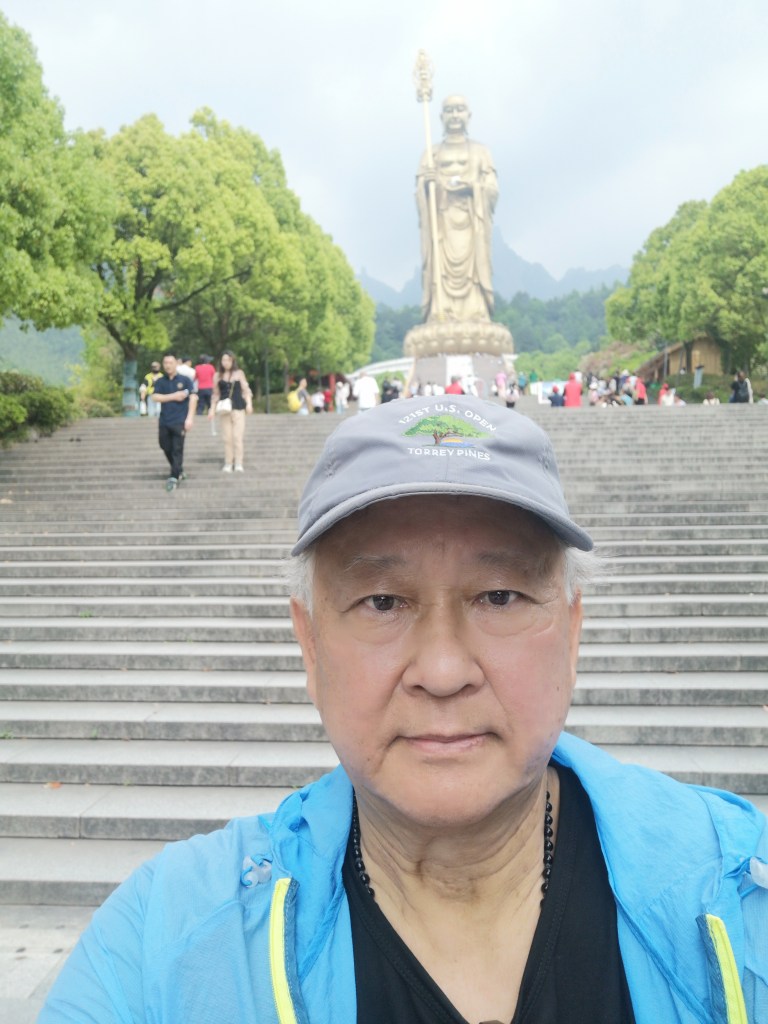
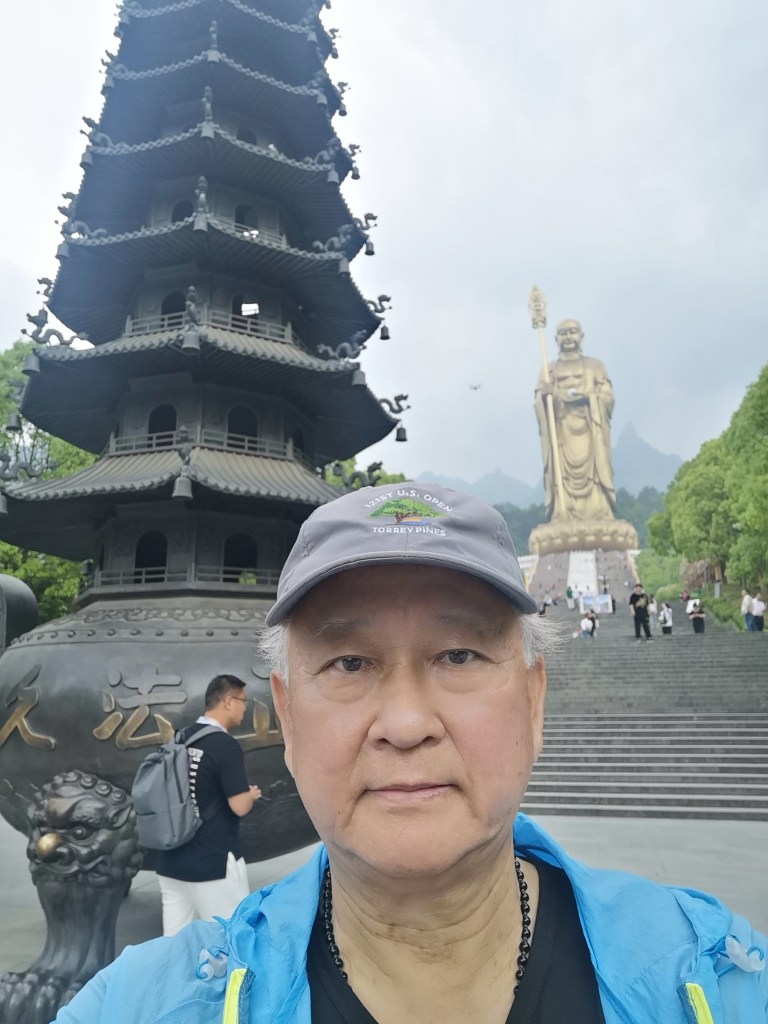
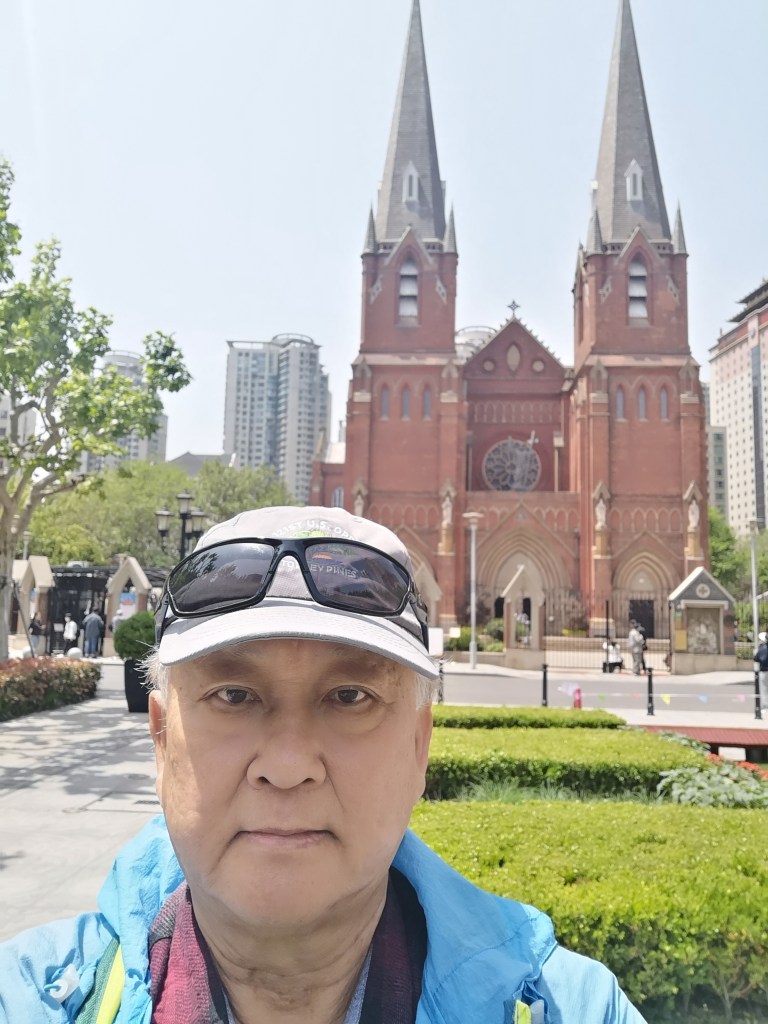
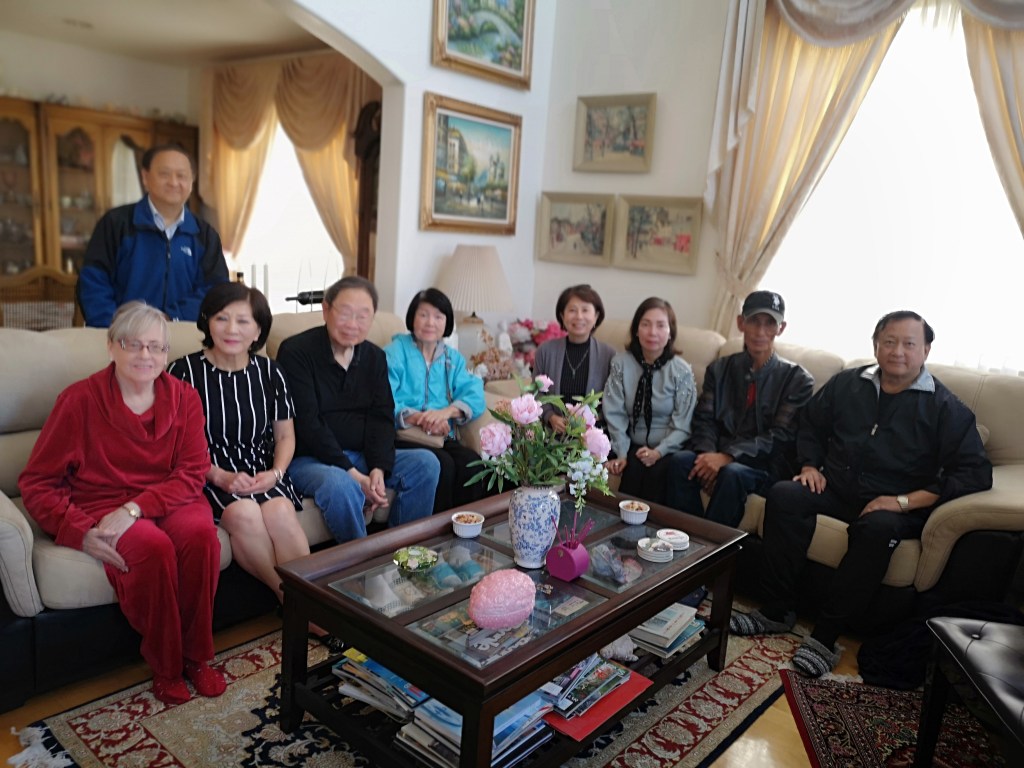
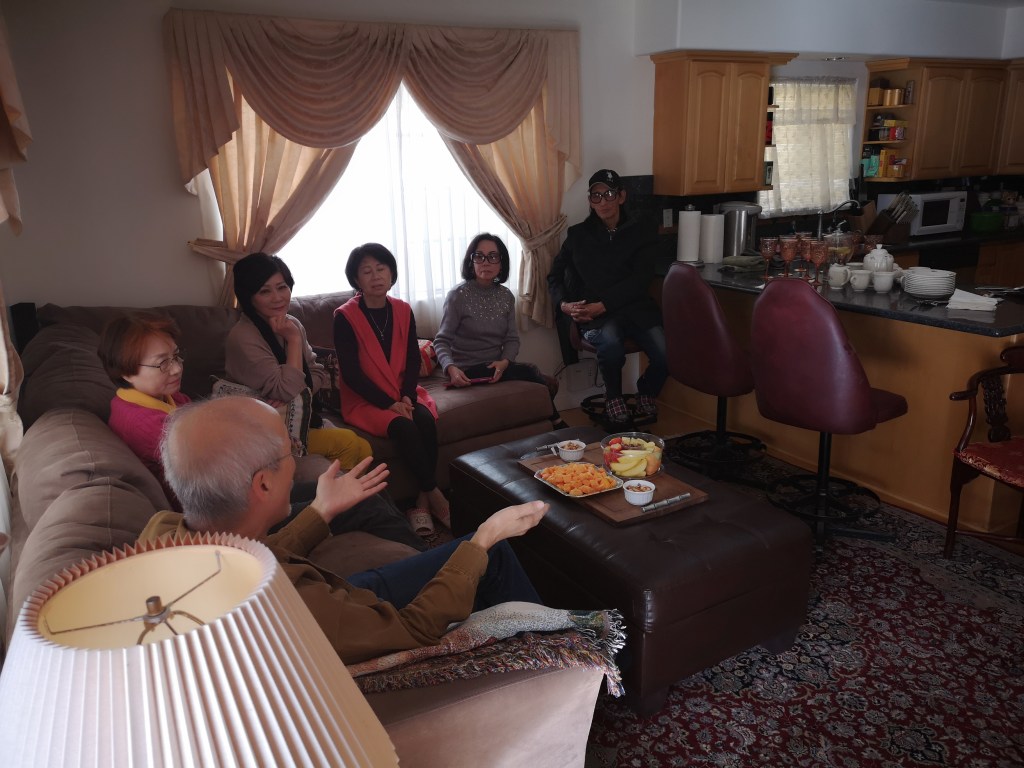
Photo Gallery of Religious Sites of Various Faiths in China and in the Russian boarder City of Blagoveshchensk–2025

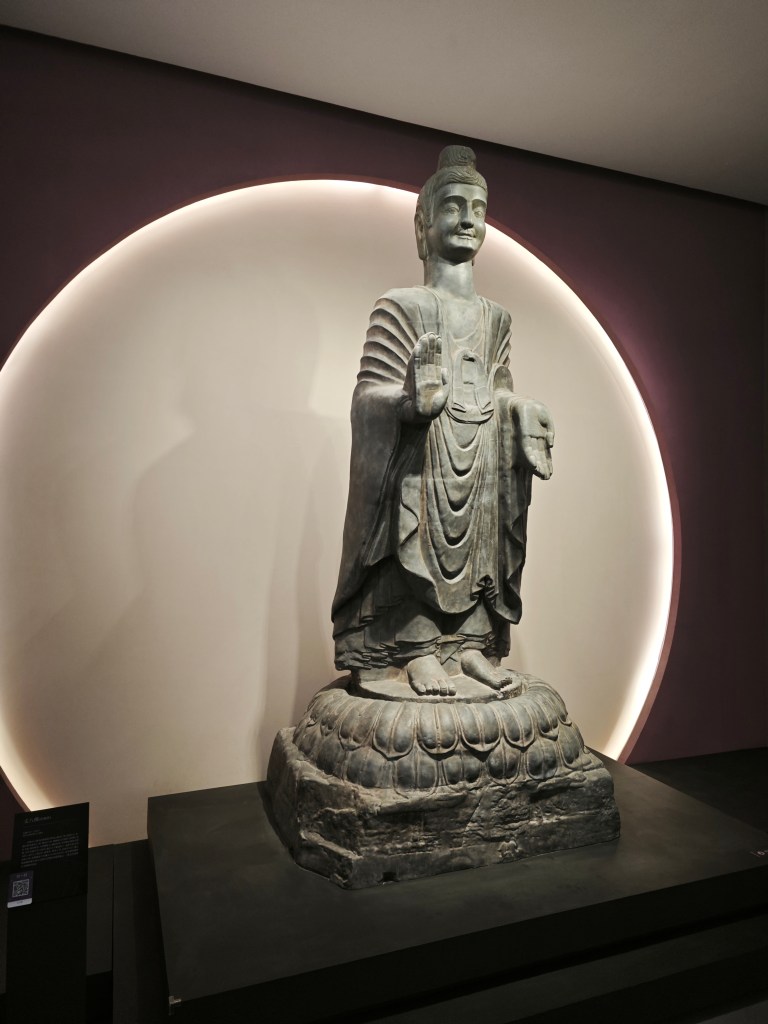
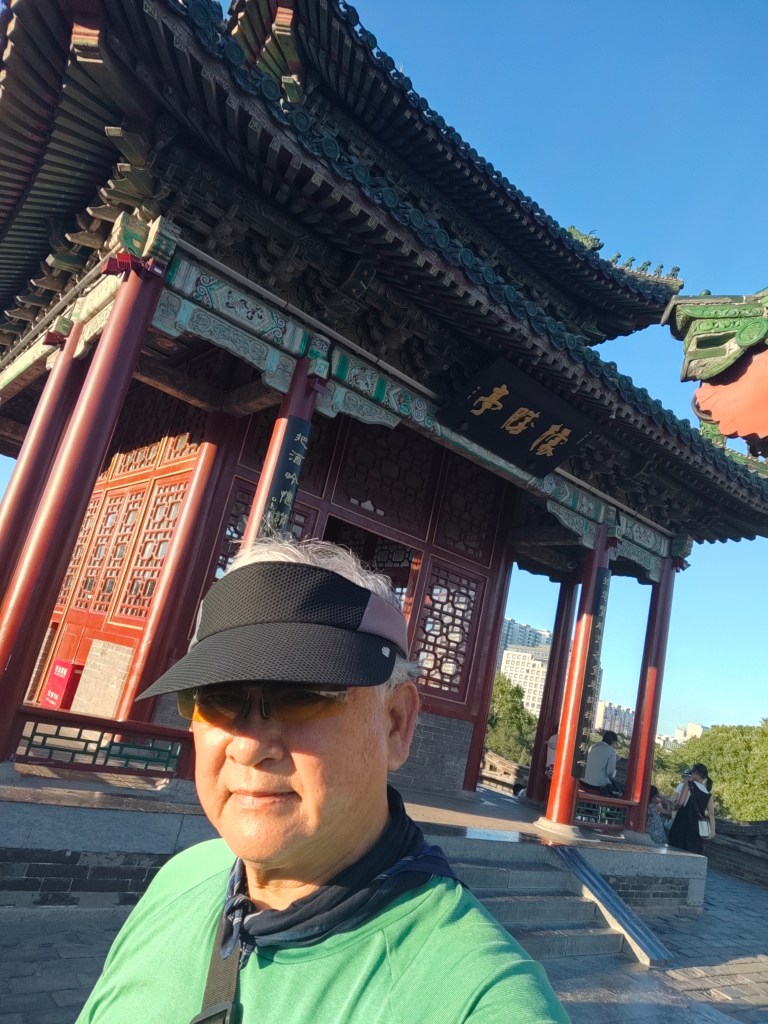
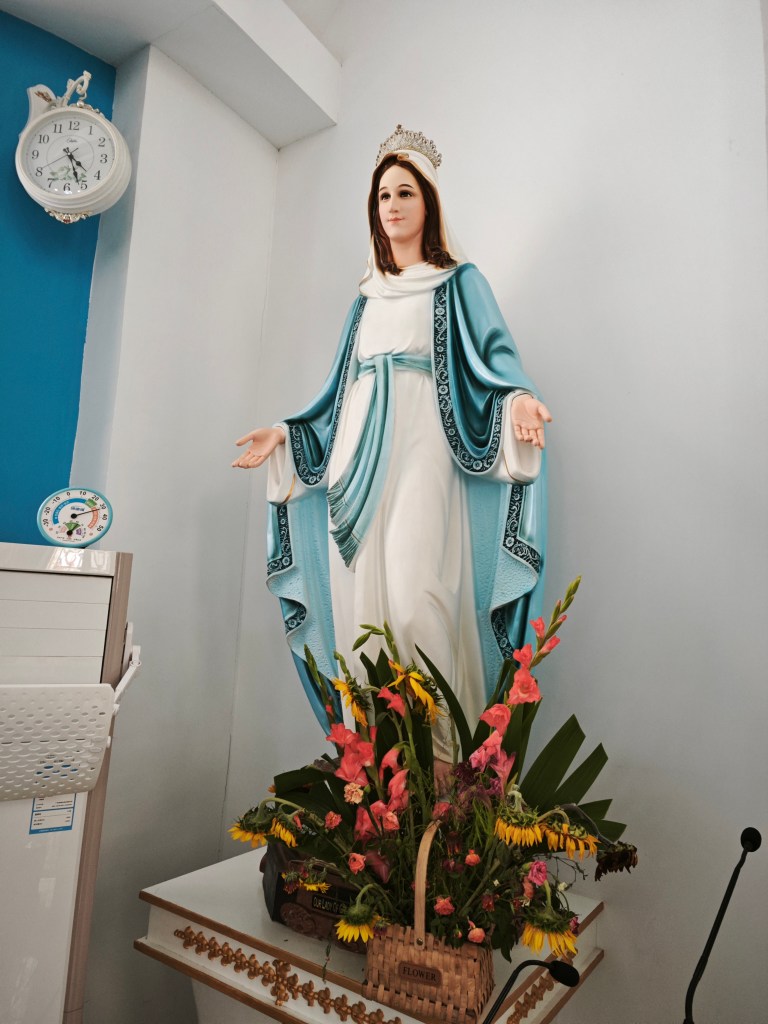
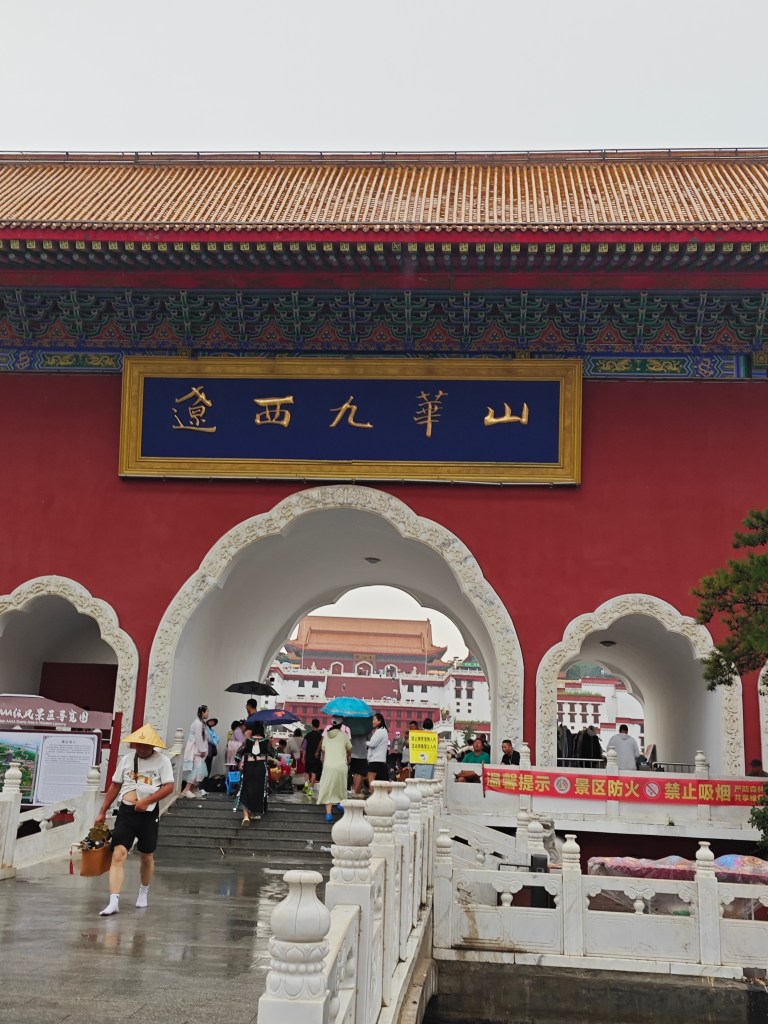
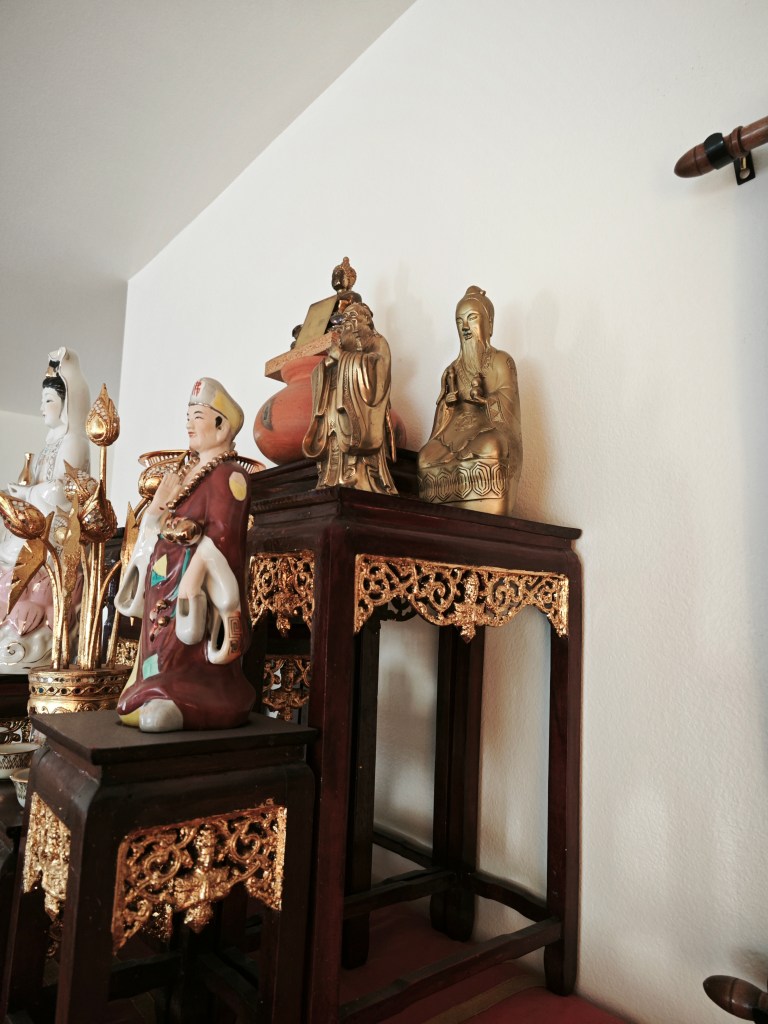
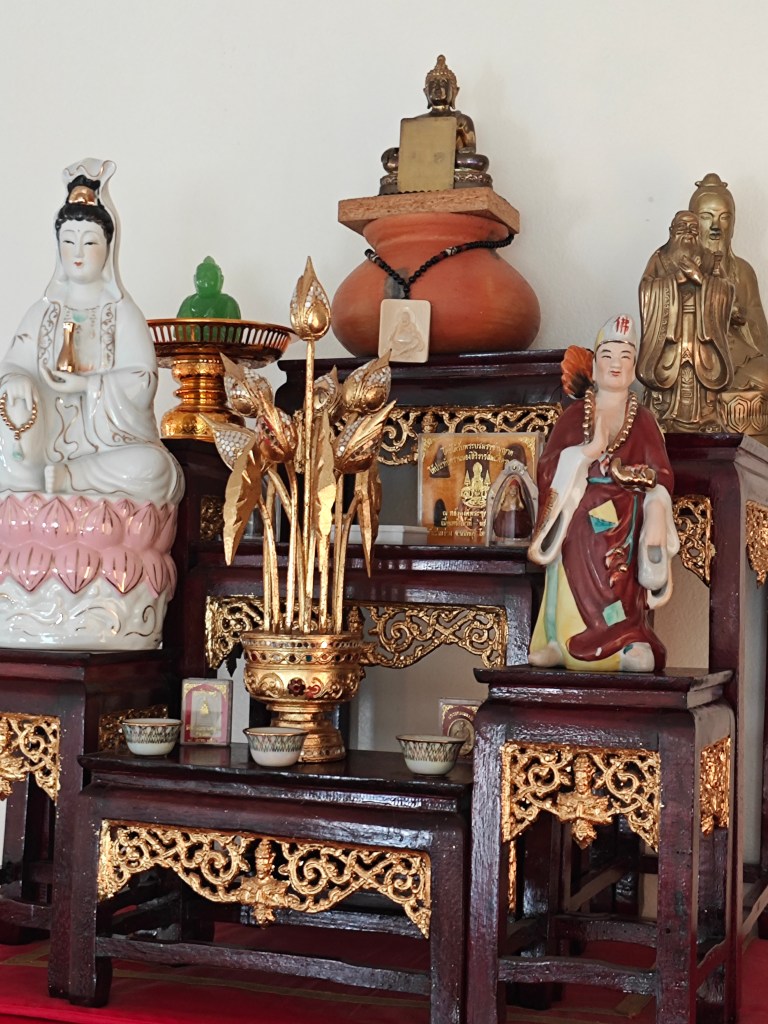
From Blagoveshchensk (Amur State in Russia) in the north to Guiyang Miao ethnic minority territory in the south, from Chengdu in the west to Handan, Hebei in the east, the flourishing existence of various faiths and beliefs is remarkable and inspirational. The name Blagoveshchensk comes from the Russian word Благовещение (Blagovéshcheniye), which means “Annunciation” — the Christian celebration of the angel announcing to Mary that she would give birth to Jesus. So the city’s name essentially means “Annunciation City” or “City of Good News.福音市” We also received a donation of a Maitreya Buddha relic from a faithful believer for placement on the shrine of our sanctuary.

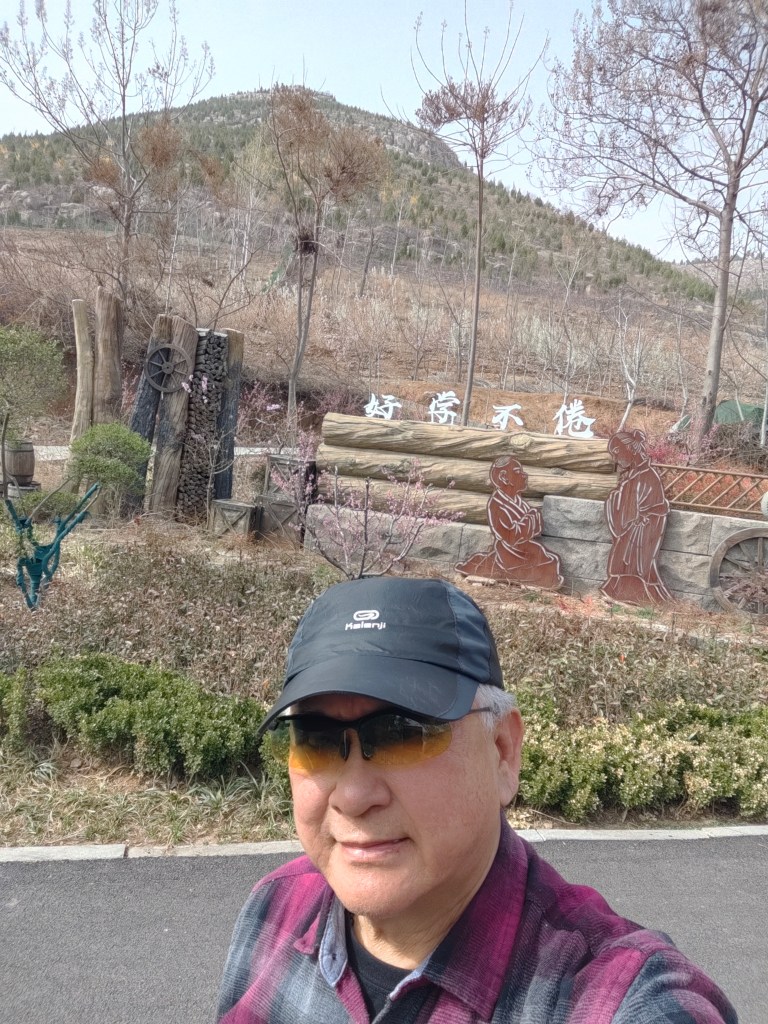
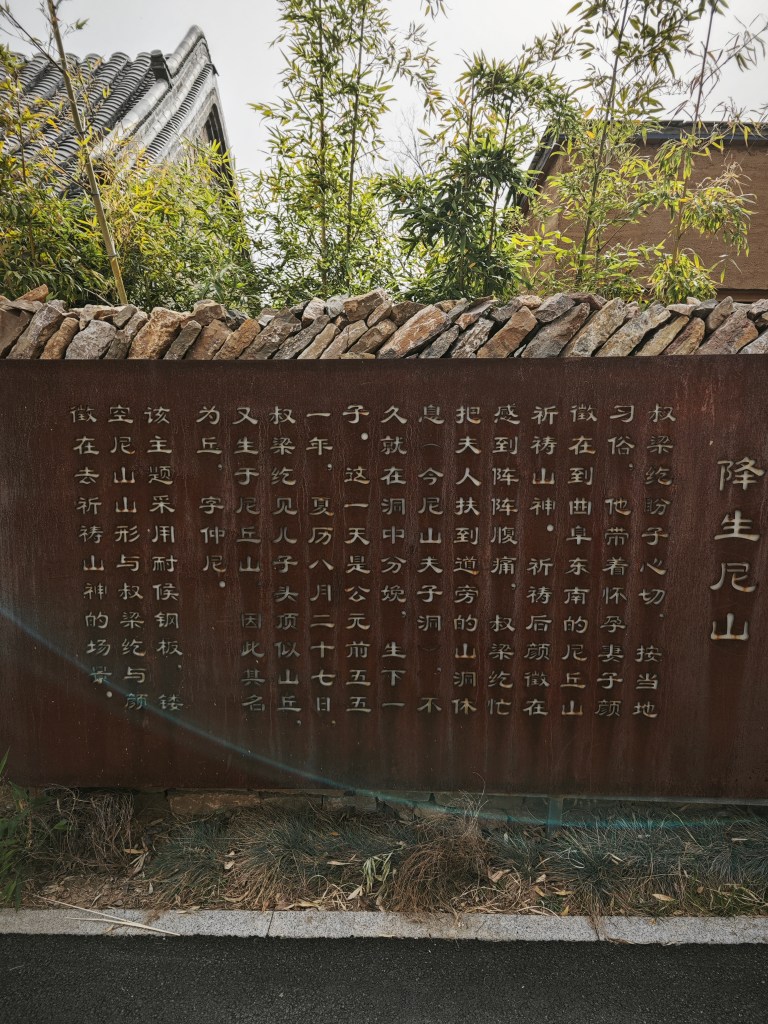
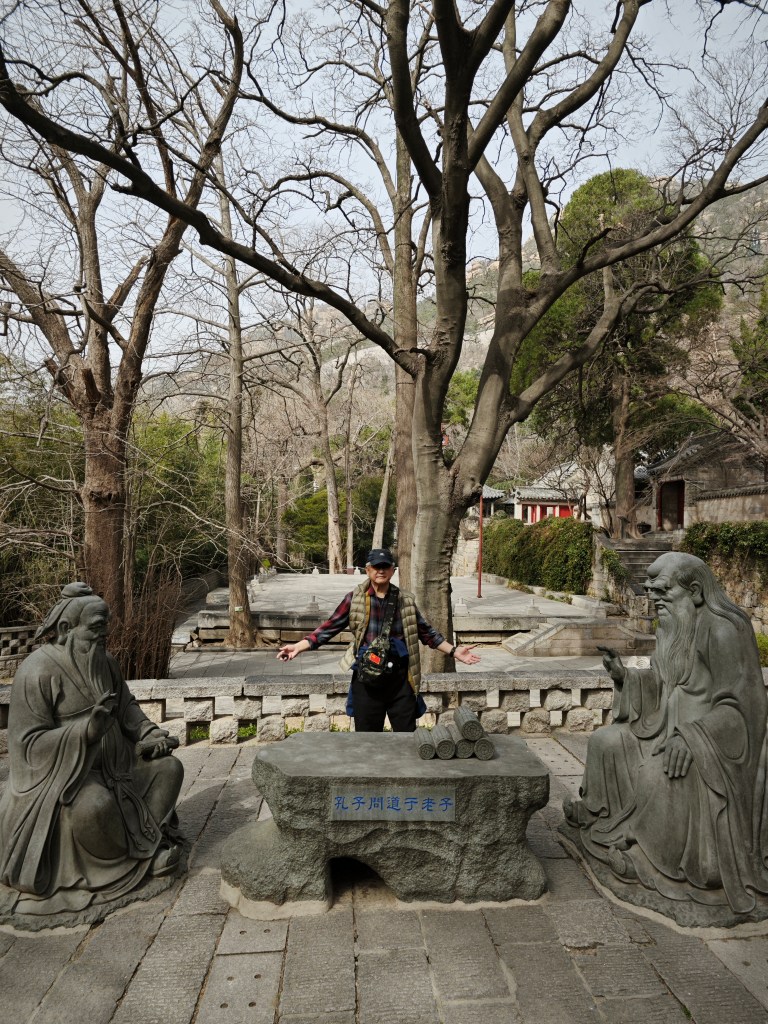
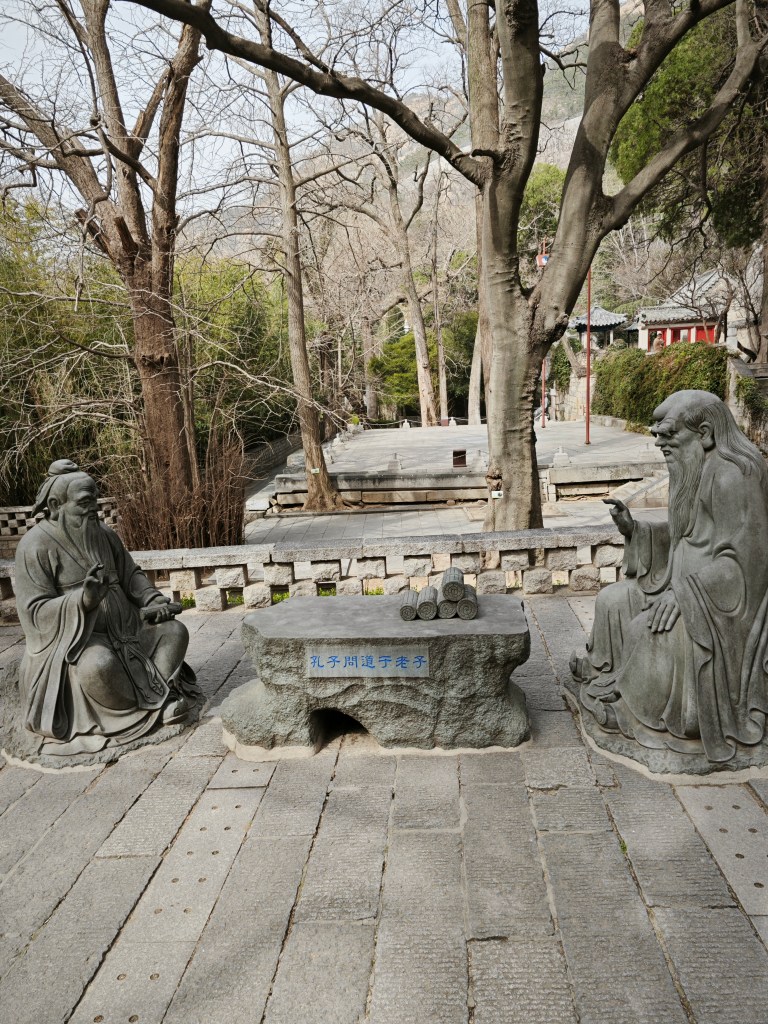
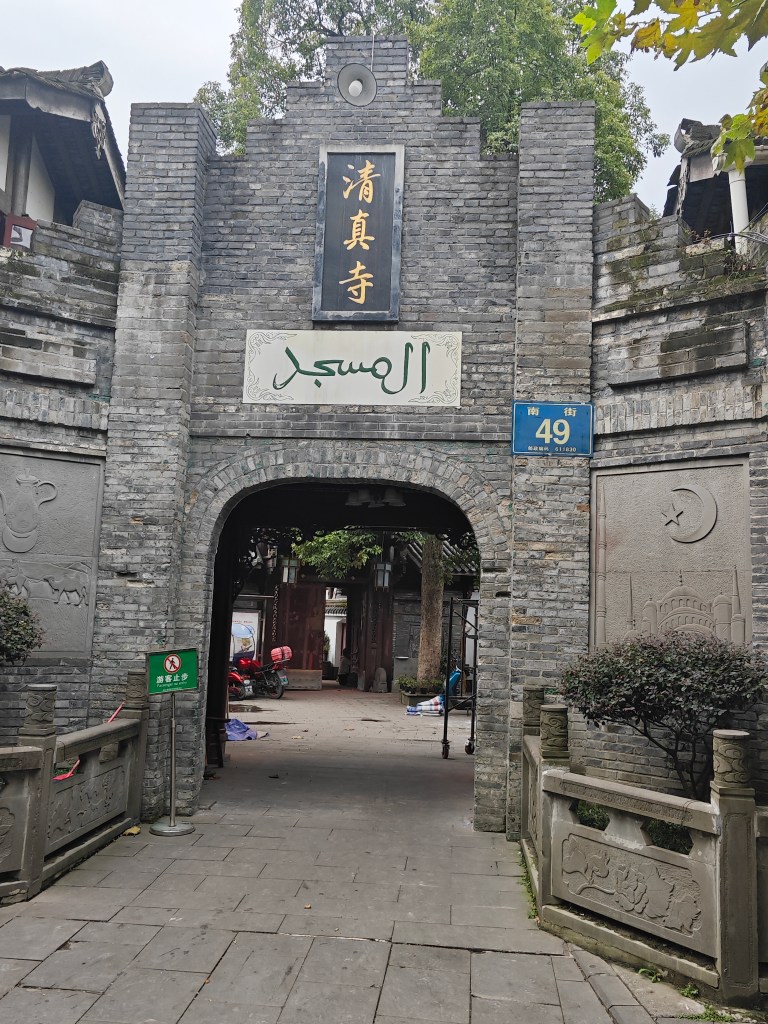
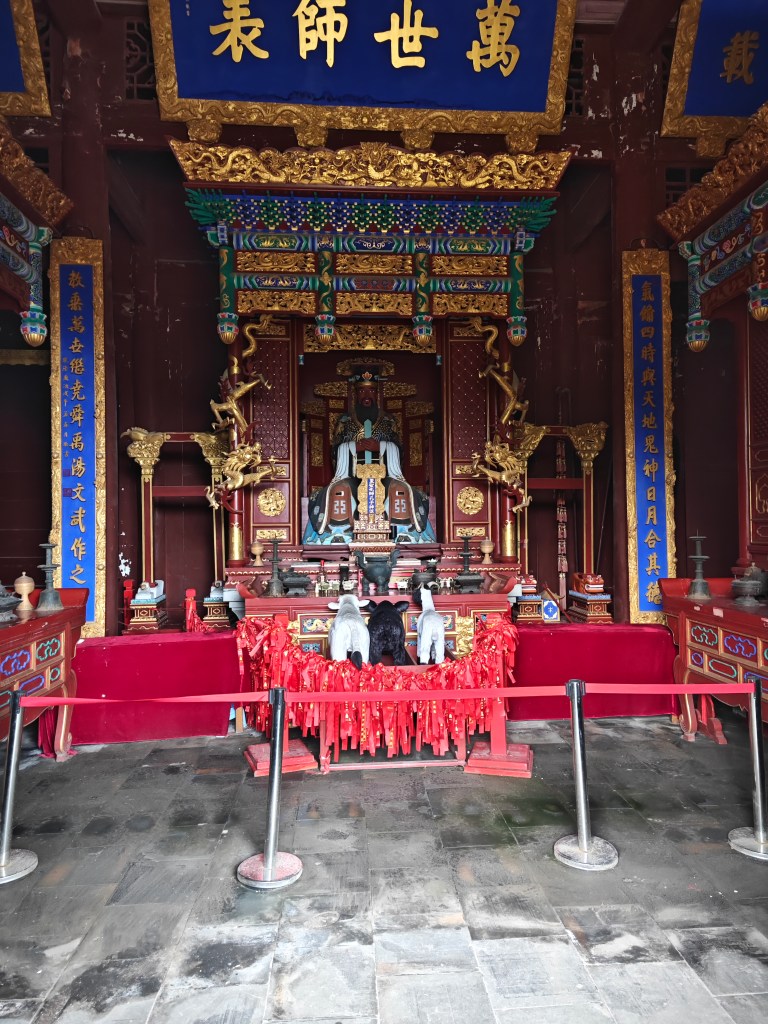
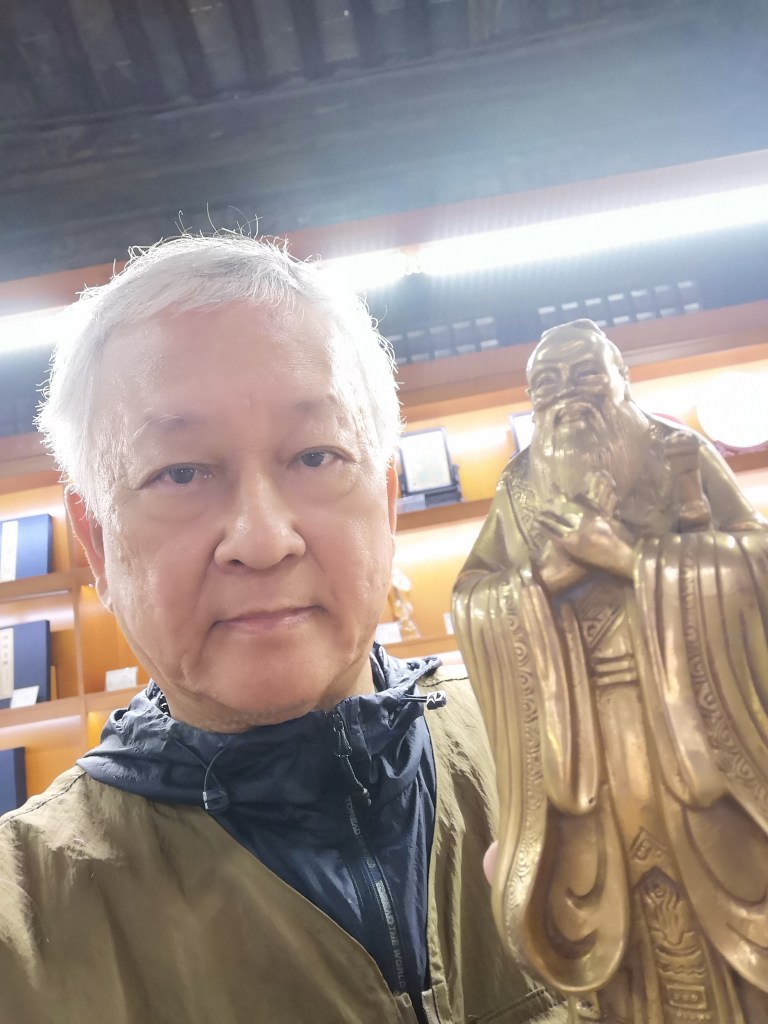
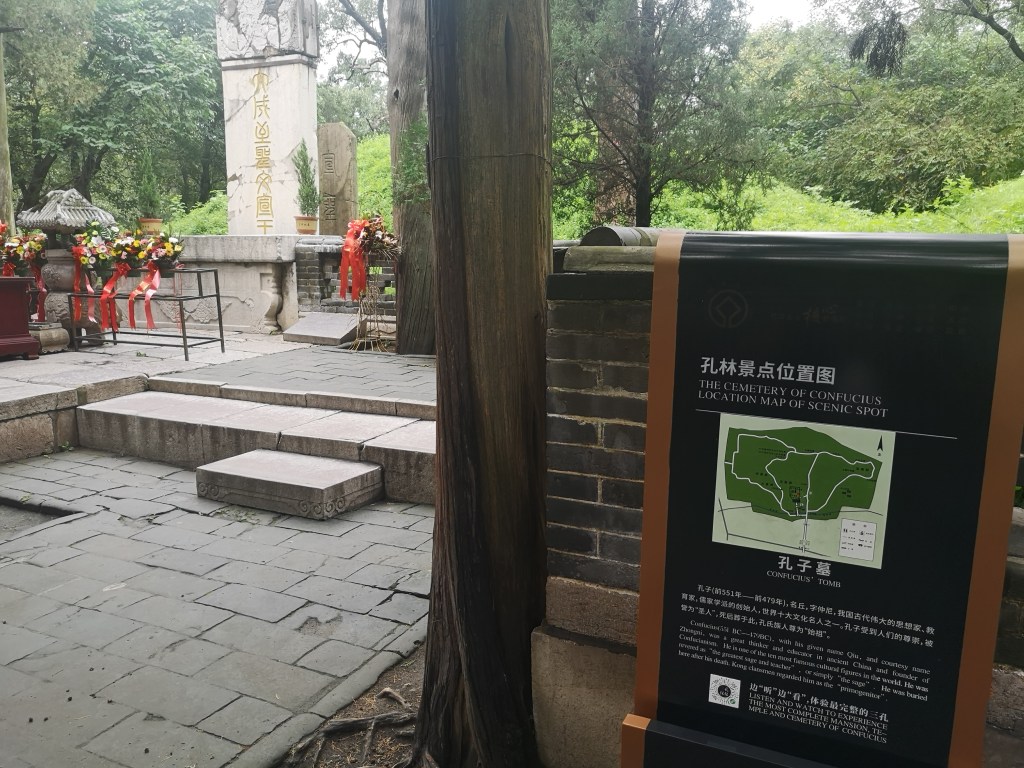
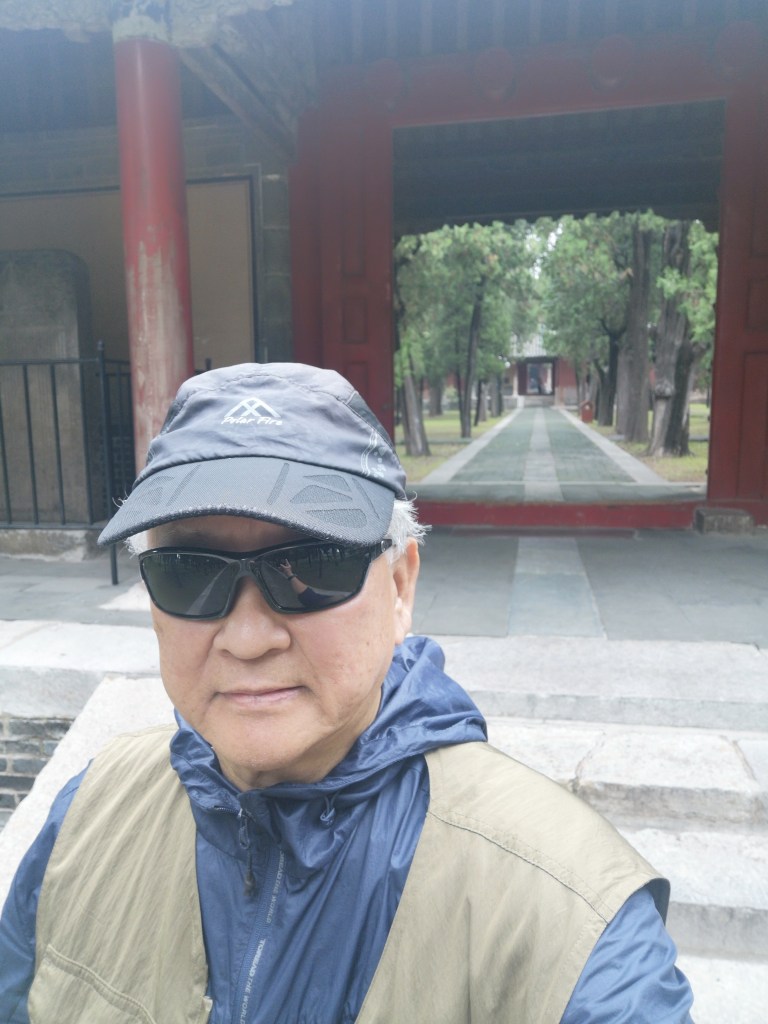
A visit to Nishan尼山, the birthplace of Confucius, reveals the cave on the hillside where he was born according to local custom 2,500 years ago. This is how he came to be named Kong Qiu孔丘 (hill) and given the courtesy name Zhong Ni仲尼.

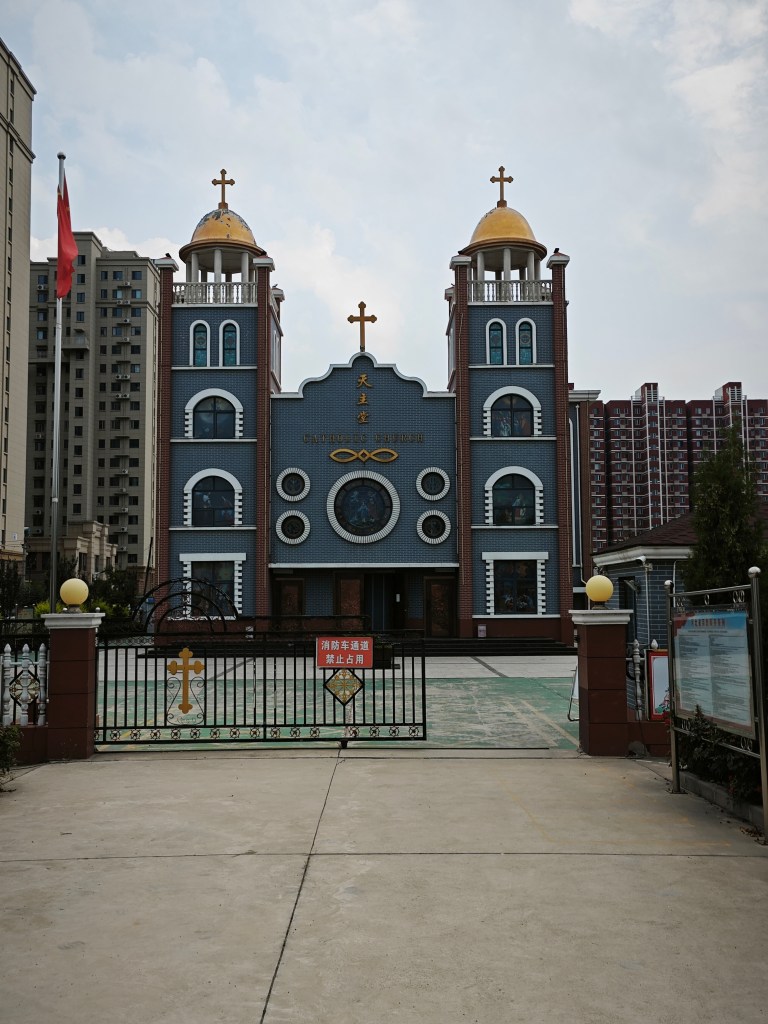
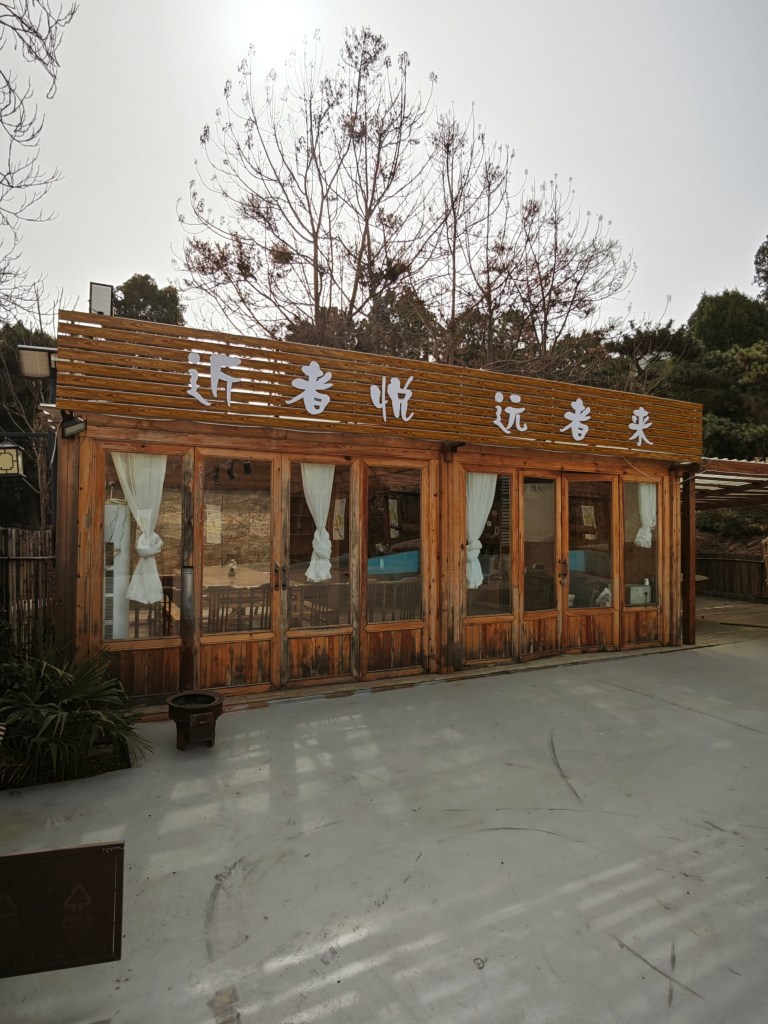
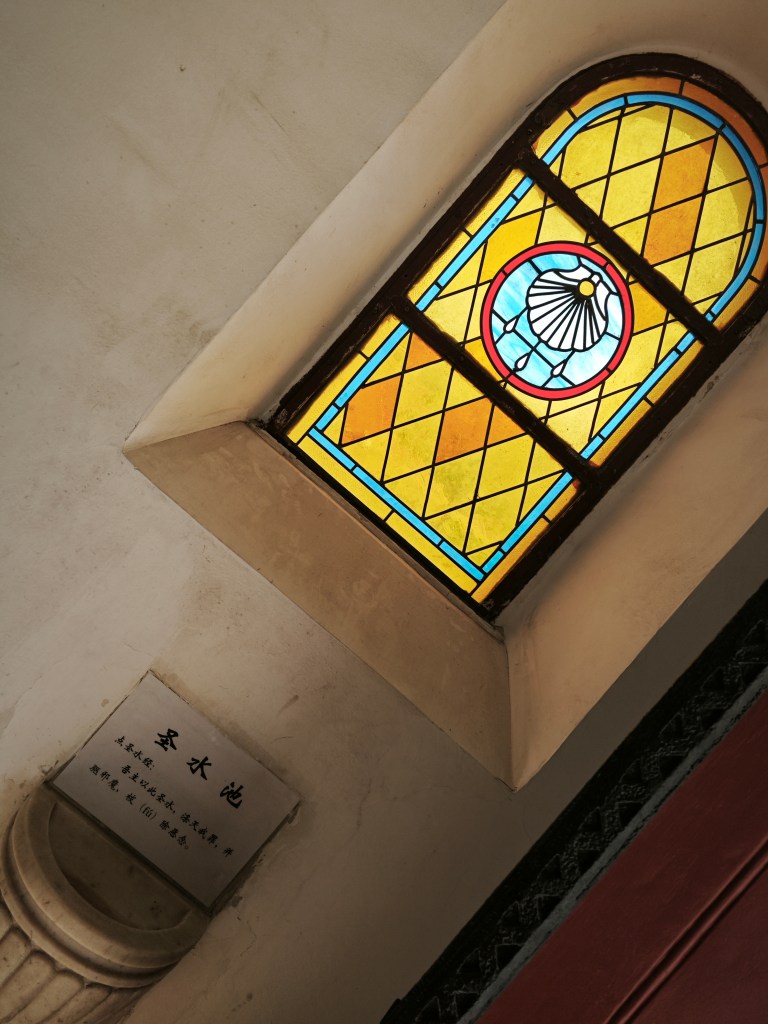
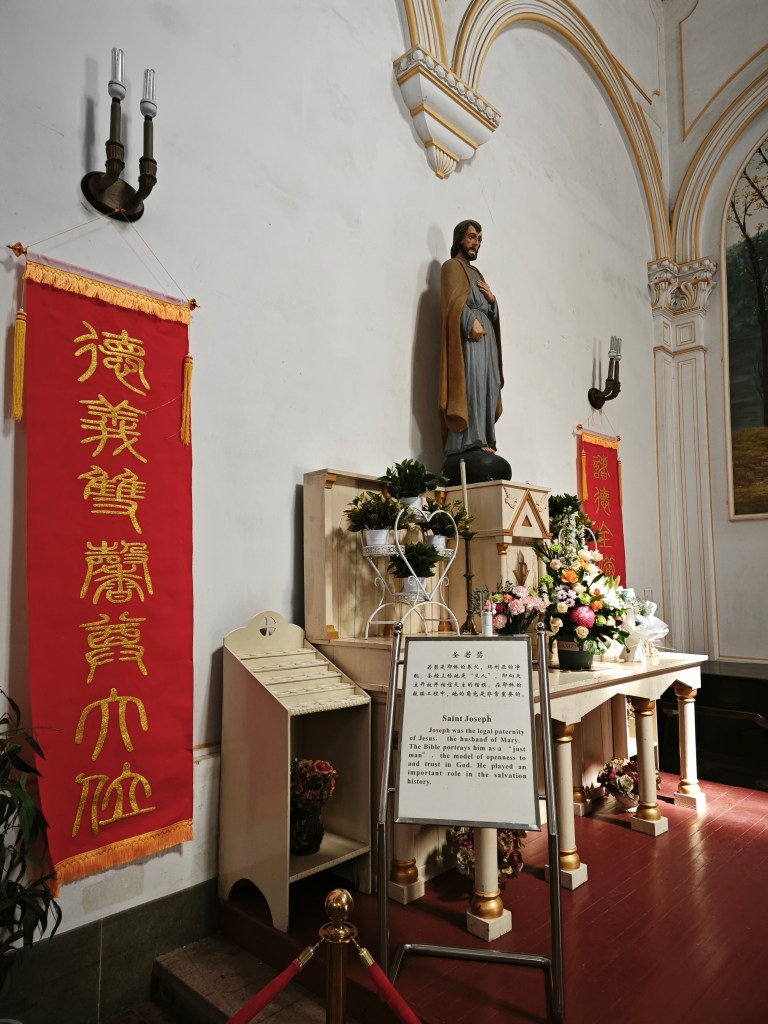
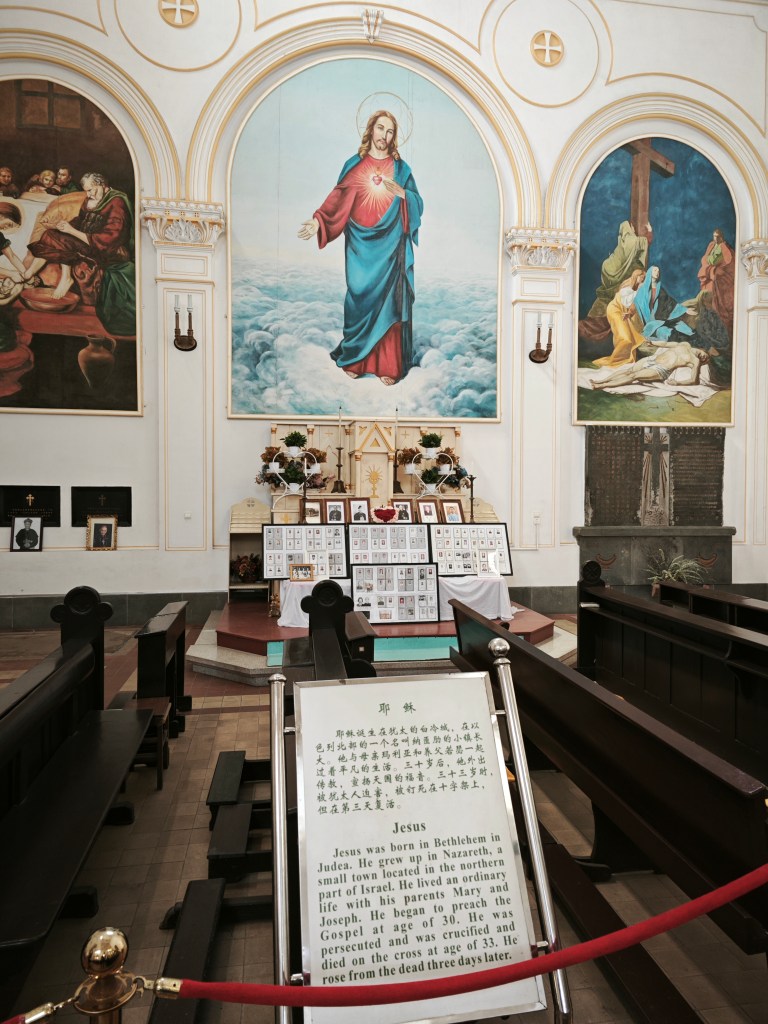
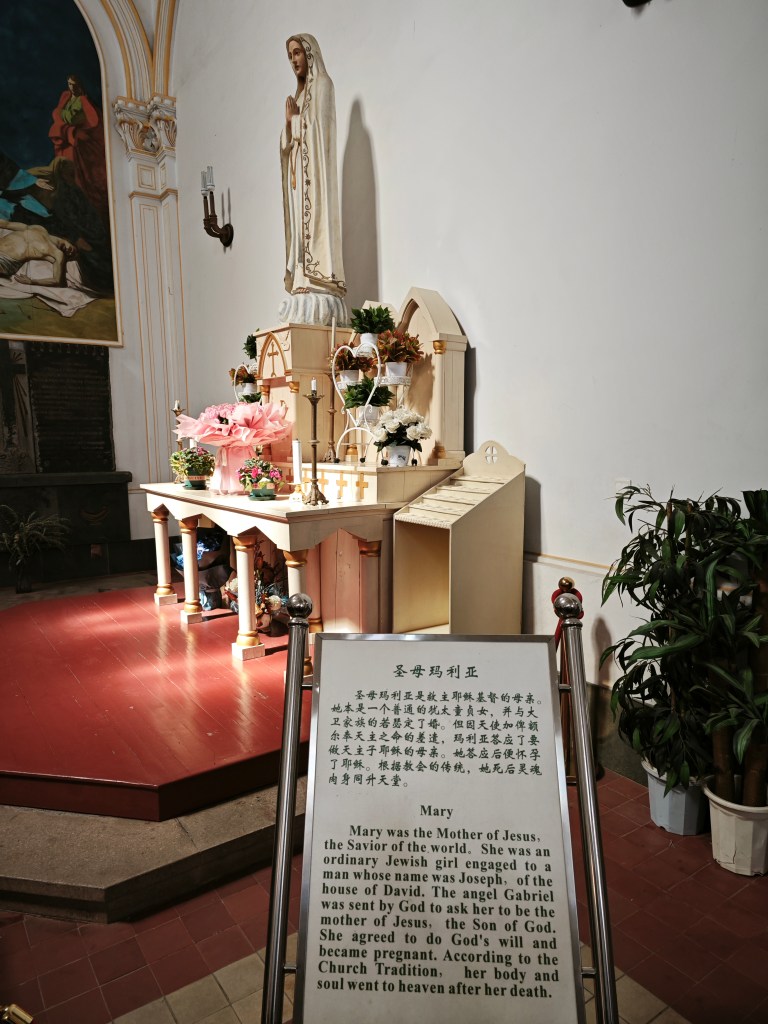
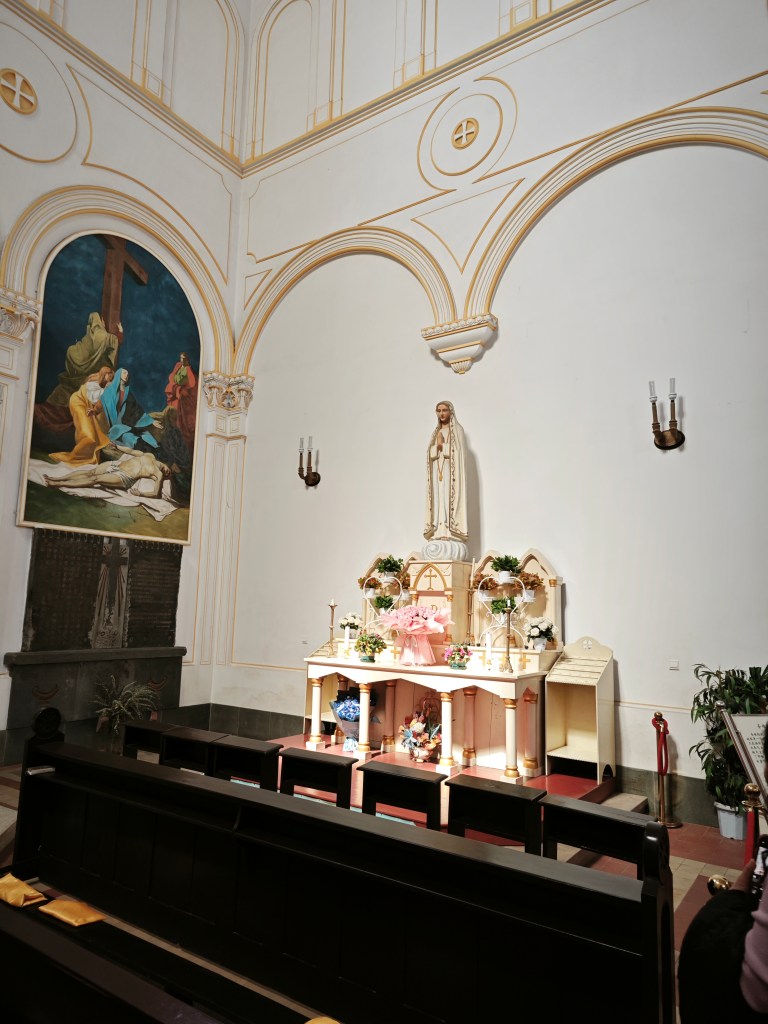
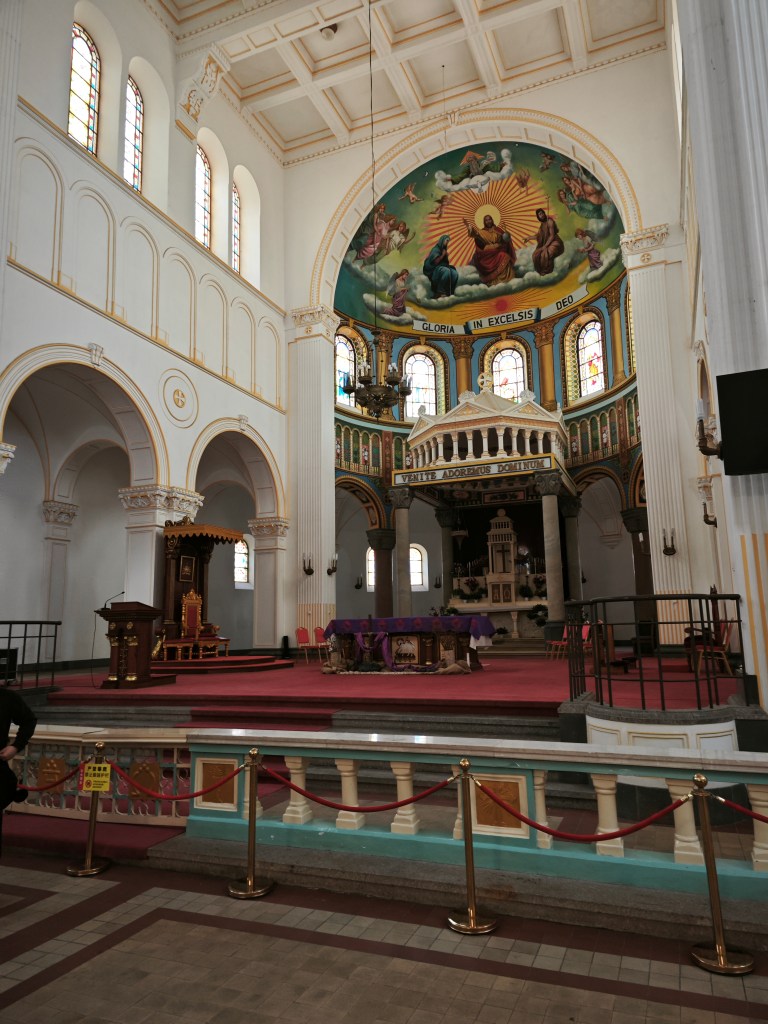
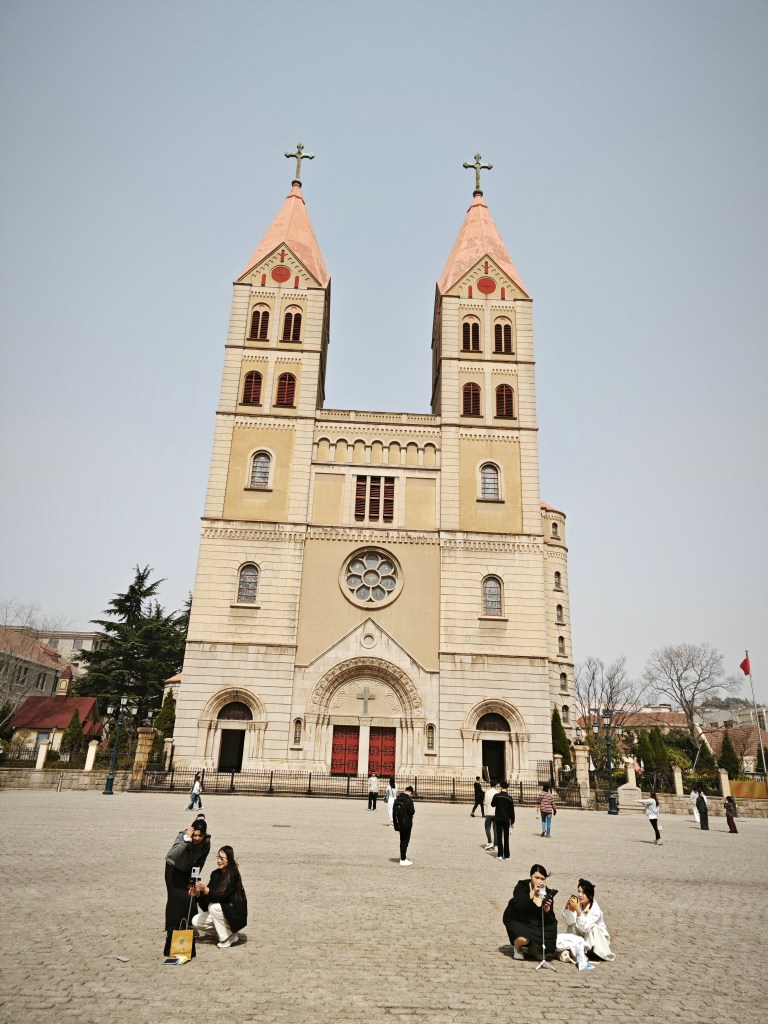
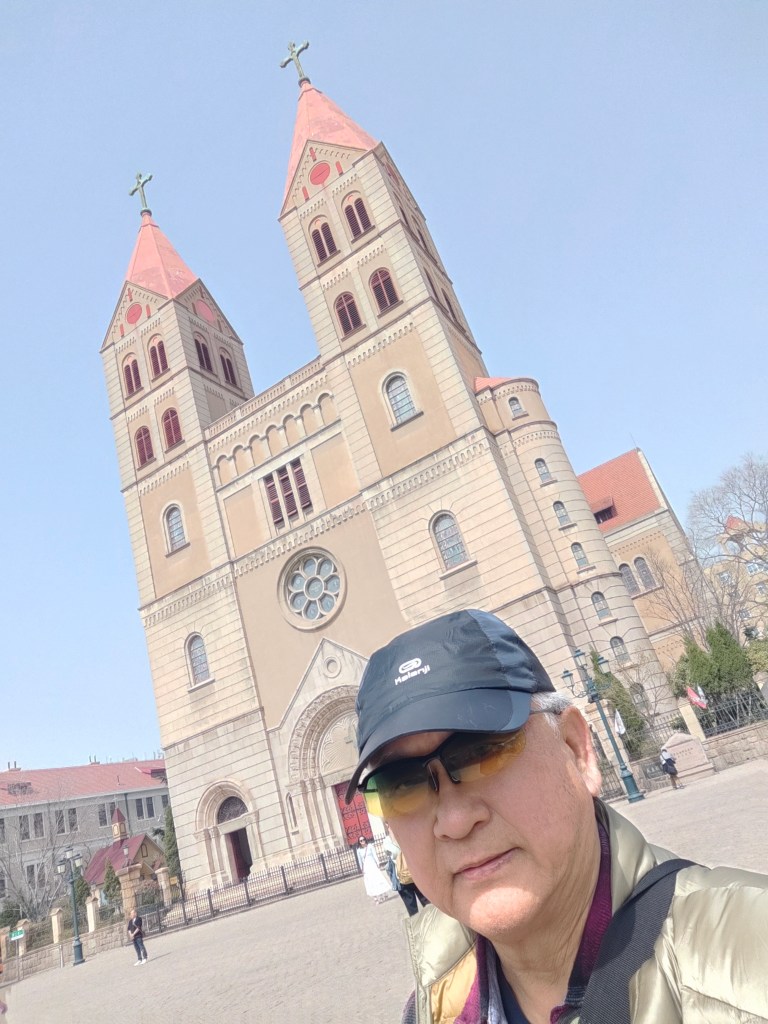
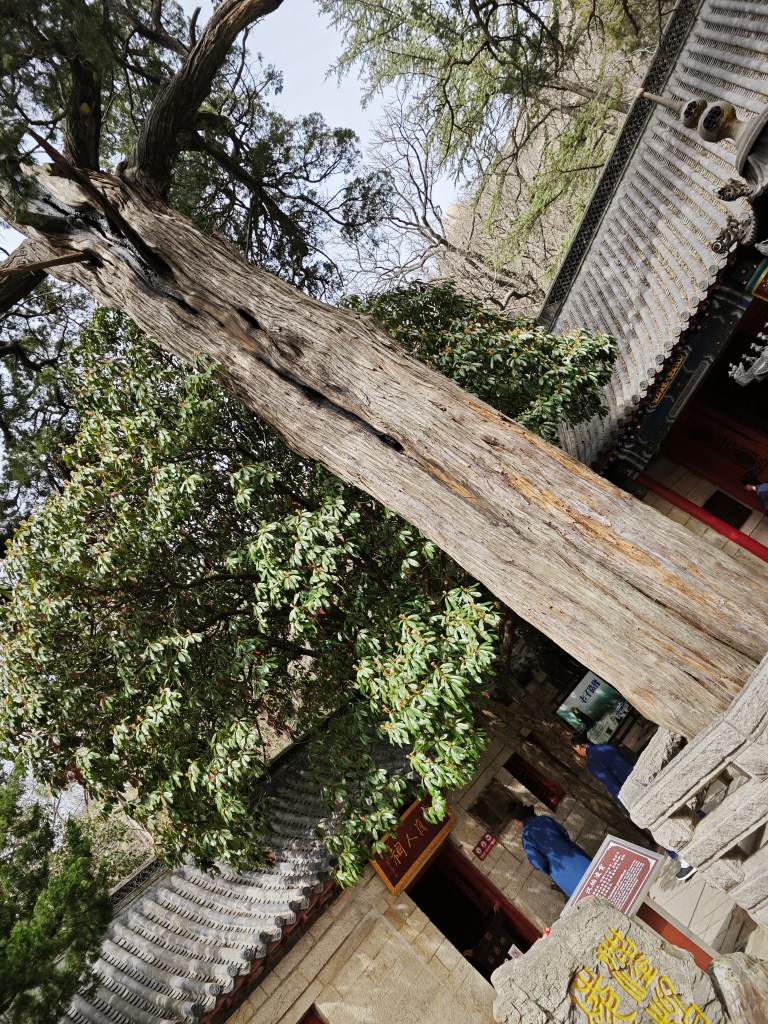
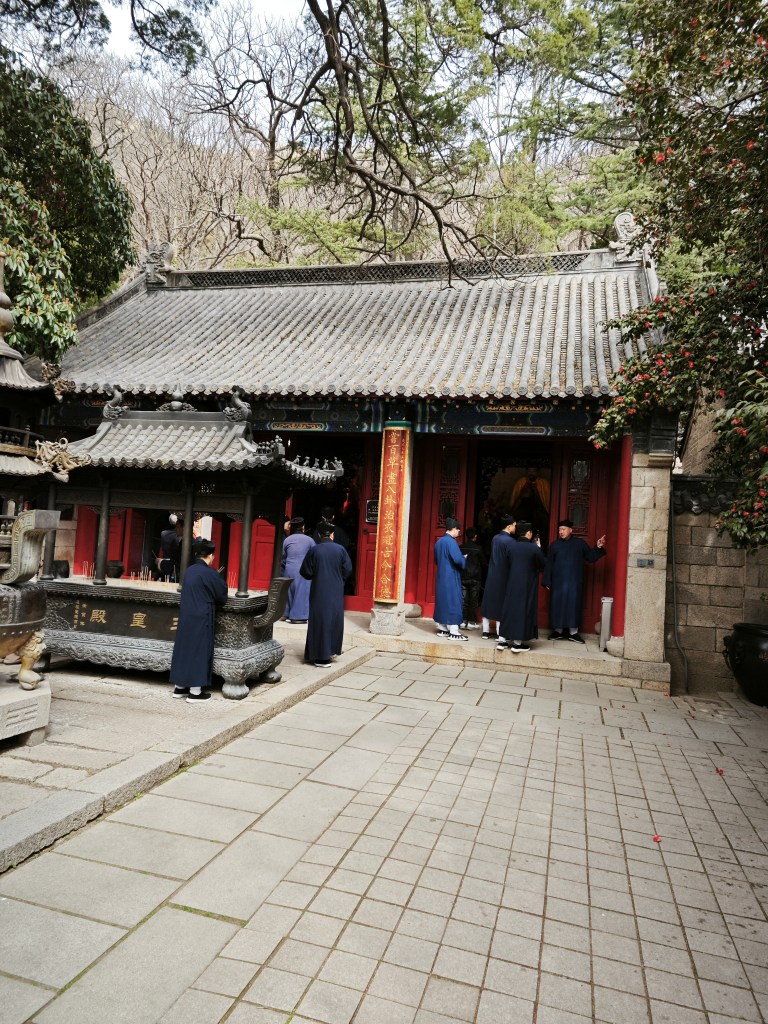
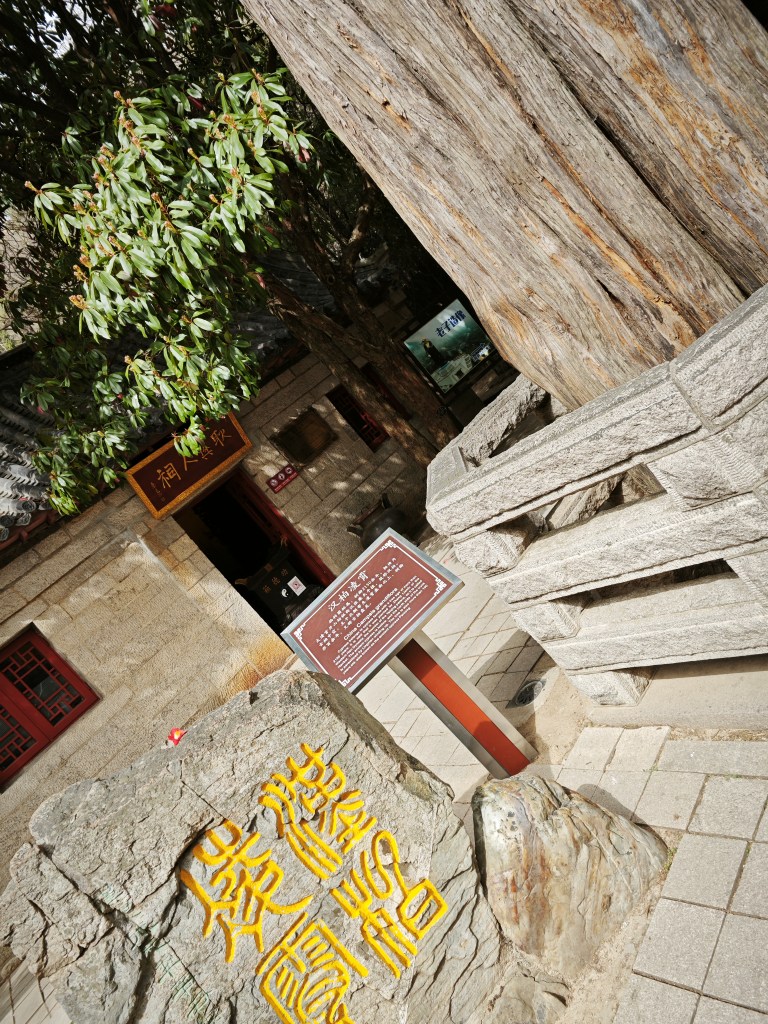
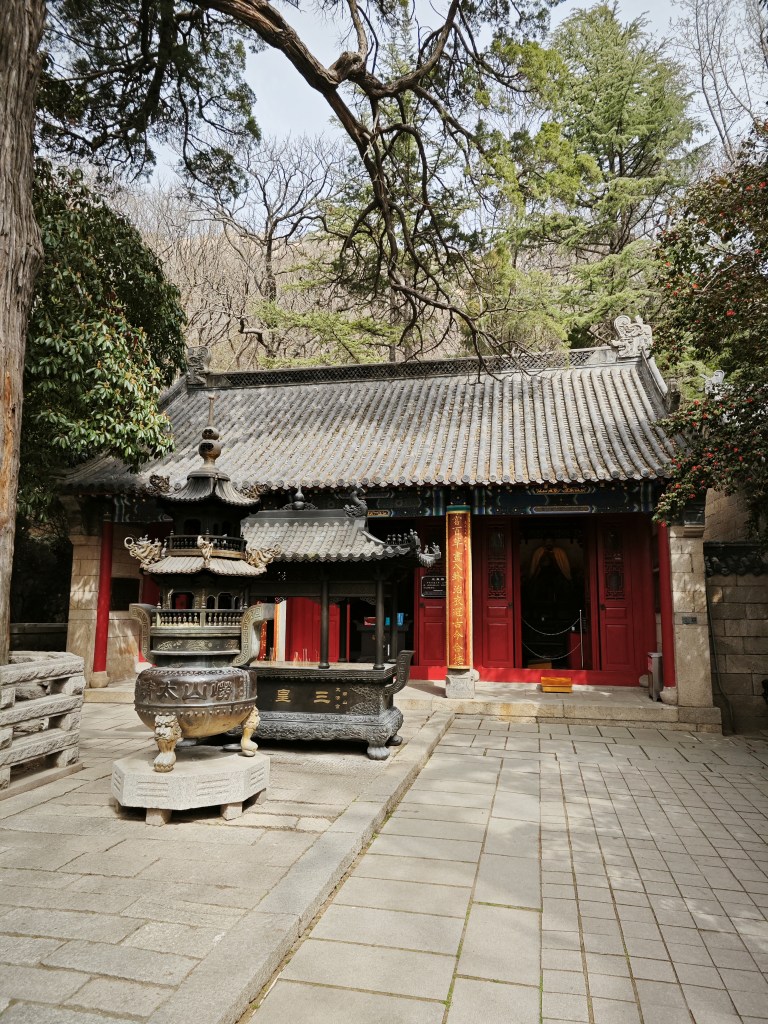
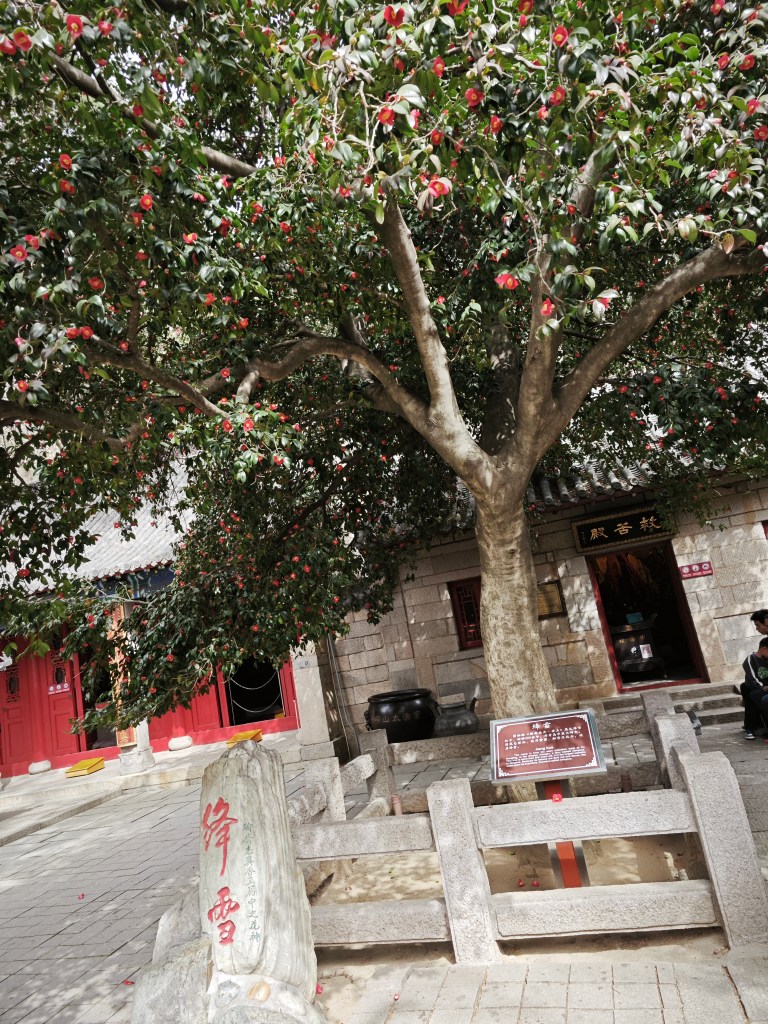
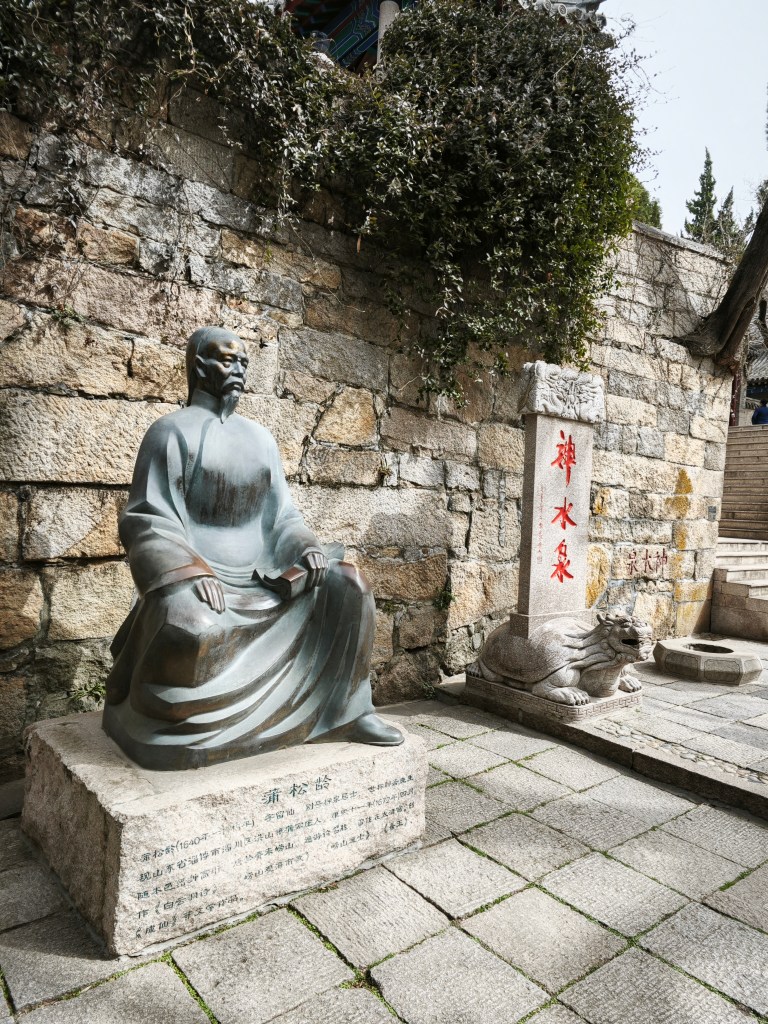
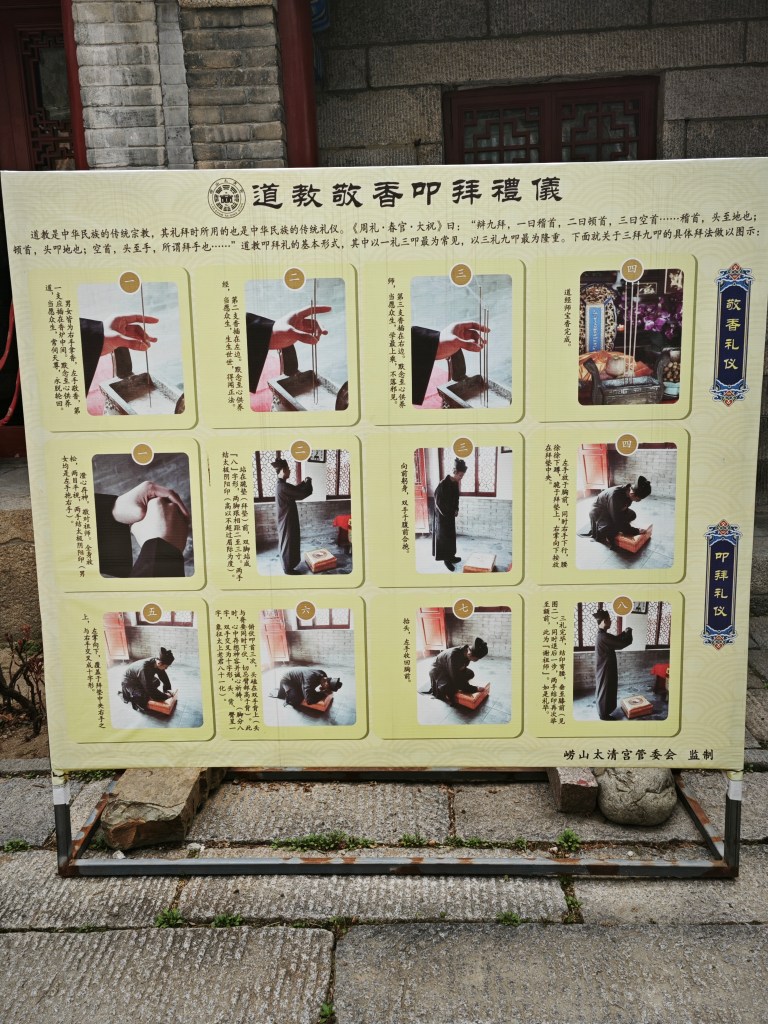
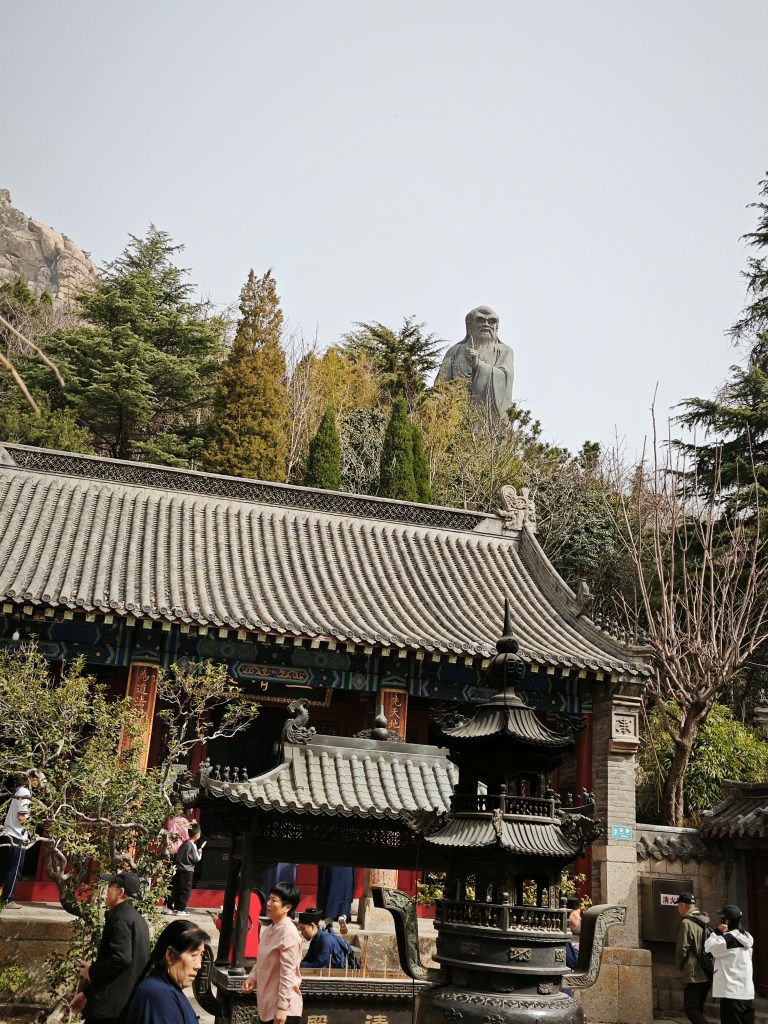
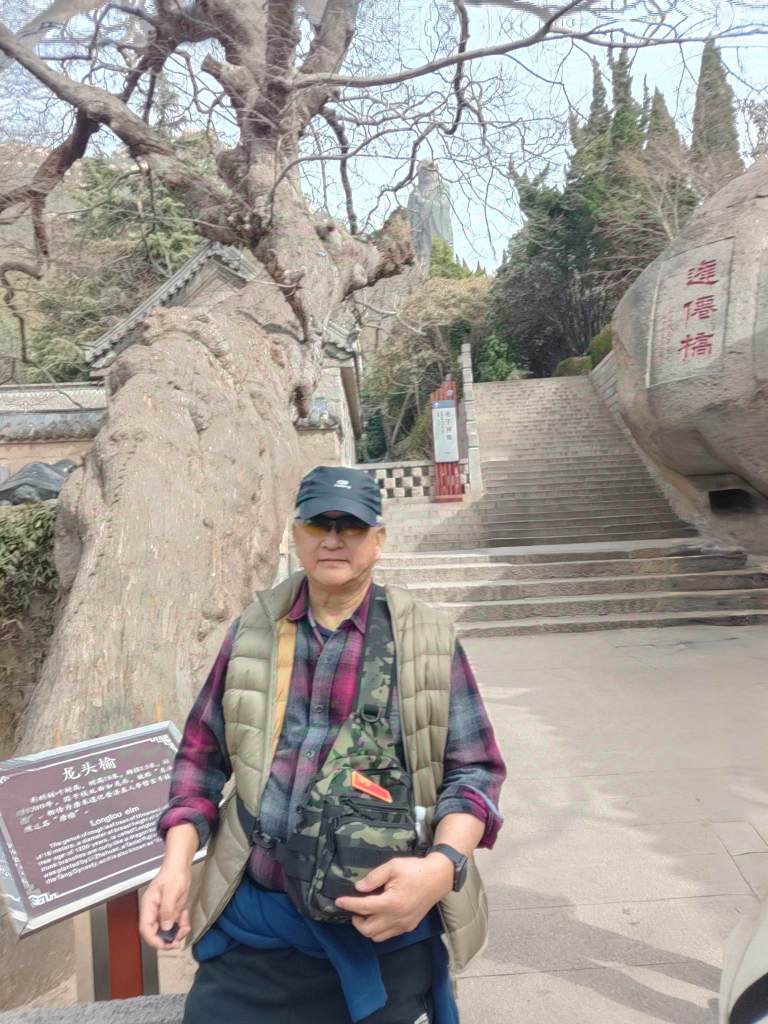
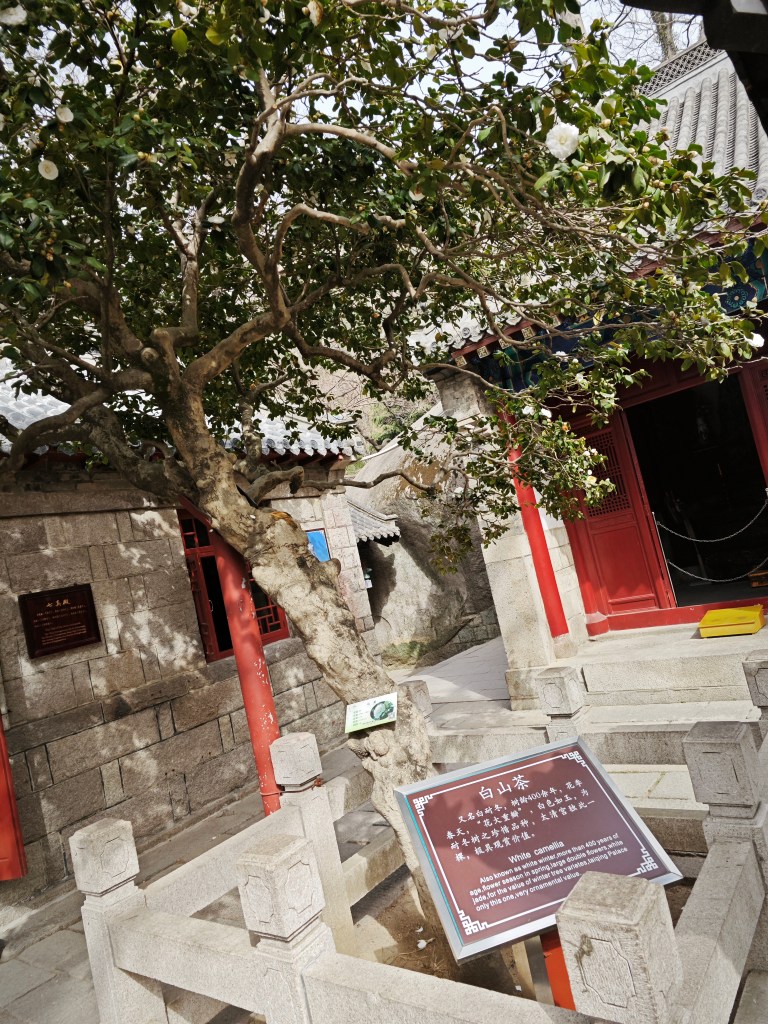
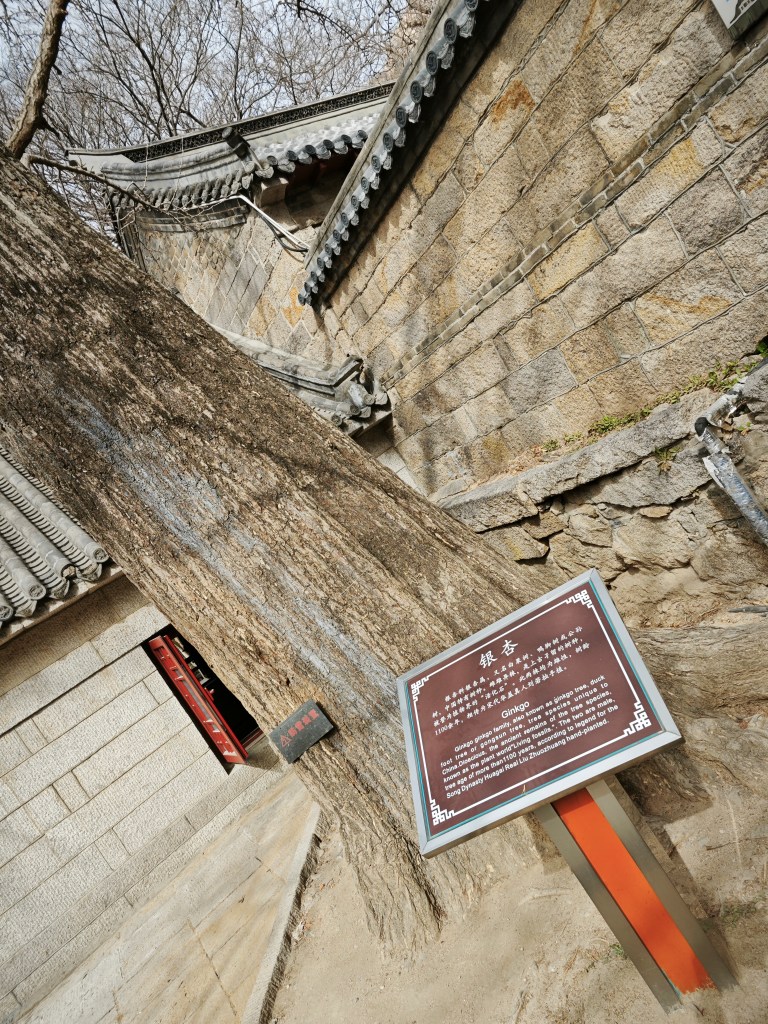
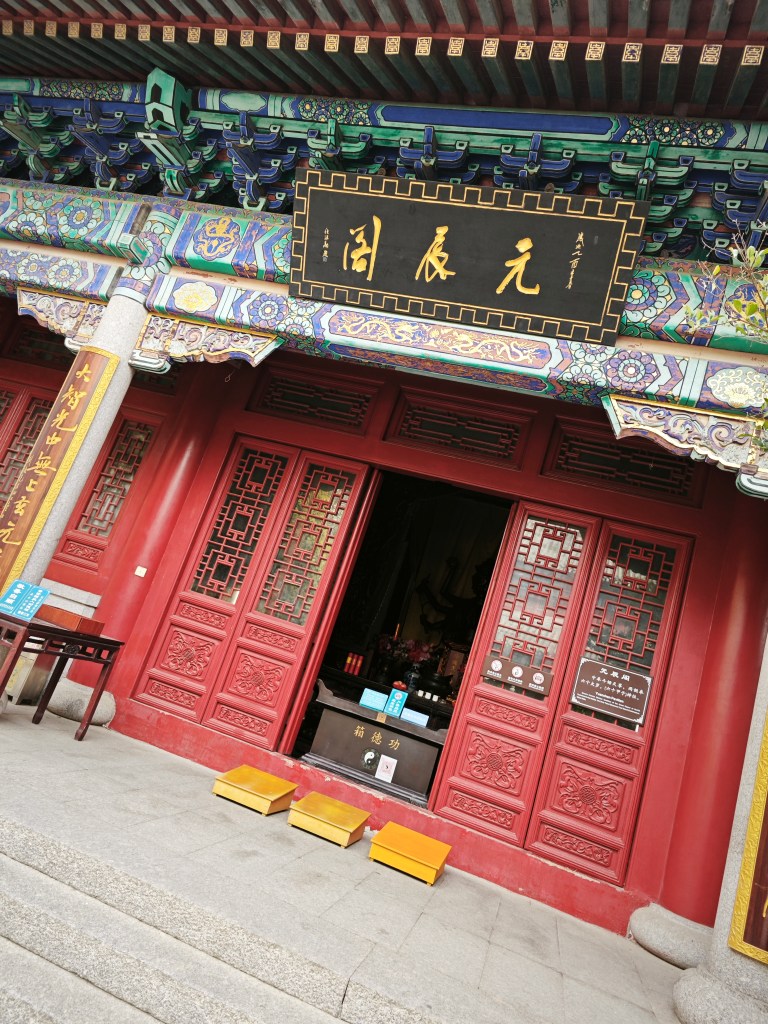
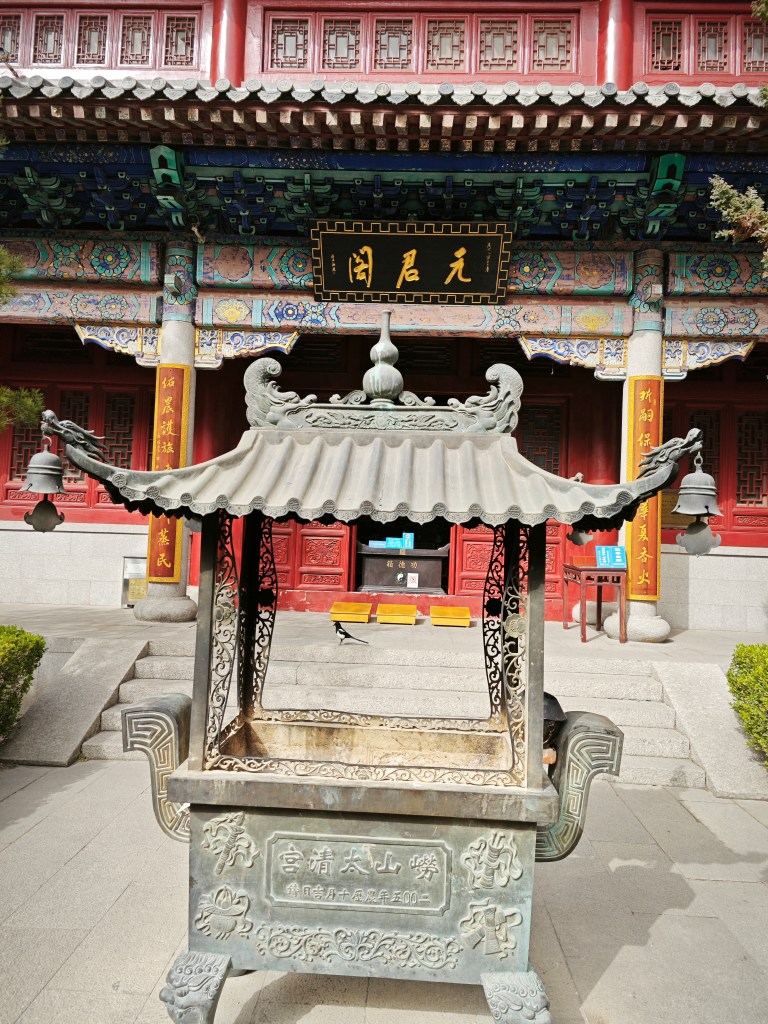
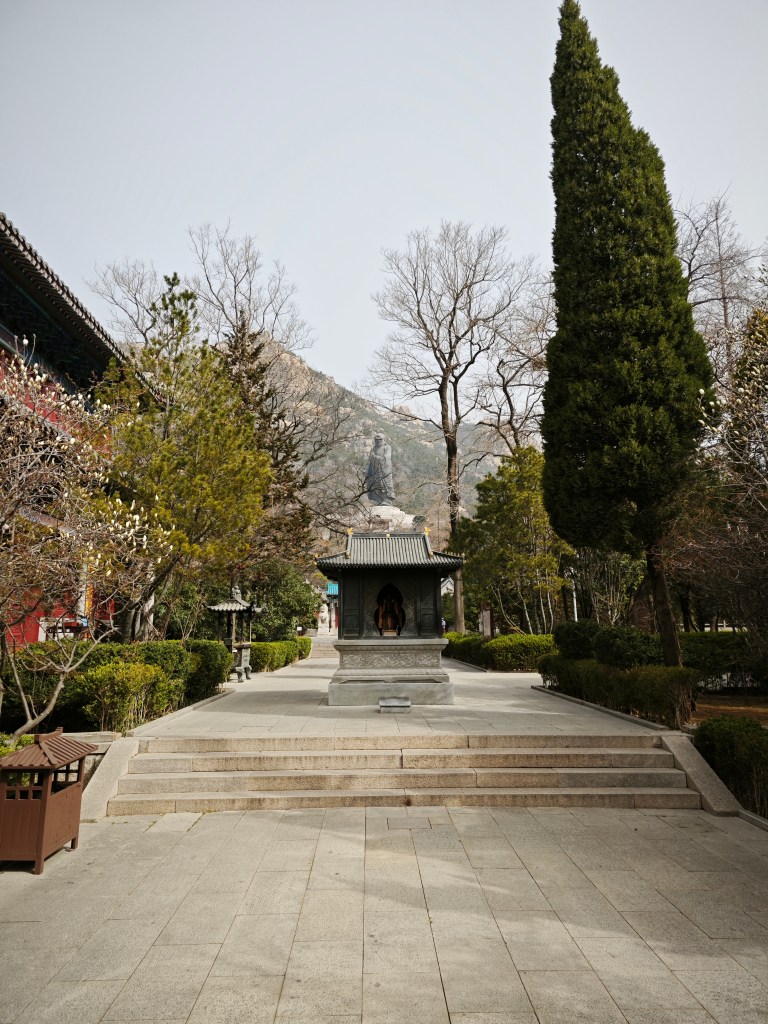
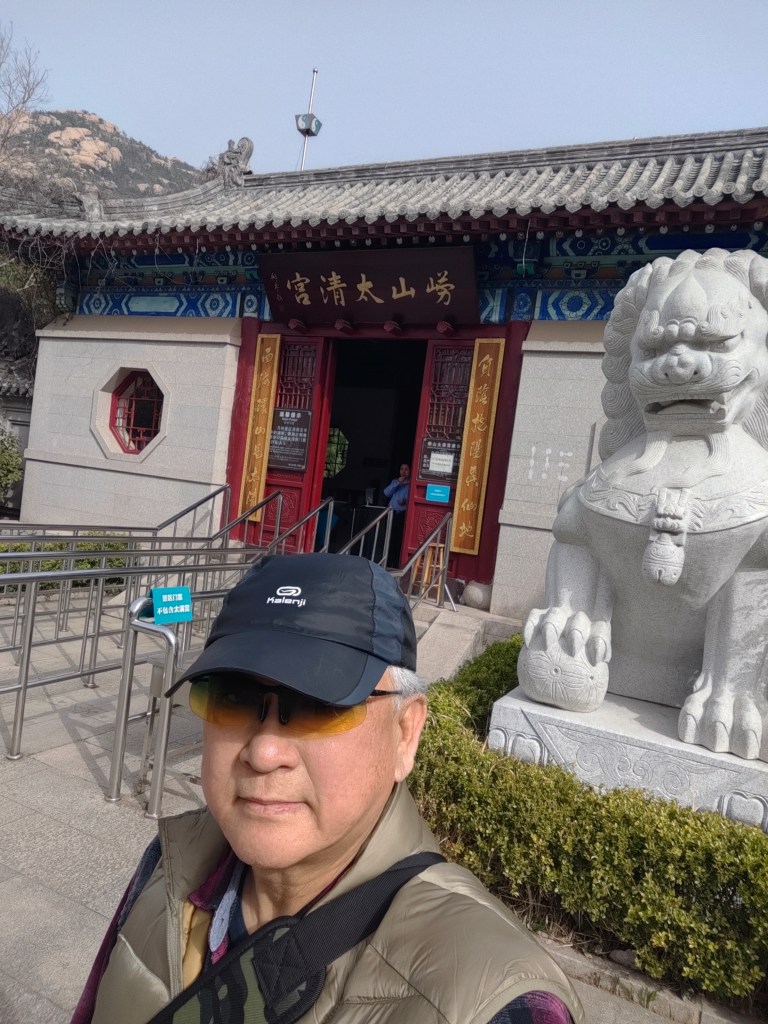
Explored Taoism and Catholism historical sites in Qingdao, Shangdong province.

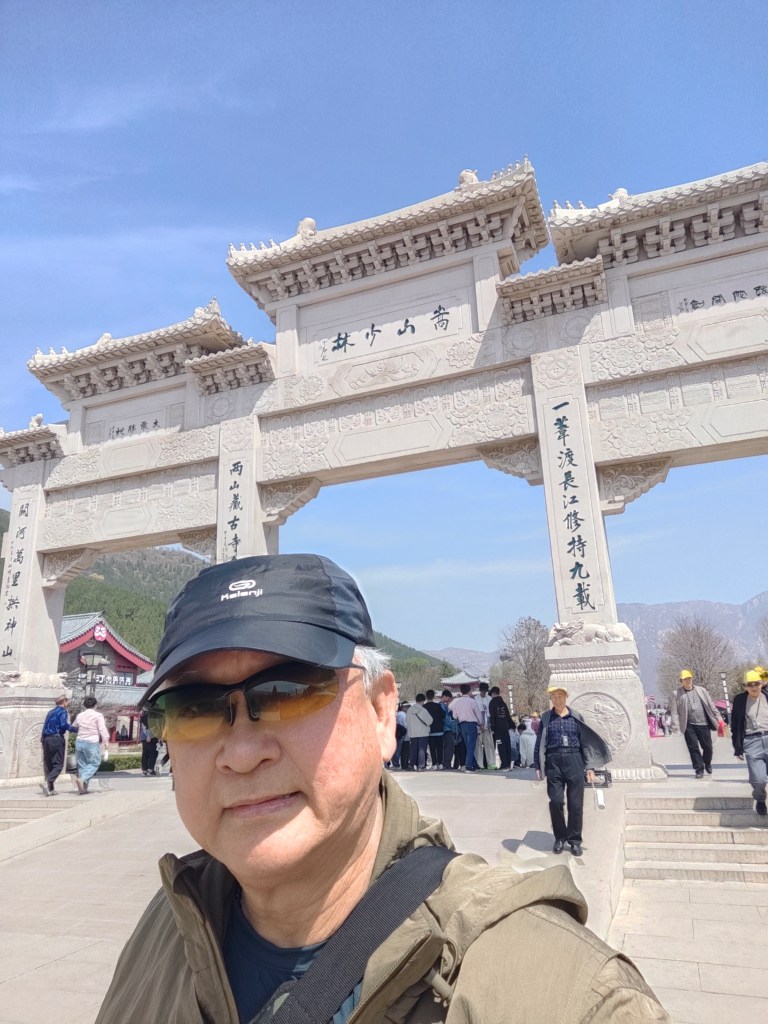
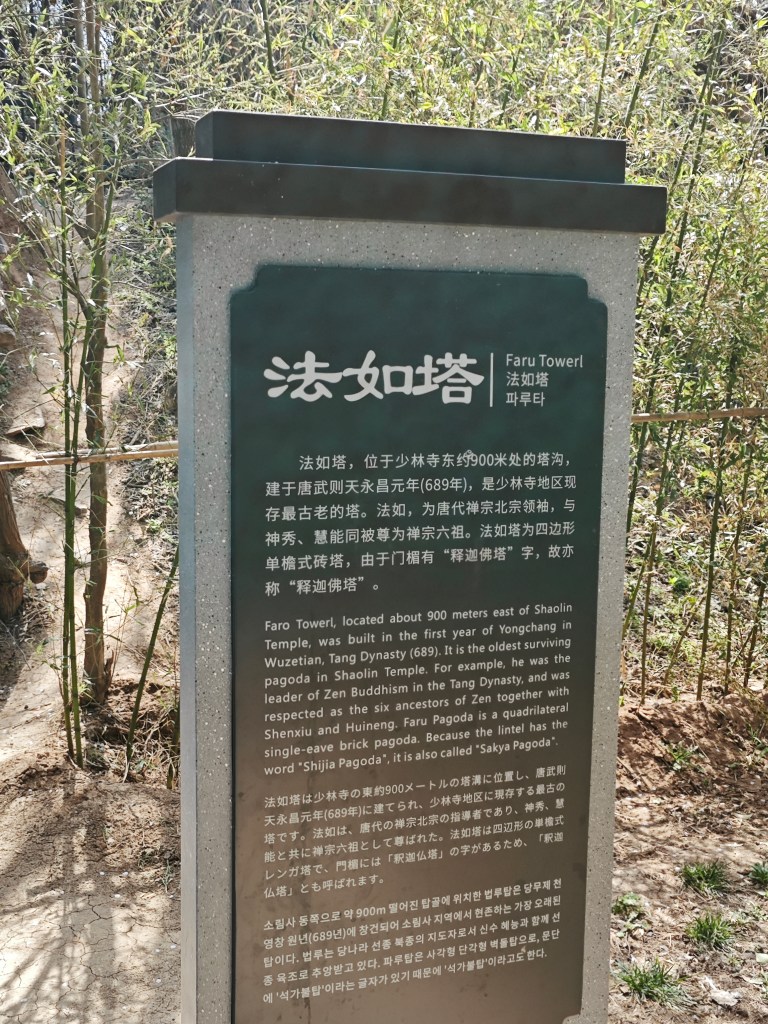
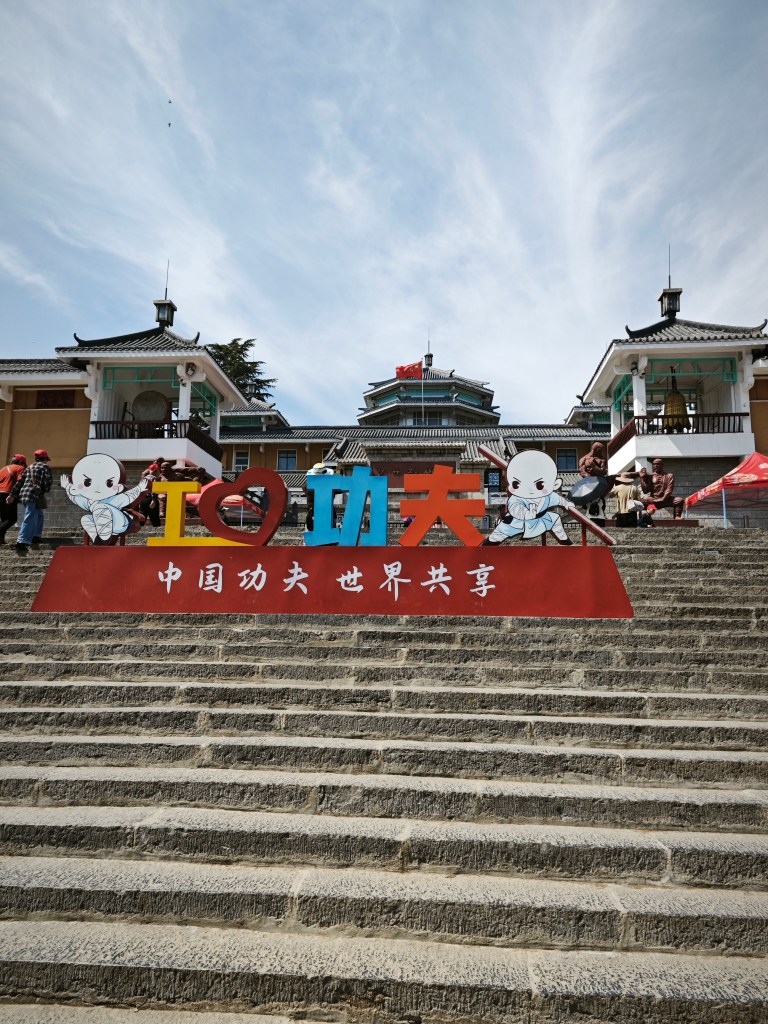
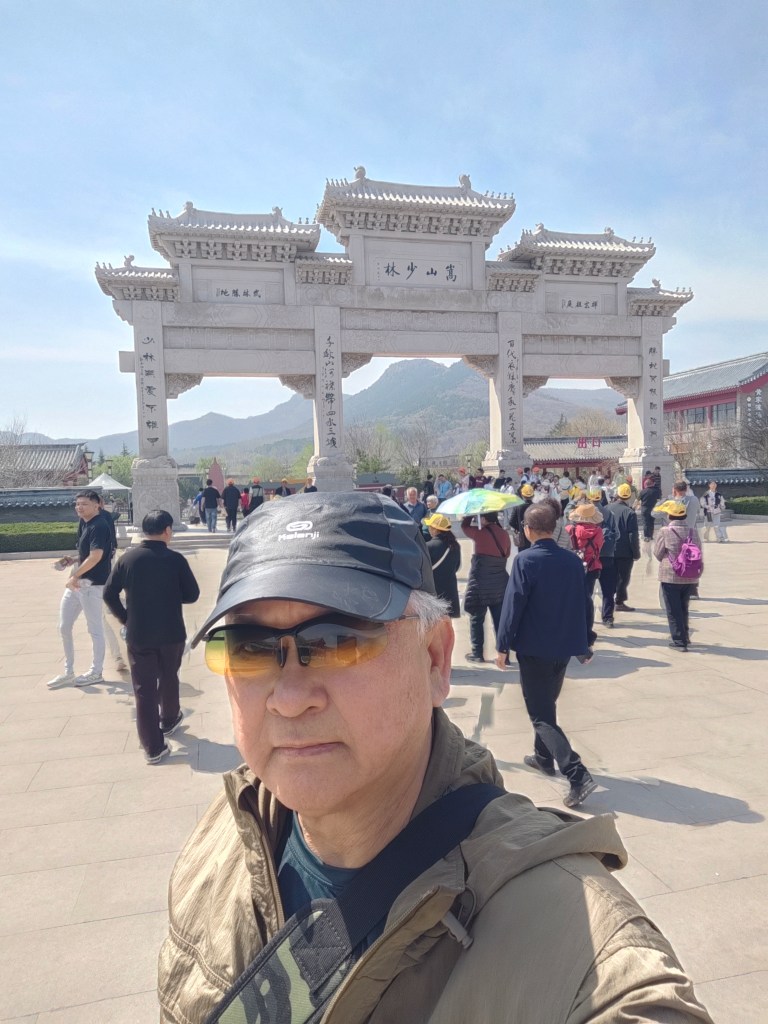
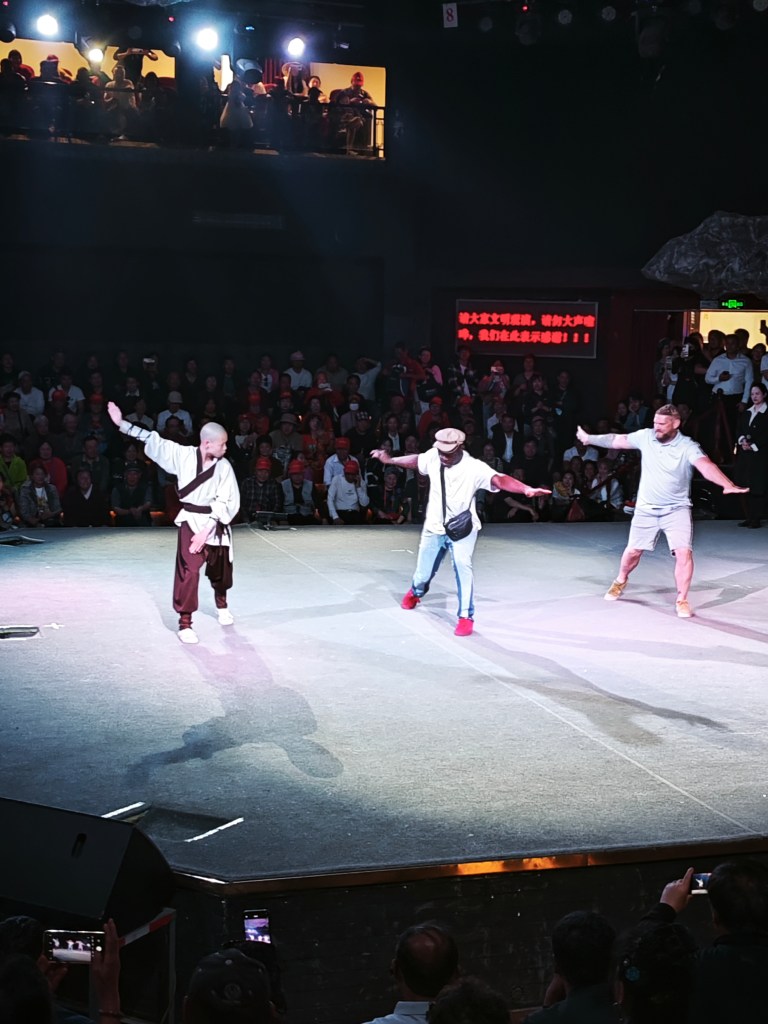
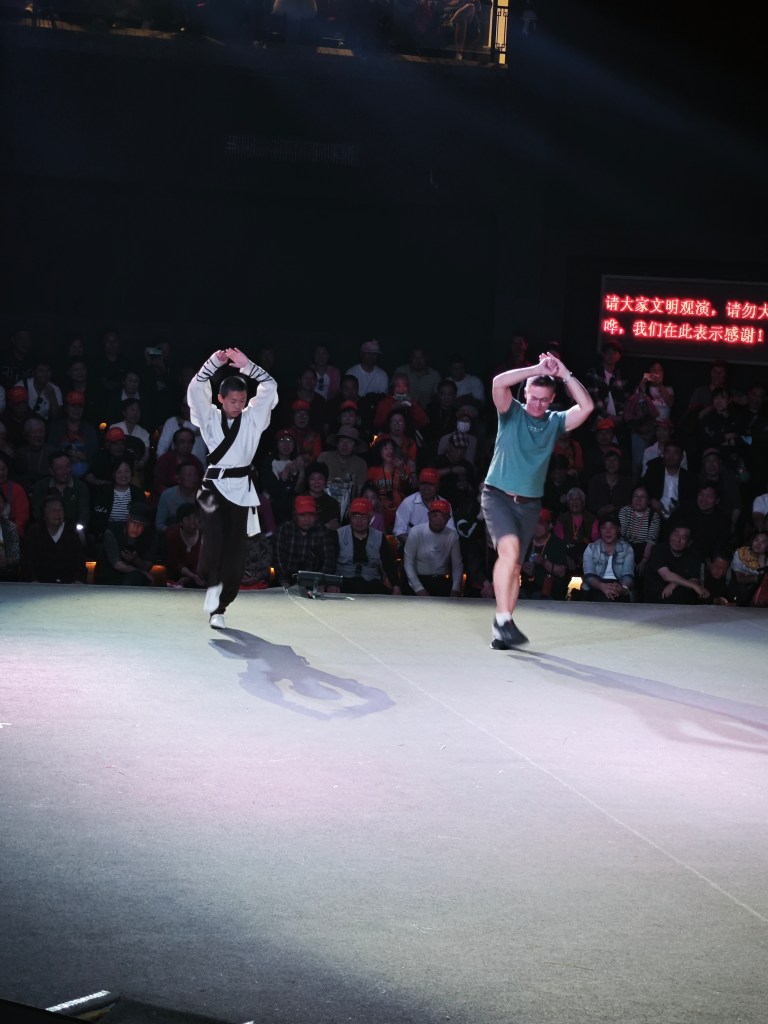
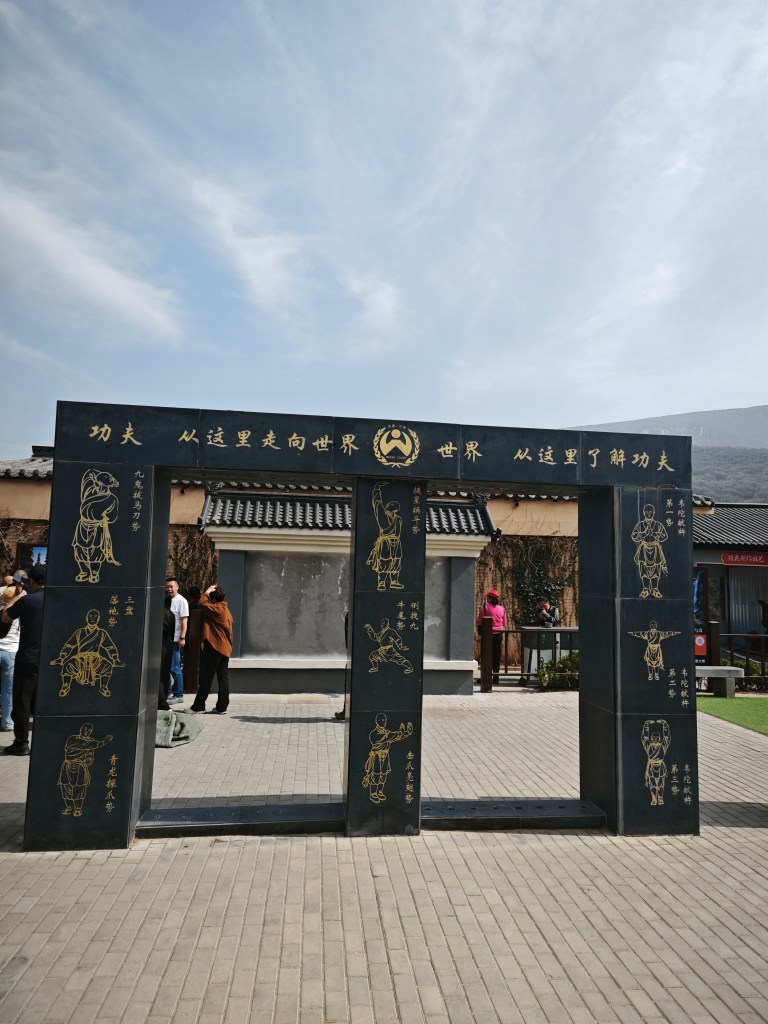
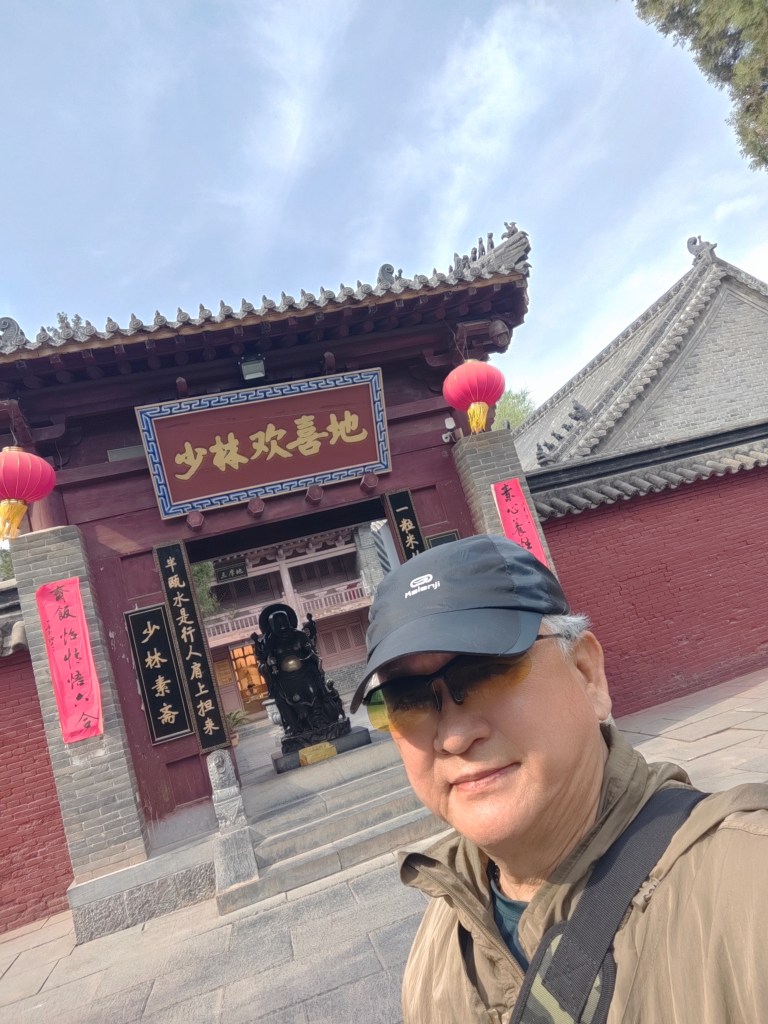
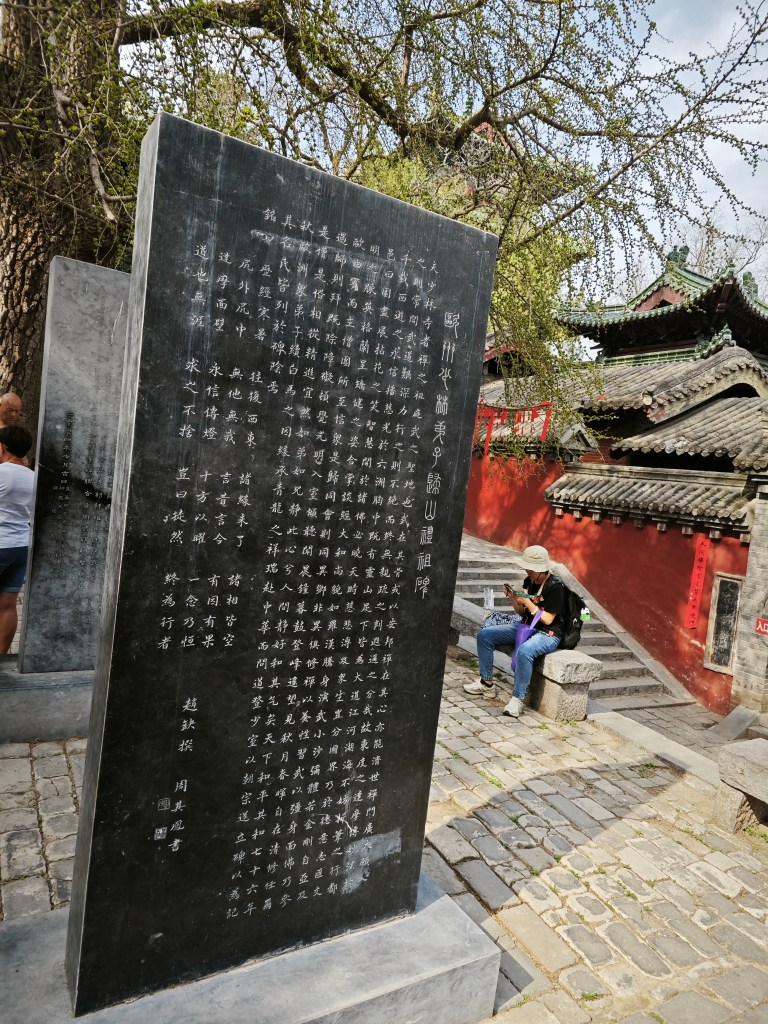
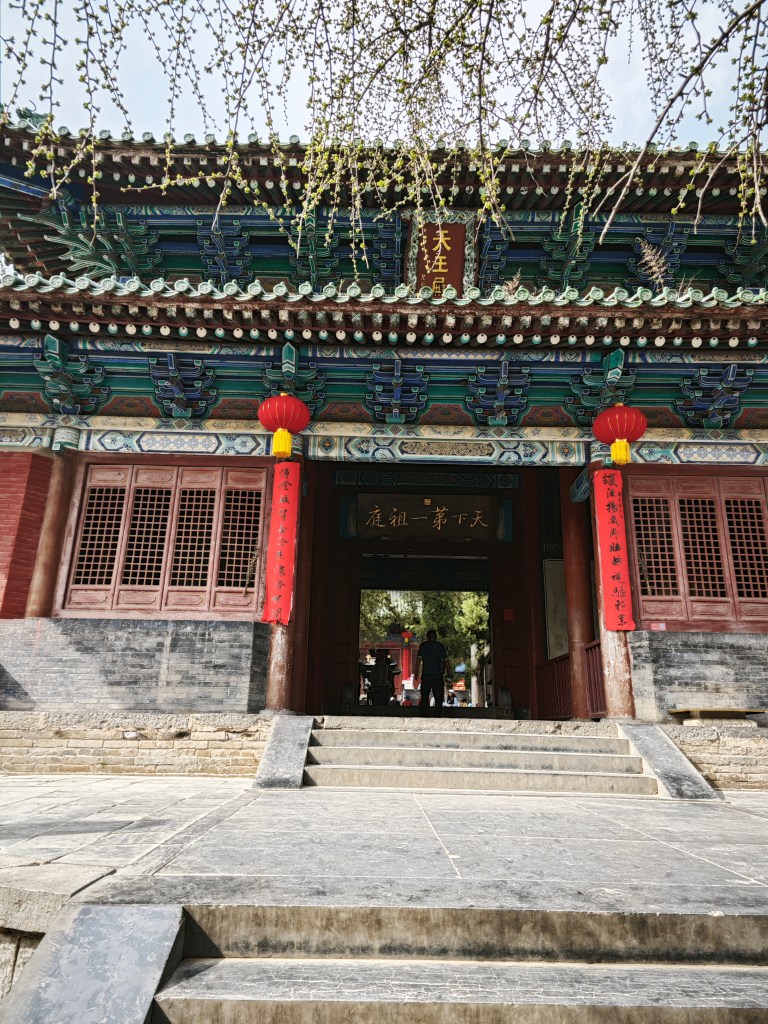
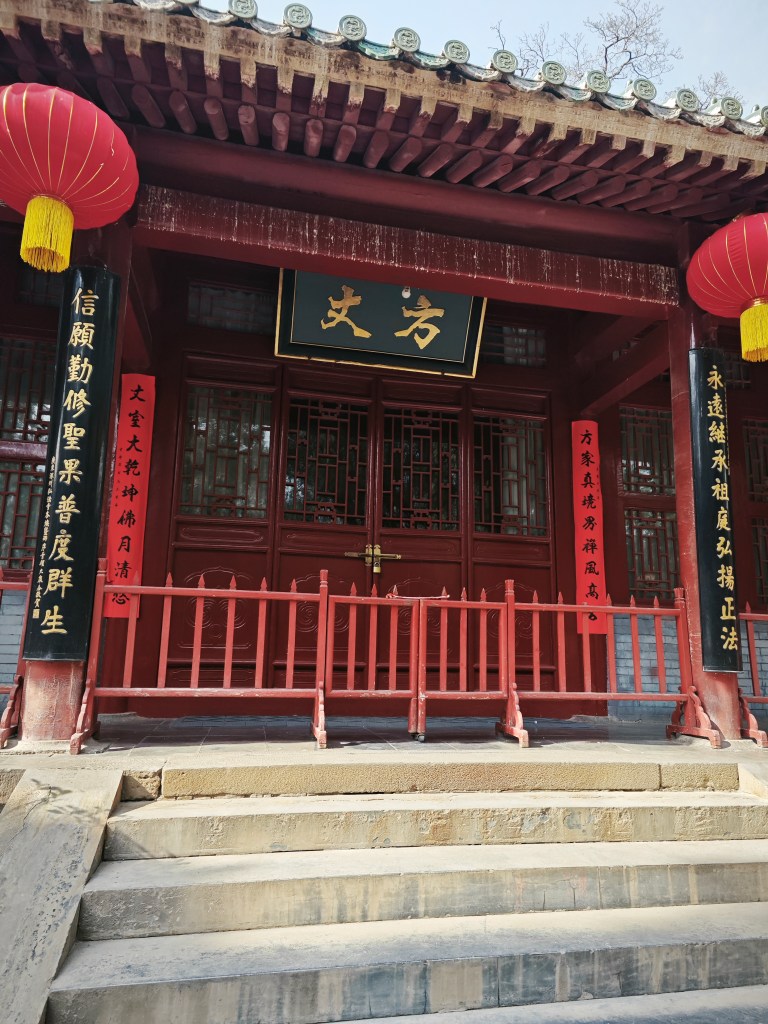
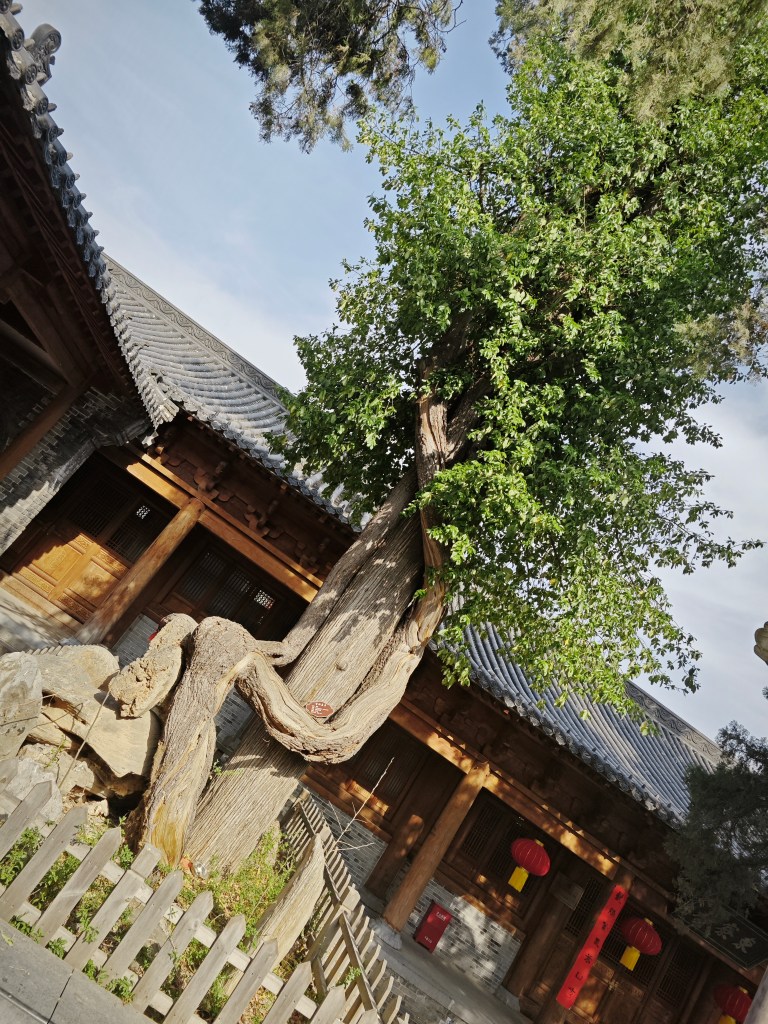
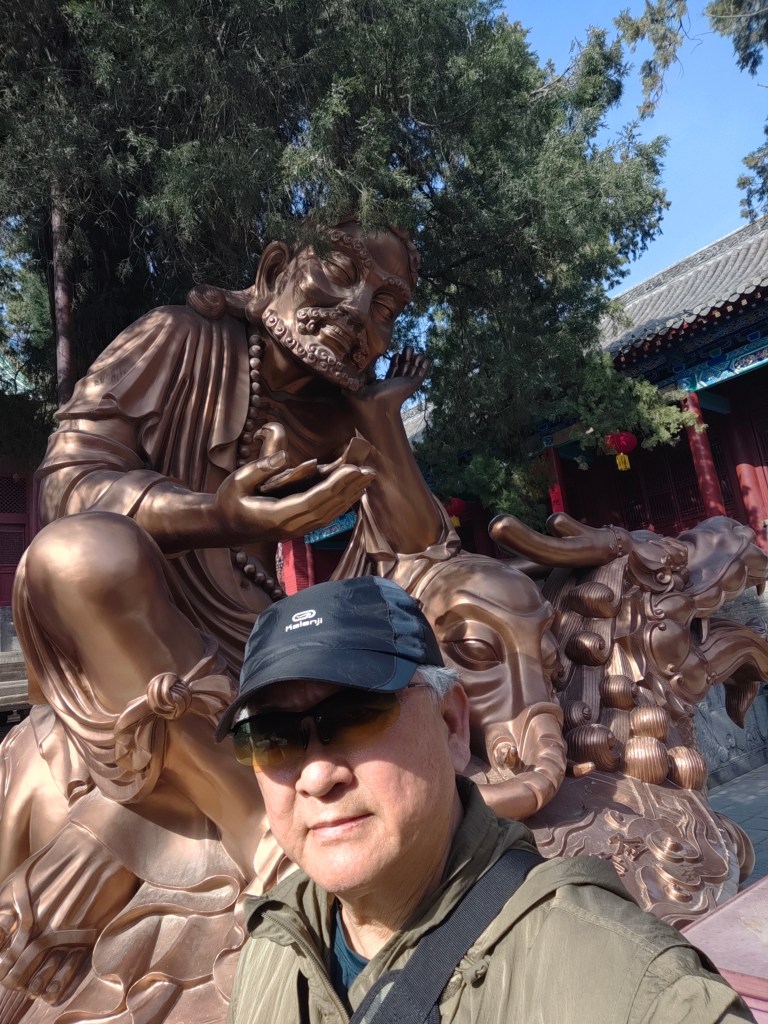
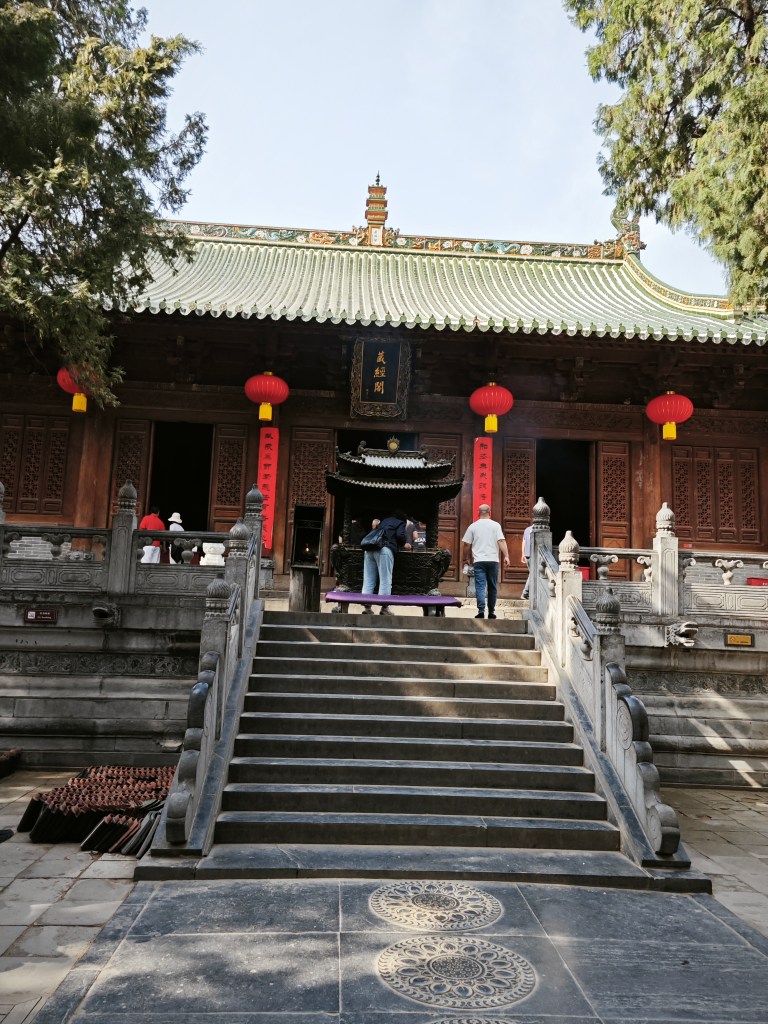
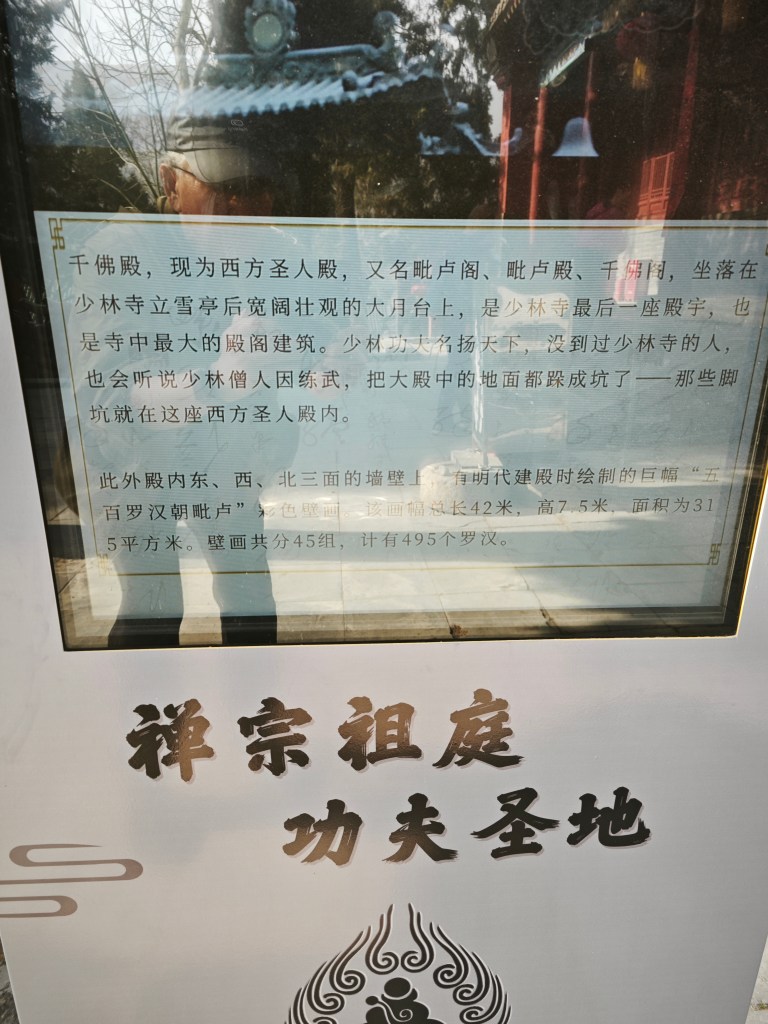
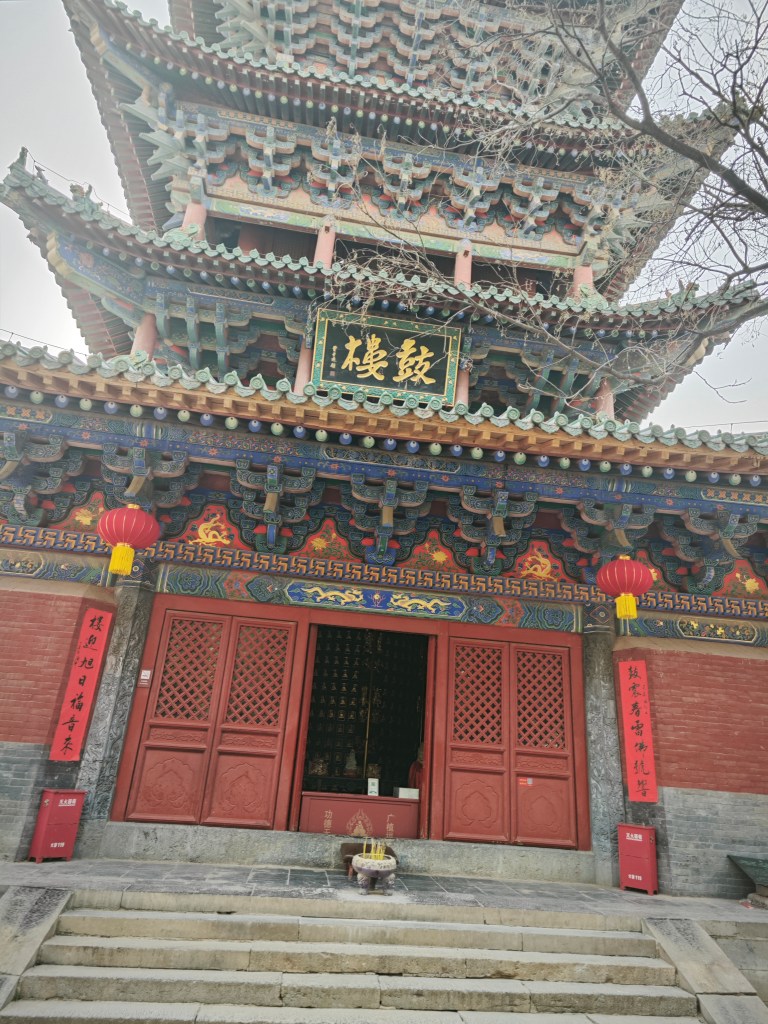
Visited Shaolingshi少林寺 in Songshan, Henan province, which is a famous Buddhist temple that has been known for more than 1000 years as a center of martial arts. Shaolin kung fu 少林功夫 has attracted many not just Chinese but also international students to come and learn.


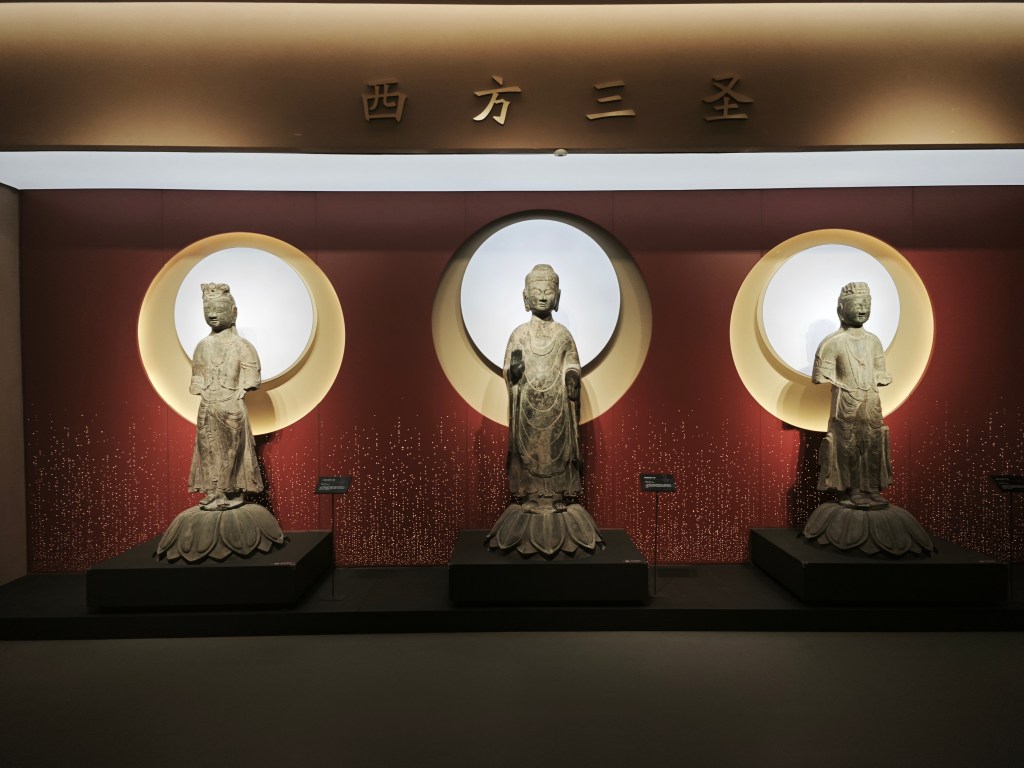
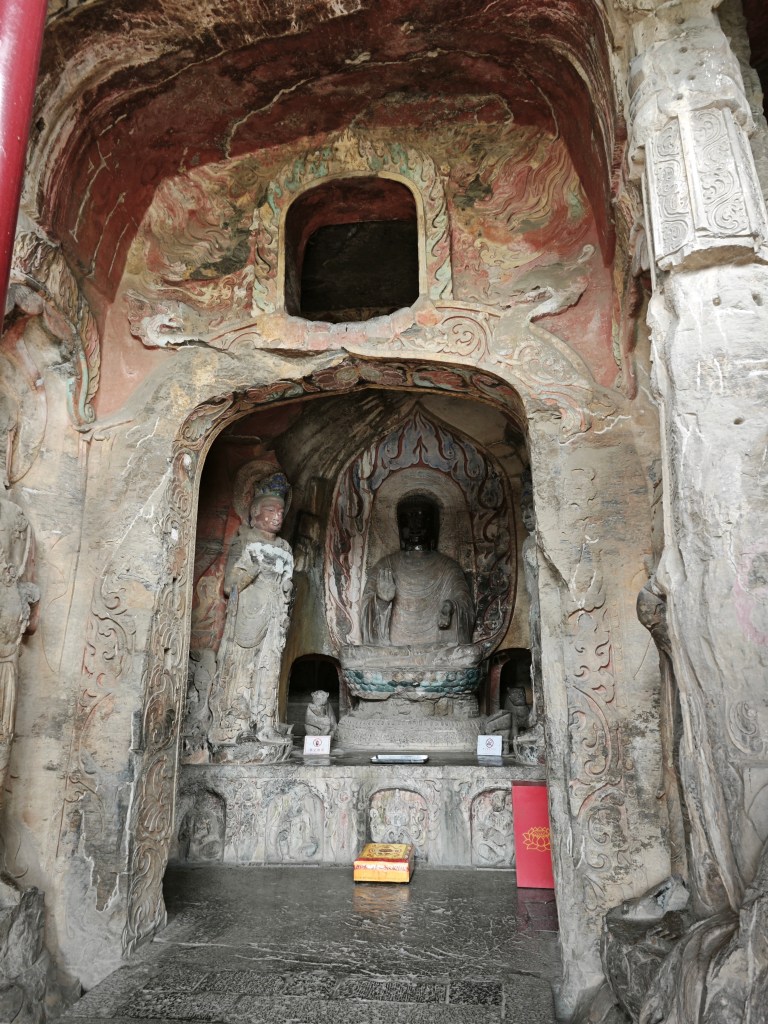
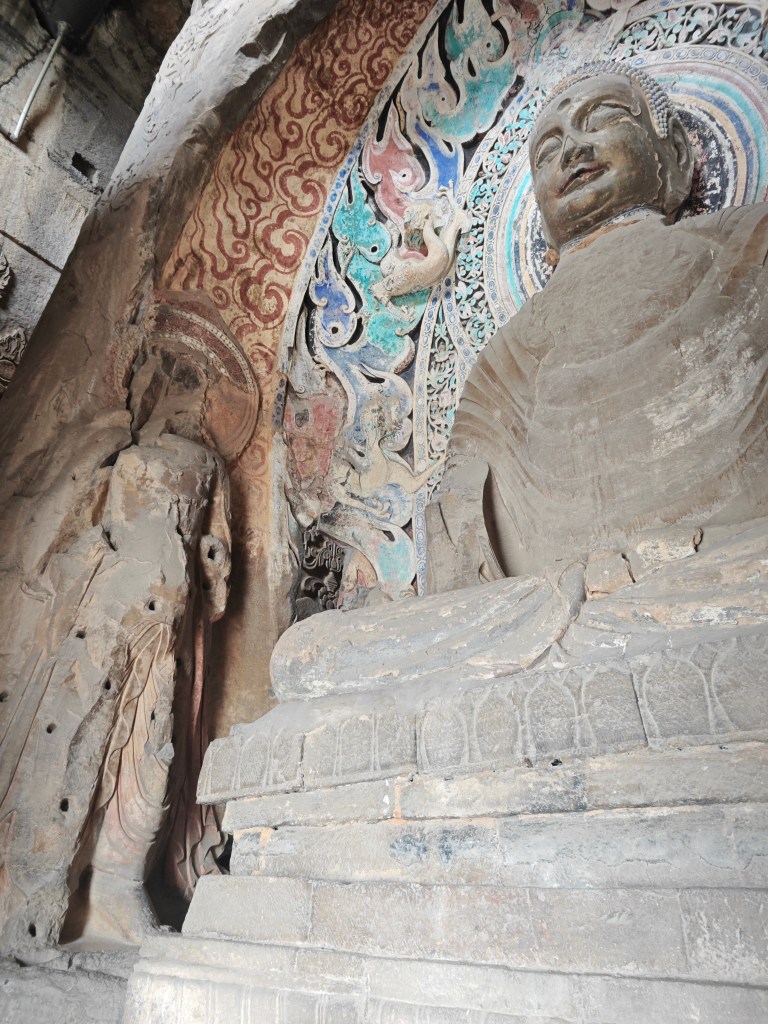
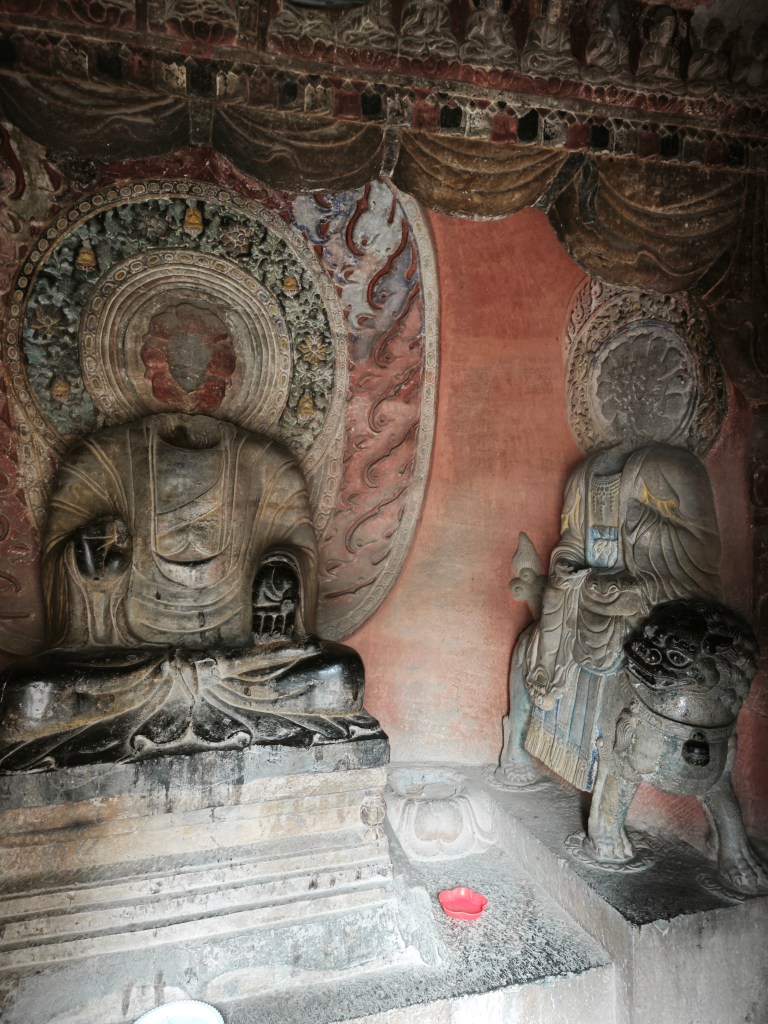
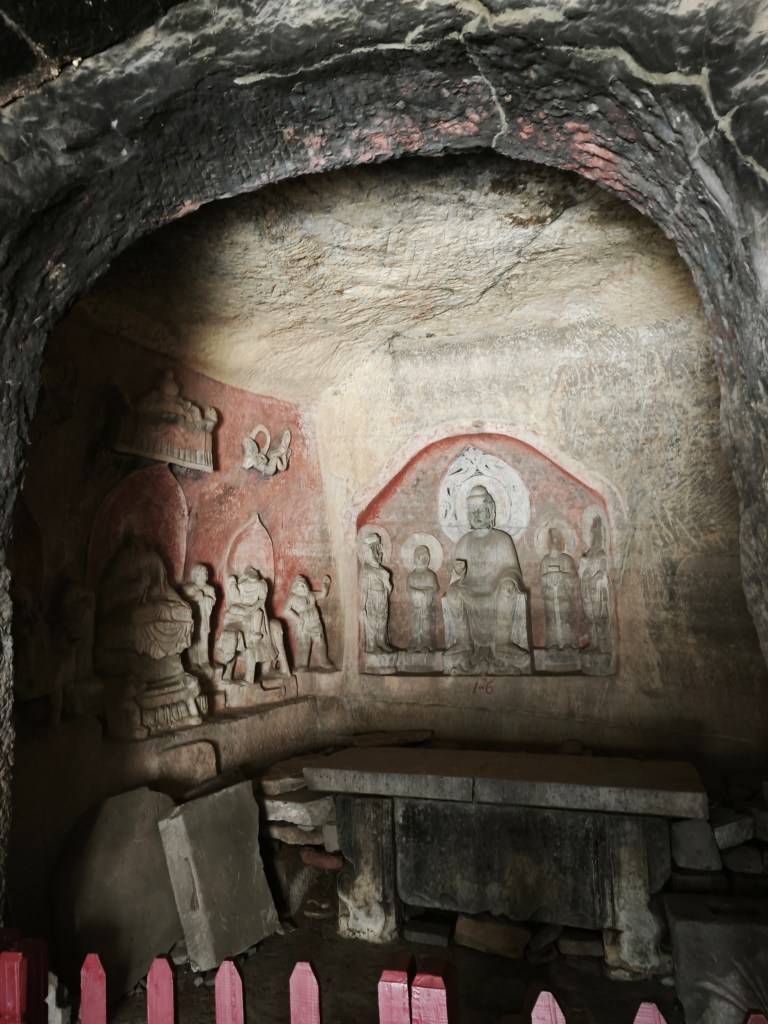
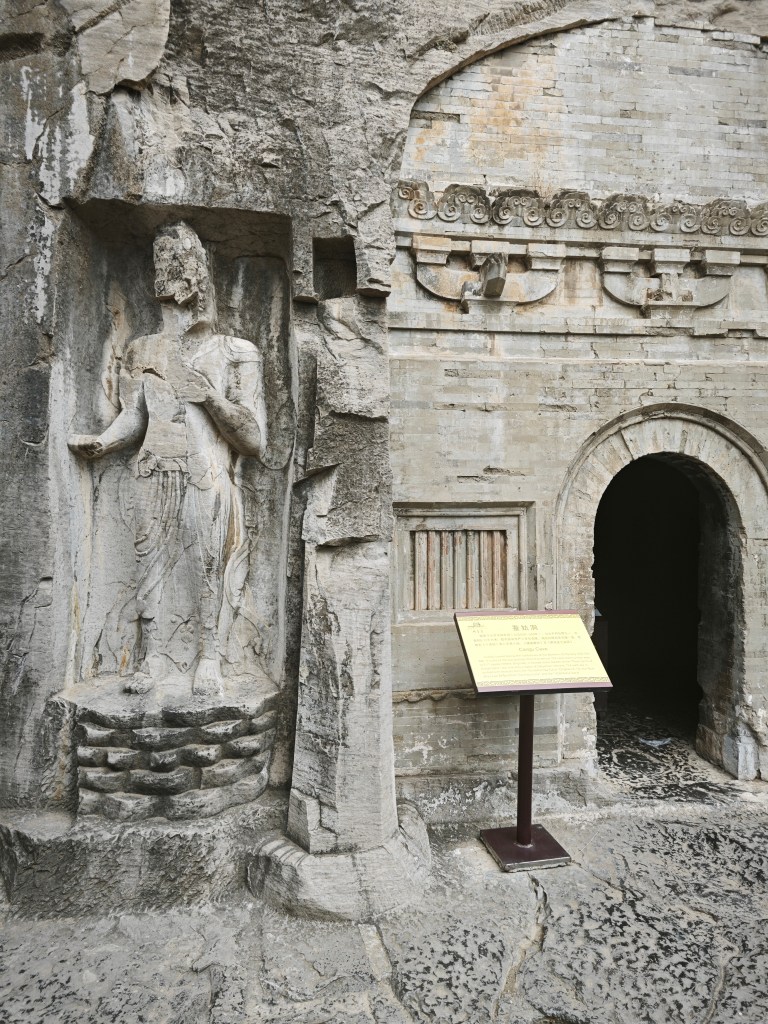
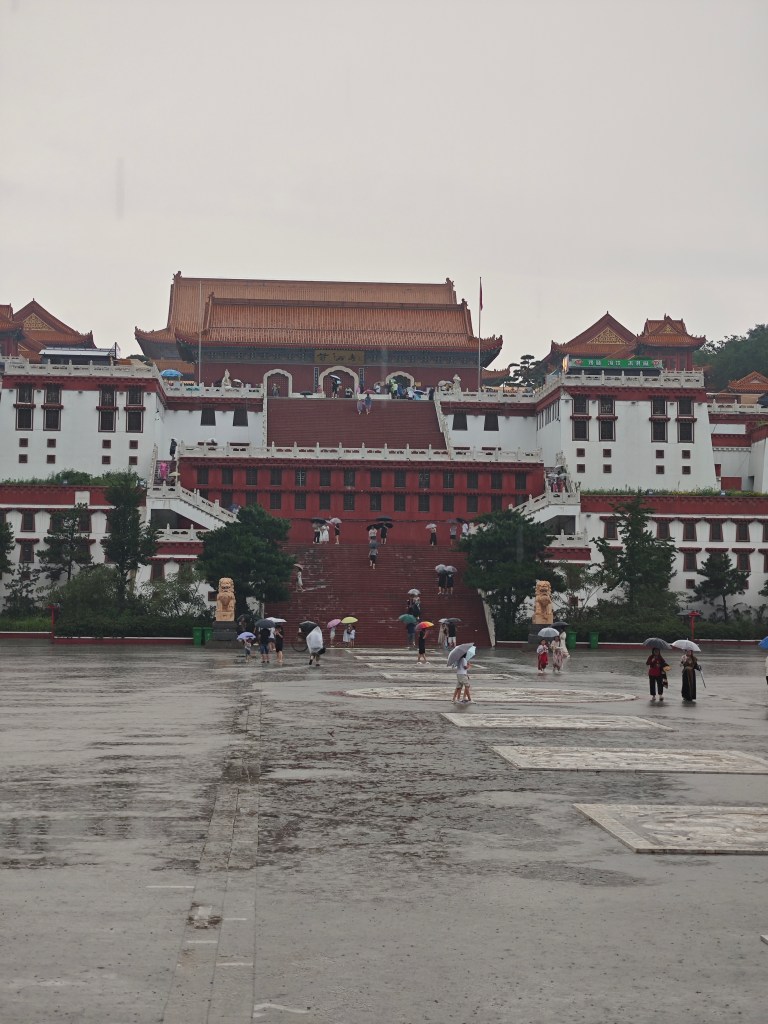
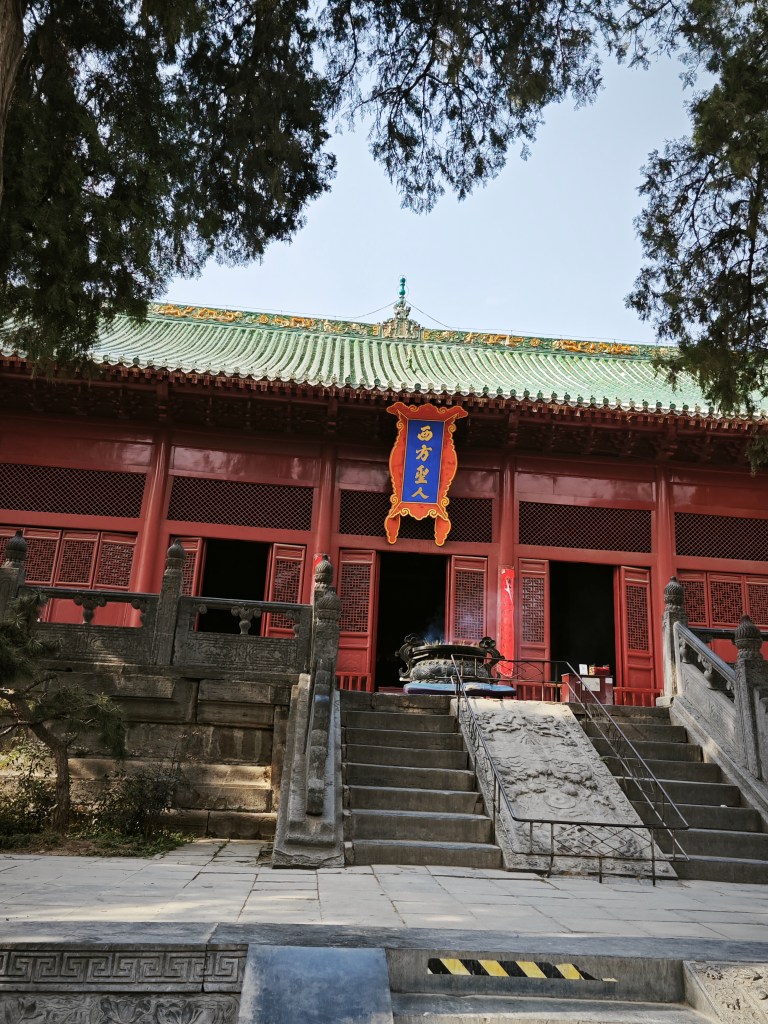
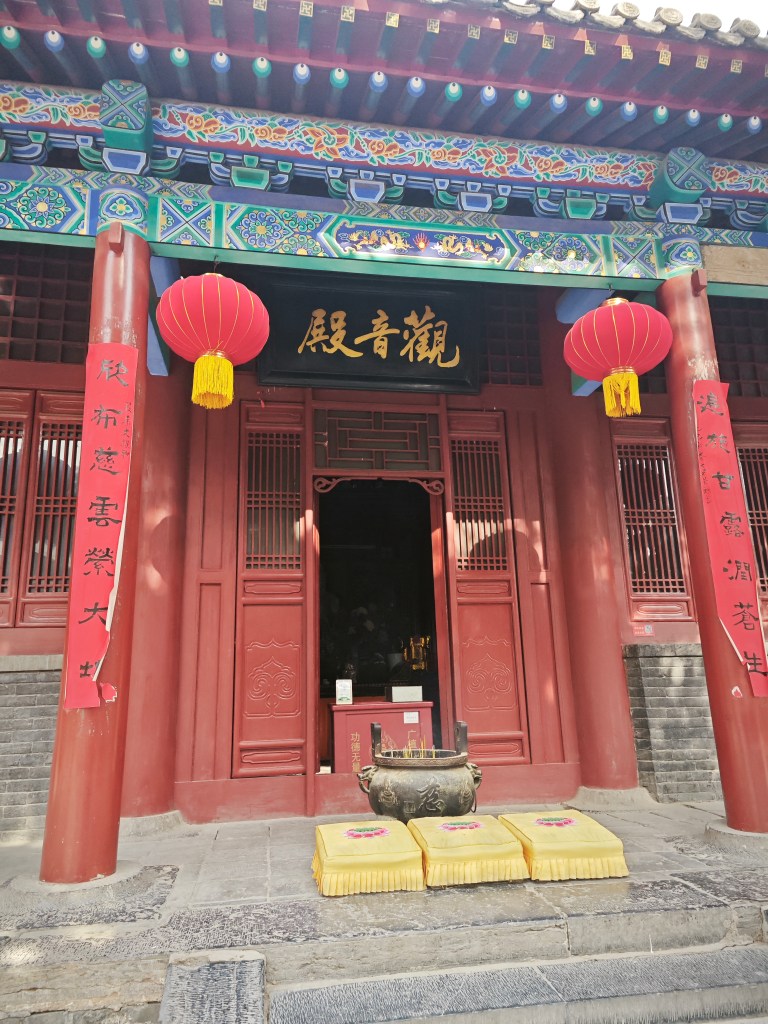
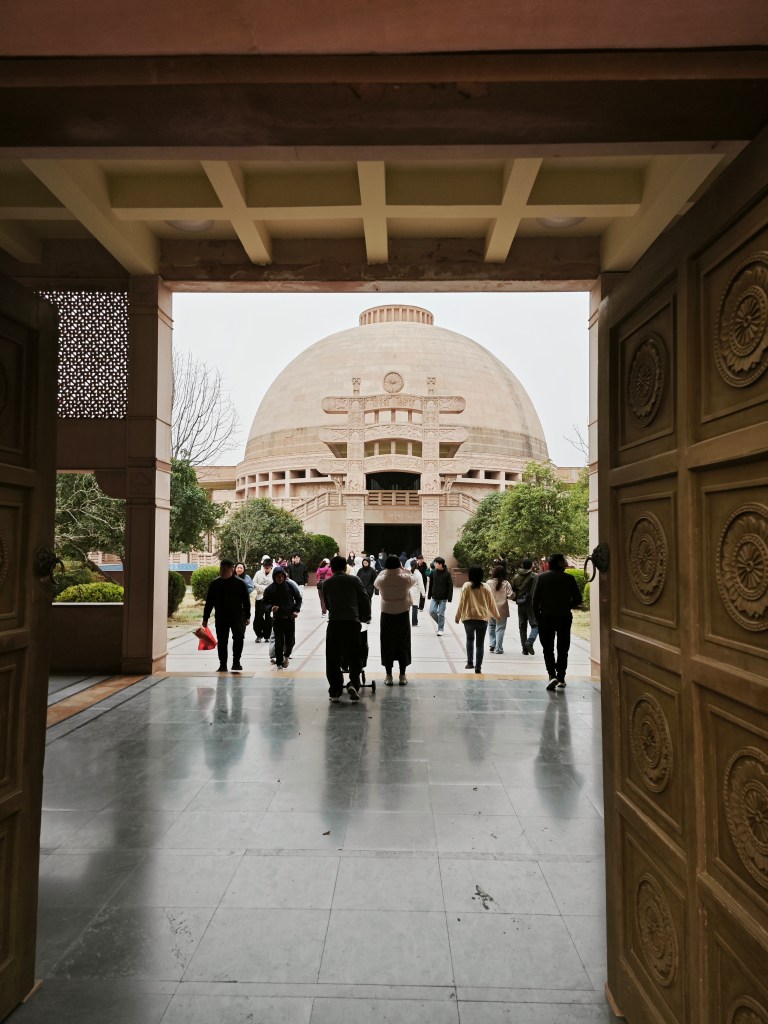
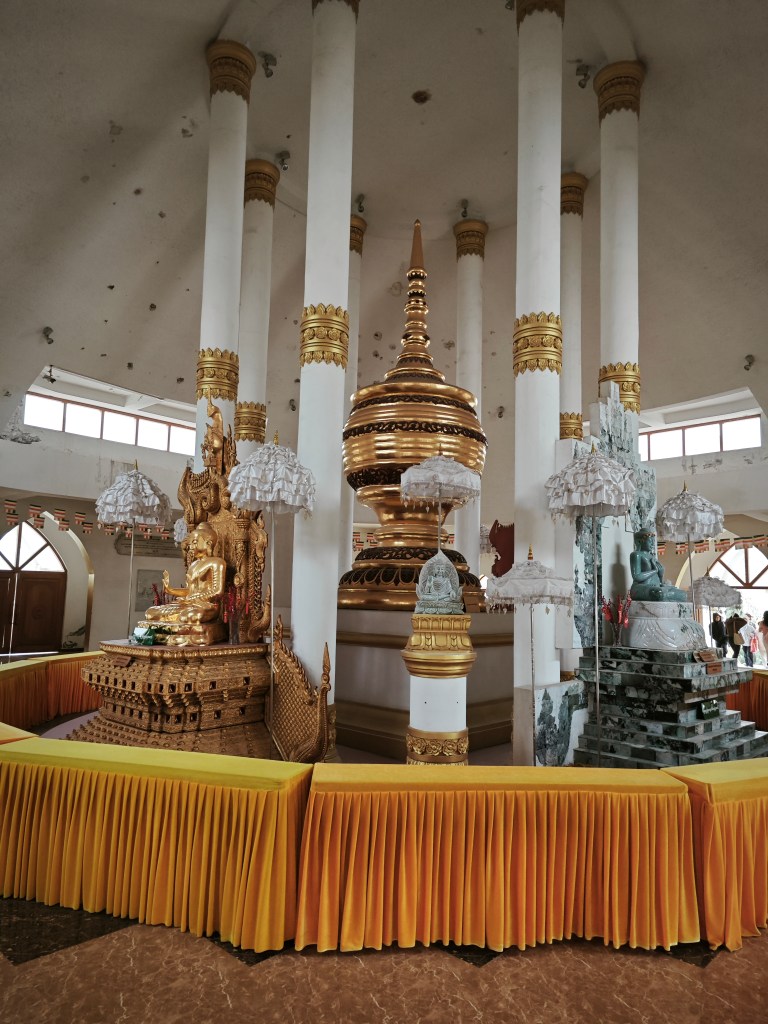
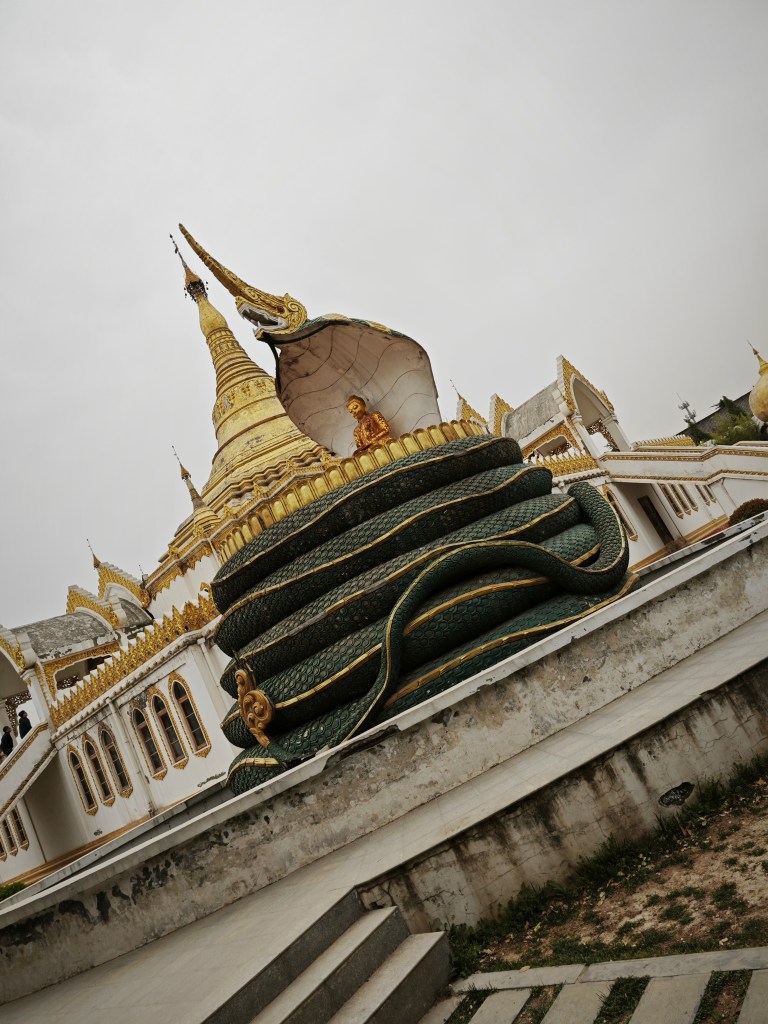
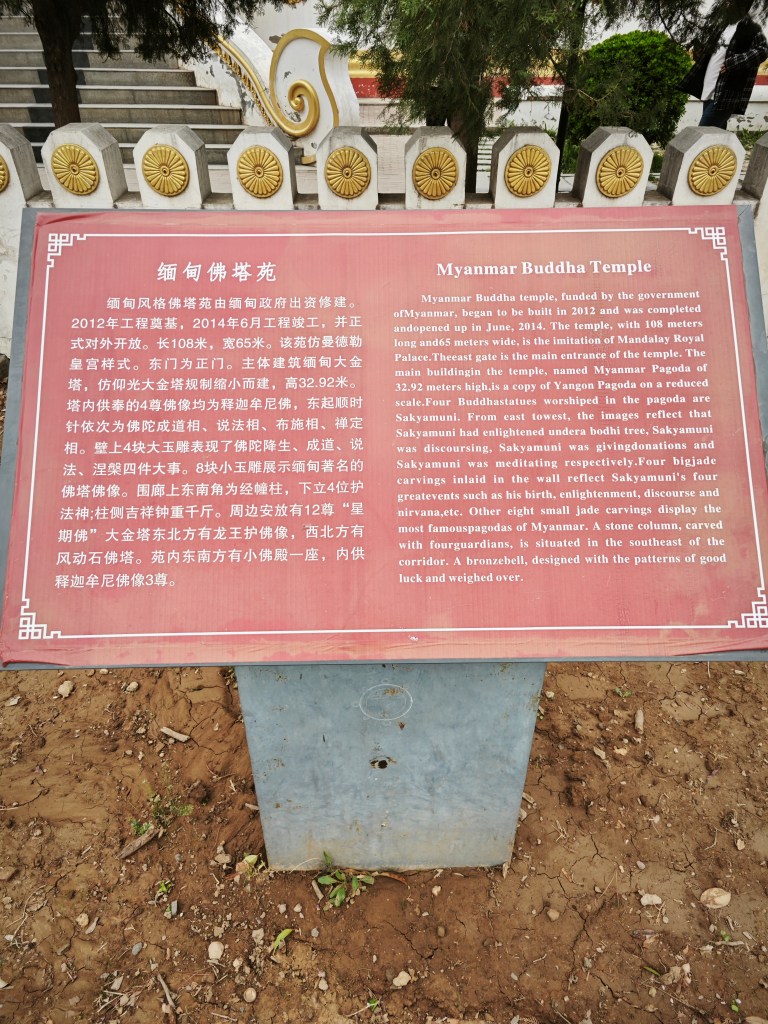
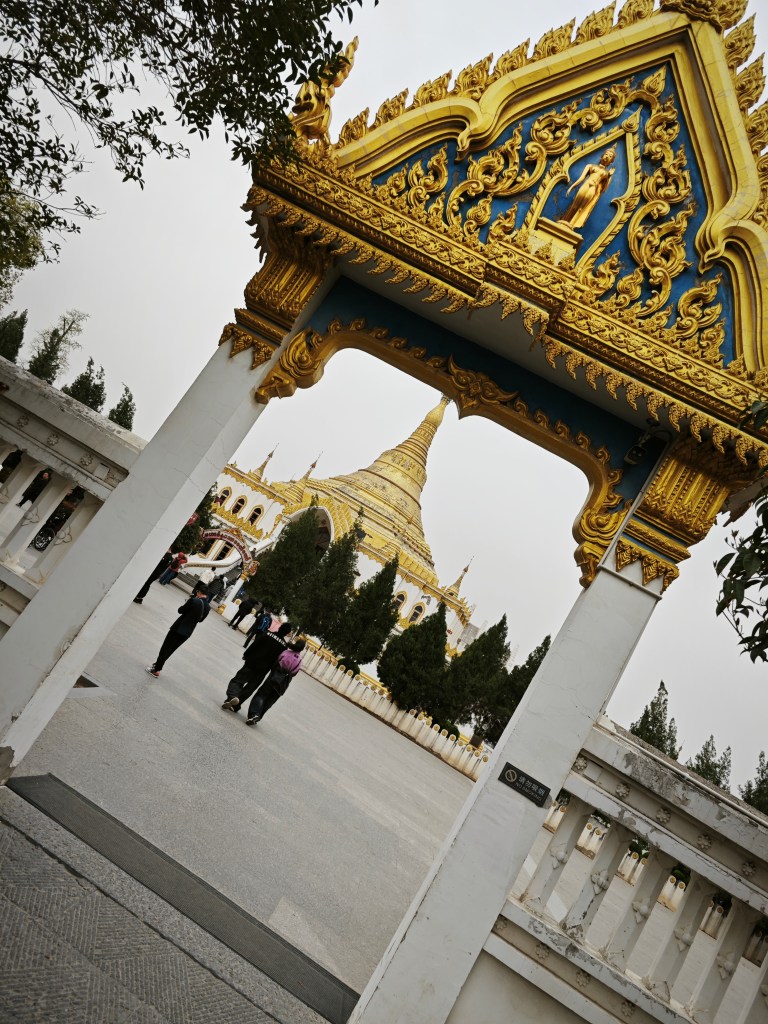
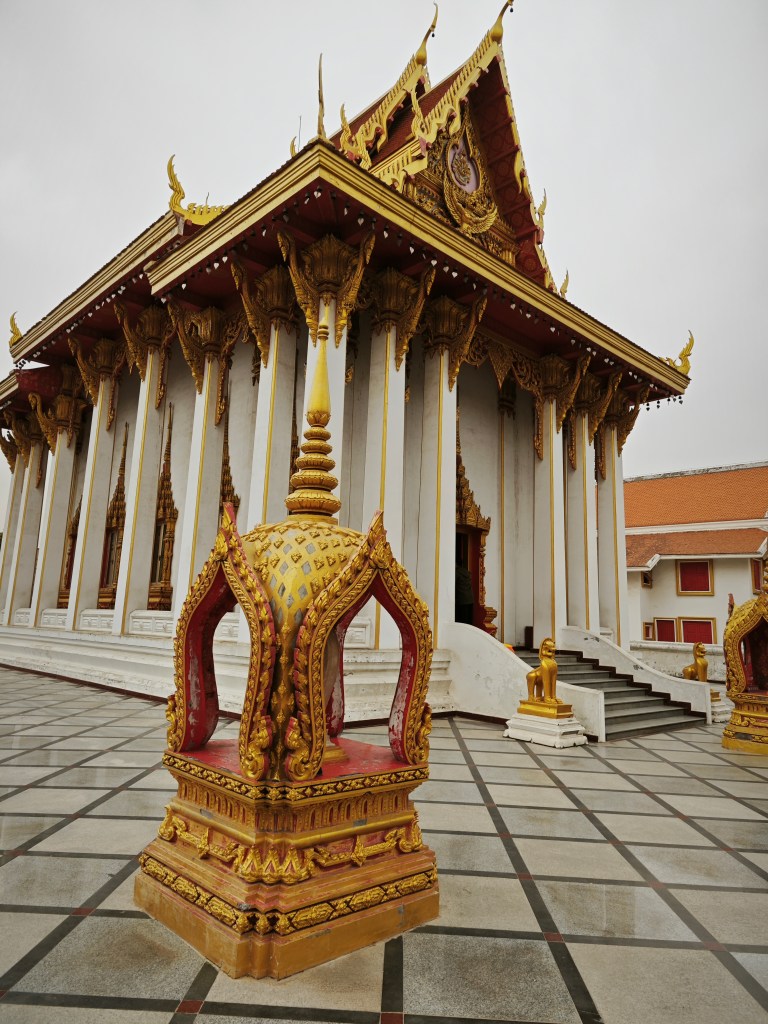
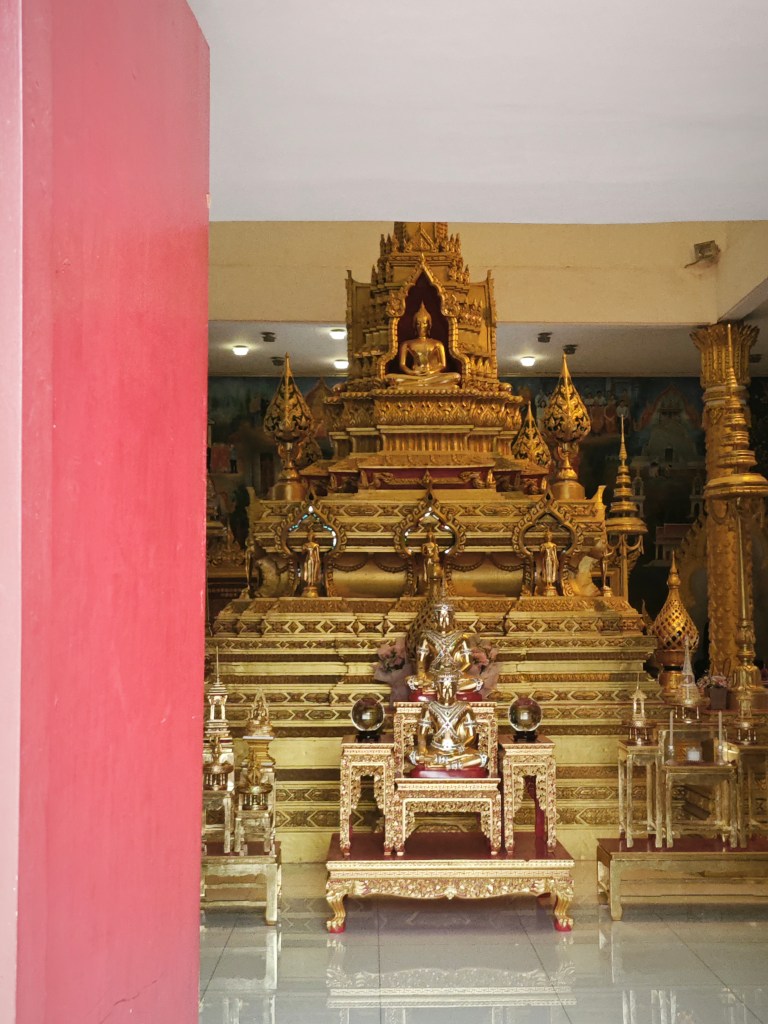
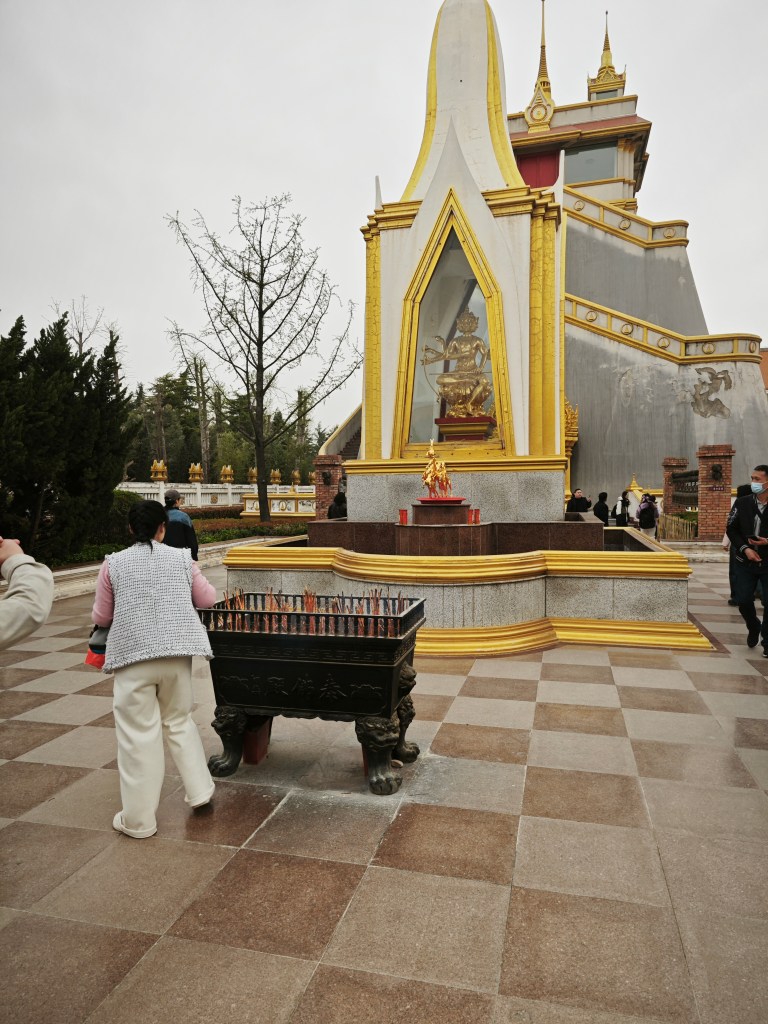
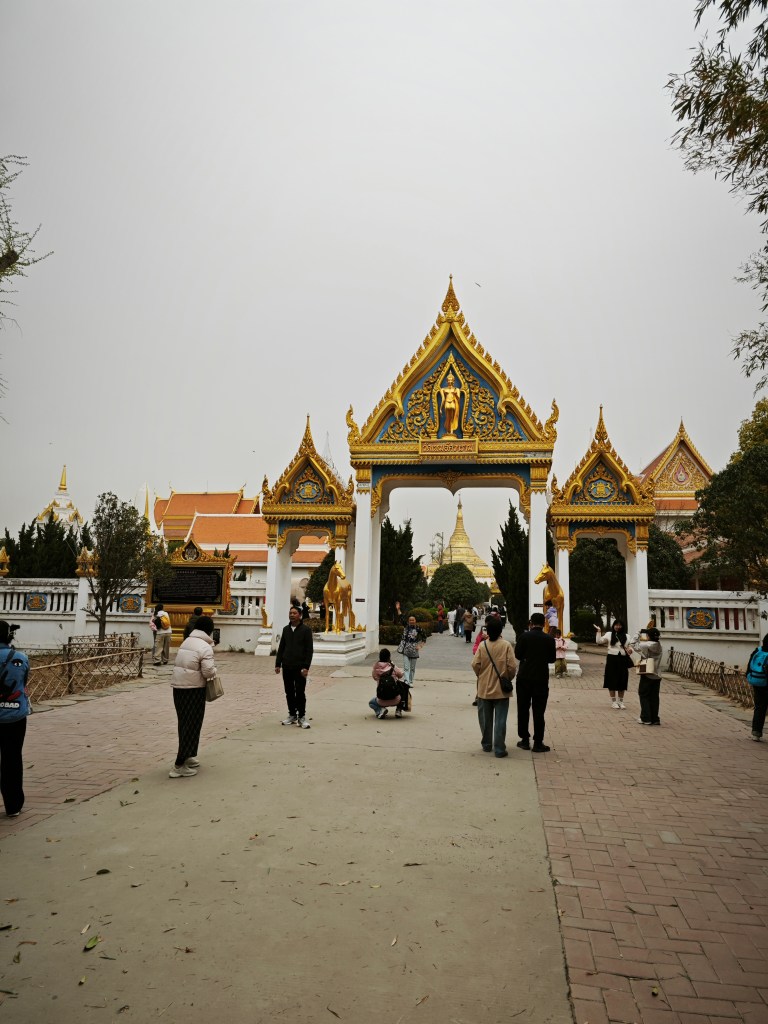
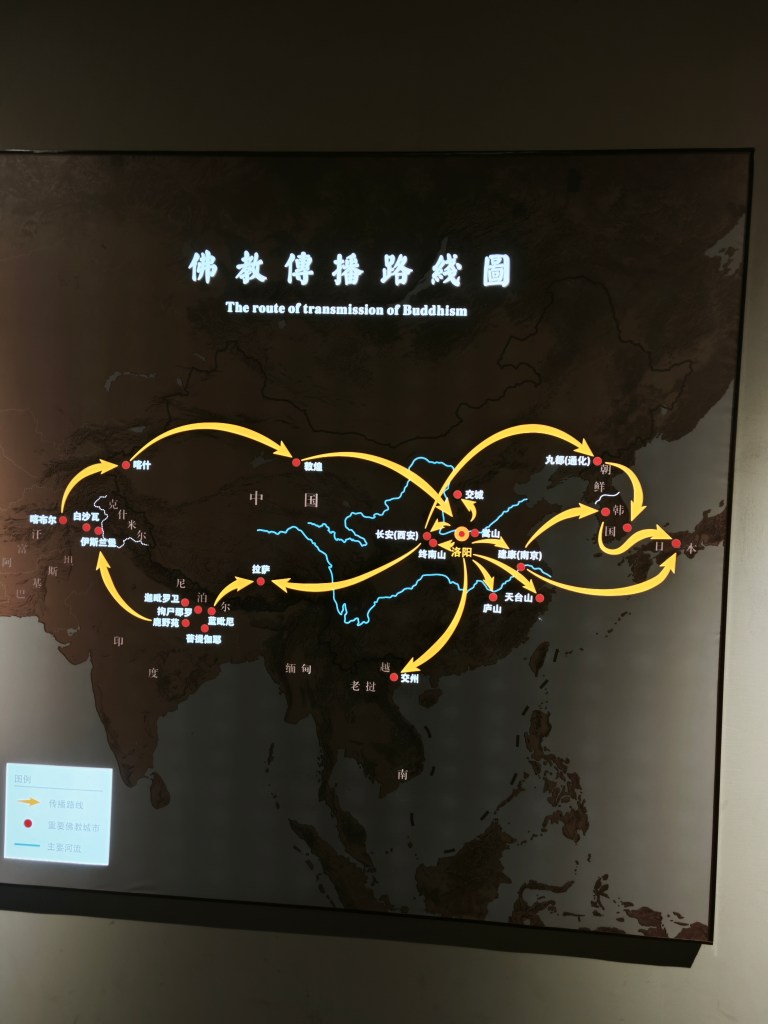
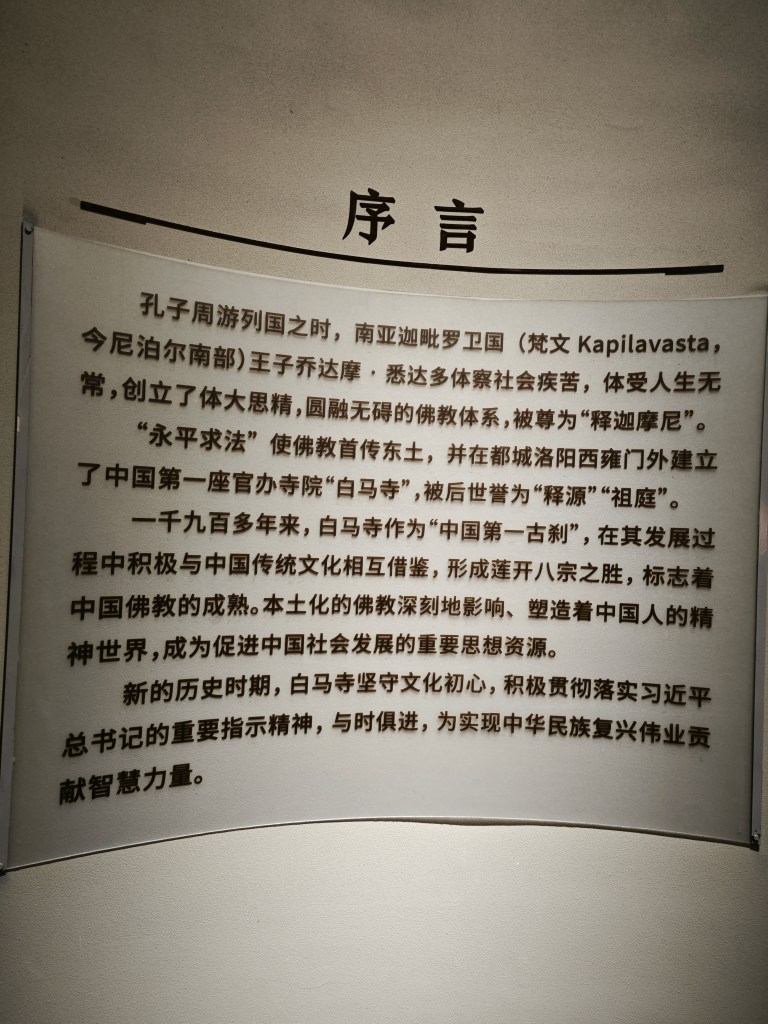
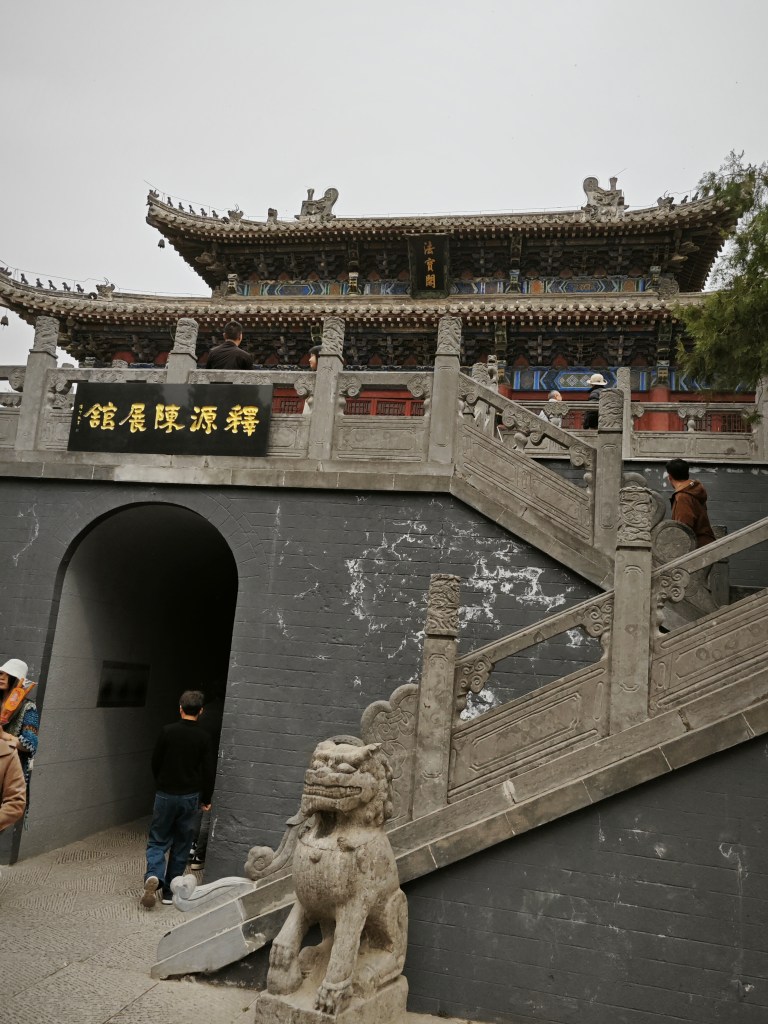
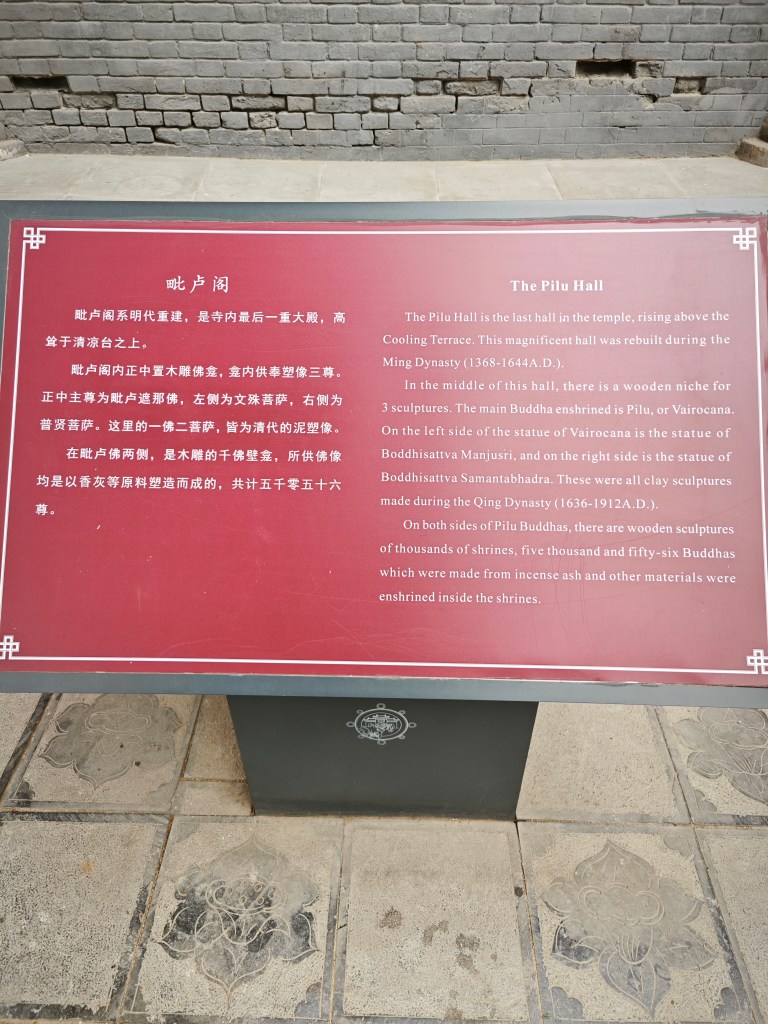
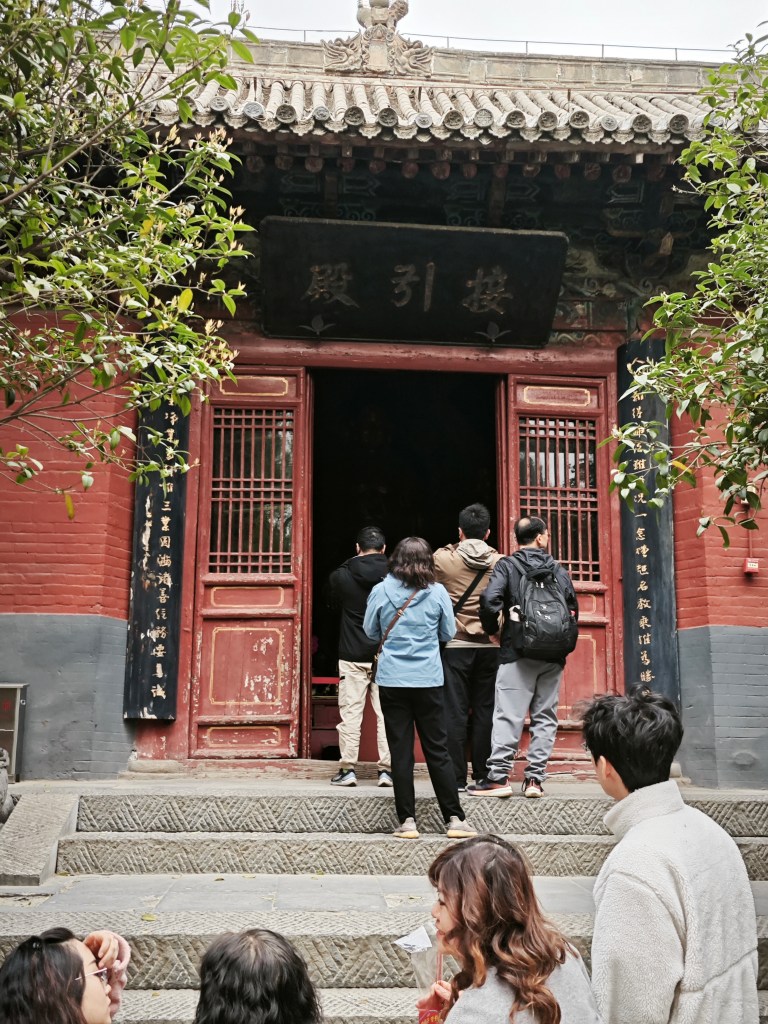
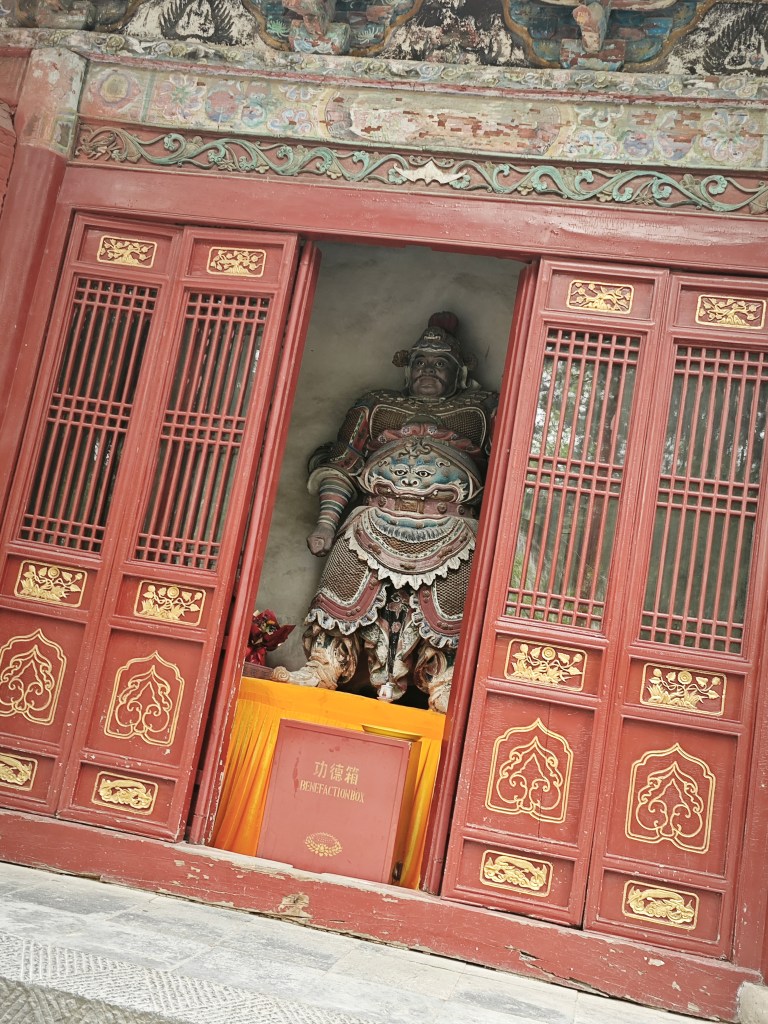
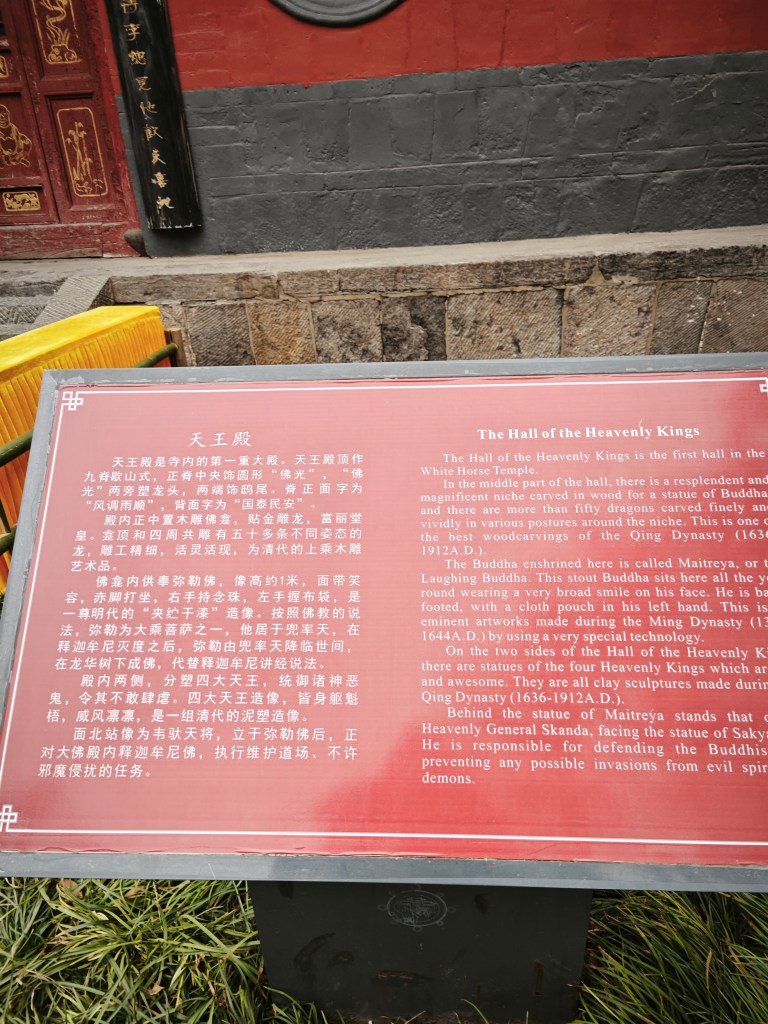
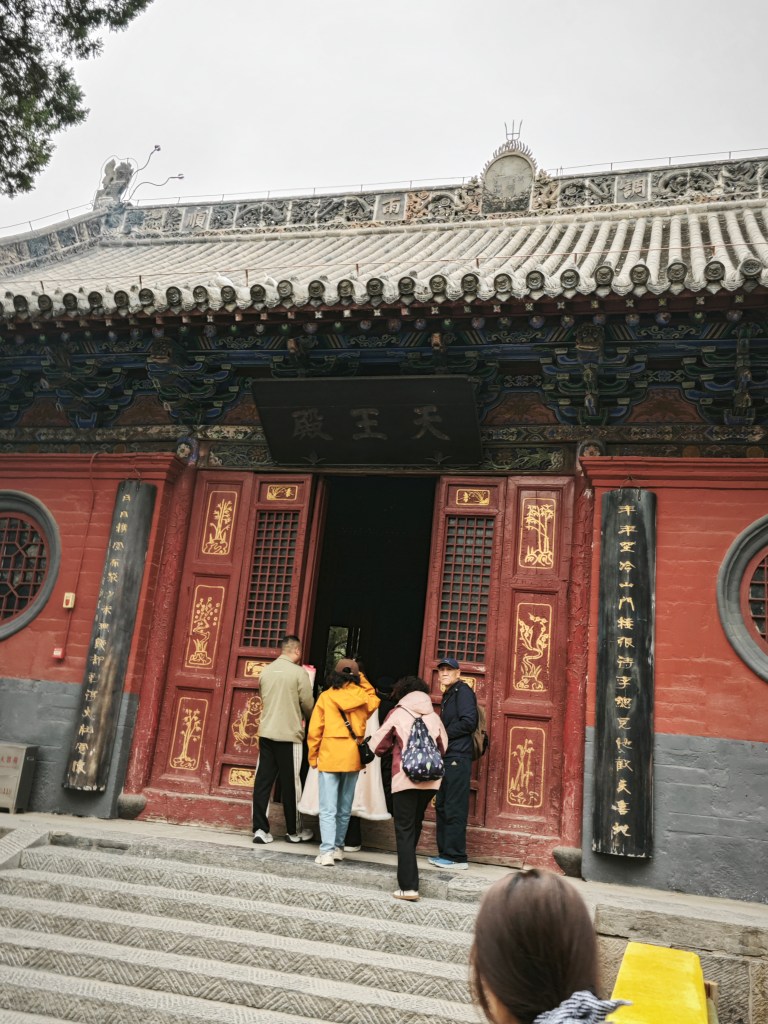
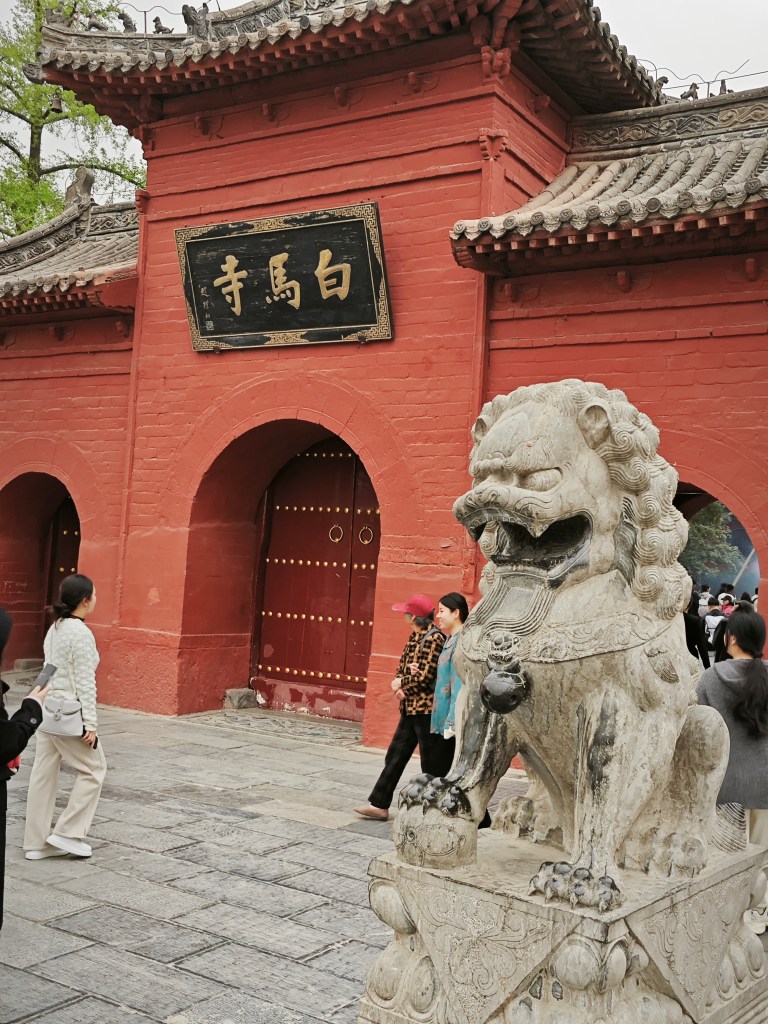
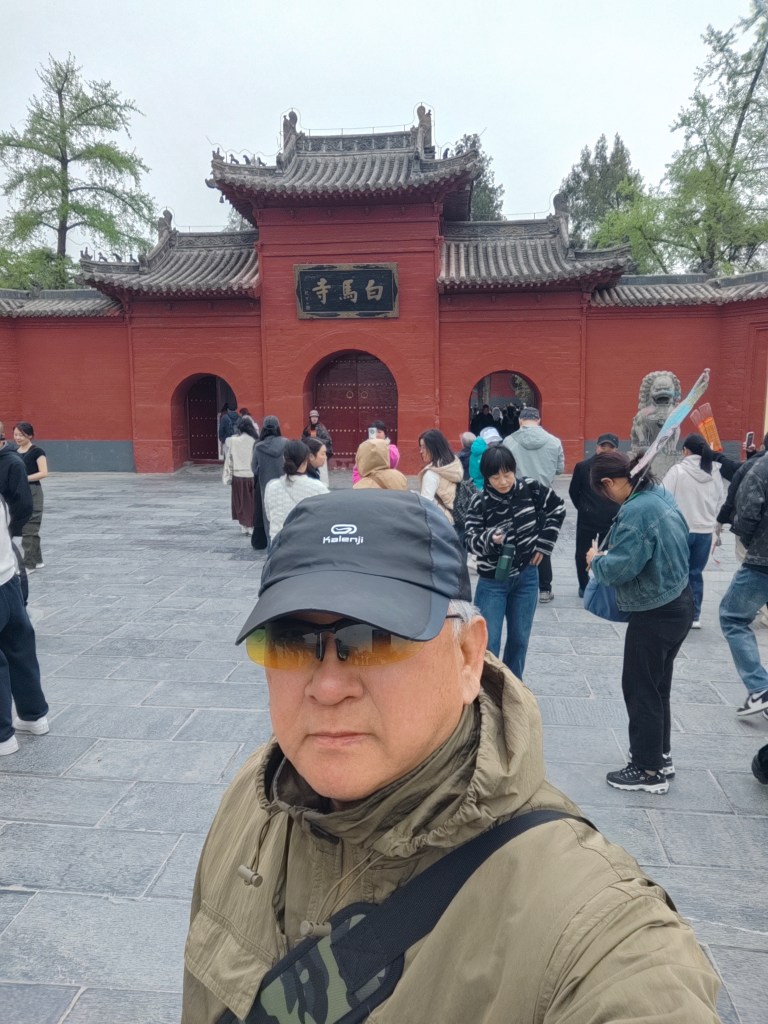
A wonderful experience of visiting White Horse Temple白马寺 in Luoyang, Henan province, which was the founding place of Buddhism in China almost 2000 years ago in the Han Dynasty to resemble the ancient Buddhist temples in India. It was also the originating place for Buddhism in Korea, Japan, and Southeast Asia. A new compound was developed in collaboration with the governments of Thailand, India, and Myanmar since 1992 to include Buddhist temples in their unique styles.

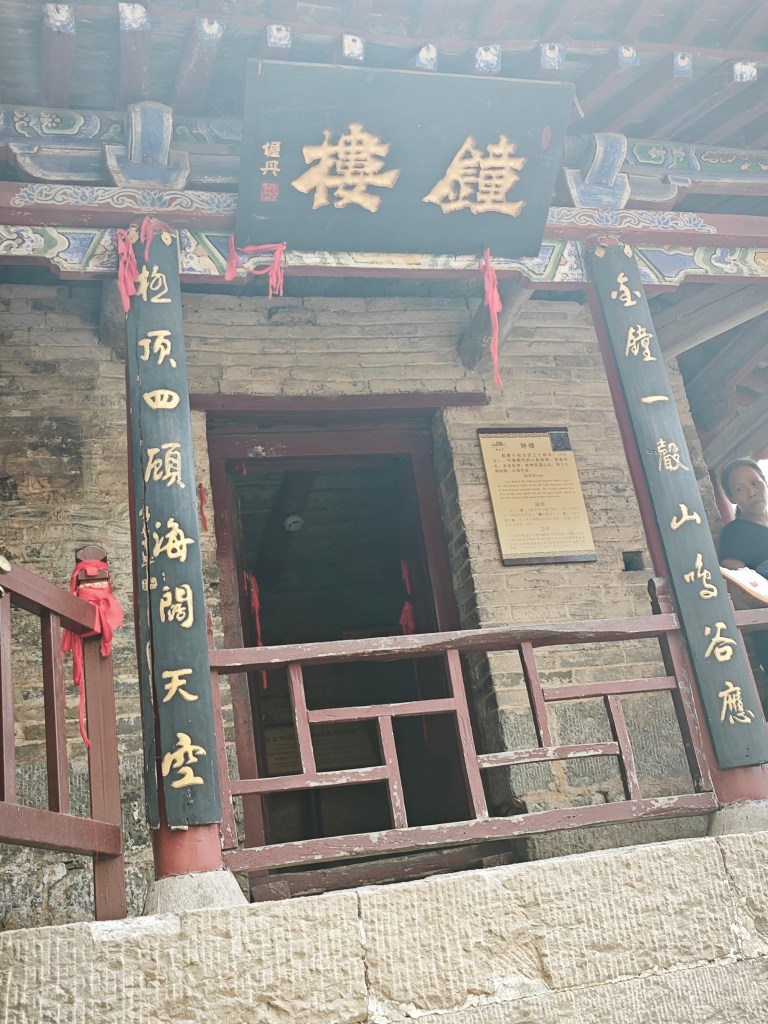
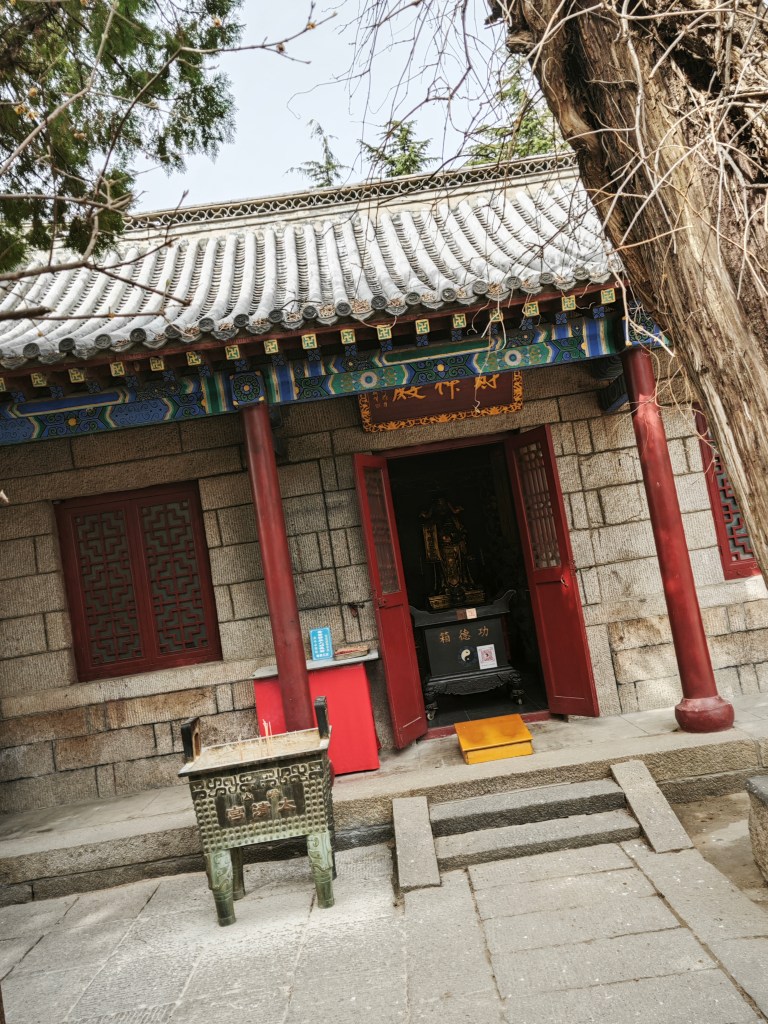
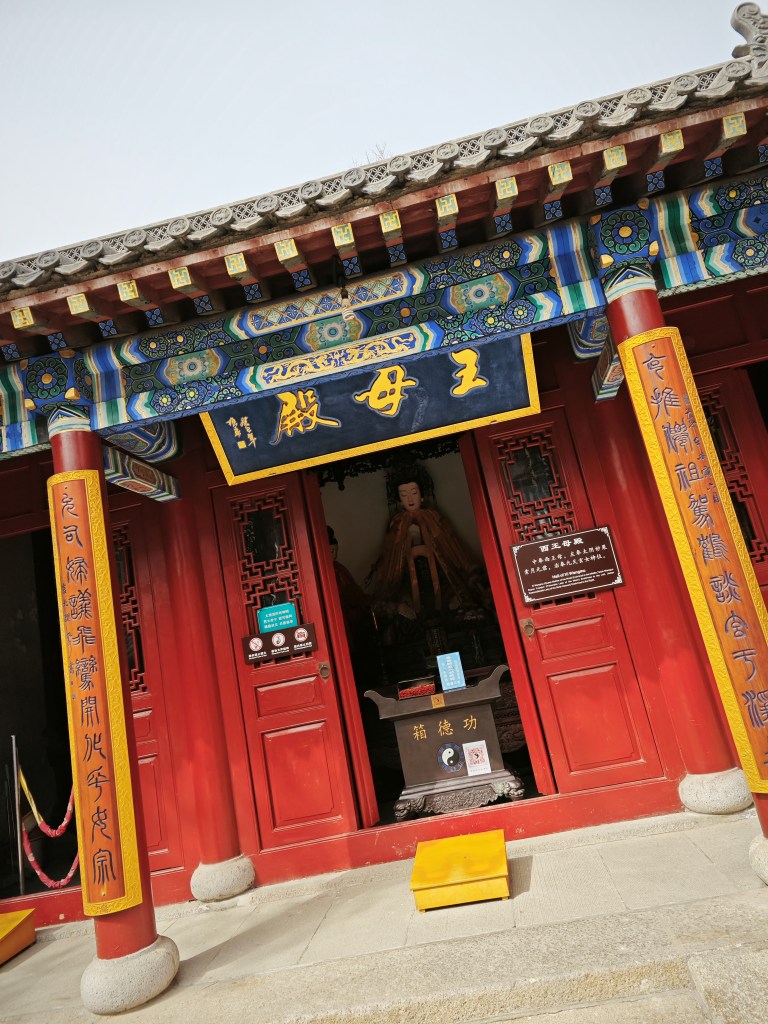
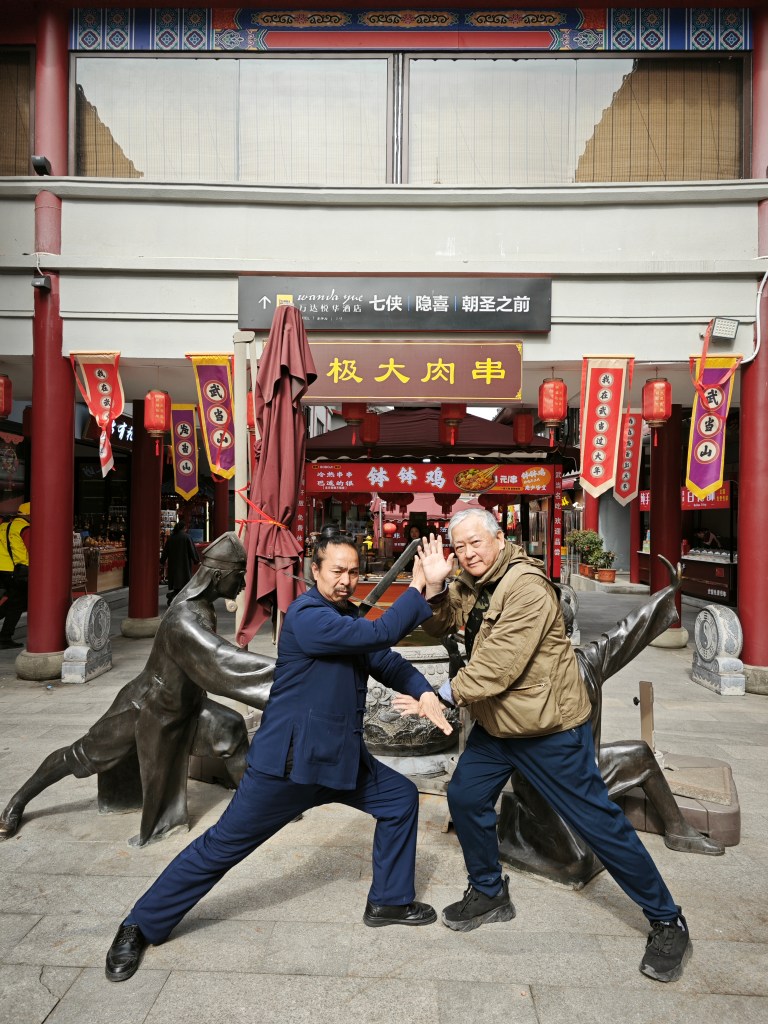
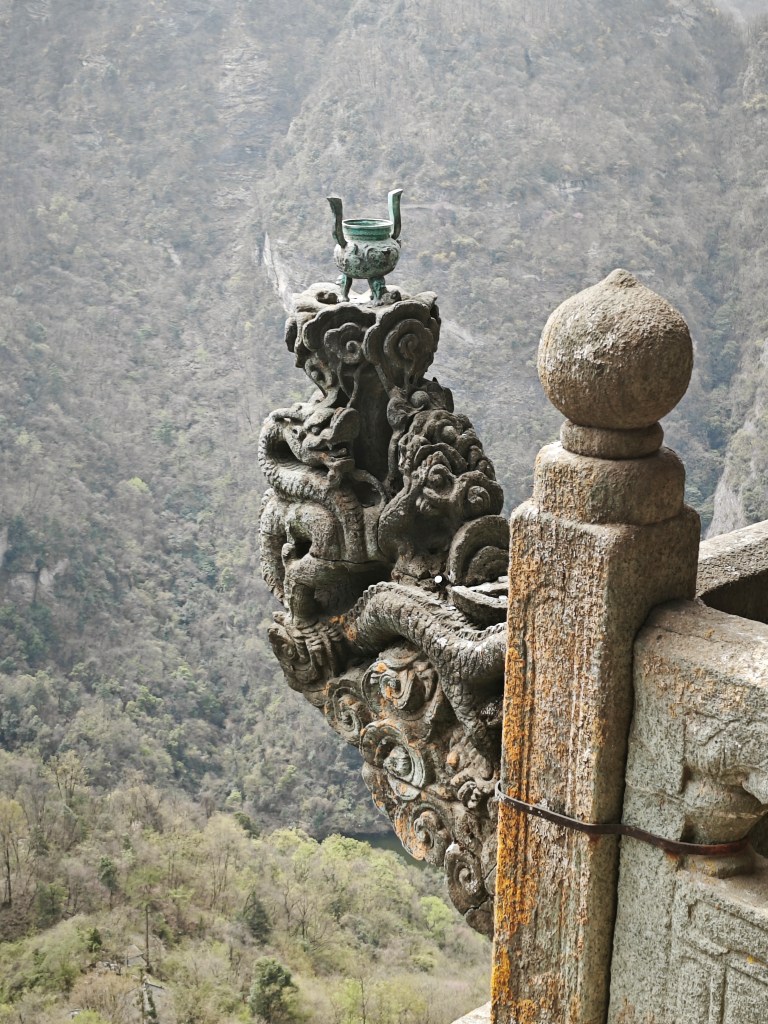
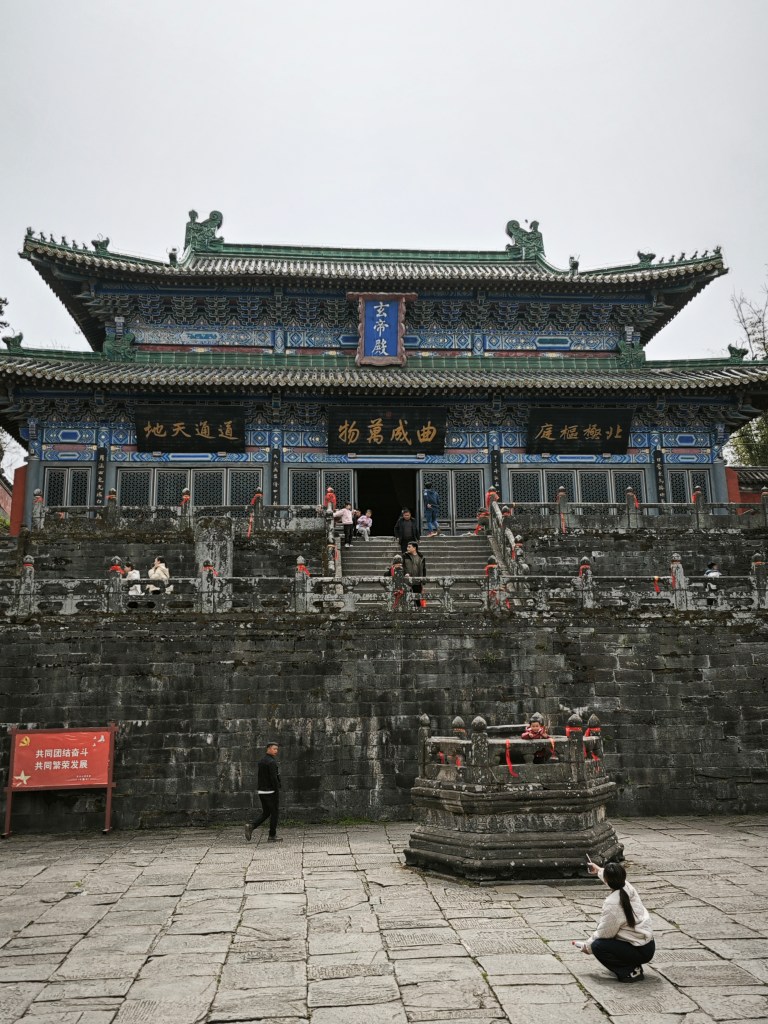
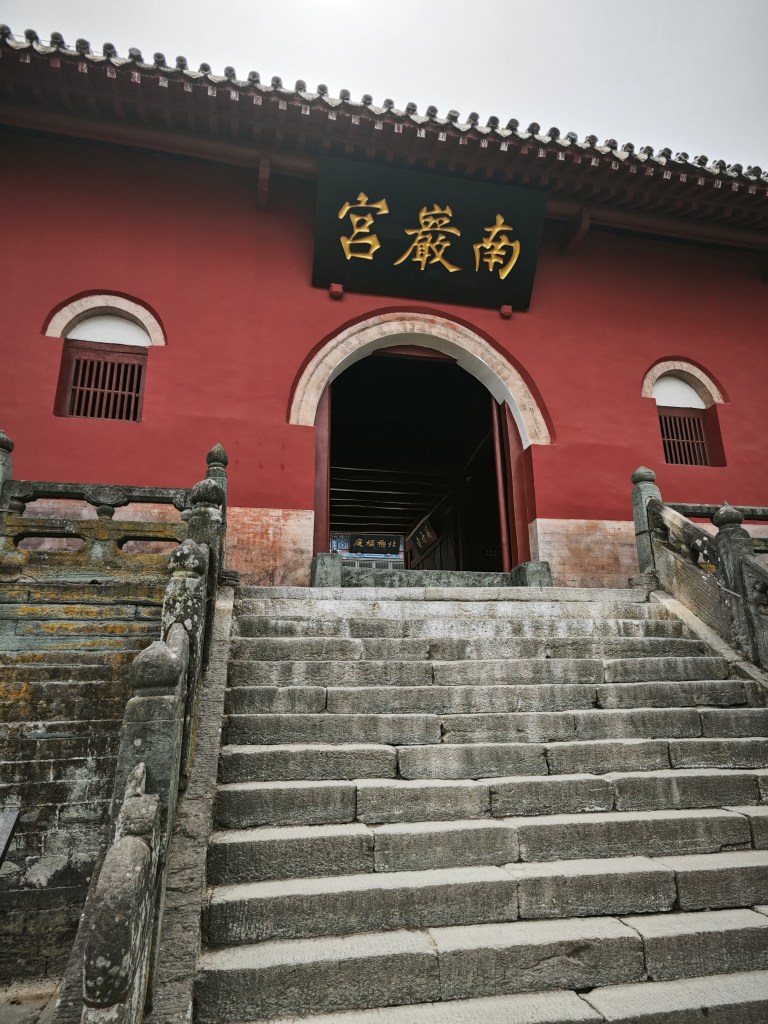
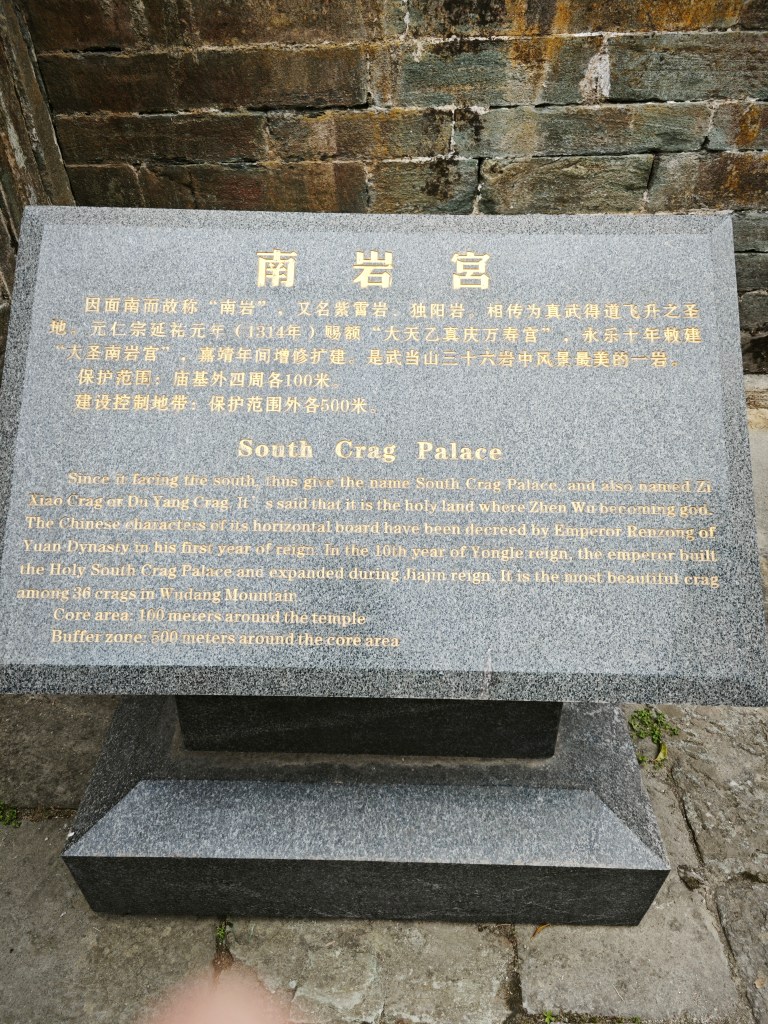
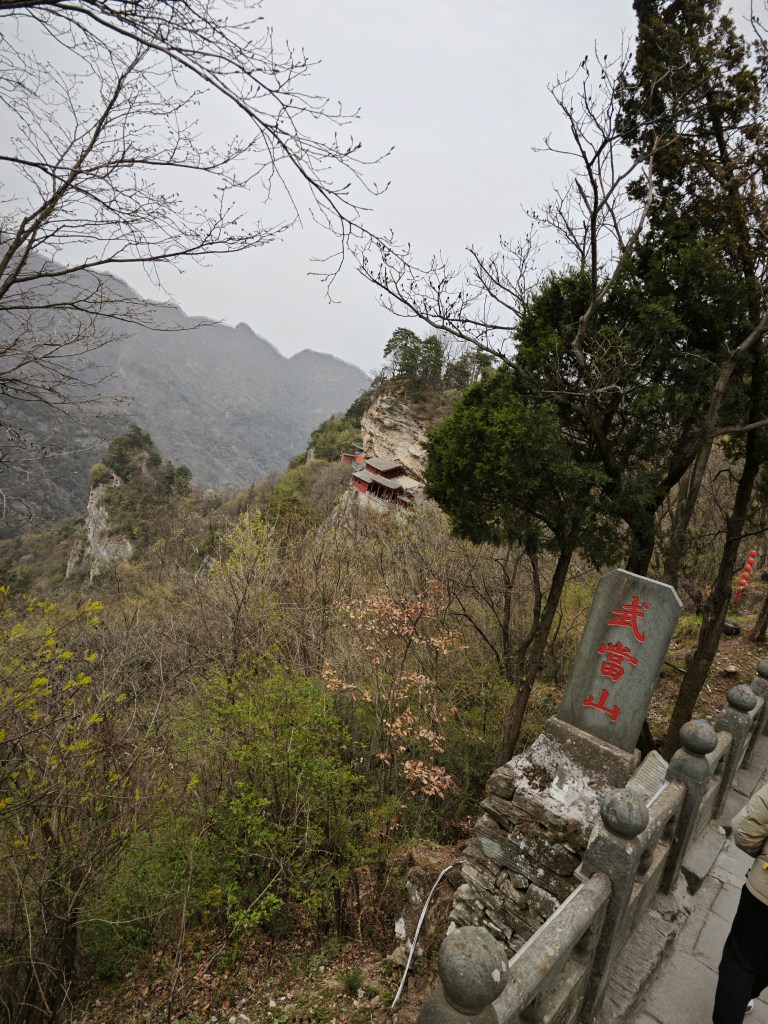
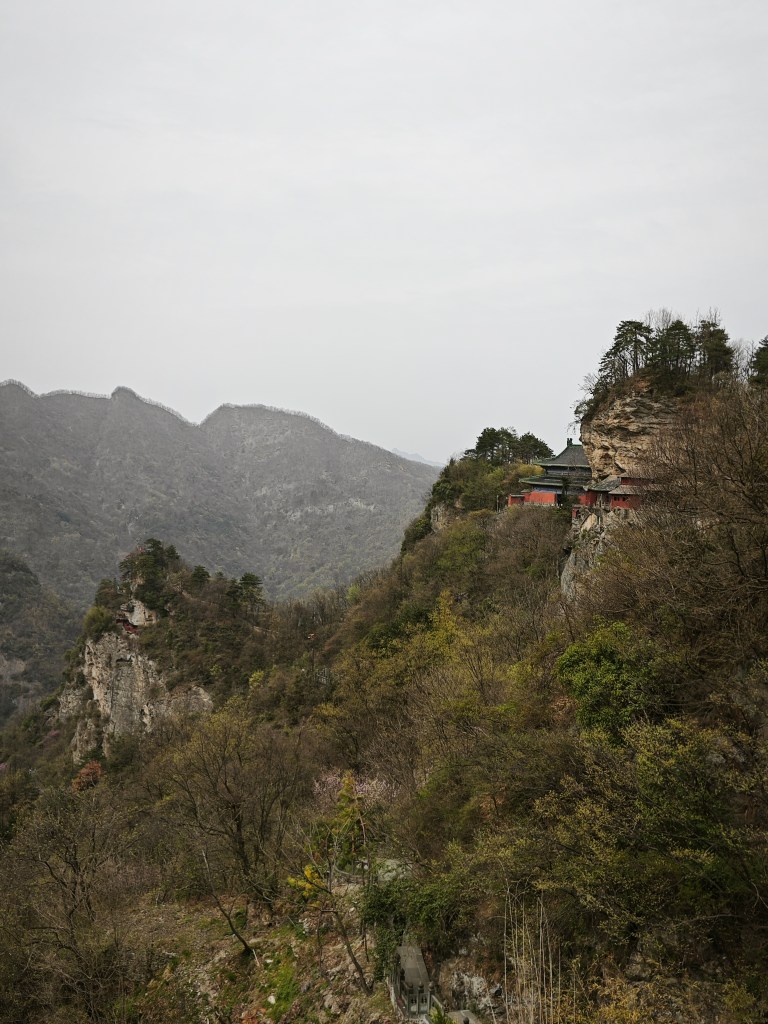
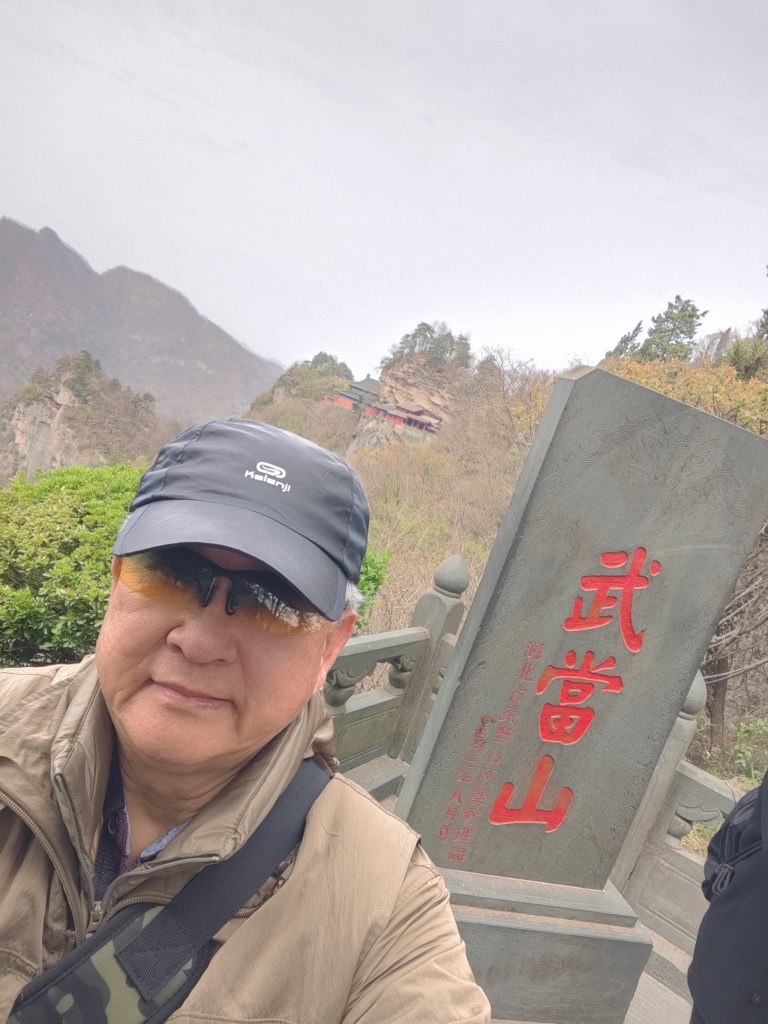
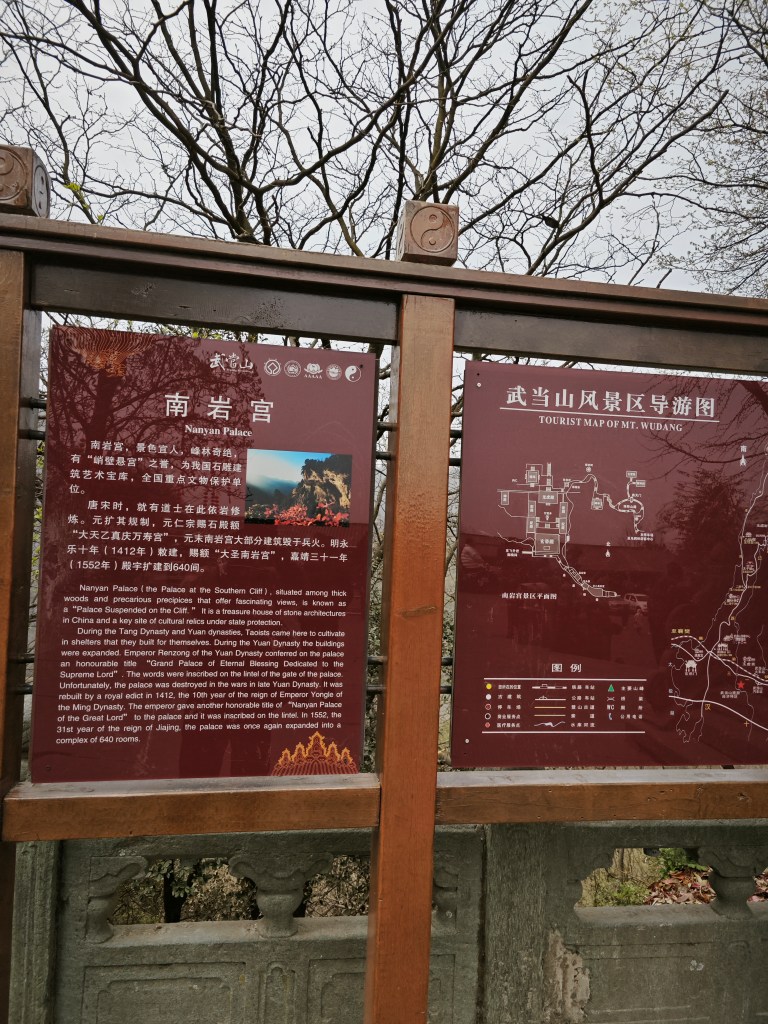
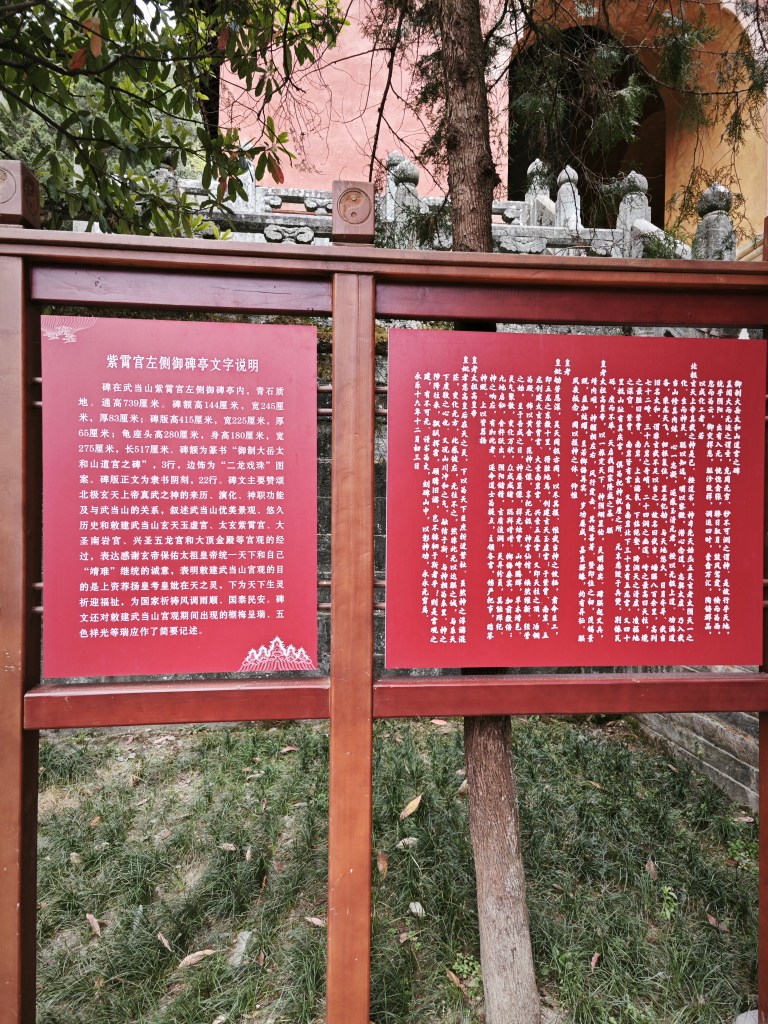
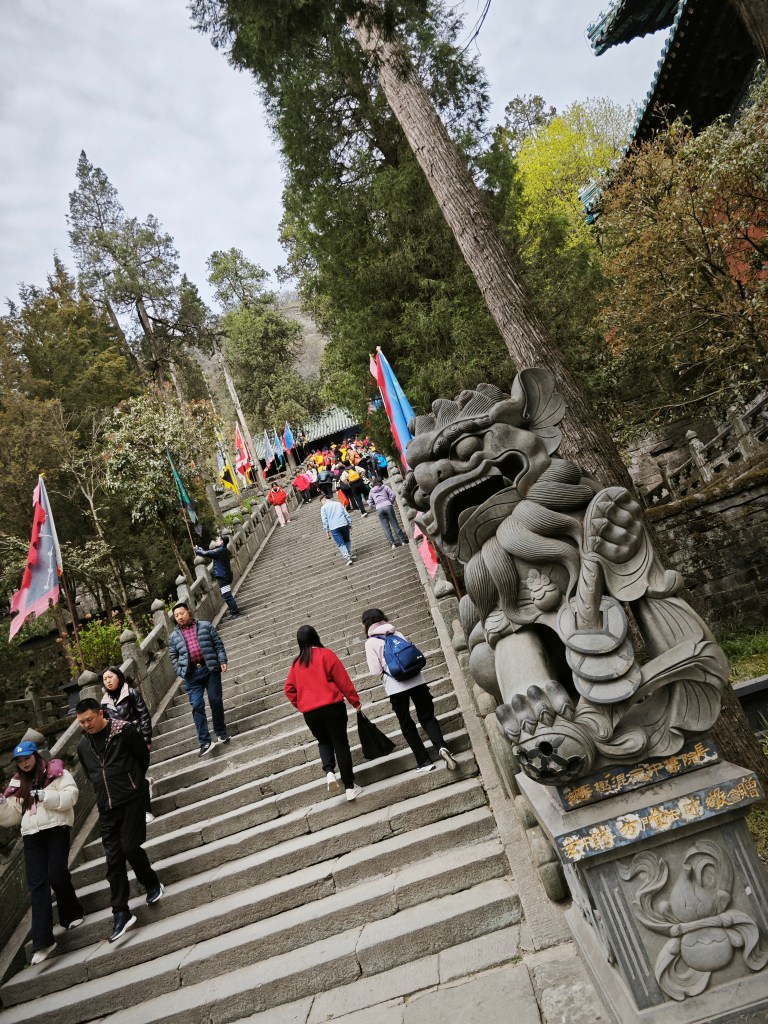
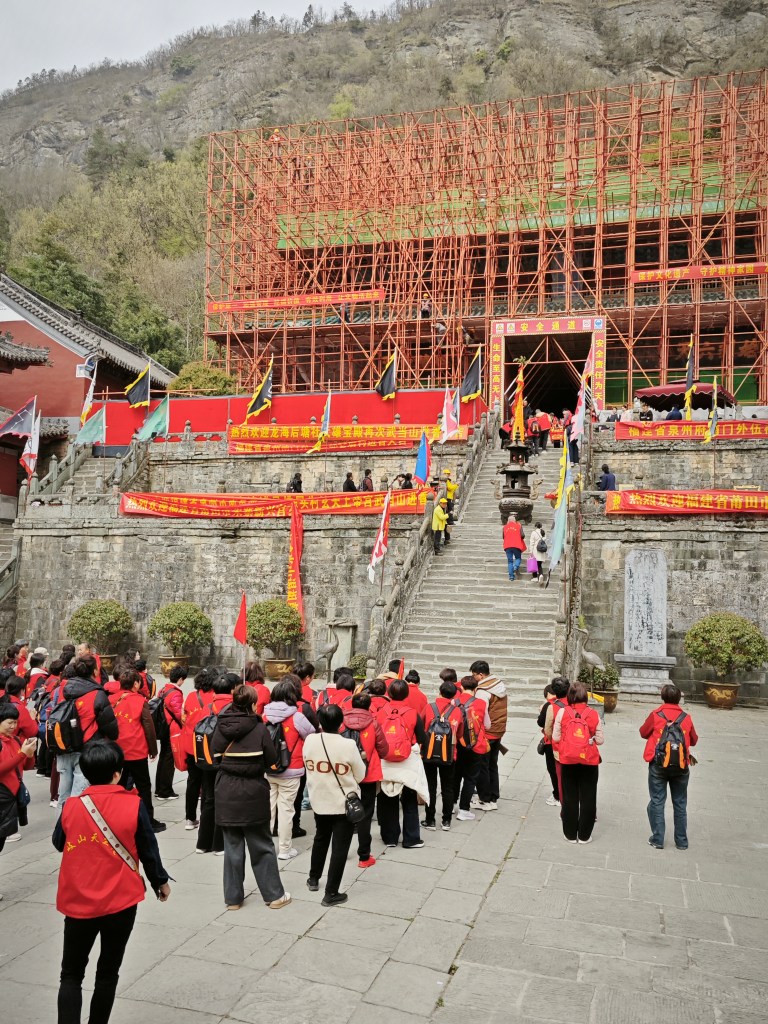
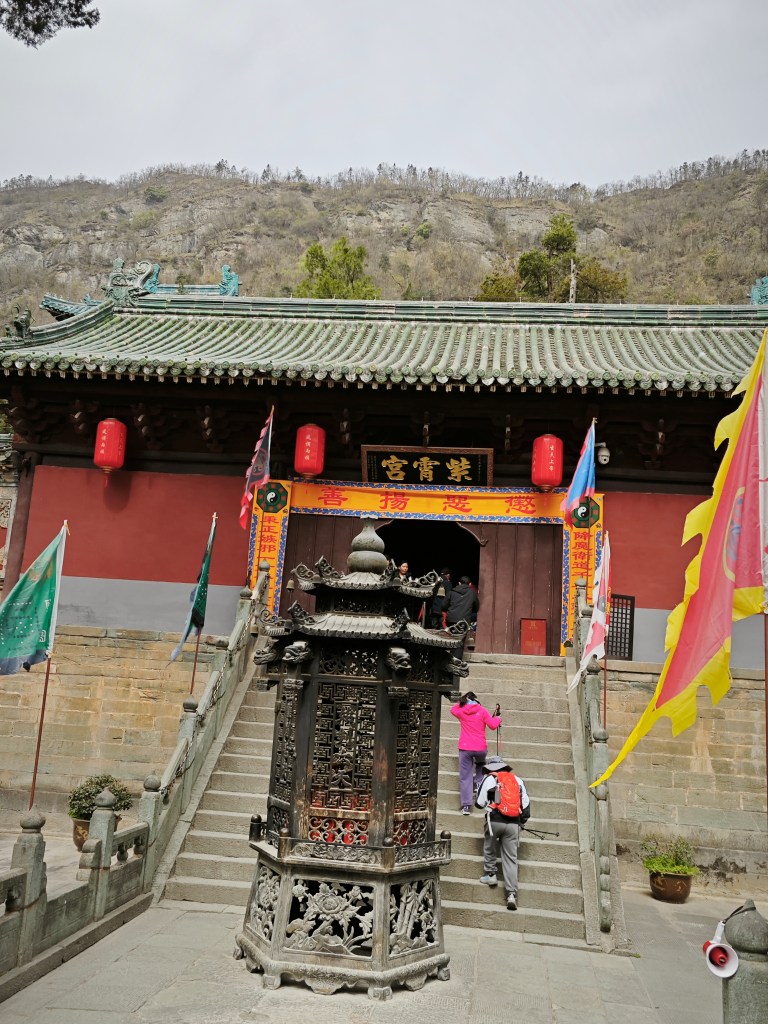
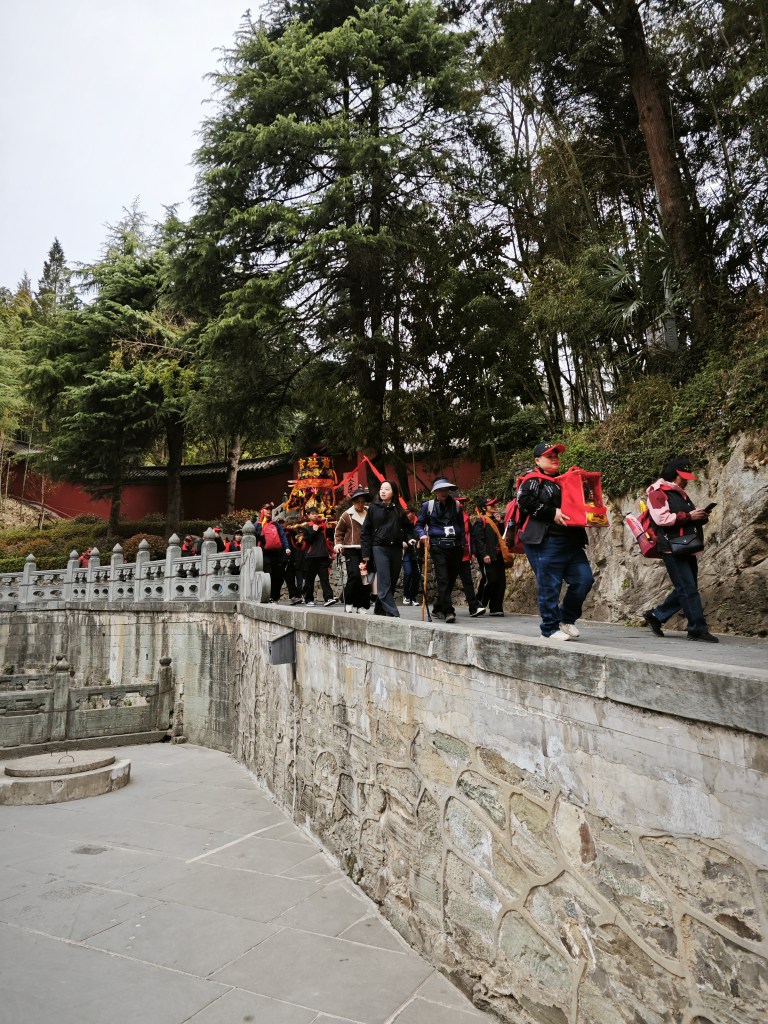
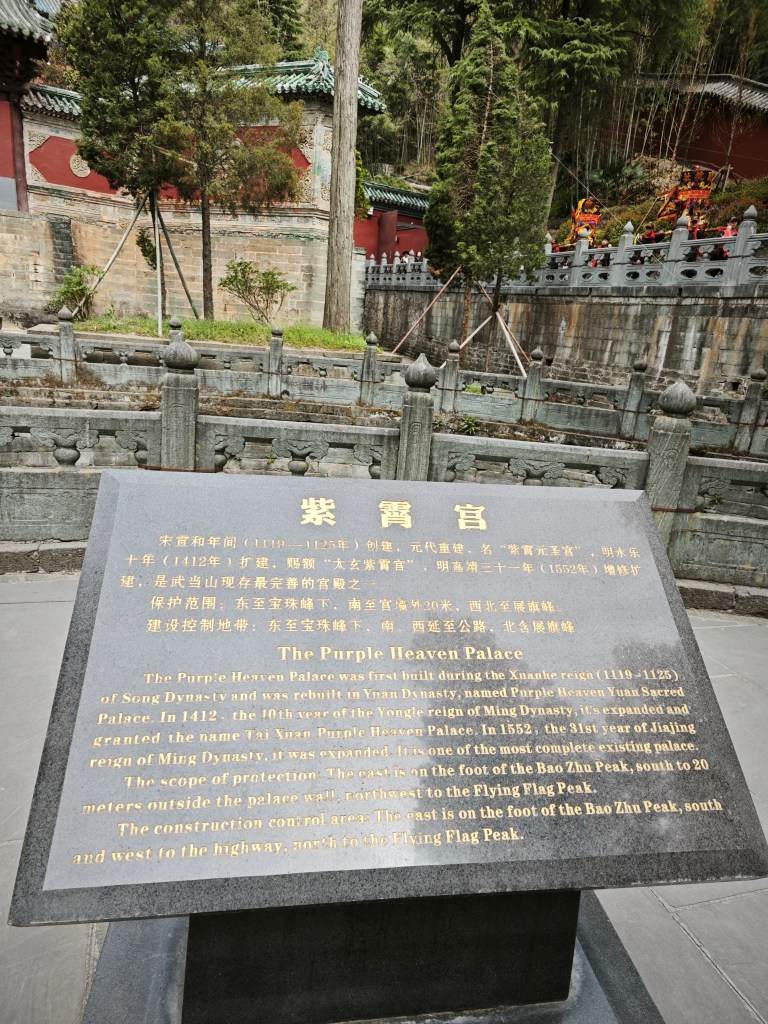
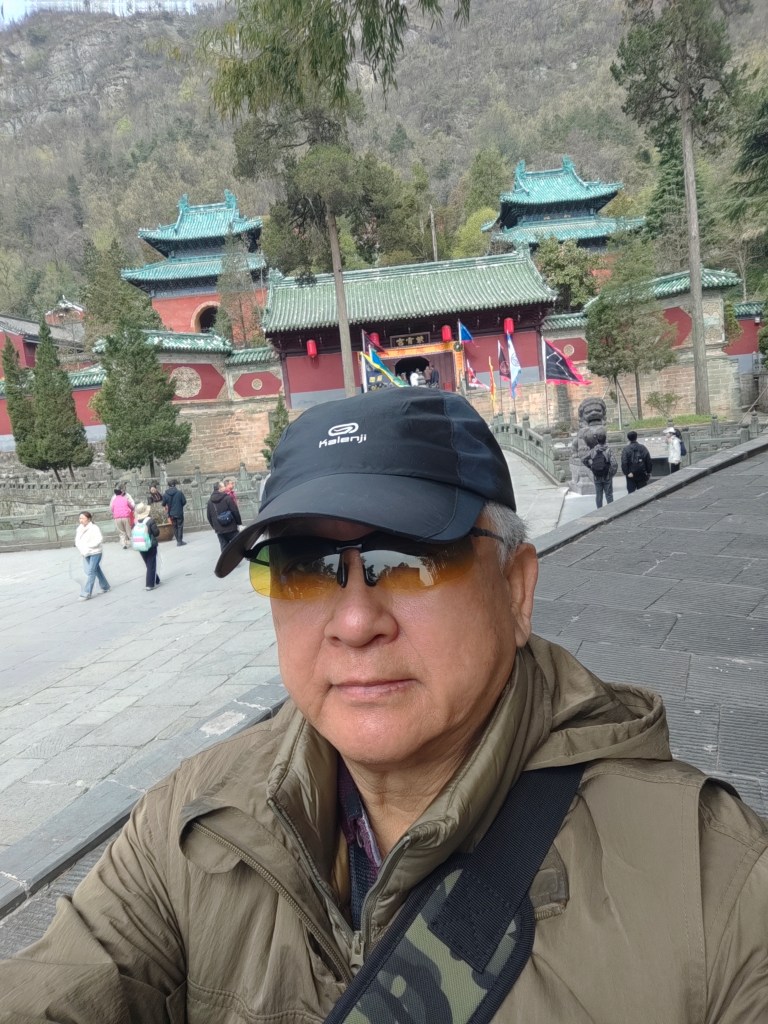
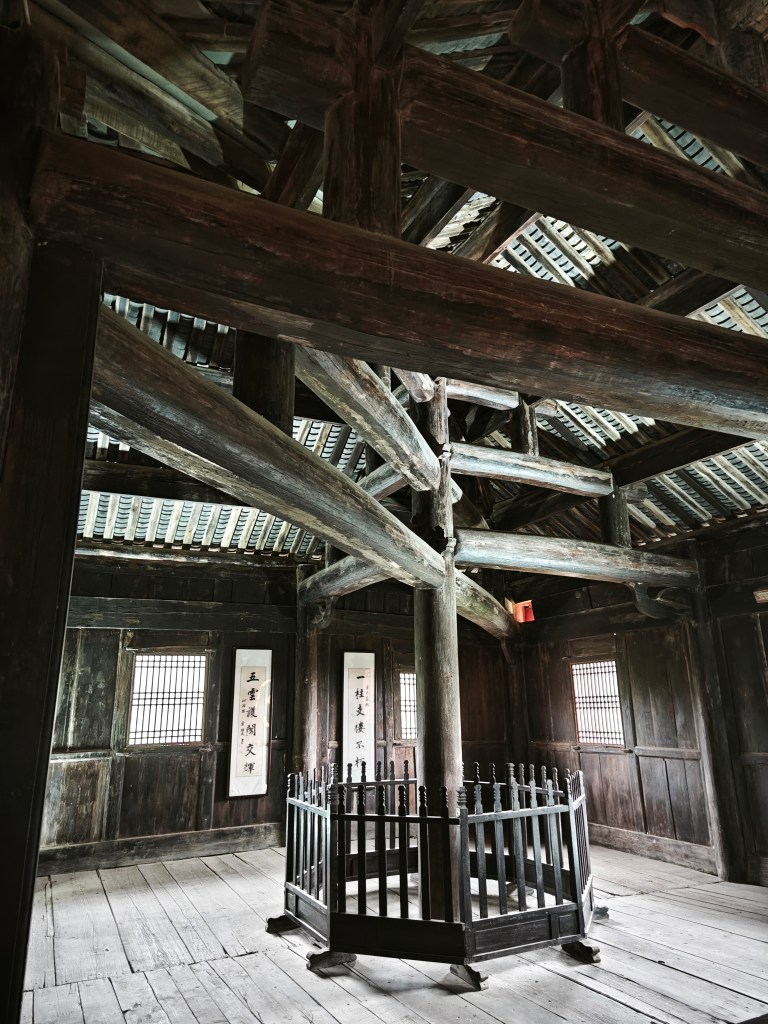
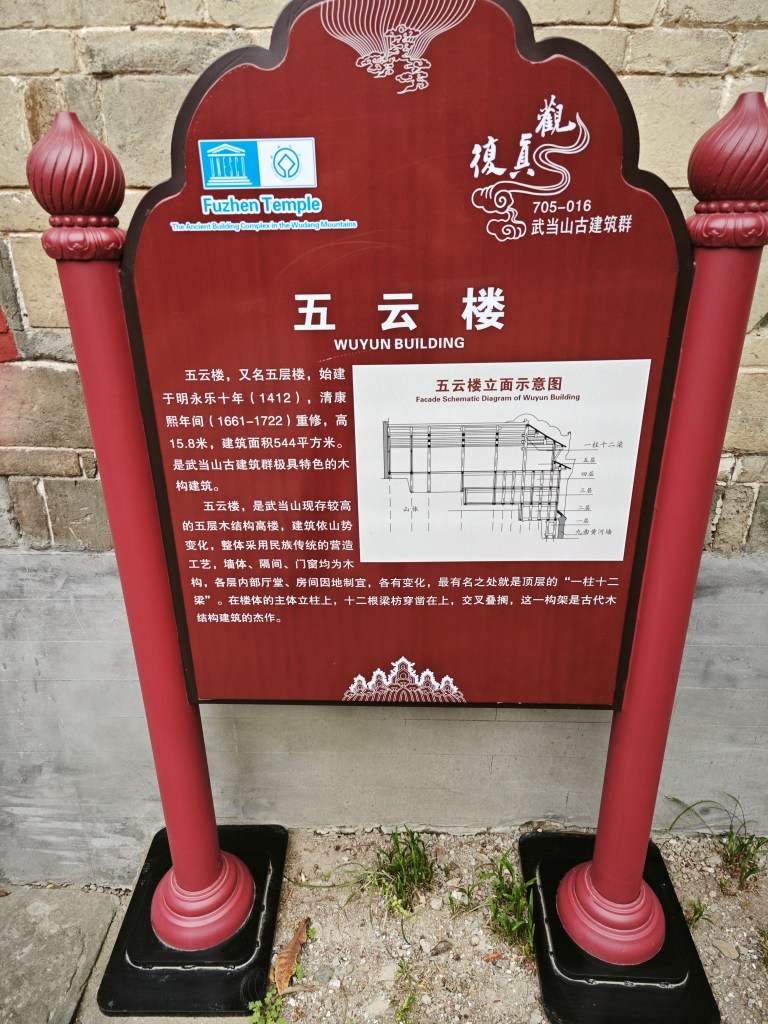
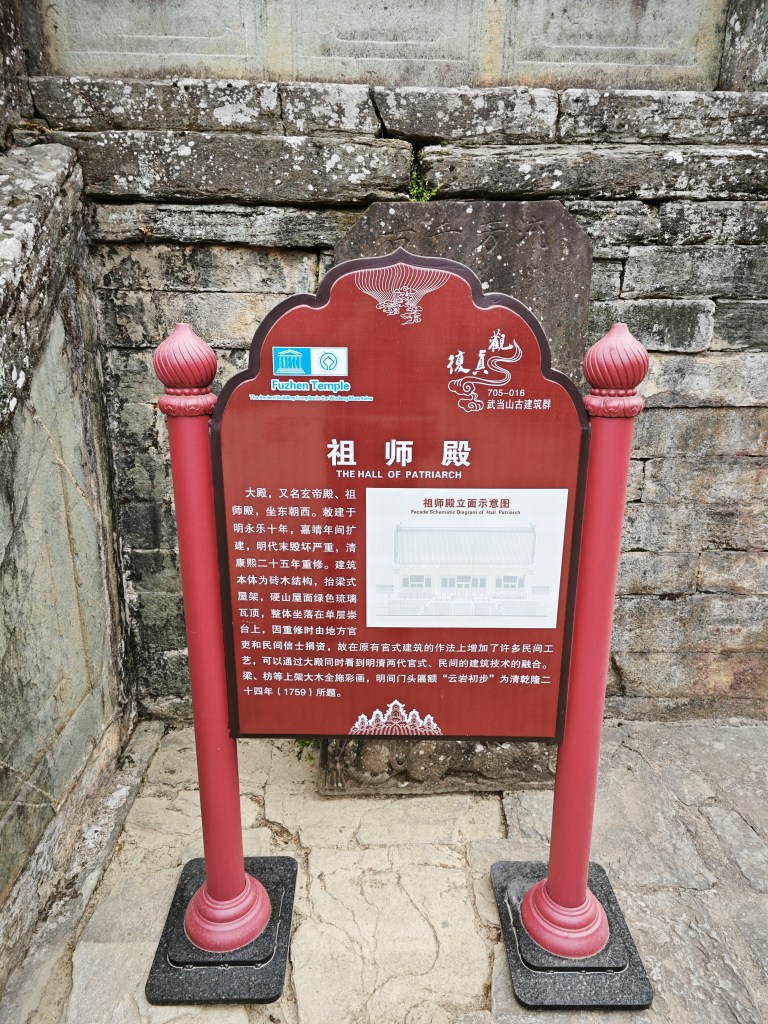
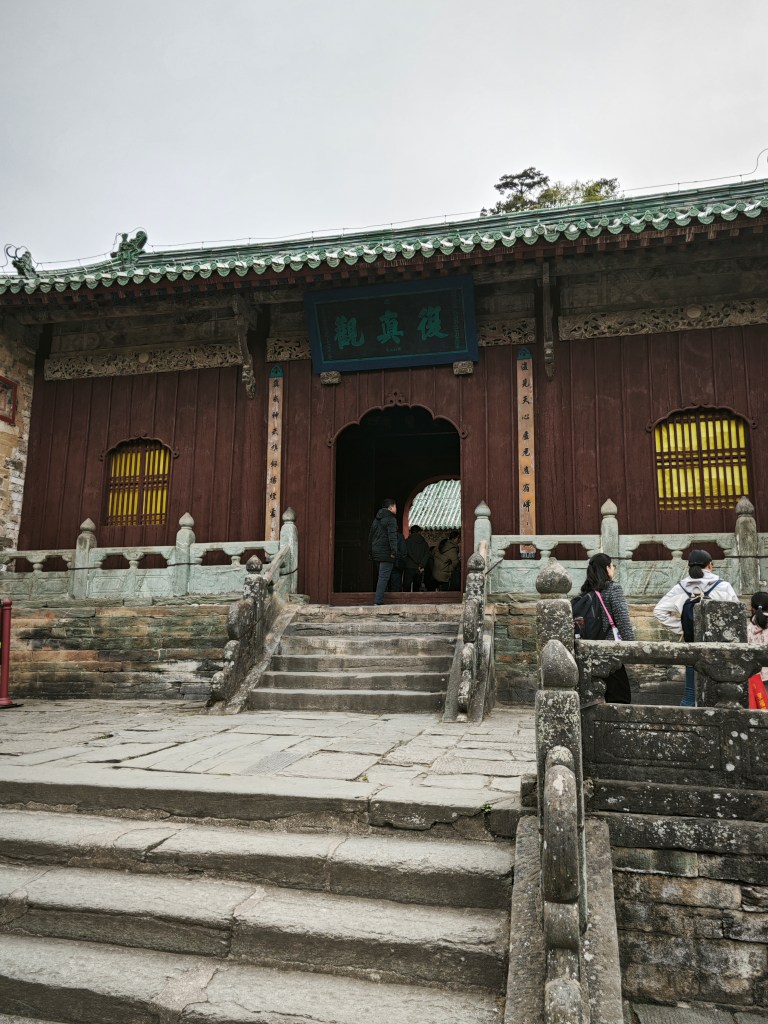
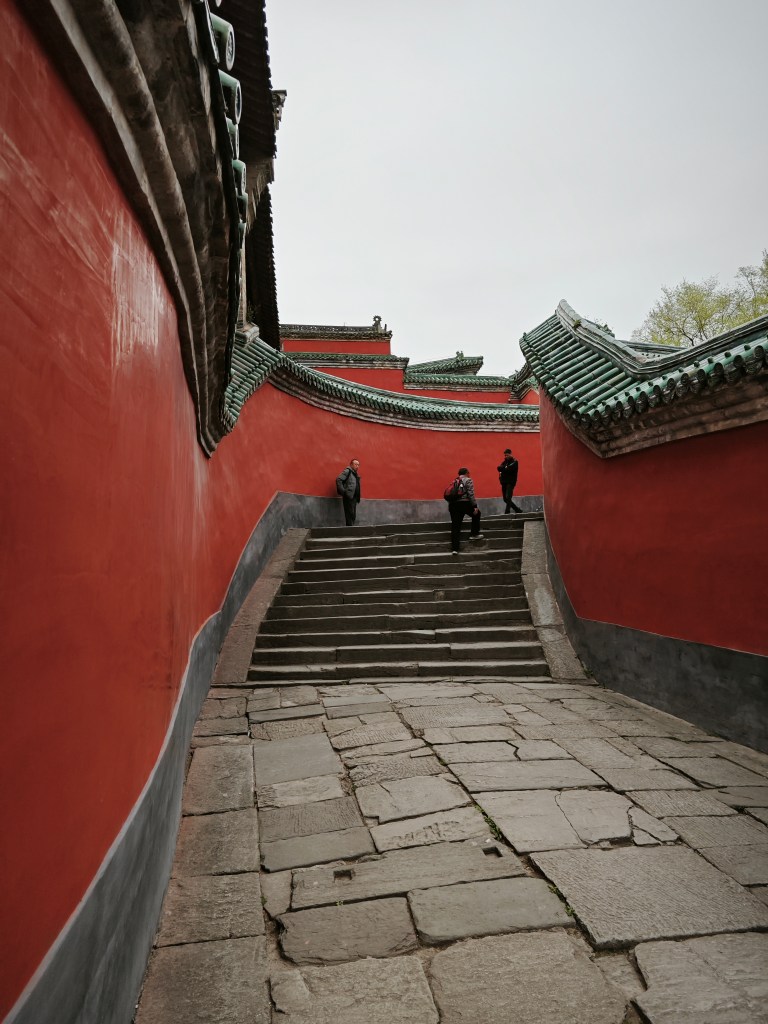
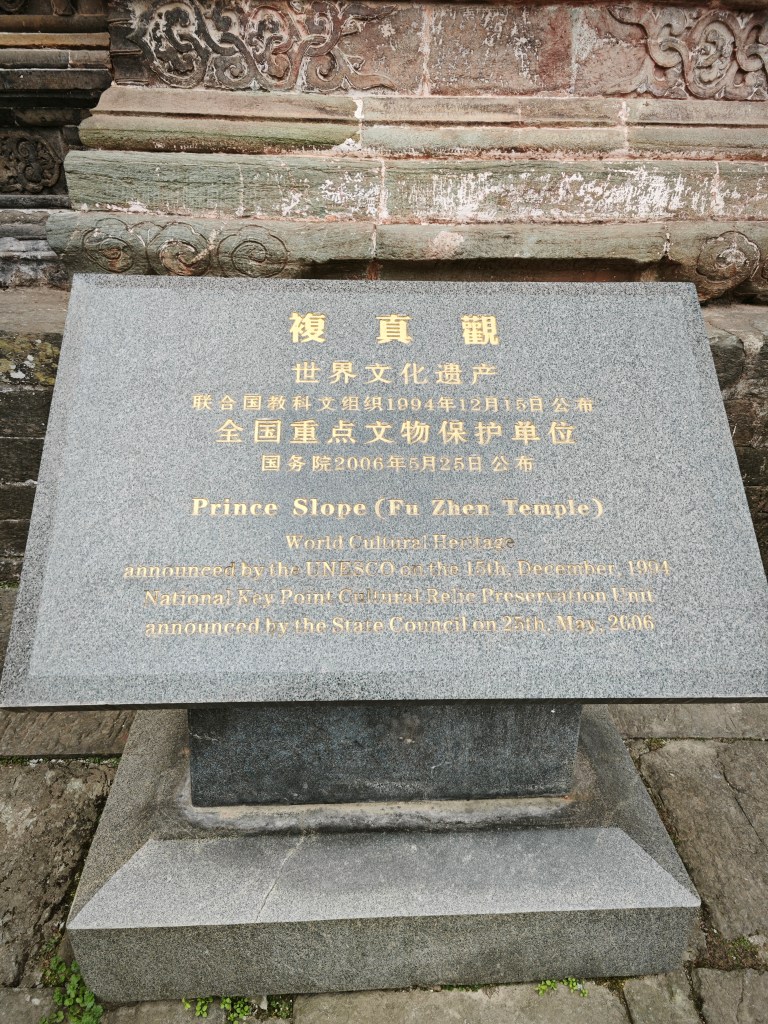
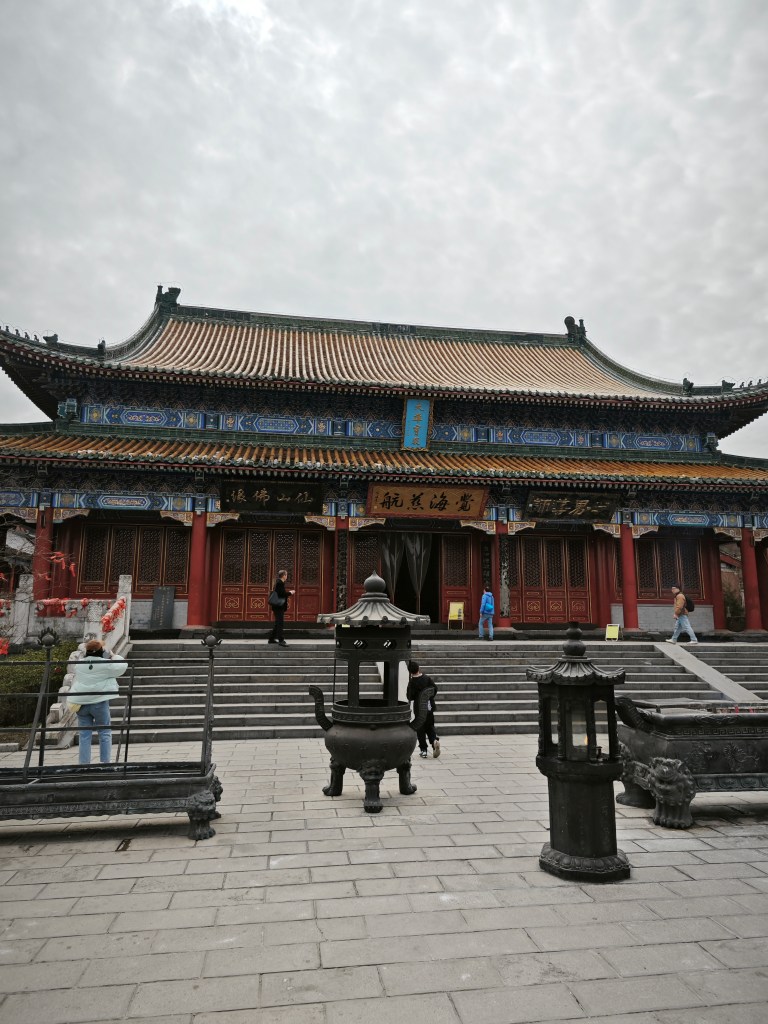
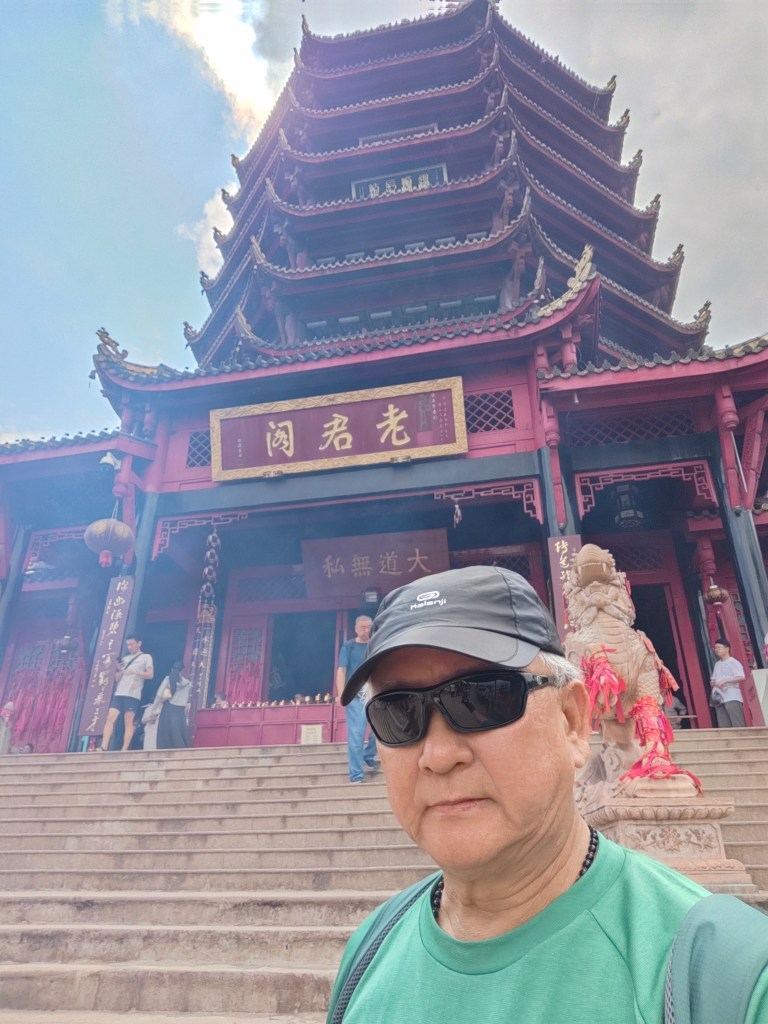
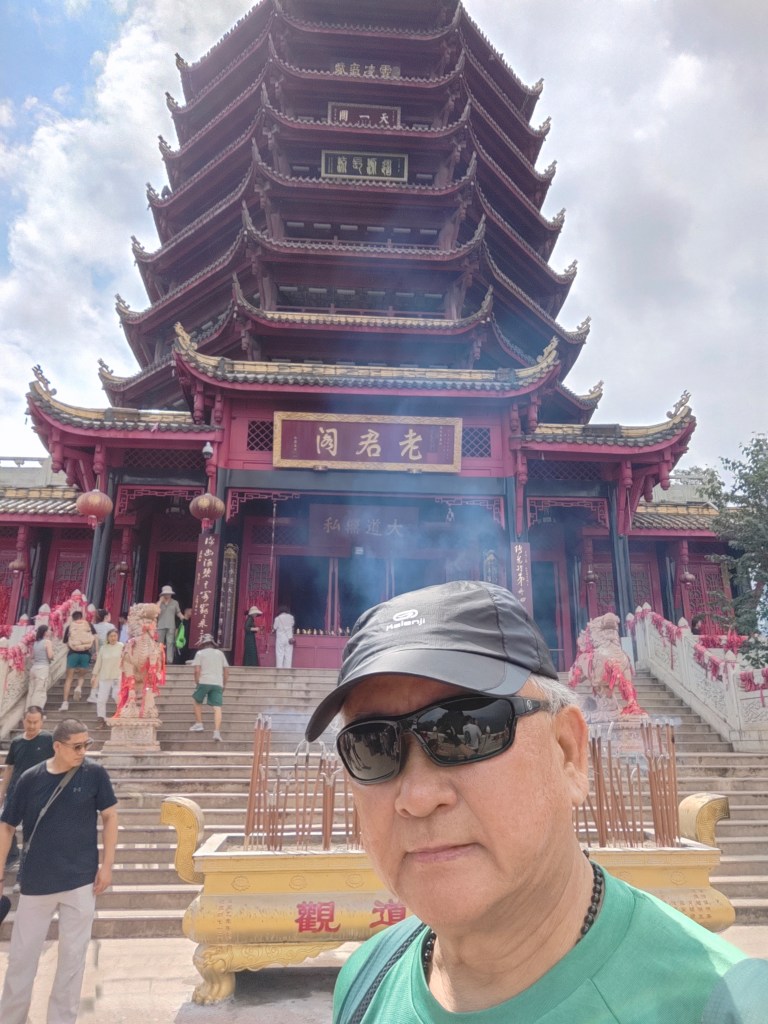
Another amazing experience in exploring Mt Wudang 武当山, which is one of the four most important Taoist mountains in China and has attracted Taoist monks and believers for more than 2200 years. The northern god Zhengwu the Great was elevated to deity here after spending 42 years as a Taoist monk, according to Taoist mythology. I was lucky to meet a Taoist monk, Master Zhang, who is a well-known teacher of Taiji shadow boxing, and we exchanged views on harmony among all religious faiths. Master Zhang also performed a special ritual for me to invite an old relic statue of Laozi 老子, the founder of Taoism and author of Dao De Jing 道德经, or The Classic of The Virtue of The Tao, for the sanctuary of OHM in California.

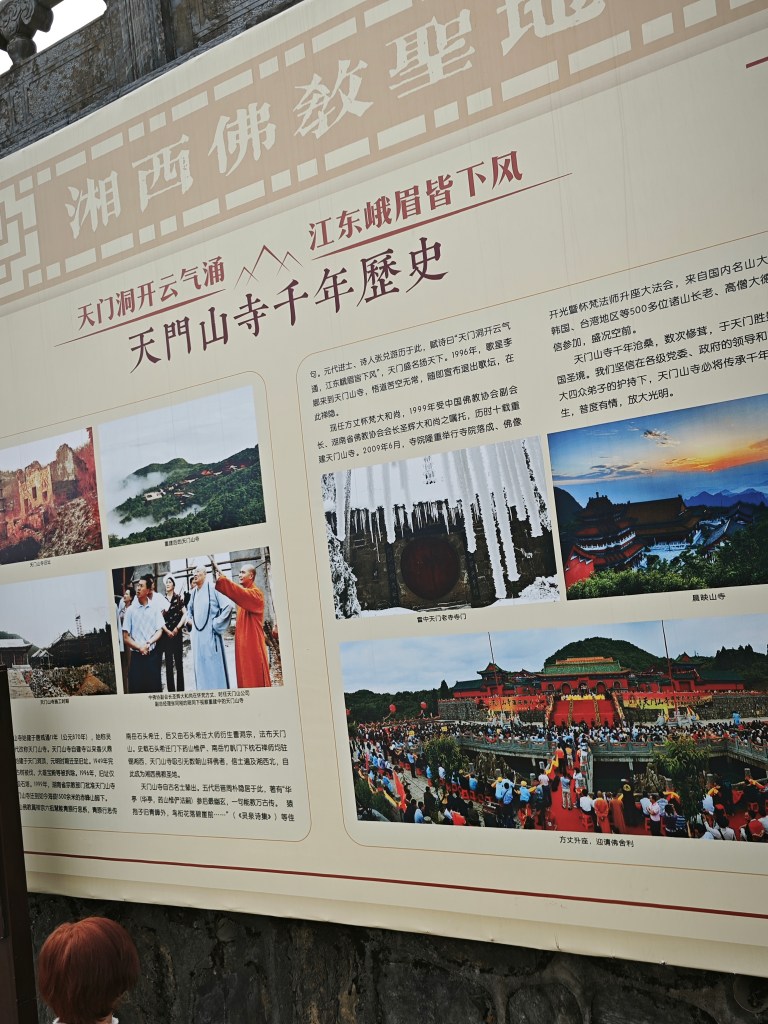
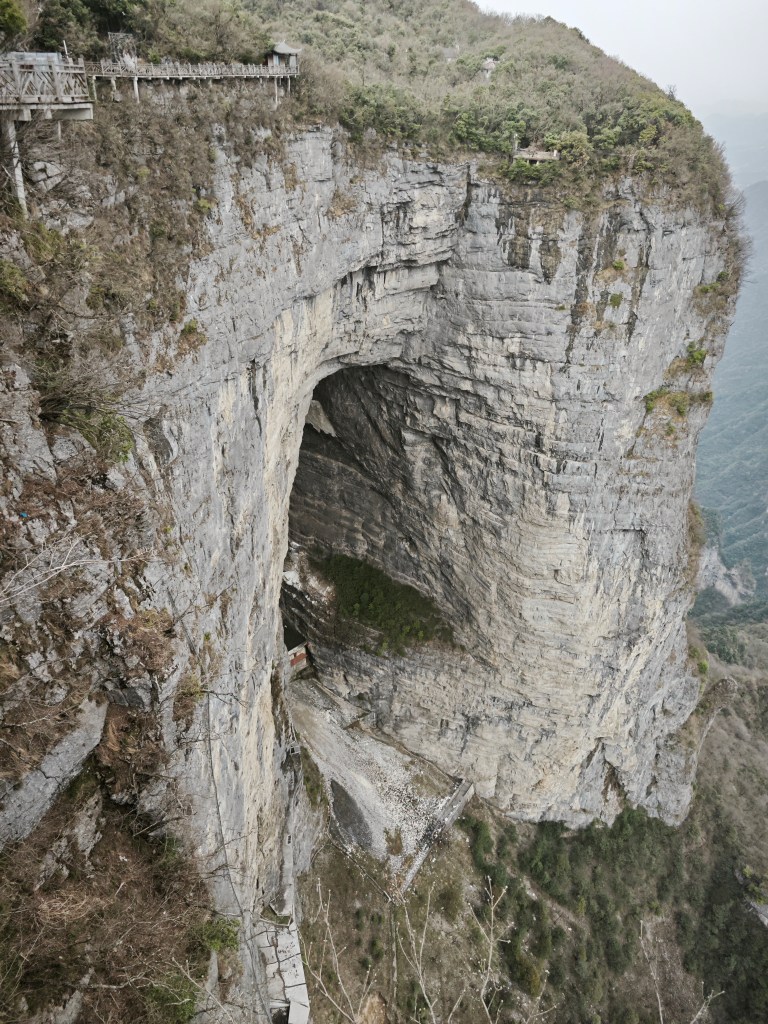
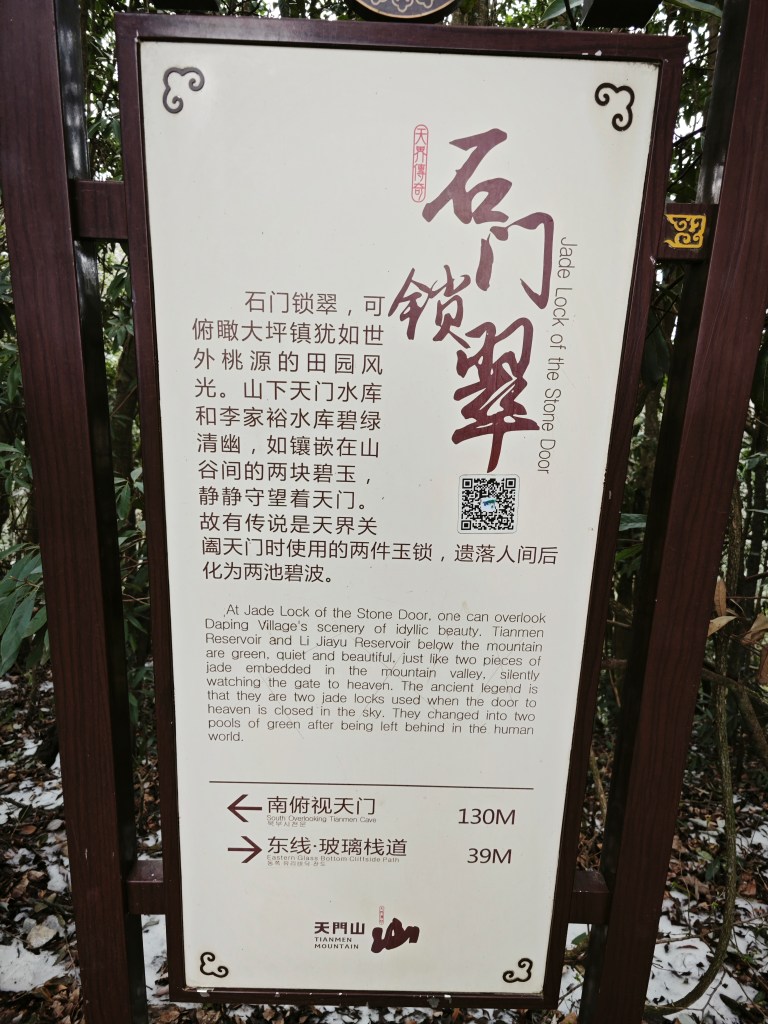
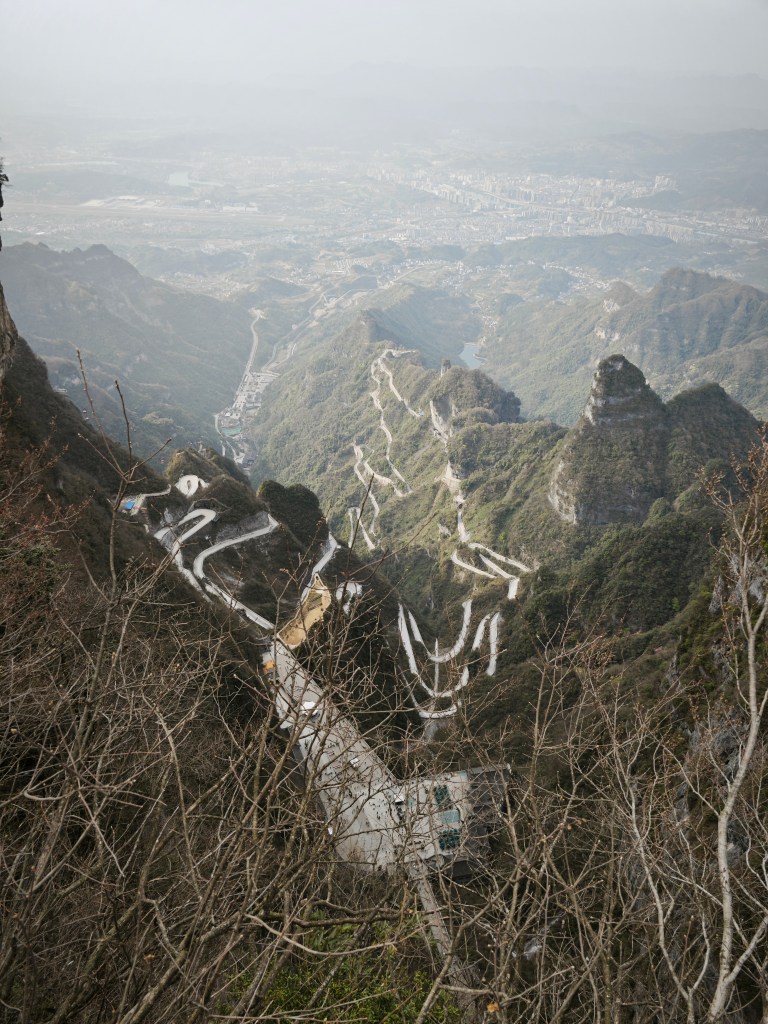
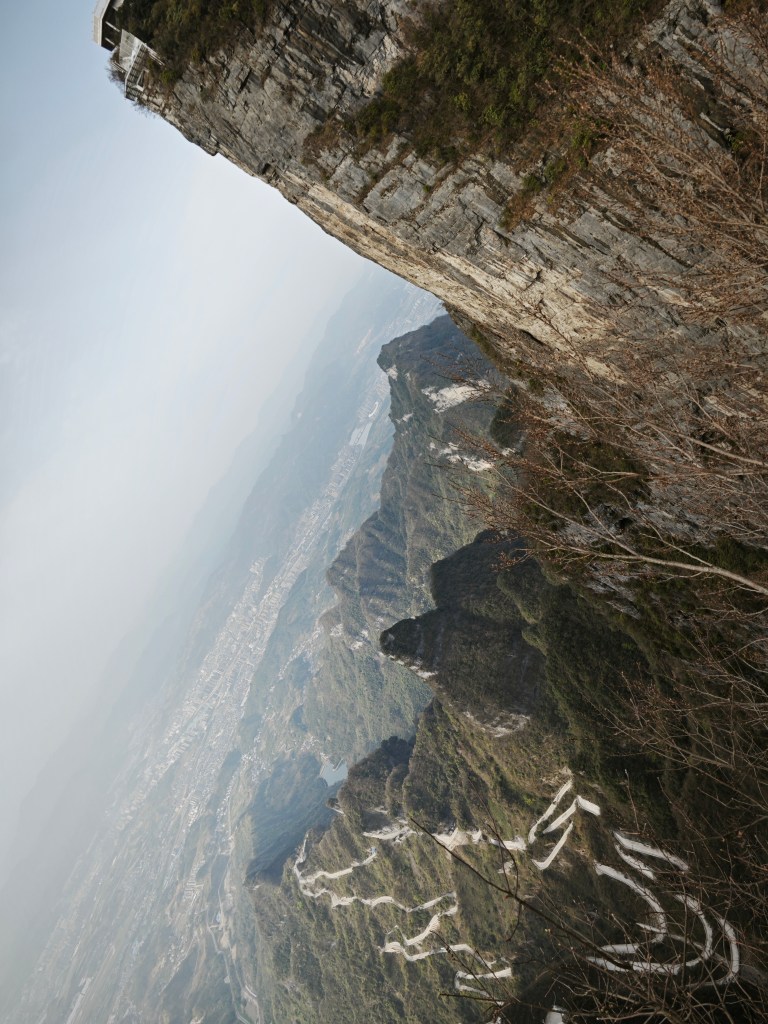
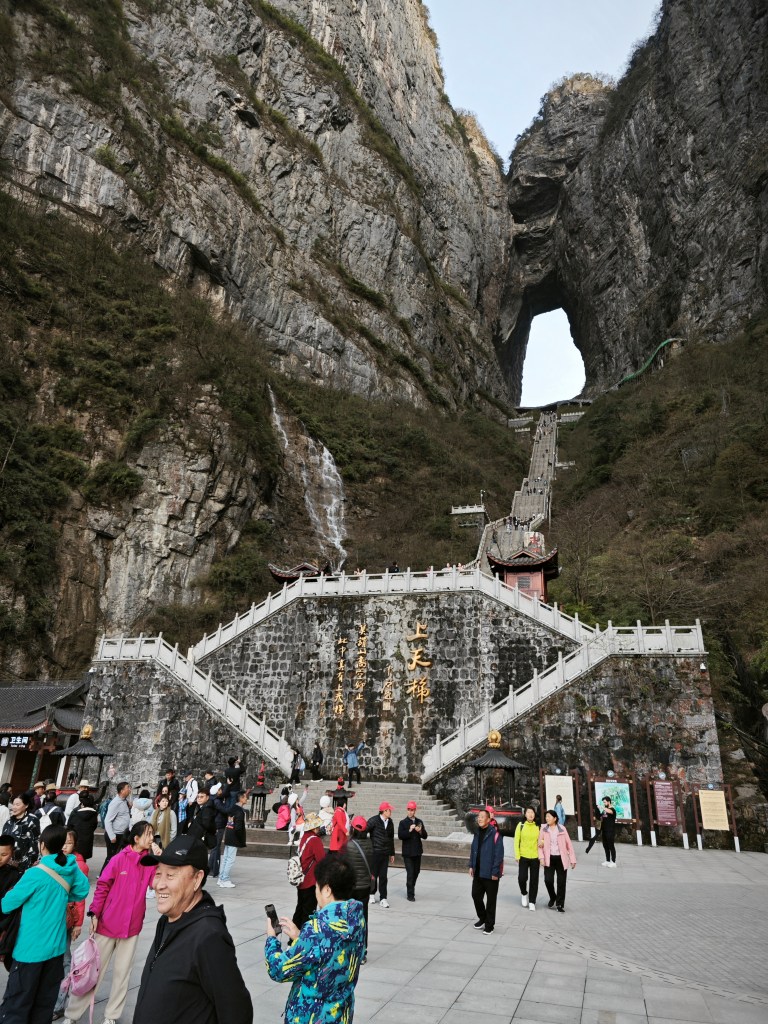
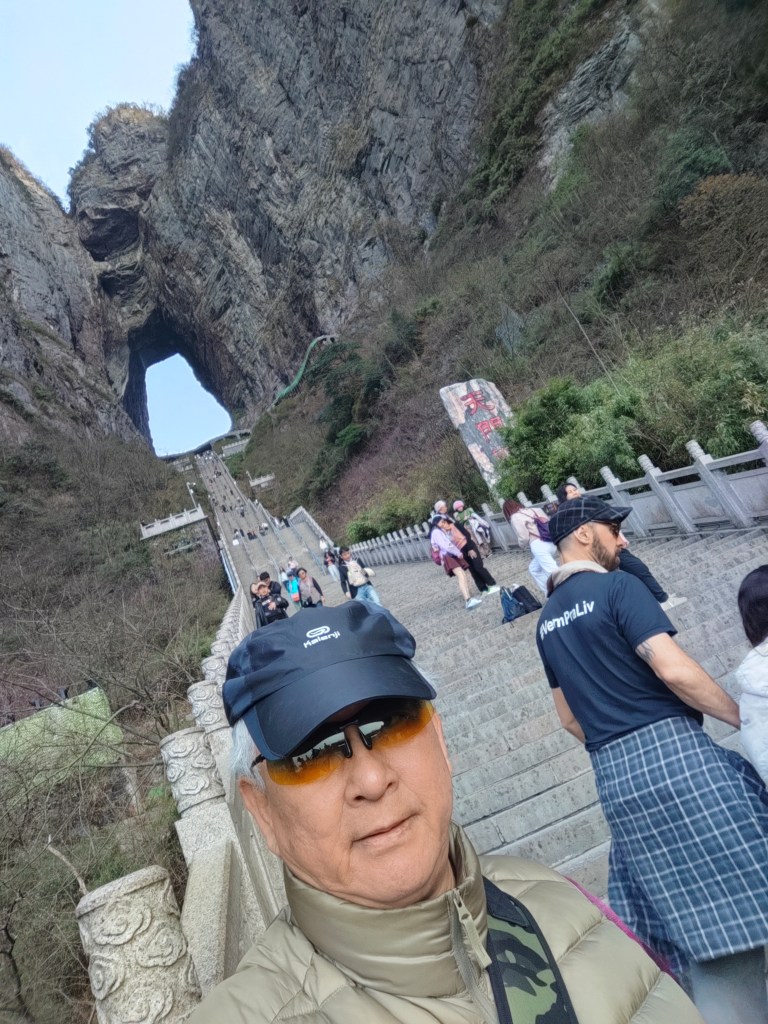
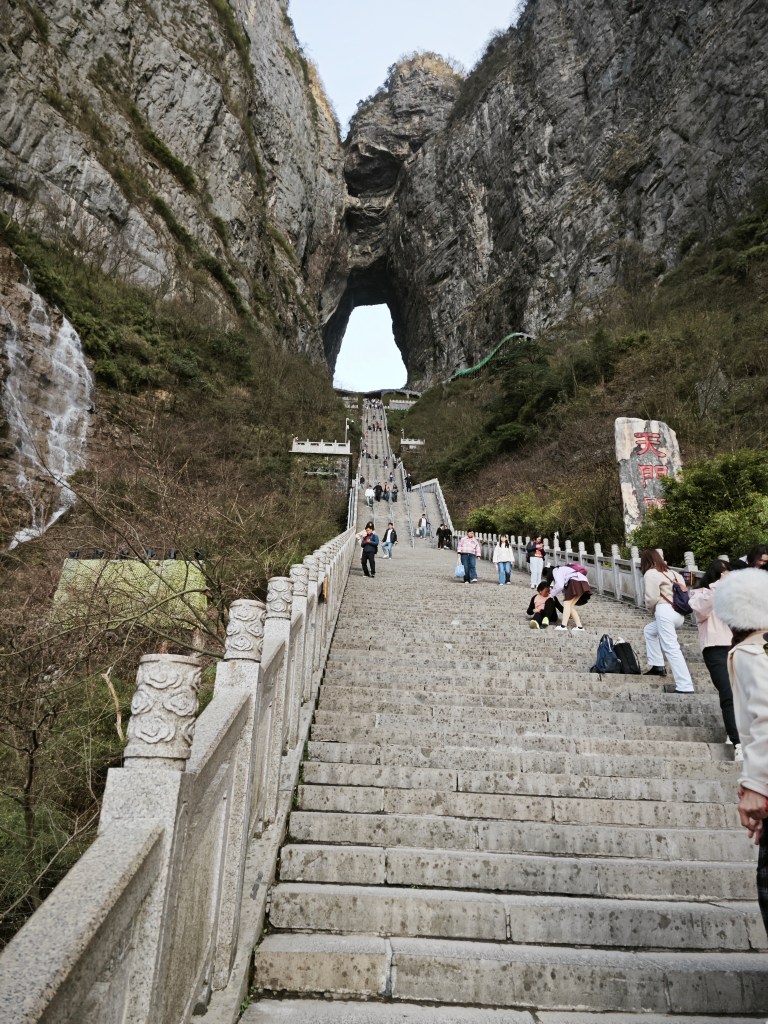
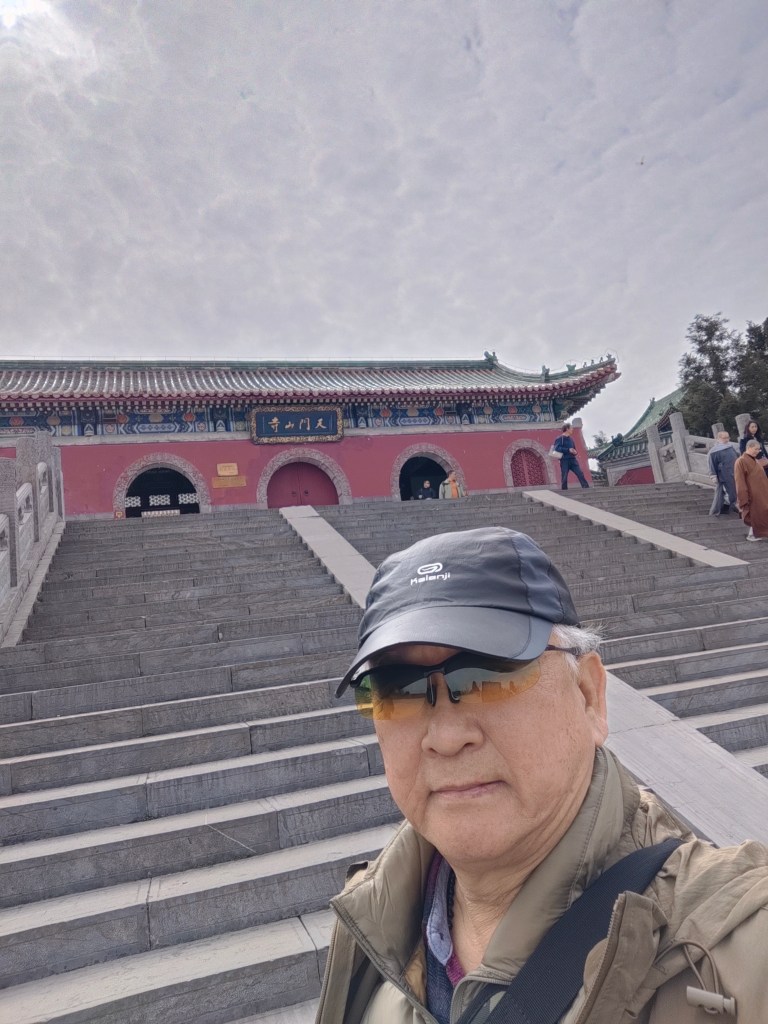
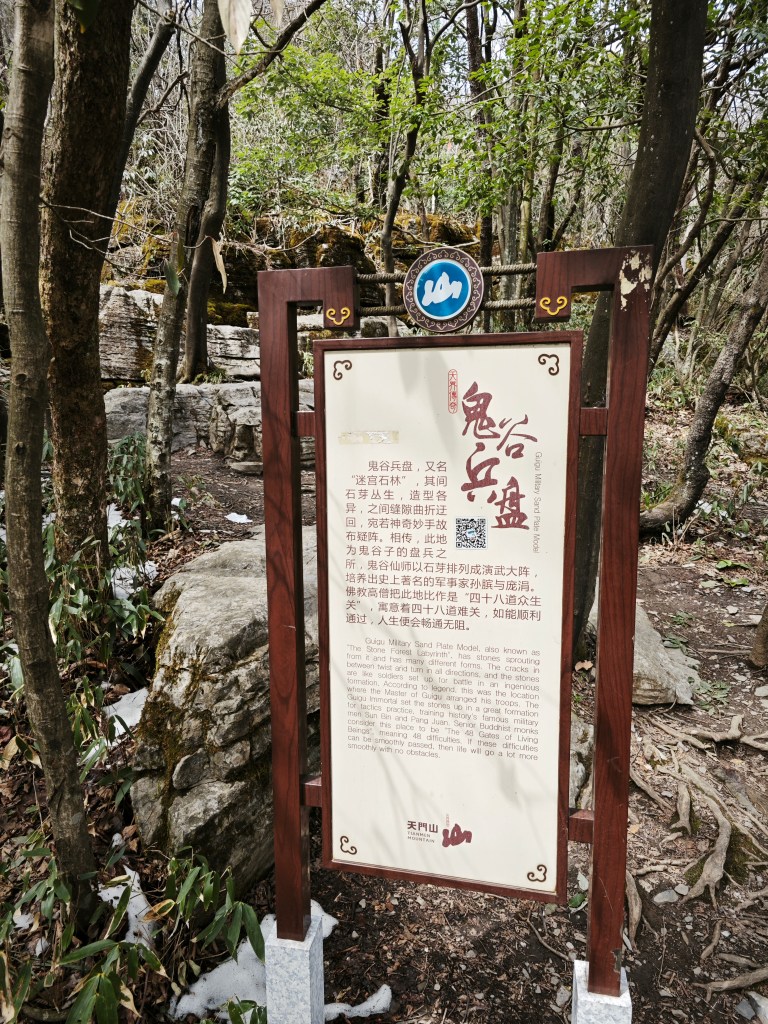
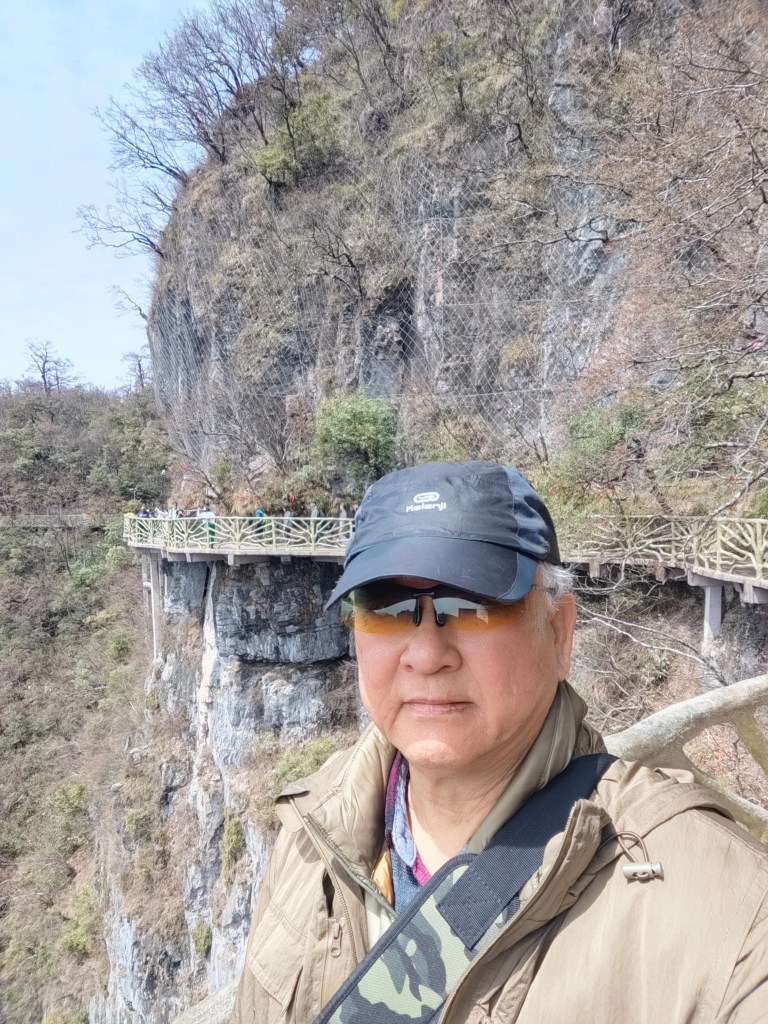
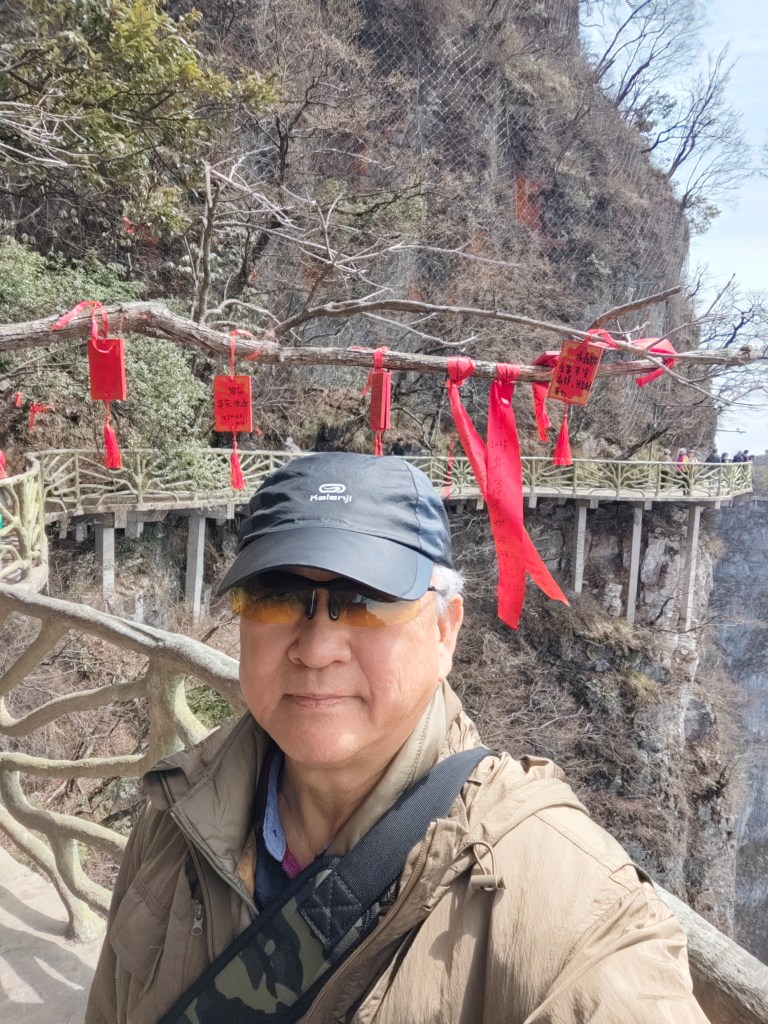
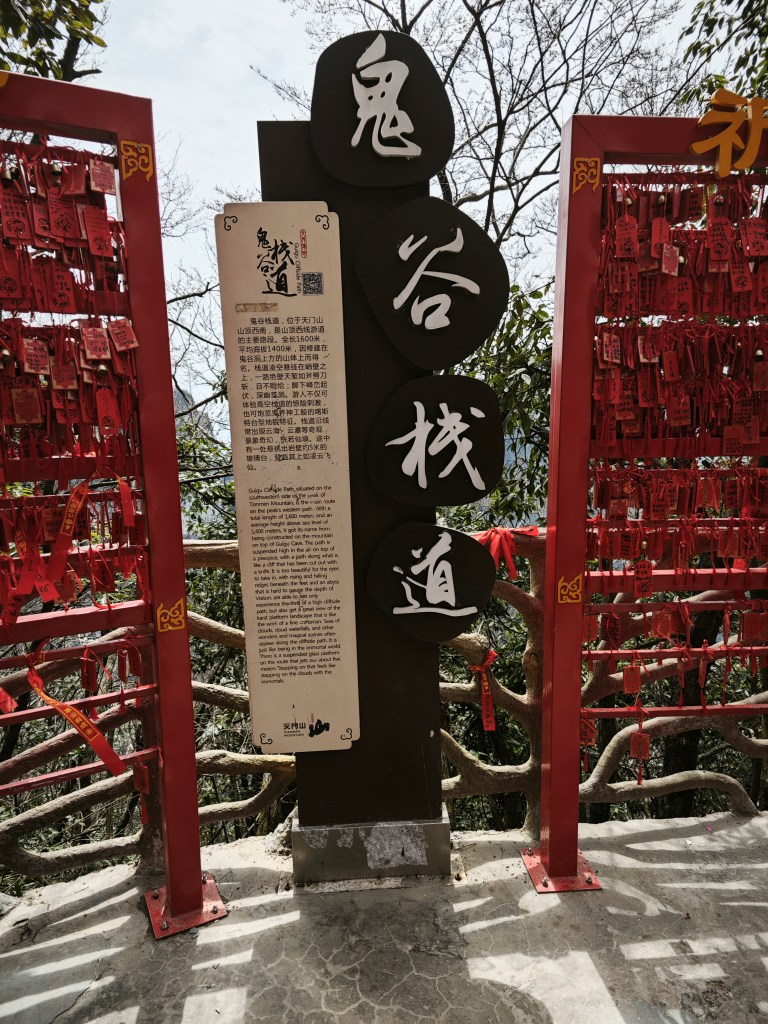
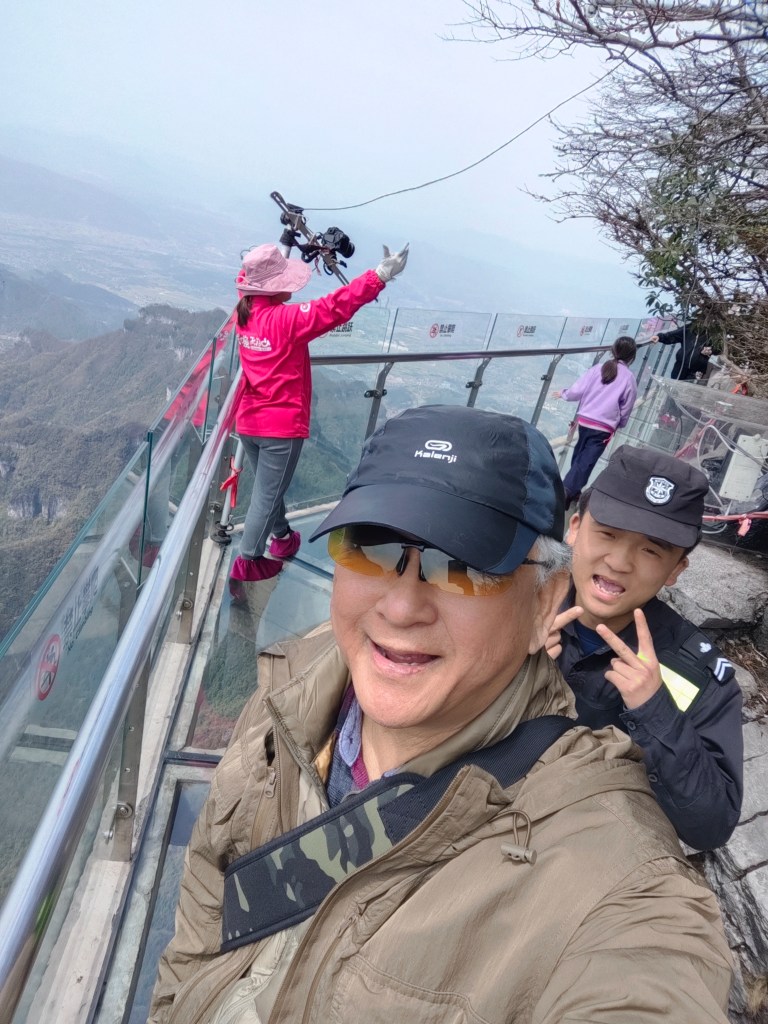
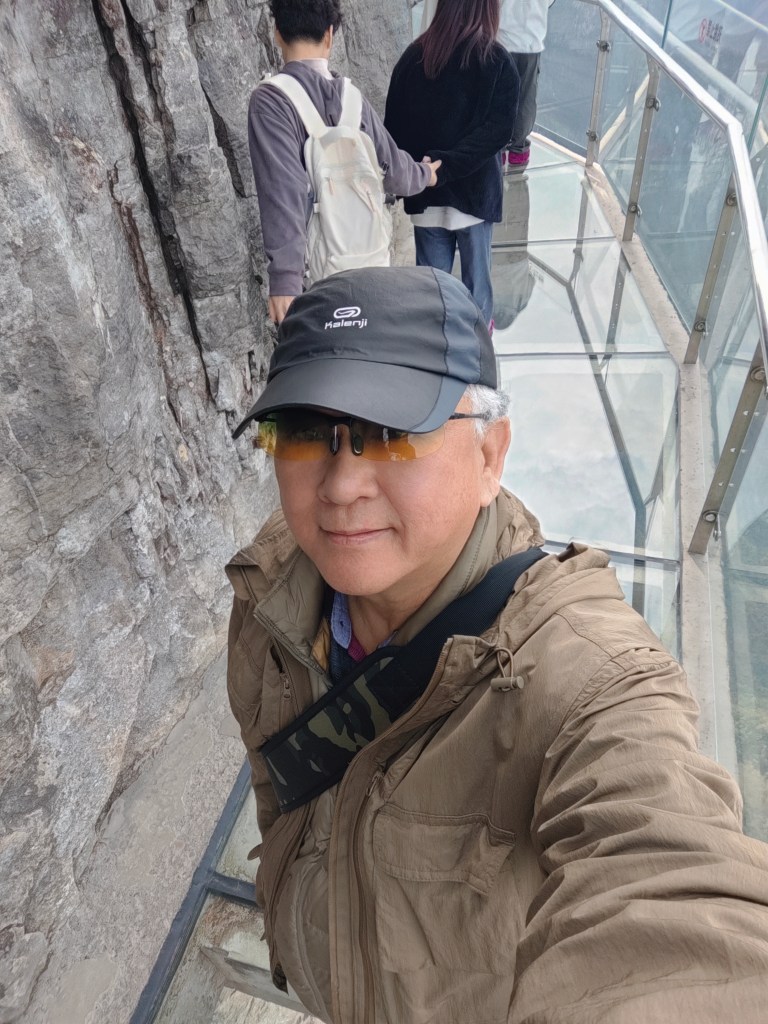
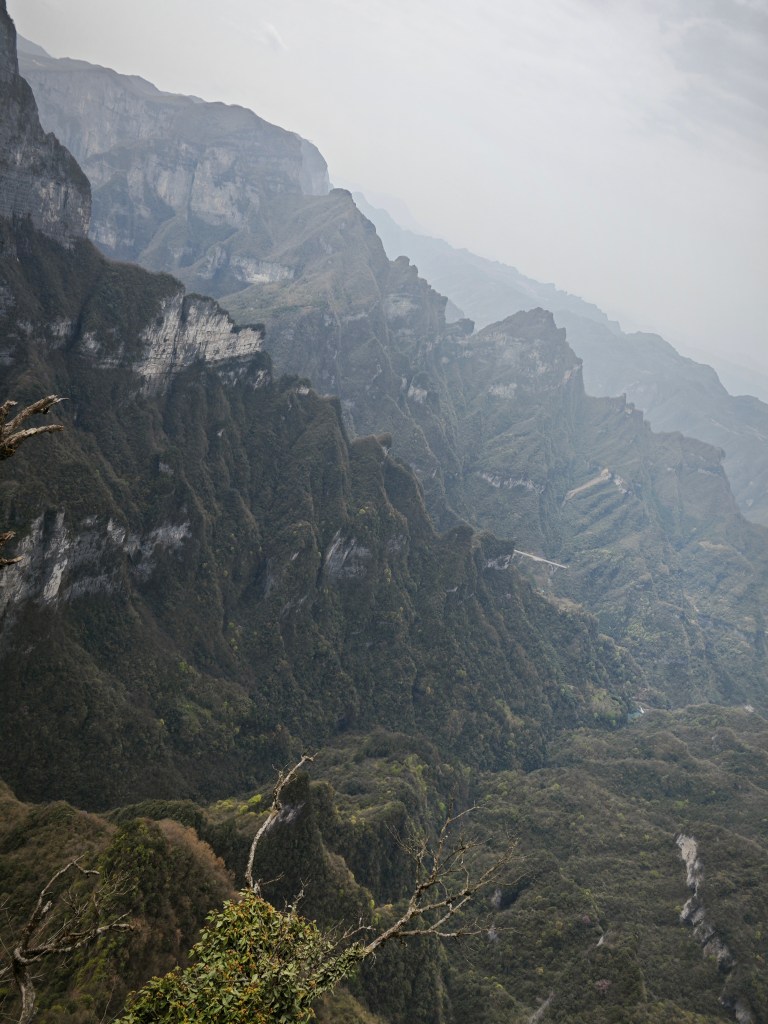
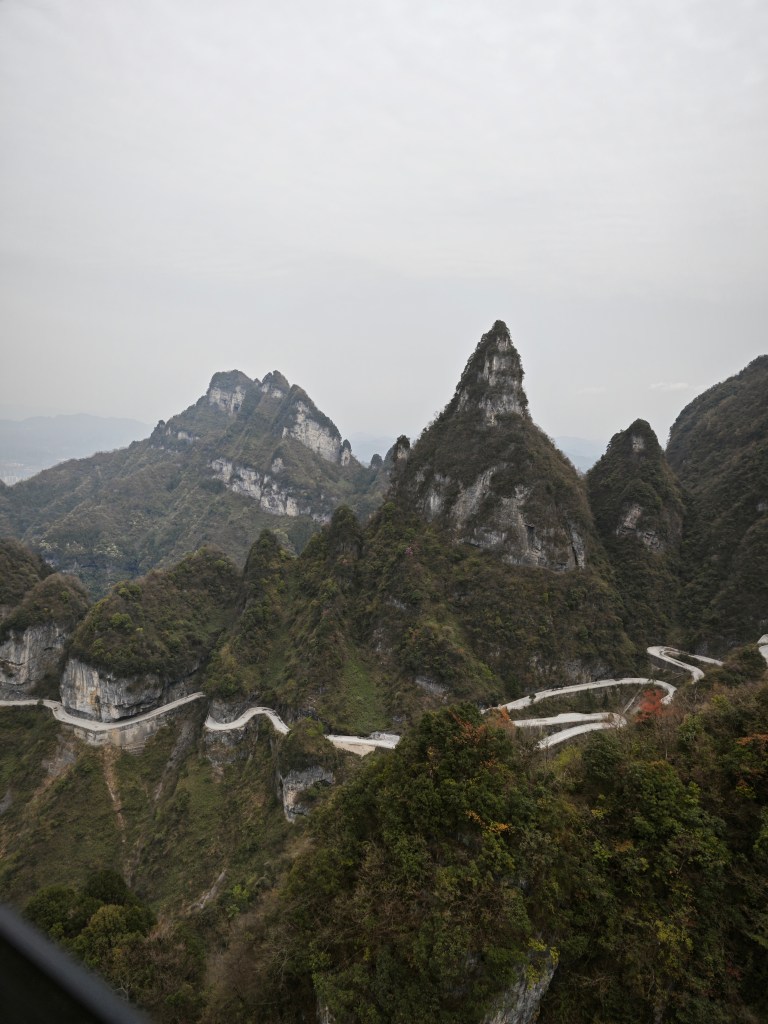
Also explored Tianmenshan Temple天门山寺, which was established 1000 years ago and is one of the few places that exhibits a sarira舍利子 of Shakyamuni Buddha释迦摩尼佛. My main purpose for visiting Tianmenshan in Hubei province was to see the absolutely breathtaking view of this World Natural Heritage site and the monstrous infrastructure in place, including the world’s longest (~1 kilometer) escalator running inside the mountain, moving tourists from the top to the bottom. I would definitely recommend Tianmenshan as a must-see place in China.

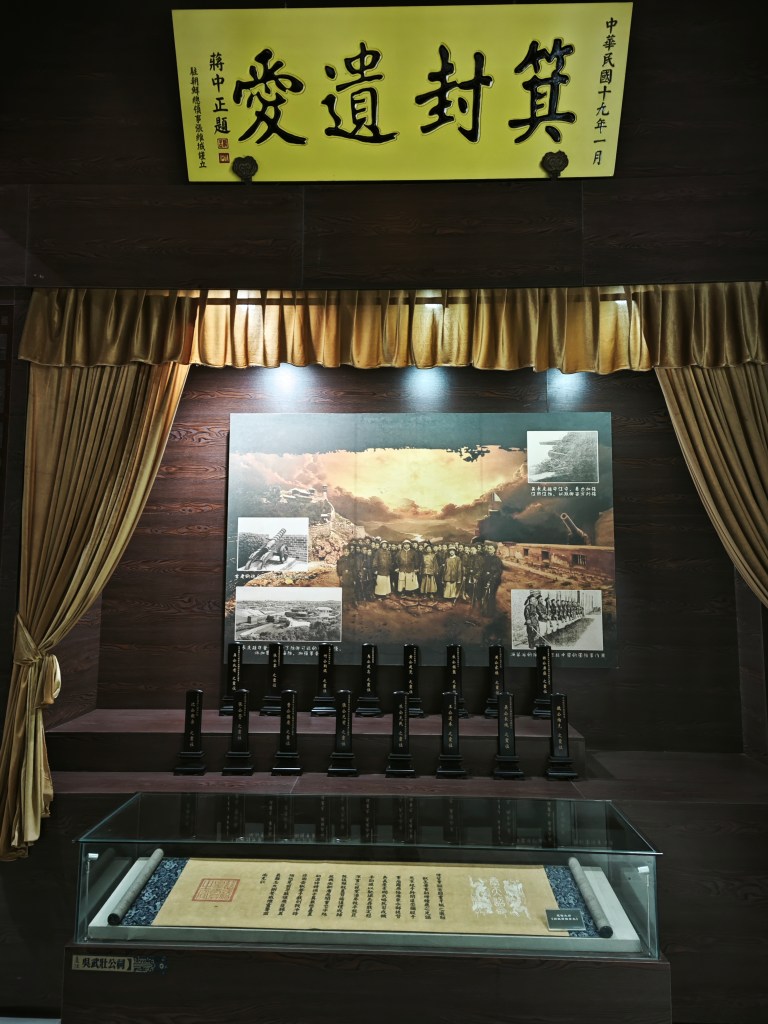
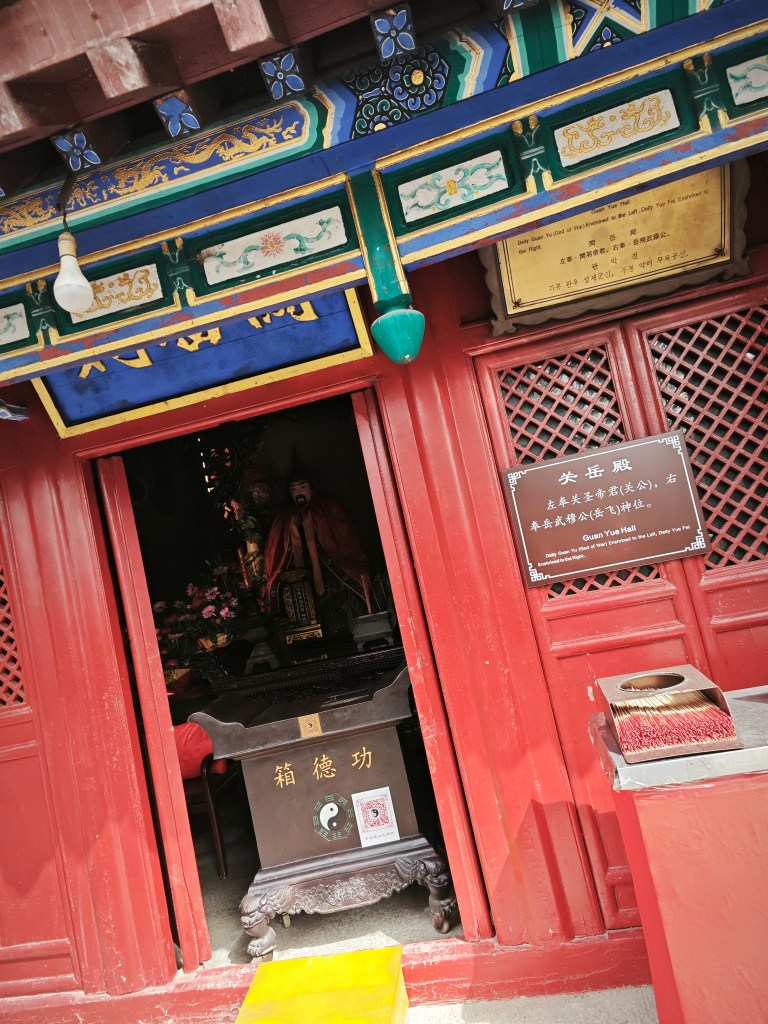
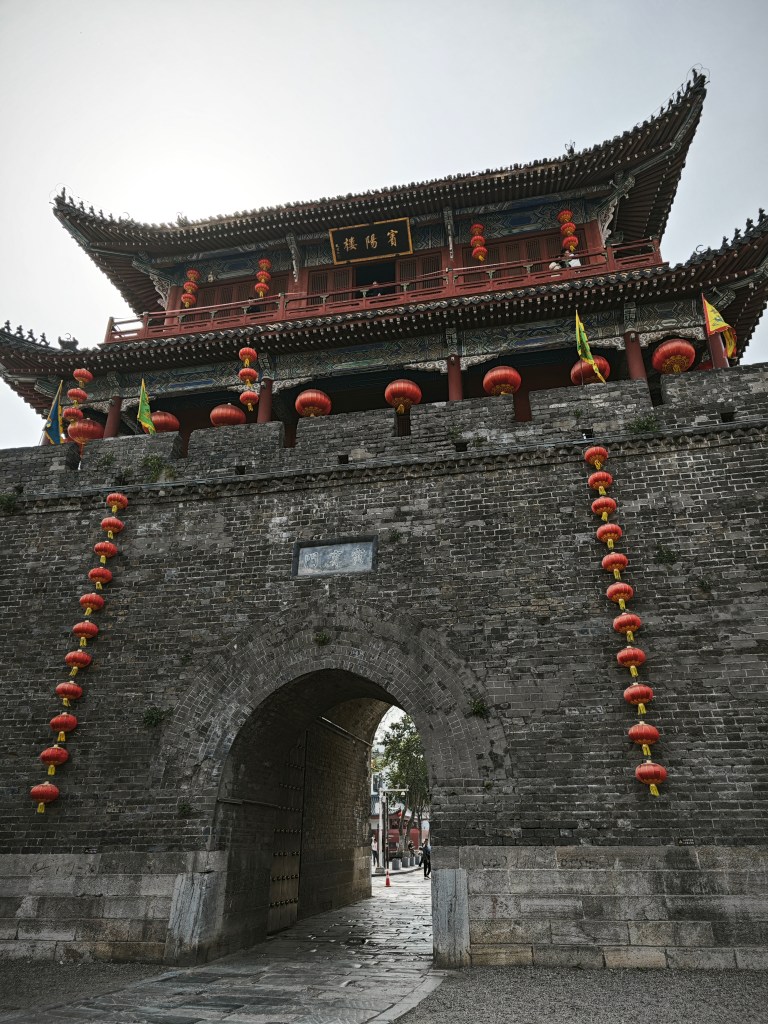
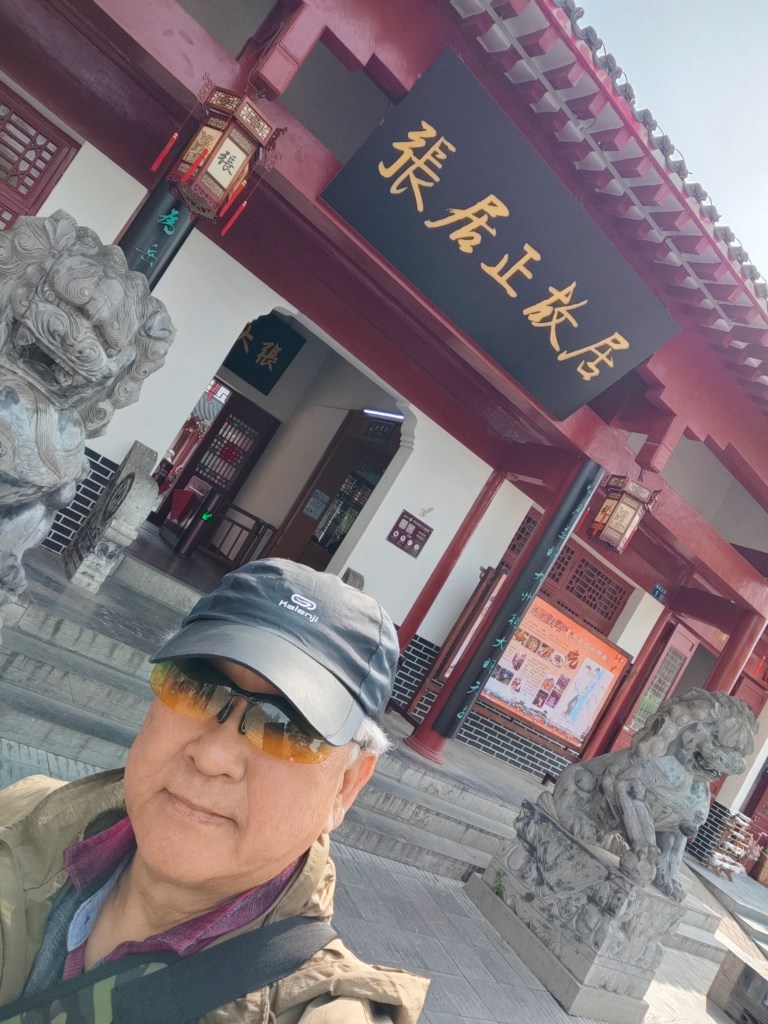
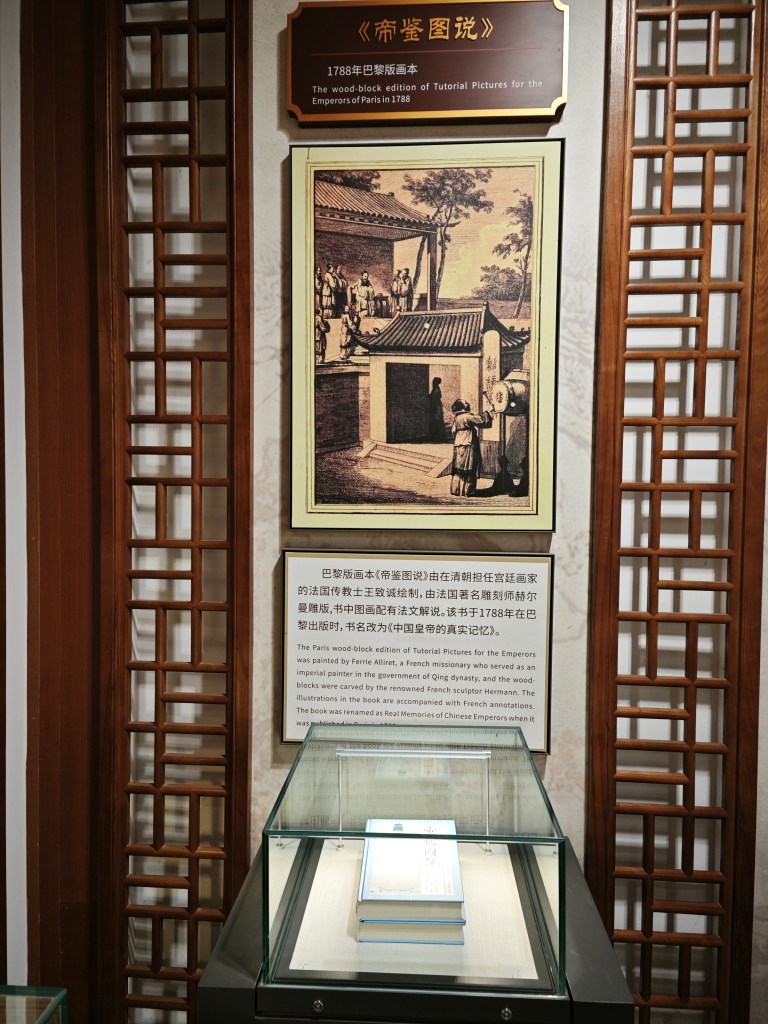
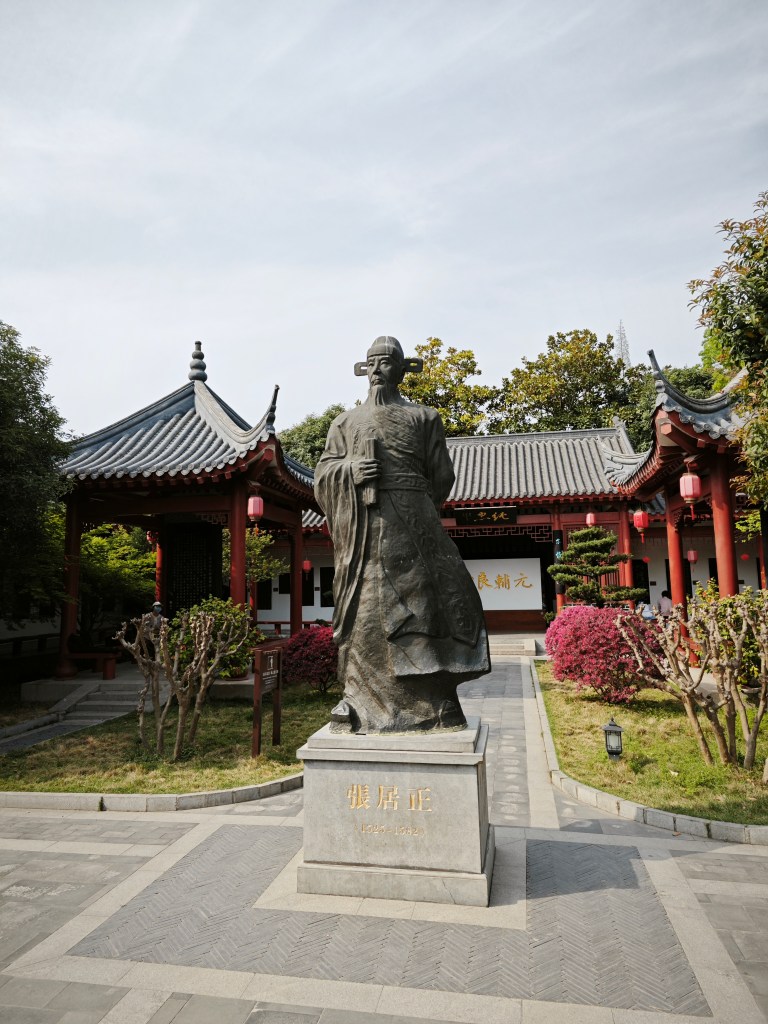
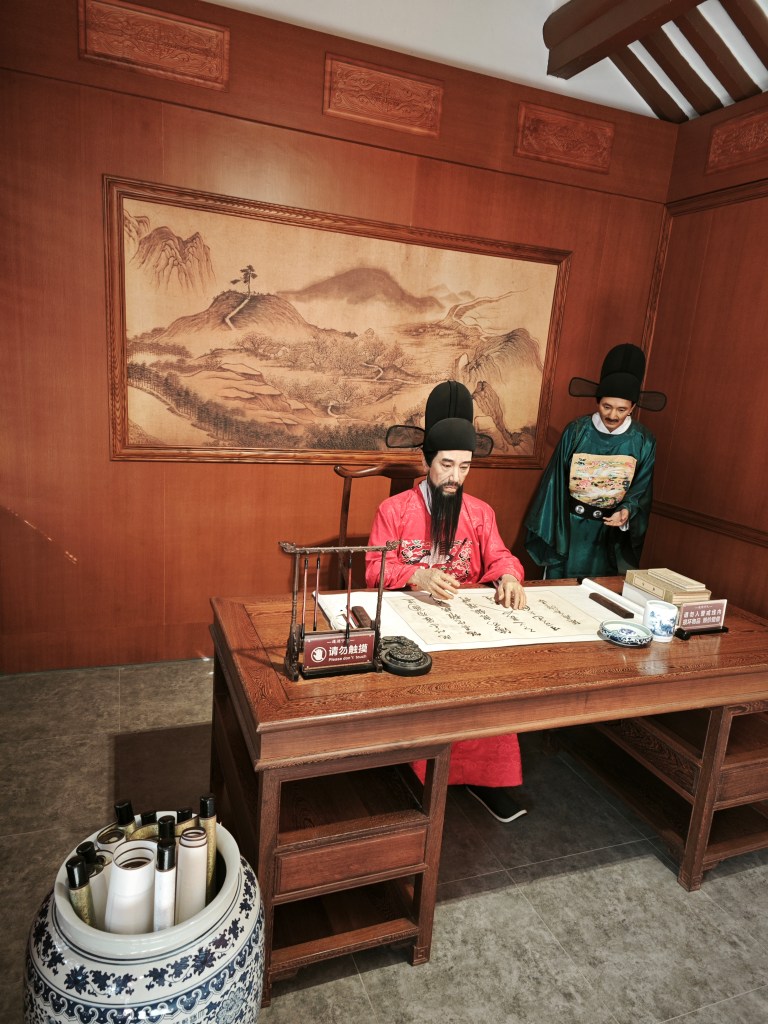
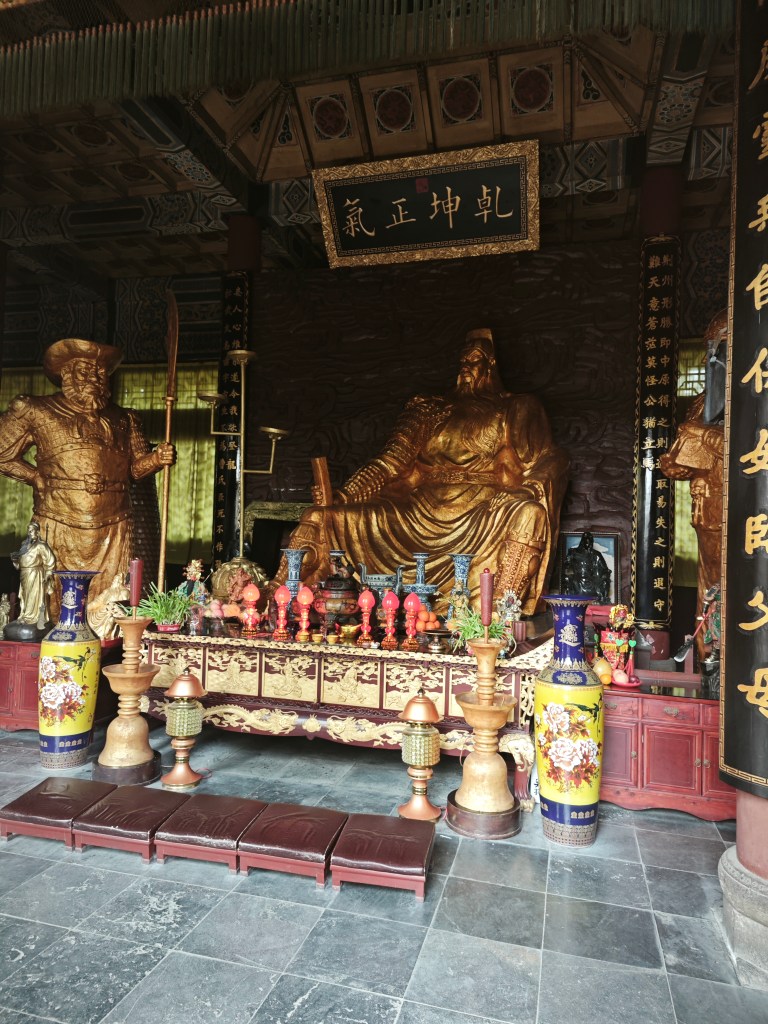
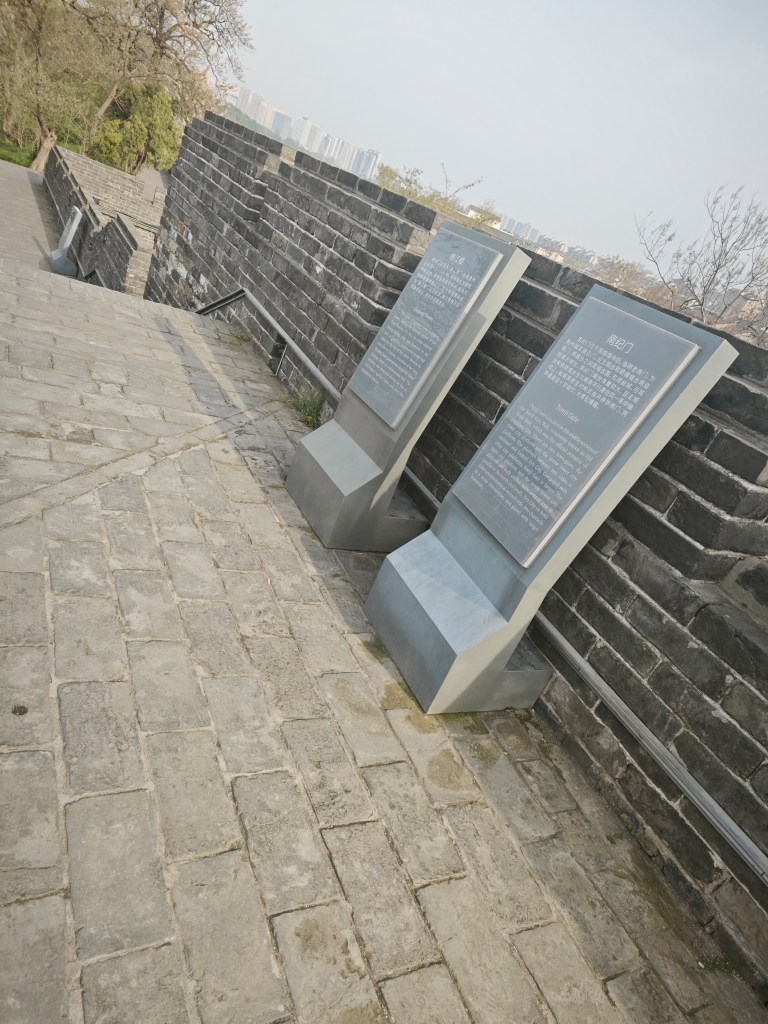
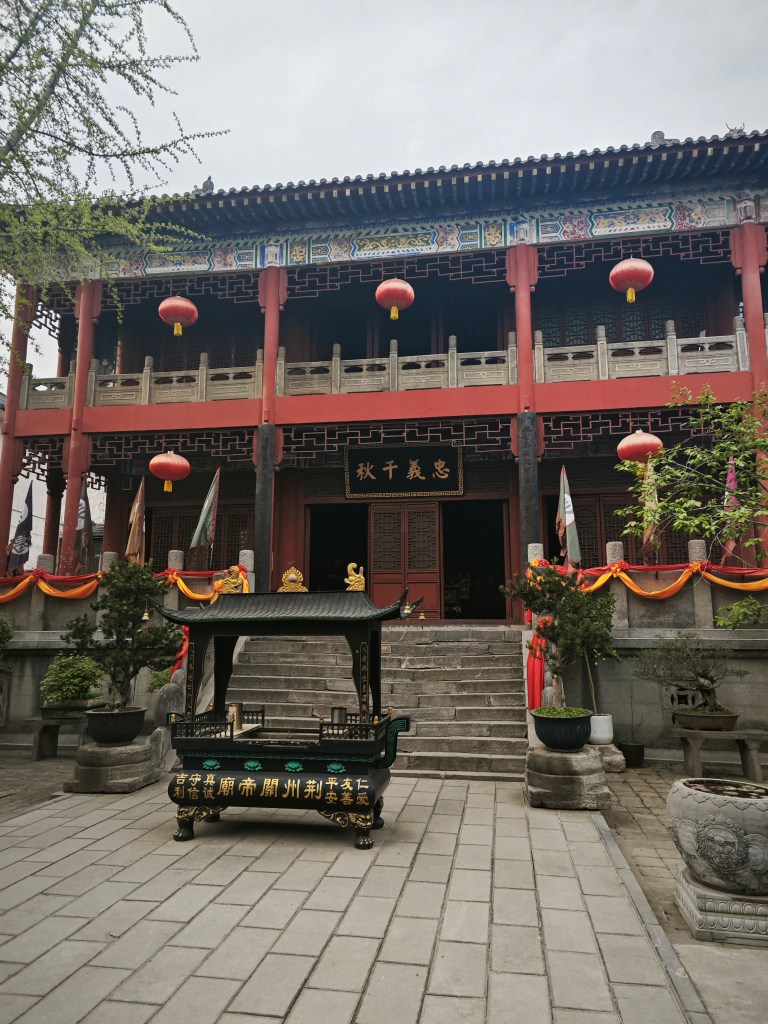
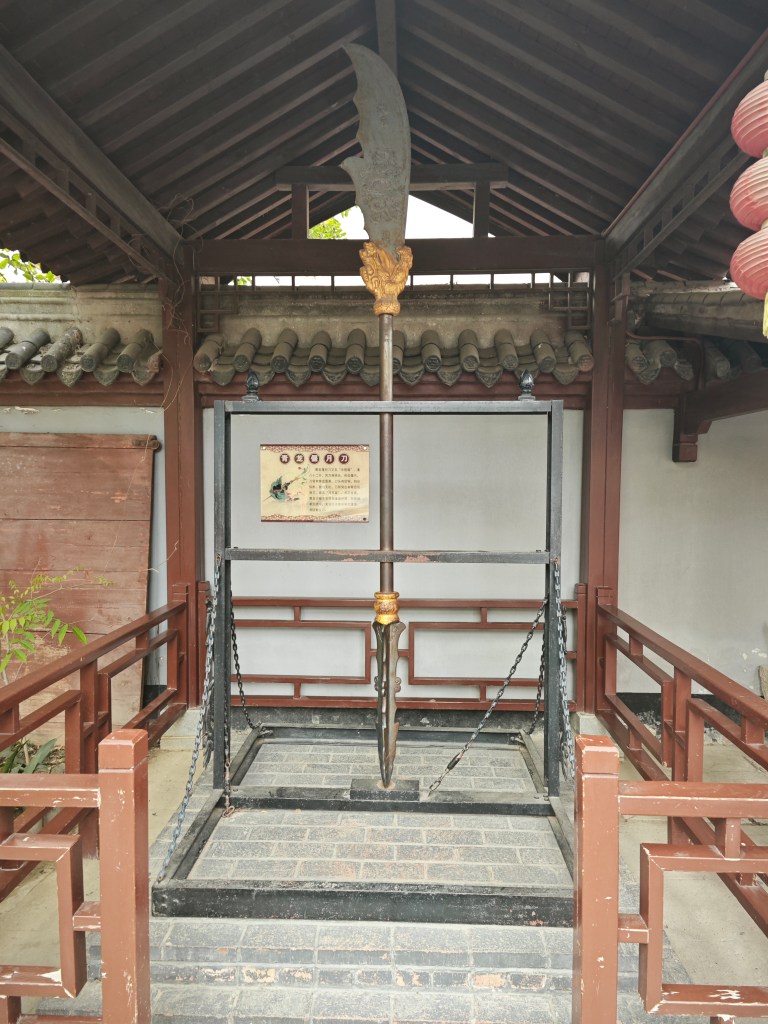
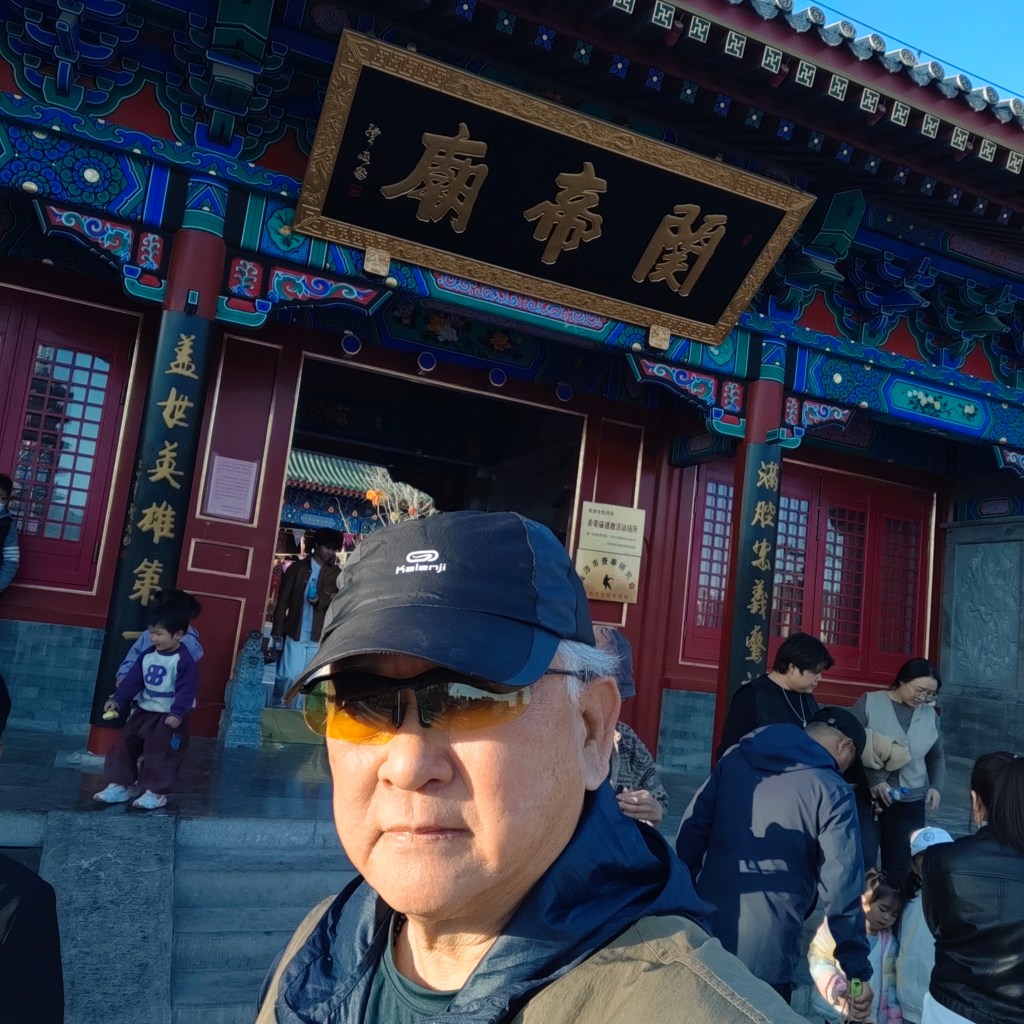
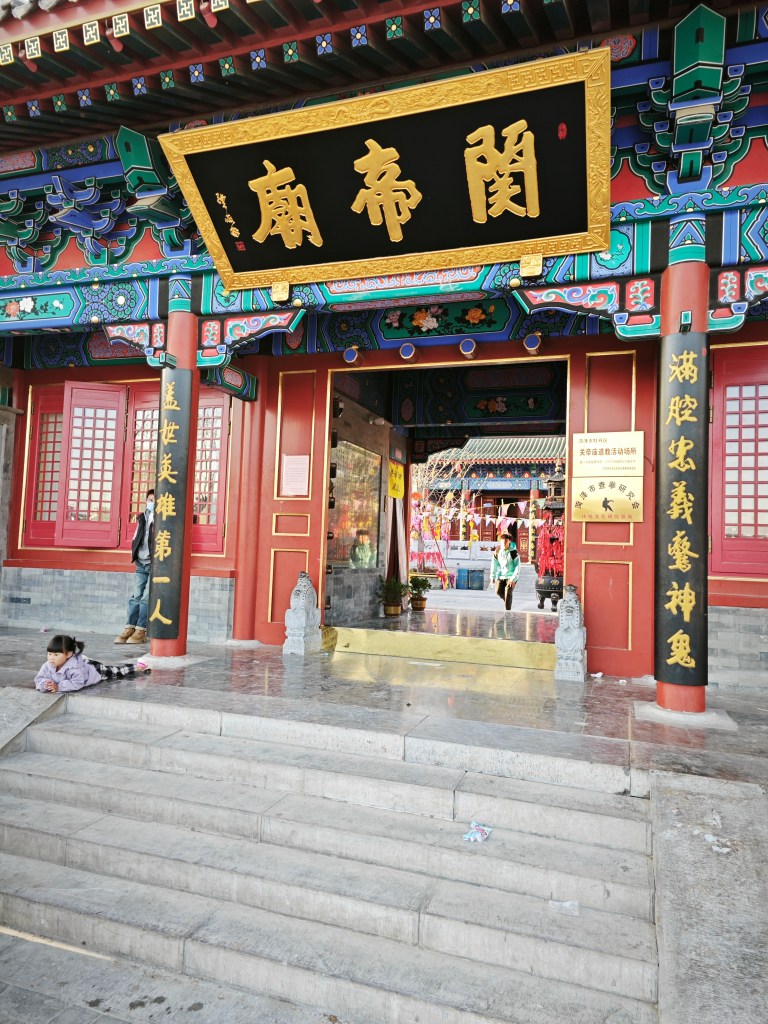
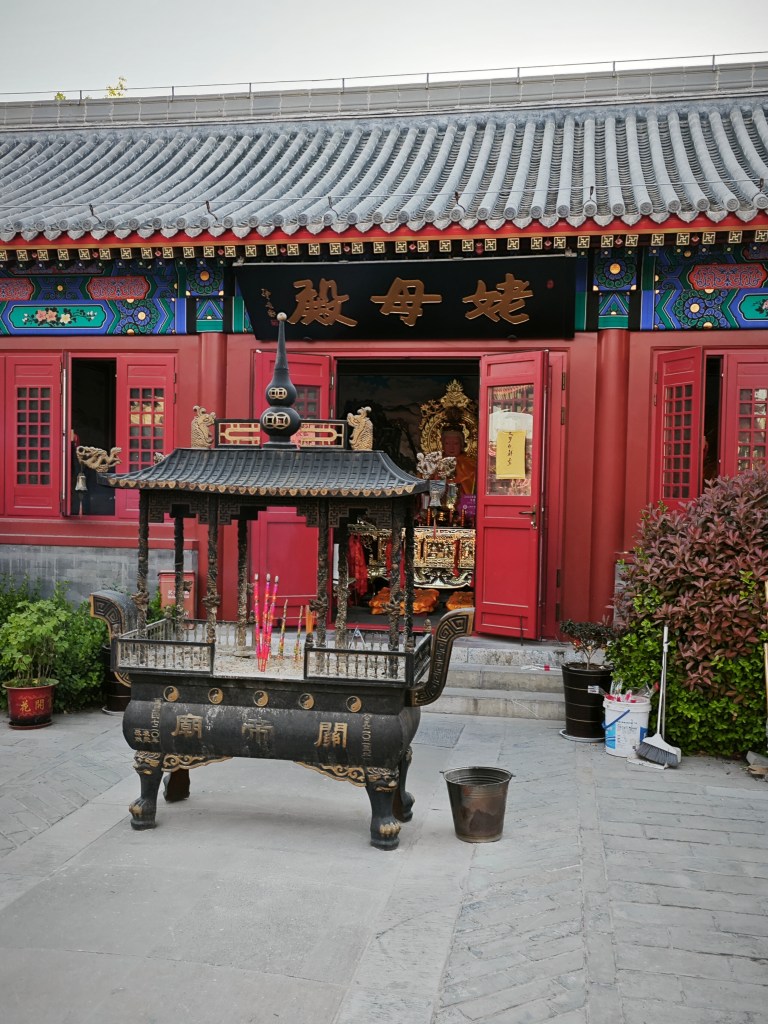
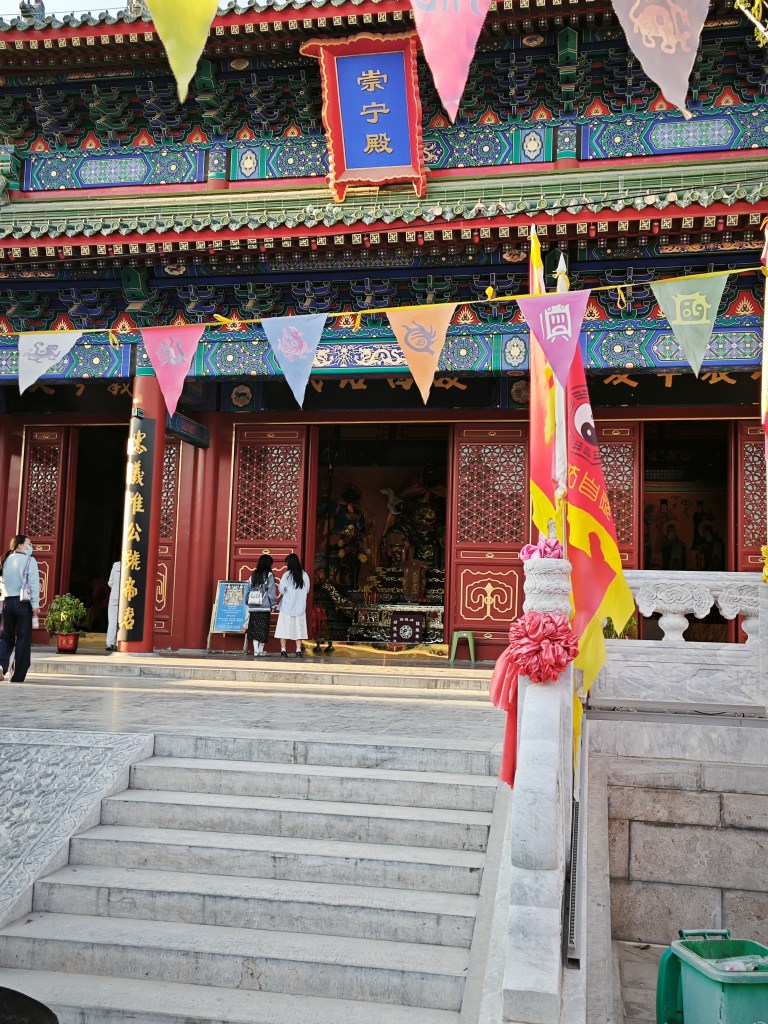
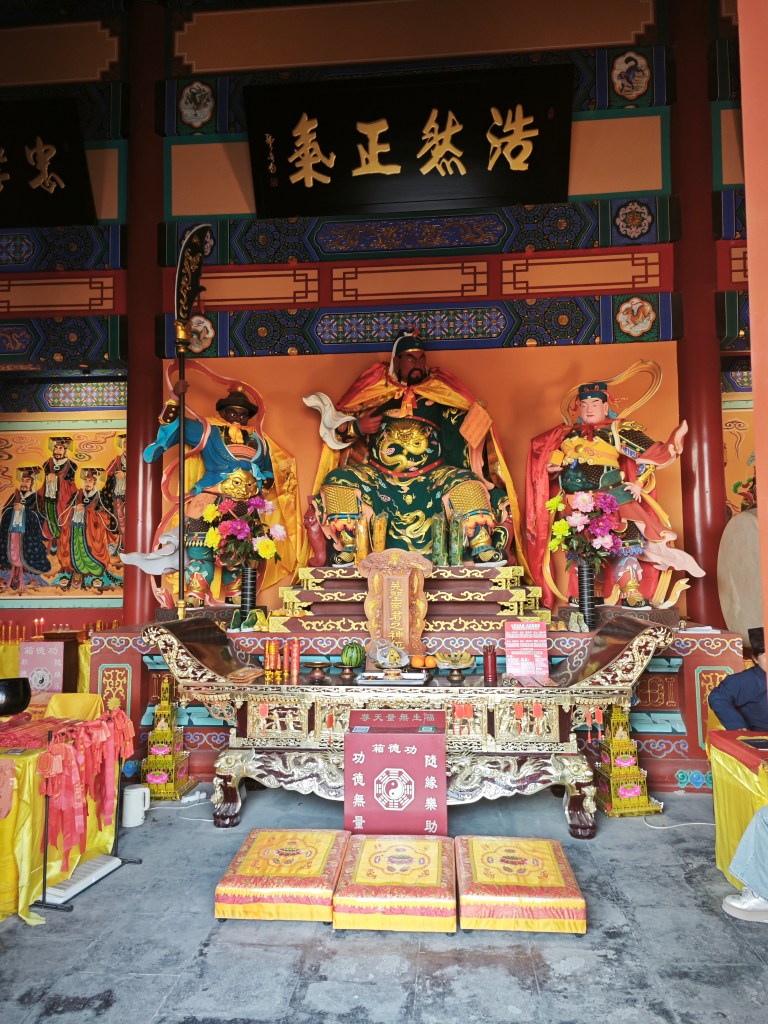
A stop designed by the AI tool Deepseek at Jingzhou 荆州 in Hubei province turned out to be great. It was the capital of Chu State 楚国 during the Warring States Period 战国时代 2500 years ago and was a well-known city depicted in the Romance of the Three Kingdoms 三国演义 due to the sacrifice of the top Shu Han general 蜀汉大将军 Guan Yu 关羽, who stationed here almost 2000 years ago. Guan Yu has been worshipped in China since then as a deity of righteousness, Saint of War 武圣, and God of Fortune 财神. Another famous local person was Zhang Juzheng 张居正, who taught the young emperor Wanli of the Ming Dynasty 明朝万历皇帝 the proper ways of ruling his subjects and also served as his Prime Minister.

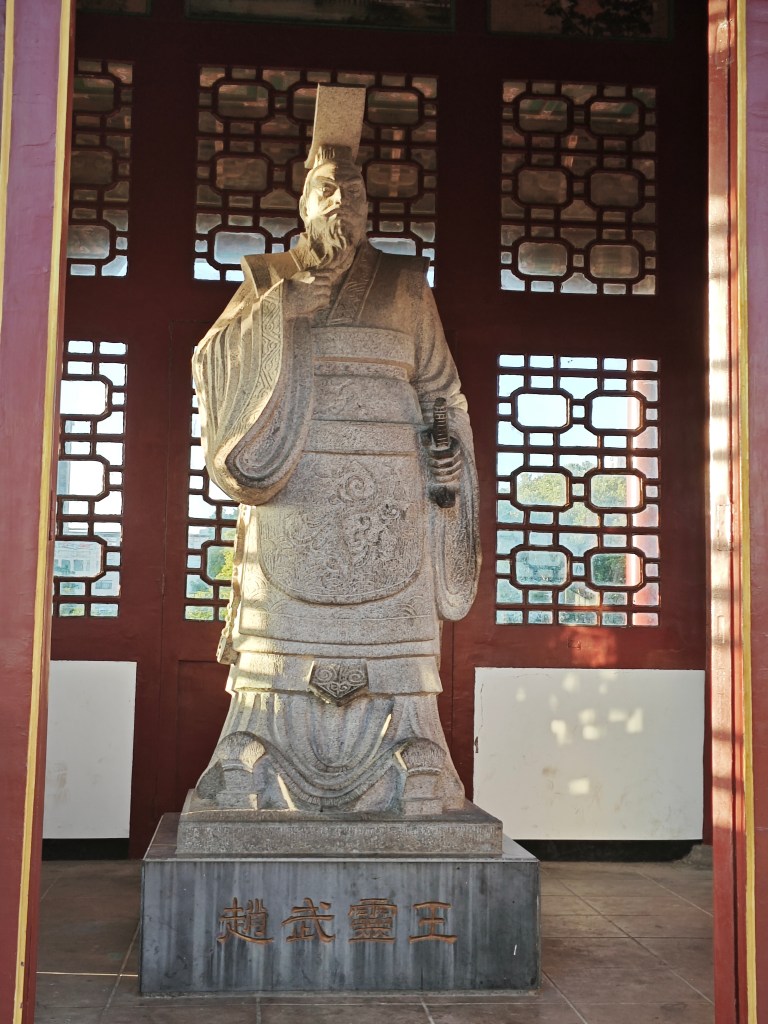
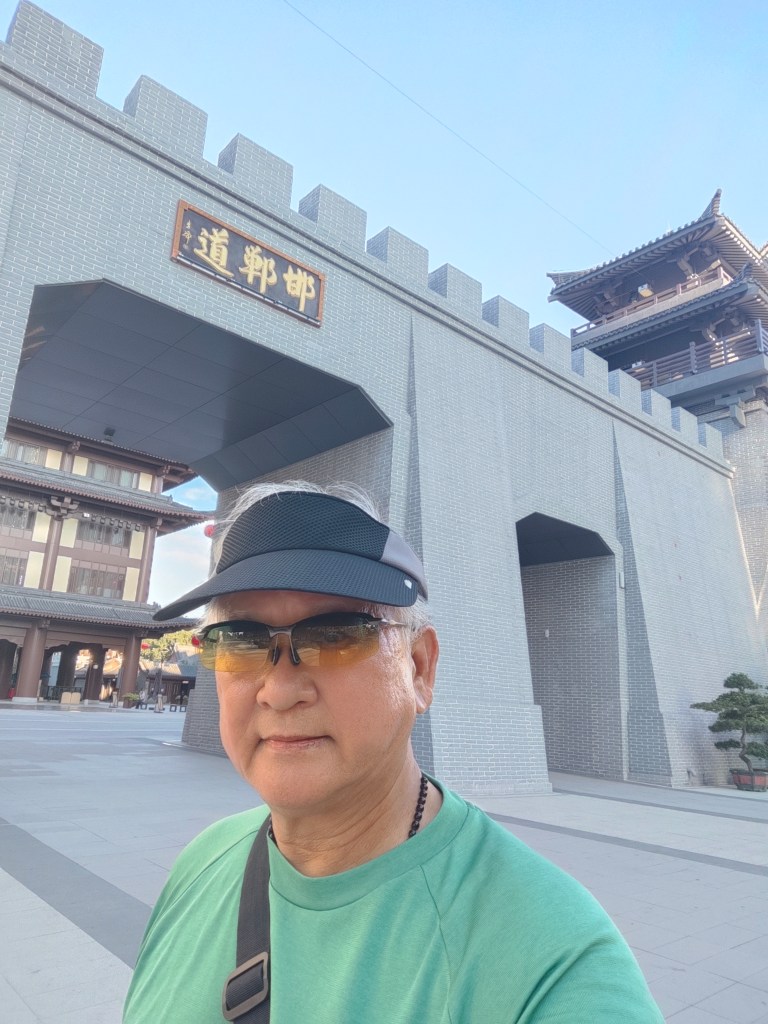
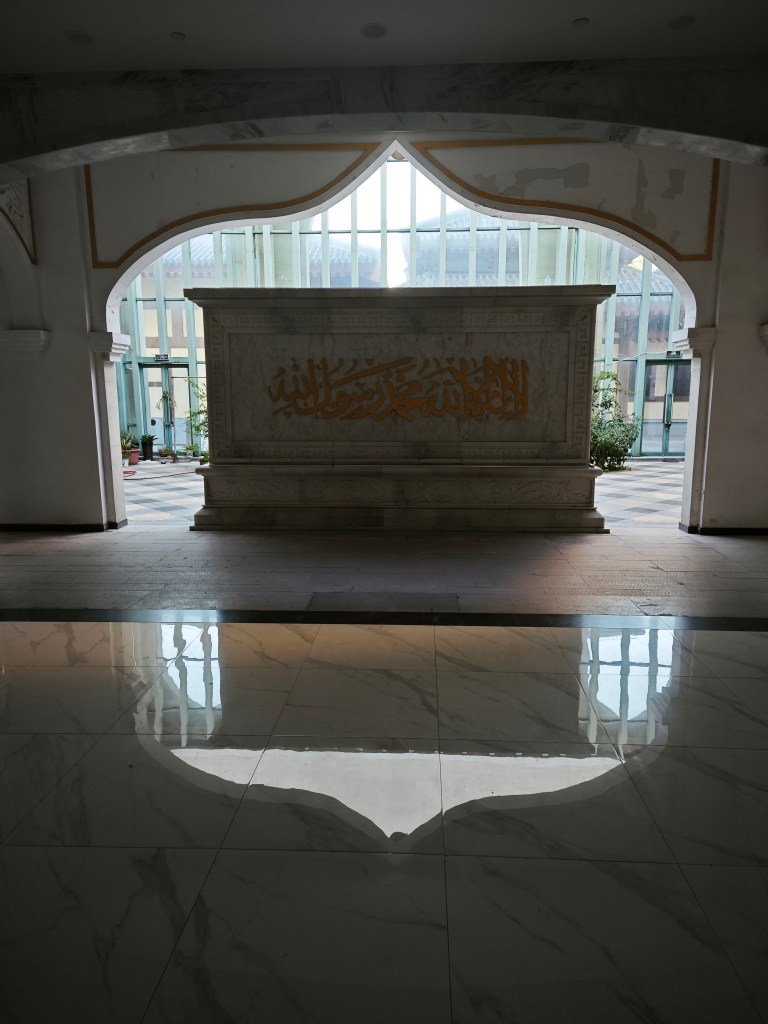
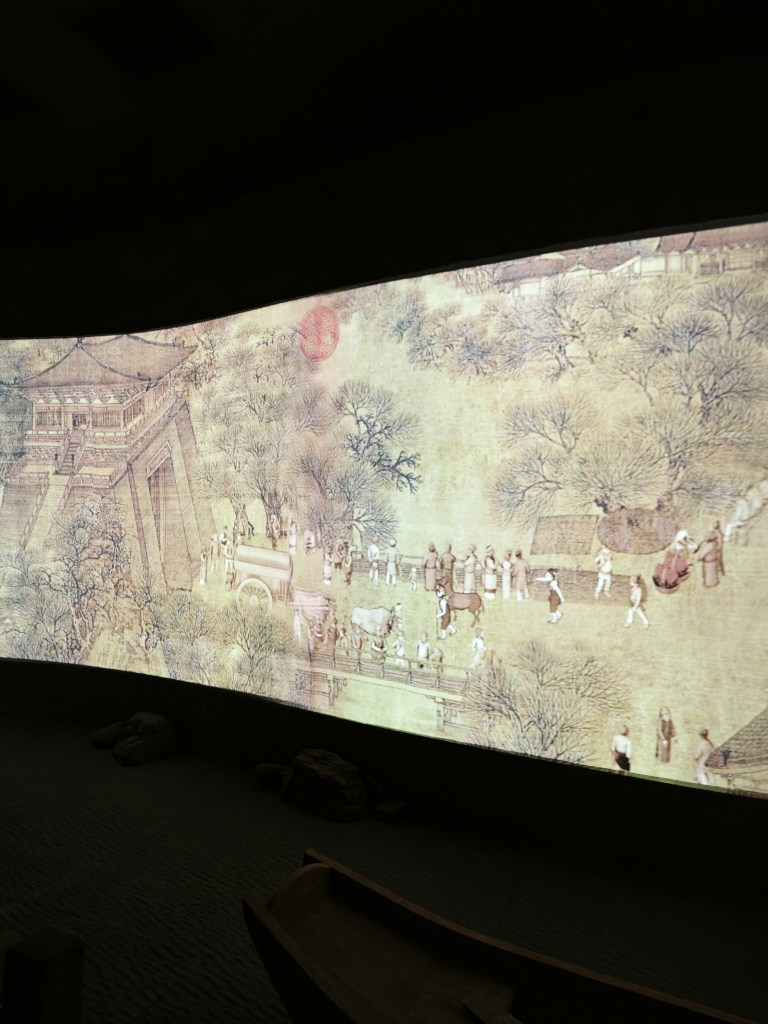
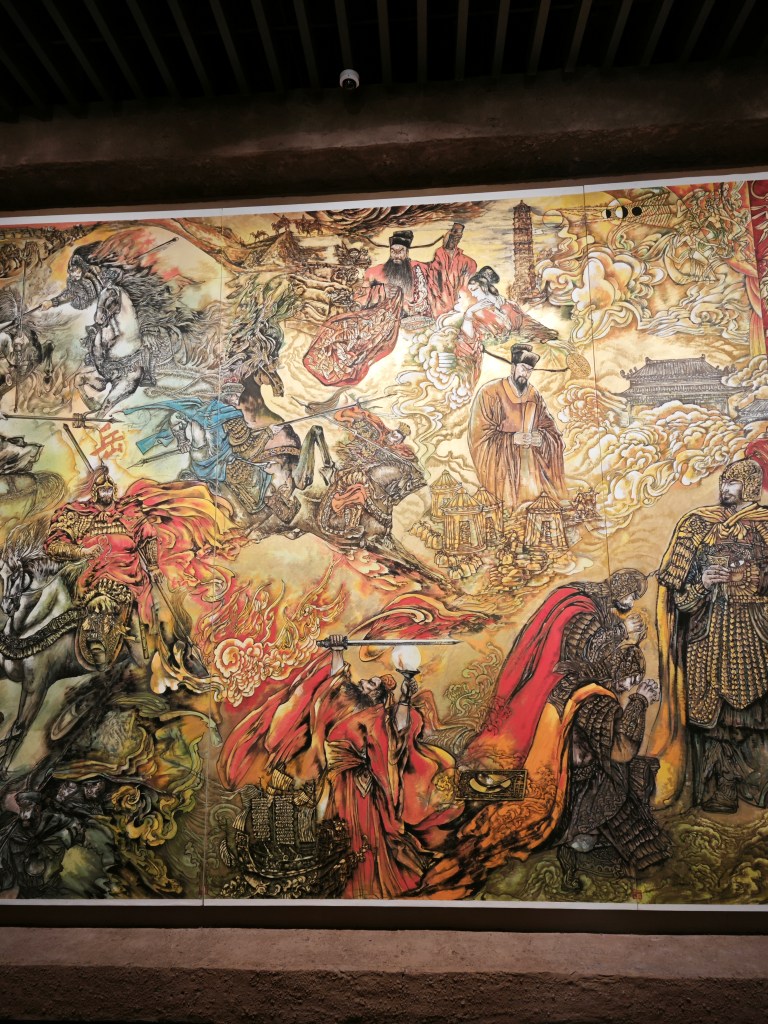
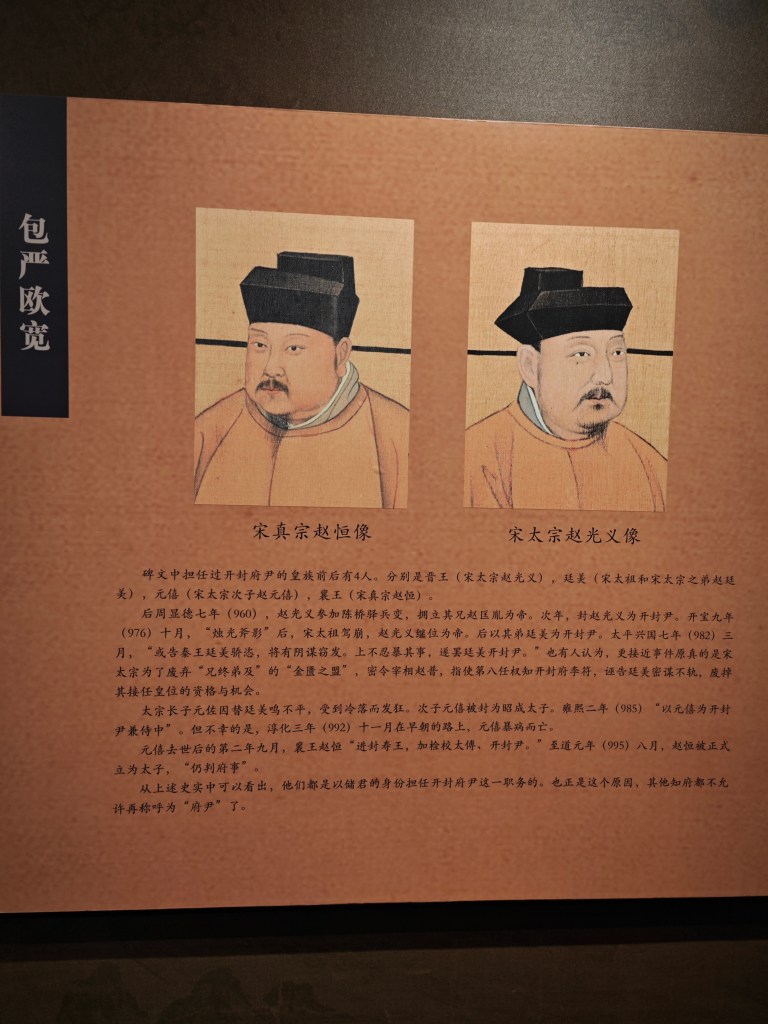
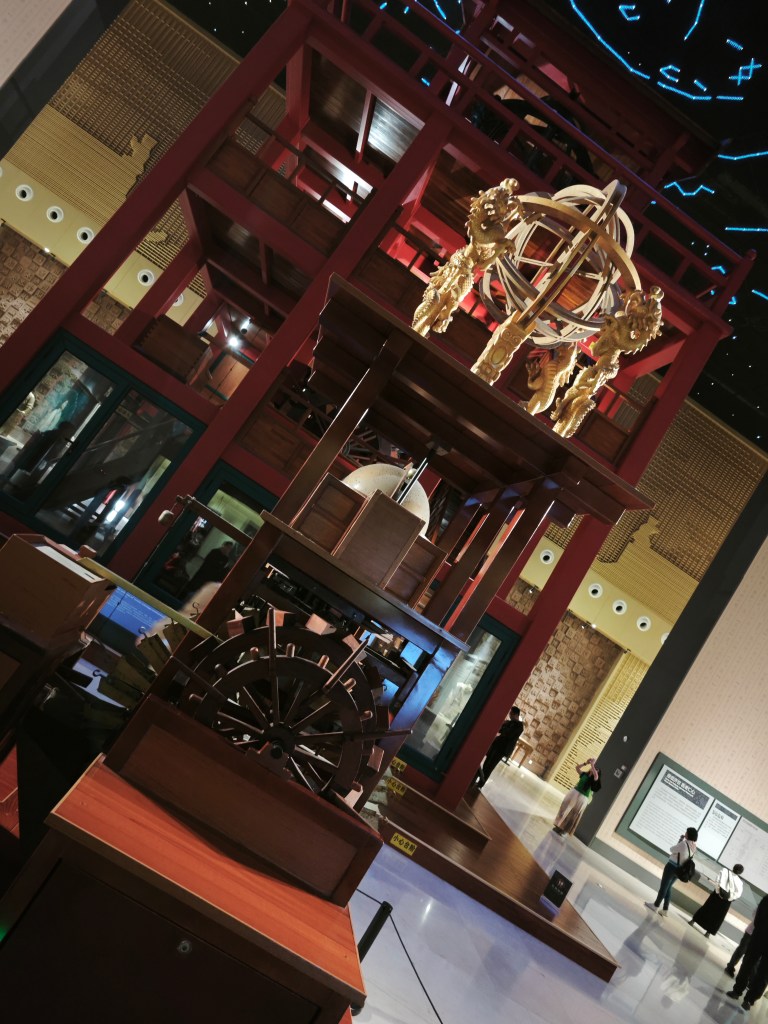
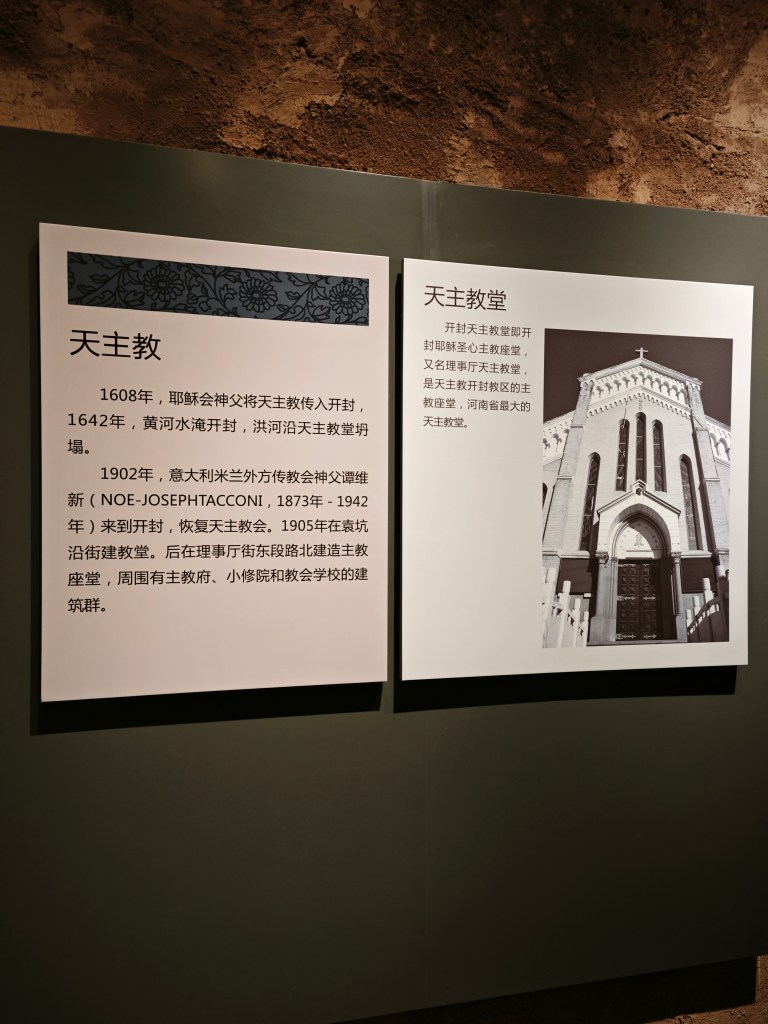
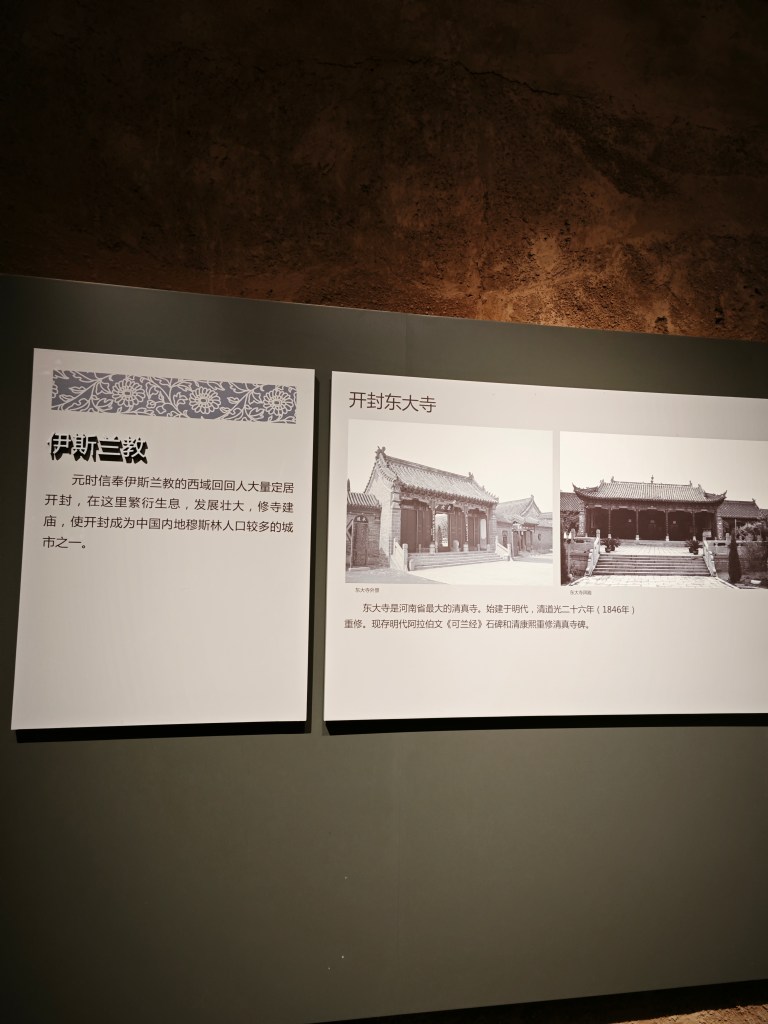
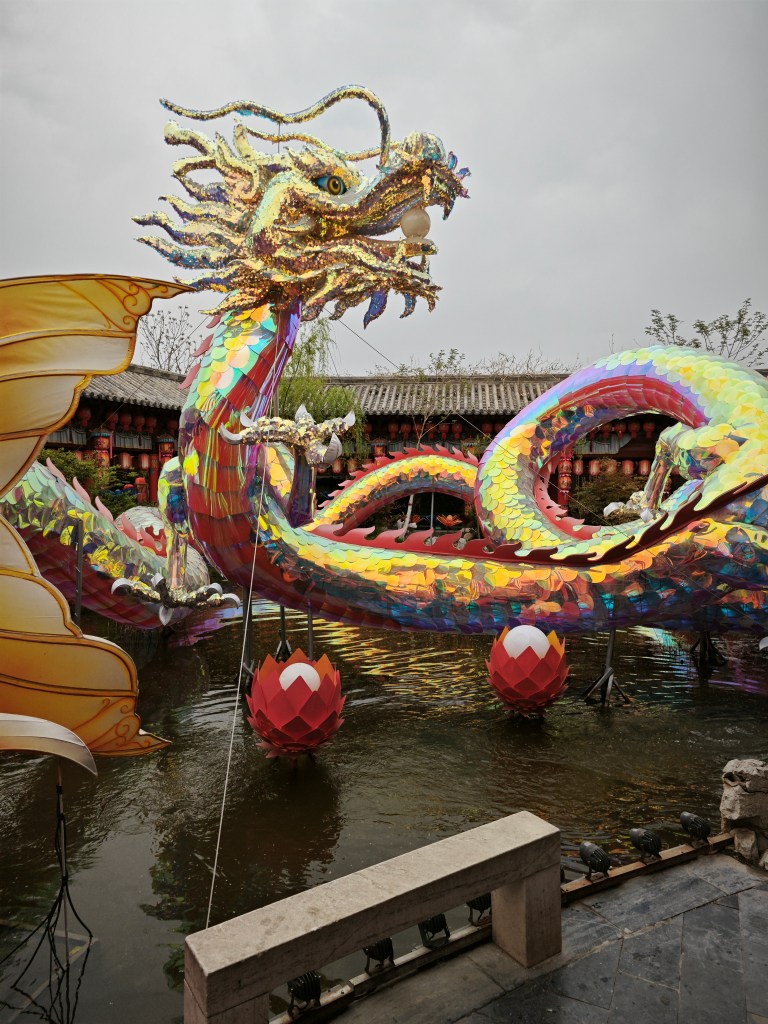
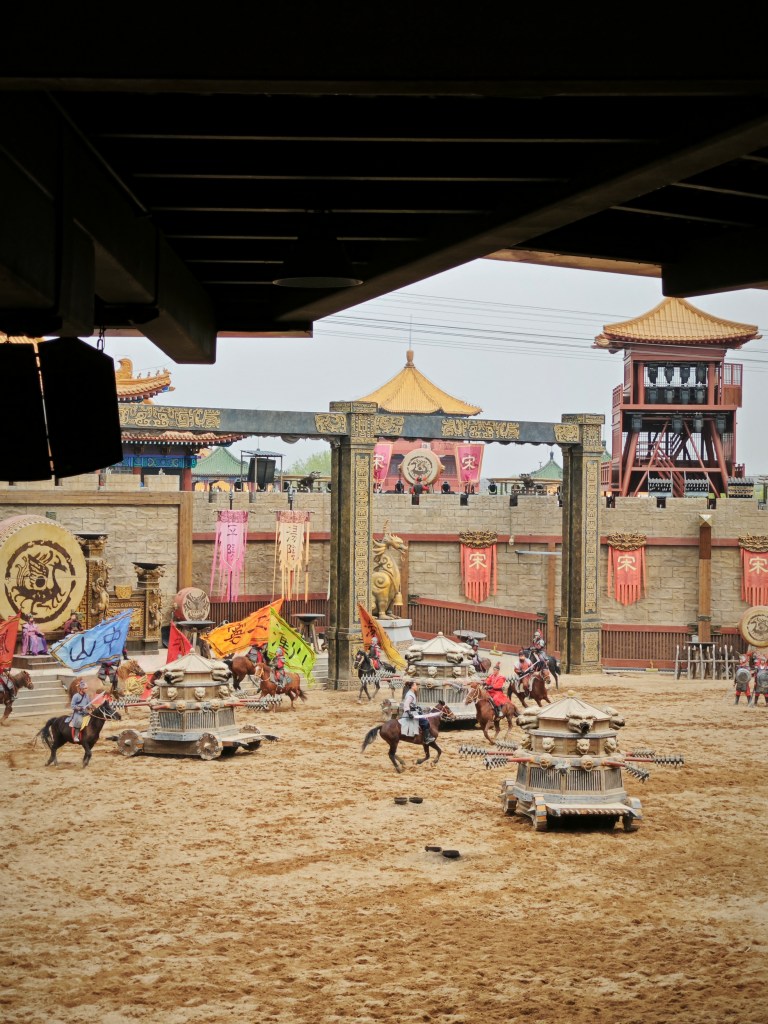
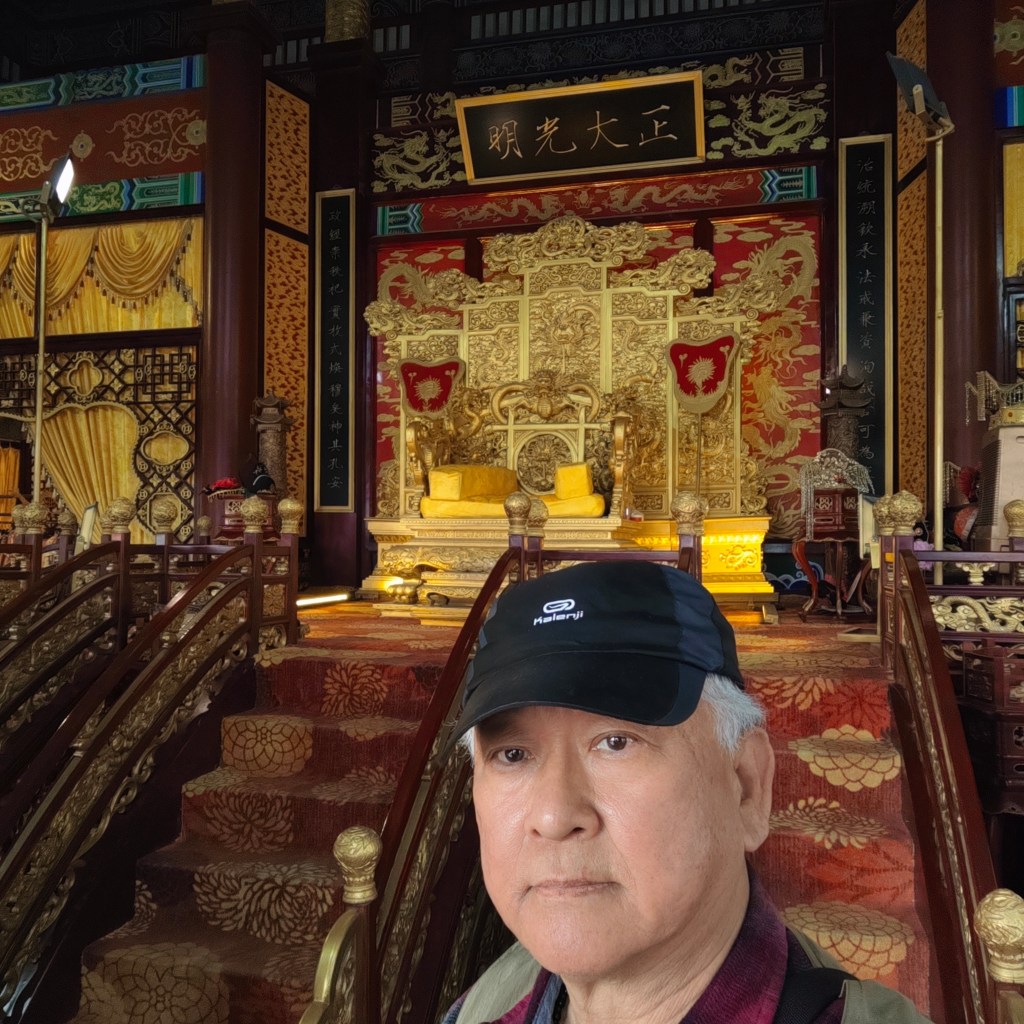
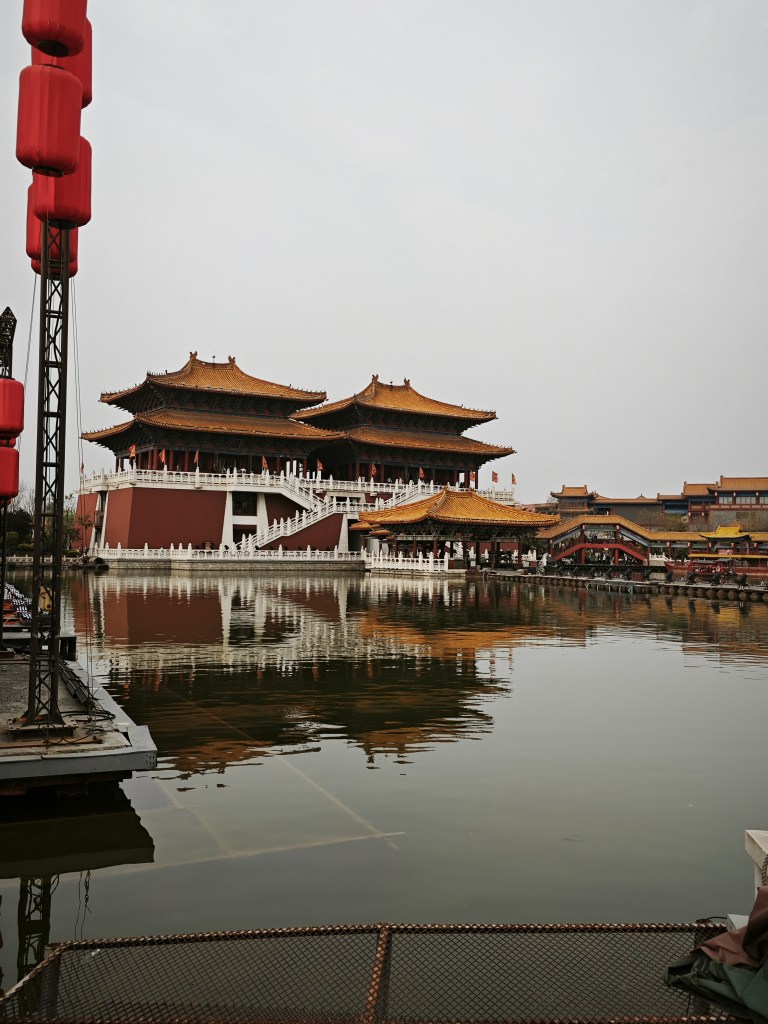
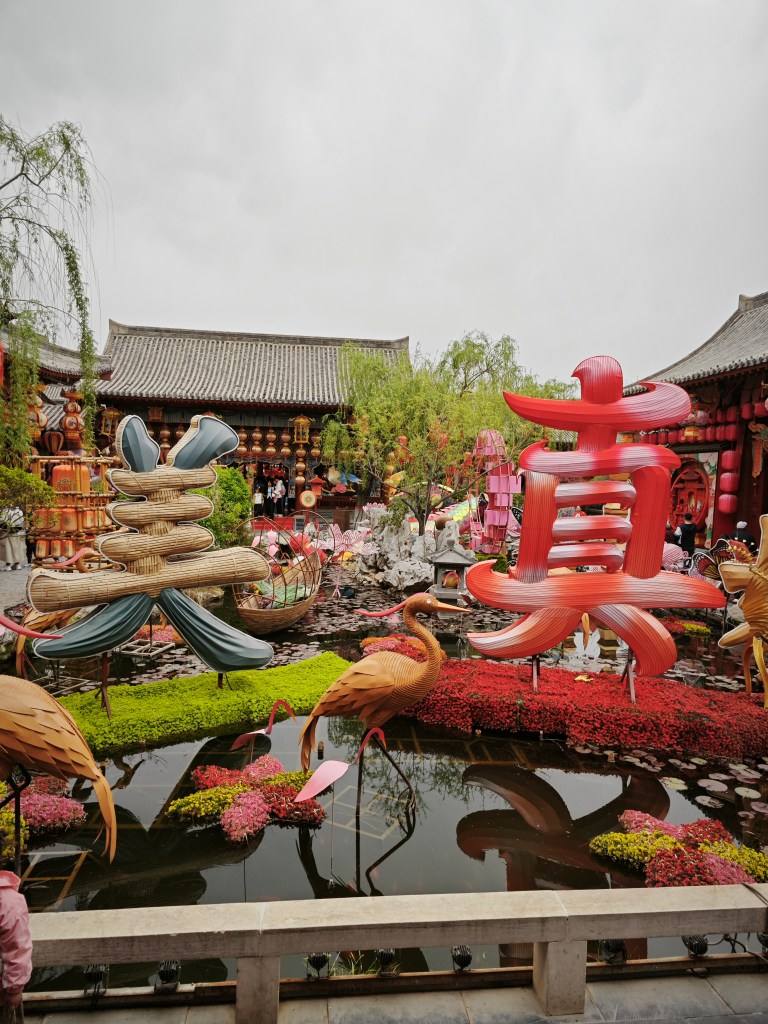
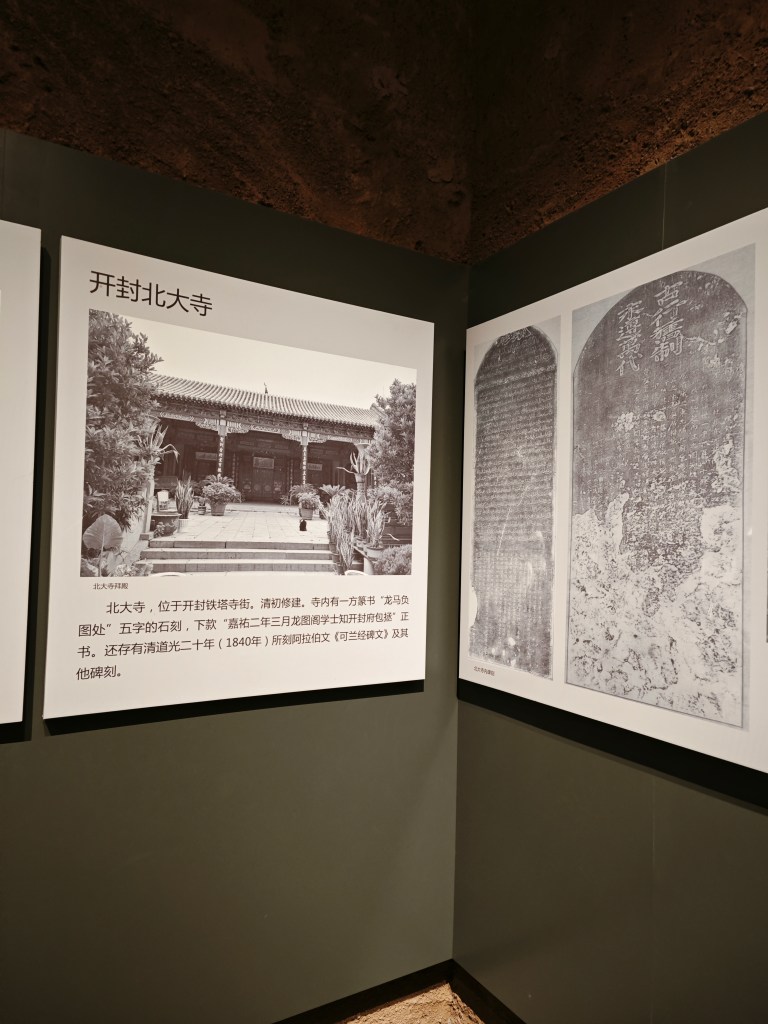
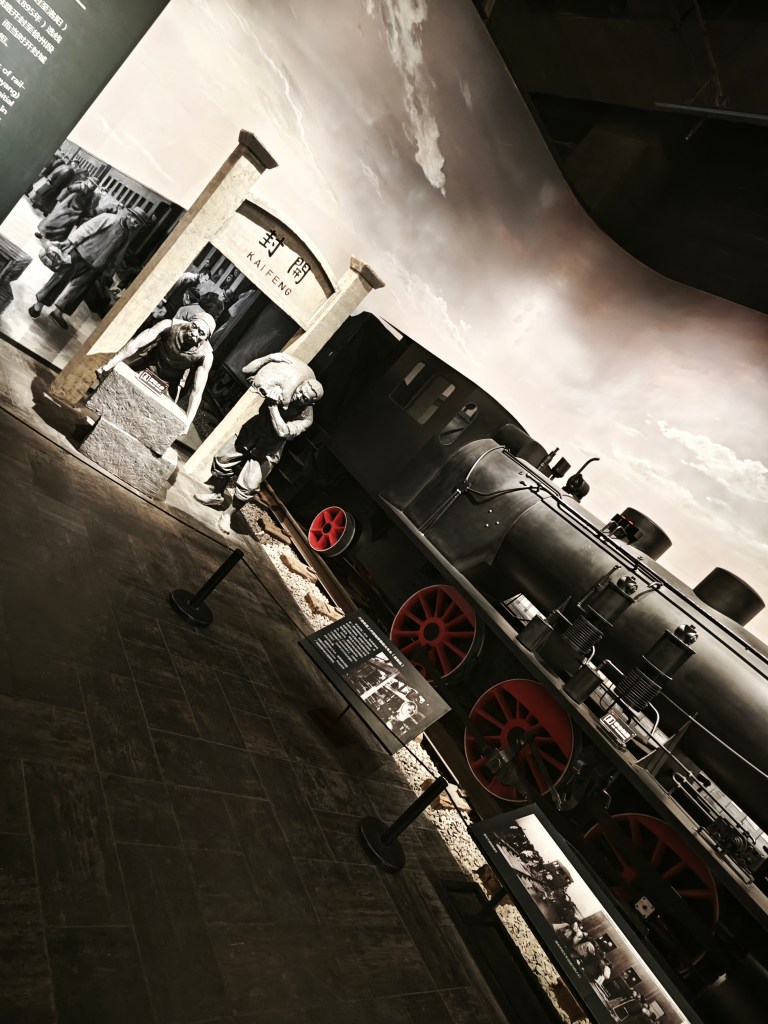
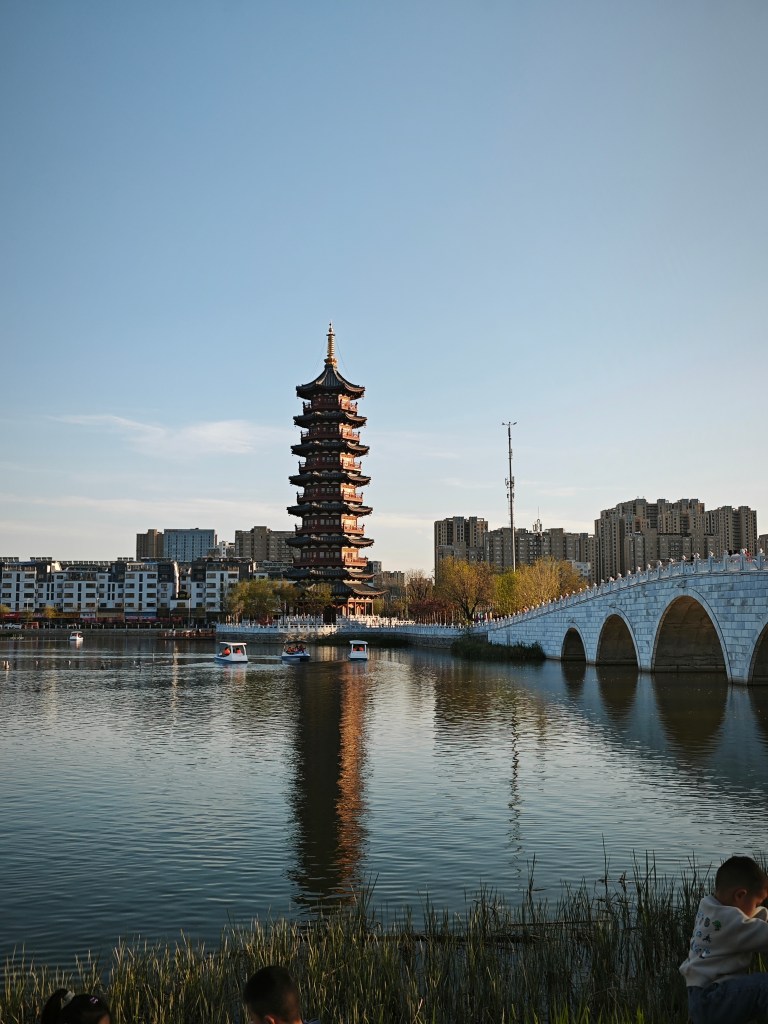
Kaifeng开封 in Henan province was not only the capital city of the Northern Song Dynasty a thousand years ago, but also the political and cultural center since the Xia period夏代 4000 years ago. The scroll painting of Along the River During the Qingming Festival清明上河图 that depicts the lives of ordinary people in the Song Dynasty during the ancestor memorial day of Qingming is perhaps the most famous Chinese painting ever. The story of the Song Dynasty general Yue Fei岳飞 who successfully defended against the invasion from the tribal Jing 金 people but was wrongfully executed by the jealous and corrupt Prime Minister秦桧 has made Yue Fei a national hero after his death. It is a meaningful visit to Kaifeng on this Qingming Day in China to learn its history and to see so many people wearing Song costumes in the park that bears the same name as this famous scroll. It is also good to know there are Muslim mosques and Catholic churches in Kaifeng, showing the tolerance of different religious faiths in this city’s history.
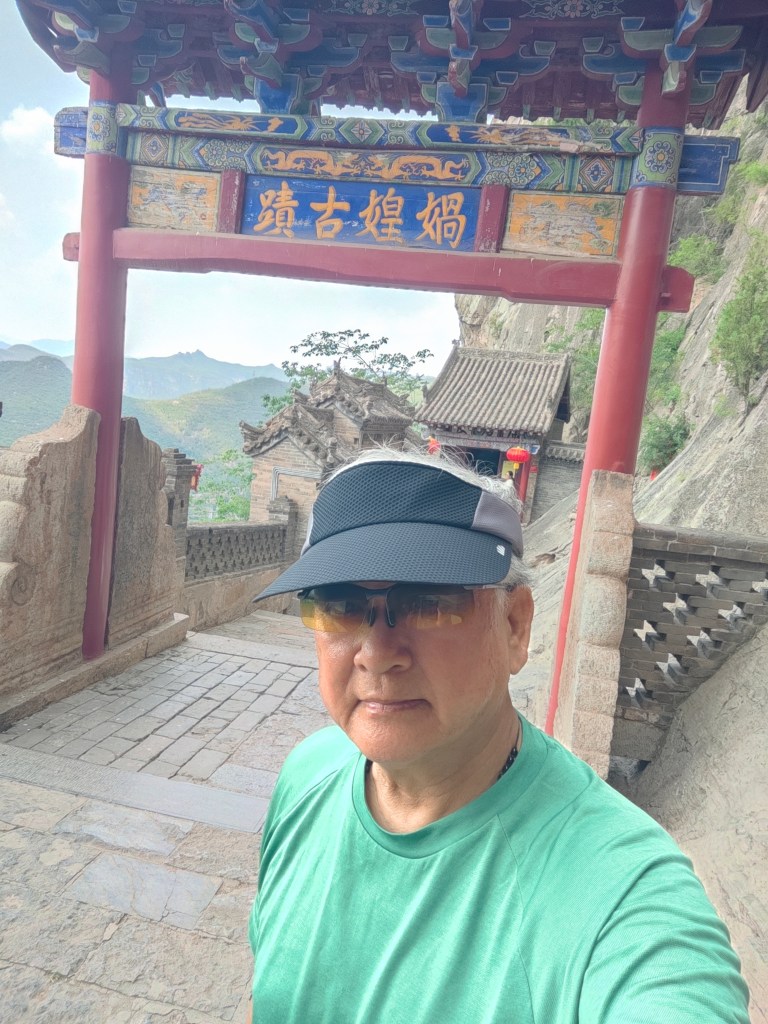
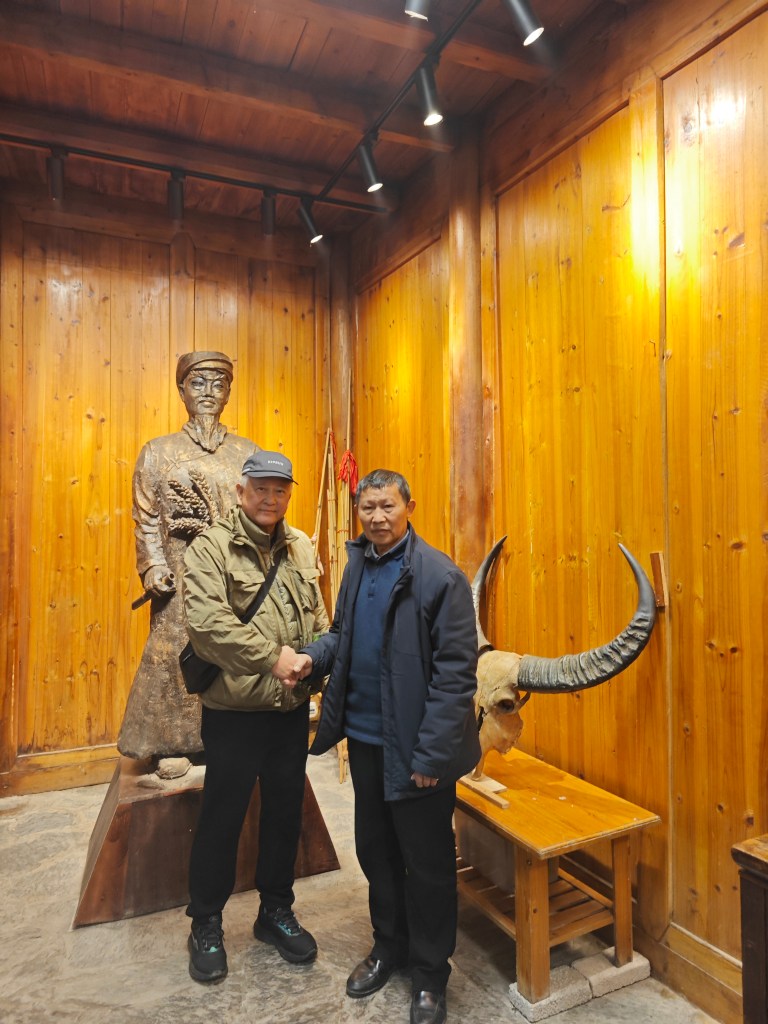
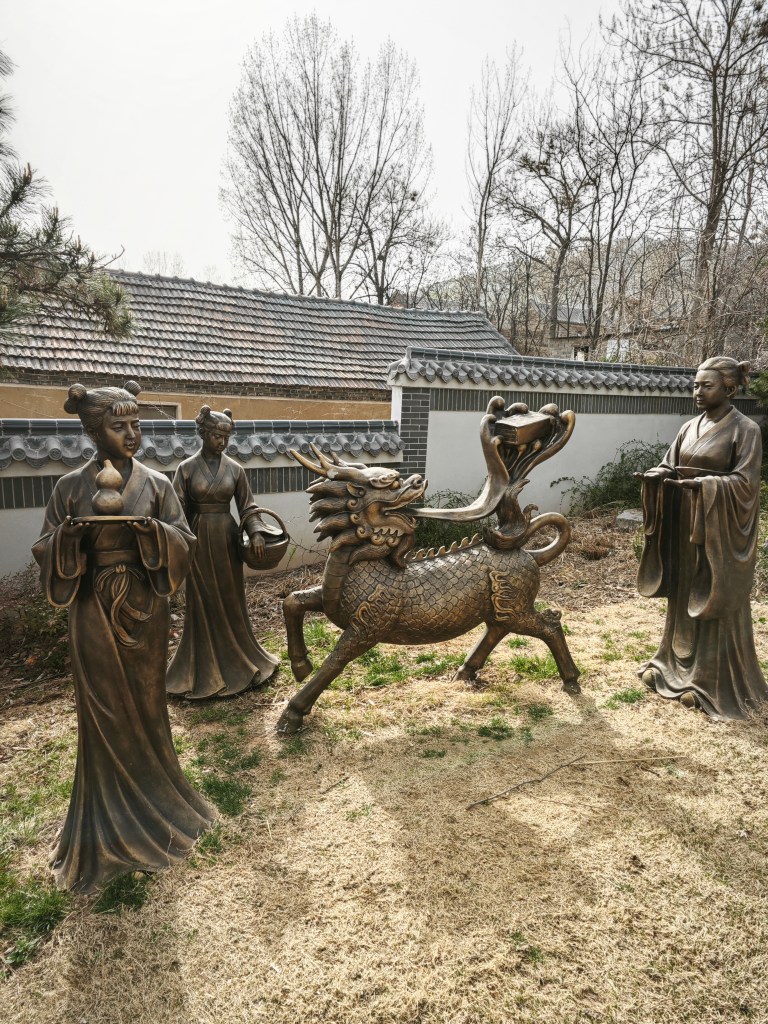
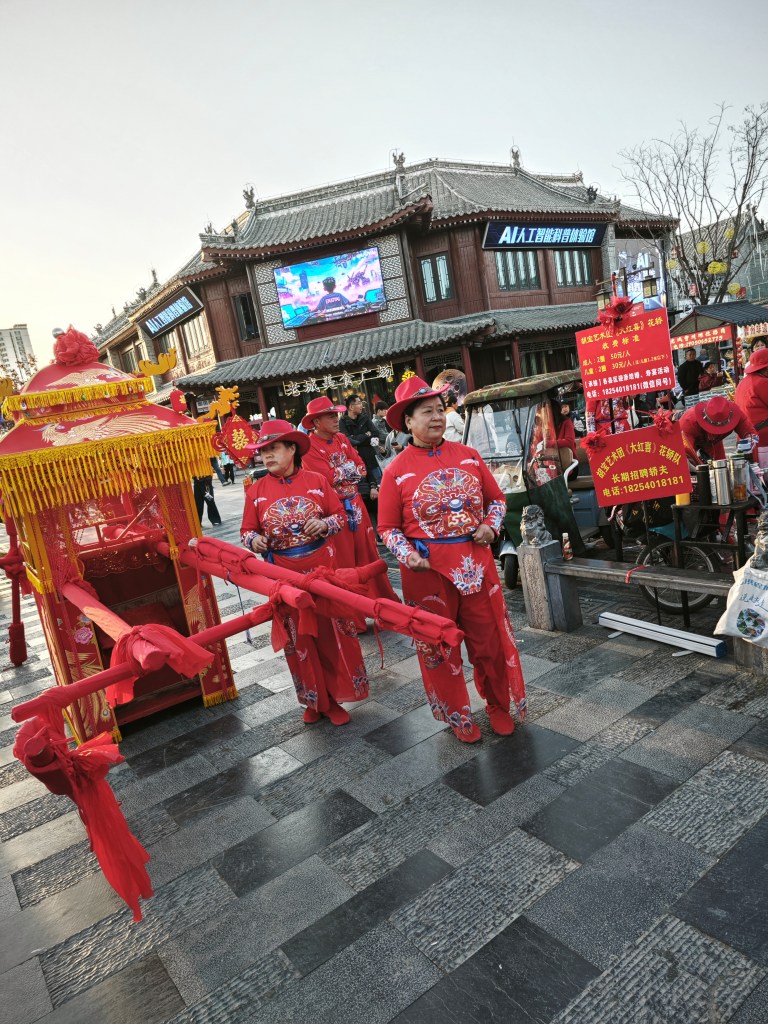
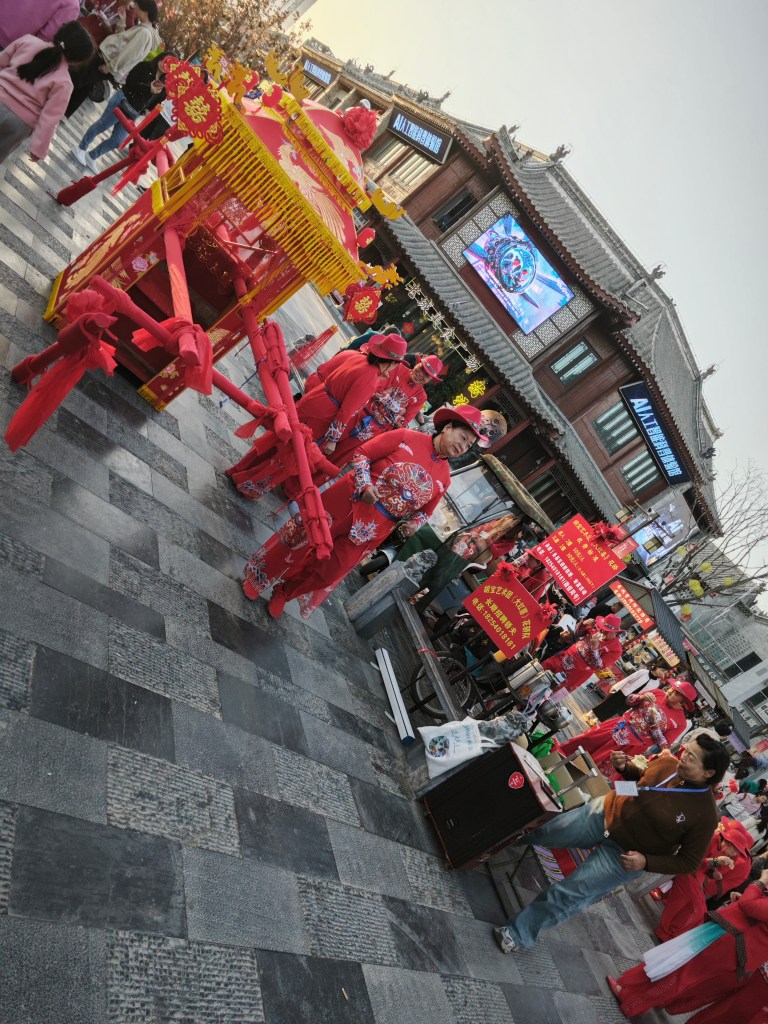
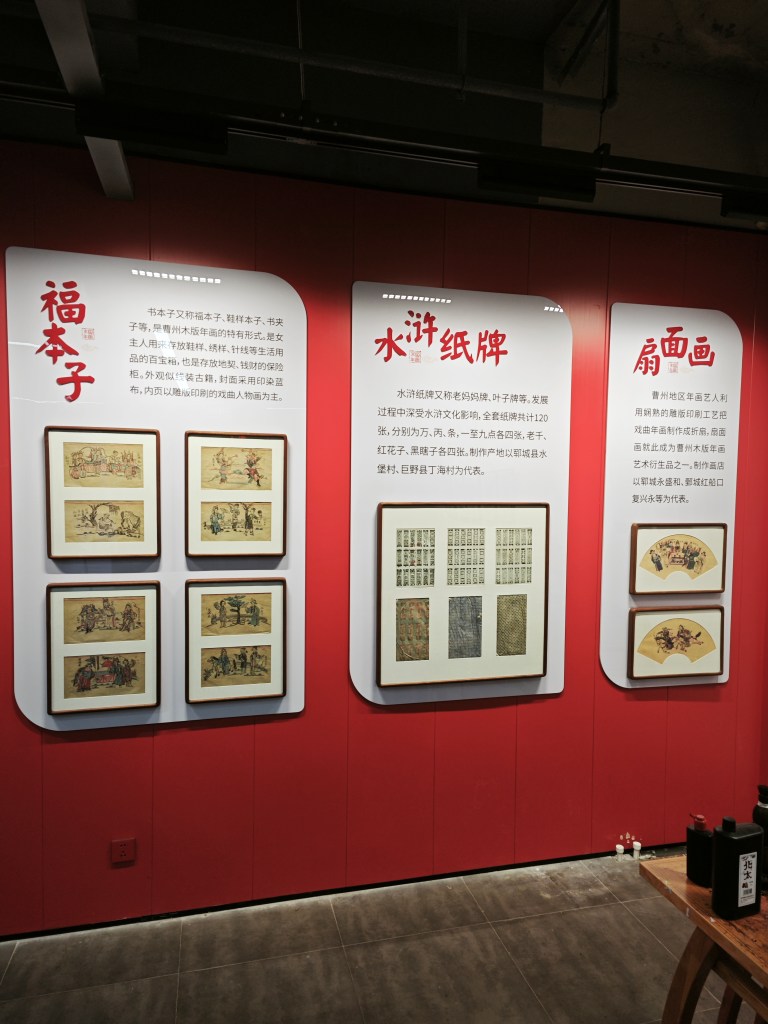
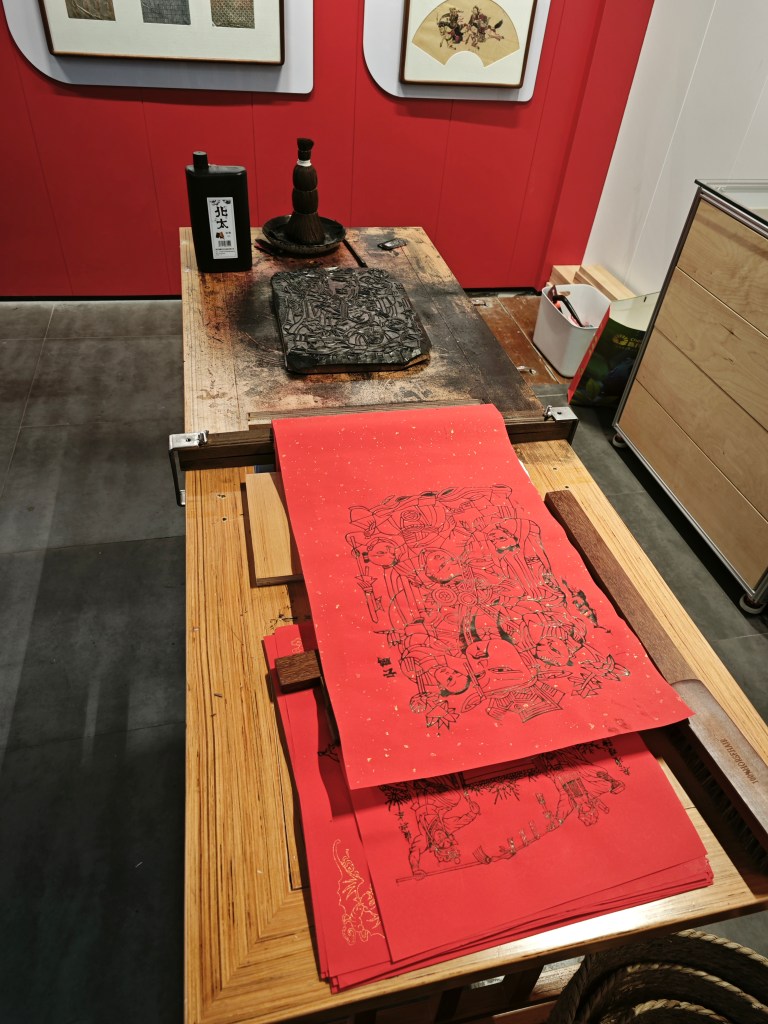
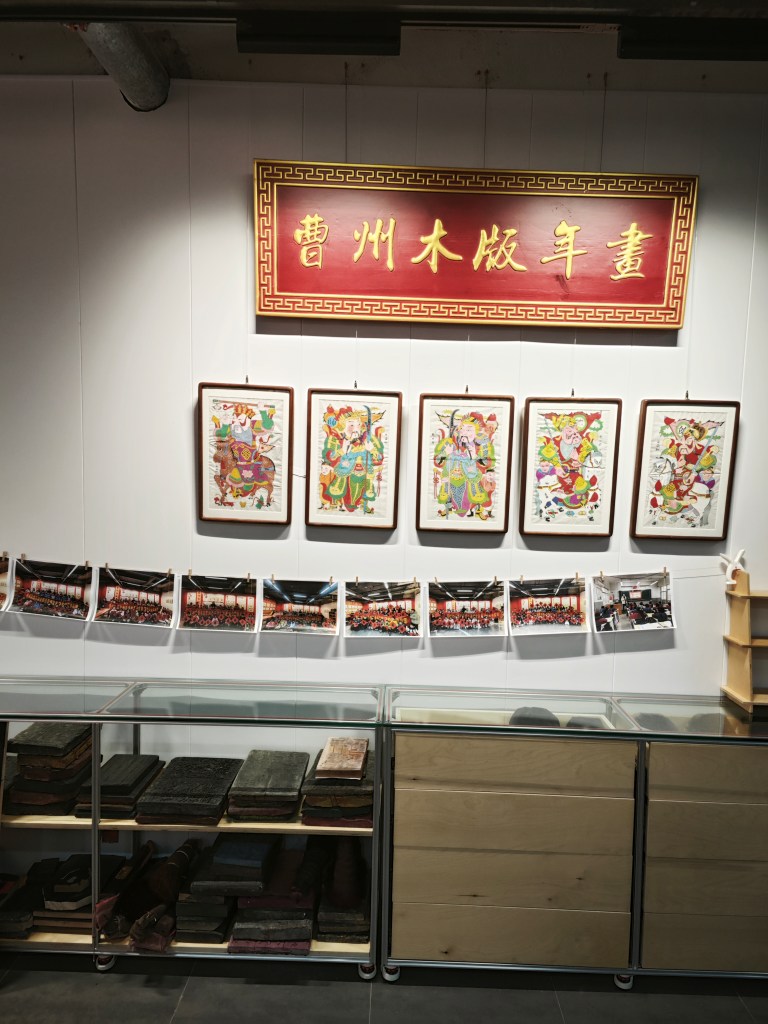
Another stop added by Deepseek was Heze菏泽 in Shandong province, which has an ancient name, Caozhou曹州, with a history that is said to be connected to the mythological times of Fuxi伏羲 and Chiyou蚩尤. The ancient city of Caozhou has been redeveloped into a tourist attraction with a Taoist temple for the Fortune God Guanyu and many specialty eateries, shops, and vendors that showcase intangible cultural heritage skills, including woodcut lithography木刻版画.

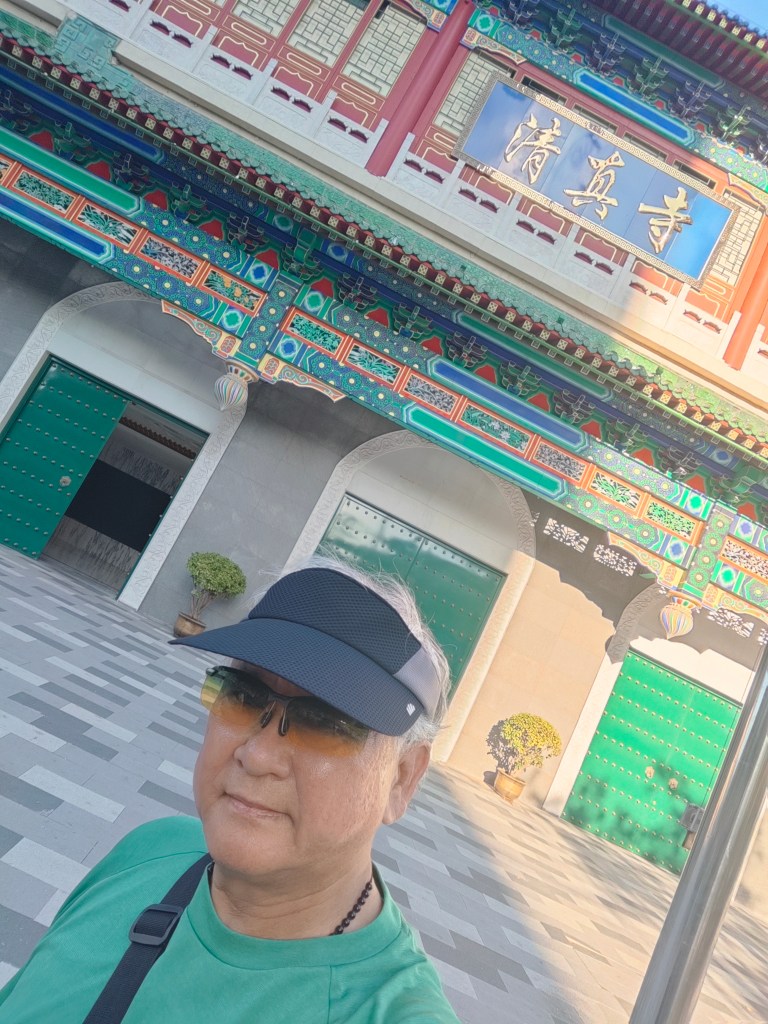
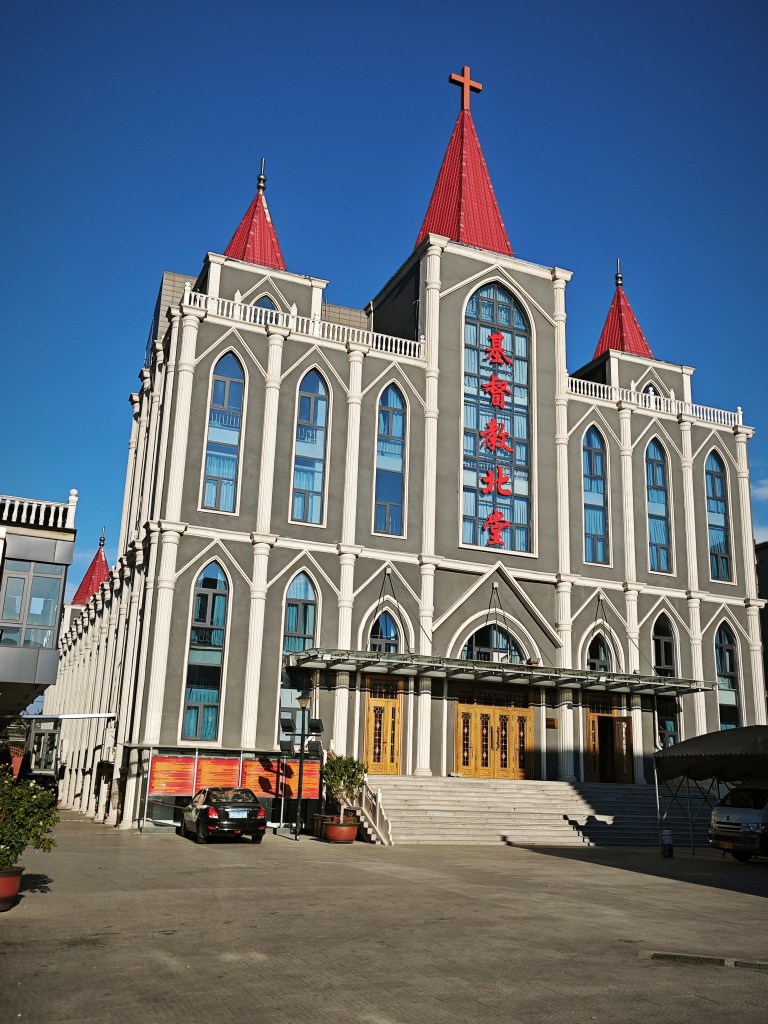
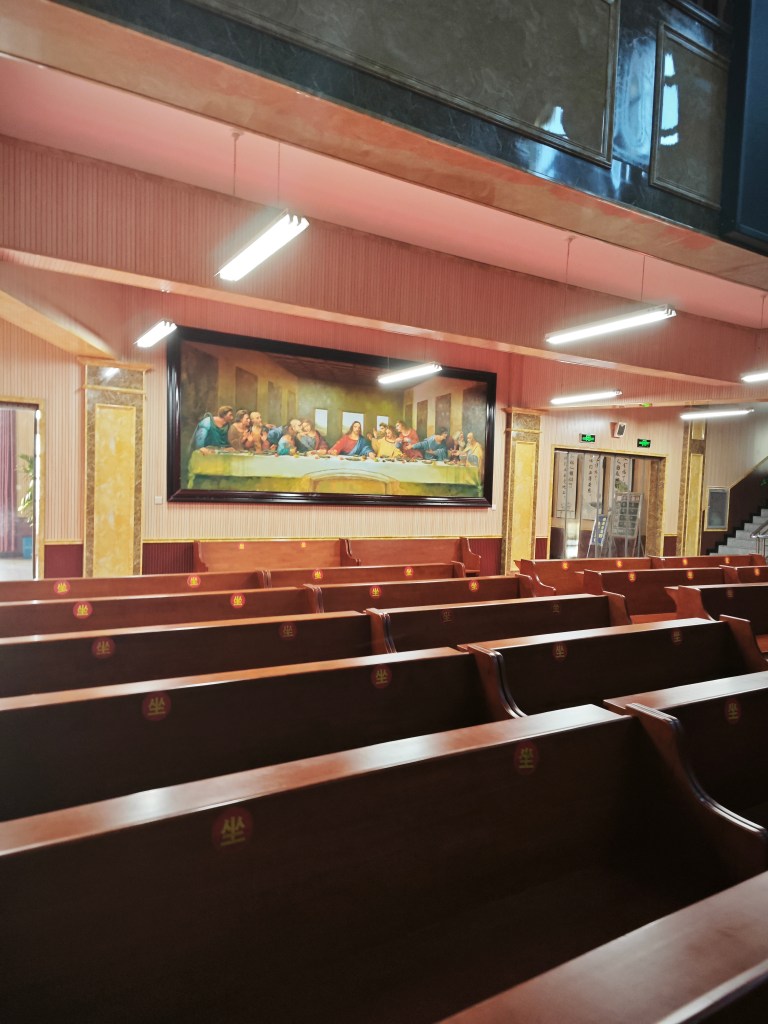
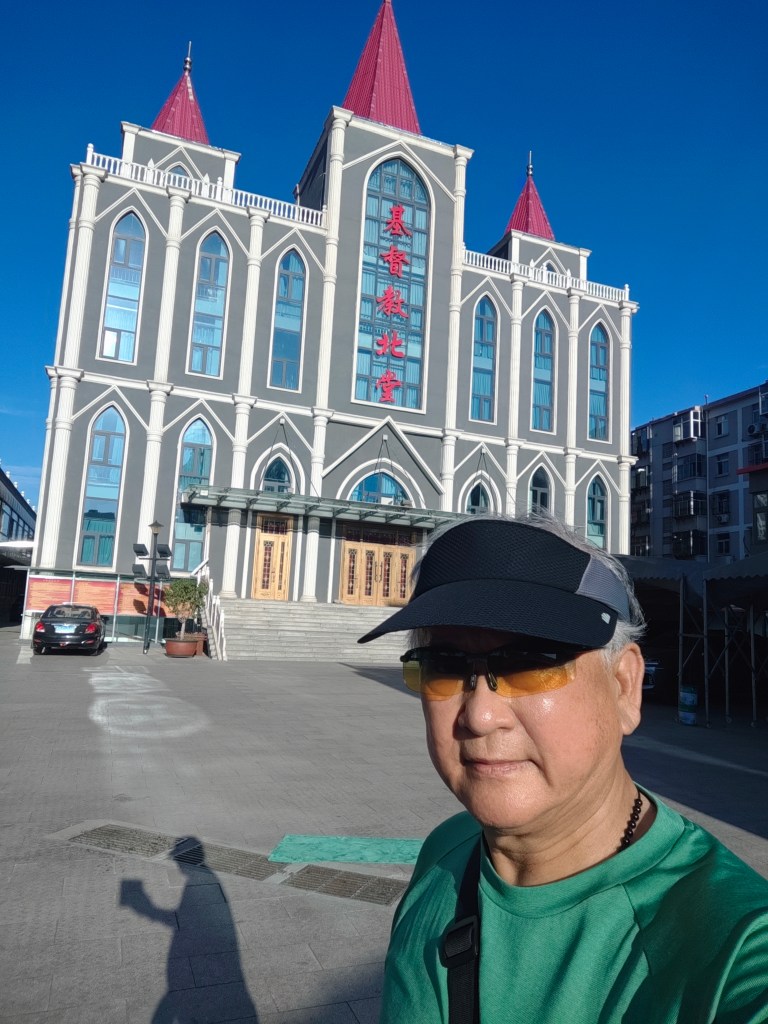
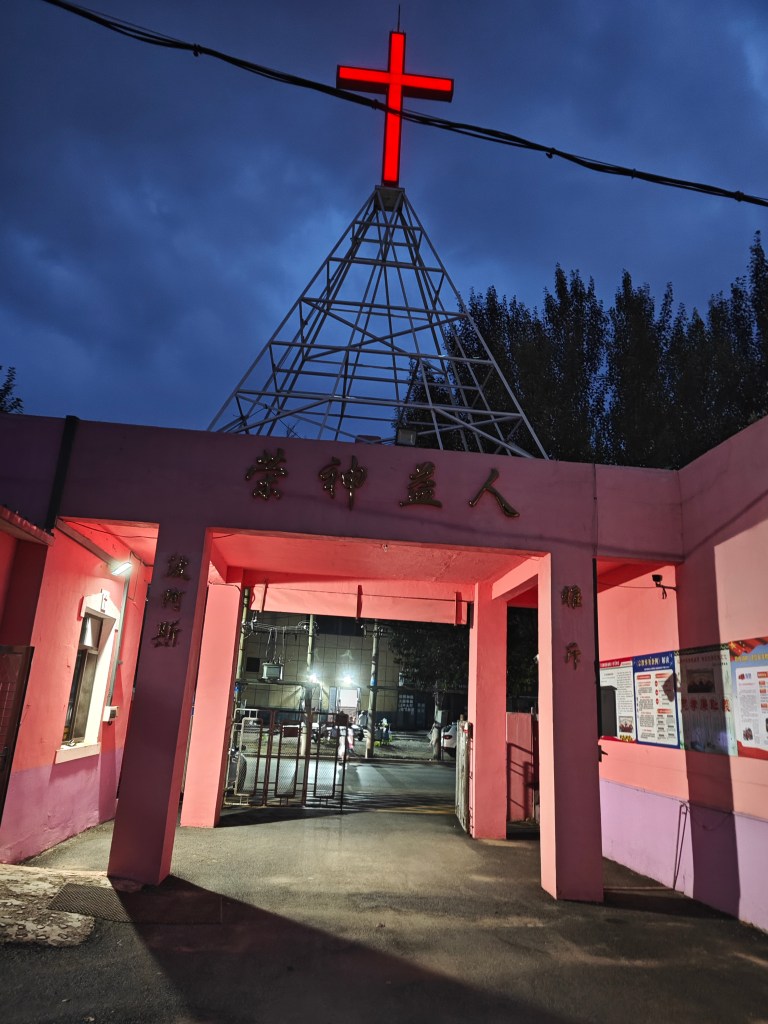
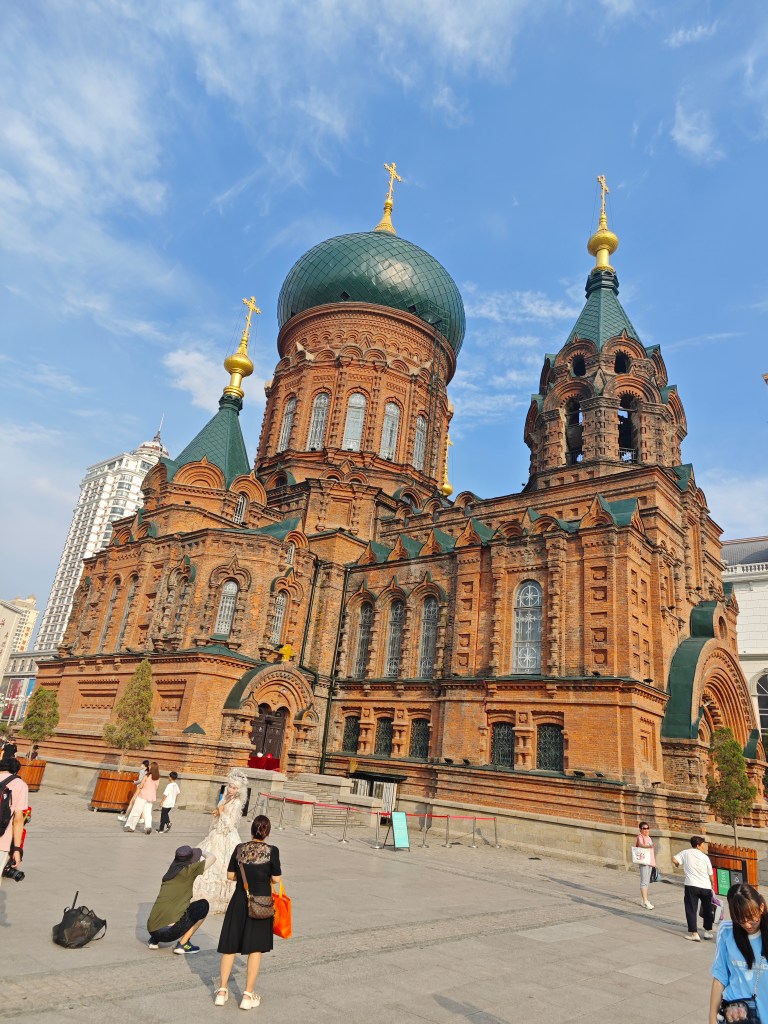
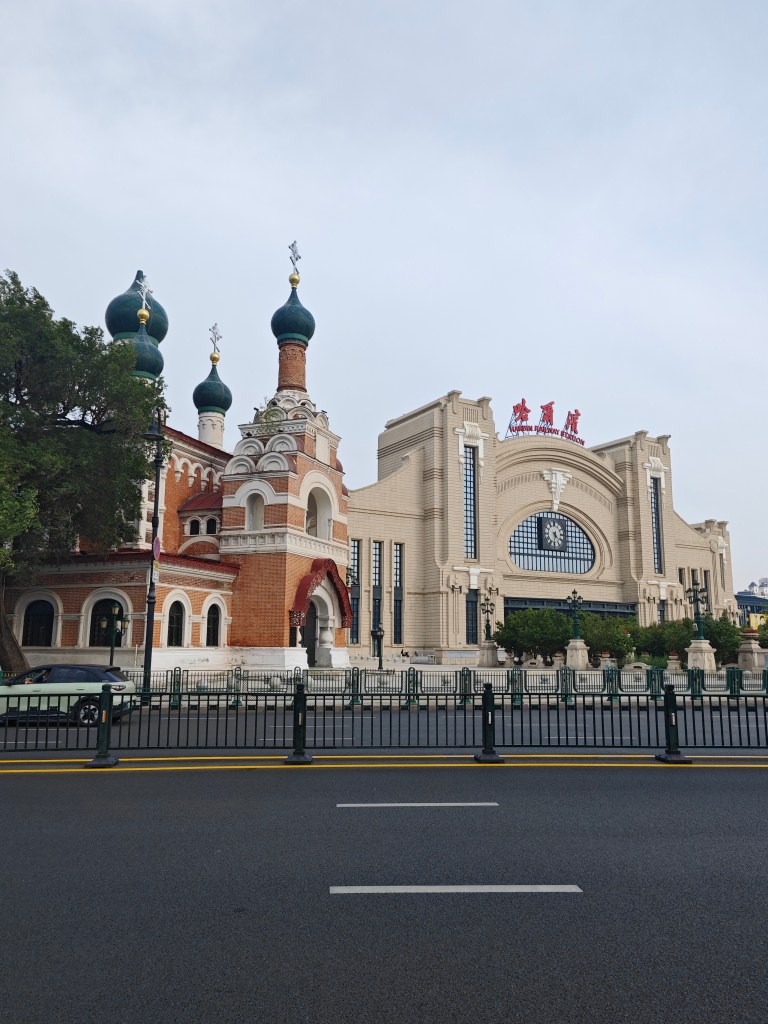
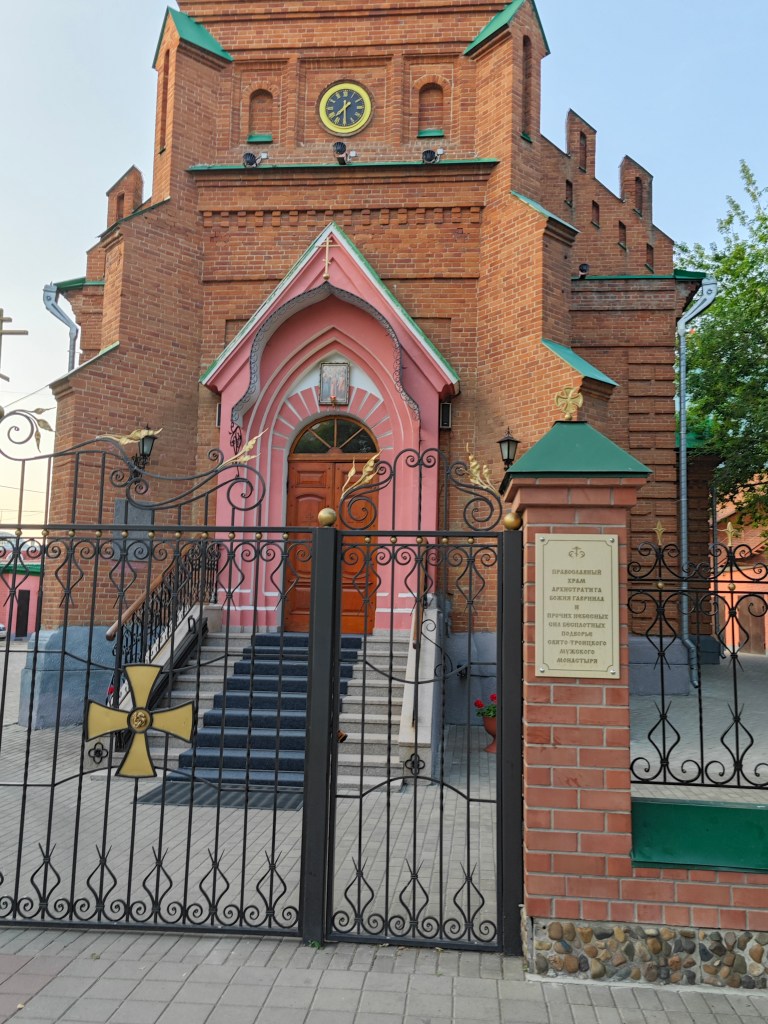
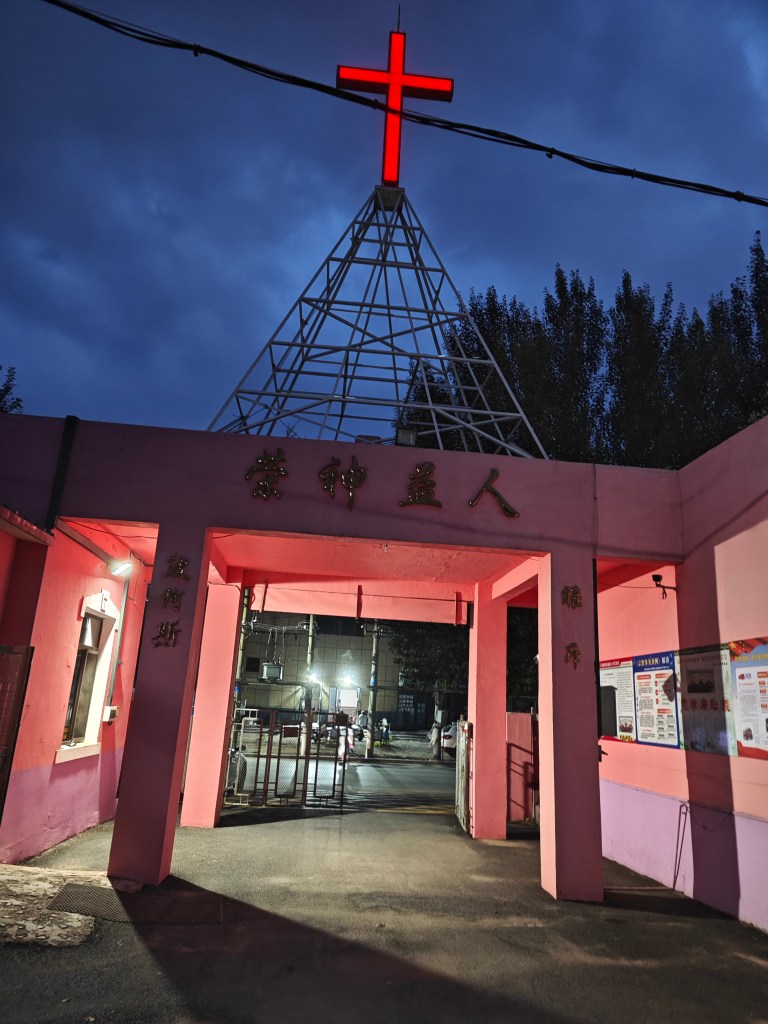
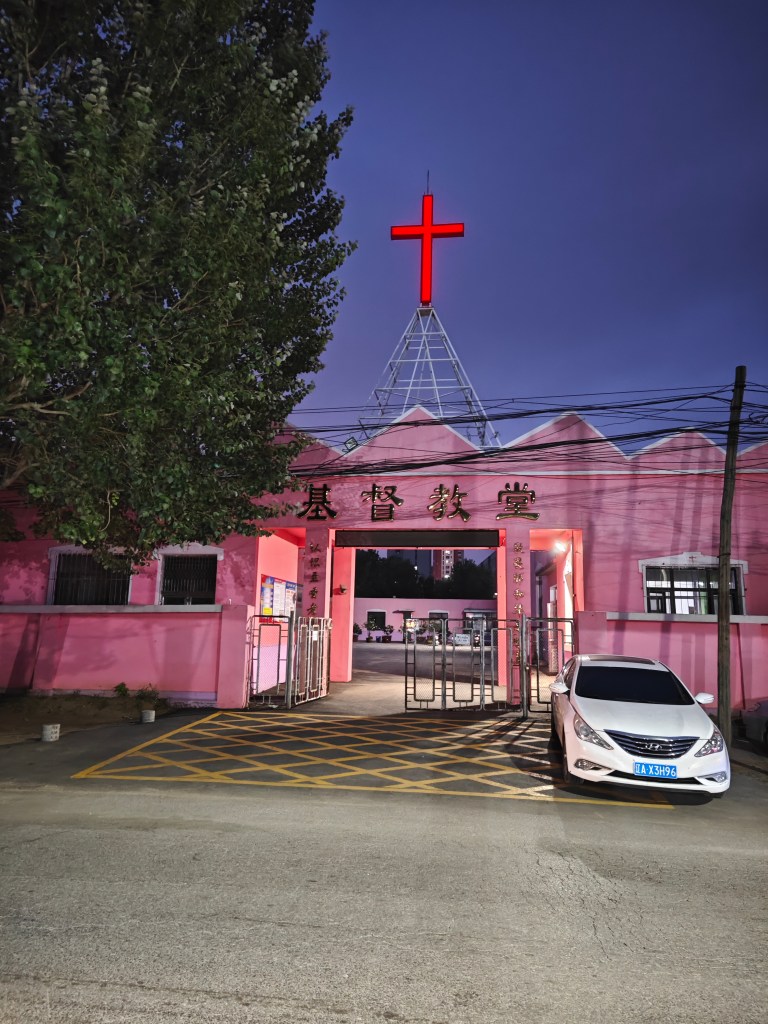
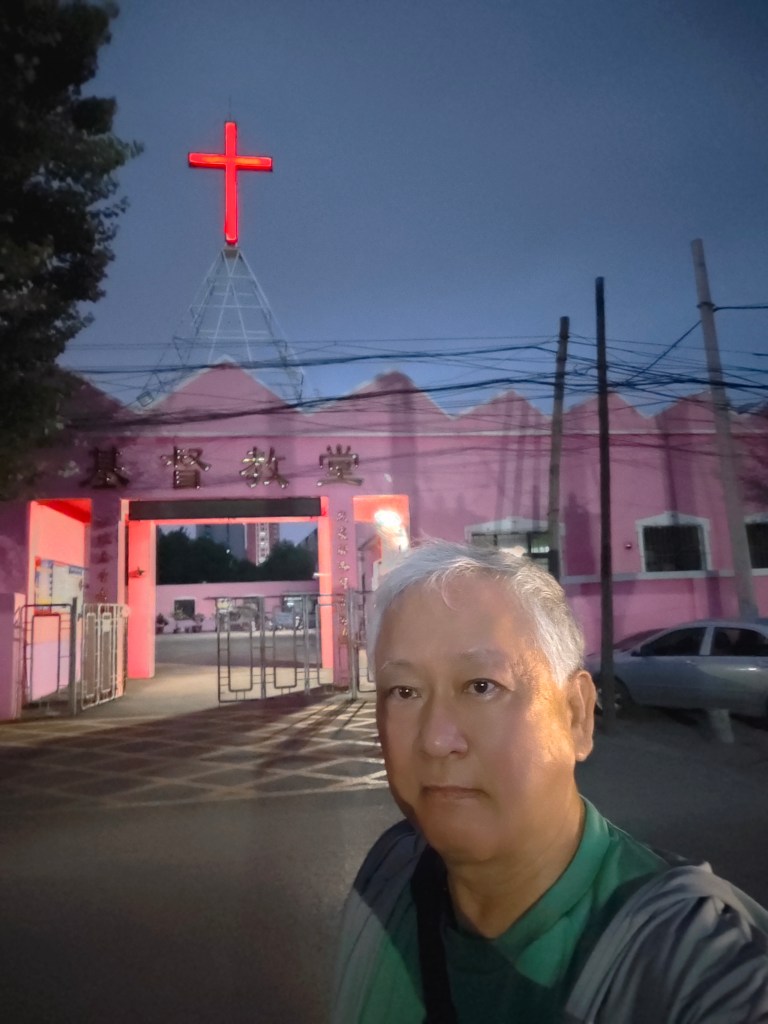
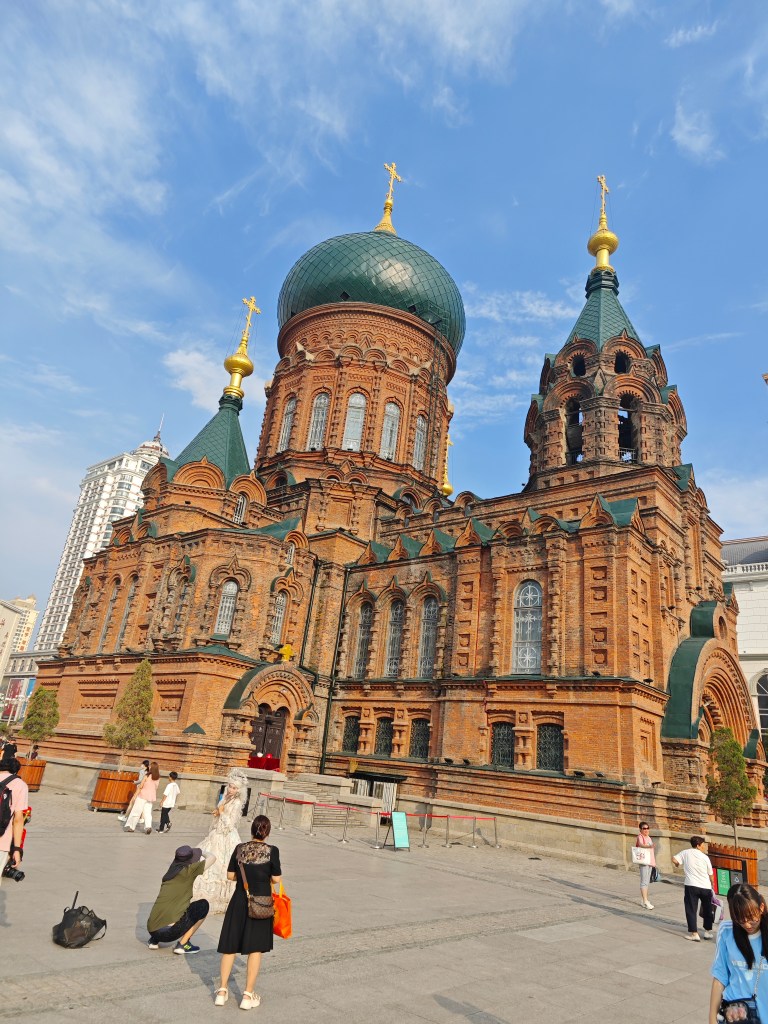
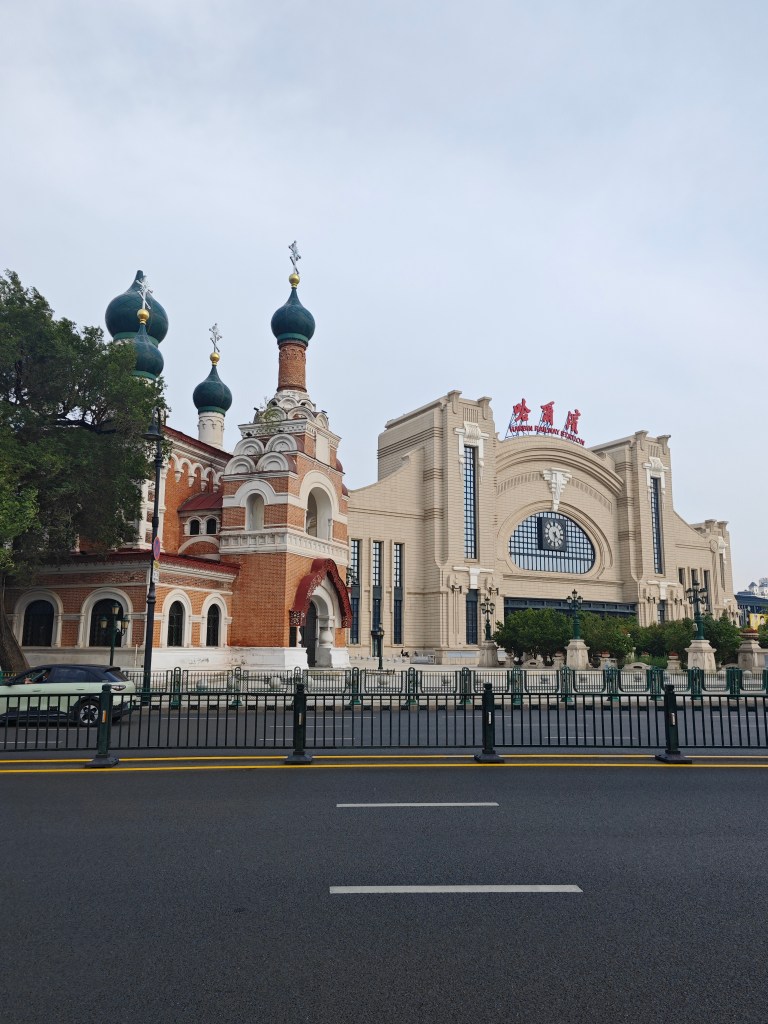
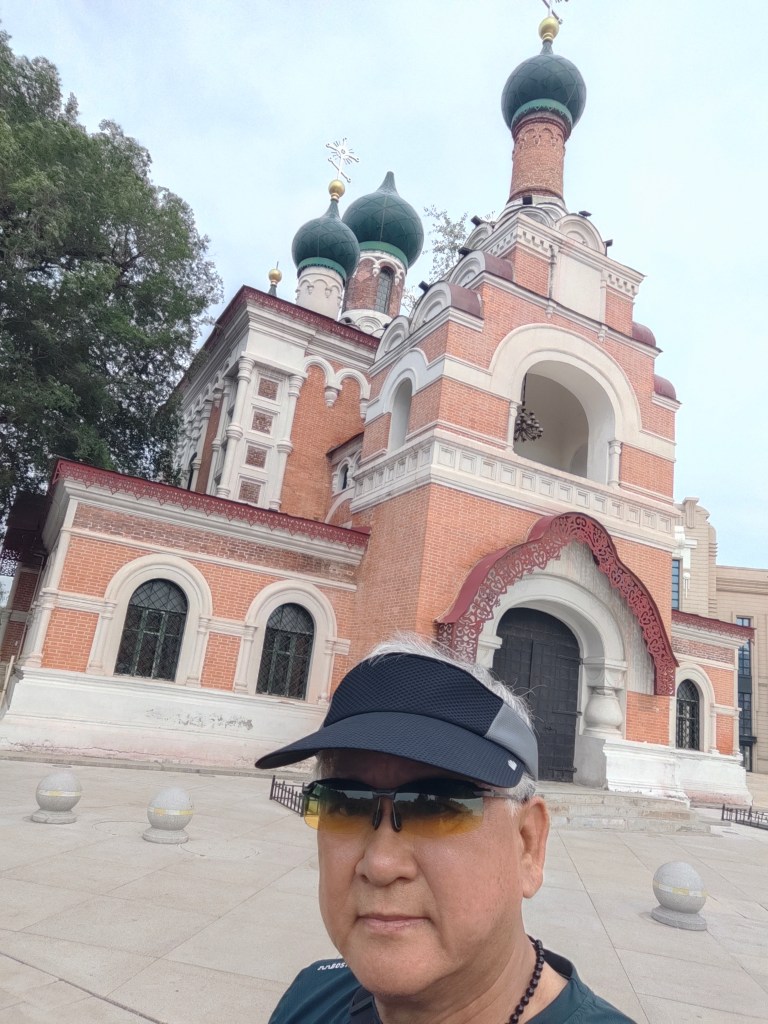
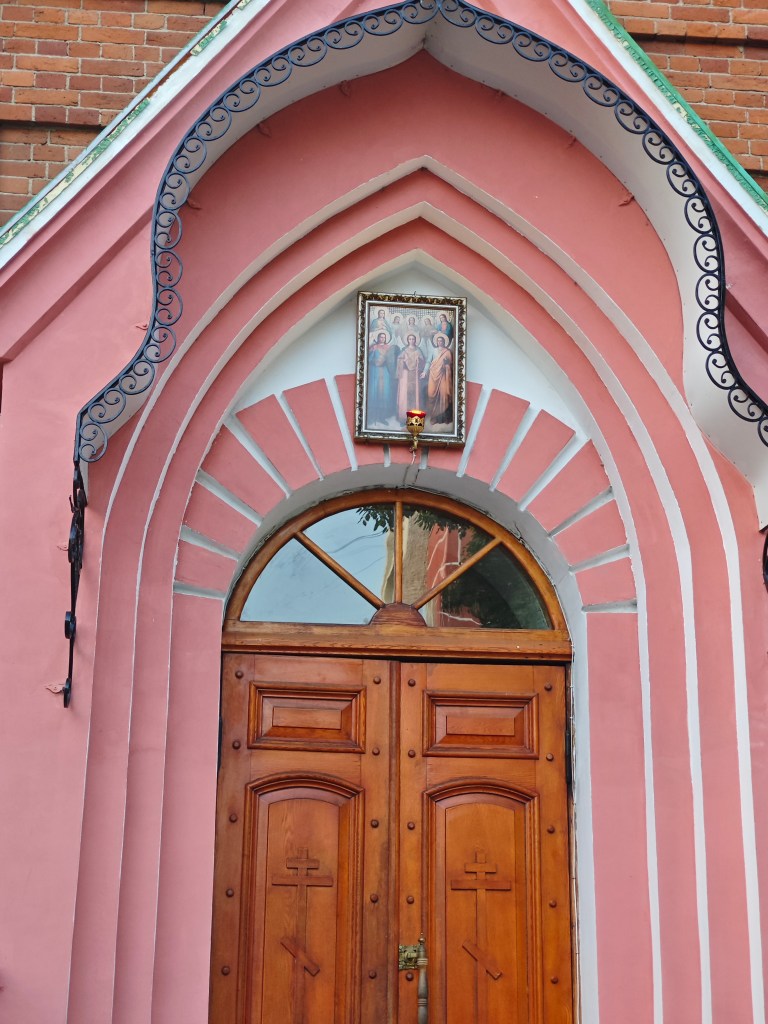
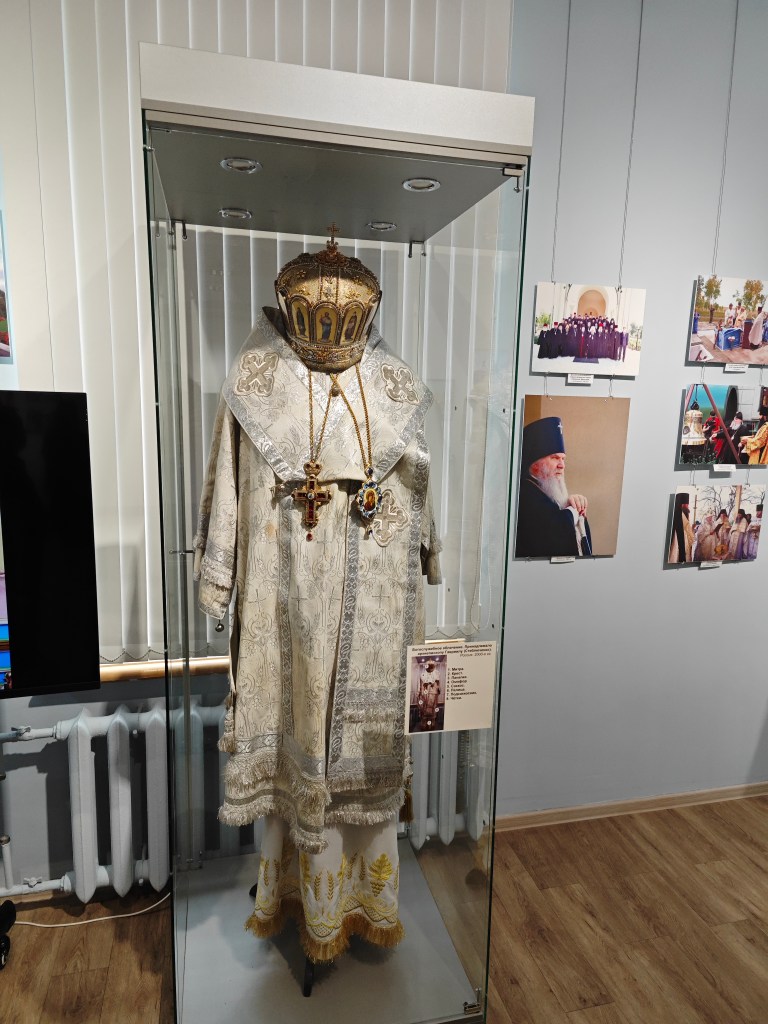
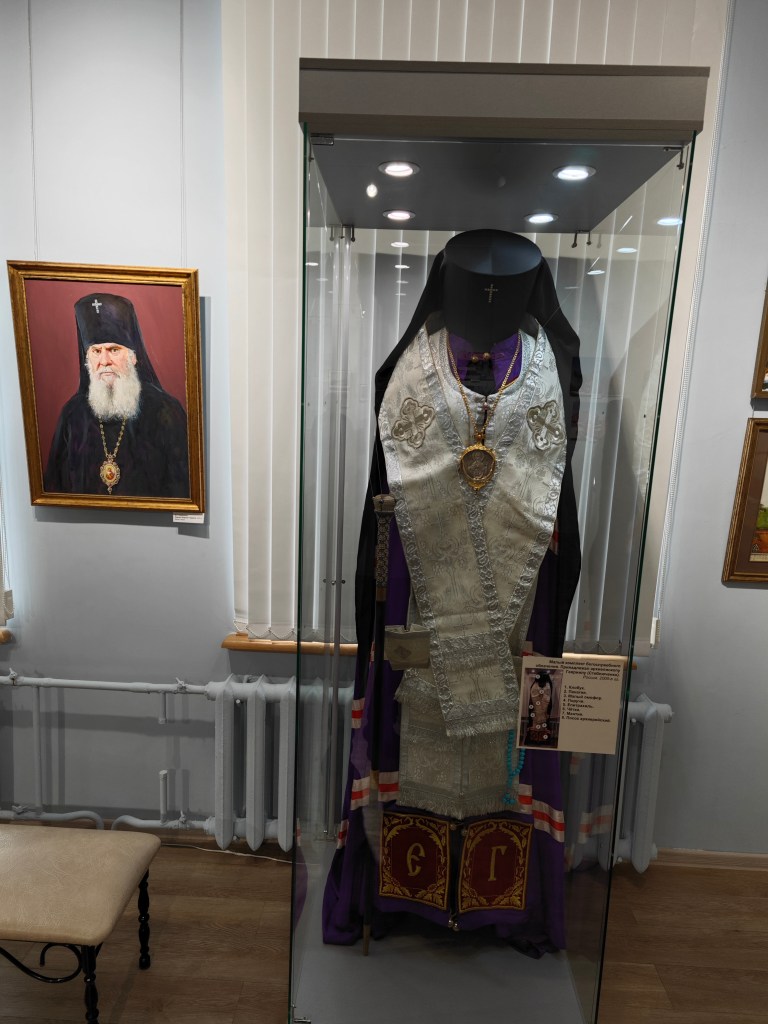
Orthodox and Protestant Christian churches in Harbin, Heilongjiang province – Both Orthodox churches are now historical heritage sites and are no longer providing religious services. The Protestant Christian church is still functional and is a rare find. I only found another Protestant church in Qingdao, Shandong province, which is a German colonial-era church, likely an Episcopal church, which is grander with Catholicism connections. This Protestant Christian church in Harbin is likely a non-denominational church for ordinary Christians.

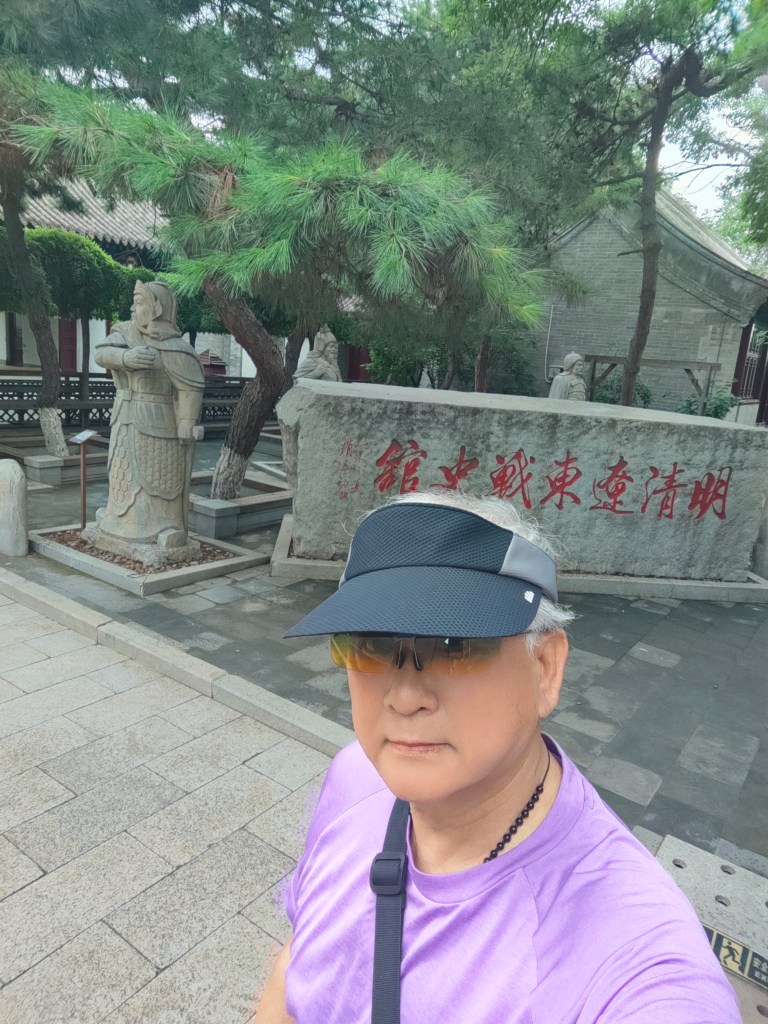
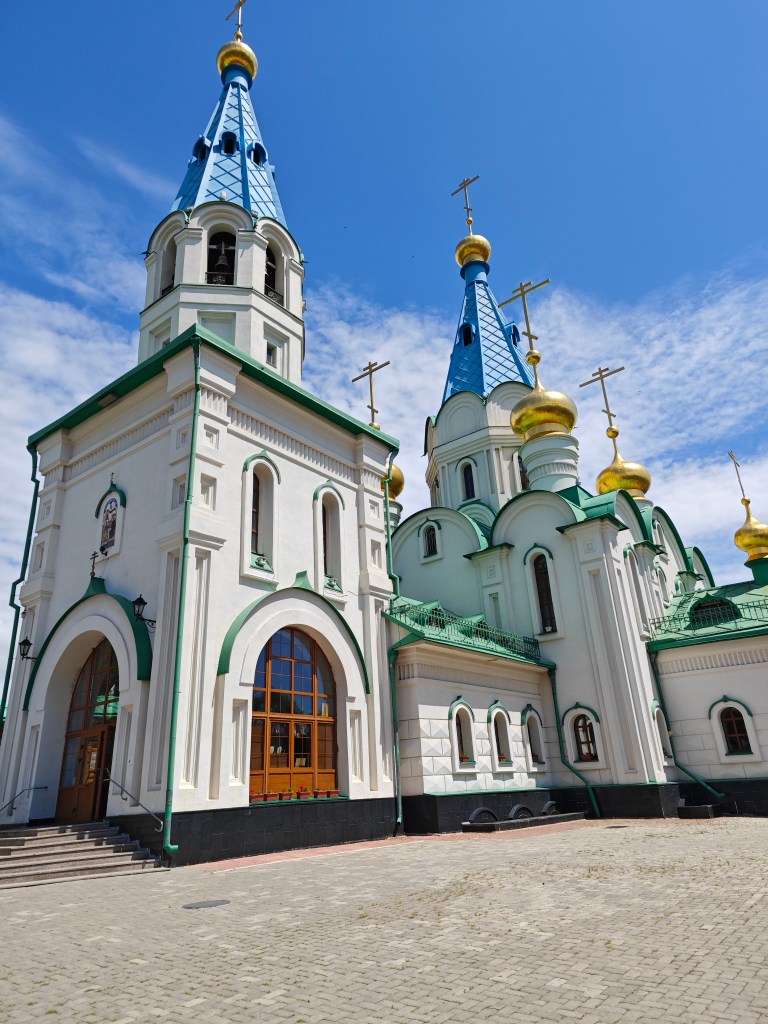
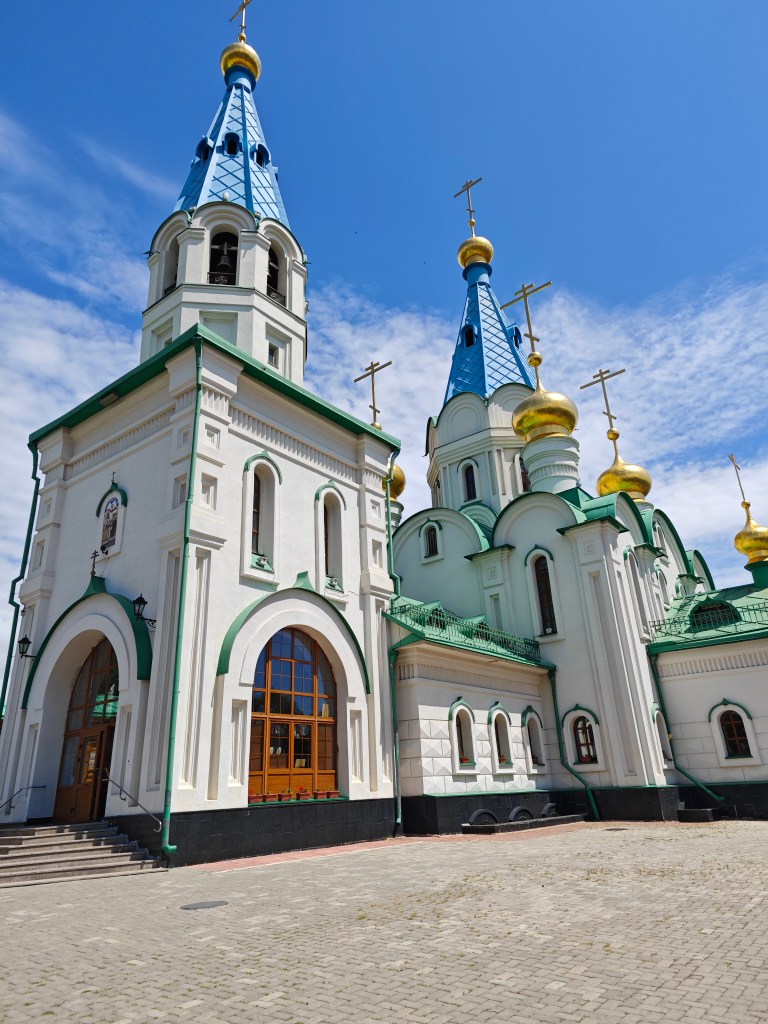
Orthodox churches in Blagoveshchensk, the capital city of Amur State, Russia, are located across the Amur River 黑龙江 from the Chinese city of Heihe 黑河市, which was known as Aihui 瑷珲 during the Qing Dynasty. Blagoveshchensk was formerly called Hailanpao 海蓝泡 in the Qing Dynasty and was forced to be taken over by the Russian Tsar army under the Aihui Treaty 瑷珲条约 and has been Russianized since. The large Orthodox church is the oldest Orthodox church in Eastern Russia and is still functional.
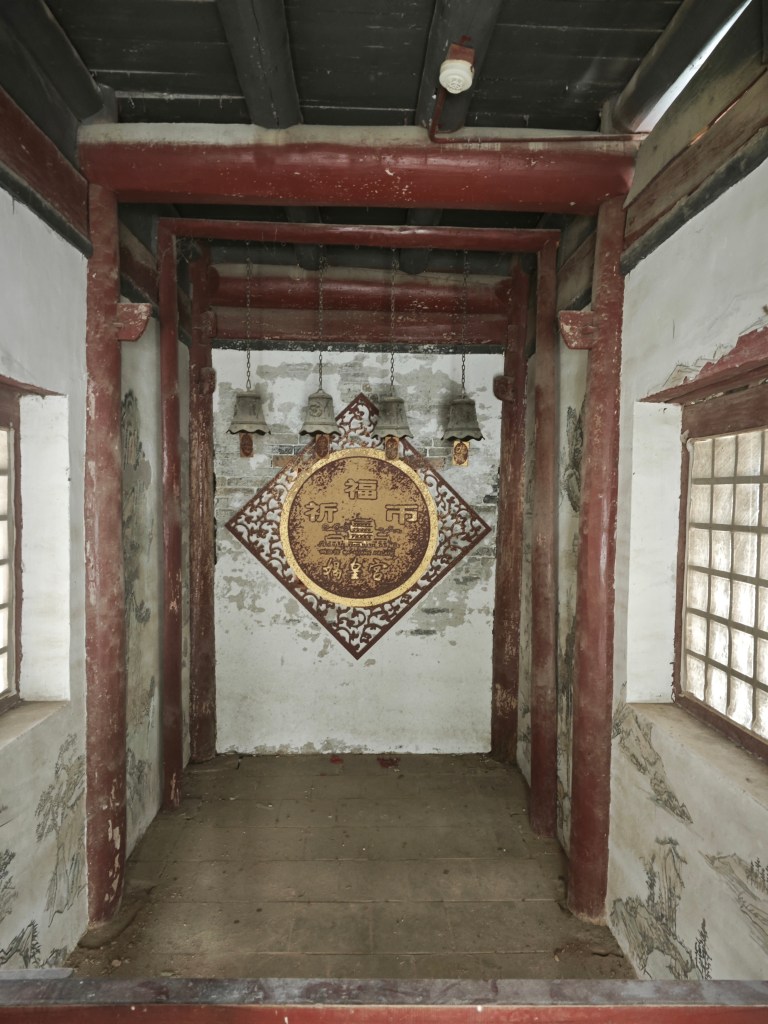
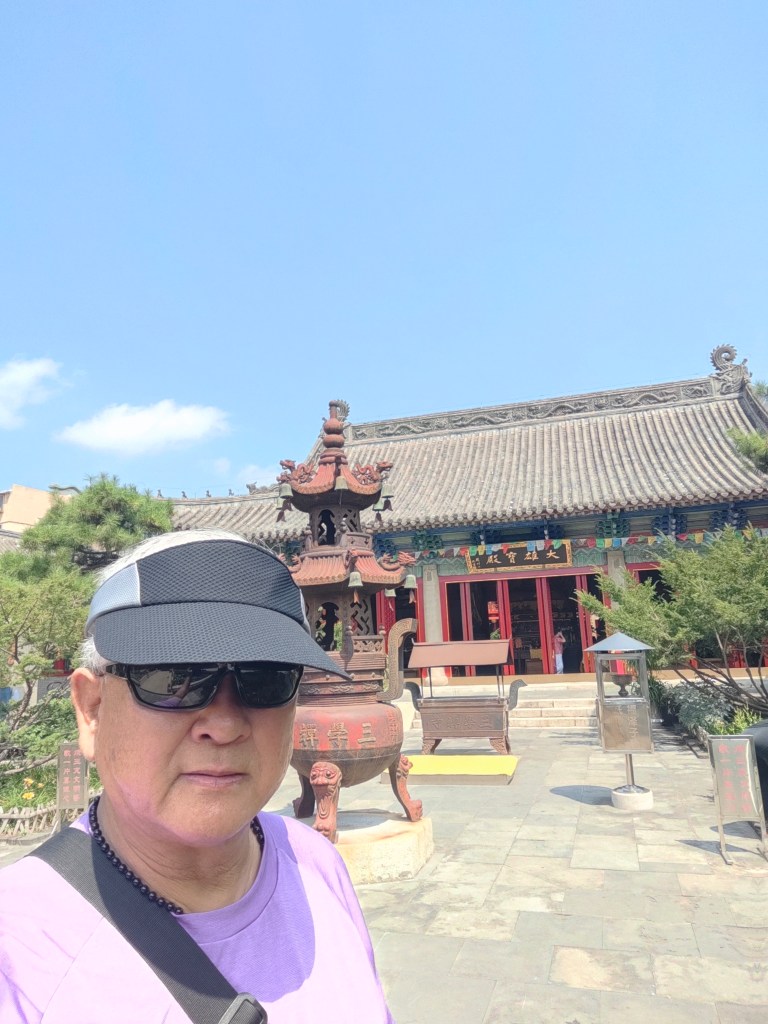
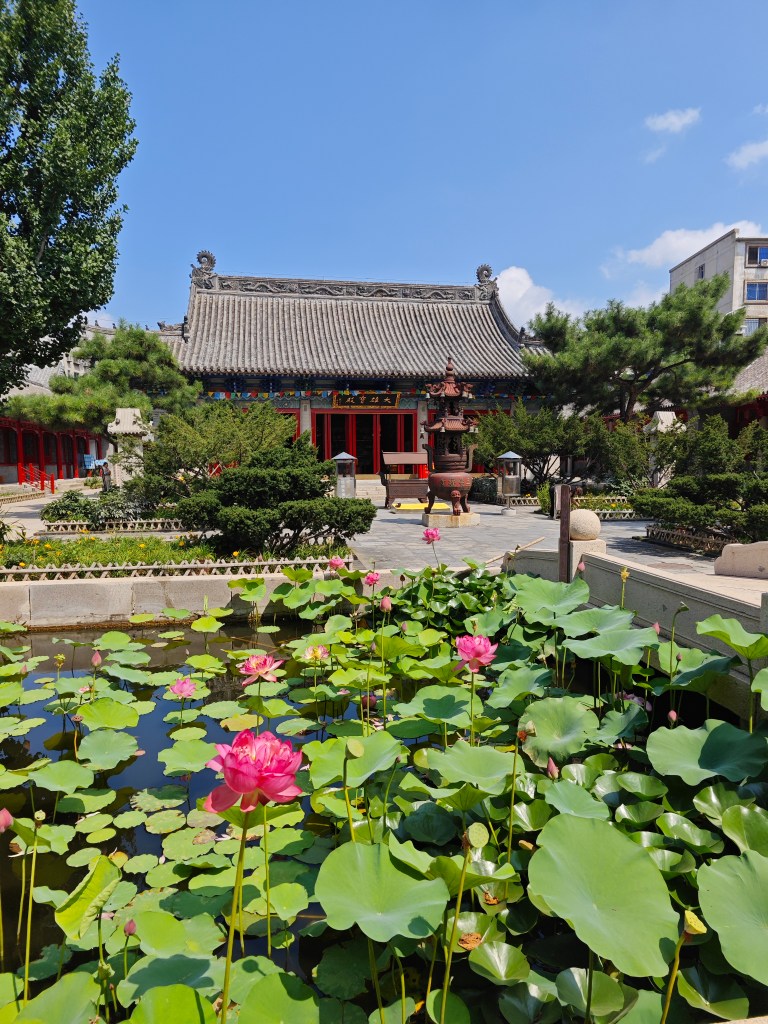
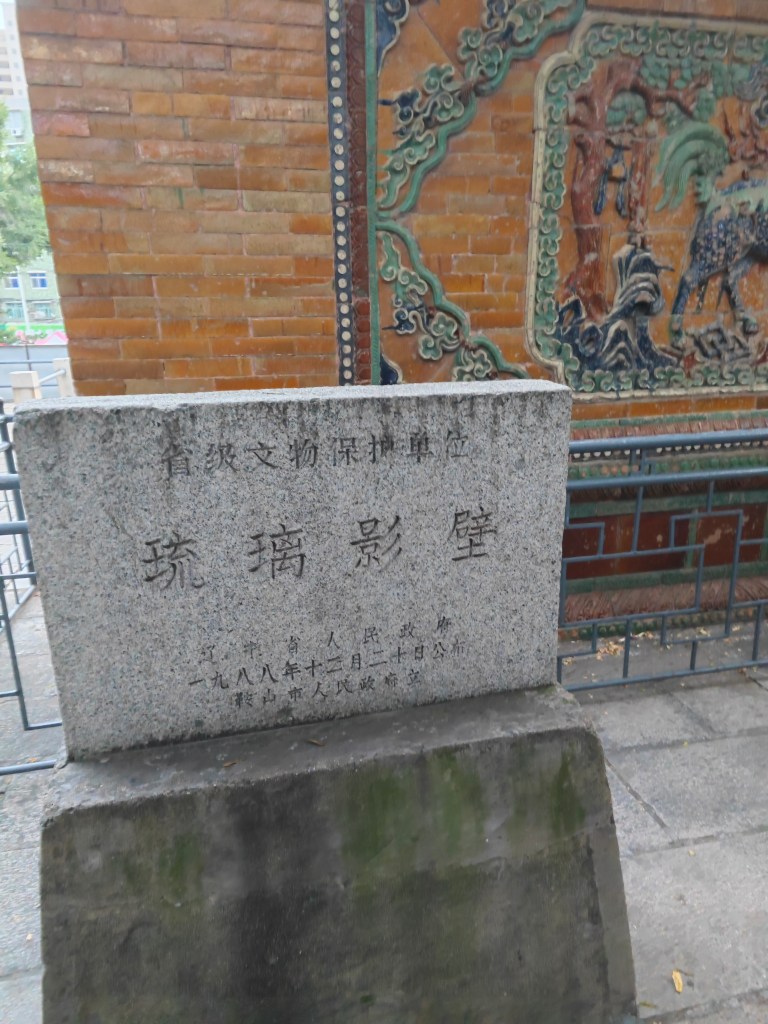
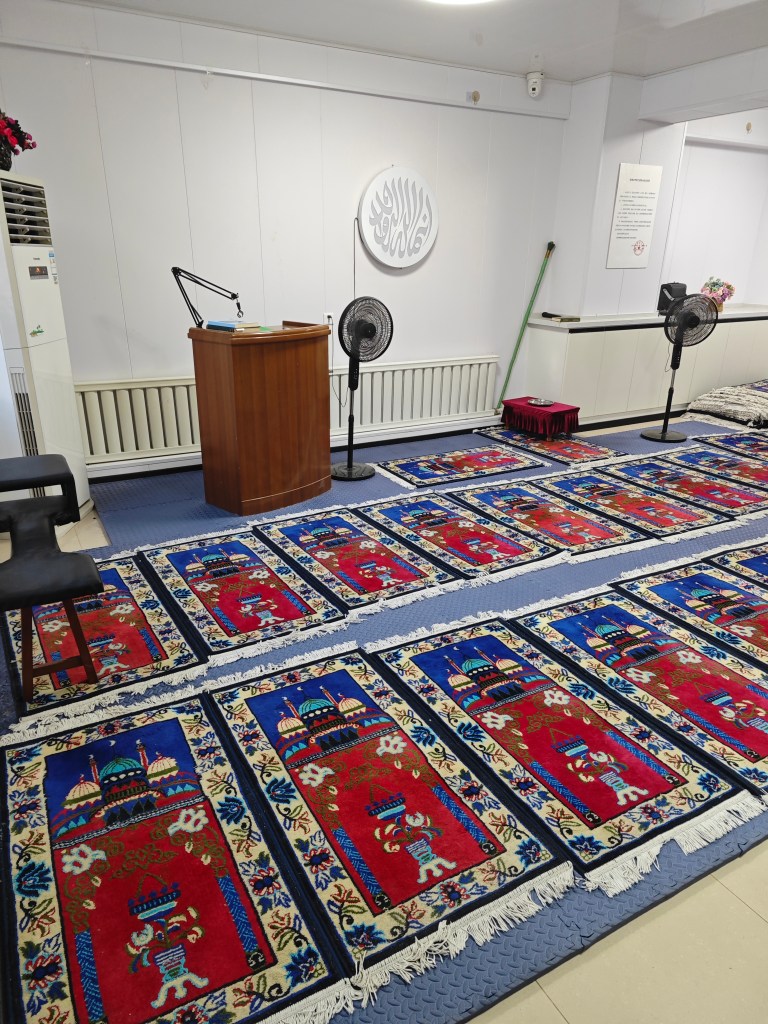
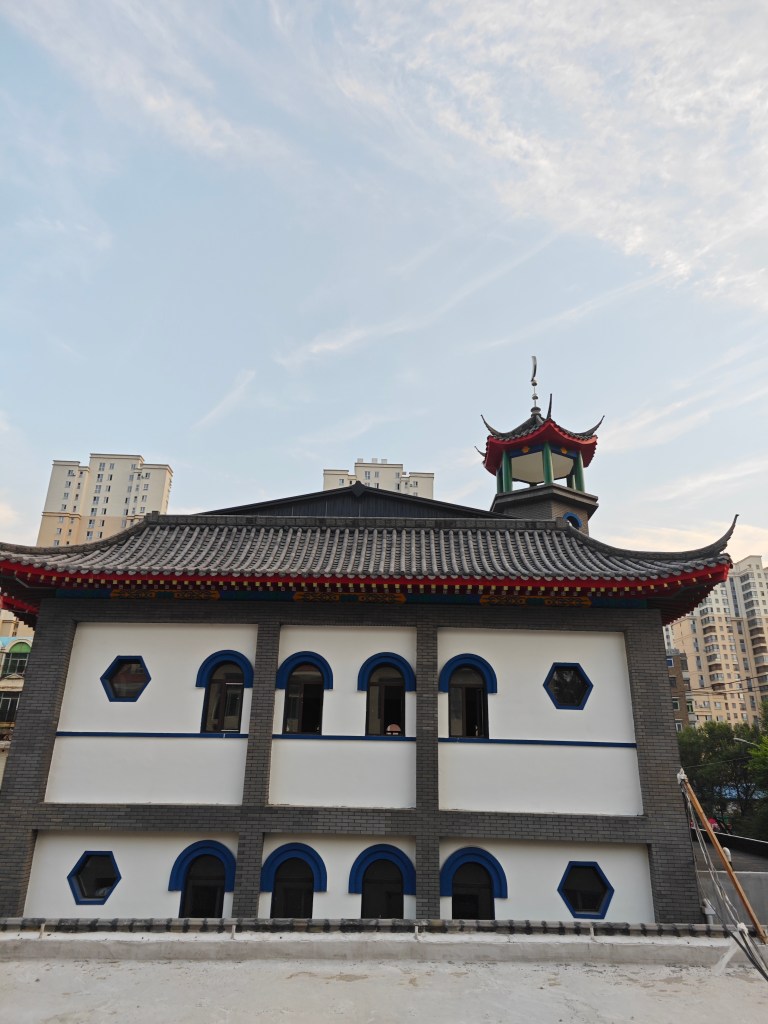
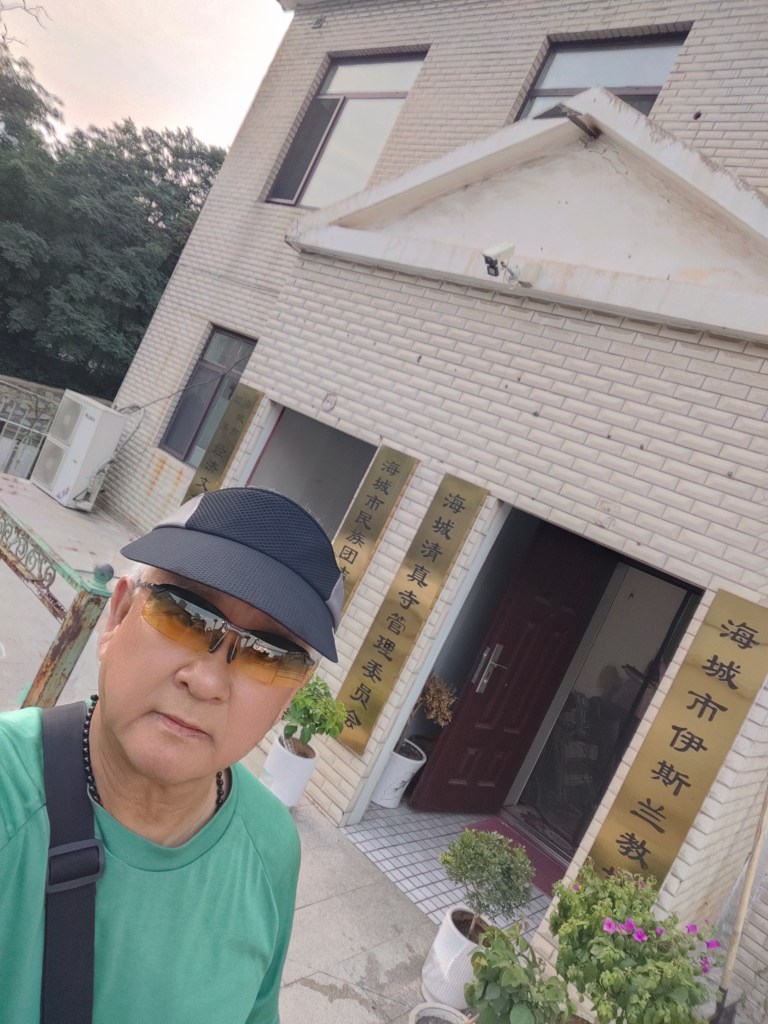
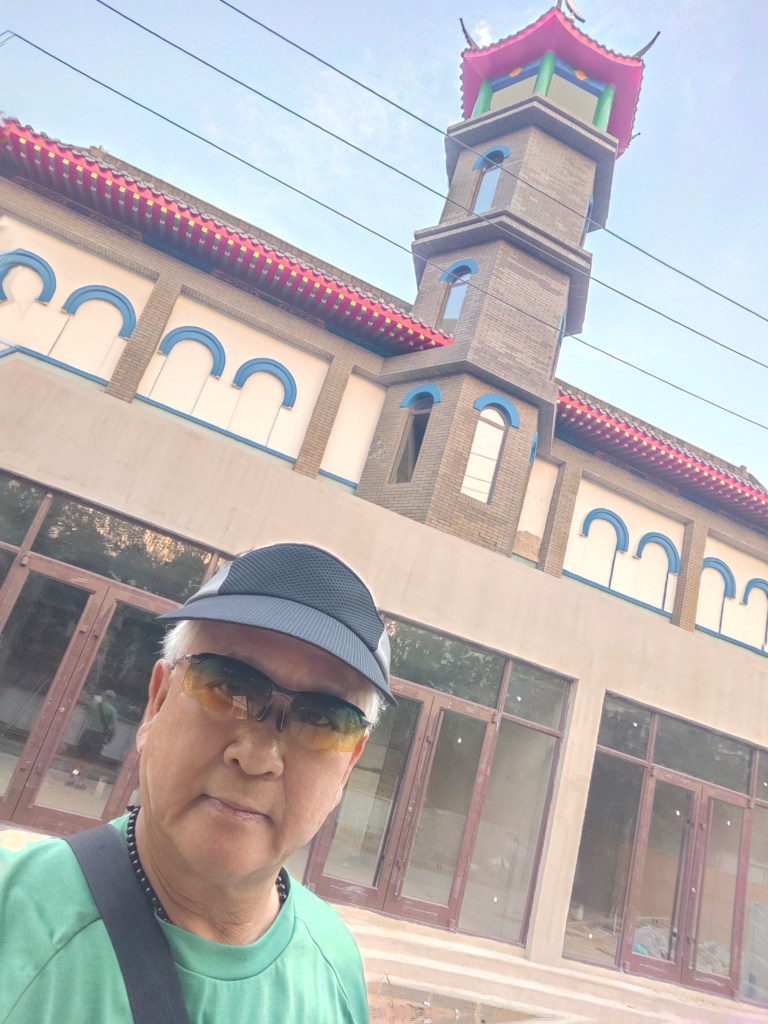
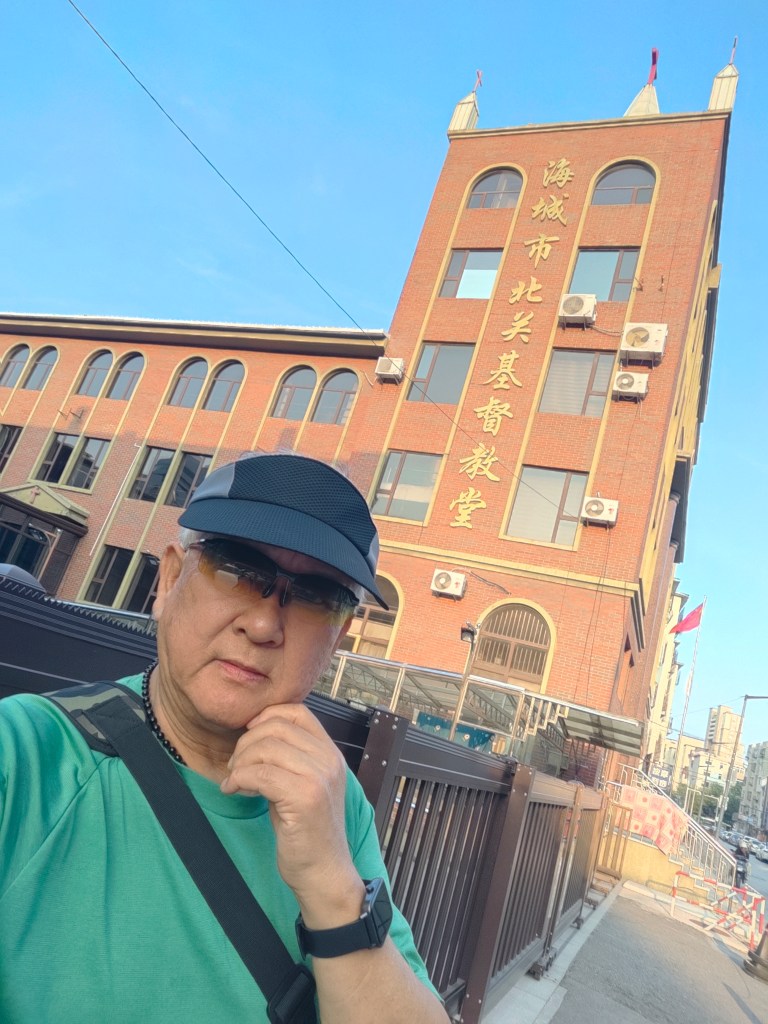
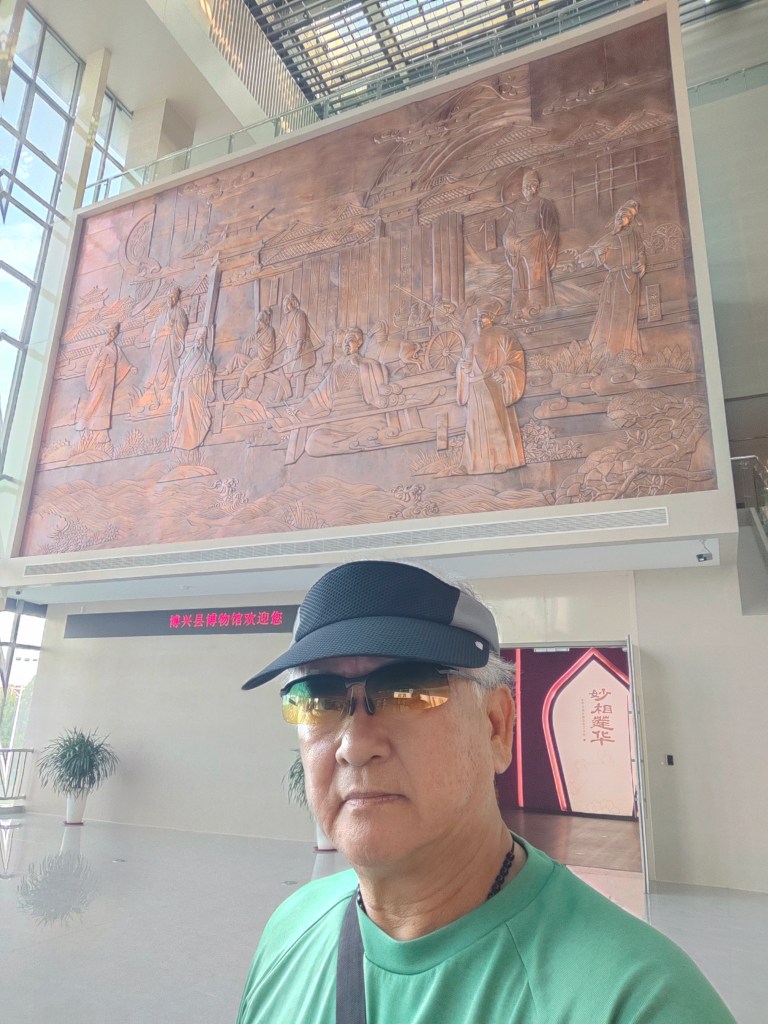
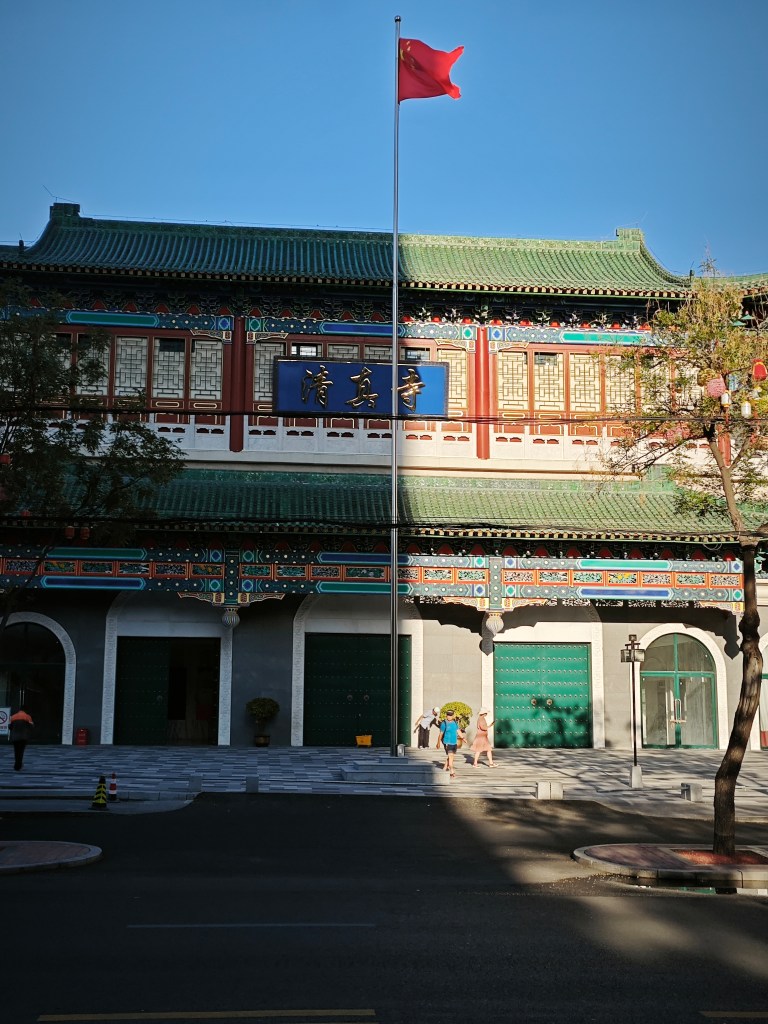
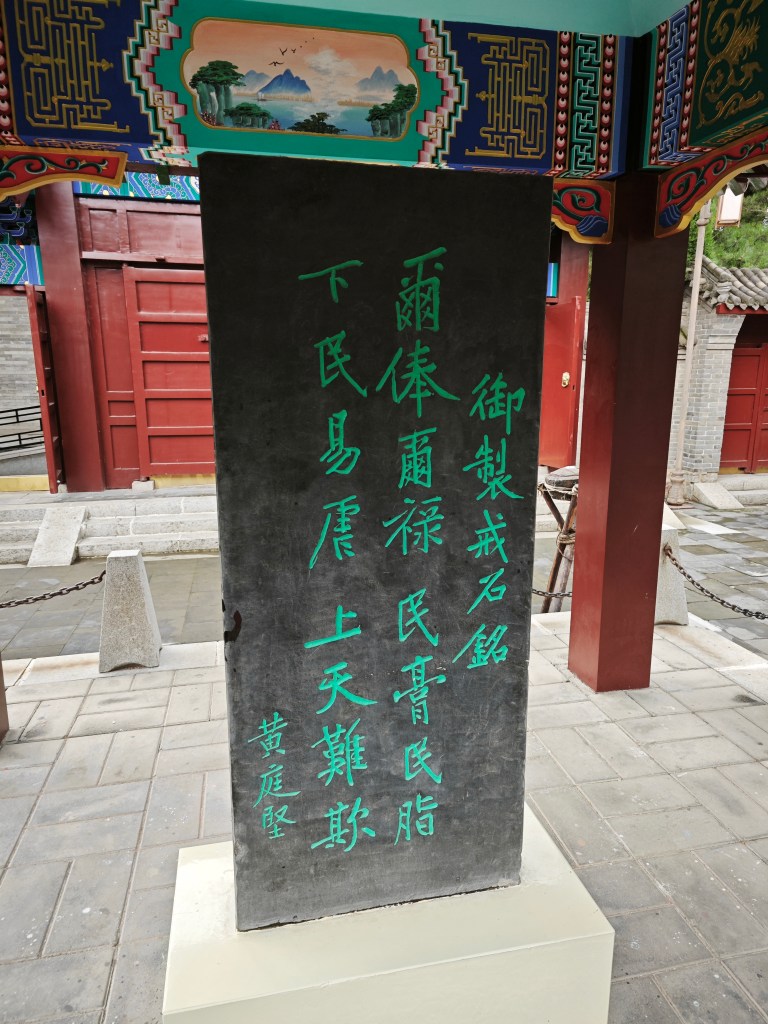
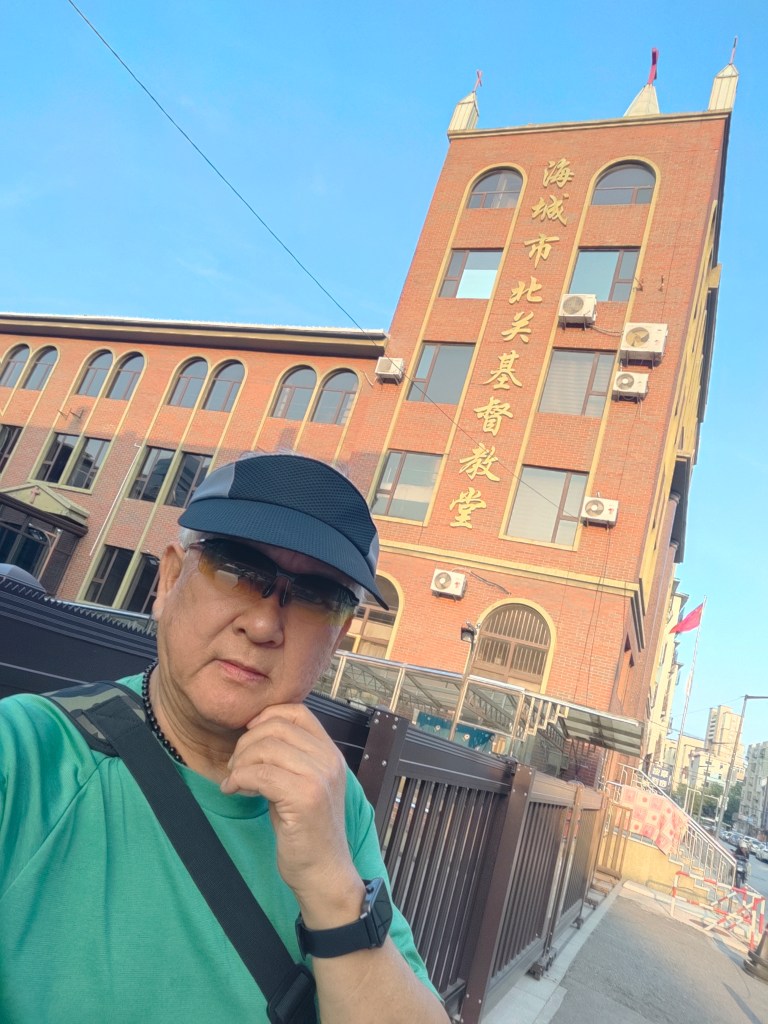
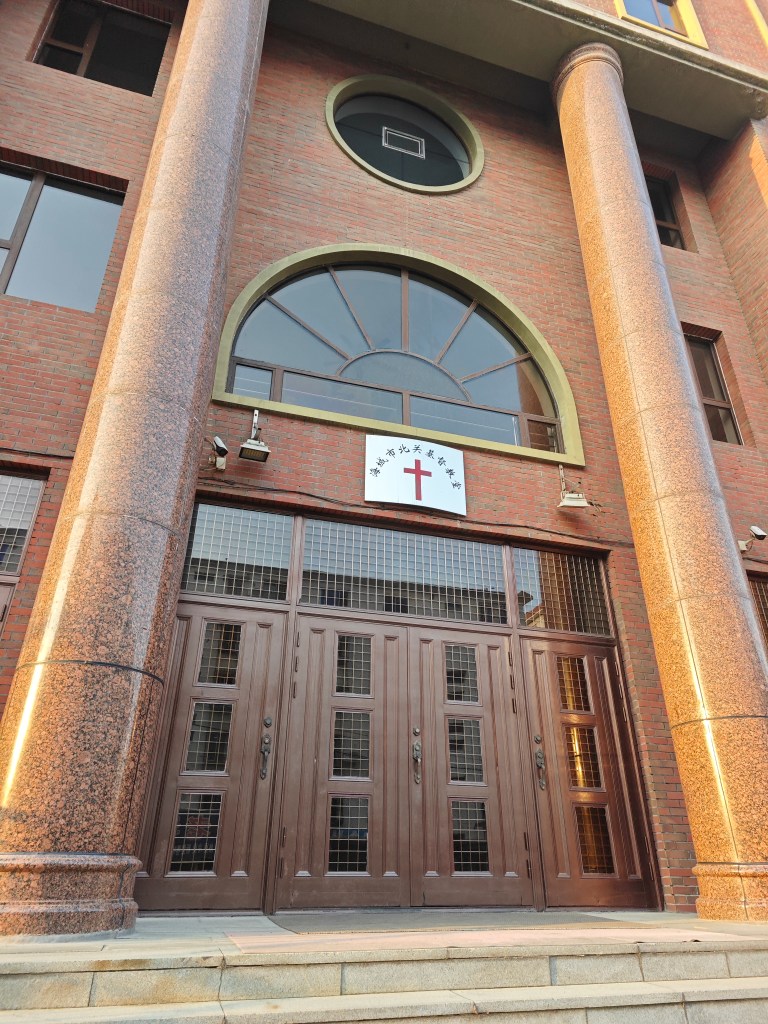
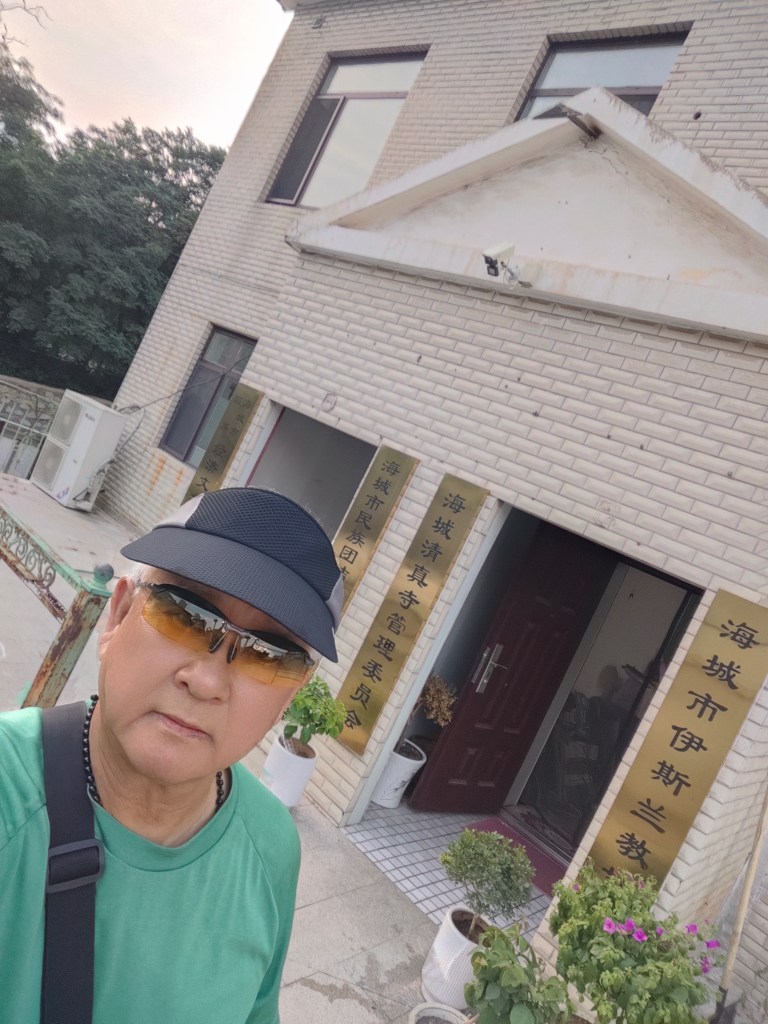
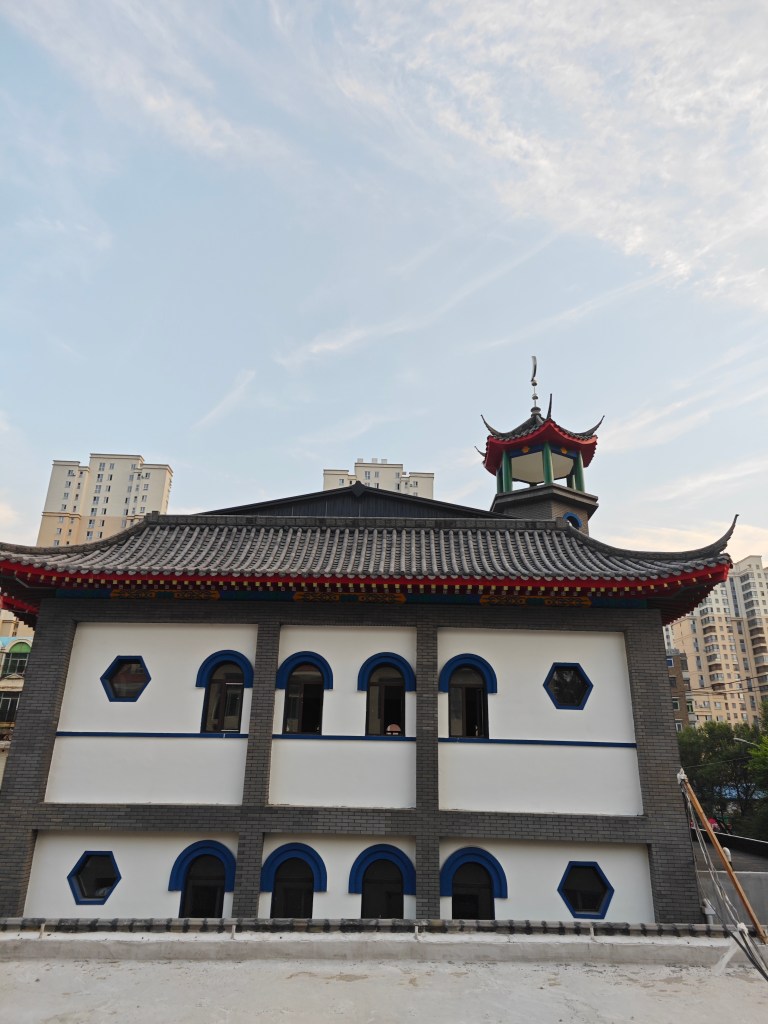
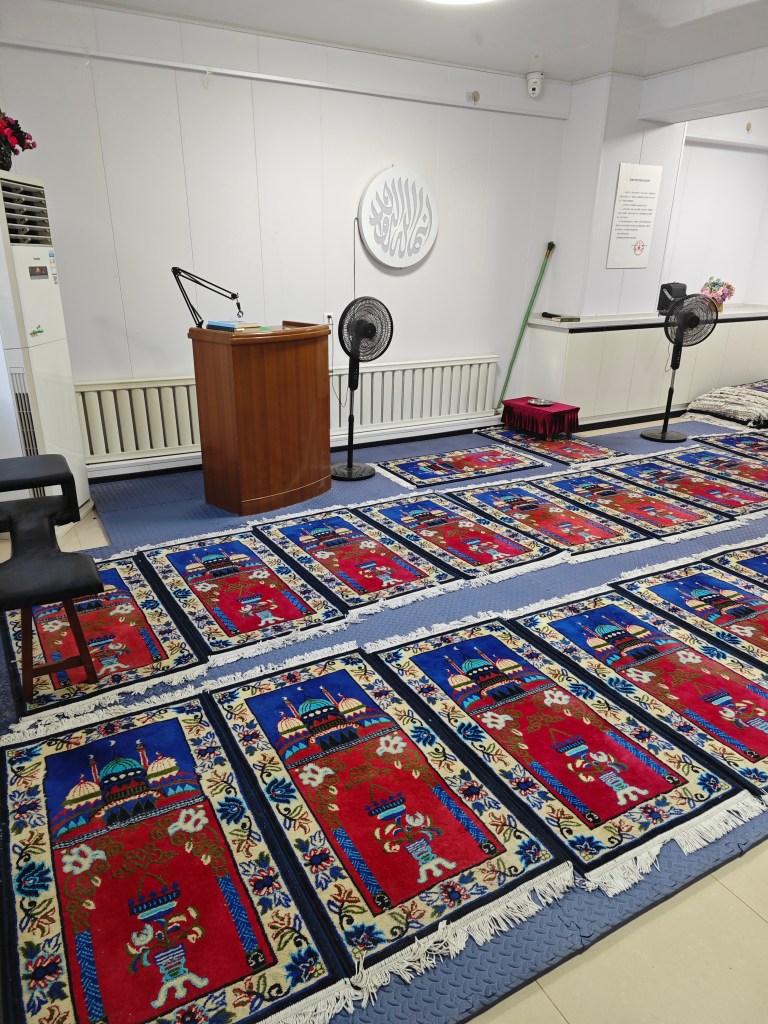
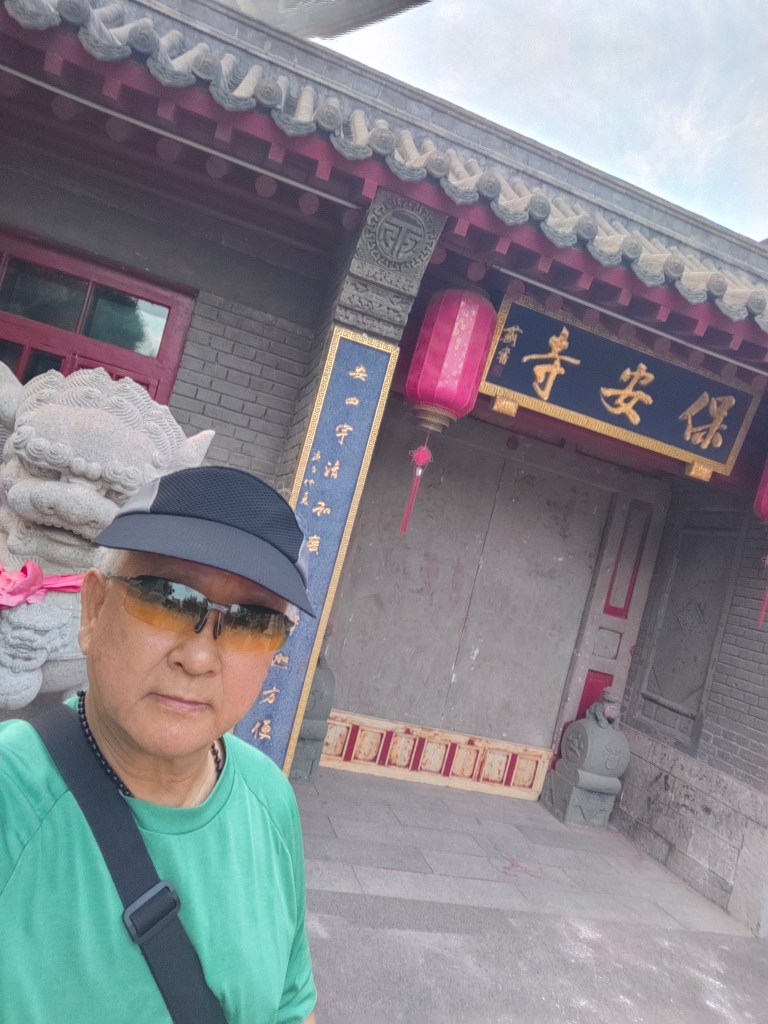
Haicheng海城 in Liaoning province is also a multi-faith small city with peaceful coexistence of Buddhism, Christianity, and Muslim temples and churches. I visited a large Buddhist nunnery in the center of the city that was quite unique…

Photo Gallery of Religious Sites of Various Faiths in the U.S. –2025

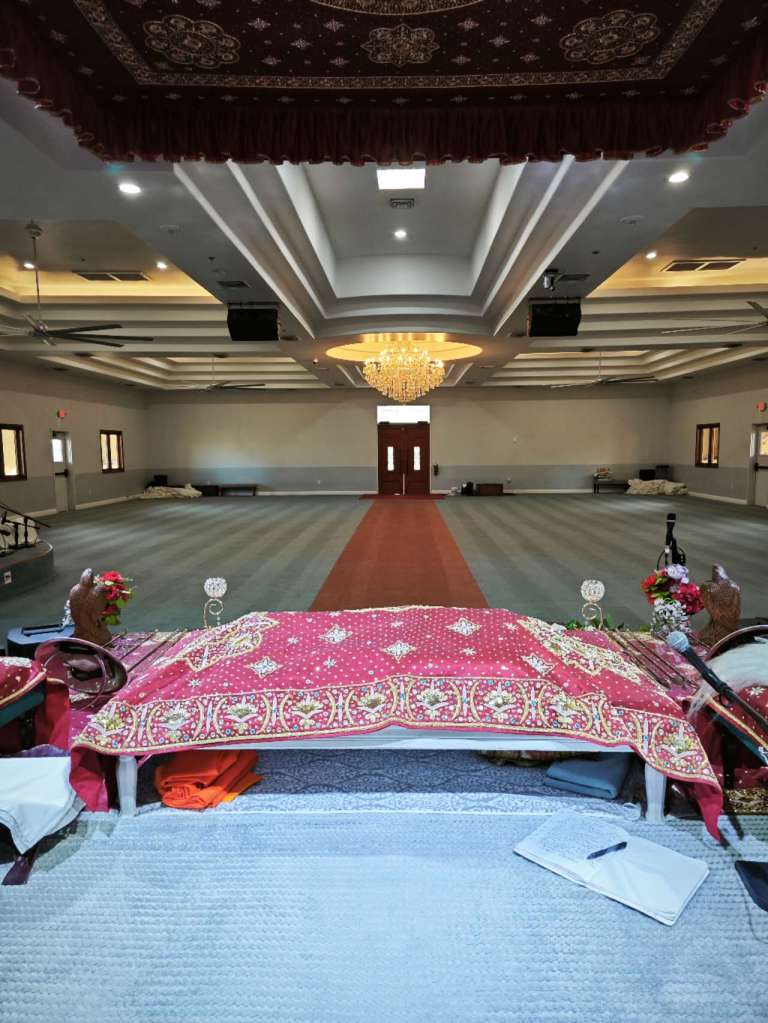
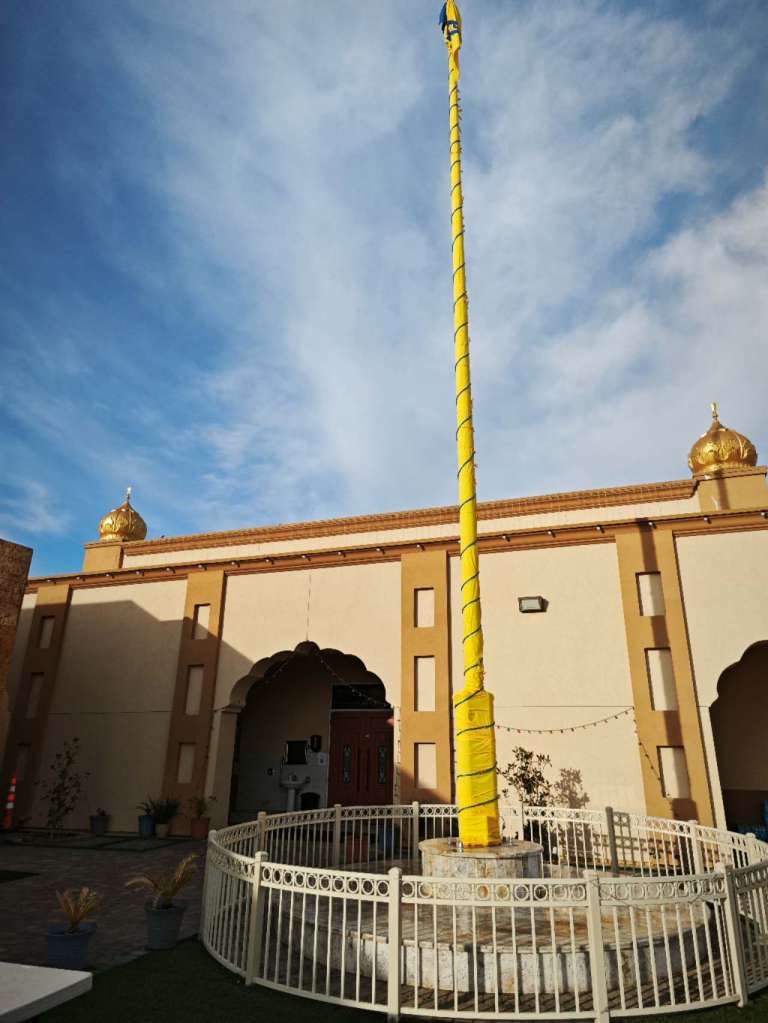
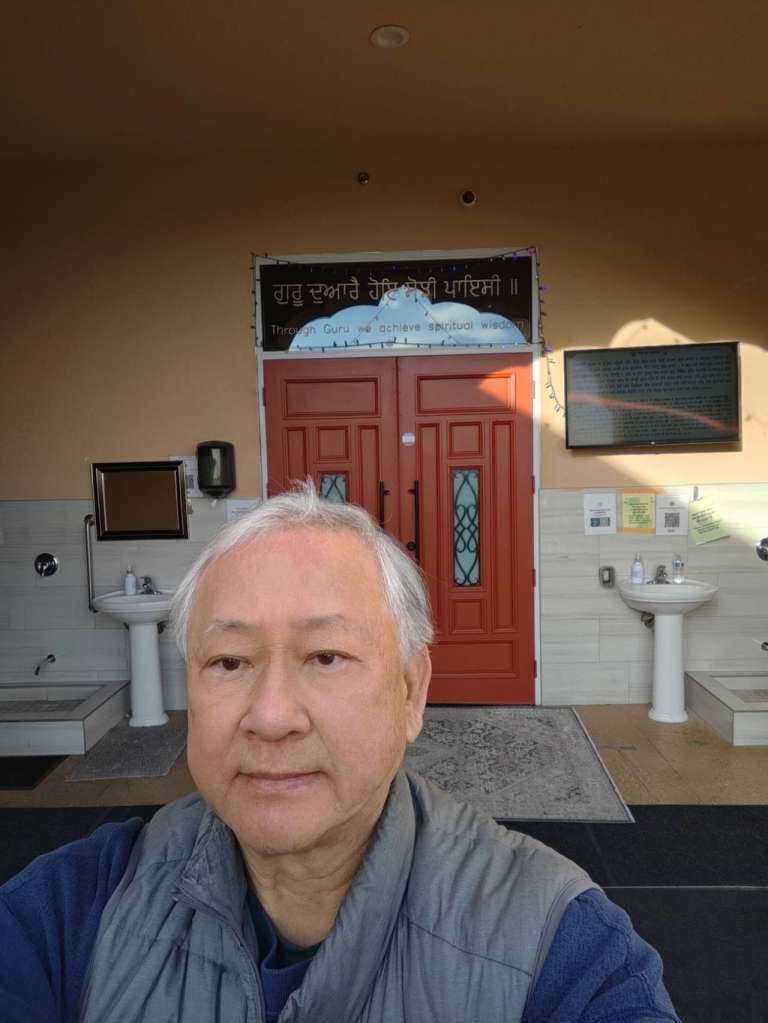
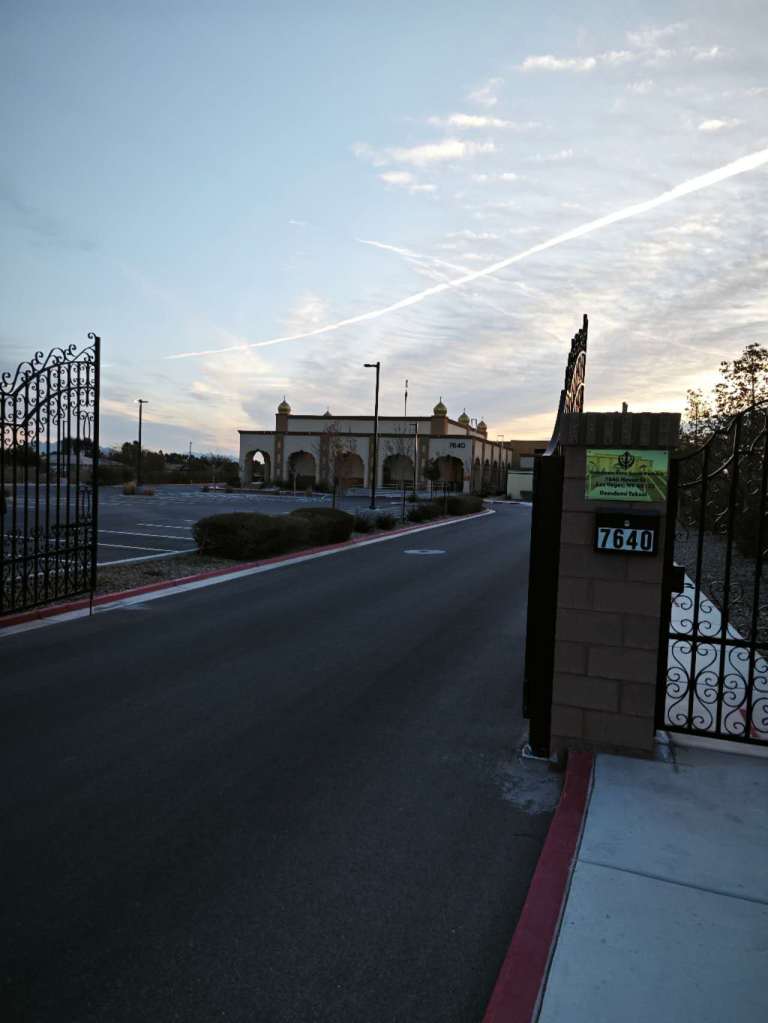
Sikhism in Enterprise, South Las Vegas – February, 2025

My first encounter with Sikhism was a wonderful experience. Mehnga Singh, the High Priest showed me how to tie a head scarf and clean hands and feet before entering the worship hall. We shared view of peace and harmony for all people and faiths in this chaotic world. He served me with a sweet indigenous pastry before I left..
What’s the difference between Sikhism and Hinduism?

The differences between Sikhism and Hinduism are significant, rooted in distinct histories, beliefs, practices, and social structures. Here’s a detailed comparison:


1. Origin and Historical Context

  • Sikhism:
  • Founded in the 15th century in Punjab (South Asia) by Guru Nanak Dev Ji, the first of the Ten Sikh Gurus.
  • Emerged as a reform movement emphasizing equality, devotion to one God, and rejection of ritualism and caste.
  • Hinduism:
  • An ancient, diverse religion with roots dating back over 4,000 years in the Indian subcontinent.
  • No single founder; evolved through Vedic traditions, Upanishadic philosophy, and regional practices.

2. Core Beliefs

  • Sikhism:
  • Strict monotheism: Belief in One Formless God (Ik Onkar), beyond gender or physical form.
  • Rejects idol worship, rituals, and caste hierarchy.
  • Emphasizes equality (all humans are equal), selfless service (seva), and truthful living.
  • Goal: Merge with God through devotion, honest work, and remembrance (Nam Simran).
  • Hinduism:
  • Diverse beliefs, ranging from monotheism (e.g., Vaishnavism) to polytheism (worship of many deities) and pantheism (God in everything).
  • Central concepts include dharma (duty), karma (action and consequence), samsara (cycle of rebirth), and moksha (liberation).
  • Accepts caste system (though debated in modern times) and ritual practices.

3. Deities and Worship

  • Sikhism:
  • Worship focuses on the Guru Granth Sahib (Sikh scripture) as the eternal Guru.
  • No idols or images of God; worship occurs in gurdwaras (temples with communal kitchens, langar).
  • Key figures: The Ten Gurus and martyrs like Guru Tegh Bahadur.
  • Hinduism:
  • Worships a vast pantheon of deities (e.g., Vishnu, Shiva, Devi, Ganesha).
  • Rituals (puja), offerings, and temple worship are common.
  • Reverence for sacred texts (Vedas, Bhagavad Gita) and avatars (e.g., Krishna, Rama).

4. Scriptures

  • Sikhism:
  • Guru Granth Sahib: The central holy text, compiled by Sikh Gurus. Contains hymns and teachings of Sikh Gurus and saints from other faiths.
  • Dasam Granth: A secondary text with writings by Guru Gobind Singh.
  • Hinduism:
  • Vedas, Upanishads, Puranas, Bhagavad Gita, and epics like the Mahabharata and Ramayana.
  • Diverse regional texts and traditions.

5. Social and Ethical Practices

  • Sikhism:
  • Equality: Rejects caste, gender discrimination, and social hierarchies.
  • Five Ks: Articles of faith (uncut hair, comb, steel bracelet, dagger, and shorts).
  • Langar: Free communal meal for all, regardless of background.
  • Hinduism:
  • Traditionally structured around the caste system (though modern reforms challenge this).
  • Practices vary widely: vegetarianism, fasting, pilgrimage, yoga, and meditation.

6. Afterlife and Salvation

  • Sikhism:
  • Focus on ending the cycle of rebirth by merging with God through devotion and righteous living.
  • Rejects asceticism; emphasizes living as a householder.
  • Hinduism:
  • Liberation (moksha) from samsara through knowledge, devotion, or action.
  • Belief in reincarnation based on karma.

7. Symbols and Identity

  • Sikhism:
  • Khanda (double-edged sword) and Ik Onkar (symbol of one God).
  • Visible identity: Turban (dastar) and the Five Ks.
  • Hinduism:
  • Symbols like Om, Swastika, and deities’ icons.
  • Diverse cultural practices across regions (e.g., bindi, sacred thread).

Key Similarities

  • Both emphasize ethical living and devotion to a higher power.
  • Share cultural and geographical roots in South Asia.
  • Revere saints and teachers (e.g., Sikhism includes hymns from Hindu and Muslim saints in the Guru Granth Sahib).

Summary

Sikhism is a distinct monotheistic faith rejecting caste, idol worship, and ritualism, while Hinduism is a diverse, ancient tradition with varied beliefs and practices. Sikhism’s emphasis on equality, community service, and devotion to one God sets it apart, despite shared cultural contexts with Hinduism.

Photo Gallery of Religious Sites of Various Faiths in China and Japan –2024

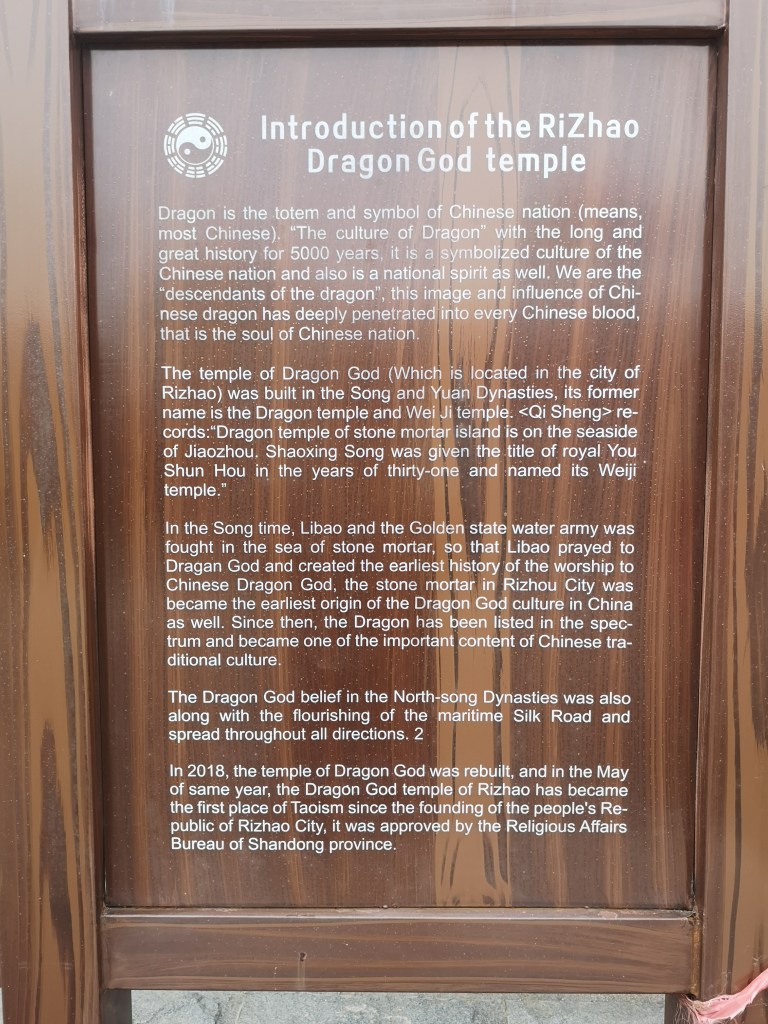
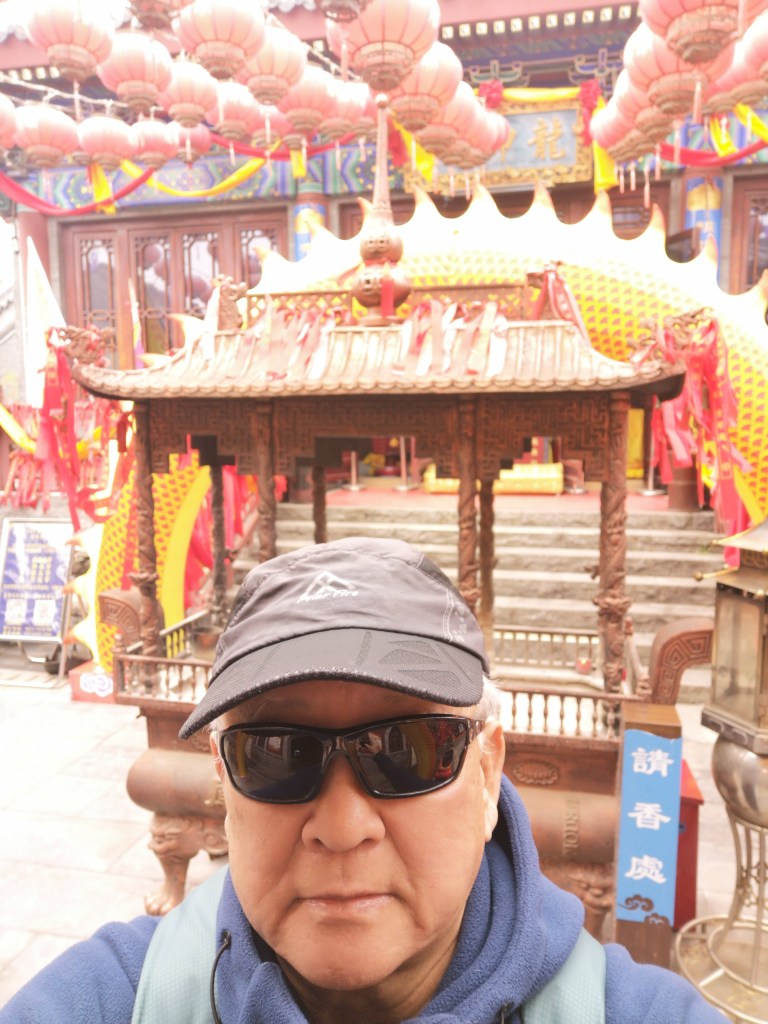
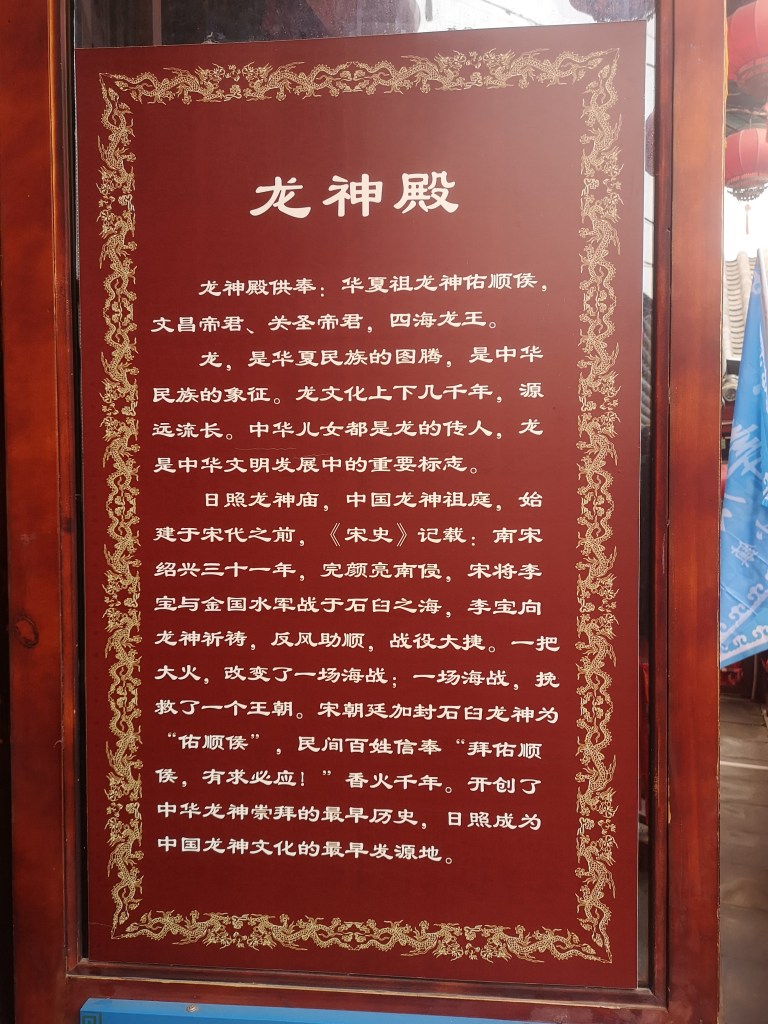
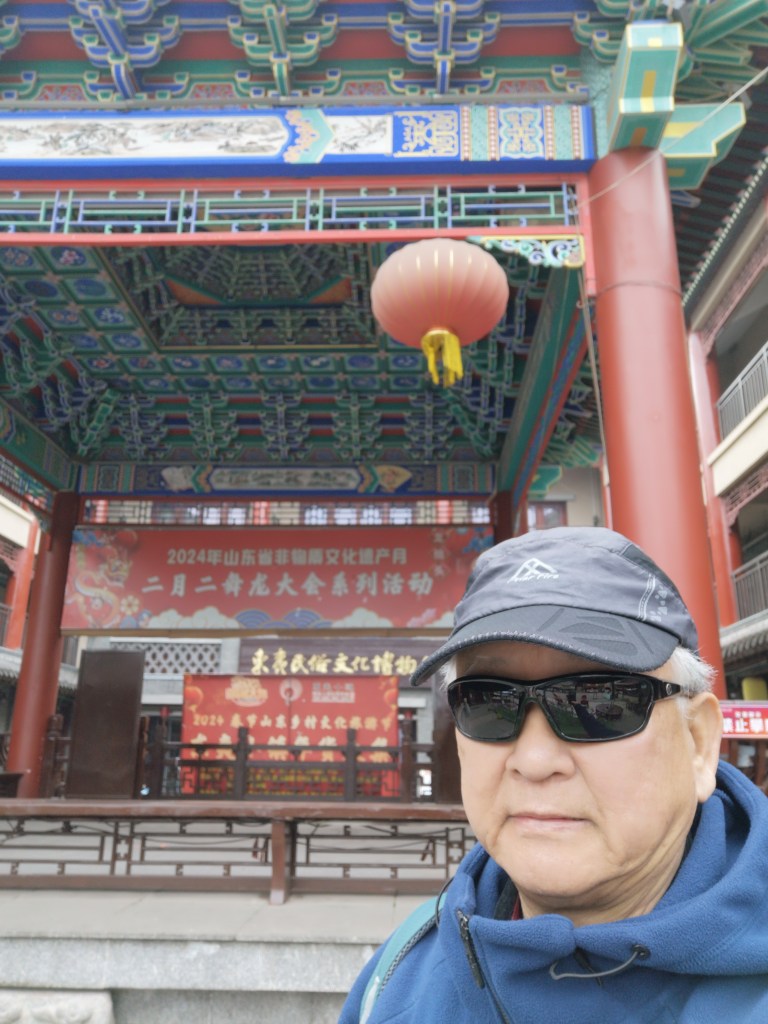
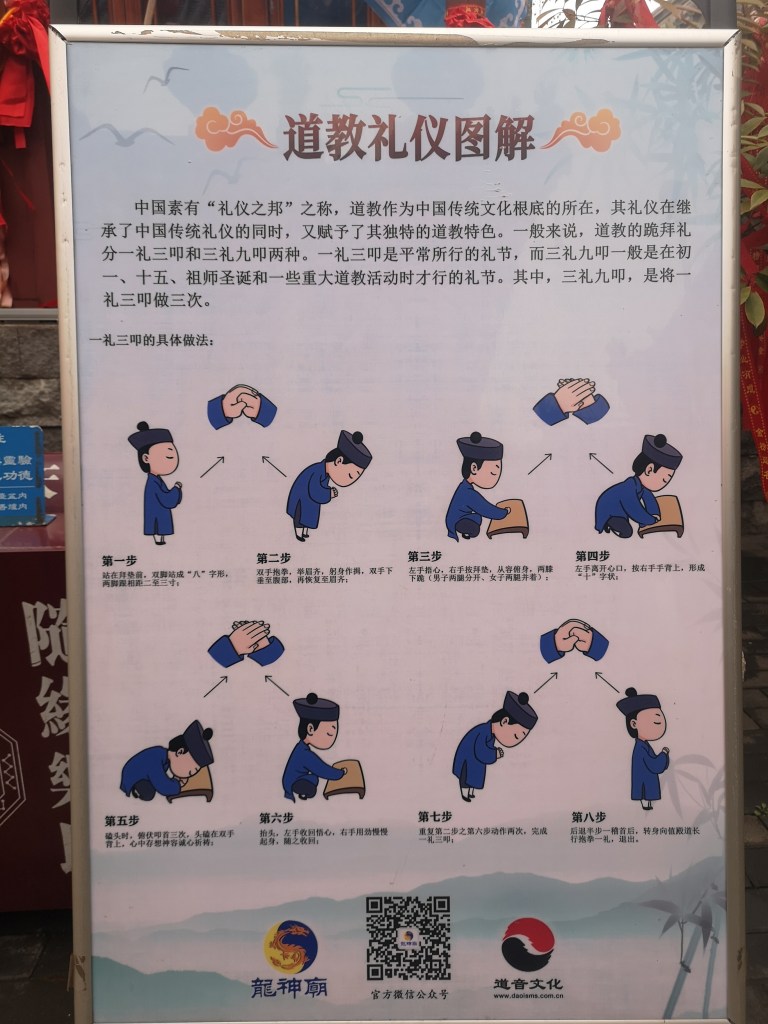
One of the earliest Taoism temples that worships the Dragon God of the sea in the township of Dongyi(东夷), Shandong Province – 1Q2024

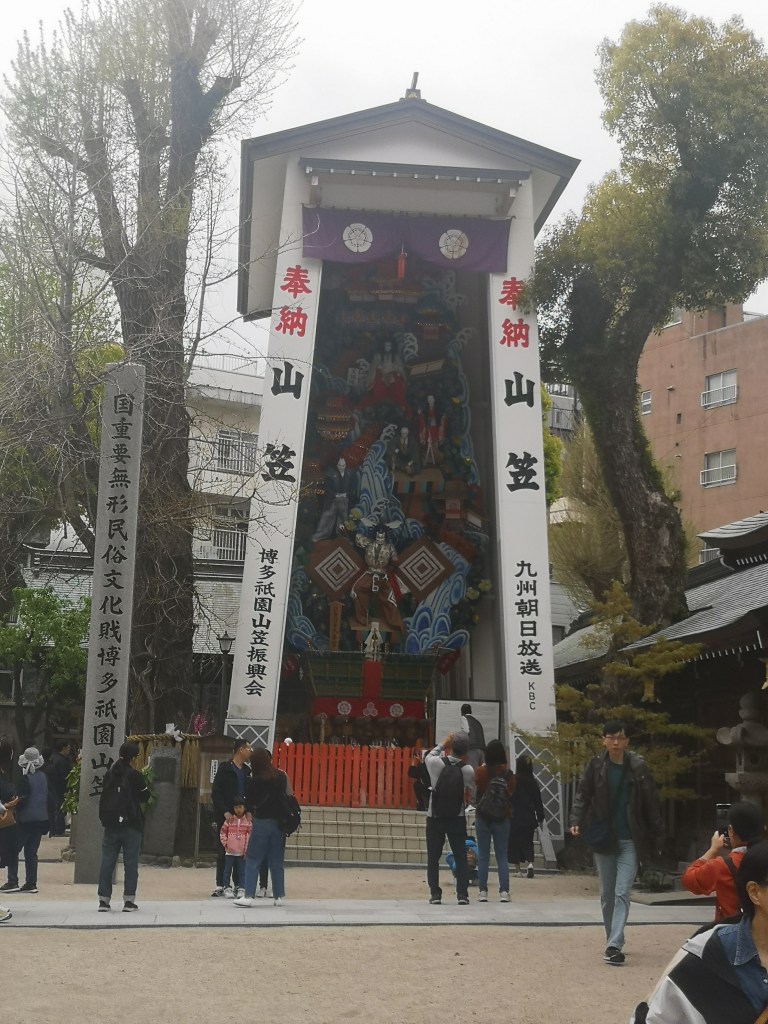
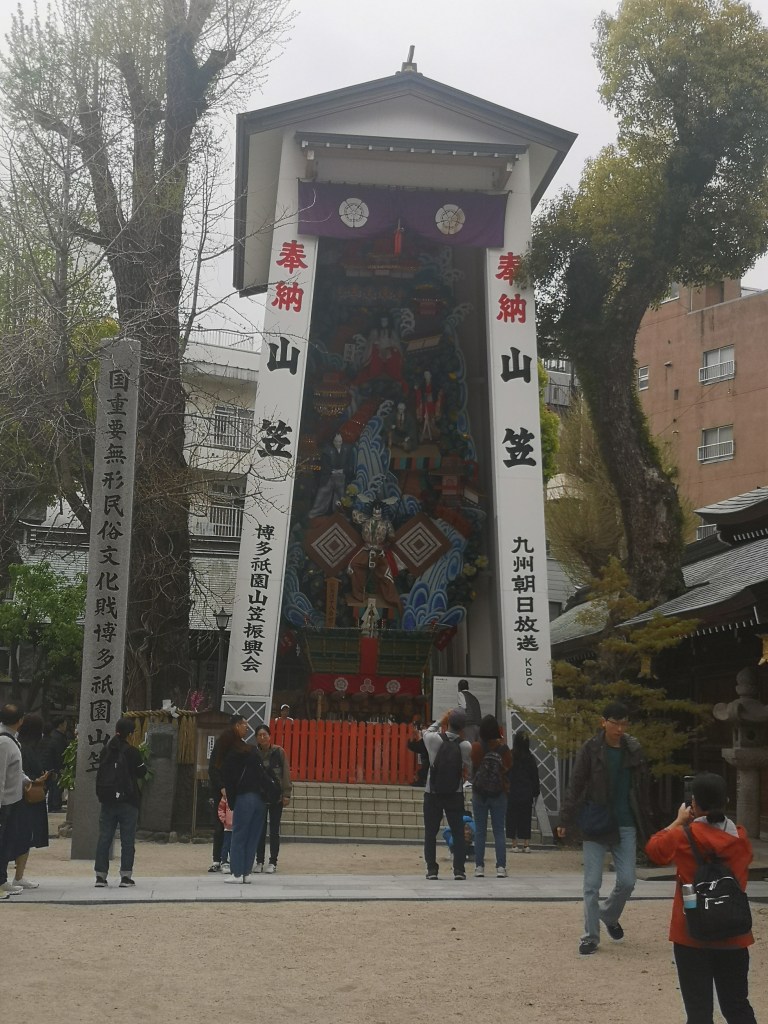
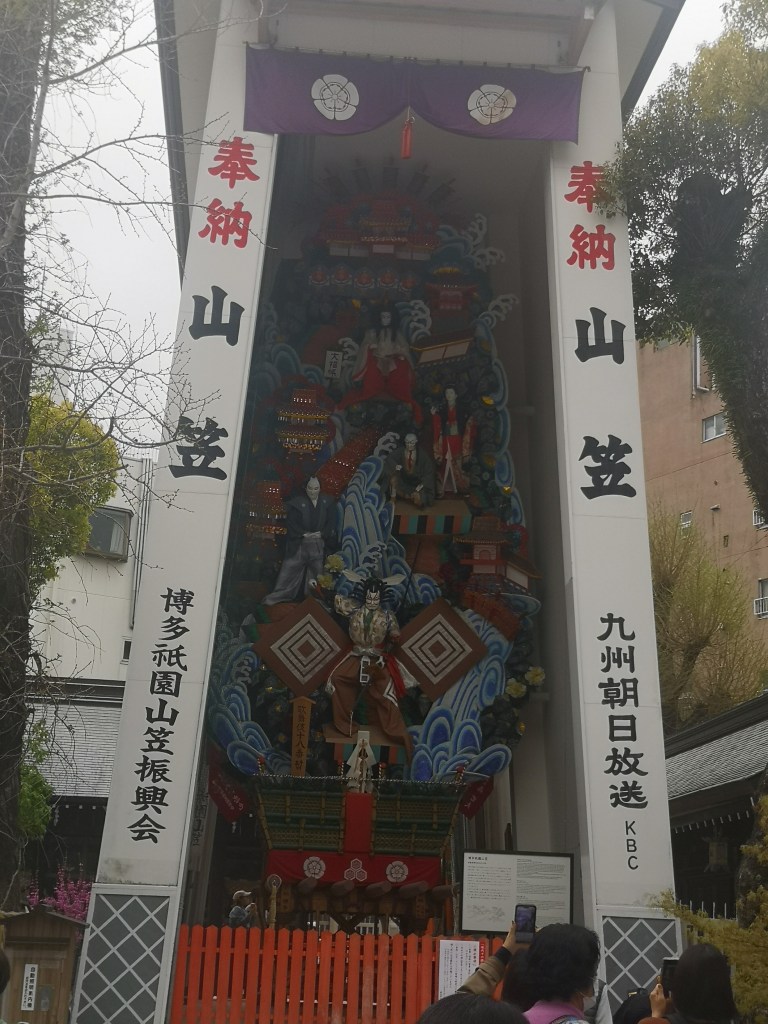
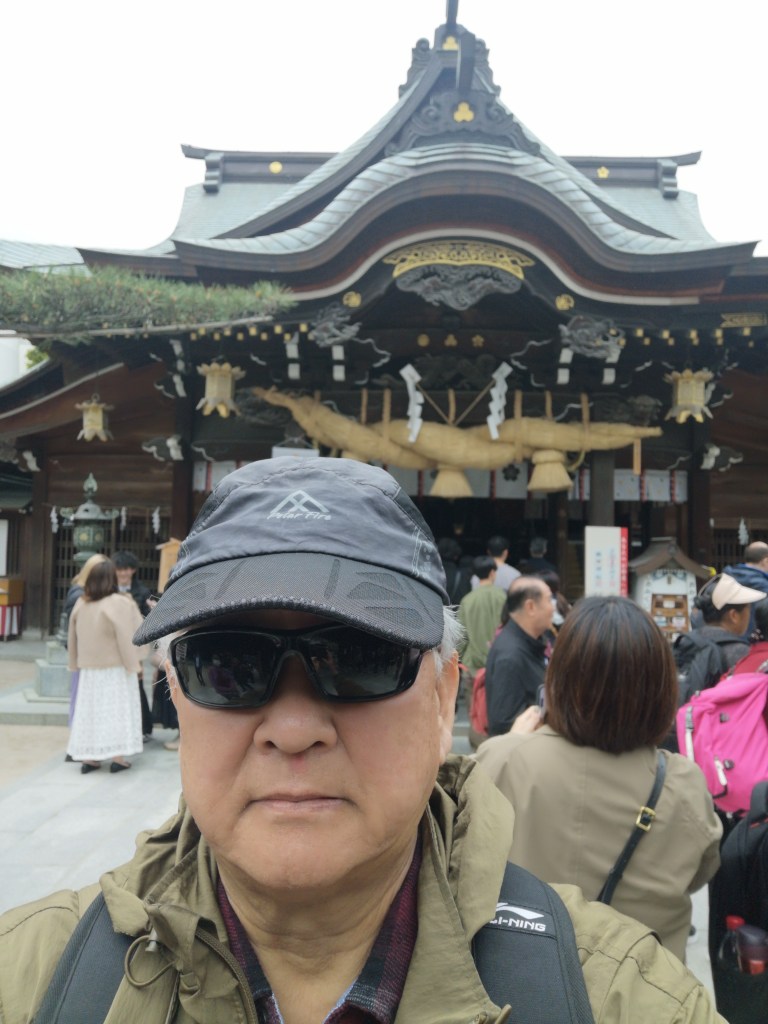
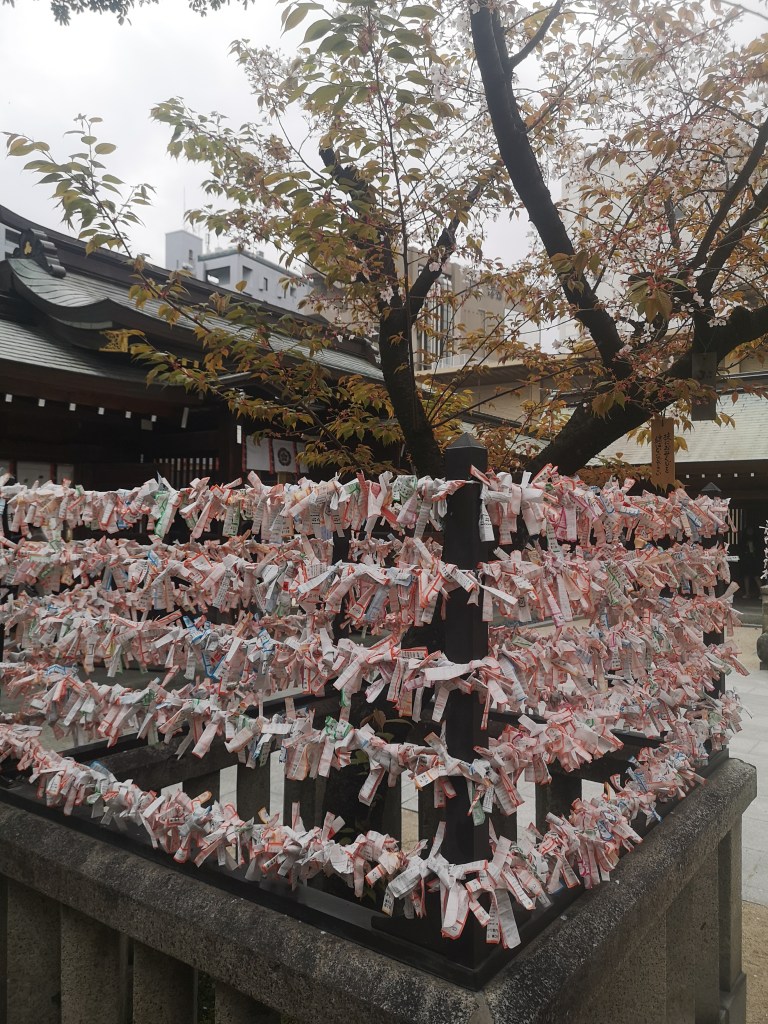
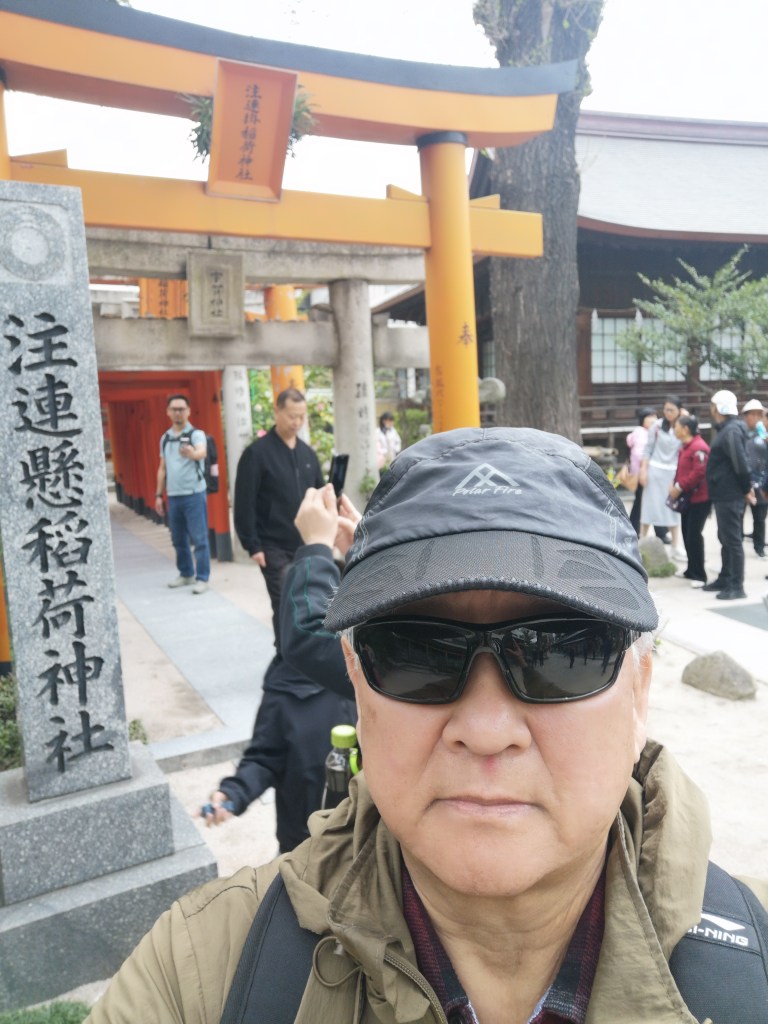
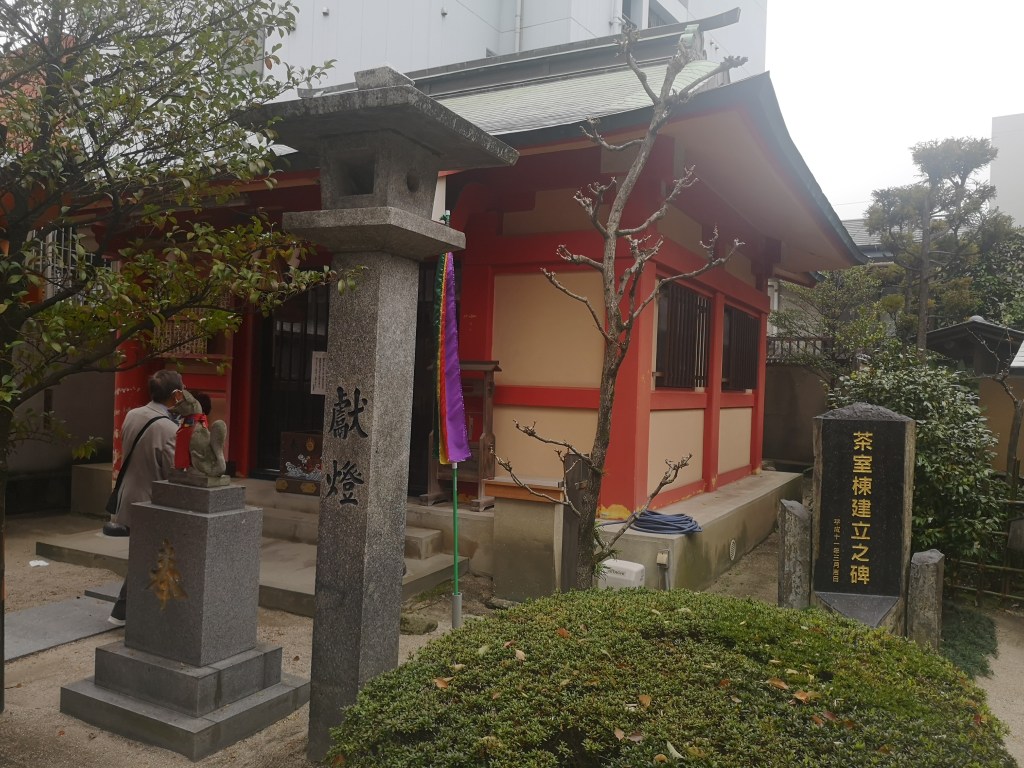
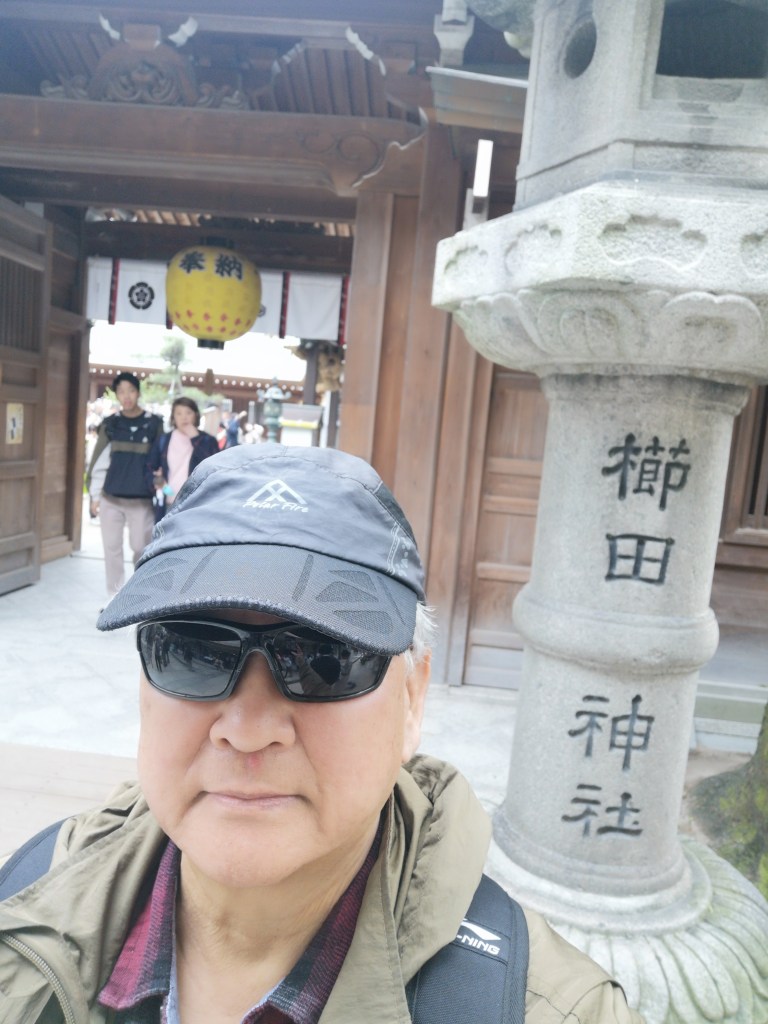
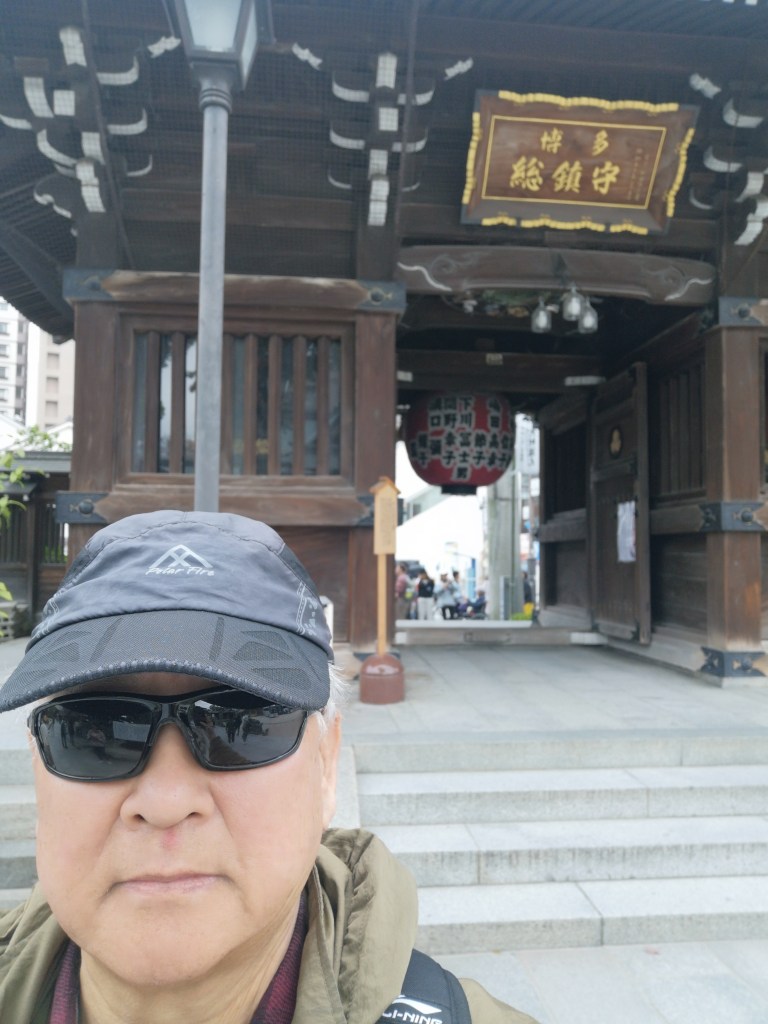
Established in 6th century CE in Japan, Buddhism merged with Shintoism to form several branches of Buddhism with unique practices. This Fushimi Inari Taisha temple (福冈注连悬稻荷神社) is well known in Fukuoka – 1Q2024

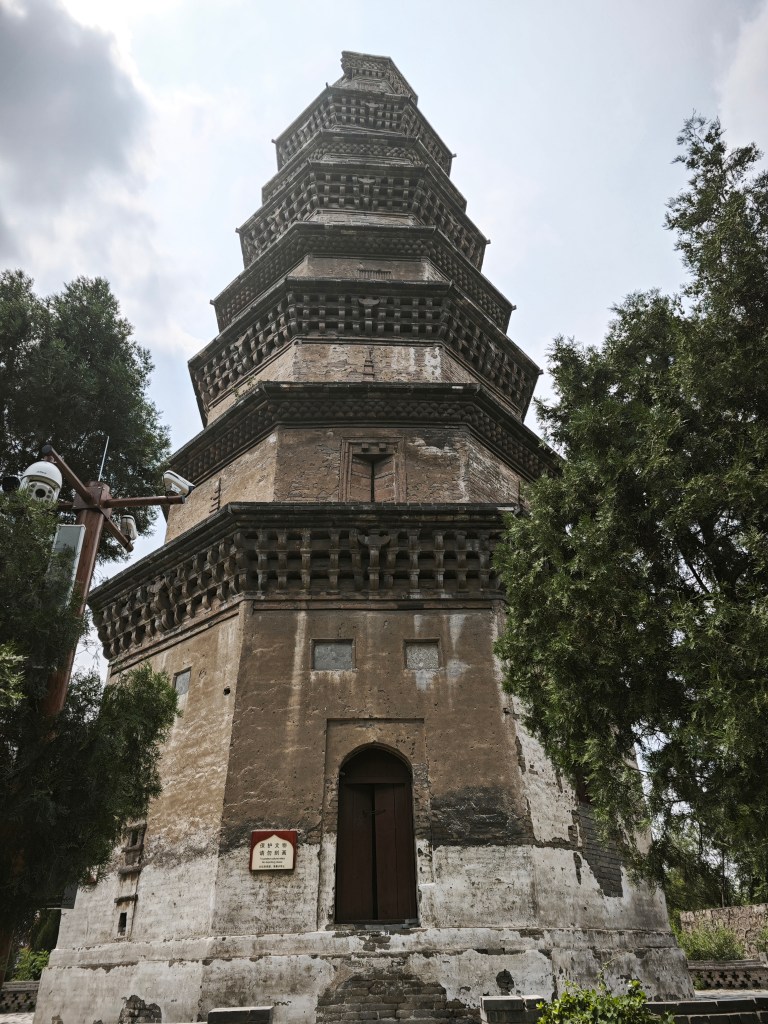
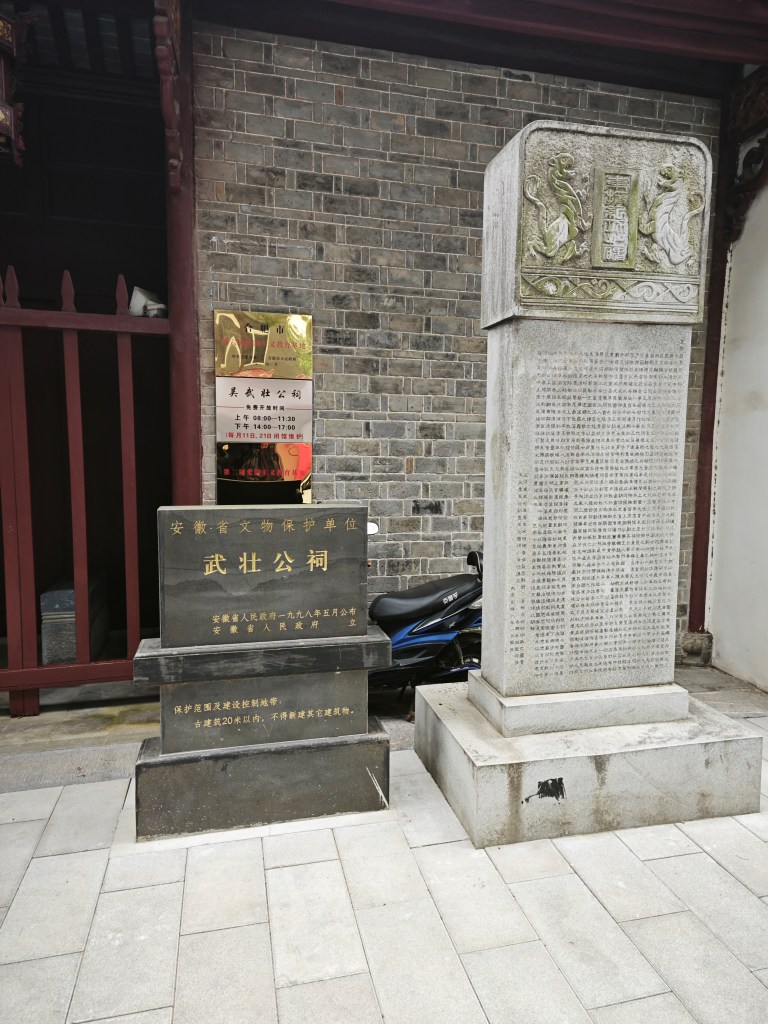
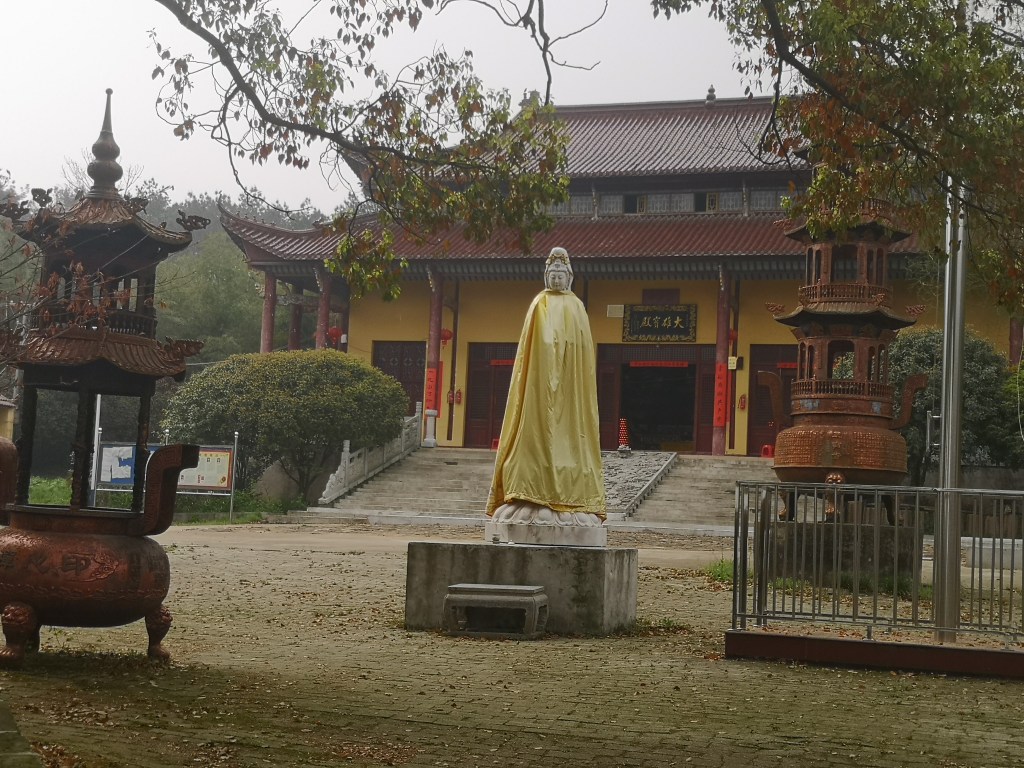
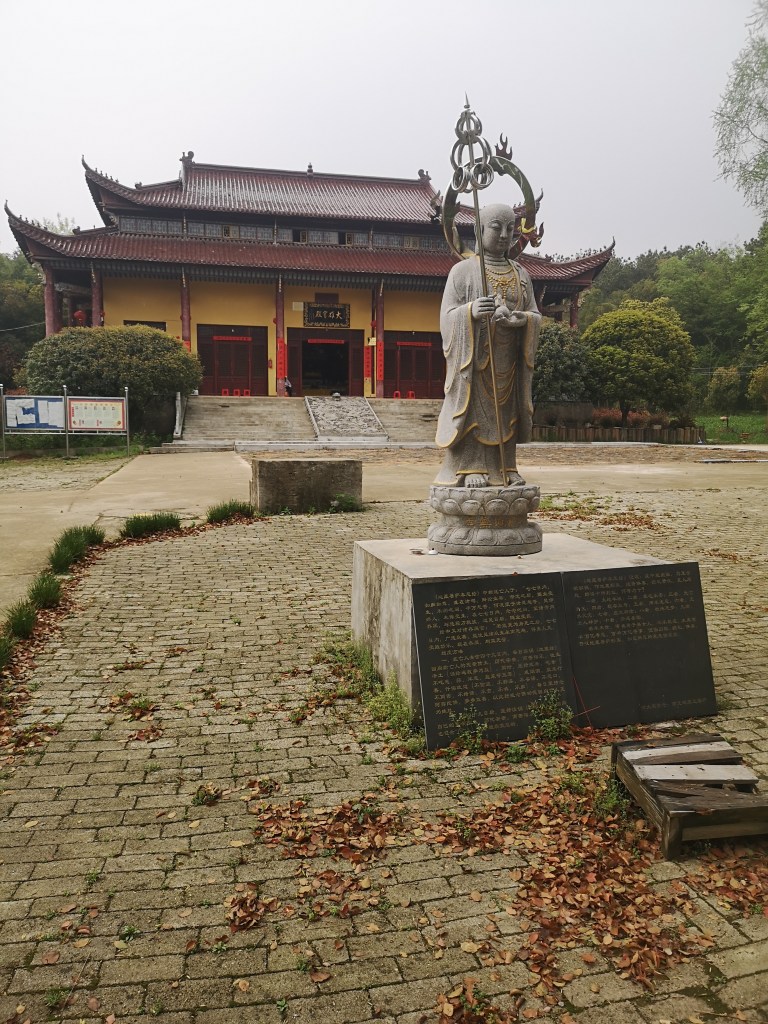
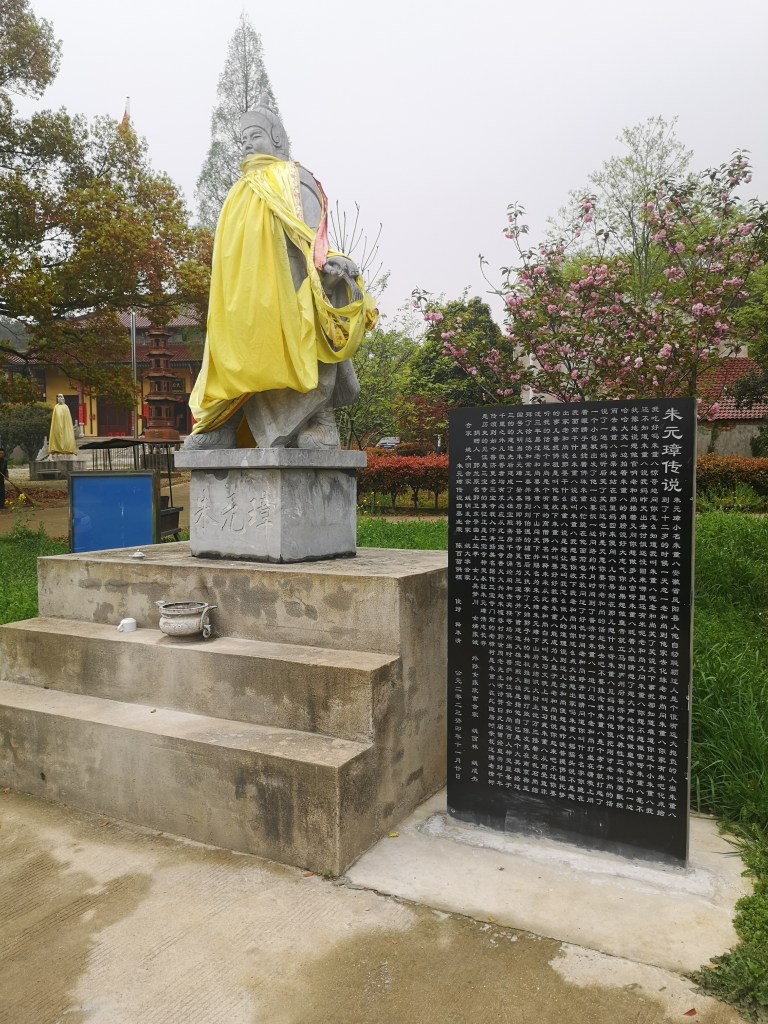
Buddhist temple in Hefei, Anhui, China that harbored the fugitive future founding emperor Hongwu of Ming dynasty Zhu Yuanzhang(朱元章) – 2Q2024

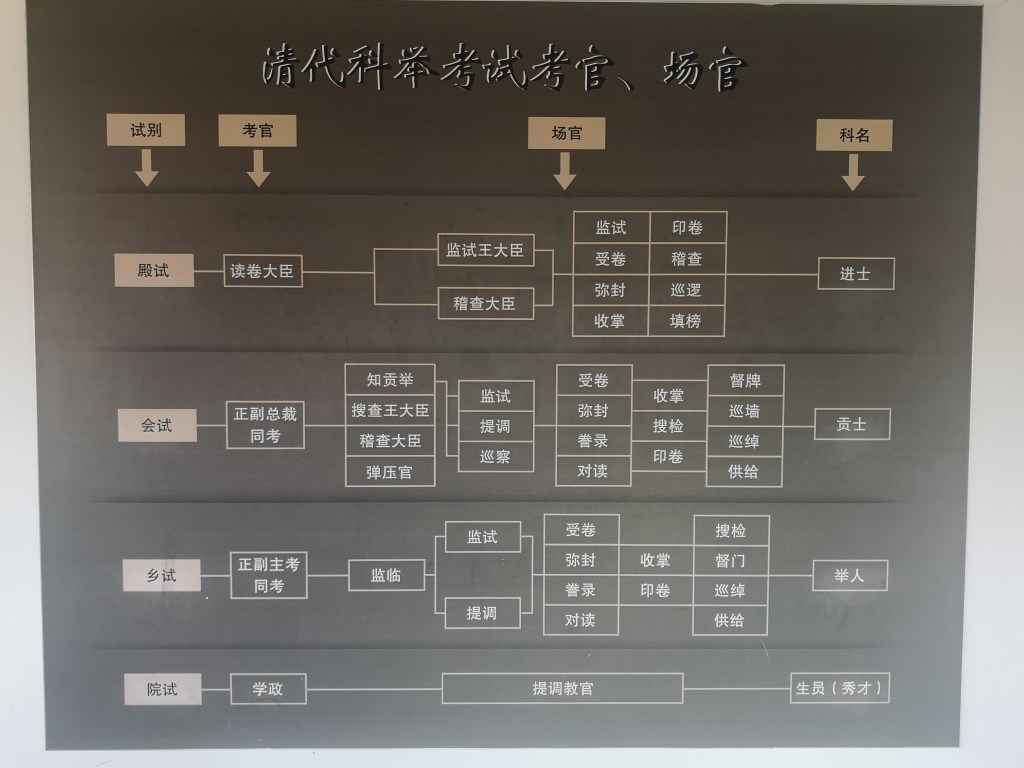
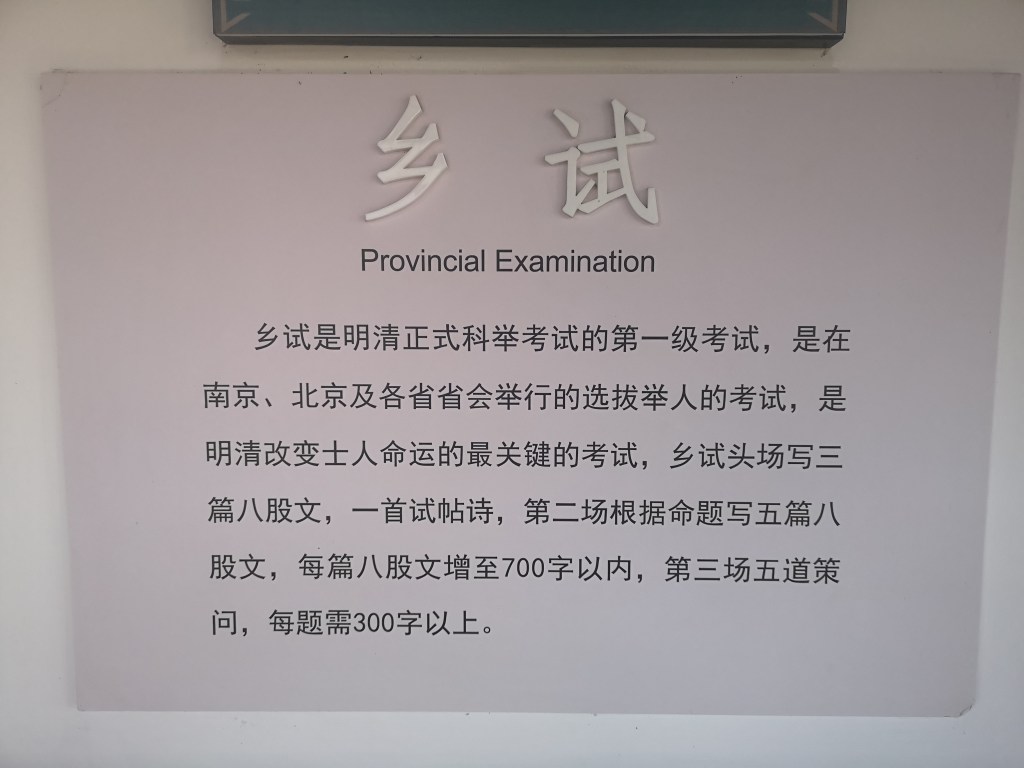
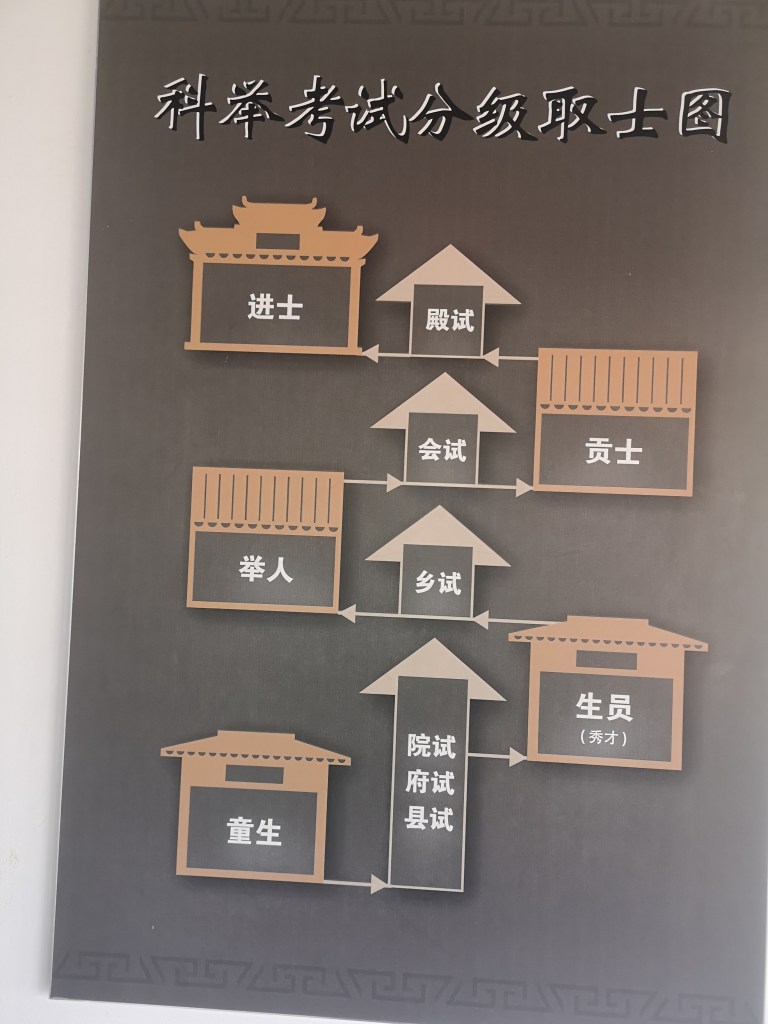
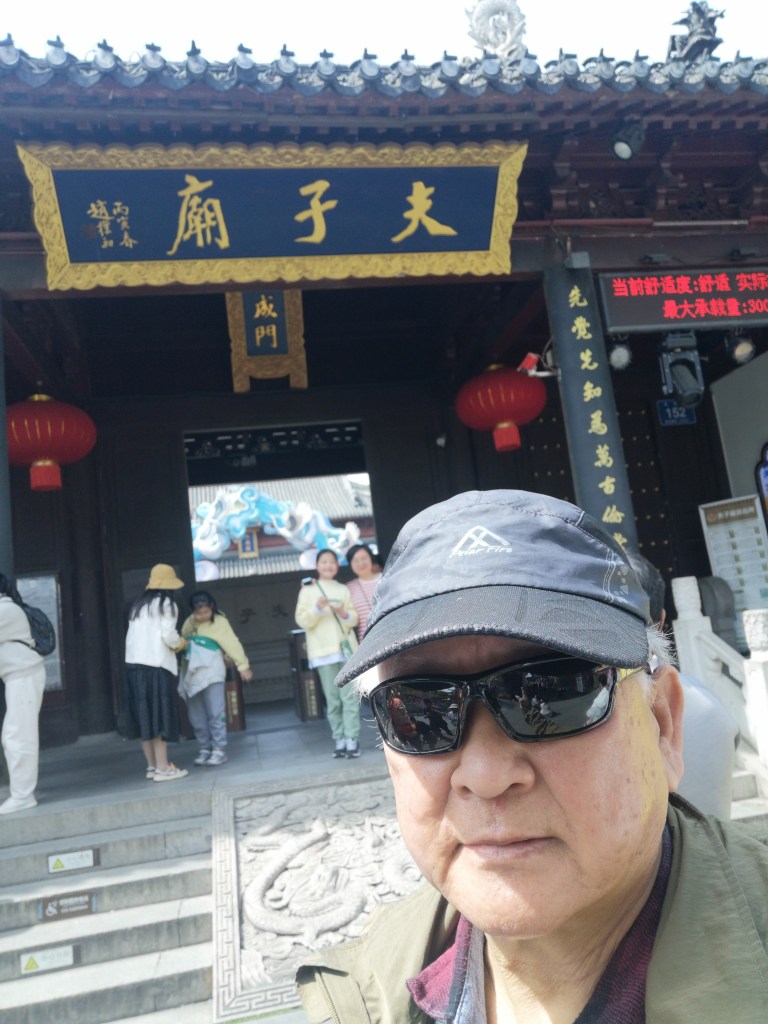
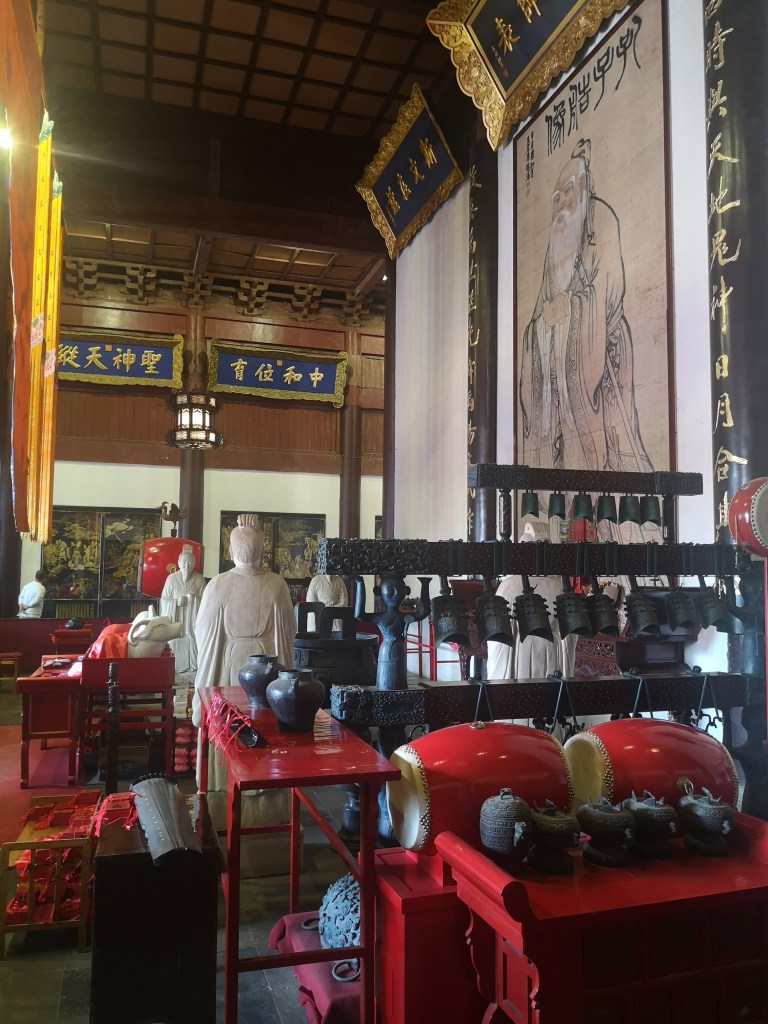
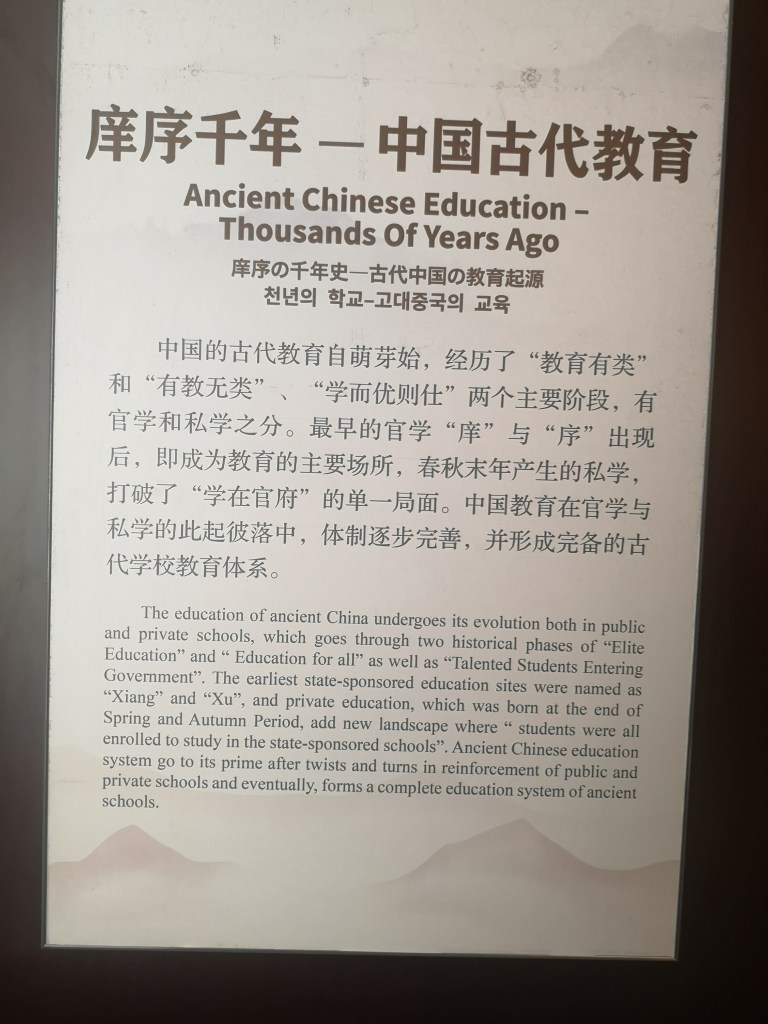
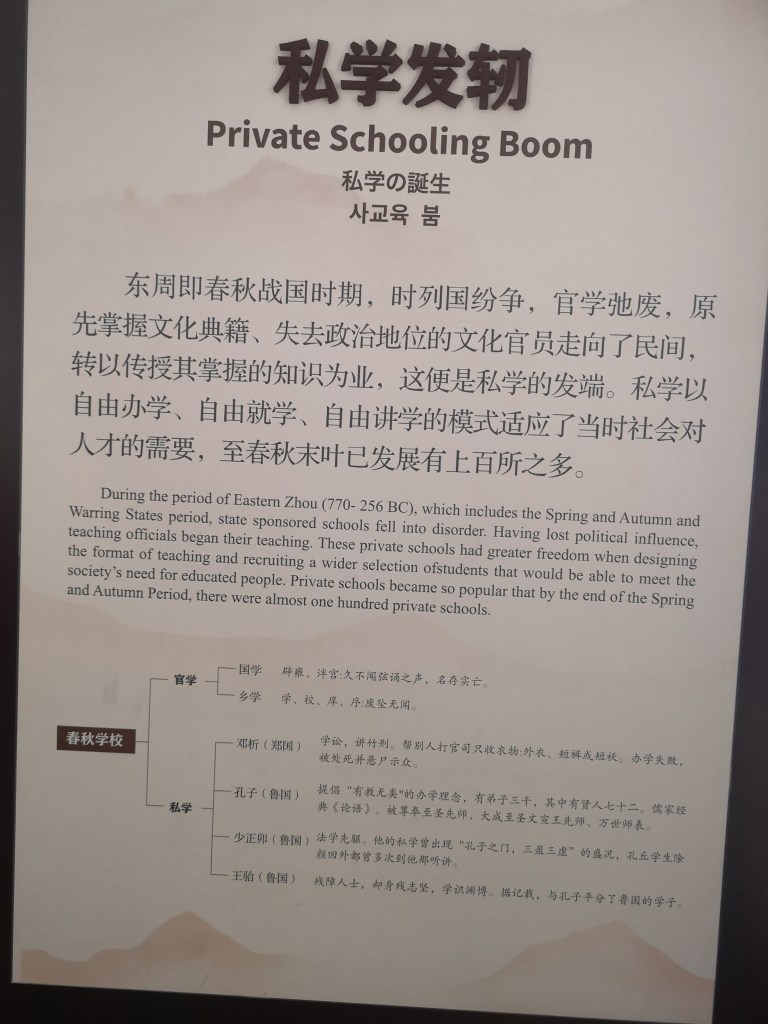
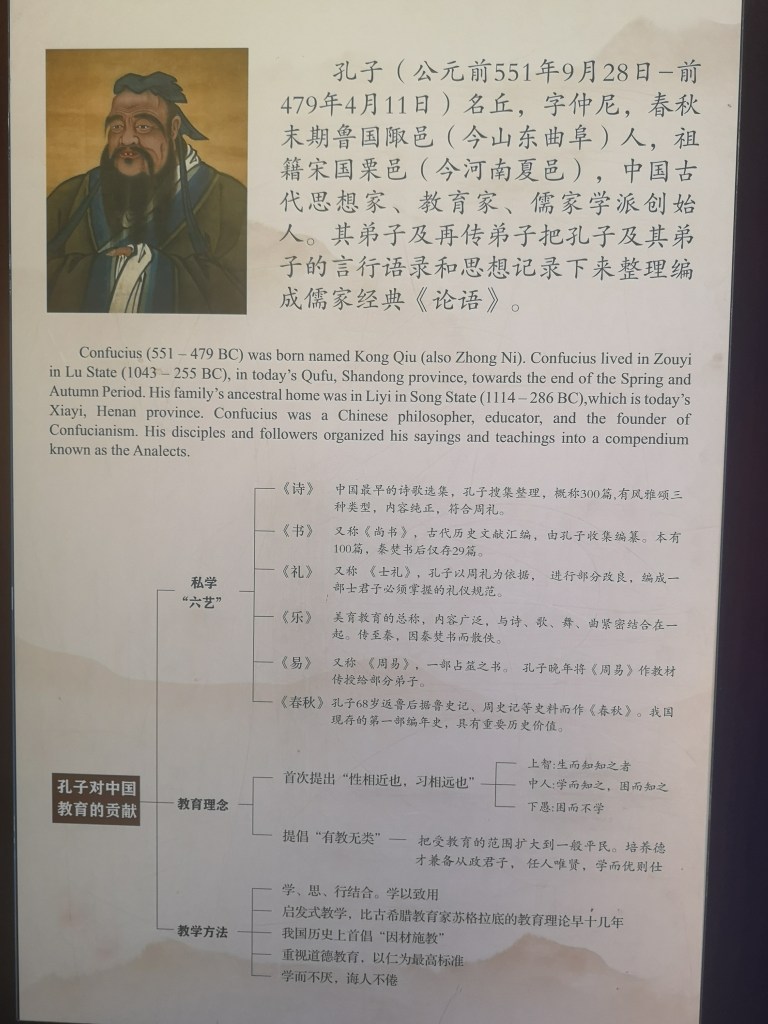
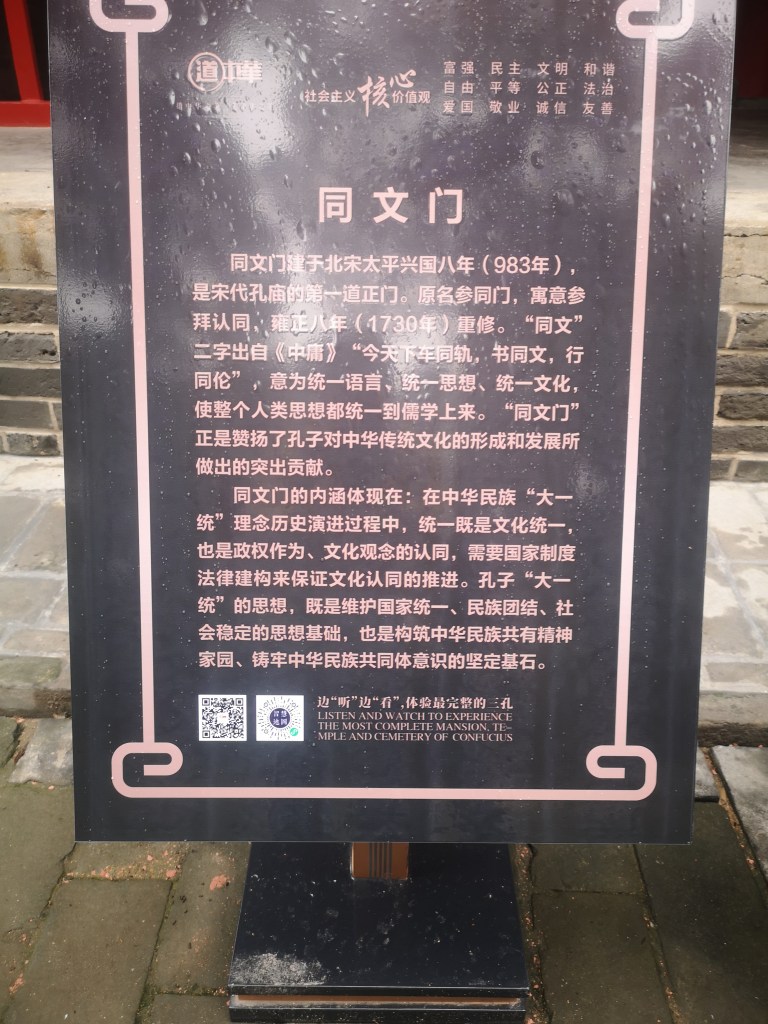
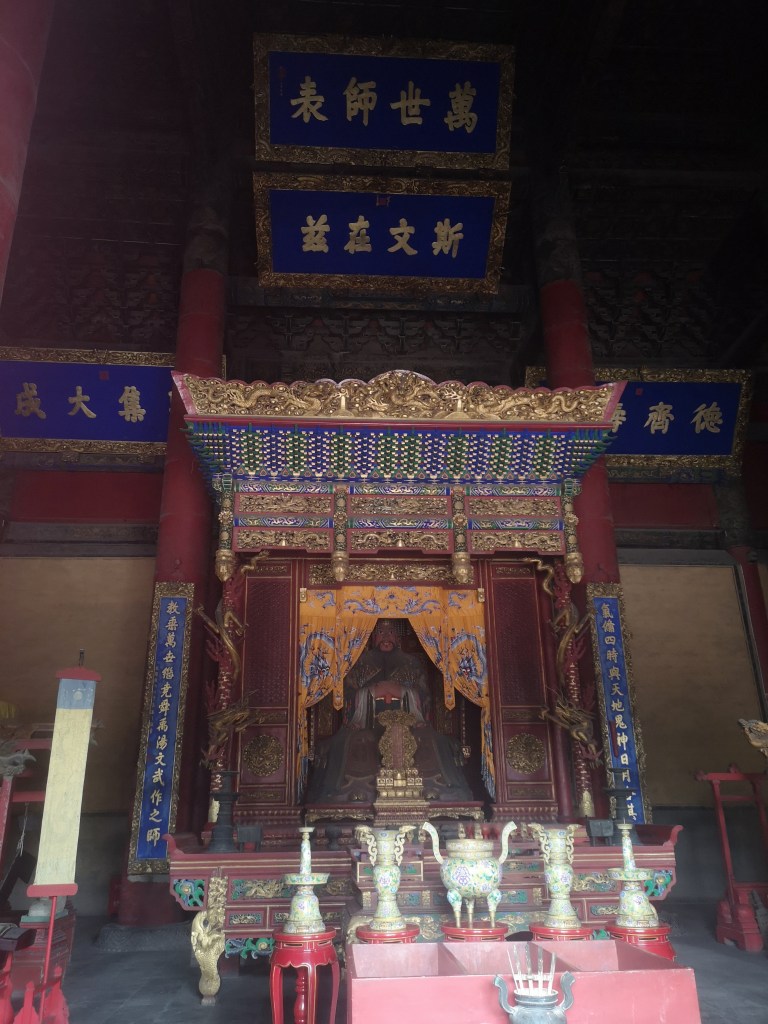
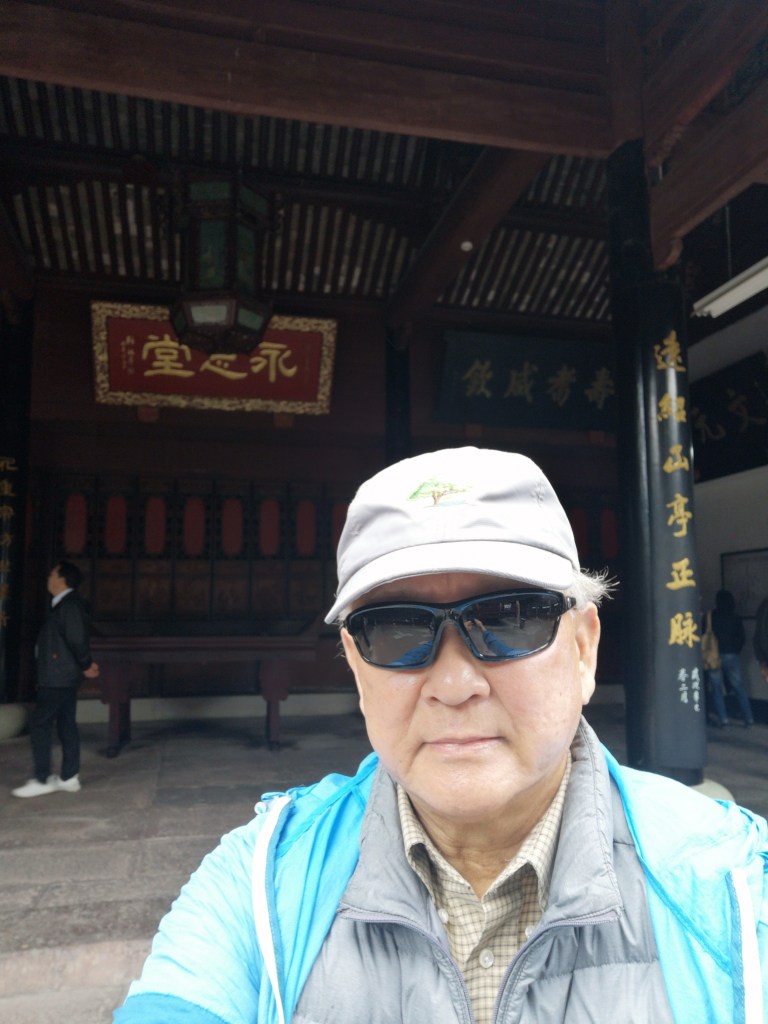
Confucius temple (夫子庙)in Nanjing, Jiangsu with exhibitions of the imperial examination system that cultivated Confucianism in China – 2Q2024

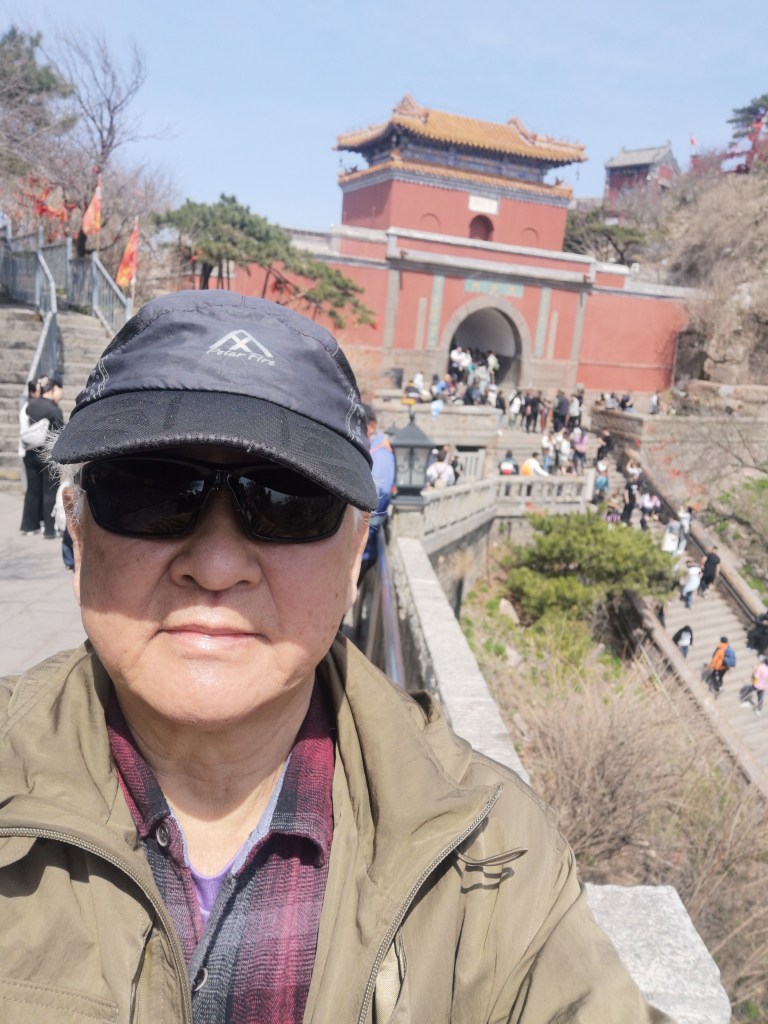
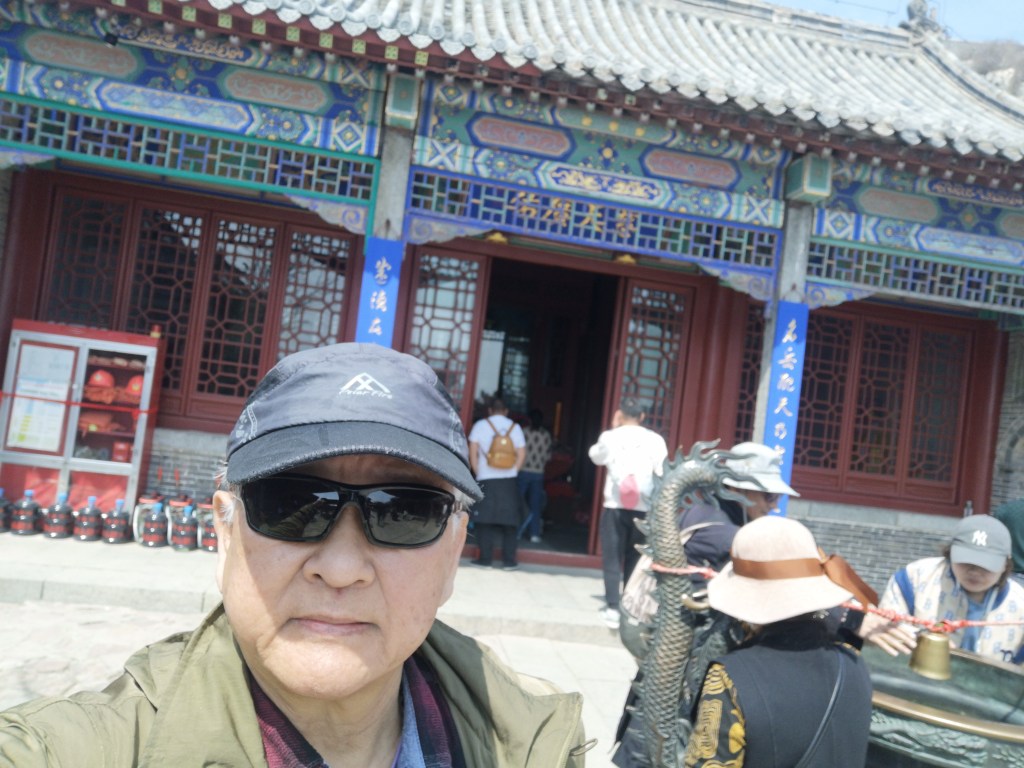
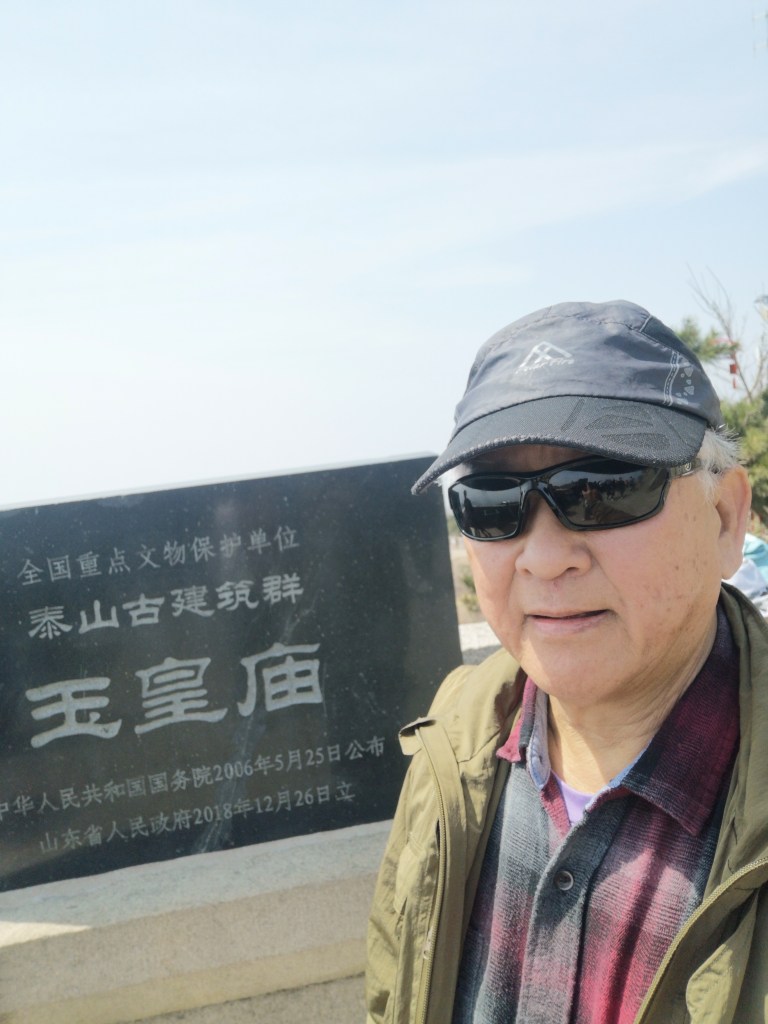
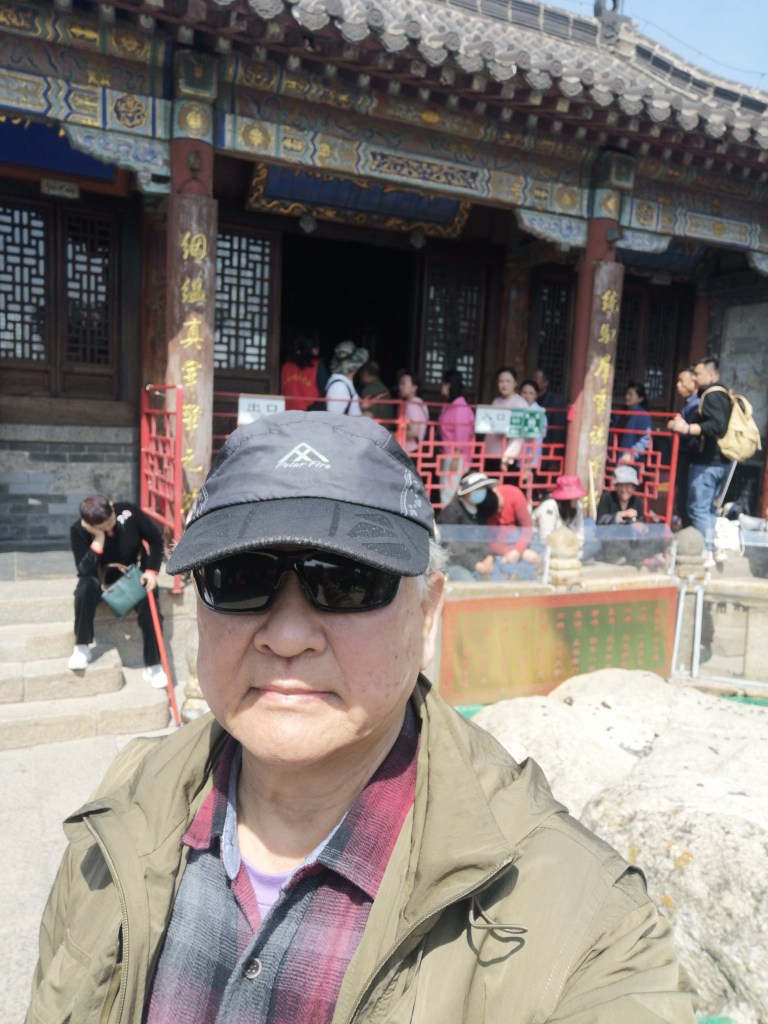
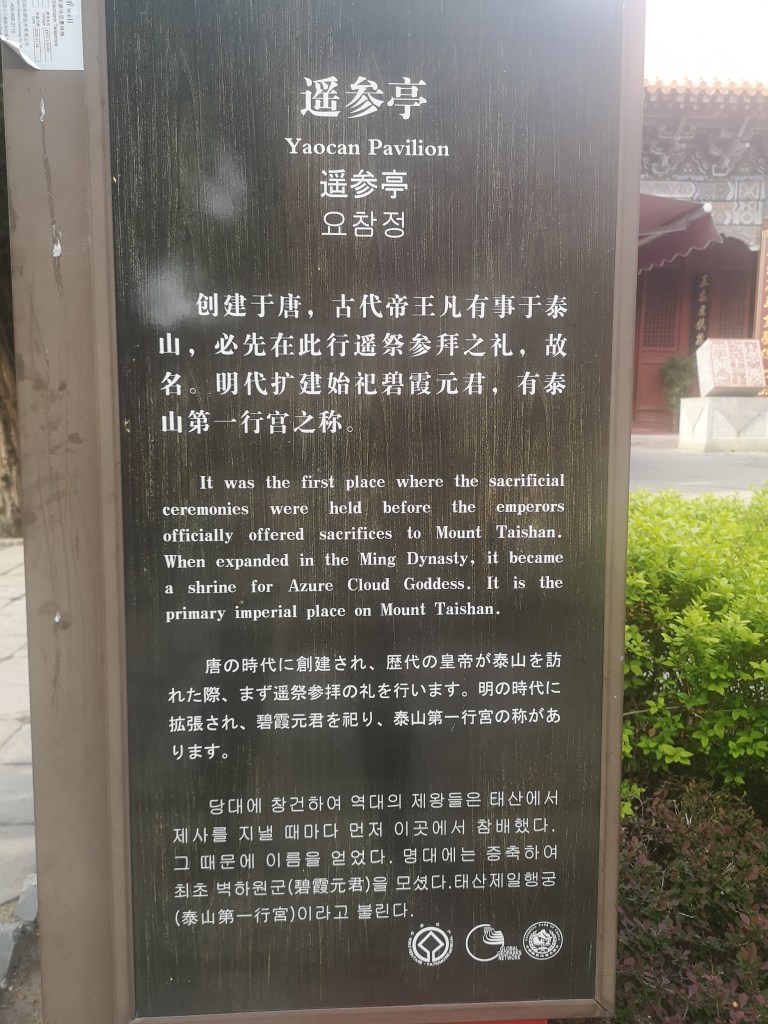
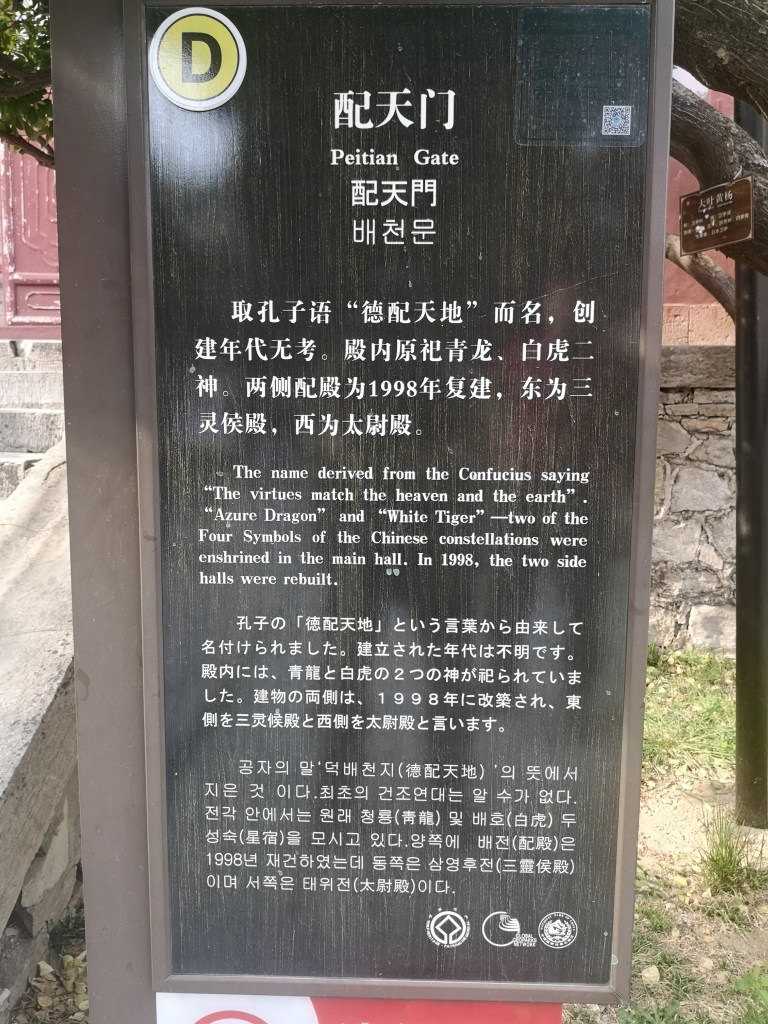
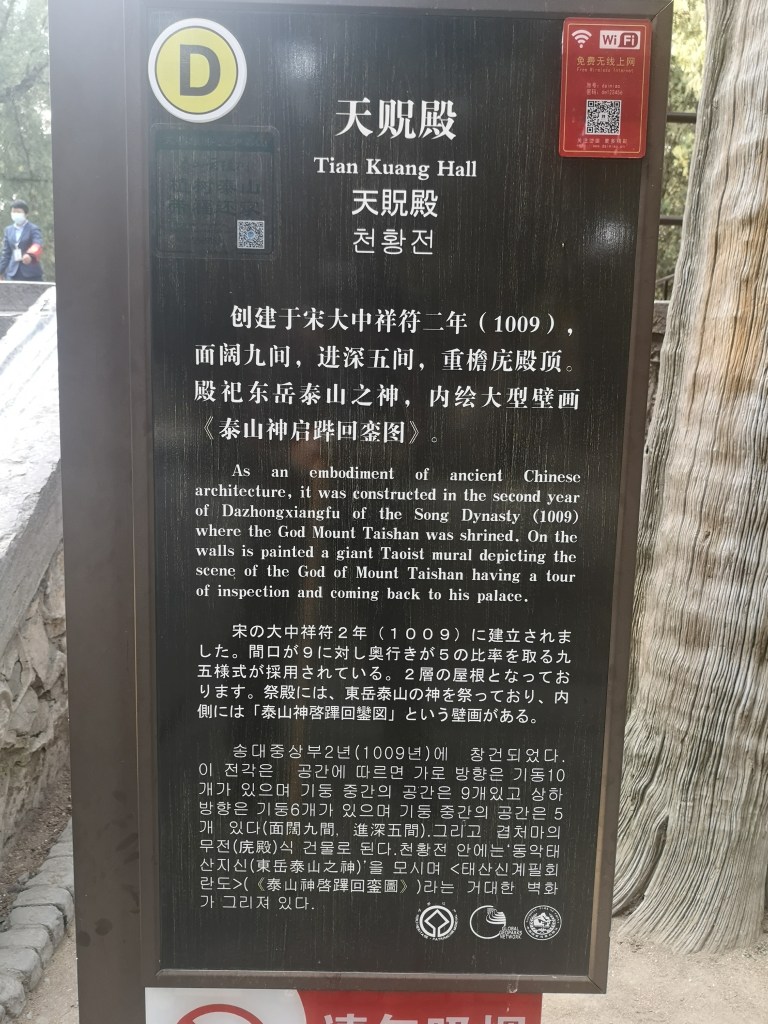
Jade Emperor Temple (玉皇庙) on top of Mt. Taishan which is a sacred worship place for emperors of almost every dynasty in China. Many Taoism temples on this mountain are dedicated to gods in heaven as well as deities and sages of Taoism – 2Q2024
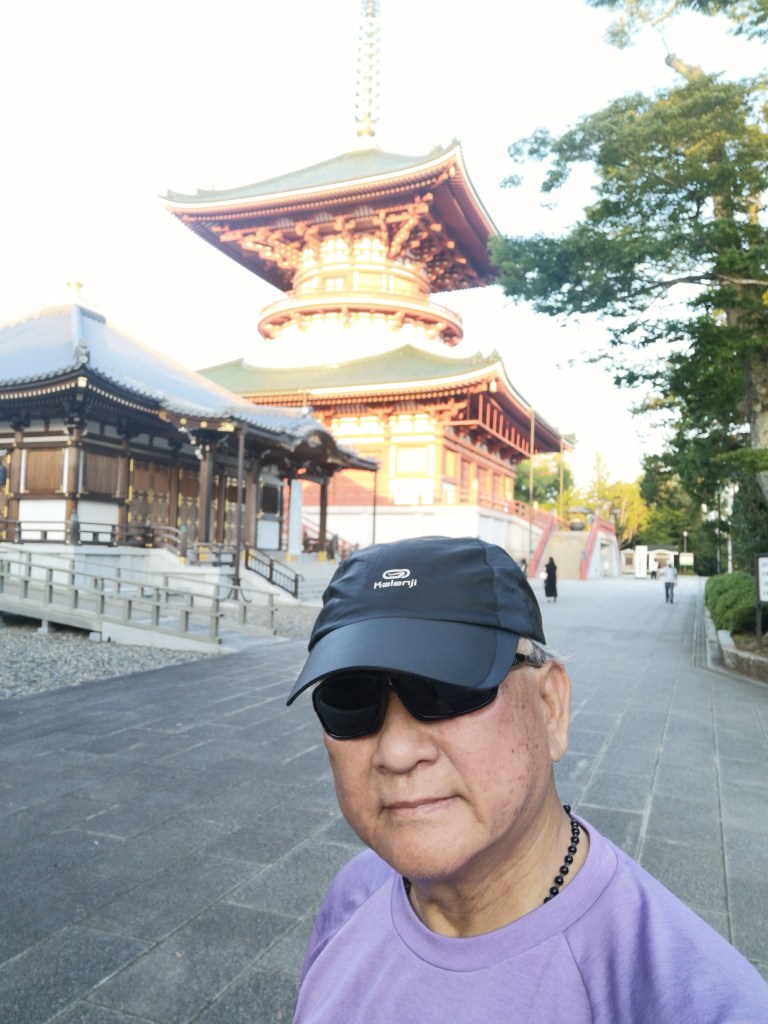
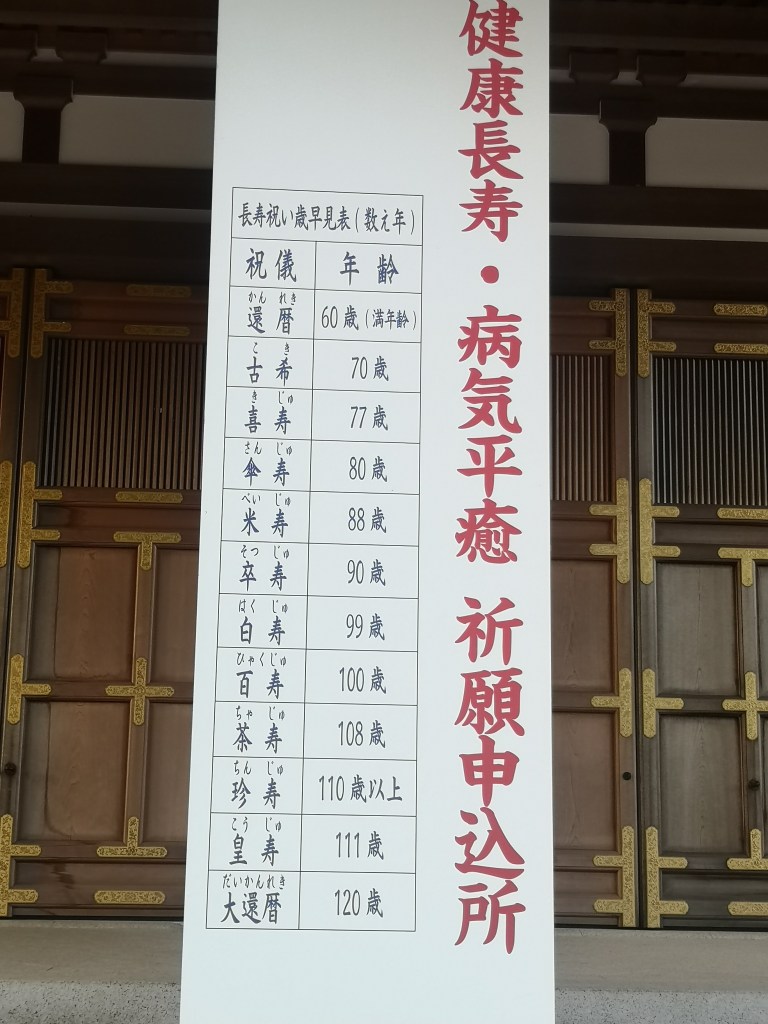
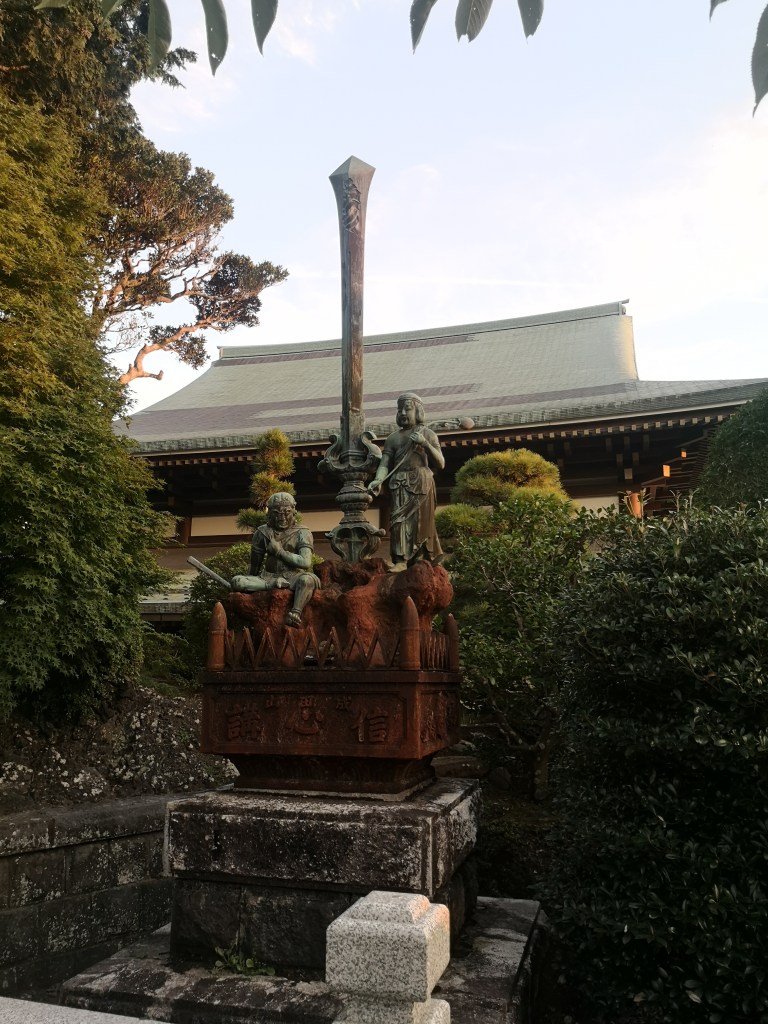
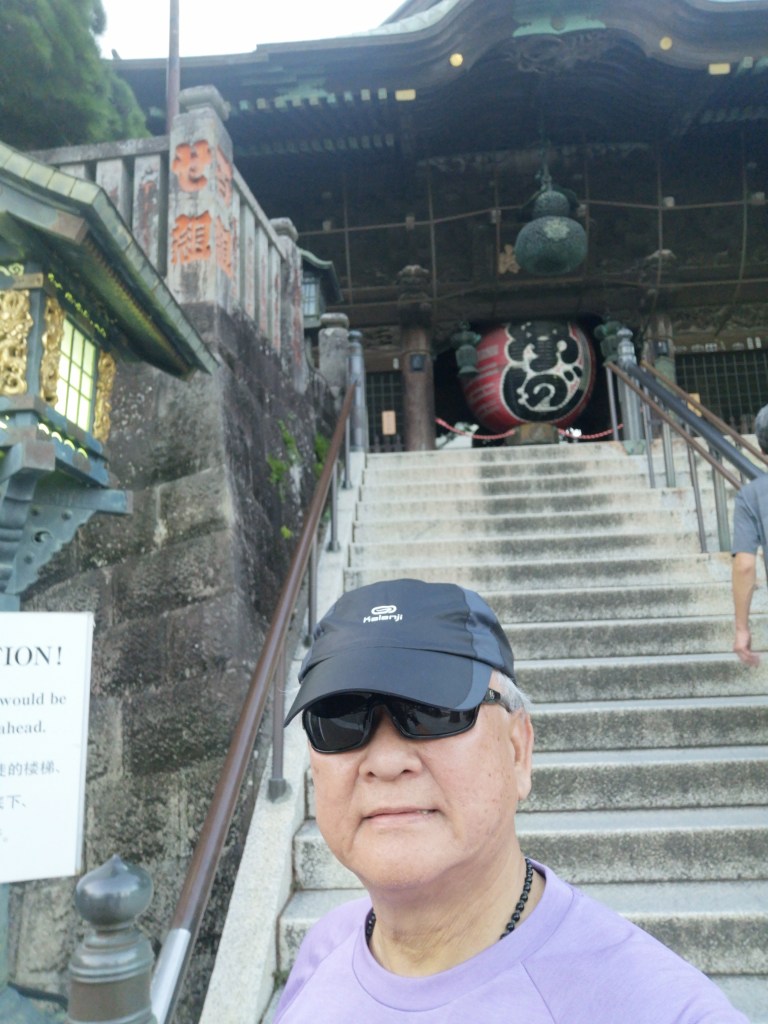
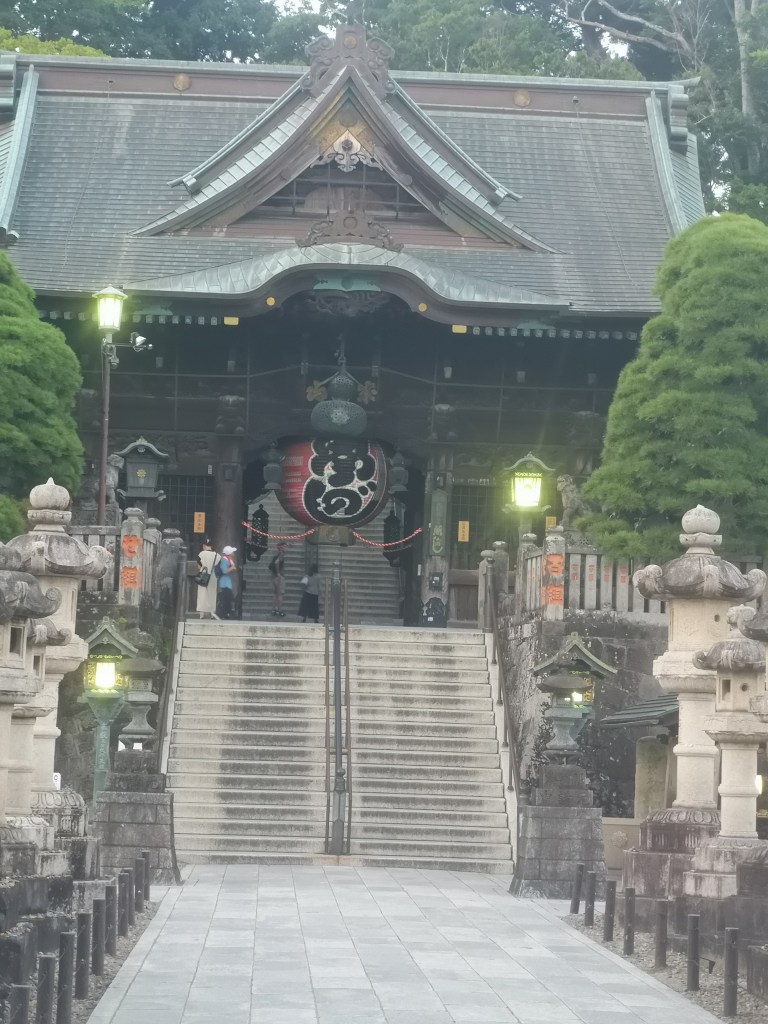
Narita-san (成田山 “Narita mountain”) Shinshō-ji (新勝寺 “New victory temple”) is a Shingon Buddhist temple located in central Narita, ChibaJapan. It was founded in 940 by Kanchō Daisōjō, a disciple of Kōbō Daishi. It is a lead temple in the Chisan branch (Chisan-ha 智山派) of New Shingon (Shingi Shingon 新義真言宗) – 3Q2024

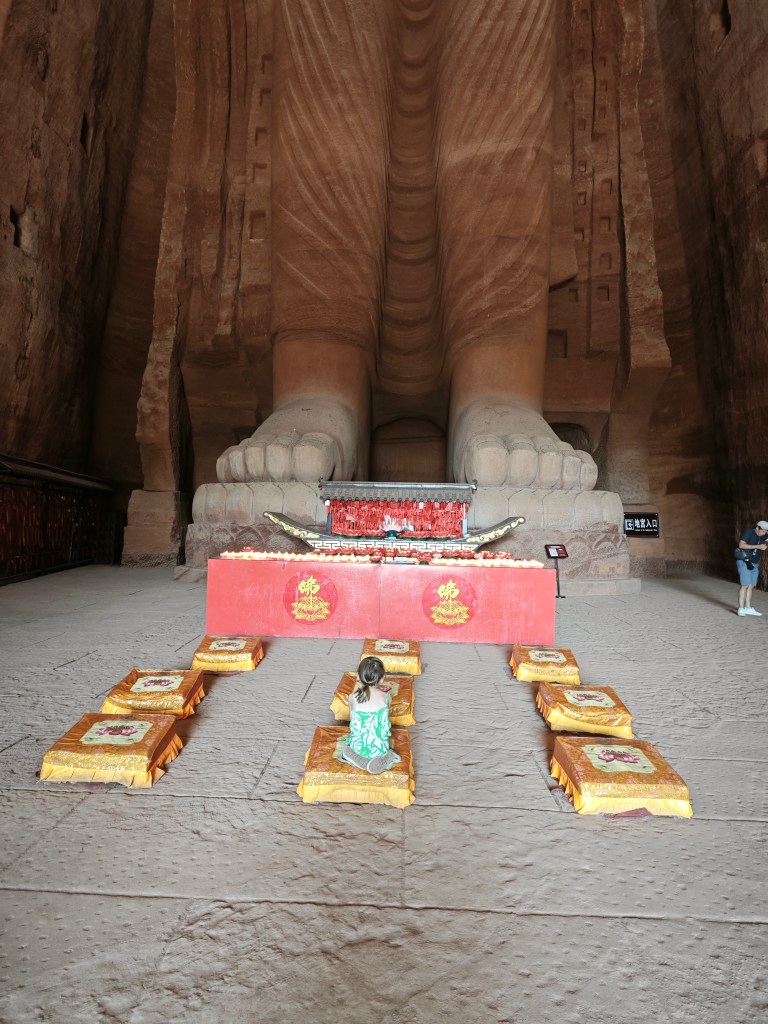
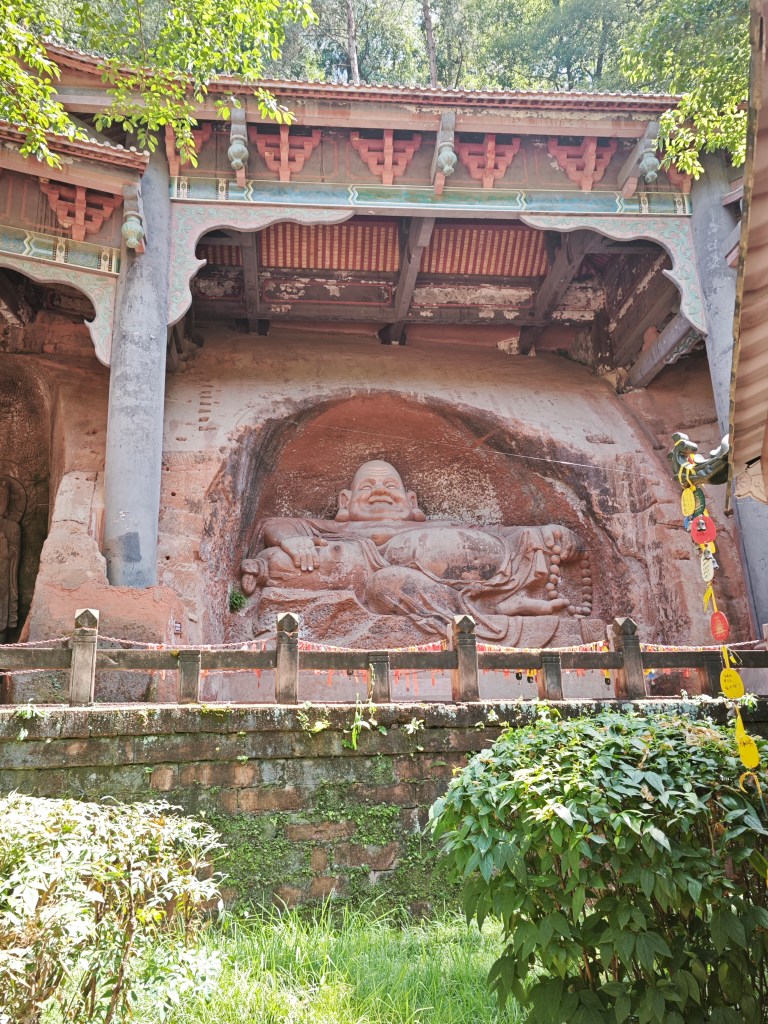
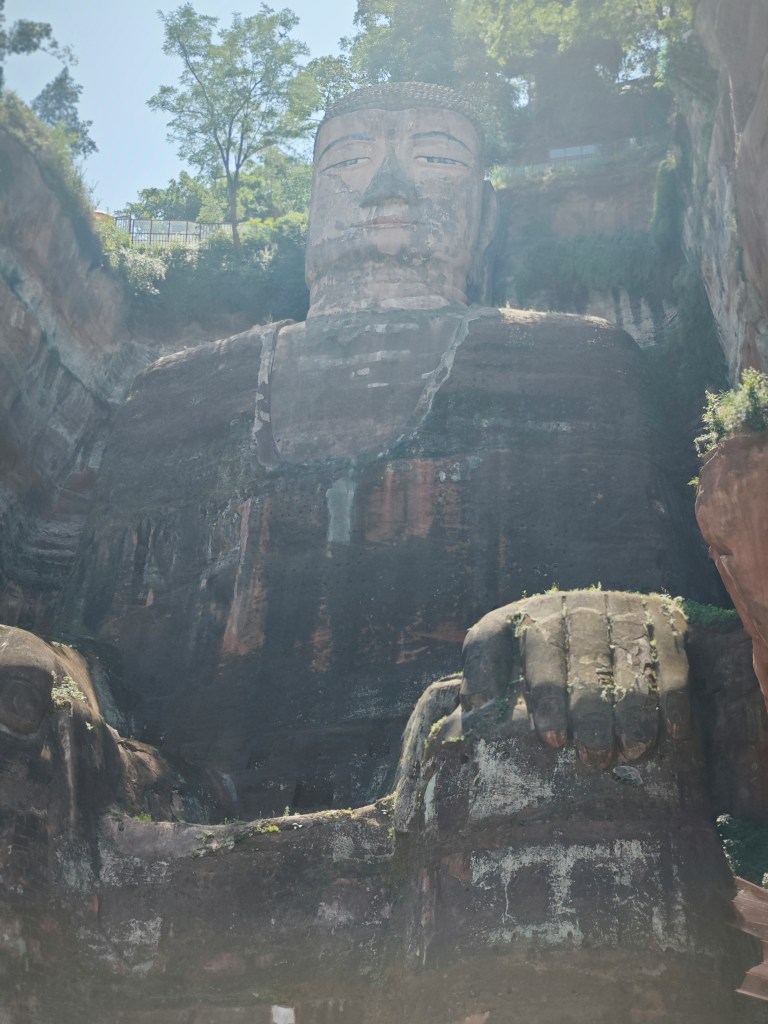
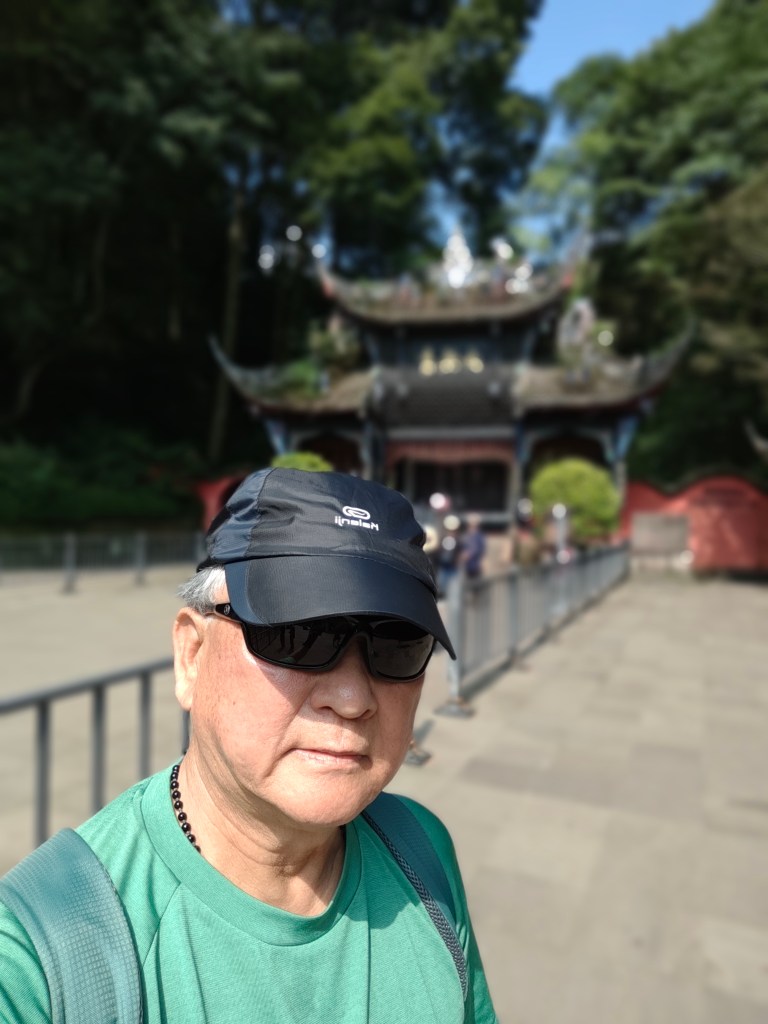
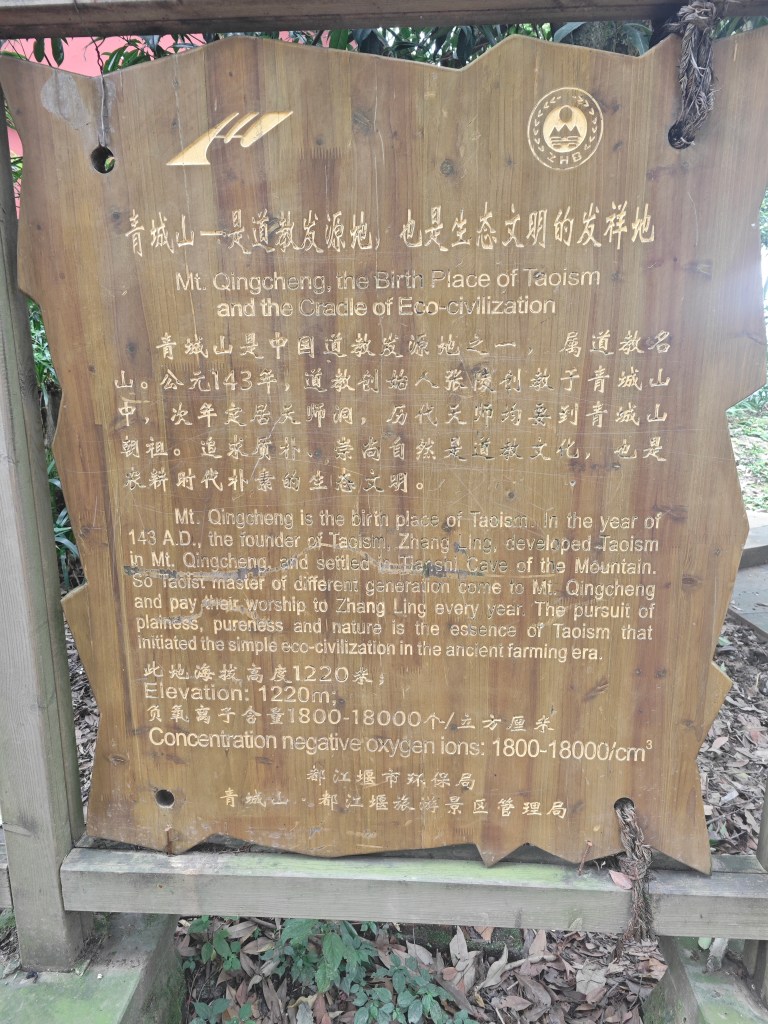
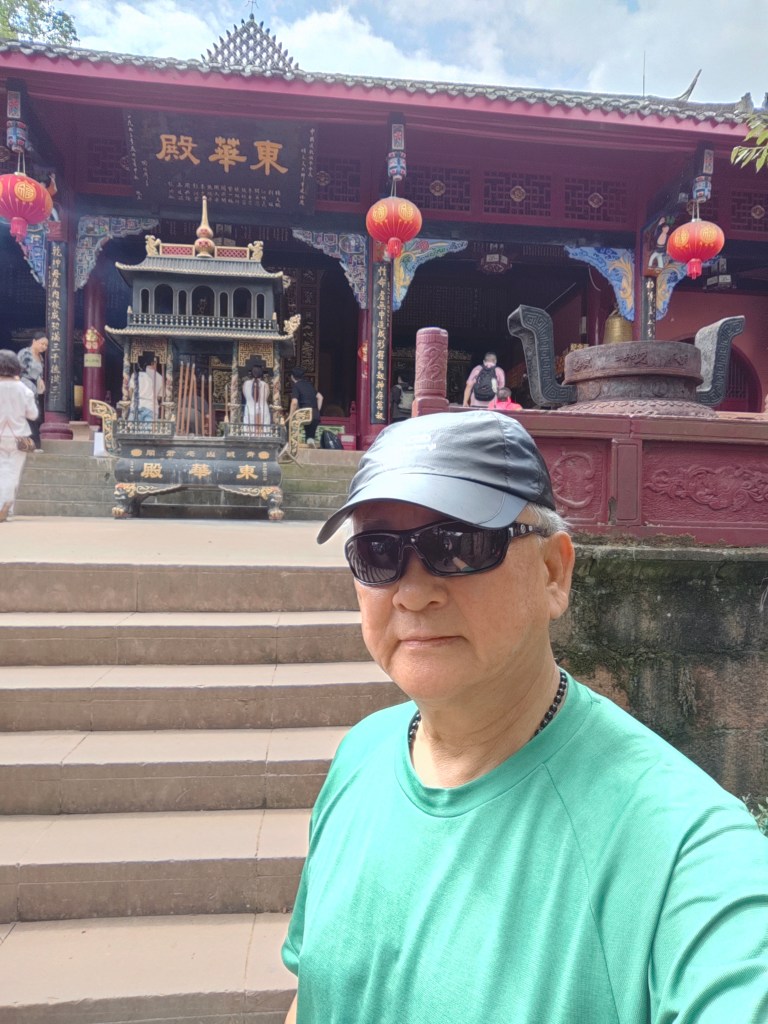
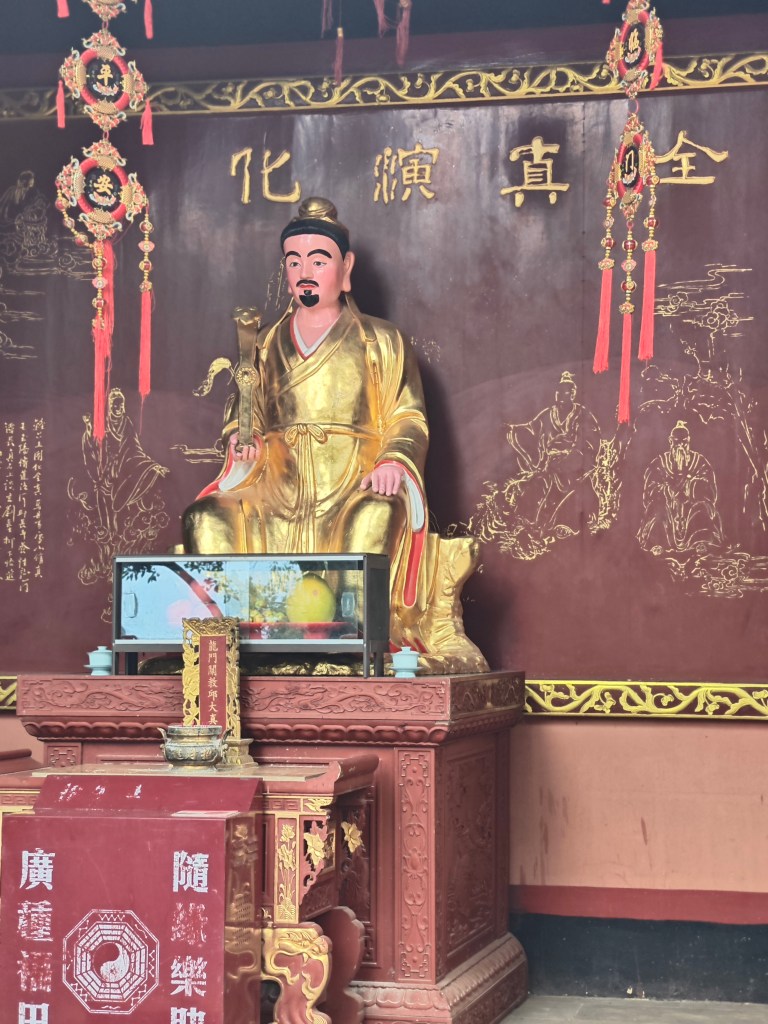
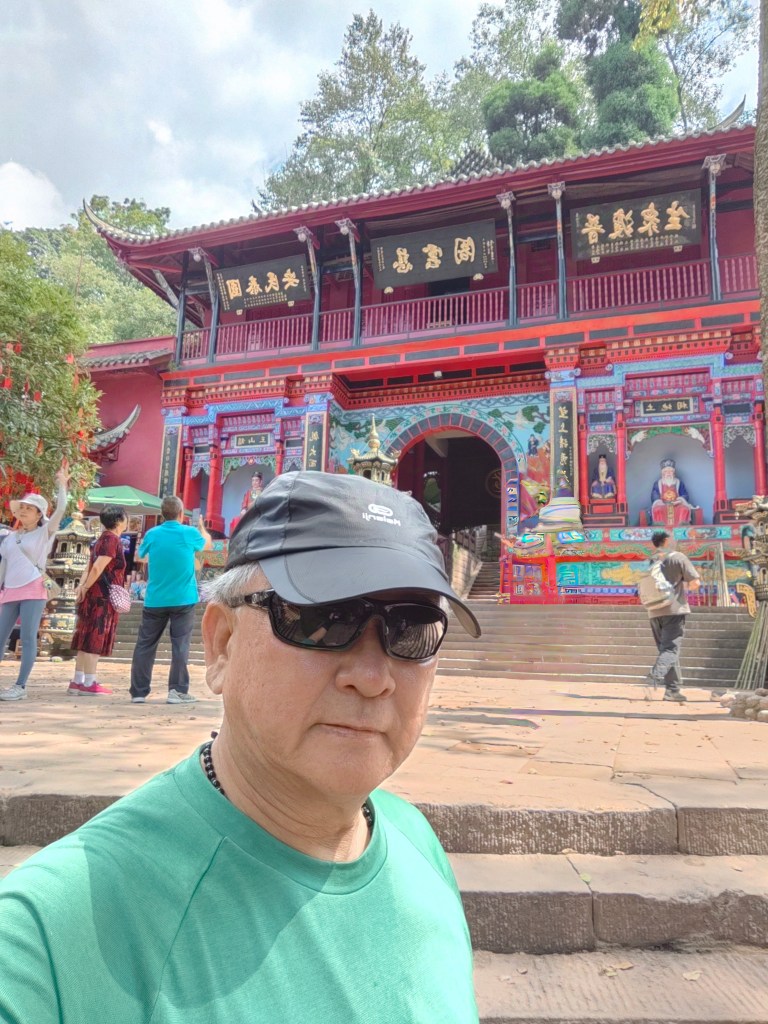
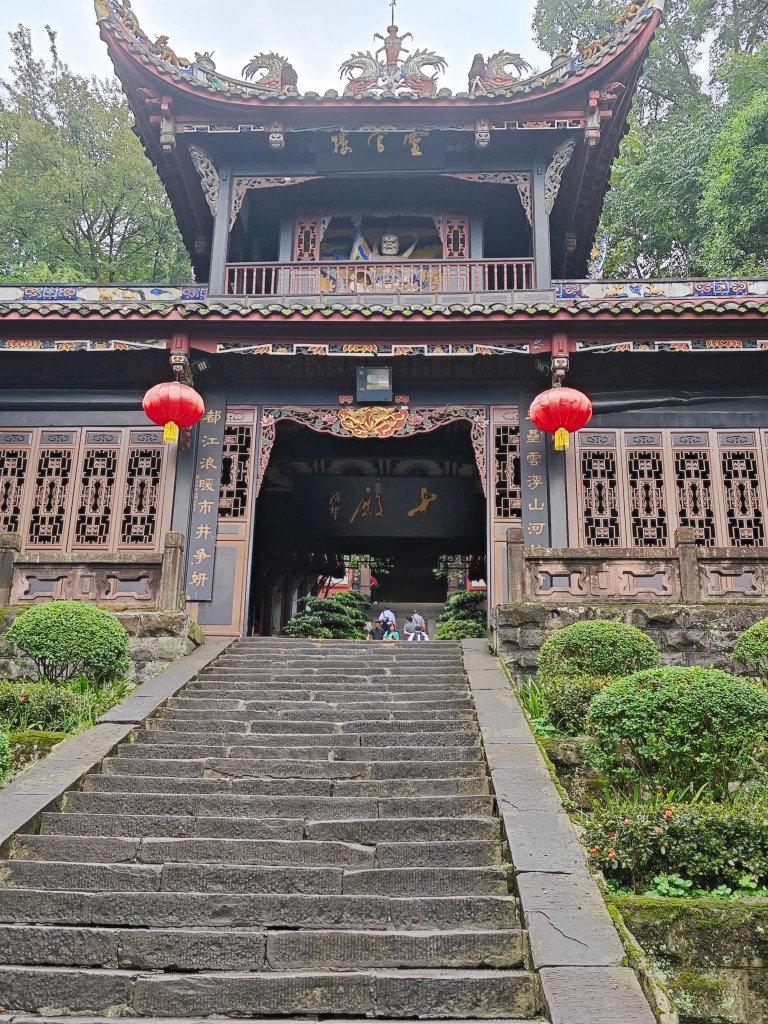
Mt. Qingcheng(青城山) is a sacred Taoist mountain in Dujiangyan(都江堰), Chengdu(成都), SichuanChina. It is considered one of the birthplaces of Taoism[1] and one of the most important Taoist religious sites in China. It’s wonderful to see a Muslin Mosque and a Confucius temple in the town of Dujiangyan, resonating with the purpose of our Oneworld Holy Missions (all religions co-exist in peace and harmony) – 3Q2024
Learning more about Christianity and the role of media in spreading the gospel

Posted from our quest Editor Deborah Tang

走過死蔭幽谷 周陳瑪莉與律師女兒攜手得人如魚
夫血癌逝獨養兩兒,「霸王花」記者轉職路見證神恩
我的病苦是全家人的恩典」乳癌單親媽罕病全癱,奇蹟醫治又得肋骨癌

Presentation by Deborah Tang at the OHM Board Meeting on 6/18/2022

Saving LBD project 1H2022 Status

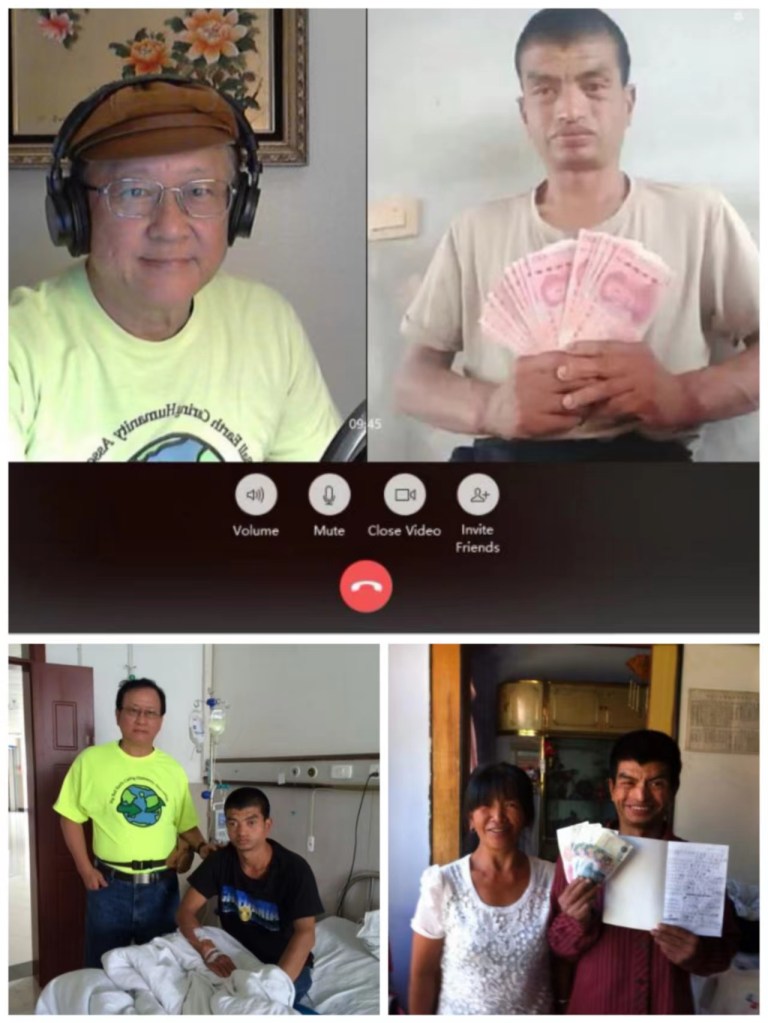
Little Brother Dragen has completely recovered from Tuberculosis (TB) and continued to sustain 100% good behavior. It’s heart warming to see this brain damaged village boy turned into a handsome young man and working hard to help his widowed mother with farm and house work. We started “Saving LBD project” almot 8 years ago by rewarding his good behavior with cash to buy his own needs instead of begging from other villiagers for cigaretts and petty things. His good behavior needs to be verified by other villagers and the village chief in order to receive the cash award. It has been a very successful project and we will continue to endorse this project in collaboration with the BigBall Earth Caring Humanity Association.

Photo Gallery

Rue Hsu, author of “Mythological Figures from Ancient China” met with the English translator James Tang in April 2019 in Kaohsiung, Taiwan.